
History of Dubai: From Creek Settlement to Global City

Ananya Sharma
February 20, 2026
Explore the history of Dubai from early creek settlements and pearling to oil discovery, UAE formation, and the rise of a global city.
Introduction: Understanding Dubai Beyond the Skyline
Modern Dubai is often introduced through superlatives: tallest towers, largest malls, fastest growth, biggest tourism campaigns. But to understand why Dubai developed the way it did, you have to look far earlier than glass skylines. The city's transformation came from geography, trade strategy, tribal leadership, and a long policy pattern of attracting merchants and talent. Oil accelerated this process, but it did not create the entire development model from scratch.
The historical core of Dubai began around the creek, where maritime routes connected East Africa, the Arabian Peninsula, Persia, and the Indian subcontinent. That trade orientation still defines Dubai today. Even now, logistics, ports, aviation, finance, and services remain central pillars, showing clear continuity between old and new economic structures.
This guide presents a practical history timeline: early settlements, pearl-diving era, oil discovery in 1966, federation years after 1971, and the diversification strategy that built contemporary Dubai. It also covers major rulers and the policy vision behind long-term growth. If you are planning a trip, pair this read with the current best places to visit in Dubai for historical sites you can see today.
Early History: Before the Modern City
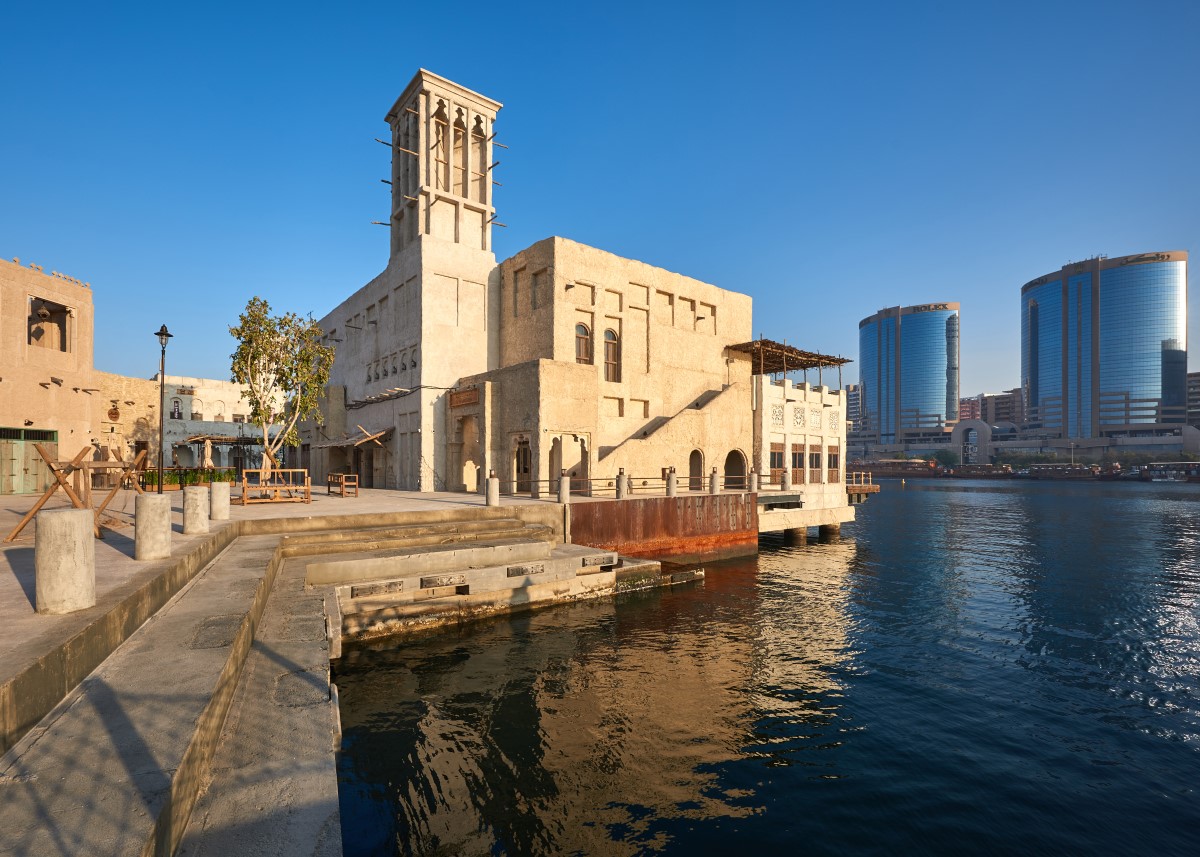
Archaeological and regional historical evidence indicates human activity in the wider UAE region for millennia, including Bronze Age settlements and desert-coastal trade links. While Dubai's modern urban identity is recent, the area was part of older movement networks connecting oasis communities, coastal fishing settlements, and caravan routes inland.
By the 18th and early 19th centuries, the creek zone had emerged as a natural anchor for fishing, pearling, and maritime exchange. Communities in and around present-day Dubai adapted to harsh climate through seasonal livelihoods, shared water management, and tribal coordination. Survival required mobility, trust networks, and access to sea routes.
In 1833, a key political milestone occurred when members of the Bani Yas tribal confederation, under the Al Maktoum leadership, established control over Dubai. This date is widely recognized as a defining point in the emirate's political history and remains central in official historical narratives.
The Pearl Diving Era and Merchant Economy
Before oil, pearling was the dominant economic activity across much of the Gulf, and Dubai participated deeply in this system. Pearl diving created seasonal employment, linked coastal settlements to global luxury demand, and supported merchant financing structures. Local boats, crew networks, and trading intermediaries formed a specialized ecosystem.
How the pearling economy worked
- Crews left for sea in seasonal cycles.
- Merchants financed expeditions and supplies.
- Pearls were sorted, graded, and sold through Gulf trade networks.
- Regional demand connected with Indian and European markets.
Dubai's creek helped this system by enabling easier loading, unloading, and merchant access. The city's openness to traders also mattered. A major policy step came in the late 19th century when tax and customs advantages encouraged merchants to relocate from other ports. This attracted commercial communities and strengthened Dubai's role as a regional hub.
The industry declined sharply in the early 20th century due to global economic pressures and the rise of cultured pearls, especially from Japan. This downturn affected Gulf coastal economies deeply and forced many settlements, including Dubai, to seek alternative growth paths.
From Hardship to Strategic Rebuilding (1930s-1960s)
The post-pearling decades were difficult. Economic contraction, limited infrastructure, and external market shocks put pressure on households and trade. Yet these same decades also established policy instincts that later shaped Dubai's rise: pragmatism, merchant engagement, and willingness to invest in connectivity.
During the mid-20th century, creek improvements and port-oriented thinking gained momentum. Leadership recognized that geography could remain an advantage if transport systems were modernized. Even before oil revenues expanded, this logistics-first mindset was already visible in planning decisions.
The city's ability to adapt during this period is a key reason why Dubai was positioned to scale rapidly once new revenue streams arrived. It had already built a commercial culture comfortable with reinvention.
Oil Discovery in 1966 and the Development Pivot
Oil was discovered in Dubai in 1966 at the Fateh field. Exports began soon after, generating capital for public works and urban modernization. Unlike economies that remained heavily dependent on hydrocarbons for decades, Dubai leadership moved early toward diversification.
Where oil money was directed
- Roads and utility expansion
- Port and shipping infrastructure
- Public services and institutions
- Urban planning foundations for future growth
Oil revenues clearly accelerated development, but Dubai's long-term model was to use resource income as launch capital for broader sectors. This strategic decision explains why trade, aviation, logistics, tourism, real estate, and financial services later became major economic engines.
1971 and After: UAE Formation and Expansion Era
In 1971, the United Arab Emirates was formed, and Dubai became one of its seven emirates. Federation provided a wider national framework while allowing Dubai to pursue distinct economic priorities. The subsequent decades saw major infrastructure initiatives that reinforced the city's role as a global connector.
Key expansion milestones
- 1970s: Ports, roads, and foundational urban systems expanded.
- 1979: Jebel Ali Port emerged as a strategic logistics asset.
- 1985: Emirates airline launched, accelerating global air connectivity.
- 1990s onward: Tourism and real-estate branding scaled rapidly.
Dubai's model increasingly combined state-led infrastructure with investor-friendly policies. Free zones and business-friendly regulatory environments attracted international firms. This approach strengthened its position between Europe, Asia, and Africa as a transit and services hub.
Modern Dubai: Diversification, Branding and Global Positioning
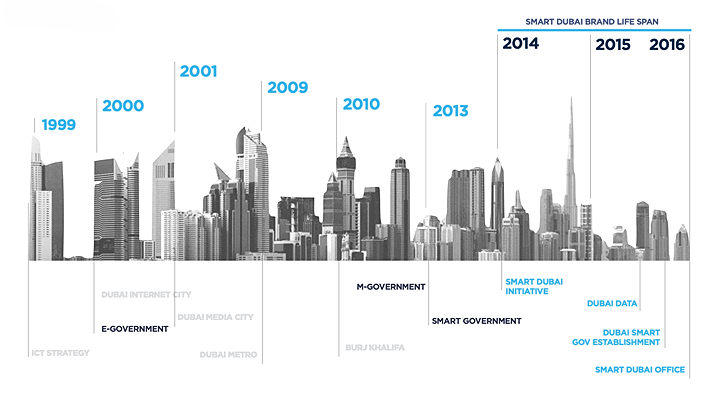
By the late 1990s and 2000s, Dubai was no longer viewed only as a Gulf trading city. It had become a global brand built on aviation reach, hospitality infrastructure, business services, and large-scale urban projects. Landmark developments like Burj Al Arab, Palm Jumeirah, and later Burj Khalifa amplified international visibility.
Crucially, this branding was backed by ecosystem planning: airports, ports, retail, events, hospitality, and transit systems were developed as interconnected assets rather than isolated projects. This is one reason Dubai could absorb high visitor volumes while continuing to attract business migration.
Major event platforms, including Expo 2020 (held in 2021-2022 due to pandemic rescheduling), further strengthened long-term positioning around innovation, sustainability messaging, and global partnership networks.
Historical Timeline at a Glance
| Year/Period | Event | Historical Importance |
|---|---|---|
| 1833 | Al Maktoum leadership established in Dubai | Foundational political milestone |
| Late 1800s | Merchant-friendly policies and tax advantages | Trade growth and population expansion |
| Early 1900s | Pearl economy peak and decline phase | Economic stress and transition pressure |
| 1966 | Oil discovery at Fateh field | Capital for rapid infrastructure growth |
| 1971 | UAE formation | National framework for expansion |
| 1979 onward | Port, aviation, free-zone acceleration | Diversified economic model |
| 2000s-present | Global city branding and tourism scale | International business and visitor hub |
Dubai's Rulers and Long-Term Vision
The Al Maktoum dynasty has led Dubai since the 19th century, and continuity of leadership has been a major factor in policy execution. Successive rulers emphasized trade, openness, and infrastructure as strategic foundations.
Leadership themes across eras
- Merchant engagement and low-friction business climate
- Investment in transport and logistics before demand peaks
- Internationalization through aviation and services
- Future-facing planning through long-term urban visions
In public policy discussions, Dubai is often cited for implementation speed and coordination across sectors. Vision documents and master plans, including modern urban frameworks, are used to align growth with mobility, housing, and sustainability targets.
Historical Places in Dubai You Can Visit Today
History in Dubai is not only found in museums. It is visible in districts where old trade routes, architecture, and creek life still shape daily movement.
- Al Fahidi Historical Neighborhood: Wind-tower architecture and cultural spaces.
- Dubai Creek area: Traditional trade corridors and abra crossings.
- Al Shindagha Museum zones: Curated narratives on social and maritime heritage.
- Old souk districts: Continuing merchant legacy in contemporary form.
To connect old and new city narratives visually, many travelers include Dubai Frame in the same itinerary. For culture-plus-commerce travel windows, Dubai Shopping Festival shows how historical trade identity evolved into modern event economics.
How Dubai Developed So Fast: Core Drivers
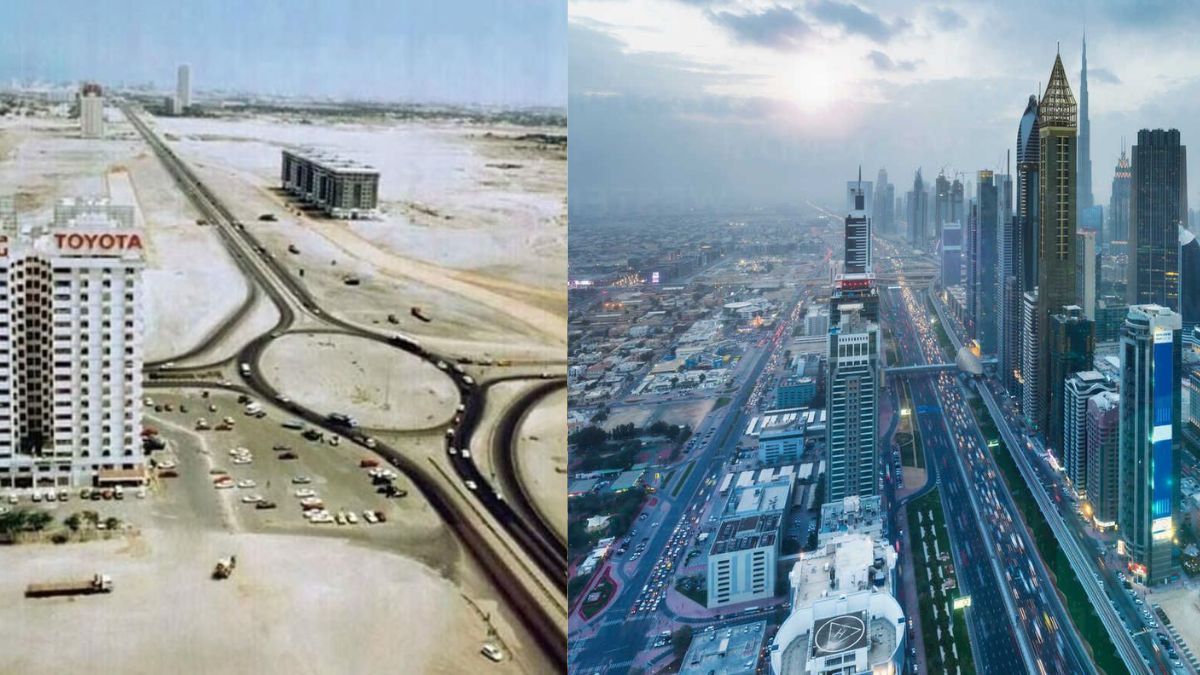
Rapid development in Dubai was not random. It came from a repeatable strategy built over decades.
Five major drivers
- Geographic advantage: Position between major global regions.
- Trade-first policy: Long history of merchant and port focus.
- Infrastructure sequencing: Building capacity ahead of demand.
- Regulatory flexibility: Investor-oriented zones and business services.
- Brand and events strategy: Tourism and global visibility at scale.
Oil gave early funding, but policy execution and diversification sustained momentum. This distinction is important for anyone studying Dubai's development model beyond headlines.
How History Shapes Dubai Travel Today
Understanding Dubai's history improves trip planning in practical ways. Travelers who only focus on modern landmarks often miss the continuity between old trade districts and contemporary business zones. A better itinerary balances both. Begin around heritage areas near the creek to see architectural forms, merchant lanes, and social patterns that explain early city growth. Then move to modern districts to observe how infrastructure scale and branding changed the same urban economy.
This old-to-new sequencing also makes cultural interpretation easier. You can connect wind-tower neighborhoods, souk traditions, and water-based trade movement with today's airport hubs, free zones, and global retail corridors. Seen together, Dubai's development appears less abrupt and more like phased expansion built on a consistent logic: attract movement, reduce friction for commerce, and invest before demand peaks.
For visitors, the practical takeaway is simple: allocate time for both heritage and modern icons. Do not compress history into one museum stop. Walk the creek side, use an abra crossing, visit one heritage district in daylight, and then contrast it with newer urban landmarks. This approach gives deeper context and makes even short trips feel more complete, especially for travelers who want to understand the city rather than only photograph it.
Conclusion: A City Built on Continuity and Reinvention
The history of Dubai is not a simple before-oil vs after-oil story. It is a longer arc that begins with creek trade, adapts through pearling decline, uses oil strategically, and reinvents itself through logistics, aviation, tourism, and global services. Continuity in leadership vision and openness to commerce allowed the city to evolve quickly without losing its role as a regional connector.
For travelers, this history changes how the city is experienced. Modern landmarks make more sense when seen as the latest phase of a centuries-old trading mindset. If you explore both heritage districts and contemporary icons in one itinerary, Dubai feels less like a sudden miracle and more like a deliberate, long-term project built over generations. To turn this historical context into an actual itinerary, our guide to things to do in Dubai pairs heritage sites with the modern attractions worth adding to your route.
Location
Frequently Asked Questions
Q1.When was Dubai founded?
Q2.Who founded modern Dubai leadership?
Q3.What was Dubai's main economy before oil?
Q4.When was oil discovered in Dubai?
Q5.How did Dubai become so rich so quickly?
Q6.How long did Dubai take to transform into a global city?
Q7.Is Dubai's growth only because of oil?
Q8.Which historical places should I visit to understand Dubai's past?
Recommended For You
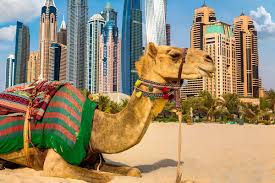
Things to Do in Dubai: Attractions, Itinerary & Budget Breakdown
Plan your Dubai trip with practical attraction choices, location-cluster routing, 2-day and 3-day itinerary options, and budget-smart transport tips.
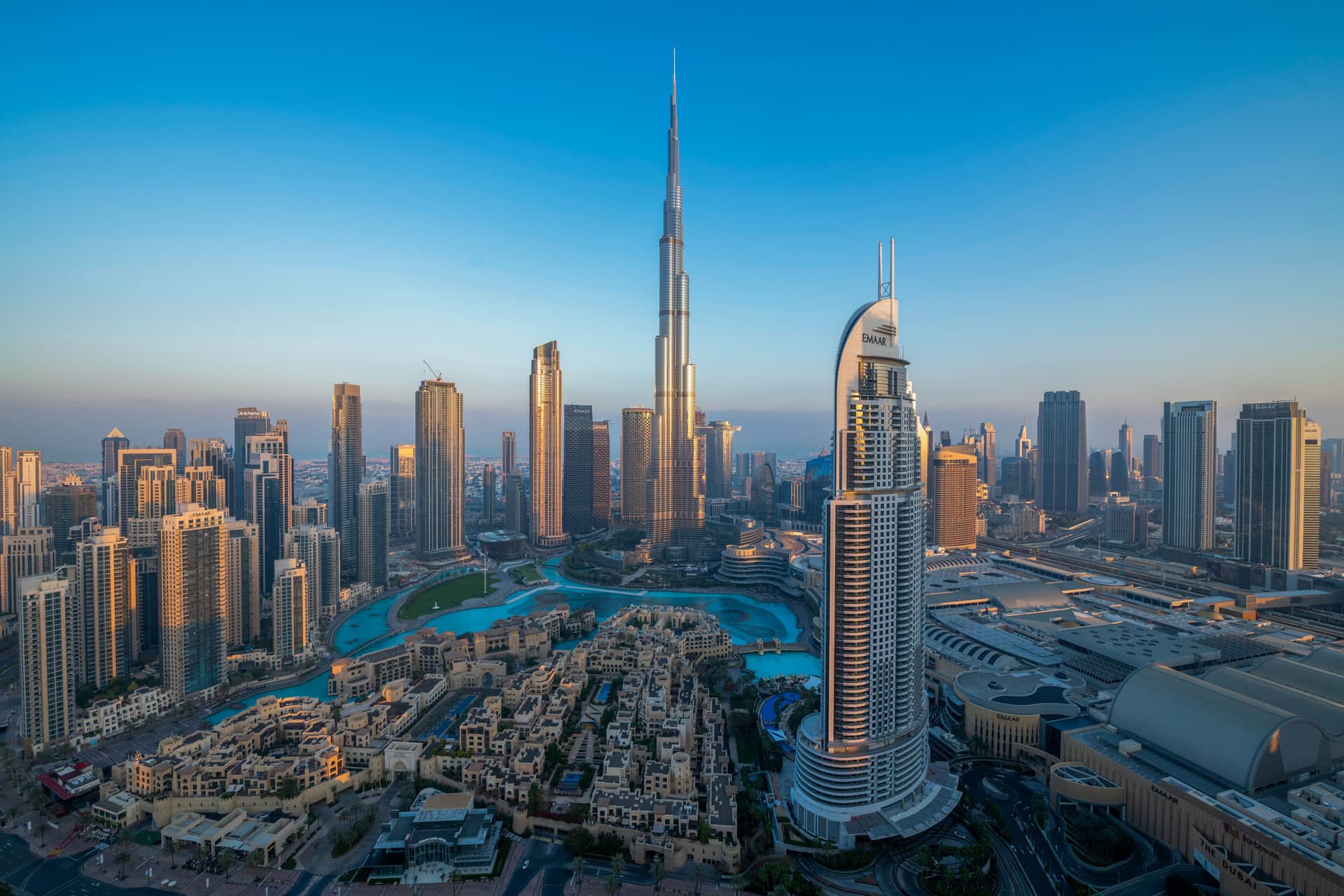
Burj Khalifa Dubai: Tickets, Timings & Best Views
Visit Burj Khalifa, the world's tallest building in Dubai. Complete guide with ticket prices, observation deck timings, best time to visit, and practical tips for an unforgettable experience.
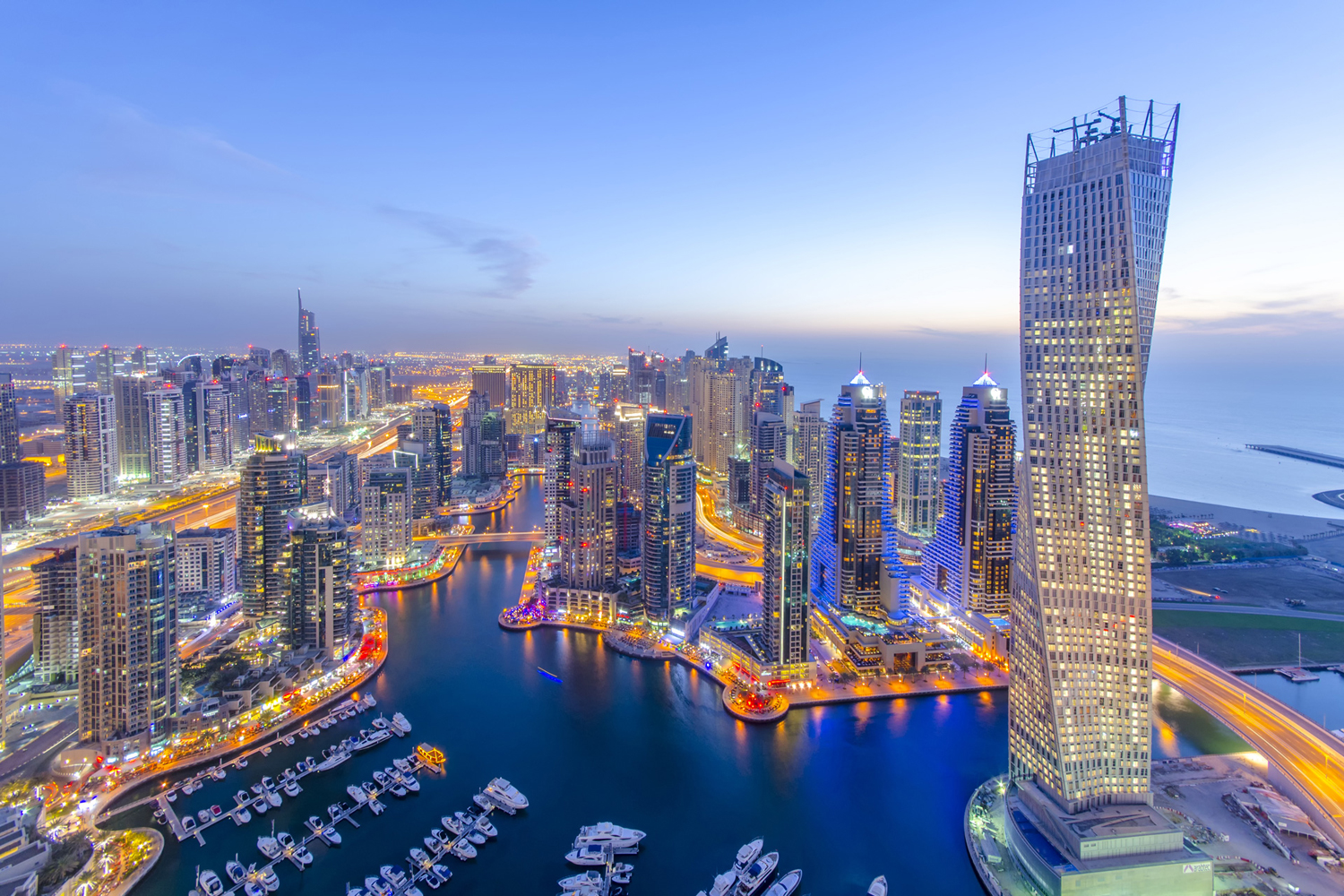
Dubai Marina: Things to Do, Cruise Timings & Route Plan
Plan your Dubai Marina visit with practical route ideas, evening itinerary options, budget tips, and family-friendly experience planning.
Never Miss an Adventure
Get the latest trekking guides, travel tips, and exclusive offers delivered straight to your inbox.
