
Ho Chi Minh City Vietnam Guide: District Planning, Cultural Stops, and Smart Urban Itinerary Design

Priya Mehta
February 26, 2026
Plan Ho Chi Minh City with district-based routing, cultural sequencing, and practical day-to-night urban travel strategy.
Introduction
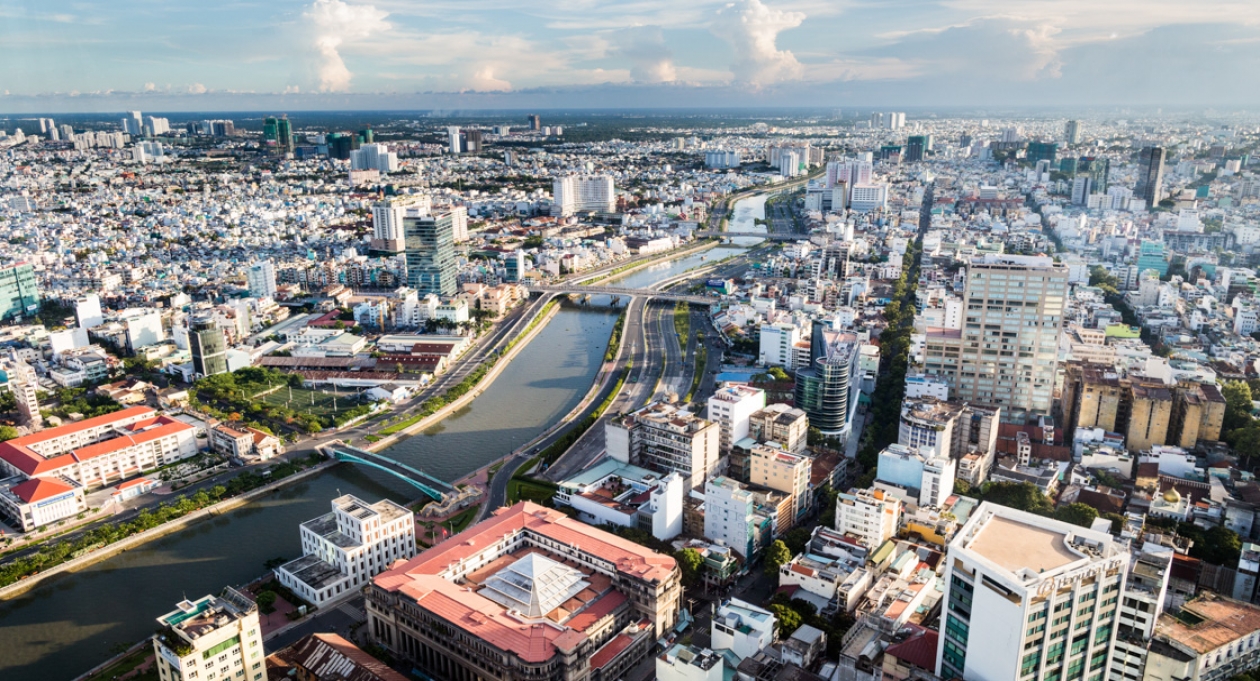
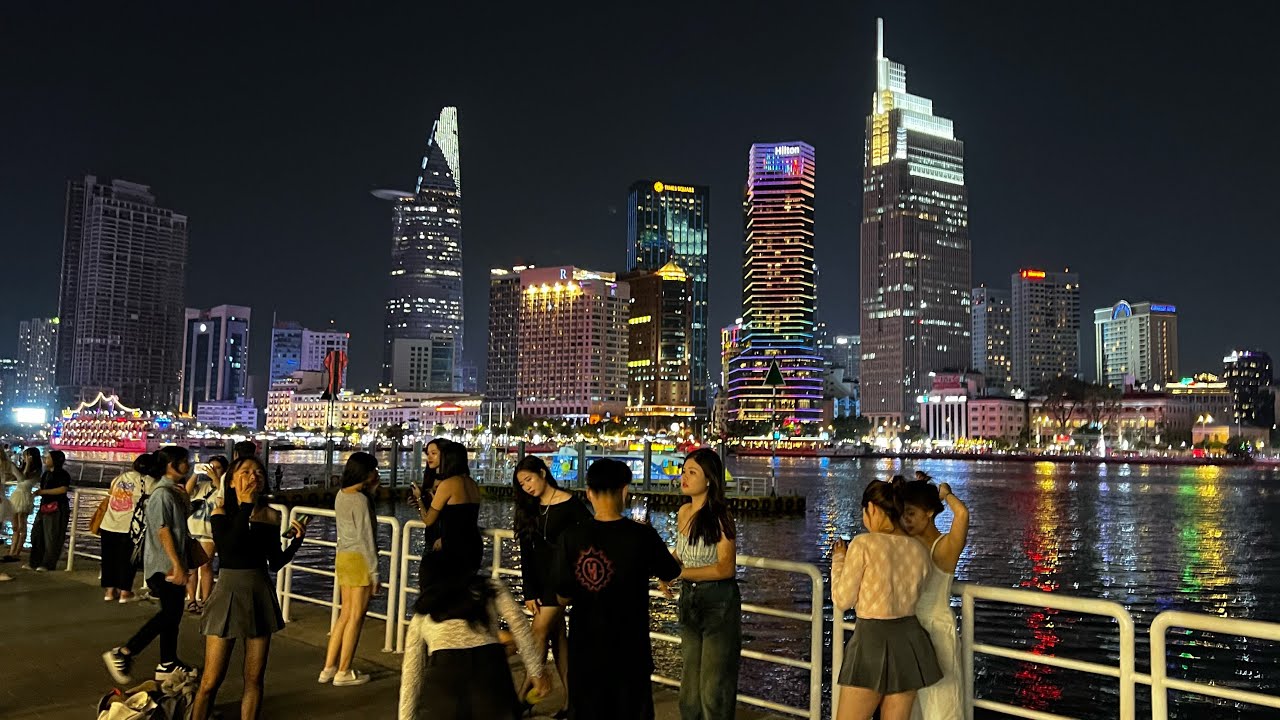
Ho Chi Minh City is one of Southeast Asia's most dynamic urban destinations, offering historical landmarks, food diversity, market energy, and strong day-to-night transitions. The challenge for many travelers is not lack of options, but lack of structure. Without district-level planning, city time gets consumed by traffic, random routing, and repeated low-value stops. This guide helps you build a practical Ho Chi Minh City plan with clearer movement logic, cultural depth, and manageable pacing. Whether you are here for two days or a longer Vietnam circuit, the goal is to make every day intentional and efficient without removing the city's spontaneous energy.
Why District-Based Planning Works Best
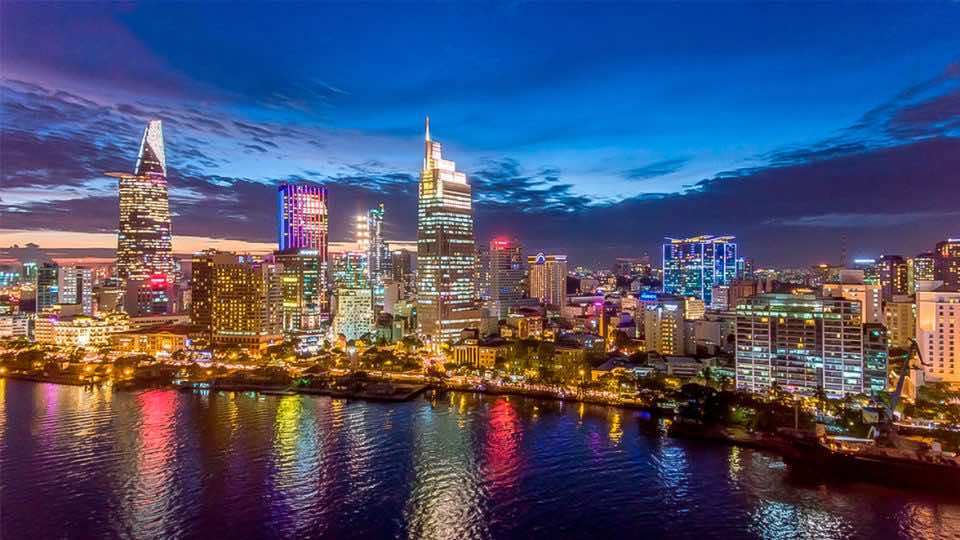
Ho Chi Minh City is best navigated by zones, not by random attraction lists. Group your day by nearby clusters and reduce cross-city jumps during peak traffic windows. A district-first strategy saves time and preserves energy for actual experiences: museums, markets, cafés, and evening walks. Without this structure, even short itineraries can feel rushed. Good city travel is often about fewer transfers, not more attractions.
How to Build a Practical 2-Day City Plan
Day 1: heritage and city-core orientation with one market and one cultural landmark. Day 2: food and neighborhood rhythm plus evening social block. Keep midday for meal recovery and low-intensity movement when heat or crowd density rises. If your Vietnam route is wider, align this city plan with things to do in Vietnam and avoid stacking long transfers immediately after late-night city sessions.
Cultural Core: What to Prioritize First
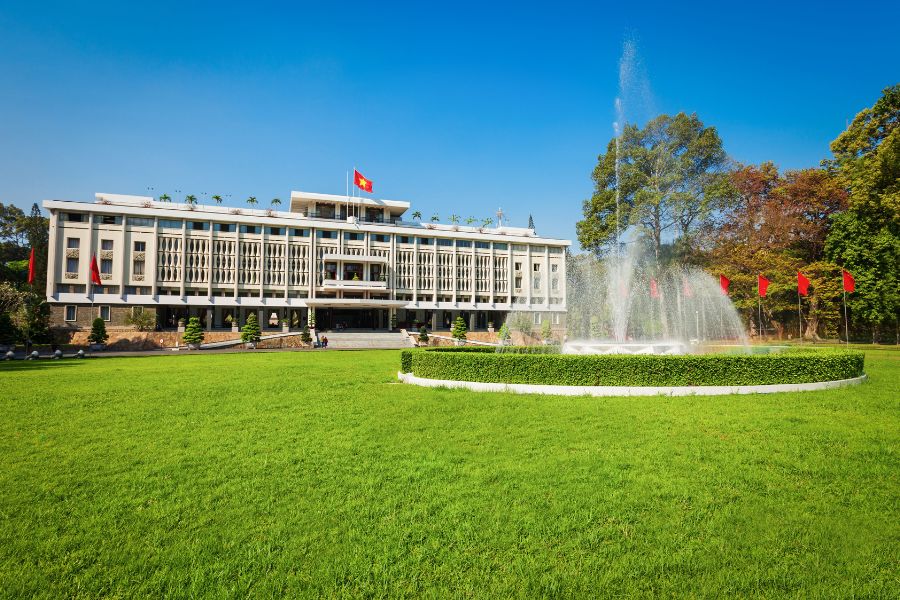
Start with one landmark that anchors historical context. Many travelers choose structured sequences around Independence Palace Ho Chi Minh and Notre Dame Cathedral of Saigon Vietnam to establish city narrative early. This context improves your understanding of later stops and makes the city feel coherent, not fragmented.
Market Strategy and Street-Level Experience
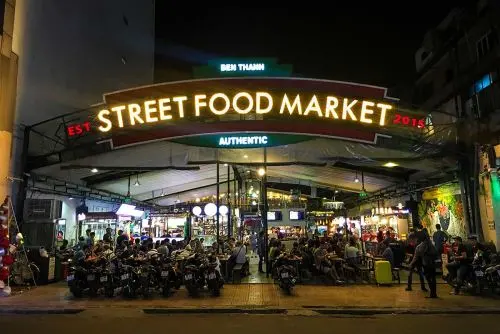
Markets are a major part of Ho Chi Minh City identity, but they can become overwhelming if visited without timing and purpose. Enter with a goal: food exploration, local shopping, or visual culture. For high-energy market context, use Ben Thanh Market Ho Chi Minh planning and keep one fallback option nearby in case of crowd fatigue. Market quality improves when you time entry and cap duration intentionally.
Food Planning Across the Day
Ho Chi Minh City's food landscape is broad and best experienced in layers: one breakfast local, one lunch anchor, one evening curated session. Avoid eating heavy meals too close together in humid conditions. Keep hydration high and use shaded or indoor recovery windows between major walking sessions. A structured food rhythm helps you sustain energy through full urban days.
Nightlife and Evening Route Design
Evening choices should match your comfort profile: low-key rooftop, walkable café district, or high-energy nightlife street. Do not overcommit to multiple distant night zones in one evening. For social nightlife-focused visitors, align expectations with guide to Vietnam nightlife and keep safe return planning clear before late sessions begin. Night quality is higher when logistics are settled early.
Mobility and Traffic Management
Urban movement in Ho Chi Minh City can consume significant time if unmanaged. Use clustered routing, early starts, and midday low-transfer blocks. Keep one daily time buffer for unplanned delays. If you are traveling with family, prioritize walkability over distance-heavy optimization. Mobility design is the hidden determinant of city satisfaction.
Budget Control Without Losing Experience
You can keep costs balanced by allocating spend to one premium experience daily and keeping other blocks practical. Random premium spending in multiple zones quickly erodes budget without adding depth. Value-driven planning means paying for what improves experience quality: location, timing convenience, and trusted food stops.
Common Mistakes to Avoid
Frequent mistakes include no district logic, overloading landmark lists, underestimating heat and hydration needs, and treating nightlife as an afterthought with no return plan. Another issue is trying to complete too many neighborhoods in limited time. Correct these by simplifying daily objectives and preserving transfer buffers.
Who Should Stay Longer in Ho Chi Minh City
Food-focused travelers, history enthusiasts, and remote workers often benefit from adding one extra day. The city reveals more depth when you move beyond headline stops and experience neighborhood rhythm. Extra time allows better pacing and reduces checklist pressure.
Heat, Humidity, and Daily Energy Control
Urban tropical conditions can silently reduce energy even when your itinerary looks moderate. Plan short indoor resets, keep hydration active, and avoid long exposed walking loops during peak heat unless necessary. Travelers who respect climate pace usually complete more meaningful stops with better comfort than those who push continuously and crash by evening.
How to Make Neighborhood Exploration Productive
Neighborhood exploration works best with clear themes: food lane discovery, cafe-work session, historical architecture walk, or market-focused sourcing. Theme-based wandering prevents random low-value movement and helps you notice city character more clearly. Keep each neighborhood block time-bound and leave one flexible extension option if the area is unexpectedly rewarding.
Short-Stay vs Long-Stay Strategy
Short-stay visitors should prioritize city-core history and one curated evening district. Long-stay travelers can add side neighborhoods, specialty food sessions, and slower cultural immersion. The mistake is using the same plan for both durations. Matching structure to trip length gives better results and reduces overload.
Practical Departure-Day Format
On departure day, keep a low-risk closing format: one nearby breakfast, one short walkable stop, and timely transfer with buffer. Avoid late experimental detours before airport or onward transport. A clean final day preserves the gains of your city plan and reduces unnecessary stress.
First-Time Visitor Priority Matrix
First-time travelers should use a simple matrix: one heritage anchor, one market block, one food exploration block, and one evening district block per day. This prevents random overloading and keeps your city learning curve smooth. A matrix-based plan also makes it easier to adapt when weather, traffic, or energy levels change unexpectedly.
Digital Planning and Offline Reliability
Keep key addresses, booking confirmations, and neighborhood notes available offline. Urban travel feels easy until connectivity drops at the wrong moment. With offline readiness, you can continue moving confidently without wasting time in uncertain zones. This is especially useful for short-stay travelers with tightly planned days.
Food Safety and Selection Confidence
Ho Chi Minh City offers extraordinary food variety, but practical selection rules help maintain comfort: prefer high-turnover outlets, watch preparation hygiene, and avoid stacking too many unfamiliar rich dishes in one meal. Balanced exploration protects both health and itinerary continuity during short trips.
When to Add a Guided Segment
If your time is limited, one short guided segment in the city core can quickly establish context and reduce planning friction for later independent exploration. Use guides for orientation, then continue self-paced with your district plan. This hybrid approach gives both structure and flexibility.
Simple End-of-Day Review
Before sleep, confirm next-day district order, key food stop, and transport buffer. This tiny planning loop prevents morning confusion and keeps your city pace controlled.
Last City Tip
Carry a compact rain layer and power bank; both are high-value in unpredictable urban weather and long city days.
Conclusion
Ho Chi Minh City rewards district-based planning, cultural sequencing, and practical movement discipline. Keep your days purpose-driven, your evening logistics clear, and your food and recovery rhythm stable. With this approach, the city becomes easier to navigate and far more rewarding across both day and night experiences.
Location
Frequently Asked Questions
Q1.How many days should I keep for Ho Chi Minh City?
Q2.What is the best way to plan Ho Chi Minh City sightseeing?
Q3.Is nightlife planning important in Ho Chi Minh City?
Q4.What street food should I try in Ho Chi Minh City?
Q5.Is street food in Ho Chi Minh City safe to eat?
Recommended For You
Vietnam Nightlife Guide: Bars, Clubs, Cities & Safety
Explore Vietnam nightlife city by city with practical bar, club, market, budget, legal-age, and safety guidance for Hanoi, HCMC, Da Nang, Hoi An, and beyond.

Best Places to Visit Vietnam: Top 15 Spots
Discover Vietnam's top 15 must-visit destinations including Ha Long Bay, Hoi An, Hanoi, and Da Nang. This comprehensive travel guide covers the best time to visit, costs, itineraries, and essential tips for exploring Southeast Asia's most captivating country.
Best Things to Do in Vietnam: Top Activities
Discover the best things to do in Vietnam with practical city, nature, food, and adventure ideas for a balanced trip.
Never Miss an Adventure
Get the latest trekking guides, travel tips, and exclusive offers delivered straight to your inbox.
