
Independence Palace Ho Chi Minh: Guide & Tickets

Rohan Malhotra
February 18, 2026
Visit Independence Palace Ho Chi Minh with historical context, bunker priorities, ticket planning, and practical District 1 route tips.
Independence Palace Ho Chi Minh: History, Tickets, and Practical Visit Guide
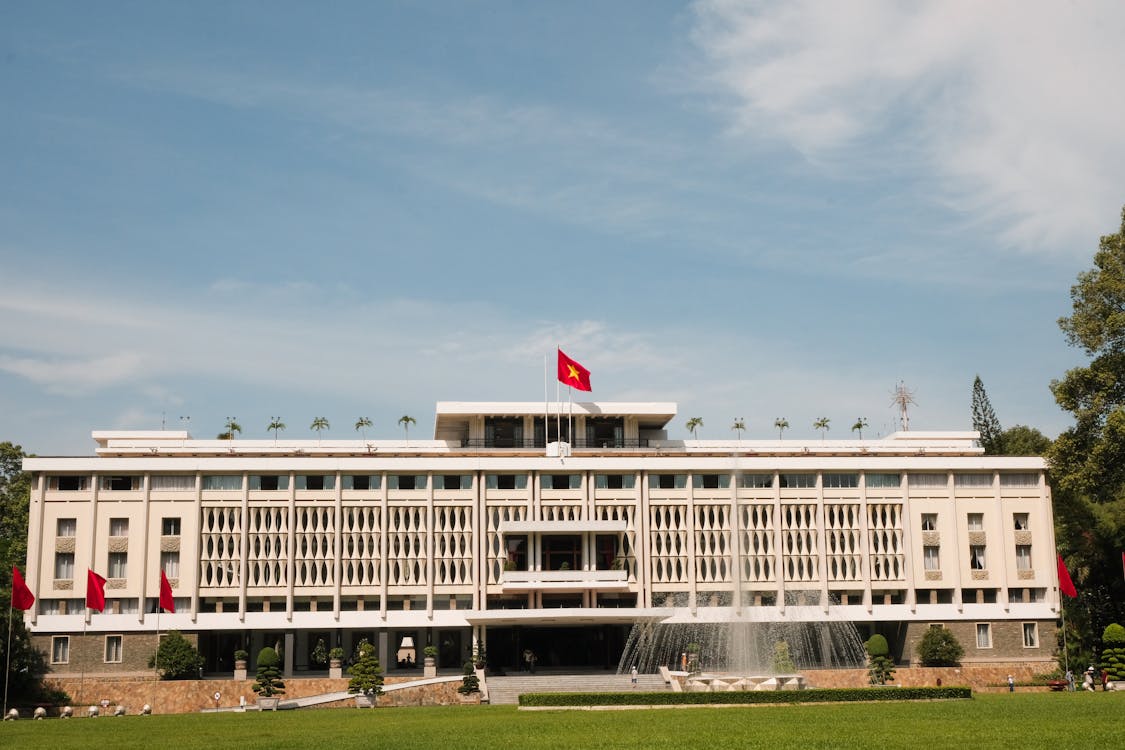
Independence Palace, also known as Reunification Palace, is one of Ho Chi Minh City’s most important historical landmarks and a core site for understanding modern Vietnam. Many travelers visit for the famous 1975 turning-point narrative, but the palace is much more than a symbolic photo location. Its preserved interiors, command spaces, and architectural planning make it a rare political time-capsule in the middle of a rapidly changing city.
For strong city sequencing, combine this stop with Ben Thanh Market, nearby colonial-era context from Notre-Dame Cathedral of Saigon, and larger itinerary continuity from things to do in Vietnam.
Historical Importance and April 1975 Context
The palace is globally recognized for its connection to April 30, 1975, a defining moment in Vietnam’s reunification timeline. That historical event gives the site extraordinary symbolic weight, but visitors gain more value when they understand the full sequence: earlier French-era roots, reconstruction phases, governance use, and post-war preservation choices.
Before your visit, reading a short timeline helps you interpret rooms and artifacts with clarity instead of treating them as isolated displays.
Architecture and Spatial Logic
Independence Palace reflects functional modernist planning with state ceremonial requirements. Reception halls, administrative rooms, communication spaces, and controlled circulation routes were designed for political use, not leisure aesthetics. This functional emphasis is part of the site’s identity.
| Palace Zone | What to Observe | Visitor Tip |
|---|---|---|
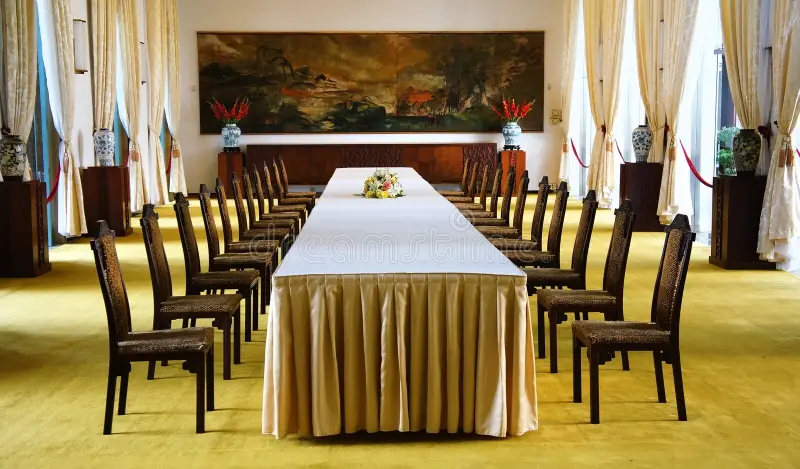
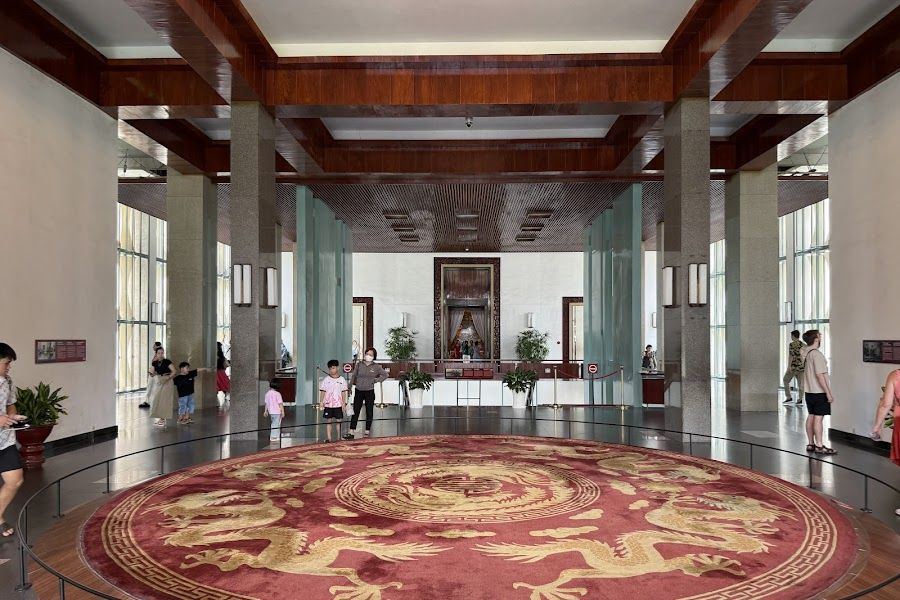
| Formal Reception Areas | Diplomatic staging and visual hierarchy | Start with wide spatial reading before details |
| Operational Rooms | Decision-making and communications context | Follow floor sequence for narrative continuity |
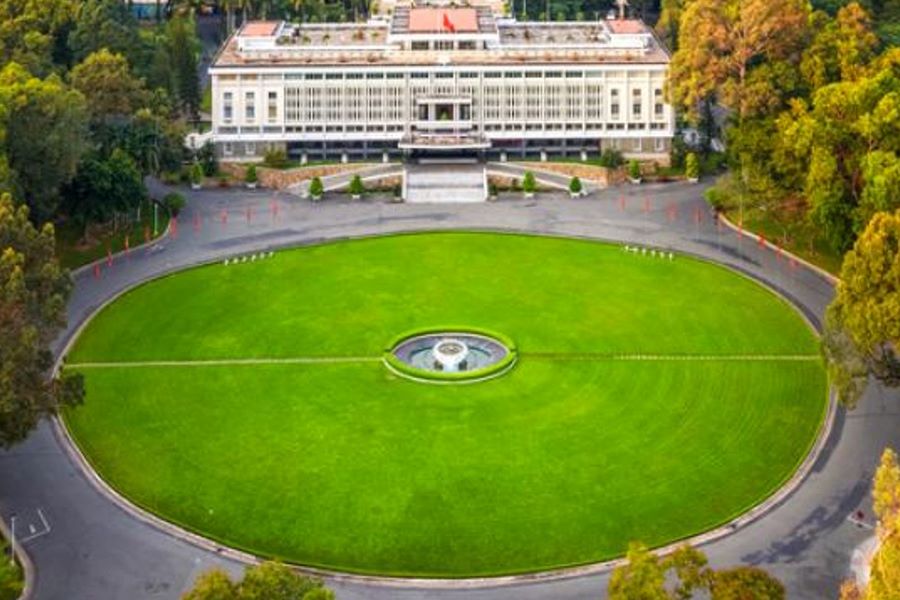
| Grounds and Exterior | Approach symmetry and compound scale | Capture exterior frames in early light |
This structure helps travelers understand why the palace is both political architecture and historical archive.
Key Exhibits and Rooms to Prioritize
If you have limited time, focus on high-context rooms first: ceremonial halls, command-linked rooms, and communication sections. Then move to secondary displays. Random movement between floors often reduces comprehension and causes missed historical transitions.
A practical method is to allocate fixed segments: orientation, main rooms, bunker exploration, and final exterior recap. This keeps pace steady and learning quality high.
The Underground Bunker Experience
The bunker area is one of the most memorable parts of the site because it reveals operational infrastructure used during conflict-era governance. Visitors often find this zone more impactful than formal rooms because it communicates urgency and real-time decision environments.
Do not rush this section. Spend extra time reading labels and understanding equipment context. It significantly improves the historical depth of the visit.
Tickets, Timings, and Duration
Opening patterns may include split-day windows depending on management operations, so verify same-day details before arrival. Ticket prices are usually accessible relative to site value. Most travelers need 90 to 120 minutes for a complete and calm walkthrough, especially if they include bunker and exterior sections.
- Arrive early to reduce queue pressure.
- Carry hydration and weather-appropriate clothing.
- Keep ID/payment options ready for smooth entry.
- Add buffer for guided or school-group traffic.
Entry discipline makes a major difference in overall city-day timing.
How to Reach from District 1 and Nearby Corridors
The palace is centrally placed and easily integrated into District 1 routes. Walking plus short cab combinations work well for most travelers. Avoid overloading the same block with too many museums and monuments; one major site plus one secondary site is usually enough for meaningful exploration.
If your day includes markets and food trails, place palace visit first while concentration is high, then shift to lighter city experiences.
Photography and Site Etiquette
For balanced documentation, capture one exterior establishing shot, one formal interior frame, one bunker-context frame, and one grounds composition. Avoid excessive blocking of movement paths in narrow rooms and follow all signage regarding restricted photography areas.
Historical sensitivity matters. Keep voice levels moderate and respect other visitors who may be using guided interpretation sessions.
Common Mistakes and Better Alternatives
Common mistakes include treating the palace as a quick selfie stop, skipping historical context, and scheduling too many nearby attractions in one rush. Better alternatives are early arrival, structured room sequencing, and one post-visit reflection block before moving to the next stop.
Even ten minutes of timeline reading before entry can transform how you understand the site.
How to Read the Palace Like a Timeline
A useful interpretation method is timeline walking: start with foundational historical context, then formal state rooms, then operational and bunker spaces, and finally exterior grounds. This sequence mirrors the shift from symbolic governance to practical command infrastructure. Visitors who follow this method usually understand the site much better than those moving randomly between floors.
If you are traveling with friends or family, assign one person to track chronology and another to track architecture details. Sharing these roles makes the visit more engaging and helps everyone retain key points after leaving the palace.
Suggested Half-Day District 1 Flow
Begin with Independence Palace in the morning, then take a short break before moving to one nearby city landmark or market. Avoid stacking more than two heavy historical stops in one block. Ho Chi Minh traffic and heat can reduce pace quickly, so buffer time is essential.
A simple rule works well: one core historical site, one lighter city stop, and one optional evening activity. This keeps your day balanced and allows enough time for reflection, photos, and relaxed transfers.
Final Visitor Checklist
Carry water, confirm ticket details, and keep one post-visit buffer before the next attraction. A calm schedule gives better understanding of the palace’s historical depth.
For first-time visitors, reviewing a short Vietnam timeline before arrival improves exhibit interpretation and makes the bunker section more meaningful.
Short Planning Reminder
For best outcomes, keep this palace visit in the first half of your day and avoid stacking another heavy museum immediately after. A short recovery break preserves attention quality and helps you process the historical narrative properly.
Conclusion
Independence Palace Ho Chi Minh is one of Southeast Asia’s most significant modern-history landmarks. Plan it as a focused heritage session, not a quick pass-through. With proper timing, context reading, and room sequencing, the palace offers a deep, memorable understanding of Vietnam’s political and historical transition.
Location
Frequently Asked Questions
Q1.What is the best time to visit Independence Palace?
Q2.How much time should I spend at Independence Palace?
Q3.Is it suitable for first-time travelers?
Q4.Are there nearby places worth combining?
Q5.Should I book anything in advance?
Q6.Is photography allowed?
Q7.How do I avoid crowds?
Q8.Any key travel tip?
Recommended For You
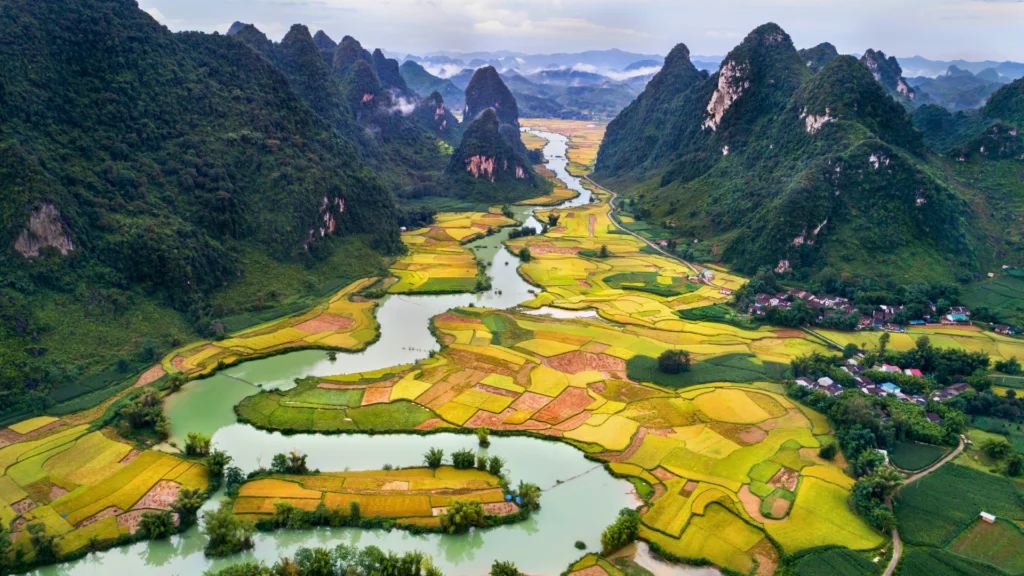
Best Time to Visit Vietnam: Regional Weather by North, Central & South
Plan the best time to visit Vietnam with month-wise weather, dry and wet season differences, regional timing tips, and practical advice for beaches and Halong Bay.
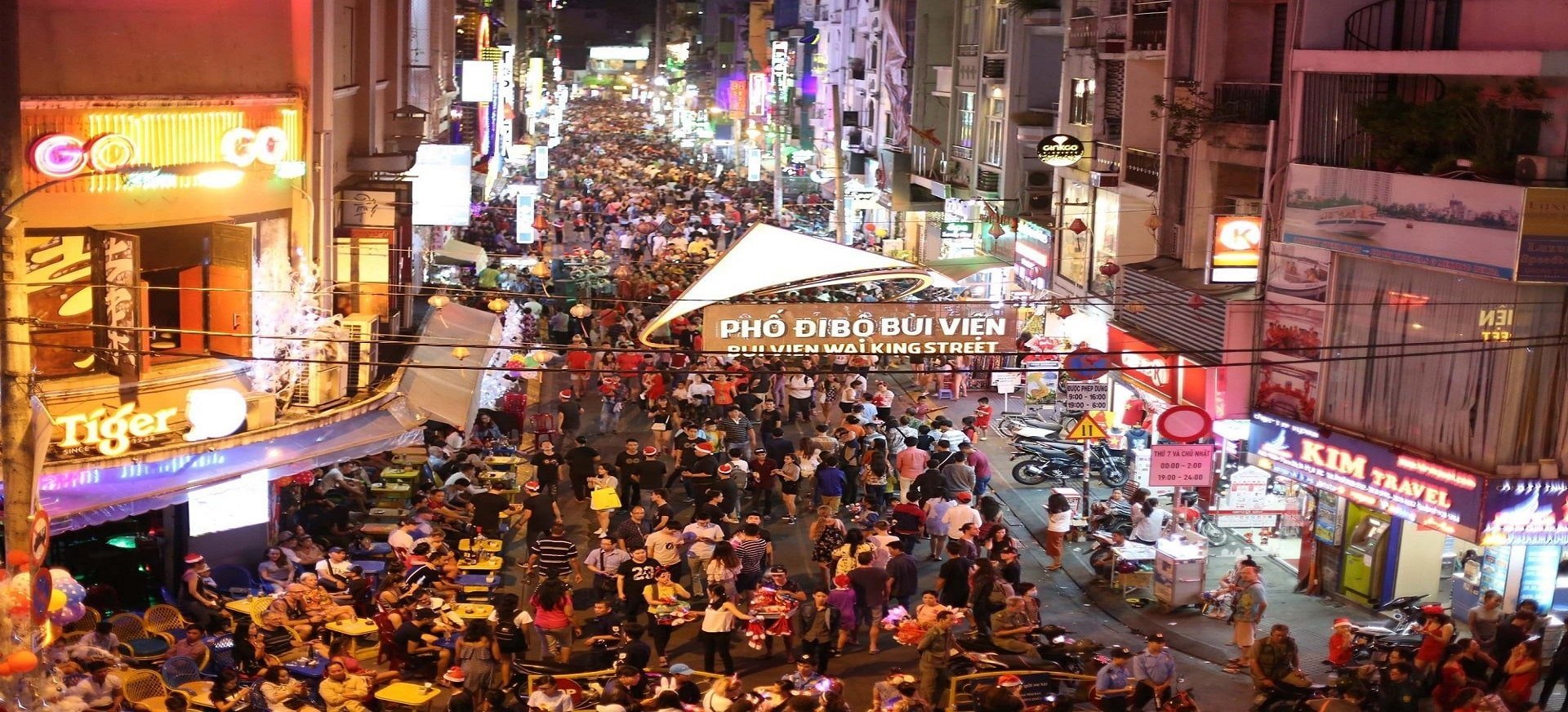
Bui Vien Walking Street Ho Chi Minh City: Nightlife, Bars & Safety Tips
Plan your Bui Vien Walking Street night with bars, food, safety tips, costs, and transport guidance for a smooth Ho Chi Minh City nightlife experience.
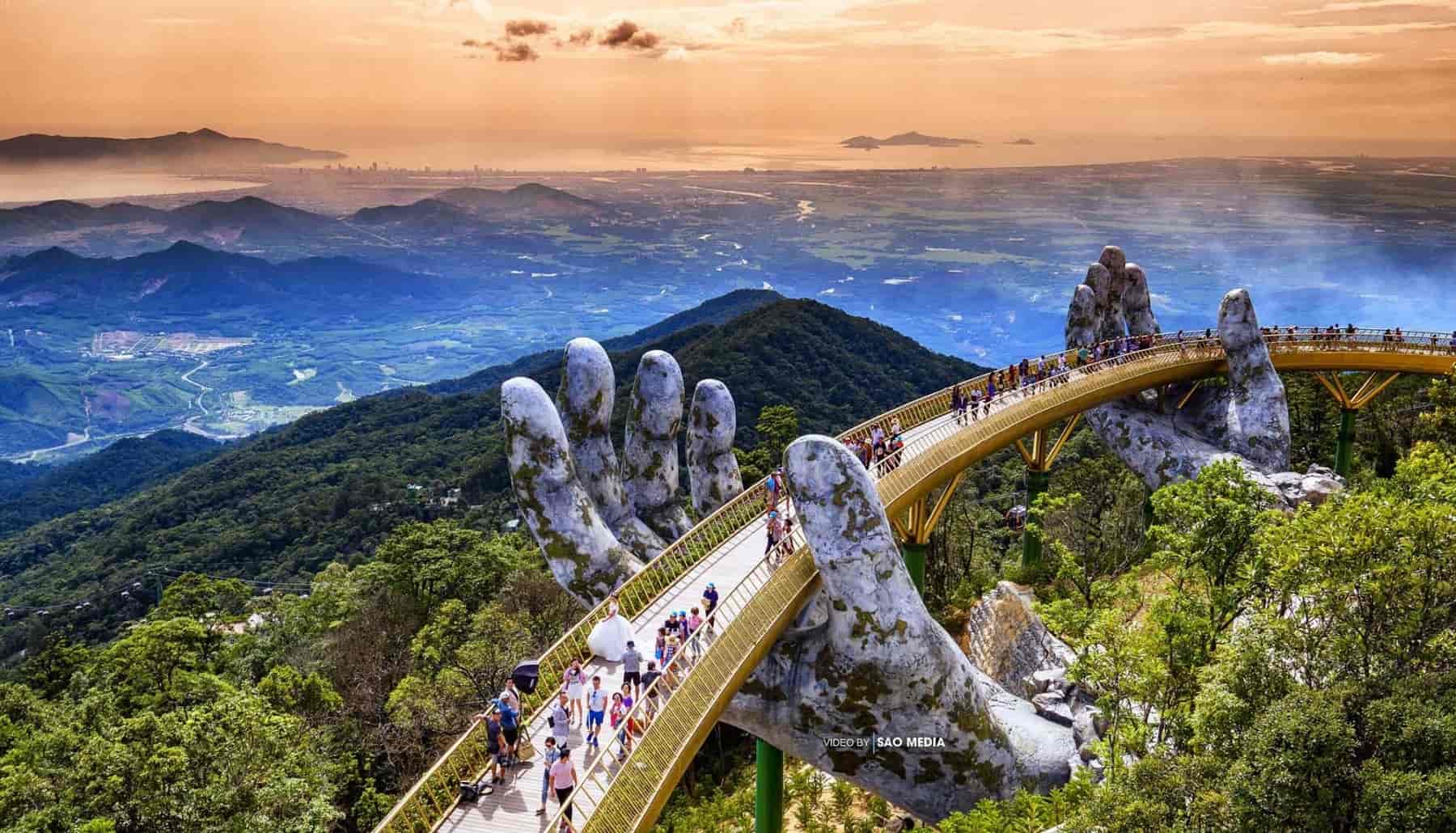
Best Places to Visit Vietnam: Top 15 Spots
Discover Vietnam's top 15 must-visit destinations including Ha Long Bay, Hoi An, Hanoi, and Da Nang. This comprehensive travel guide covers the best time to visit, costs, itineraries, and essential tips for exploring Southeast Asia's most captivating country.
Never Miss an Adventure
Get the latest trekking guides, travel tips, and exclusive offers delivered straight to your inbox.
