
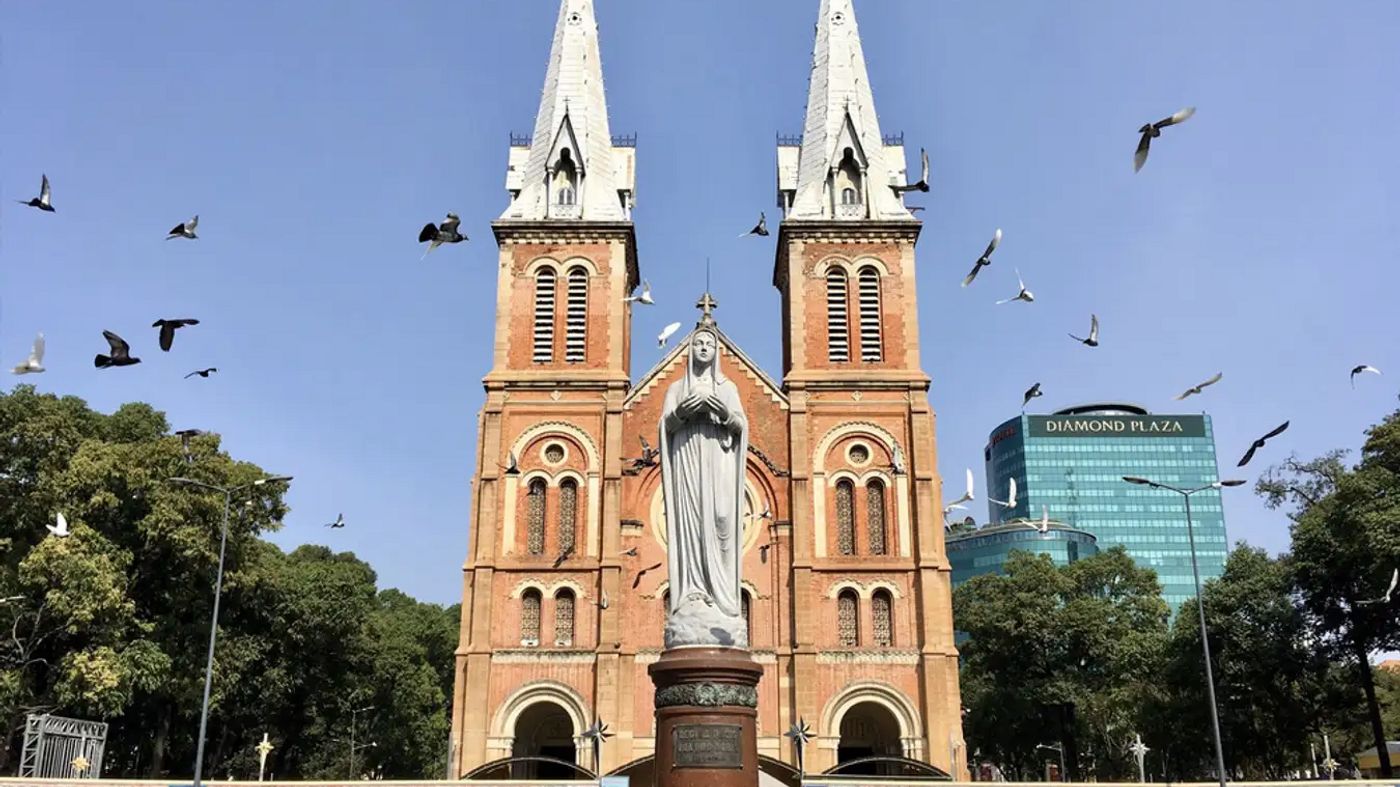
Notre Dame Cathedral Saigon: Guide and History 2026

Neha Kapoor
January 29, 2026
Visit Notre Dame Cathedral Saigon with history, architecture, mass planning, and practical District 1 route tips for Ho Chi Minh City travelers.
Introduction: Saigon's Iconic Landmark in District 1
Notre Dame Cathedral Saigon is one of the most recognized landmarks in Ho Chi Minh City and a central reference point for travelers exploring District 1. Built during the French colonial period, the cathedral remains important for both faith and heritage identity. Even travelers who do not enter the church usually visit the square for architecture, photography, and nearby city attractions.
What makes this site special is the combination of urban location and symbolic value. Within a short walking radius, you can connect the cathedral with Saigon Central Post Office, Independence Palace, and other core city landmarks. This makes it ideal for first-time visitors building an efficient half-day heritage route. Because restoration work has affected access in recent years, travelers should plan with current updates in mind rather than relying on older itineraries.
This guide covers history, architecture, visiting and worship etiquette, route planning, photography angles, and nearby attractions so you can visit respectfully and make the most of your time in Ho Chi Minh City.

History of Notre Dame Cathedral Saigon
The cathedral was built in the late 19th century during French administration in Saigon. Construction began in the 1860s and the church became one of the most important Catholic structures in the city. Its formal French name and imported construction materials reflected the colonial-era architectural program used to shape central Saigon.
Over time, the building outlived political transitions, wars, and urban expansion. As Saigon transformed into modern Ho Chi Minh City, the cathedral remained a fixed cultural and spiritual anchor. This continuity is why searches for Notre Dame Cathedral Saigon history remain high: people want to understand not just the architecture, but also why the site still matters in a very dynamic city landscape.
The church is also widely referred to as Notre-Dame Cathedral Basilica of Saigon. The basilica status and continued religious use reinforce that this is not only a heritage monument but also an active place of worship. Visitors should treat it accordingly, especially during service hours.
Timeline snapshot
| Period | Historical Context |
|---|---|
| 1860s-1880 | Main construction phase in French colonial Saigon |
| 20th century | Continued religious role through major political changes |
| Modern era | Landmark status in District 1 and restoration-focused preservation |
Architecture and Design Features
Notre Dame Cathedral in Ho Chi Minh City is known for French-influenced Romanesque and Gothic-revival elements adapted for local context. The exterior red bricks are one of its most recognizable features, and the twin bell towers define the skyline in this part of District 1.
The design emphasizes symmetry, verticality, and axial approach through the plaza. The front elevation works particularly well for wide-angle photography because nearby open space allows clear framing. Interior space follows a classic basilica layout, though visitor access can vary during restoration and worship times.
- Facade: Red-brick masonry and balanced tower composition.
- Twin towers: Landmark profile visible from surrounding streets.
- Interior mood: Reverent, linear, and chapel-oriented.
- Urban context: Opposite Central Post Office, near major District 1 routes.
The cathedral's architecture is best appreciated by comparing material textures up close and then stepping back for complete facade perspective. This two-distance viewing method helps capture both craftsmanship and scale.

Renovation Status and What It Means for Visitors
One of the most searched questions is whether Notre Dame Cathedral Saigon is under renovation. Restoration has been a major topic since work began in recent years to preserve structure and materials. Depending on the phase, visitors may see scaffolding, access controls, or limited interior entry.
This does not make the visit pointless. Even during restoration windows, the cathedral square and surrounding heritage cluster remain worthwhile for architecture viewing and city-route planning. The key is expectation management: if your main goal is full interior access, verify current status before scheduling your day.
A practical approach is to keep this stop in a flexible city block with alternatives nearby. That way, if interior access is restricted, you can shift smoothly to other attractions without losing time.
Visiting Hours, Mass Timings, and Worship Etiquette
Travelers commonly look for Notre Dame Cathedral Saigon visiting hours and mass timings. As with many active churches, schedules can change by season, restoration phase, and special religious dates. Public visiting windows may differ from service timings, and some periods prioritize worship over sightseeing.
Commonly referenced schedules include early morning and evening mass slots on weekdays, with additional services on Sundays, sometimes including international-language options on select timings. However, treat these as indicative only and confirm current details from local official channels or on-site notice boards before you go.
| Planning Need | Best Practice |
|---|---|
| General visit timing | Check current access status on the same day |
| Mass attendance | Arrive early and follow worship protocols |
| Interior photography | Avoid during prayers unless permitted |
| Dress code | Choose modest clothing suitable for a church setting |
Even if you are visiting as a tourist, maintain church etiquette: lower voice levels, avoid obstructing prayer areas, and respect restricted zones.
How to Reach Notre Dame Cathedral in Ho Chi Minh City
The cathedral is in District 1, making it one of the easiest landmarks to include in a city-day route. Most visitors reach by taxi, ride-hailing apps, hotel transfers, or a walking combination if staying in central Saigon. Traffic can be dense during peak city hours, so build small time buffers.
Location context
- Address area: Cong Xa Paris area, Ben Nghe Ward, District 1.
- Nearby anchor: Directly opposite Saigon Central Post Office.
- Best pairing: Heritage walk cluster in central District 1.
If you want a structured route, begin at the cathedral square, cross to the post office, then continue to Independence Palace Ho Chi Minh and later Ben Thanh Market for shopping and food transitions.
Photography Tips and Best Spots
Notre Dame Cathedral Saigon is photogenic but can be challenging because of traffic movement, strong midday light, and periodic restoration obstructions. Plan a layered shot list instead of random captures.
- Front-square wide frame: Best for full symmetry and tower height.
- Side-angle urban frame: Shows cathedral within city context.
- Detail shots: Brick textures, arches, and tower elements.
- Golden-hour exterior: Softer tones and cleaner contrast.
Early morning usually gives calmer surroundings and cleaner backgrounds. If shooting on weekends, arrive before major crowd build-up. Drone use is generally restricted in dense central city zones unless explicitly authorized.

Nearby Attractions in District 1
Notre Dame Cathedral works best as part of a compact heritage and city-life circuit. You can cover multiple major points within short transfer windows.
- Saigon Central Post Office: Historic colonial-era building directly across.
- Independence Palace: Key modern history site with preserved interiors.
- Ben Thanh Market: Practical stop for local shopping and food.
- Nguyen Hue and central boulevards: Urban walking and evening city vibe.
For broader planning, connect this with things to do in Vietnam, culture of Vietnam, and best time to visit Vietnam. If your trip includes seasonal celebrations, also check New Year in Vietnam.

Practical Travel Tips Before You Go
- Keep one flexible hour in your itinerary for restoration-related access changes.
- Carry water and sun protection for daytime plaza visits.
- Use modest clothing if attending mass or entering prayer areas.
- Avoid loud group behavior in worship and memorial spaces.
- If you are photography-focused, prioritize early morning.
These simple adjustments make the visit smoother and more respectful.
Sample Half-Day District 1 Heritage Itinerary
If you are visiting Ho Chi Minh City for the first time, a structured half-day route around the cathedral helps you avoid traffic-heavy backtracking. Start early at Notre Dame Cathedral square, then cross to the Central Post Office for architecture contrast. Continue to Independence Palace before midday heat, and finish with a late lunch near Ben Thanh area. This sequence keeps walking efficient and balances landmark photography with historical interpretation.
| Time Block | Suggested Activity | Why It Works |
|---|---|---|
| 8:00-8:45 AM | Cathedral square and exterior viewing | Cleaner light and lower crowd density |
| 8:45-9:30 AM | Central Post Office stop | Easy walk and strong heritage continuity |
| 9:45-11:15 AM | Independence Palace | Deep history block before midday rush |
| 11:30 AM onward | Transfer to market/food zone | Smoother transition into city-life segment |
Visitor Checklist and Common Mistakes
Many travelers lose time in District 1 because they do not separate worship time and sightseeing time. If you plan to attend mass, arrive earlier than regular photography visitors. If your goal is architecture and content capture, avoid service windows and respect silence zones.
- Confirm restoration status on the day of visit.
- Dress modestly for church etiquette and potential interior access.
- Carry water, especially in humid months.
- Use app-based navigation but keep one offline map backup.
- Avoid crossing roads in a rush around peak traffic blocks.
Common mistakes include planning too many landmarks in one tight slot, assuming all interior spaces are always open, and ignoring weather/heat when scheduling walks. A slower but cleaner two-to-three-stop block usually creates a better experience than an overpacked route.
Conclusion
Notre Dame Cathedral Saigon remains one of Ho Chi Minh City's most important heritage landmarks, blending historical depth, religious continuity, and central urban accessibility. Even with restoration phases, it continues to be a high-value stop in District 1 itineraries. Plan with current access updates, combine it with nearby attractions, and approach the site as both a cultural monument and an active church. Done right, this short stop becomes one of the most meaningful parts of a Saigon heritage walk.
Location
Frequently Asked Questions
Q1.What are the visiting hours for Notre Dame Cathedral Saigon?
Q2.Do I need tickets to enter Notre Dame Cathedral Saigon?
Q3.What is the dress code for Notre Dame Cathedral Saigon?
Q4.When was Notre Dame Cathedral Saigon built?
Q5.Why is Notre Dame Cathedral famous in Ho Chi Minh City?
Q6.What architectural style is Notre Dame Cathedral Saigon?
Q7.Can tourists attend mass at Notre Dame Cathedral Saigon?
Q8.Is Notre Dame Cathedral Saigon under renovation?
Recommended For You
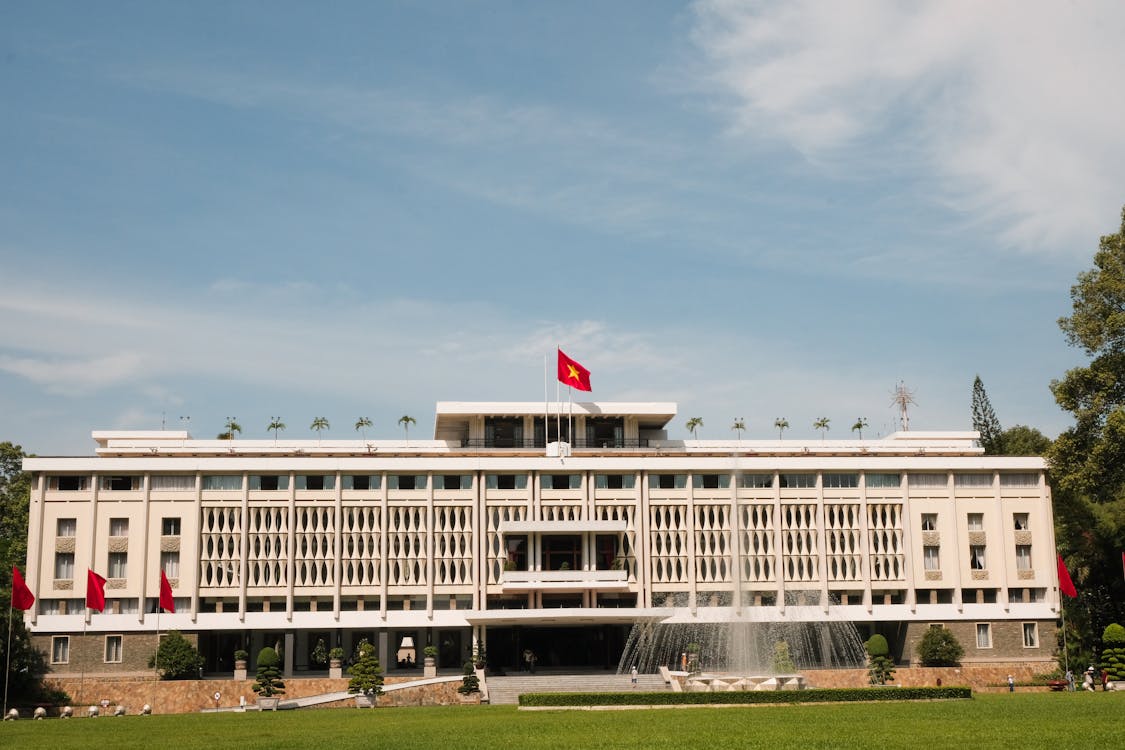
Independence Palace Ho Chi Minh: Guide & Tickets
Visit Independence Palace Ho Chi Minh with historical context, bunker priorities, ticket planning, and practical District 1 route tips.
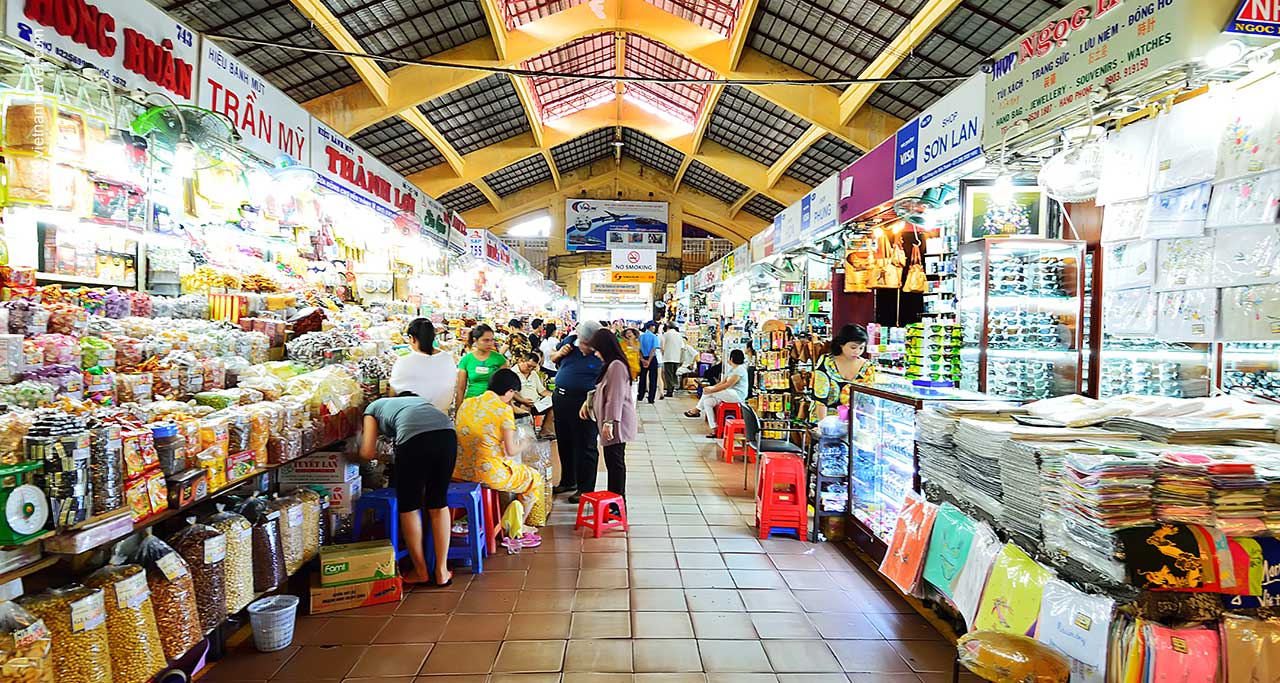
Ben Thanh Market Ho Chi Minh City: Shopping Zones, Food & Bargaining Tips
Plan your Ben Thanh Market Ho Chi Minh visit with shopping tips, bargaining strategy, food recommendations, timing advice, and practical tourist-safety guidance.
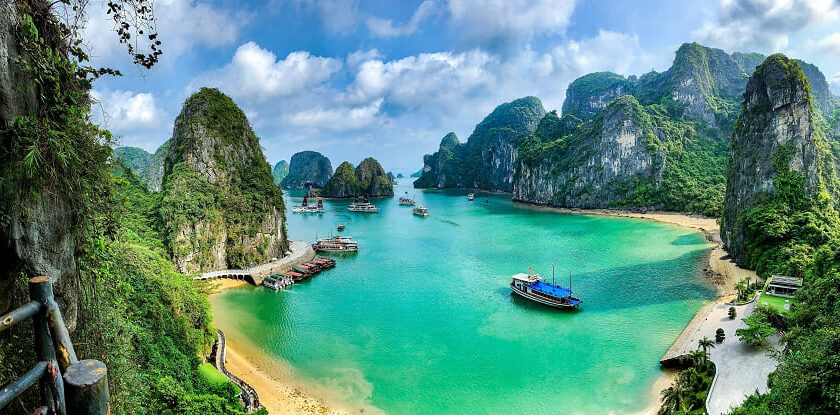
Best Things to Do in Vietnam: Top Activities
Discover the best things to do in Vietnam with practical city, nature, food, and adventure ideas for a balanced trip.
Never Miss an Adventure
Get the latest trekking guides, travel tips, and exclusive offers delivered straight to your inbox.
