
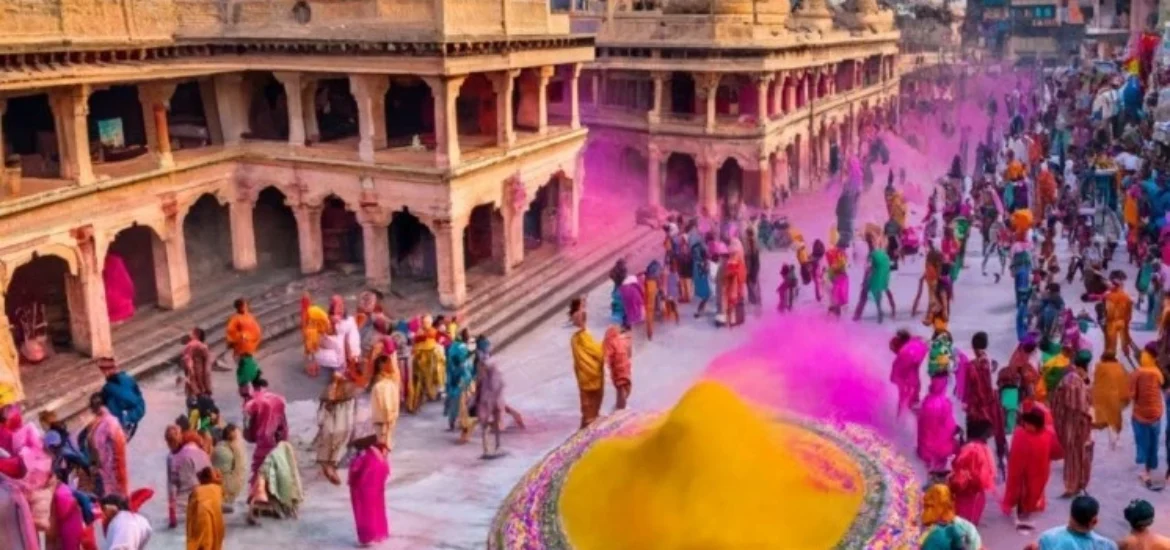
Holi in Mathura: Dates, Temple Events & Celebration Zones
Priya Mehta
January 16, 2026
Experience authentic Holi celebrations in Mathura, Lord Krishna's birthplace. Discover Krishna Janmabhoomi Temple events, unique traditions like Phoolon Ki Holi, Braj region celebrations, dates, and complete travel guide.
Holi in Mathura: Complete Celebration and Travel Guide
Mathura is one of the most important destinations in India for Holi because the festival here is tied directly to Krishna tradition, temple rituals, and Braj-region cultural memory. This is not only a color festival. It is a multi-day spiritual-cultural experience with different forms of celebration across Mathura, Vrindavan, Barsana, Nandgaon, Gokul, and Goverdhan.
If you are planning Holi in Mathura for the first time, do not treat it as a one-event destination. The best experience comes from sequencing locations and knowing what happens where. This guide breaks down dates, temple formats, logistics, and safety so you can celebrate meaningfully without travel confusion.
Why Holi in Mathura Feels Different
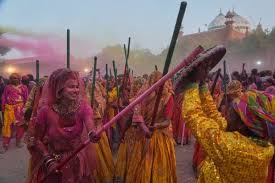
In many cities, Holi is mostly one-day social color play. In Mathura, celebrations build over several days and include ritual processions, temple events, devotional music, and region-specific traditions. The emotional tone is more devotional than party-driven, especially around major temples.
Mathura also acts as the anchor city for the wider Braj Holi circuit. Most travelers stay here or nearby and move to other locations based on daily event priority. If you want pure celebration energy with religious depth, Mathura offers one of India’s strongest Holi experiences.
Core Holi Zones You Should Plan Around
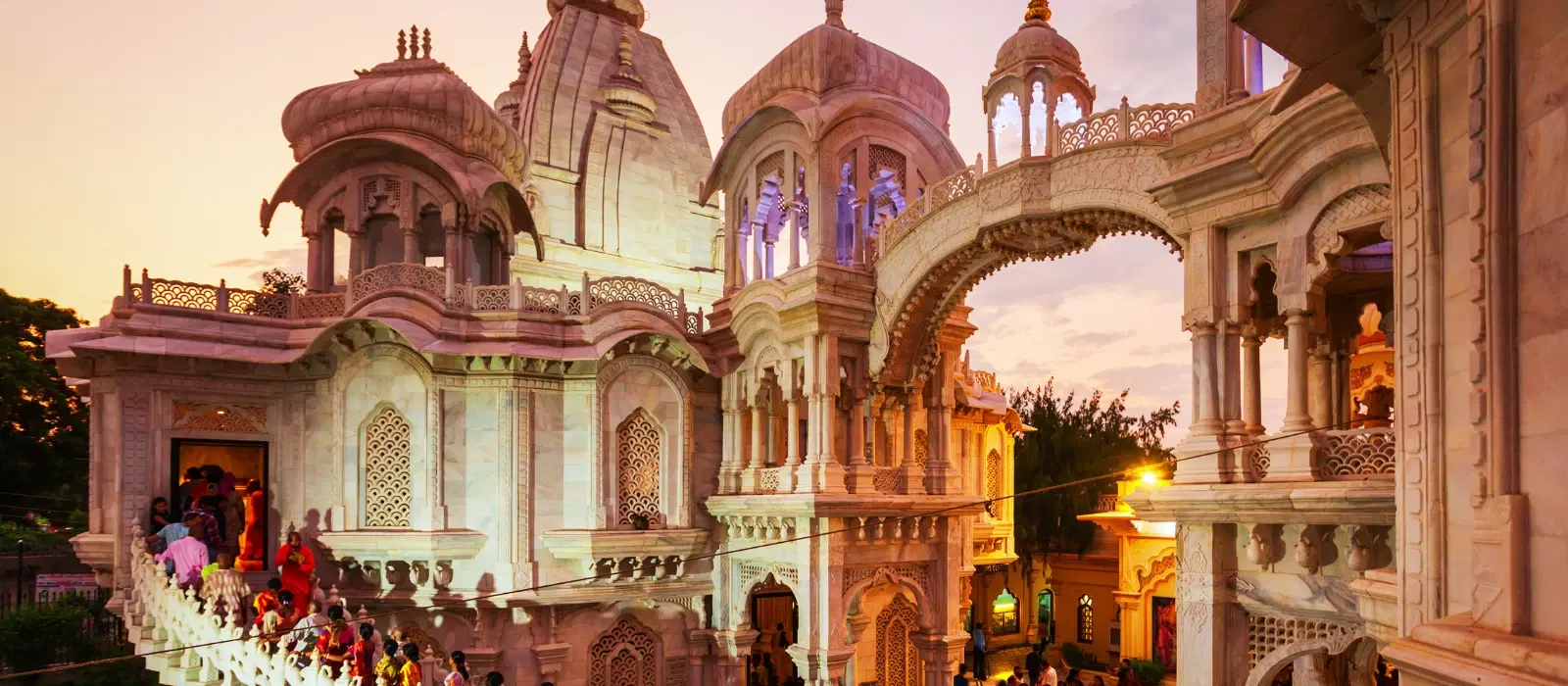
Krishna Janmabhoomi Area
This is one of the most meaningful stops for devotees and first-time spiritual travelers. Expect dense crowds, strong security, and high devotional energy. Keep your visit early and simple, and avoid carrying extra belongings.
Temple-Centered Celebration Pockets
Different temples and ghat-side spaces host different forms of celebration. Some are flower-focused, some color-focused, and some ritual-first with limited public play.
Mathura City Streets and Local Markets
Street-level celebrations are intense and energetic. This is ideal for experienced festival travelers but can be overwhelming for families without local guidance.
How Mathura Connects with the Braj Holi Circuit
Mathura is only one part of the larger Holi route. Most travelers combine it with nearby celebration nodes:
- Holi in Vrindavan for temple-led devotional color experiences.
- Holi in Barsana for Lathmar tradition and unique crowd energy.
- Gokul-Brindavan Holi for broader Braj cultural context.
- Goverdhan Holi for route extension with pilgrimage relevance.
Trying to cover all locations in one day usually leads to missed events. Use a phased plan instead.
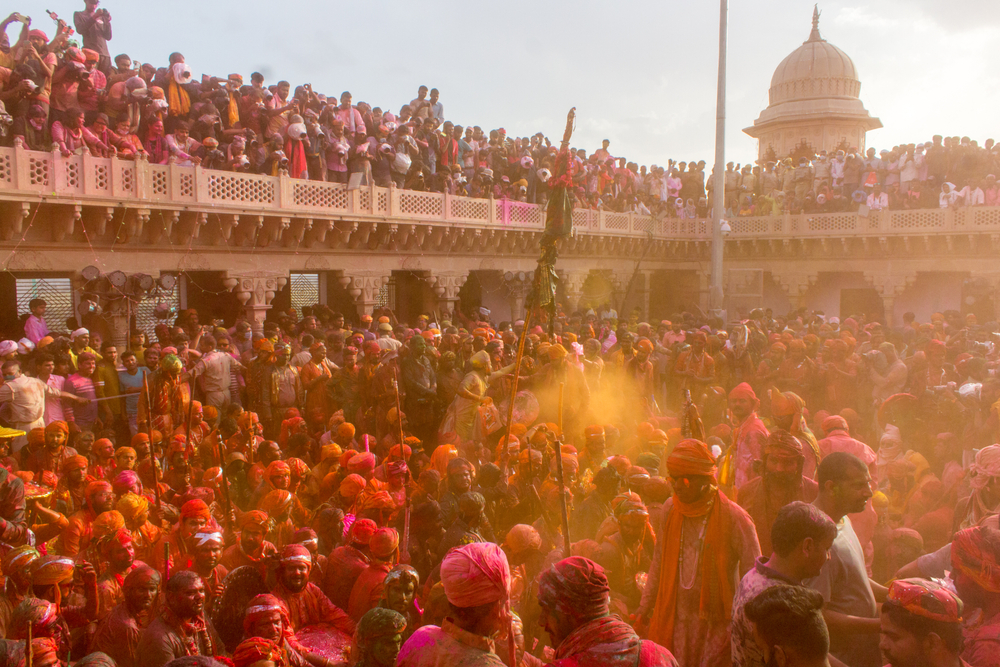
Suggested 3-Day Holi Mathura Itinerary
Day 1: Arrival and Orientation
Arrive in Mathura, settle accommodation, and do a light evening temple visit. Use this day to understand local movement routes and traffic conditions.
Day 2: Main Mathura Celebration Day
Start early with Janmabhoomi-side zone planning, then move to city celebration points as per crowd comfort. Keep afternoon flexible for recovery and local meal break.
Day 3: Braj Extension
Choose one nearby location (Vrindavan or Barsana depending date alignment) and return before late-night congestion.
If you have only one day in the city outside festival dates, this Mathura one-day guide helps prioritize efficiently.
What to Expect at Krishna Janmabhoomi During Holi
Expect intense spiritual atmosphere, strict movement control, and heavy queue density in peak hours. Follow temple instructions without negotiation. Photography may be restricted in specific sections, so check signage and local announcements.
Do not expect a leisure tourism pace here during Holi week. The right mindset is devotional participation and respectful observation, not content-driven crowd navigation.
Where to Stay for Holi in Mathura
| Stay Type | Best For | Trade-off |
|---|---|---|
| Central Mathura hotels | Quick access to city events | More noise and crowd pressure |
| Temple-area guesthouses | Devotional travelers | Basic facilities in peak season |
| Outer-zone stays | Family comfort and calmer nights | Longer travel to celebration points |
Book early. Holi week occupancy rises quickly and last-minute options are often overpriced or inconveniently located.
How to Reach Mathura During Holi Rush
Mathura is well connected by rail and road, but festival-week delays are common. Build buffer time into every leg. If you are coming from Delhi NCR, early departure is strongly recommended to avoid arrival bottlenecks.
Within city limits, walking and short local transfers may be faster than long vehicle movement in crowd-heavy windows.
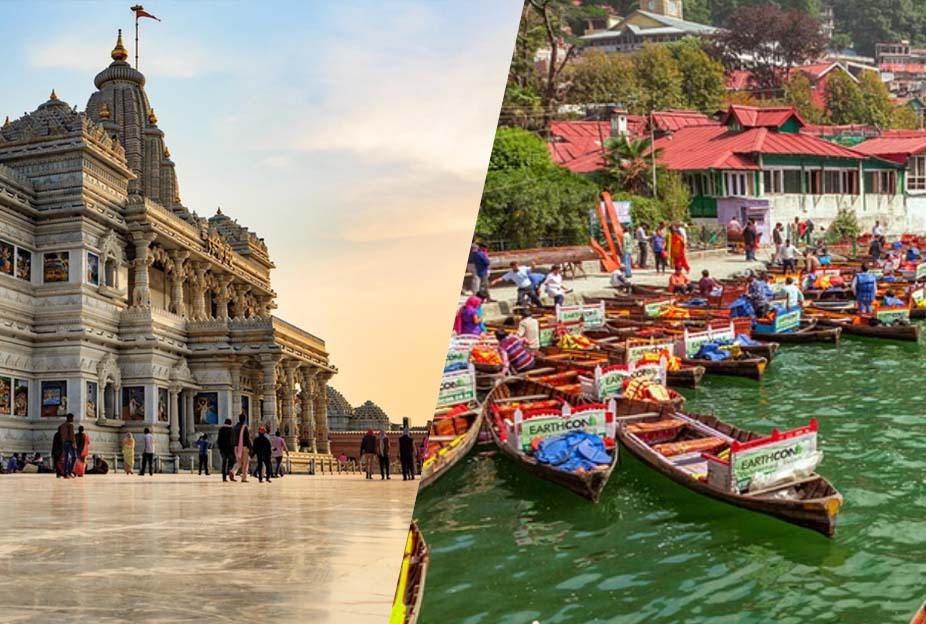
What to Wear and Carry
- Light cotton clothes with full-arm coverage where possible.
- Secure footwear for wet and crowded streets.
- Minimal essentials in waterproof pouch.
- Phone protection and one backup payment mode.
- Reusable water bottle and basic skin protection.
Avoid valuables, heavy bags, and expensive accessories. Festival movement is dense and constant.
Holi Safety in Mathura
Personal Safety
- Travel in group, especially in high-density areas.
- Set one fixed meeting point before entering crowds.
- Avoid unknown side lanes during peak celebration windows.
Color Safety
- Prefer herbal colors and avoid unknown liquid mixes.
- Protect eyes and avoid direct powder throw near face.
- Wash early if irritation starts.
Women and Family Safety
Choose temple-led and managed celebration zones where possible. Family travelers should avoid uncontrolled street clusters at late hours.
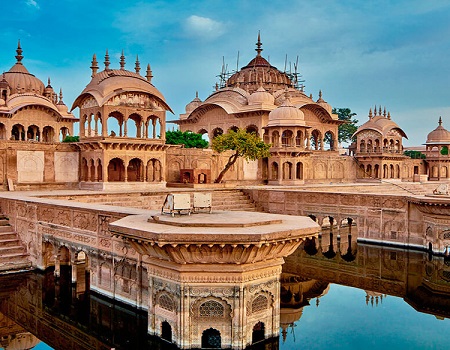
Food and Festival Fuel
Holi days in Mathura are physically demanding because of crowd movement, long standing hours, and weather variation. Start with a proper breakfast and hydrate continuously. Traditional festive foods are available across the city, but choose clean and active outlets during peak hours.
If you are sensitive to rich sweets or dairy-heavy drinks, pace intake and keep oral rehydration packets handy.
Common Mistakes to Avoid
- Trying to cover Mathura, Vrindavan, and Barsana in one day.
- Arriving without stay booking during Holi week.
- Ignoring local advisories and temple movement rules.
- Carrying excess valuables in dense crowd zones.
- Treating all celebration areas as equally family-friendly.
Quick Comparison: Mathura vs Urban Holi Events
Mathura Holi is culturally and spiritually deeper, with less control over crowd density and comfort. Urban events in Delhi/Gurgaon are easier for logistics and facilities but less rooted in Krishna tradition. If your priority is heritage and devotion, Mathura is unmatched. If your priority is convenience, city events may feel easier.
Many travelers combine both by attending one NCR event before or after Braj travel. Compare quickly through Gurgaon Holi events and Delhi Holi events.
Final Take
Holi in Mathura is one of India’s most powerful festival experiences when planned with respect and structure. Keep your itinerary realistic, prioritize one major celebration zone per day, and align your travel with temple and crowd timings. Done right, Mathura gives you not just a color festival, but a full cultural memory rooted in Braj tradition.
For a complete regional understanding, continue with Holi festival guide before finalizing your multi-city route.
Festival-Day Mobility Tips Inside Mathura
During Holi, local movement can slow down unexpectedly due to processions, police barricades, and spontaneous celebration blocks. Keep your route modular: one core destination, one backup route, one fixed return window. Avoid assuming map-estimated time will hold during peak hours. A 15-minute route can become 45 minutes quickly in central corridors.
If your group has children or seniors, pick shorter walk loops and avoid prolonged standing in dense queue lines. It is better to attend one celebration deeply than rush through three in discomfort. Local drivers familiar with Holi patterns are often more reliable than last-minute app pickups.
Photography and Respect Guidelines
Mathura Holi offers powerful visual moments, but respectful photography is essential. Do not push into ritual spaces for close-up shots. Avoid flash near deities or during aarti sequences. Ask before photographing families, especially in temple-adjacent lanes where devotees may prefer privacy.
Carry a soft cloth to clean lens surfaces regularly, as fine powder settles quickly. If you are filming on phone, use waterproof protection and keep one hand free for movement stability in crowds. Safety and respect should always come before content capture.
Budget Planning for Holi in Mathura
| Cost Head | Typical Trend in Holi Week | How to Control |
|---|---|---|
| Stay | High demand, price surge | Book early and confirm cancellation terms |
| Local transport | Variable, peak-hour increase | Pre-negotiate key transfers |
| Food | Moderate but crowded outlets | Eat at known high-turnover places |
| Festival supplies | Price variation by quality | Buy tested herbal colors only |
Budget comfort is mostly a planning problem, not a destination problem. Booking early and keeping a simple itinerary usually prevents overspending.
Post-Holi Recovery Plan
After a full Holi day in Mathura, keep the next morning light. Hydrate, clean up gradually, and avoid immediate long transfers unless necessary. Many travelers make the mistake of taking overnight travel right after intense celebration, which increases fatigue and reduces trip quality. A small recovery window improves the entire route experience.
If this is your first Braj trip, keep expectations realistic: crowds are part of authenticity. Plan patiently, stay respectful in sacred spaces, and focus on meaningful participation over rushed checklists. That approach consistently gives travelers the best Mathura Holi experience.
Location
Frequently Asked Questions
Q1.How is Holi celebrated in Mathura?
Q2.Why is Holi famous in Mathura?
Q3.What are Mathura Holi dates?
Q4.What happens at Krishna Janmabhoomi on Holi?
Q5.When to visit Mathura for Holi?
Q6.How to reach Mathura for Holi?
Q7.How long does Holi last in Mathura?
Q8.Is it safe to visit Mathura during Holi?
Recommended For You
Holi Festival 2025: Celebration Dates And Traditions
Experience Holi festival in India - the vibrant Festival of Colors! Discover traditions, celebrations, best places, safety tips, history & cultural significance in this comprehensive guide.
Lathmar Holi in Barsana: Experience the Unique Playful Tradition
Experience Lathmar Holi in Barsana - the unique tradition where women chase men with sticks! Discover legend, dates, tips, celebrations & complete guide for 2026.
Places to Visit in Mathura in One Day: Temple Route & Timings
Plan a complete Mathura one-day trip with Krishna Janmasthan, Vishram Ghat, Dwarkadhish, Vrindavan temples, and Prem Mandir in a practical time-based route.
Never Miss an Adventure
Get the latest trekking guides, travel tips, and exclusive offers delivered straight to your inbox.
