
Holi Festival 2025: Celebration Dates And Traditions

Rahul Garg
February 1, 2026
Experience Holi festival in India - the vibrant Festival of Colors! Discover traditions, celebrations, best places, safety tips, history & cultural significance in this comprehensive guide.
What is Holi Festival?
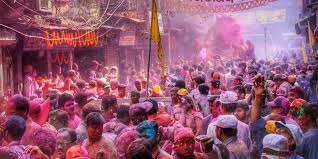
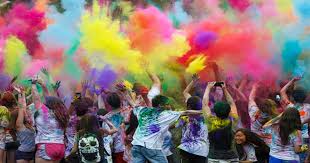
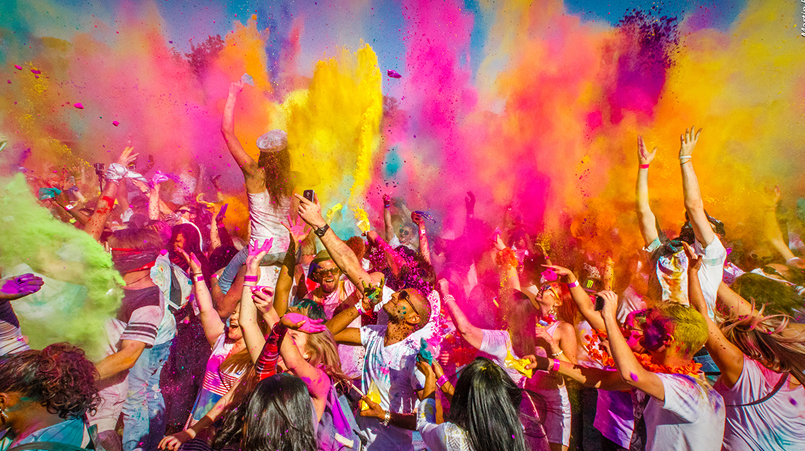
Holi, known as the Festival of Colors, is one of India's most vibrant and joyous celebrations. This ancient Hindu festival marks the arrival of spring and the triumph of good over evil. Celebrated across India with tremendous enthusiasm, Holi brings people together regardless of age, caste, or social status to play with colors and spread happiness.The festival typically falls in March, coinciding with the full moon day in the Hindu month of Phalguna. While it has religious roots, Holi has evolved into a secular celebration that transcends boundaries. Streets fill with people drenched in colored powder (gulal), water guns (pichkaris), and joyous laughter. It's a day when social norms are temporarily suspended, and everyone joins in the revelry.
Holi's magic lies in its simplicity. Armed with handfuls of vibrant colors and water balloons, strangers become friends, and enemies forgive past grievances. The air fills with festive songs, traditional drums, and the sweet aroma of gujiyas being prepared in homes. It's truly a celebration that appeals to all senses.
History and Significance of Holi
Holi's origins date back thousands of years and are deeply rooted in Hindu mythology. The most famous legend associated with Holi is the story of Prahlad and his demonic father Hiranyakashipu. According to mythology, Hiranyakashipu demanded everyone worship him, but his son Prahlad remained a devoted follower of Lord Vishnu.Enraged, Hiranyakashipu attempted multiple times to kill Prahlad. His sister Holika, who had a boon making her immune to fire, sat with Prahlad in a pyre. Miraculously, Prahlad survived unharmed while Holika burned to death. This victory of good over evil is commemorated during Holika Dahan, celebrated on the eve of Holi.
Another beloved story connects Holi to Lord Krishna. Young Krishna, who had blue skin, was worried about his complexion. His mother Yashoda playfully suggested he color Radha and other gopis. This playful coloring became a tradition, explaining why Holi is so popular in Mathura and Vrindavan, Krishna's childhood playground.
Beyond mythology, Holi celebrates the arrival of spring and harvest season. It's a time when nature blossoms with colorful flowers, and humans mirror this beauty by playing with colors. The festival also promotes unity, forgiveness, and new beginnings, making it culturally significant across communities.
Holika Dahan: The Sacred Bonfire
The celebrations begin on the night before Holi with Holika Dahan, a ritual bonfire that symbolizes the burning of evil. Families gather around the fire, offer prayers, and perform parikrama (circumambulation) around it. This bonfire represents Holika's destruction and the triumph of righteousness.People collect wood and combustible materials for days leading up to the festival. At the chosen spot, the pyre is lit amidst chanting of mantras and singing of devotional songs. Many place a statue of Holika in the fire and offer prayers to Lord Vishnu for protection and blessings. The atmosphere is somber yet spiritually charged.
An important ritual involves bringing a portion of the fire home. Families carry embers or ash, believing it has purifying properties. Some people walk around the fire several times, praying for the destruction of their inner demons and negativity. Holika Dahan is not just a ritual—it's a cleansing process that prepares people for the colorful festivities next day.
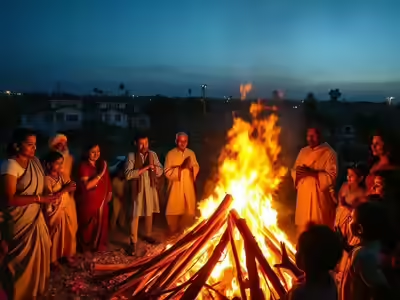
As the fire crackles and flames reach toward the sky, people dance and sing traditional songs. The heat from the bonfire is believed to destroy disease-causing germs, making it a health ritual too. By the time the fire dies down, communities are spiritually rejuvenated and ready for the splash of colors.
Holi Celebrations Across India
Holi's spirit is universal, but its expression varies wonderfully across different regions. Each state adds unique flavors to the festival, creating a rich tapestry of traditions that showcases India's diversity.In Uttar Pradesh, especially Mathura and Vrindavan, celebrations span over 16 days. The Lathmar Holi of Barsana, where women playfully beat men with sticks, is famous worldwide. These celebrations are grand, theatrical, and deeply rooted in Krishna mythology. Thousands gather to witness this unique tradition.
Down south, Holi has a more subdued, spiritual tone. In Tamil Nadu, it's called Kama Dahanam and involves burning Kama Deva (the god of love) rather than Holika. In Karnataka, people light bonfires but play with colors only the next morning. The focus is on rituals rather than wild revelry.
In Punjab, Holi is called Hola Mohalla and involves martial arts displays. The Nihang Sikhs perform exciting physical feats, showcasing strength and courage. Maharashtra sees traditional Holika Dahan, followed by playing with gulal and visiting friends and family.
Manipur celebrates Phakuwa, a five-day festival that involves traditional music and dance. Here, Holi is an extended celebration with cultural performances and community feasting. Regardless of the region, the core message remains the same—celebrating good, love, and spring's arrival.
Best Places to Celebrate Holi in India
For an authentic Holi experience, certain destinations stand out for their unique celebrations, cultural significance, and festive atmosphere. Here's a comprehensive guide to the best places to experience Holi.| Destination | Known For | Best Time to Visit |
|---|---|---|
| Mathura & Vrindavan | Lathmar Holi, Krishna connection | Week before Holi |
| Barsana | Women beating men with sticks | Rang Panchami |
| Gokul | Laddoo Holi, traditional sweets | Rang Panchami |
| Delhi | Organized parties, Holi Moo | Holi day |
| Jaipur | Tourism-friendly celebrations | Holi day |
| Shantiniketan | Cultural Basanta Utsav | Holi day |
Mathura and Vrindavan
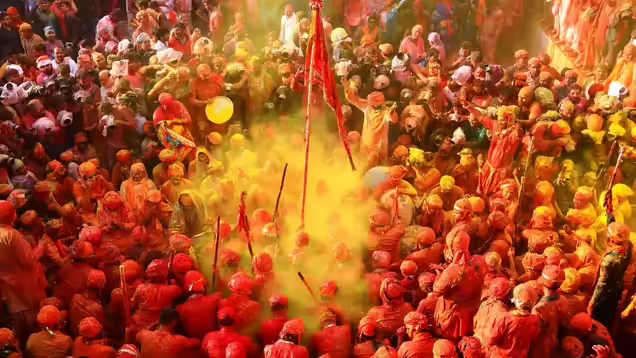
As Lord Krishna's birthplace and childhood home, Mathura and Vrindavan offer the most spiritually significant Holi experience. The entire Braj region transforms into a canvas of colors for nearly two weeks before the main festival day. Temples organize special pujas, and devotees sing Krishna bhajans that echo through narrow lanes.The main day in Mathura sees processions from Krishna Janmasthan Temple to Vishram Ghat. Pilgrims dance, sing, and play with flowers rather than colors initially. By afternoon, the color play begins, and nobody is spared—not even priests. The atmosphere is electric, with dholaks beating drums and people shouting "Holi Hai" in unison.
Vrindavan's Holi is equally spectacular. The Banke Bihari Temple hosts special celebrations where priests sprinkle colored water on devotees. Widows of Vrindavan, who usually lead austere lives, participate openly in Holi festivities at the Gopinath Temple, making it a heartwarming sight.
Barsana and Gokul
Barsana, believed to be Radha's village, hosts the famous Lathmar Holi. According to legend, Krishna visited Barsana to tease Radha and her friends. The gopis, annoyed by his mischief, chased him away with sticks. Today, men from Nandgaon visit Barsana, and women playfully beat them with lathis (sticks).This unique tradition draws thousands of visitors who come to witness the playful spectacle. Despite the beating, it's all done in good humor and carries no animosity. Men carry shields to protect themselves and sing songs praising Radha. It's a safe, consensual tradition that's become legendary.
Gokul, Krishna's village, celebrates Laddoo Holi the next day. Here, Krishna is welcomed with laddoos (sweets), which he playfully throws back at the gopis. The tradition symbolizes Krishna's mischievous nature and his endearing bond with the villagers. Both towns offer intimate, traditional Holi experiences that transport visitors to mythological times.
Delhi and NCR
For those who prefer organized celebrations over traditional revelry, Delhi offers excellent options. The capital hosts numerous Holi parties at hotels, clubs, and community centers. Holi Moo in Delhi is particularly famous—a non-toxic, organic color event that attracts families.South Delhi areas like Hauz Khas and GK have vibrant street celebrations. Noida and Gurgaon also host massive gatherings with DJs, food stalls, and color stations. These events are safe, well-organized, and perfect for tourists who want to experience Holi without getting too wild.
The Connaught Place area sees grand celebrations organized by cultural groups. Many embassies and international communities host their own Holi parties here, creating a multicultural celebration. For best experience, book tickets in advance as popular events sell out quickly.
Jaipur and Rajasthan
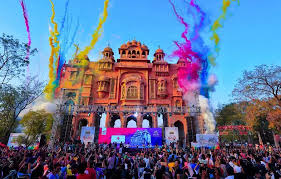
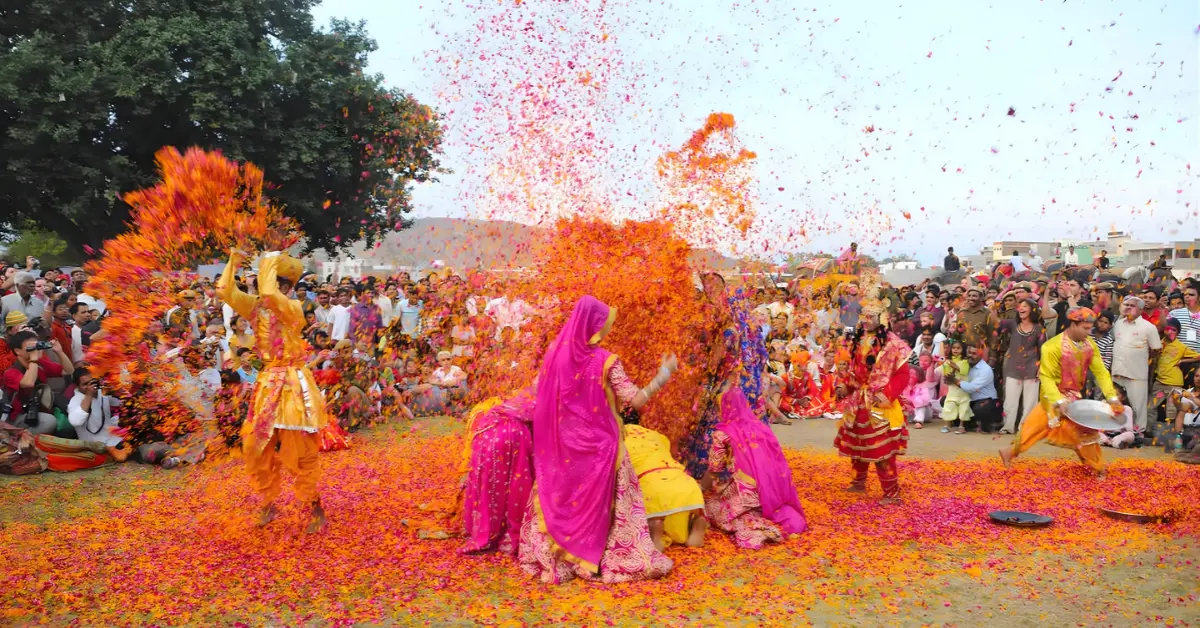
Rajasthan's royal heritage adds grandeur to Holi celebrations. In Jaipur, festival is celebrated with great pomp and processions. The Pink City becomes even pinker as people don white clothes that quickly turn into masterpieces of color.Organized tours operate in Jaipur, taking visitors through decorated streets. Hotels host Holi brunches with traditional food and music. The City Palace and surrounding areas see cultural performances. Jaipur's Holi is tourist-friendly, with many venues offering safe zones for color play.
Udaipur, known as City of Lakes, offers a romantic setting for Holi. Celebrations at lakeside are particularly beautiful, with colors reflecting in the water. Rajasthan's Holi combines tradition with hospitality, making it memorable for first-time visitors.
Shantiniketan
West Bengal celebrates Holi as Basanta Utsav (Spring Festival), and Shantiniketan is the epicenter of this cultural celebration. Founded by Nobel laureate Rabindranath Tagore, this university town celebrates Holi with music, dance, and floral decorations rather than wild color throwing.Visitors to Shantiniketan witness unique Holi traditions. Students perform Tagore's songs, people dress in yellow (spring's color), and flower-based colors replace synthetic powders. The atmosphere is serene, artistic, and deeply cultural. It's perfect for those seeking a refined Holi experience.
The celebration extends for several days, with exhibitions, cultural programs, and community meals. Ashram residents and locals welcome guests, making it an inclusive celebration. Unlike the boisterous Holi of north India, Shantiniketan's Basanta Utsav is poetic and understated.
Traditional Holi Foods and Sweets
No Indian festival is complete without traditional delicacies, and Holi is no exception. Special foods prepared during Holi add to the festive spirit and are eagerly awaited throughout the year.Gujiya is undoubtedly Holi's most iconic sweet. These deep-fried dumplings filled with khoya (dried milk solids), nuts, and cardamom are prepared days in advance. In northern India, families gather to make hundreds of gujiyas together. The crispy exterior gives way to a soft, sweet filling that melts in the mouth. Gujiyas are exchanged with neighbors and offered to guests who come to play Holi.
Bhang, a traditional cannabis-based drink, is synonymous with Holi. Made from cannabis leaves, milk, and spices, bhang thandai is prepared in many households. The intoxicating drink is believed to enhance the festive mood. While some consume it for its psychoactive effects, many enjoy it for the ritual aspect and traditional flavor.
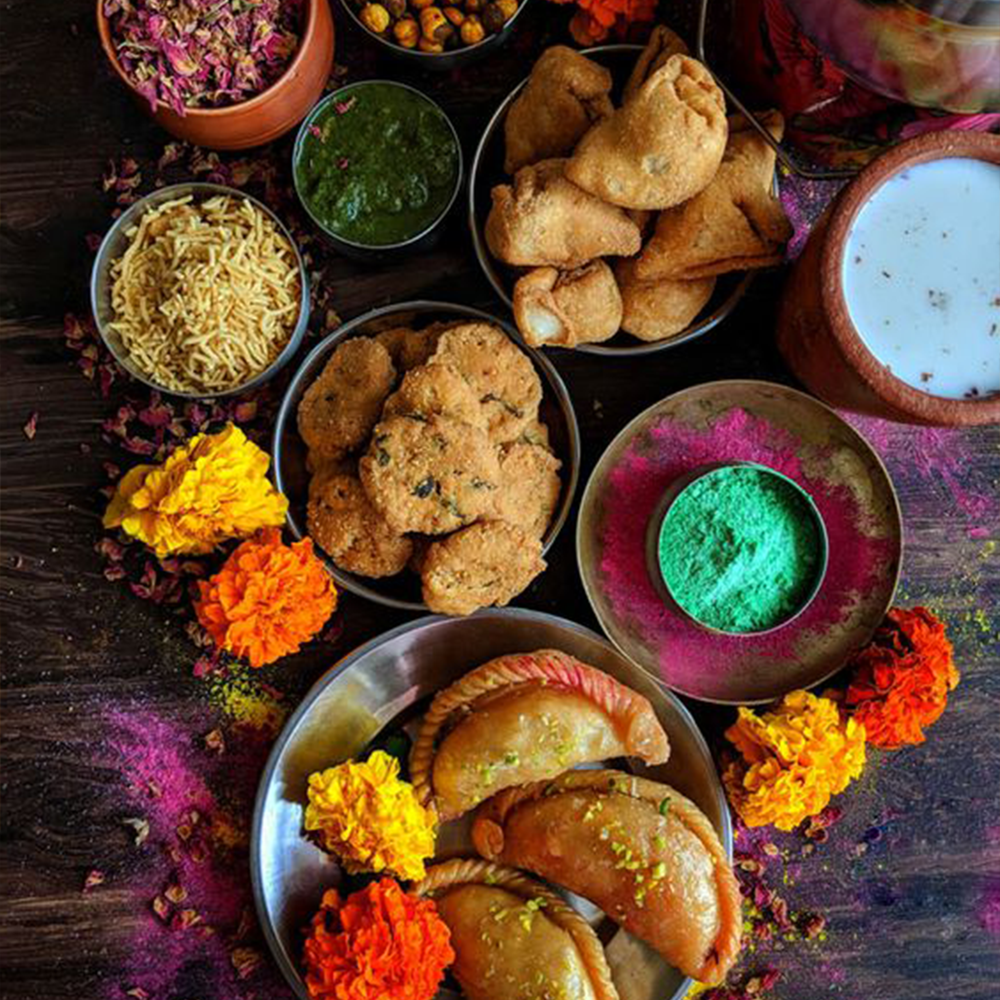
Other sweets include mathri, crispy flour-based snacks, and malpua, sweet pancakes. Puran poli, a stuffed bread dessert, is popular in Maharashtra. In Bengal, sweet dishes made from jaggery and coconut replace the north Indian sweets.
Savory dishes like kanji vada, a lentil fritter, are also prepared. In many homes, a special lunch is cooked on Holi day, featuring dishes like kheer (rice pudding), puri, and aloo bhaji. The combination of sweets, bhang, and hearty food makes Holi a complete culinary experience.
Safety Tips for Holi Celebration
While Holi is about fun and freedom, staying safe ensures your celebration remains memorable for the right reasons. Follow these essential tips to enjoy Holi responsibly.Clothing choices matter significantly. Wear old, white clothes that you don't mind getting stained permanently. Cotton fabrics absorb colors more than synthetics. Many people wear white kurta-pajama or simple salwar kameez, but ensure the material is durable. Avoid silk or expensive fabrics as removing color from them is difficult.
Skin protection is crucial. Apply a thick layer of oil or moisturizer on exposed skin before stepping out. This creates a barrier that makes color removal easier later. Don't forget to oil your hair thoroughly—colored powder can make hair dry and brittle. Using a scarf or bandana adds extra protection.
Be mindful of the type of colors used. Organic, herbal colors are safer than synthetic ones that contain harmful chemicals. Natural colors made from turmeric, beetroot, and flowers are gentle on skin. If using synthetic colors, avoid those with metallic content or glass particles. Purchase colors from reputable brands that specify safety standards.
Eye protection shouldn't be ignored. Wear sunglasses to prevent colored water from entering your eyes. If someone aims water at your face, turn away immediately. If color does get in eyes, rinse with clean water—never rub. In case of irritation or redness, seek medical attention.
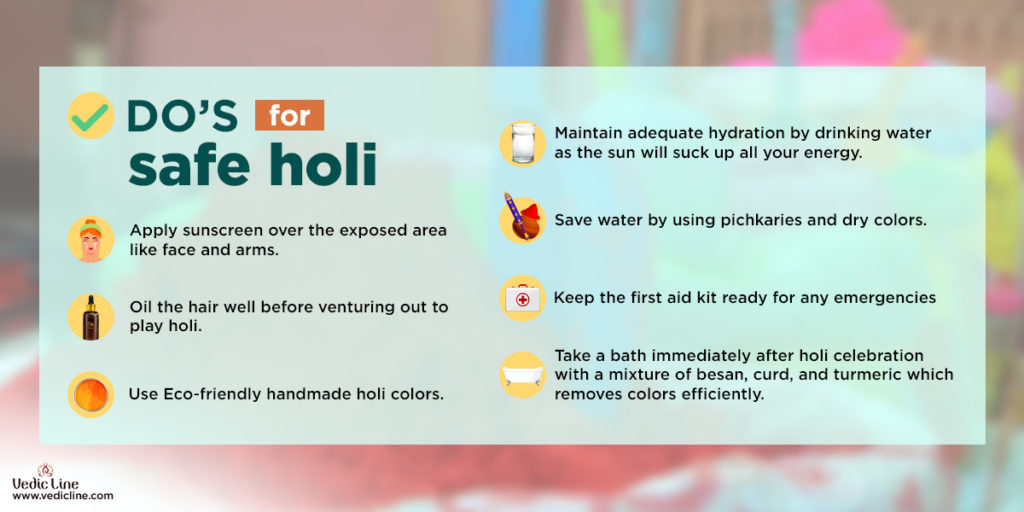
Stay hydrated. Dehydration is common during Holi due to sun exposure and physical activity. Drink plenty of water between color play. If consuming bhang, do so in moderation and eat beforehand to avoid overwhelming effects. Never drive under the influence of bhang—arrange for alternative transportation.
Respect boundaries. Not everyone wants to play Holi, and that's perfectly fine. Look for signals—people with white clothes usually want to participate, while those indoors might be opting out. Never force color on unwilling participants, especially children or elderly who might be uncomfortable.
How to Celebrate Holi: A Step-by-Step Guide
Planning your Holi celebration ensures you make the most of this vibrant festival. Here's how to celebrate Holi like a local:
Start with Holika Dahan the night before. Collect wood from your locality or bring your own. Participate in the bonfire ritual, offer prayers, and take home some ash. This spiritual beginning sets the tone for the next day's festivities. It's also a time to forgive past grudges and start anew.
Wake up early on Holi morning. Visit friends and family, greeting them with "Happy Holi" and applying tilak (color mark) on their forehead. This traditional greeting is polite and shows respect. In some families, elders apply color to younger ones first as a blessing.
Prepare your colors beforehand. Separate dry colors (gulal) from wet ones. Keep water handy for wet play. If you're hosting, ensure you have enough colors for all guests. Organize food—gujiyas, thandai, and snacks—so people can refuel during breaks.
Step out and immerse yourself. Don't shy away—Holi is about participating wholeheartedly. Accept being colored—it's part of the fun. Dance to dhol beats, sing folk songs, and let go of inhibitions. The more you engage, the more authentic your experience will be.
Document the celebration responsibly. Take photos and videos, but be mindful of people's privacy. Don't photograph anyone who's uncomfortable. These memories will last forever, so capture the joy, colors, and candid moments of laughter and friendship.
After the revelry, scrub gently. Use lukewarm water and mild soap to remove colors. Apply oil to stubborn stains before washing. Don't scrub vigorously—you might damage your skin. Hair may need multiple washes to completely clean. Once clean, moisturize well as colors can be drying.
Cultural Significance in Modern Times
Holi's relevance extends beyond mythology—it's a festival with contemporary social significance. In today's world, where divisions often dominate discourse, Holi serves as a powerful reminder of unity and equality.
The festival breaks social barriers. On Holi day, CEO and employee, rich and poor, young and old—all play together. The colors strip away visible differences, leaving only human connection. It's a day when hierarchy dissolves, and everyone meets on the same colorful ground.
Holi also promotes environmental consciousness in modern times. Increasingly, people are choosing organic colors over harmful synthetic ones. Communities organize cleanup drives post-Holi to wash away colors responsibly. This shift shows the festival's ability to adapt to contemporary concerns while maintaining its essence.
The festival has gone global too. Indians abroad celebrate Holi, sharing their culture with international communities. Universities, workplaces, and multicultural cities host Holi events, turning the festival into a symbol of India's vibrant traditions on the world stage.
In essence, Holi's true spirit is about celebrating life, love, and the victory of light over darkness. It teaches us to let go, forgive, and embrace the colorful diversity of human experience. As spring brings new blossoms, Holi brings new perspectives and renewed relationships.
Planning Your Holi Trip
If you're traveling to celebrate Holi in one of India's famous destinations, proper planning ensures a smooth experience. Book accommodation well in advance as hotels in places like Mathura, Vrindavan, and Jaipur fill up weeks before Holi.
Transport can be challenging during Holi. Trains and buses are crowded, and roads often face blockages due to color play. Plan to arrive at your destination at least a day before Holi. Carry essential supplies—water, toiletries, change of clothes—as shops might be closed.
For those visiting Braj region (Mathura-Vrindavan-Gokul-Barsana), consider taking a guided tour. Local guides know the best spots, timings, and cultural nuances. They can also help navigate the crowded lanes and find authentic experiences away from tourist traps.
Remember that Holi celebrations can be overwhelming for some. If you prefer a calmer experience, choose destinations like Sangla or Rishikesh, where celebrations are more relaxed. Coastal regions like Goa also host Holi parties that are less chaotic than northern heartlands.
Finally, embrace the spirit of Holi regardless of where you celebrate. Whether in a temple courtyard, a village street, or a city rooftop, let the colors wash away your worries. Dance, sing, eat, and celebrate the arrival of spring with an open heart and a colorful smile.
Location
Frequently Asked Questions
Q1.What is the history of Holi festival?
Q2.When is Holi celebrated?
Q3.How is Holi celebrated in India?
Q4.What are the best places to celebrate Holi?
Q5.What are the colors of Holi called?
Q6.Is Holi celebrated for 2 days?
Q7.What is the significance of Holi?
Q8.What should I wear for Holi?
Recommended For You
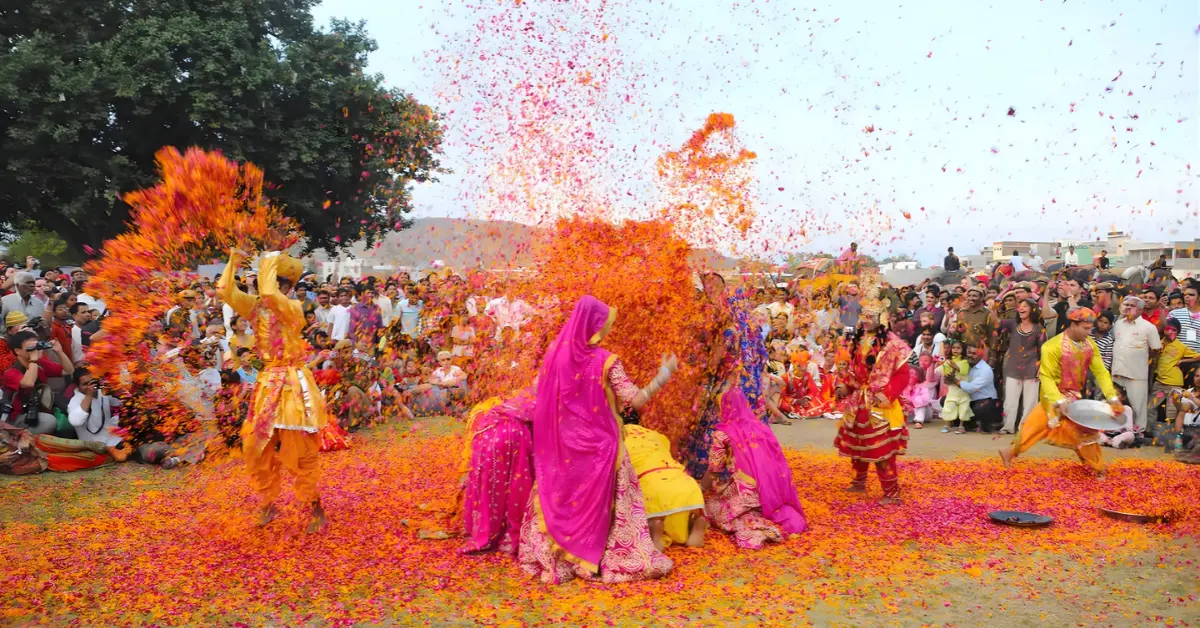
Rajasthan Holi: Jaipur, Pushkar & Top Celebration Spots
Experience the magic of Rajasthan Holi with our complete celebration guide. Discover best places in Jaipur, Pushkar, Udaipur, 2026 dates, royal traditions, travel tips, and authentic cultural experiences.
Holi Festival in Varanasi: Experience Spiritual Colors on the Ganges
Experience Holi festival in Varanasi - spiritual colors on the Ganges! Discover ghat celebrations, temple ceremonies, traditions, food & complete Varanasi Holi guide for 2026.
Holi in Jaipur: Experience Royal Colors in the Pink City
Experience Holi in Jaipur - royal celebrations in the Pink City! Discover Gair dance, City Palace events, best places, Rajasthani food & complete travel guide for 2026.
Never Miss an Adventure
Get the latest trekking guides, travel tips, and exclusive offers delivered straight to your inbox.
