
Holi in Goa: Experience the Vibrant Shimga Festival on Coastal Paradise

Rohan Malhotra
November 22, 2025
Experience Holi in Goa - the vibrant Shimga festival! Discover unique traditions, beach celebrations, best places to visit, customs, food, and complete travel guide for 2026.
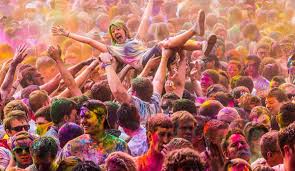
Holi in Goa offers a unique blend of traditional Indian celebrations with the laid-back coastal charm that makes this state so special. Known locally as Shimga, this festival of colors transforms Goa's beaches, streets, and villages into a riot of vibrant hues. Whether you're a first-time visitor or a regular to Goa, experiencing Holi here provides an unforgettable cultural adventure that combines ancient traditions with modern revelry.
The Unique Goan Celebration of Shimga
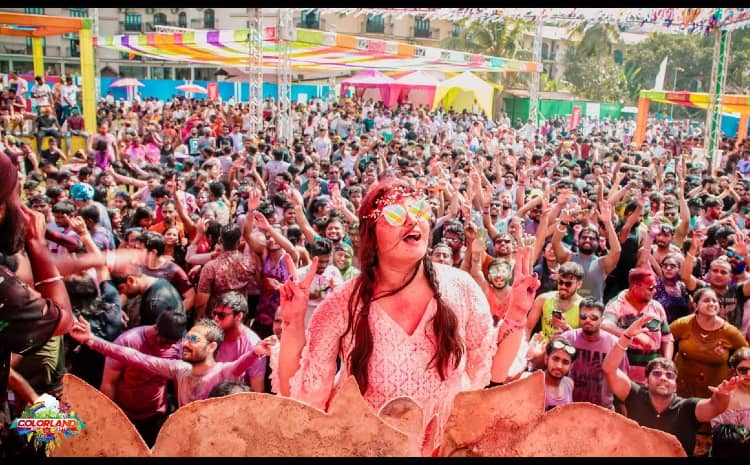
In Goa, Holi is called Shimga, and the celebrations here have distinctive characteristics that set them apart from other parts of India. The festival typically begins with the burning of Holika bonfires on the eve, symbolizing the triumph of good over evil. What makes Goa's celebration unique is how it seamlessly blends traditional Hindu customs with the state's Portuguese-influenced culture and cosmopolitan beach vibe.
The coastal state's version of Holi extends beyond just playing with colors. It includes elaborate street parades, traditional folk dances, and community gatherings that showcase Goa's rich cultural heritage. The festival here is more community-oriented, with neighborhoods coming together to celebrate, making it a perfect opportunity for visitors to experience authentic Goan hospitality.
Best Places to Celebrate Holi in Goa
Panjim (Panaji) - The capital city hosts some of the most vibrant Holi celebrations in Goa. The streets around the Church Square and 18th June Road come alive with colors, music, and enthusiastic revelers. Many local clubs and communities organize special events, making it easy for visitors to join in the festivities.
Mapusa - This North Goa town is famous for its Shimga Utsav, which features traditional folk performances and elaborate processions. The celebration here is deeply rooted in local traditions and offers a more authentic experience compared to the commercial celebrations in popular beach areas.
Vasco da Gama - As Goa's largest city, Vasco offers massive public celebrations that attract people from across the state. The municipal corporation often organizes cultural programs that showcase Goan folk dances and music alongside color play.
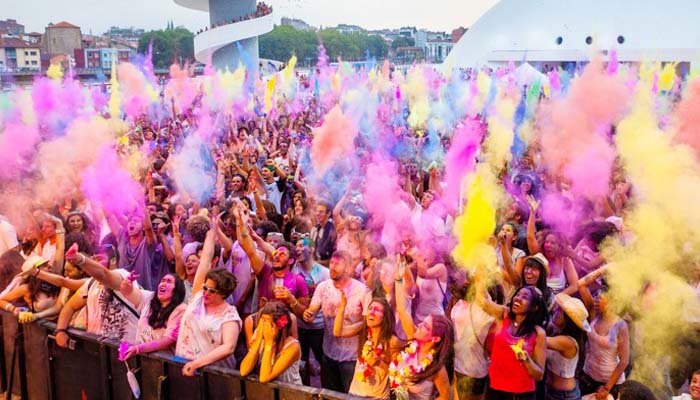
Beach Shack Celebrations - Popular beaches like Baga, Anjuna, and Calangute see beach shacks organizing special Holi parties with DJs, rain dances, and organic colors. These are perfect for travelers who want a contemporary celebration experience with sea views.
Traditional Goan Customs During Holi
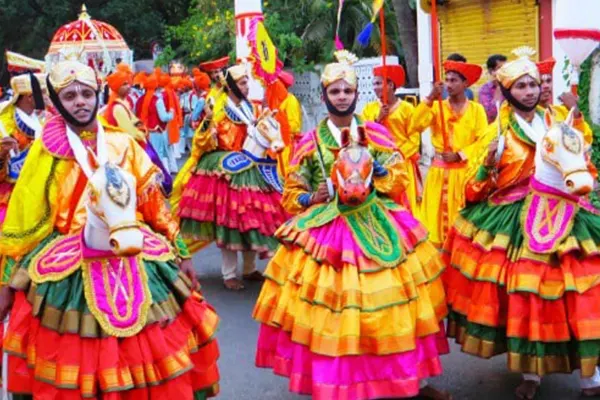
Goa's Holi celebrations feature several unique customs that you won't find elsewhere. One of the most distinctive traditions is the staging of "Gopalkala," folk plays that reenact scenes from Lord Krishna's life. These performances take place in village squares and temple grounds, combining entertainment with spiritual significance.
The festival also features traditional Goan folk songs called "Fugdi" and "Dhalo," which groups of women sing and dance to. The rhythm of these songs, combined with the colorful atmosphere, creates an infectious energy that draws everyone into the celebration. In many villages, you'll see processions with beautifully decorated palanquins carrying idols of Lord Krishna and Radha.
Another unique aspect is the abundance of traditional Goan sweets prepared specifically for Holi. Homes prepare delicacies like "Sanas" (rice cakes), "Dodol" (jaggery and coconut sweet), and "Bebinca" (layered cake). These sweets are shared with neighbors and visitors, embodying the spirit of community that defines Goan culture.
Modern Holi Celebrations at Goa Beaches
While traditional celebrations continue in villages and towns, Goa's beaches have evolved into hubs for modern Holi parties. Popular beach shacks and clubs organize all-day events featuring international DJs, rain dances, and themed parties. These events typically use organic, skin-friendly colors and provide a controlled environment for celebration.
Popular venues include beach cafes along the North Goa coast, which transform into colorful party zones. Many upscale resorts and hotels also host their own celebrations, often including brunch buffets, live music, and special activities for children. These modern celebrations attract a diverse crowd of international tourists, domestic travelers, and locals, creating a truly cosmopolitan atmosphere.
The beach parties typically start around 10 AM and continue until sunset, with breaks for lunch and refreshments. Most venues provide color packets, water guns, and protective gear. Some even offer shower facilities so guests can clean up before heading back to their accommodations.
Goan Holi Food and Drinks
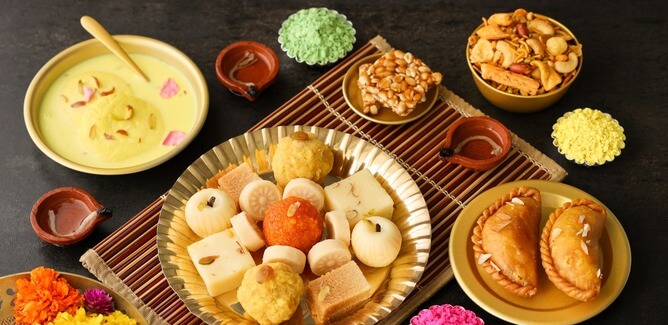
Food is an integral part of Holi celebrations in Goa, and the state's culinary diversity shines during this festival. The preparation starts days in advance, with families making traditional sweets that have been passed down through generations. These aren't just desserts; they're cultural artifacts that tell the story of Goa's unique heritage.
The most iconic Holi sweet in Goa is "Puran Poli," a flatbread stuffed with sweet lentil filling. Another favorite is "Karanji," crescent-shaped pastries filled with coconut and jaggery. "Shev" - crispy noodles made from chickpea flour - is prepared in large quantities and distributed to visitors. Many households also prepare "Thandai," a refreshing drink made with milk, nuts, and spices.
Savory items are equally important. "Khatkhate," a mixed vegetable curry, is a staple in many Goan Hindu households. "Patal Bhaji," a tangy pumpkin curry, and "Usal," sprouted bean curry, are also popular. These dishes are prepared in large quantities because Holi in Goa is about community feasting as much as it is about playing with colors.
Tips for Celebrating Holi in Goa
If you're planning to experience Holi in Goa, preparation is key to enjoying the festival safely. The coastal humidity can make playing with colors more intense, so choosing the right time to start your celebration is important. Early morning, between 9 AM and 11 AM, is ideal as the temperature is still pleasant.
Choose your celebration venue based on your preferences. If you want an authentic local experience, head to villages or temple celebrations in places like Panjim or Mapusa. For a beach party vibe, North Goa's commercial beaches are perfect. South Goa offers a more relaxed celebration, ideal if you want to avoid crowds.
Wear light, comfortable clothing that you don't mind getting stained. Cotton fabrics work best in Goa's humidity. Many people wear white specifically for Holi, but remember that color stains can be permanent. Don't forget to apply oil or moisturizer to your skin and hair before stepping out - this makes removing colors easier later.
Protect your electronics and valuables. The combination of colored water and fine powder can damage phones and cameras. Consider using waterproof pouches or leaving expensive items at your hotel. If you're planning to photograph the celebrations, bring a protective cover for your camera.
Stay hydrated throughout the day. Goa's coastal climate, combined with active celebration, can lead to dehydration. Drink plenty of water and take breaks in shaded areas. Many celebration venues offer coconut water, which is perfect for staying hydrated while enjoying the festivities.
Safety Considerations for Goa Holi
While Goa is generally safe and tourist-friendly, it's important to exercise caution during Holi celebrations. Celebrate at reputable venues or with trusted locals. If you're joining street celebrations, be aware of your surroundings and respect others' boundaries. Not everyone wants to be covered in color, and it's important to ask before applying color to someone.
Use organic or natural colors when possible. Many beach parties and organized events provide these safer alternatives. Avoid colors that contain harmful chemicals, as they can cause skin irritation and allergic reactions. If you have sensitive skin, consider consulting a dermatologist before celebrating.
Be particularly careful if you're celebrating near the beach. The combination of wet colors and sand can create slippery surfaces. Watch your step, especially if you're walking along the shoreline. Also, be mindful of the ocean - avoid going into the sea immediately after playing with colors, as the chemicals can harm marine life.
Best Time to Visit Goa for Holi
Holi typically falls in March, according to the Hindu lunar calendar. The weather in Goa during this time is pleasant, with temperatures ranging from 25°C to 32°C. It's not as humid as the summer months that follow, making it ideal for outdoor celebrations. The sea is calm enough for swimming, though most beaches can get crowded with revelers.
It's advisable to book your accommodation well in advance if you're visiting specifically for Holi. March is still peak tourist season in Goa, and hotels fill up quickly. If you want to experience the full range of celebrations, plan to stay for at least 3-4 days around the festival. This will allow you to witness both the traditional Holika Dahan ceremonies and the main day of color play.
Cultural Significance of Holi in Goa
Beyond the fun and festivities, Holi holds deep cultural significance in Goa. For the Hindu community, it marks the victory of good over evil and the arrival of spring. But in Goa's unique cultural landscape, it also represents the harmonious coexistence of different communities. You'll often see people of all religions participating in the celebrations, reflecting Goa's reputation for communal harmony.
The festival is particularly significant for Goa's farming communities. It marks the end of winter and the beginning of the harvest season. Many village celebrations include rituals thanking the gods for a good harvest and praying for agricultural prosperity. This connection to the land and its cycles gives Holi in Goa a deeper meaning that goes beyond just playing with colors.
For visitors, experiencing Holi in Goa offers more than just a fun day out - it's a window into the state's rich cultural tapestry. The blend of traditional customs with contemporary celebrations, the community spirit, and the unique coastal setting make Goa one of the most special places in India to celebrate the festival of colors.
Whether you choose to join a traditional village celebration, dance at a beach party, or simply observe the festivities from a distance, Holi in Goa promises an experience that captures the essence of this beautiful state - vibrant, welcoming, and culturally rich. It's a celebration that stays with you long after the colors have washed away, leaving memories of joy, community, and the unique magic of Goa.
Location
Frequently Asked Questions
Q1.How is Holi celebrated in Goa?
Q2.What are the best places to celebrate Holi in Goa?
Q3.What is Shimga in Goa?
Q4.What should I wear for Holi in Goa?
Q5.Is Goa safe for Holi celebration?
Q6.What are traditional Holi foods in Goa?
Q7.When is Holi celebrated in Goa in 2026?
Q8.What is unique about Goa beach Holi parties?
Recommended For You
Christmas in India: Top Destinations, Traditions & Celebration Ideas
Explore Christmas celebrations in India with top destinations, regional traditions, midnight mass culture, festive foods, and practical travel tips.
Diwali in Ayodhya: Deepotsav Dates, Events & Crowd Planning
Experience the world's grandest Diwali celebration in Ayodhya. Witness 22 lakh diyas illuminate the sacred Saryu River during Deepotsav. Complete guide to timings, locations, and travel tips.
Durga Puja in West Bengal: Major Pandals, Timings & Travel Plan
Durga Puja Kolkata planning guide with pandal cluster routes, crowd-smart timing, transport strategy, and practical one-day/two-day festival templates.
Never Miss an Adventure
Get the latest trekking guides, travel tips, and exclusive offers delivered straight to your inbox.
