
Diwali in Ayodhya: Deepotsav Dates, Events & Crowd Planning

Priya Mehta
November 22, 2025
Experience the world's grandest Diwali celebration in Ayodhya. Witness 22 lakh diyas illuminate the sacred Saryu River during Deepotsav. Complete guide to timings, locations, and travel tips.
Introduction: The Divine Homecoming
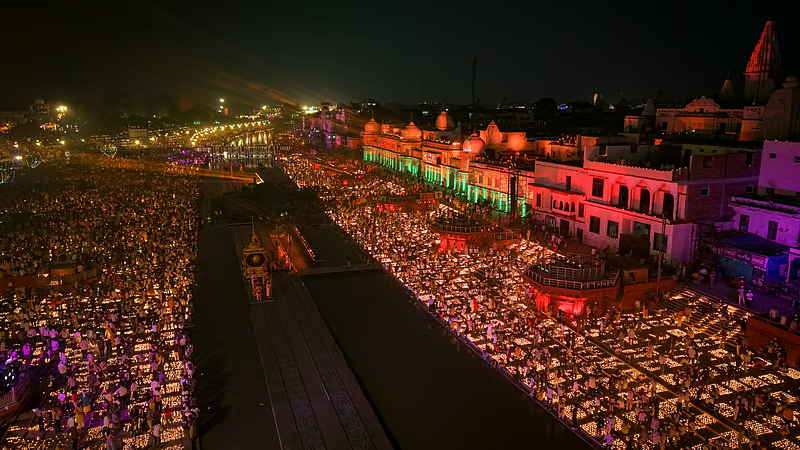
Imagine standing on the banks of the sacred Saryu River, watching millions of diyas (oil lamps) illuminate the ancient city of Ayodhya. This isn't just any Diwali celebration – this is Deepotsav, the world's largest Diwali celebration that commemorates Lord Ram's homecoming after 14 years of exile. As the birthplace of Lord Ram and the setting of the Ramayana, Ayodhya transforms into a celestial spectacle during Diwali, attracting millions of devotees, tourists, and curious travelers from across the globe. The Deepotsav festival in Ayodhya has evolved into a magnificent cultural phenomenon that has broken multiple Guinness World Records. What was once a local celebration has now become India's most iconic Diwali destination, where the sacred meets the spectacular. The city doesn't just celebrate Diwali; it embodies the very essence of the festival of lights – the victory of light over darkness, good over evil, and hope over despair. Whether you're a spiritual seeker, a culture enthusiast, or simply someone who wants to witness one of the world's most breathtaking visual spectacles, Diwali in Ayodhya offers an experience that transcends ordinary travel. This comprehensive guide will help you plan your visit to witness the grand Deepotsav celebration, understand its significance, and make the most of this once-in-a-lifetime experience.Deepotsav: A World Record Celebration
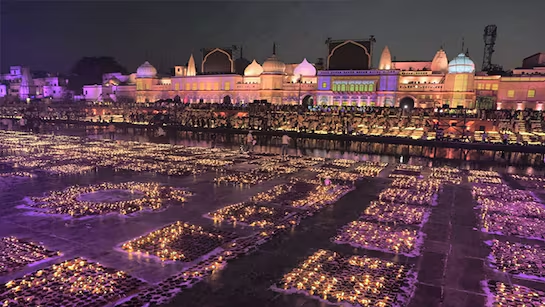 Deepotsav, which translates to "festival of lights," is Ayodhya's crowning jewel during Diwali. This grand celebration began in 2017 and has since grown exponentially each year, breaking its own Guinness World Records multiple times. The festival is organized by the Uttar Pradesh Tourism Department in collaboration with the Ayodhya administration, transforming the ancient city into a mesmerizing canvas of light.
The scale of Deepotsav is truly staggering. In recent years, over 22 lakh (2.2 million) diyas have been lit simultaneously across the ghats of Ayodhya, creating a golden reflection on the Saryu River that can be seen from miles away. These diyas are not randomly placed; they are arranged in intricate patterns, forming images of Lord Ram, the Ram Mandir, and various sacred symbols. The lighting ceremony is usually performed by the Chief Minister of Uttar Pradesh and other dignitaries, adding to the grandeur of the event.
What makes Deepotsav truly special is the collective effort behind it. Thousands of volunteers, local residents, and artists work tirelessly for days to prepare the diyas, arrange them in beautiful patterns, and ensure they remain lit throughout the evening. The atmosphere is electric with devotion, as chants of "Jai Shri Ram" resonate through the air, creating a spiritual ambiance that is both powerful and moving.
Deepotsav, which translates to "festival of lights," is Ayodhya's crowning jewel during Diwali. This grand celebration began in 2017 and has since grown exponentially each year, breaking its own Guinness World Records multiple times. The festival is organized by the Uttar Pradesh Tourism Department in collaboration with the Ayodhya administration, transforming the ancient city into a mesmerizing canvas of light.
The scale of Deepotsav is truly staggering. In recent years, over 22 lakh (2.2 million) diyas have been lit simultaneously across the ghats of Ayodhya, creating a golden reflection on the Saryu River that can be seen from miles away. These diyas are not randomly placed; they are arranged in intricate patterns, forming images of Lord Ram, the Ram Mandir, and various sacred symbols. The lighting ceremony is usually performed by the Chief Minister of Uttar Pradesh and other dignitaries, adding to the grandeur of the event.
What makes Deepotsav truly special is the collective effort behind it. Thousands of volunteers, local residents, and artists work tirelessly for days to prepare the diyas, arrange them in beautiful patterns, and ensure they remain lit throughout the evening. The atmosphere is electric with devotion, as chants of "Jai Shri Ram" resonate through the air, creating a spiritual ambiance that is both powerful and moving.
The Sacred Significance of Ram Ki Paidi
Ram Ki Paidi is the heart of Deepotsav celebrations and arguably the most photographed location in Ayodhya during Diwali. This series of stepped ghats (riverfront steps) along the Saryu River serves as the main venue for the diya lighting ceremony. The name "Ram Ki Paidi" translates to "Ram's Steps," and legend has it that Lord Ram himself walked these steps during his time in Ayodhya. During Deepotsav, Ram Ki Paidi transforms into a breathtaking spectacle. The ghats and the surrounding areas are lined with millions of diyas, creating a mesmerizing reflection on the river's surface. The simultaneous lighting of these diyas is a carefully choreographed event that usually takes place around 6:30 PM. As the sun sets and darkness descends, the sudden illumination of millions of lamps creates a magical atmosphere that seems almost otherworldly. The visual impact of Ram Ki Paidi during Deepotsav is impossible to describe adequately in words. The golden glow of the diyas contrasts beautifully with the dark waters of the Saryu River and the night sky. Photographers and visitors jostle for space to capture this ethereal beauty, but no photograph can truly do justice to the actual experience of standing there, surrounded by millions of flickering flames, feeling the spiritual energy of the place.Deepotsav: Dates, Schedule & What to Expect
Planning your visit to Ayodhya for Deepotsav requires careful timing. Diwali falls on different dates each year based on the Hindu lunar calendar. For this year, Diwali is expected to be celebrated on November 11th (though this is subject to change based on the lunar calendar). The Deepotsav celebrations typically span three days leading up to the main Diwali day, with each day offering unique experiences. Day 1: Cultural Prelude The celebrations usually begin with cultural programs and religious ceremonies at various locations in Ayodhya. You can witness Ram Leela performances, devotional music concerts, and art exhibitions showcasing the rich cultural heritage of the region. This is a good day to explore the city and visit important temples. Day 2: Spiritual Preparation The second day sees increased religious activities, including special prayers and aartis at the Ram Janmabhoomi site and other temples. The city begins to buzz with excitement as final preparations for the main event are underway. Decorations go up across the city, creating a festive atmosphere everywhere you go. Day 3: The Grand Deepotsav The main Deepotsav event takes place on the evening of Diwali. The day begins with religious ceremonies and processions. The highlight is the evening diya lighting ceremony at Ram Ki Paidi, usually around 6:30 PM, followed by a grand Maha Aarti on the Saryu River. The celebration culminates with spectacular fireworks that light up the Ayodhya skyline. Evening Schedule (Approximate): - 5:00 PM: Security checks and crowd management begin - 6:00 PM: Cultural performances start - 6:30 PM: Diya lighting ceremony begins - 7:30 PM: Maha Aarti at Saryu River - 8:00 PM: Fireworks display - 8:30 PM: Laser show and digital projection mappingBest Viewing Spots for Deepotsav
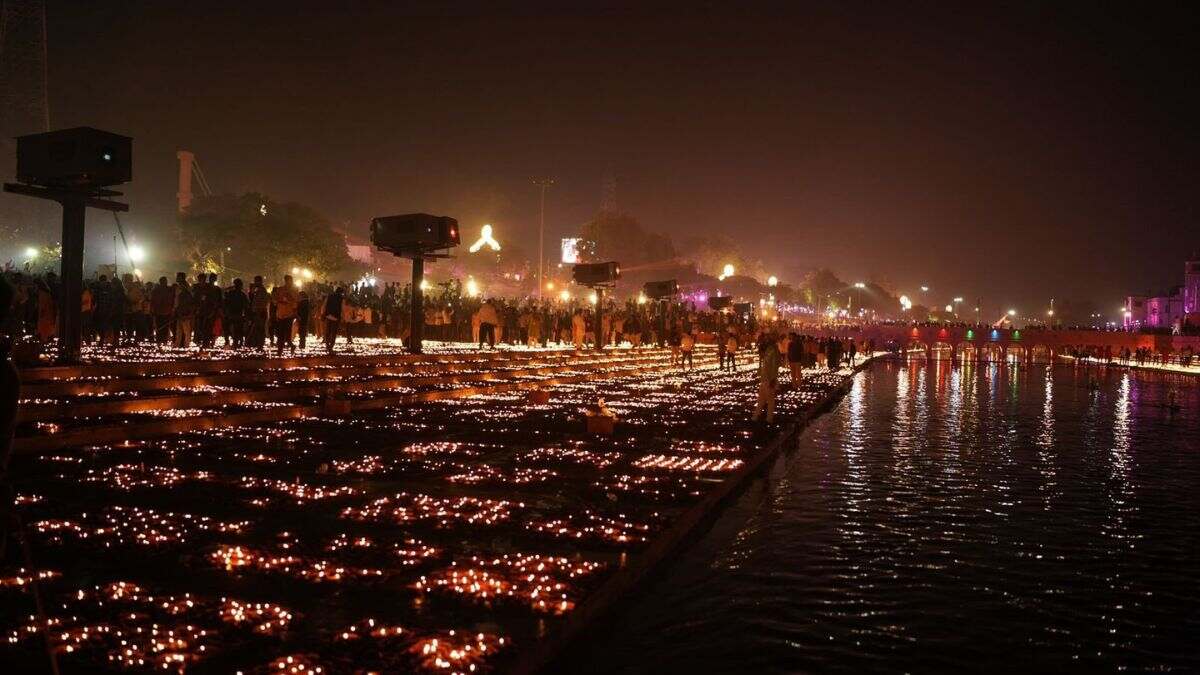 While Ram Ki Paidi is the epicenter of Deepotsav celebrations, several other locations offer excellent vantage points to witness the spectacle. Each spot offers a unique perspective of the illuminated city.
Ram Ki Paidi Ghats: This is the front-row seat to Deepotsav. Being here during the lighting ceremony is an unforgettable experience. However, it's also the most crowded location, so arrive several hours early if you want a good spot. The energy here is contagious, with thousands of devotees chanting and singing together.
Saryu River Boat Ride: For a truly unique perspective, take a boat ride on the Saryu River during the evening. Seeing the millions of diyas reflecting on the water from the middle of the river creates a magical mirror effect. Boat operators offer special rides during Deepotsav, but these need to be booked in advance as they sell out quickly.
Hanuman Garhi: This temple dedicated to Lord Hanuman is situated on a hill and offers a panoramic view of the entire city. From here, you can see not just Ram Ki Paidi but all the illuminated ghats and temples of Ayodhya. The climb up the stairs is worth it for the bird's-eye view of the sparkling city below.
Naya Ghat and Raj Ghat: These are alternative ghats along the Saryu River that are less crowded than Ram Ki Paidi but still offer excellent views. Many locals prefer these spots because they're more peaceful while still providing beautiful vistas of the diya lighting. These ghats are also great for photography as you have more space to set up your equipment.
Lakshman Ghat: Named after Lord Ram's brother Lakshman, this ghat is slightly away from the main crowds and offers a quieter, more contemplative experience. It's perfect if you want to absorb the spiritual essence of Deepotsav without being overwhelmed by the masses.
While Ram Ki Paidi is the epicenter of Deepotsav celebrations, several other locations offer excellent vantage points to witness the spectacle. Each spot offers a unique perspective of the illuminated city.
Ram Ki Paidi Ghats: This is the front-row seat to Deepotsav. Being here during the lighting ceremony is an unforgettable experience. However, it's also the most crowded location, so arrive several hours early if you want a good spot. The energy here is contagious, with thousands of devotees chanting and singing together.
Saryu River Boat Ride: For a truly unique perspective, take a boat ride on the Saryu River during the evening. Seeing the millions of diyas reflecting on the water from the middle of the river creates a magical mirror effect. Boat operators offer special rides during Deepotsav, but these need to be booked in advance as they sell out quickly.
Hanuman Garhi: This temple dedicated to Lord Hanuman is situated on a hill and offers a panoramic view of the entire city. From here, you can see not just Ram Ki Paidi but all the illuminated ghats and temples of Ayodhya. The climb up the stairs is worth it for the bird's-eye view of the sparkling city below.
Naya Ghat and Raj Ghat: These are alternative ghats along the Saryu River that are less crowded than Ram Ki Paidi but still offer excellent views. Many locals prefer these spots because they're more peaceful while still providing beautiful vistas of the diya lighting. These ghats are also great for photography as you have more space to set up your equipment.
Lakshman Ghat: Named after Lord Ram's brother Lakshman, this ghat is slightly away from the main crowds and offers a quieter, more contemplative experience. It's perfect if you want to absorb the spiritual essence of Deepotsav without being overwhelmed by the masses.
How to Reach Ayodhya for Deepotsav
Getting to Ayodhya during Deepotsav requires careful planning as millions of people converge on this small city. Here are the various ways to reach Ayodhya: By Air: The nearest airport is Lucknow's Chaudhary Charan Singh International Airport, located approximately 135 kilometers from Ayodhya. From Lucknow, you can hire a taxi or take a bus to Ayodhya. The journey takes about 3-4 hours by road. During Deepotsav, special helicopter services may also be available from Lucknow to Ayodhya, weather permitting. By Train: Ayodhya has two railway stations – Ayodhya Cantt (the main station) and Ayodhya Junction. Several trains connect Ayodhya to major cities like Delhi, Lucknow, Varanasi, and Prayagraj. During Deepotsav, Indian Railways often runs special trains to Ayodhya. However, trains fill up months in advance, so book your tickets as soon as possible. By Road: Ayodhya is well-connected by road to major cities in Uttar Pradesh. Regular bus services operate from Lucknow (135 km, 3-4 hours), Varanasi (200 km, 5 hours), Prayagraj (160 km, 4 hours), and Gorakhpur (130 km, 3 hours). The Uttar Pradesh State Road Transport Corporation (UPSRTC) runs special buses during Deepotsav. You can also drive or hire a taxi – the roads are generally in good condition. Important Travel Tip: During Deepotsav, Ayodhya implements heavy traffic restrictions and vehicle diversions. Private vehicles are not allowed near the main celebration areas. You'll need to park at designated locations and use shuttle services or walk to reach Ram Ki Paidi and other ghats. Factor in at least 1-2 hours extra for your journey due to traffic and security checks. For those planning to extend their trip, Ayodhya offers numerous other sacred sites and historical places worth exploring beyond the Deepotsav celebrations.Accommodation Options: Where to Stay
Finding accommodation in Ayodhya during Deepotsav is challenging but not impossible if you plan well in advance. Here are your options: Hotels and Guest Houses: Ayodhya has a range of hotels from budget to mid-range luxury. Popular options include Hotel Ram Palace, Hotel Kanak Bhawan, and various guest houses near the main temples. During Deepotsav, prices typically increase 2-3 times the normal rate, and hotels are booked months in advance. Book at least 3-4 months ahead if you want to stay within the city. Dharamshalas: These are charitable guest houses run by temple trusts and religious organizations. They offer basic but clean accommodation at very affordable rates. Popular dharamshalas include those run by the Ram Janmabhoomi Teerth Kshetra Trust, various temples, and religious organizations. During Diwali, many dharamshalas offer free or subsidized accommodation to devotees, but they fill up extremely quickly. Government Accommodation: The Uttar Pradesh Tourism Department operates a few guest houses in Ayodhya. These are basic but clean and safe. The Tourism Development Corporation also sometimes sets up temporary tent accommodation during major festivals like Deepotsav. These need to be booked through the official UP Tourism website. Homestays: A growing number of local families offer homestay experiences during Diwali. This is a great way to experience authentic Ayodhya hospitality and culture. Many locals open their homes to visitors during Deepotsav, charging reasonable rates. You can find these through local contacts or online platforms that specialize in homestays. Lucknow as Base: If you can't find accommodation in Ayodhya, consider staying in Lucknow and making a day trip to Ayodhya. Lucknow has many more hotel options at various price points. Several tour operators offer same-day return packages from Lucknow to Ayodhya during Deepotsav, including transportation and guided tours. Staying in Lucknow can be a great alternative, as it offers excellent accommodation options and is just a 3-4 hour journey from Ayodhya.Tips for Attending Deepotsav: Essential Advice
Attending Deepotsav requires preparation and patience. Here are essential tips to make your experience smooth and memorable: Plan and Book Early: This cannot be stressed enough. Book your travel, accommodation, and any special viewing arrangements at least 3-4 months in advance. Popular hotels, train tickets, and special tour packages sell out months before Diwali. Last-minute planning will likely result in disappointment or very expensive arrangements. Arrive Early: On the main Deepotsav day, reach Ayodhya by early afternoon, even though the main ceremony is in the evening. This gives you time to navigate through traffic, clear security checks, find a good viewing spot, and absorb the atmosphere. The best viewing spots at Ram Ki Paidi get occupied by 3-4 PM, even though lighting doesn't begin until 6:30 PM. Dress Appropriately: Ayodhya is a deeply religious city, and Deepotsav is a spiritual event. Dress modestly – avoid shorts, sleeveless tops, or revealing clothing. November evenings in Ayodhya can be cool (around 15-20°C), so carry light woolens or a jacket. Wear comfortable, closed-toe shoes as you'll be doing a lot of walking and standing. Carry Essentials: Pack light but carry essentials. Bring a fully charged phone/power bank for photography, a water bottle to stay hydrated, some snacks (food stalls may have long queues), and some cash (many small vendors may not accept digital payments during the rush). Don't carry valuables or expensive jewelry. Be Patient and Cooperative: You'll be among millions of people. Security checks will be thorough, queues will be long, and personal space will be limited. Accept this as part of the experience. Cooperate with security personnel, follow their instructions without argument, and maintain a calm, patient demeanor. Getting frustrated or angry won't help the situation and will only spoil your experience. Respect Religious Sentiments: Deepotsav is first and foremost a religious celebration. Maintain silence during prayers and aartis. Don't touch, blow out, or interfere with the diyas in any way. Avoid taking selfies in inappropriate locations or disrupting religious ceremonies. Remember, you're a guest participating in a sacred tradition. Safety First: Keep your group together, especially children. The crowds can be overwhelming, and it's easy to get separated. Designate a meeting point in case you get separated. Be careful near the ghats and river – the stone steps can be slippery, and it gets dark quickly. If you feel claustrophobic or unwell, move to a less crowded area immediately. Photography Etiquette: While photography is generally allowed, be respectful. Don't block others' views or pathways to take photos. Don't use flash during religious ceremonies. Some areas may have photography restrictions – follow the rules. Most importantly, don't get so caught up in capturing the moment that you forget to actually experience it.Beyond Deepotsav: Other Diwali Activities in Ayodhya
While the diya lighting at Ram Ki Paidi is the highlight, Ayodhya offers numerous other experiences during Diwali that enrich your visit: Ram Leela Performances: Throughout the Diwali period, various venues in Ayodhya host Ram Leela – dramatic reenactments of episodes from the Ramayana. These performances are colorful, musical, and deeply moving. The most famous Ram Leela takes place near the Ram Janmabhoomi site, but smaller performances happen at various locations across the city. Temple Decorations: Every temple in Ayodhya is beautifully decorated with lights, flowers, and rangoli (colorful floor patterns). Visit the Kanak Bhawan Temple, Hanuman Garhi, and the new Ram Mandir to see spectacular decorations. Many temples also organize special aartis and bhajan sessions throughout Diwali. Cultural Programs: The Uttar Pradesh Tourism Department organizes various cultural events including classical music and dance performances, devotional song concerts, and art exhibitions. These programs showcase the rich cultural heritage of the region and are usually held at designated venues near the main celebration areas. Laser Shows and Digital Projection: In recent years, modern technology has been added to the traditional celebrations. Laser shows and 3D projection mapping on the walls of temples and historic buildings tell the story of Lord Ram's life and the significance of Diwali. These shows combine modern technology with ancient mythology and are very popular among visitors. Fireworks Display: After the diya lighting ceremony, a grand fireworks display lights up the Ayodhya sky. The fireworks are launched from multiple locations and can be seen from various vantage points across the city. The reflection of the fireworks on the Saryu River creates a stunning visual spectacle. Prasad Distribution: Various organizations set up langars (community kitchens) and prasad distribution centers across Ayodhya during Diwali. Free food is distributed to all visitors regardless of their background. Partaking in this prasad is considered a blessing and is an integral part of the Deepotsav experience. A visit to the magnificent Ram Mandir is essential during your trip. The newly constructed temple is an architectural marvel and holds immense spiritual significance.Practical Information for Deepotsav Visitors
Entry Requirements: Most Deepotsav events are free and open to all. However, VIP passes are available for special viewing areas with better vantage points. These passes are issued by the tourism department and need to be applied for in advance through their official website. Regular visitors don't need passes but may have to go through multiple security checkpoints. Security Arrangements: Given the scale of the event and the VIP presence, security is extremely tight during Deepotsav. There are multiple layers of security checks, including metal detectors, frisking, and bag checks. Cooperate fully with security personnel. Prohibited items include weapons, alcohol, drones, and large cameras (without special permission). Facilities Available: The administration sets up various facilities for visitors including first aid stations, drinking water points, food stalls, rest areas, and information booths. Toilet facilities are arranged but may be basic. Mobile toilets are set up at various locations. Information booths can help with directions and queries. Medical Facilities: First aid stations and medical camps are set up at strategic locations. Ambulances are on standby for emergencies. If you have any medical conditions, carry your medications and inform your companions about your condition. The nearest hospital is in Ayodhya city, but getting there through the crowds could take time. Weather Considerations: November in Ayodhya is pleasant during the day (25-30°C) but can get quite cool in the evening (15-20°C). The weather is generally dry with clear skies, perfect for outdoor events. Carry a light sweater or jacket for the evening. Sunscreen is still advisable during the day. Best Time to Visit: While the main Deepotsav event is on Diwali day, visiting 1-2 days before allows you to explore the city and temples without the extreme crowds. The day after Diwali is also interesting as the diyas remain lit, and the atmosphere is still festive but less crowded. However, if you want to experience the peak energy, Diwali day is when you should be there. Duration of Visit: Plan for at least 2-3 days in Ayodhya. One day for Deepotsav, and another day or two to explore the temples, ghats, and other attractions at a leisurely pace. Ayodhya may seem small, but it has numerous sacred sites that deserve time and attention.The Spiritual Essence of Deepotsav
Beyond the spectacle and the world records, beyond the tourists and the media coverage, Deepotsav is fundamentally a spiritual celebration. It commemorates one of the most important moments in Hindu mythology – Lord Ram's return to Ayodhya after 14 years of exile. According to the Ramayana, the people of Ayodhya lit thousands of diyas to welcome their beloved prince home, and Deepotsav recreates this moment. Being in Ayodhya during Deepotsav is a deeply moving experience, regardless of your religious beliefs. There's something profound about standing among millions of people, all united by faith and devotion, watching millions of lamps light up the darkness. The collective chanting, the shared joy, the palpable spiritual energy – these create an atmosphere that is both uplifting and humbling. Many visitors report feeling a sense of peace and connection that they've never experienced before. The festival reminds us of the eternal human hope for light to triumph over darkness, knowledge over ignorance, and good over evil. In our divided world, Deepotsav is a beautiful reminder of what humanity can achieve when it comes together in celebration of something greater than itself. While Ayodhya hosts the grandest Deepotsav, other parts of India also celebrate Diwali with unique traditions and customs worth exploring. For those interested in exploring more of India's spiritual destinations, the 12 Jyotirlingas represent some of the most sacred pilgrimage sites in Hinduism. Similarly, the Brahma Temple in Pushkar is one of the very few temples dedicated to Lord Brahma and attracts thousands of devotees. As you stand by the Saryu River, watching millions of diyas create a golden path across the water, listening to the chants of "Jai Shri Ram" echoing all around, you'll understand why this festival has captured the imagination of millions. Deepotsav in Ayodhya isn't just a visual spectacle – it's a spiritual journey, a cultural immersion, and a celebration of everything that makes India incredible.Making the Most of Your Deepotsav Experience
To truly make the most of your Deepotsav experience, approach it with an open mind and heart. Don't just come to see and photograph – come to participate and absorb. Join in the chanting, accept the prasad offered by strangers, listen to the stories behind the rituals, and let yourself be swept up in the collective emotion of millions of devotees. Take time to explore beyond the main tourist areas. Wander through the narrow lanes of old Ayodhya, discover small temples tucked away in corners, interact with locals who are eager to share their stories and traditions. These unplanned encounters often become the most memorable parts of your trip. Remember that Deepotsav is not just about the grand diya lighting ceremony. It's about the entire atmosphere of devotion and celebration that permeates Ayodhya during Diwali. Whether you're at a crowded ghat or a quiet temple courtyard, whether you're watching the grand fireworks or a simple family lighting diyas at their home – every moment is part of the Deepotsav experience. Most importantly, be present. In our eagerness to capture everything on camera, we sometimes forget to actually experience the moment. Yes, take photographs – they'll be beautiful – but also put your camera down sometimes and just absorb the sights, sounds, and emotions around you. The memories you create in those moments of presence will stay with you long after photographs have faded.Conclusion: A Journey of Light and Devotion
Deepotsav in Ayodhya is more than just a festival – it's a pilgrimage into the heart of India's spiritual and cultural heritage. It's a testament to the enduring power of faith and tradition, and a reminder of the beauty that emerges when millions come together in celebration. Whether you're a devout believer, a curious traveler, or someone who simply appreciates extraordinary cultural experiences, Deepotsav will leave an indelible mark on your soul. The sight of millions of diyas illuminating the sacred city of Ayodhya is something you'll carry with you forever – a memory of light that continues to shine long after you've returned home. As you plan your journey to Ayodhya for Deepotsav, remember that you're not just attending an event – you're becoming part of an ancient tradition that has been celebrated for millennia. You're adding your light to millions of others, creating a collective brilliance that celebrates everything that is good and hopeful in our world. May your journey to Ayodhya be filled with light, devotion, and unforgettable experiences. Jai Shri Ram!Location
Frequently Asked Questions
Q1.What are the dates for Deepotsav 2026 in Ayodhya?
Deepotsav 2026 celebrations are expected to take place around November 11th (Diwali day).
The festival typically spans 3 days, with the main diya lighting ceremony on the evening of Diwali.
However, exact dates should be confirmed closer to the event as they depend on the Hindu lunar calendar.
Q2.How many diyas are lit during Ayodhya Deepotsav?
In recent years, over 22 lakh (2.2 million) diyas have been lit simultaneously during Deepotsav, breaking multiple Guinness World Records.
The number increases each year as the celebration grows grander.
Q3.What is the best time to visit Ayodhya for Deepotsav?
The best time to visit is on the main Diwali day to witness the grand diya lighting ceremony.
Arrive by early afternoon (2-3 PM) to secure a good viewing spot at Ram Ki Paidi, as the ceremony begins around 6:30 PM.
For a less crowded experience, consider visiting a day before or after Diwali.
Q4.Where is the best place to watch Deepotsav diya lighting?
Ram Ki Paidi offers the front-row experience but is extremely crowded.
Other excellent spots include Saryu River boat rides for unique reflections, Hanuman Garhi for panoramic views, and alternative ghats like Naya Ghat, Raj Ghat, or Lakshman Ghat for less crowded but beautiful views.
Q5.How to reach Ayodhya for Deepotsav?
By Air: Lucknow Airport (135 km, 3-4 hours).
By Train: Ayodhya Cantt and Ayodhya Junction stations.
By Road: Well-connected from Lucknow (135 km), Varanasi (200 km), and Prayagraj (160 km).
During Deepotsav, special trains and buses operate, and traffic restrictions are in place.
Q6.Is Ayodhya very crowded during Deepotsav?
Yes, extremely.
Millions of visitors from across India and the world attend Deepotsav.
Expect very large crowds, long queues, heavy security checks, and limited personal space.
Plan accordingly, arrive early, and maintain patience throughout your visit.
Q7.What is the lighting ceremony timing at Ram Ki Paidi?
The main diya lighting ceremony typically begins around 6:30 PM on Diwali evening, shortly after sunset.
However, arrive by 3-4 PM for good viewing spots.
The ceremony lasts about 30-45 minutes, followed by Maha Aarti and fireworks.
Q8.How many days should I spend in Ayodhya for Deepotsav?
Plan for at least 2-3 days.
One day for the main Deepotsav event, and another day or two to explore the temples, ghats, and other attractions.
Arriving a day early helps avoid extreme crowds and allows better exploration of the city.
Recommended For You
Places to Visit in Uttar Pradesh: Spiritual Cities, Heritage & Nature
Discover best places to visit Uttar Pradesh. Varanasi, Agra, Ayodhya & more. Temples, Taj Mahal, Ganga ghats. Complete UP tourism guide.
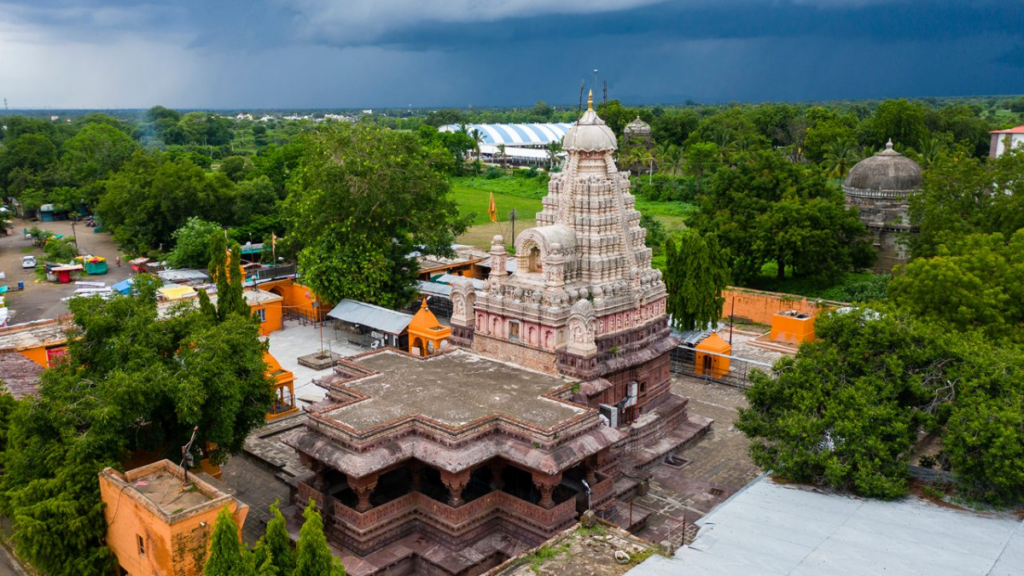
12 Jyotirlingas in India: Temple List, States, Route & Darshan Tips
Explore all 12 Jyotirlingas in India - sacred shrines of Lord Shiva. Complete guide with locations, significance, darshan timings, best time to visit, pilgrimage routes & travel tips.
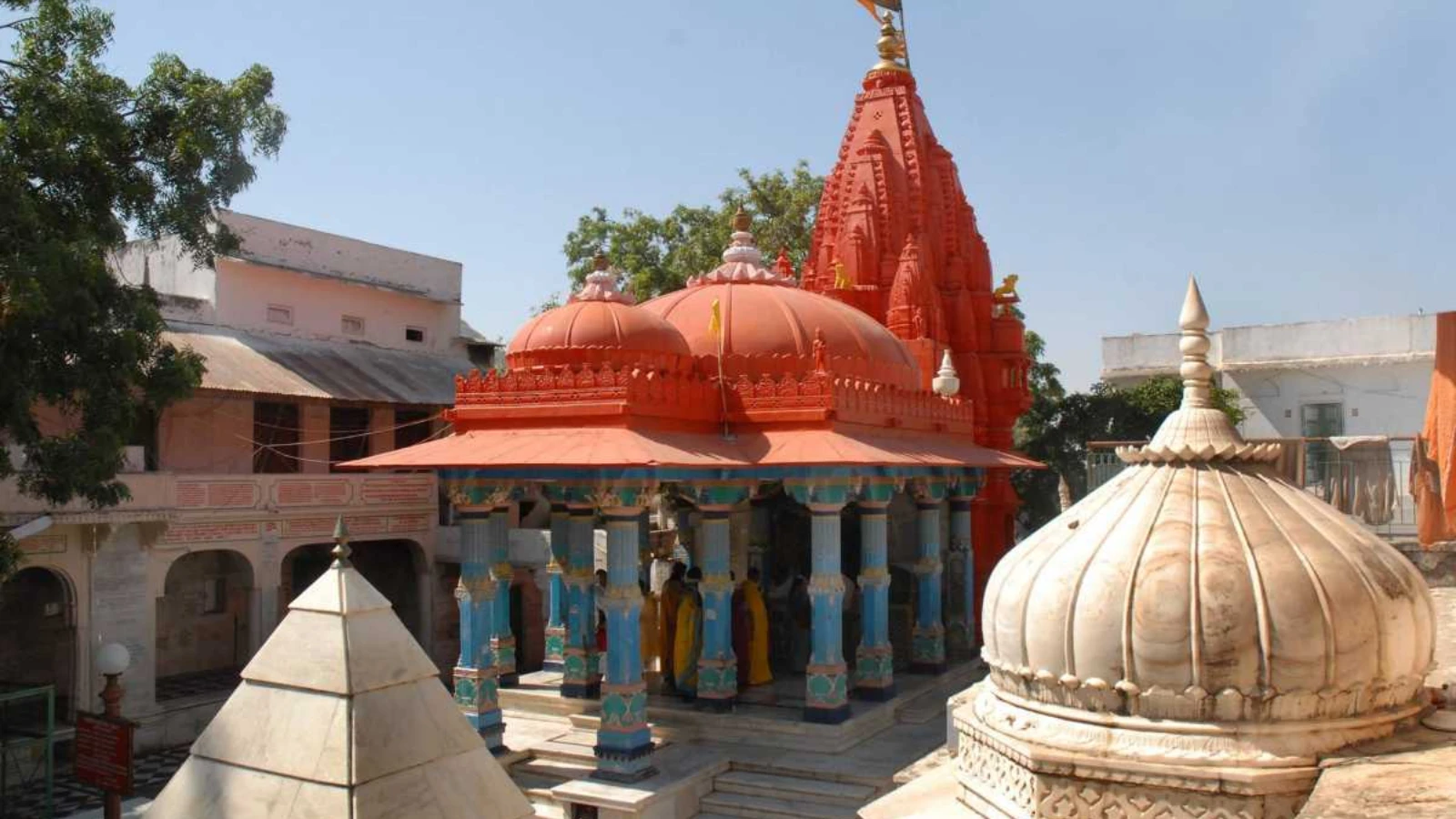
Brahma Temple Pushkar: Timings, Aarti, History & Visit Details
Discover Brahma Temple Pushkar - one of the world's few temples dedicated to Lord Brahma. Learn about timings, history, architecture, darshan guide, and how to reach this sacred 14th-century shrine in Rajasthan.
Never Miss an Adventure
Get the latest trekking guides, travel tips, and exclusive offers delivered straight to your inbox.
