
How to Reach Amarnath Temple: Complete Travel Guide 2026

Rahul Garg
February 20, 2026
Complete guide on how to reach Amarnath Temple by Pahalgam and Baltal routes. Includes transportation, registration, preparation, costs, and helicopter services.
How to Reach Amarnath Temple: Route, Registration, and Yatra Planning Guide
Amarnath Yatra is one of India’s most important high-altitude pilgrimages, and route planning is the foundation of a safe journey. Unlike city-based temple visits, Amarnath requires registration, health readiness, weather awareness, and careful movement through mountain terrain. Many first-time pilgrims focus only on reaching Kashmir, but the real planning starts after that: base camp selection, route choice, and day-by-day pacing.
For complete context, pair this logistics guide with Amarnath Temple overview, regional preparation via Kashmir travel guide, and nearby route knowledge such as Srinagar route planning. For broader Himalayan pilgrimage understanding, many travelers also read Kedarnath history and high-altitude discipline.
Understand the Two Main Yatra Routes
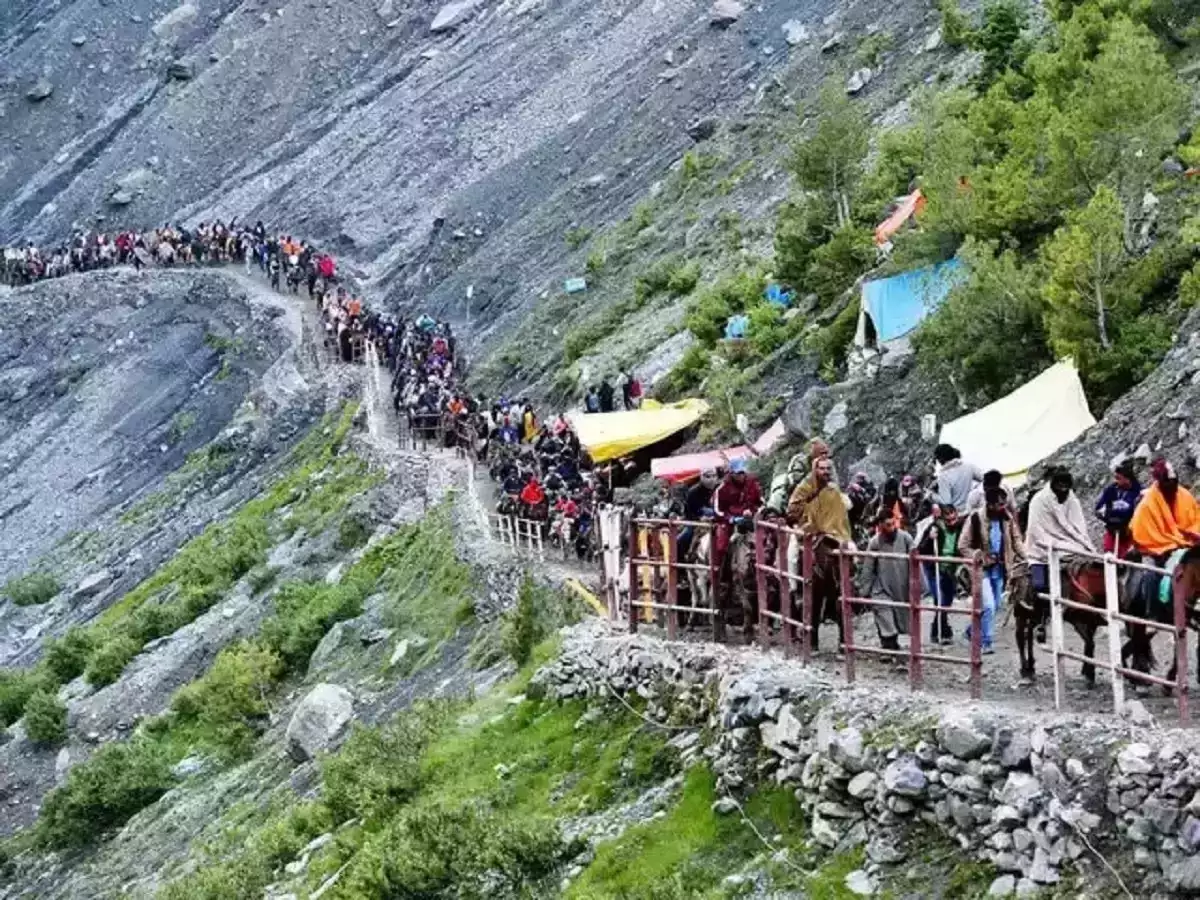
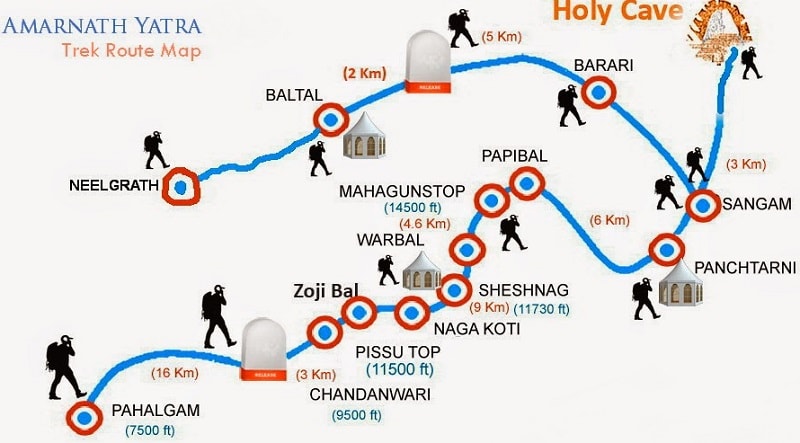
The Amarnath pilgrimage generally uses two major approaches: the traditional longer route and a shorter but steeper route. The longer route offers gradual progression and is often preferred by those who want measured acclimatization. The shorter route reduces total distance but can be physically demanding due to steep gradients and concentrated movement.
| Route Type | General Nature | Best For |
|---|---|---|
| Longer traditional route | Gradual ascent, more staged progression | Pilgrims preferring paced movement |
| Shorter route | Steeper and faster transit window | Fit pilgrims with tight schedules |
Your choice should be based on fitness, age profile of your group, and acclimatization comfort, not only on total days.
Step-by-Step Planning Sequence
Step 1: Confirm official registration and documentation requirements. Step 2: Finalize your base city and onward transport to the route start. Step 3: Plan acclimatization windows and health checks. Step 4: Keep weather and contingency days in your schedule.
Skipping any of these steps increases risk and uncertainty during yatra days.
Registration, Medical, and Permissions
Amarnath Yatra requires proper registration and health compliance processes. Do not depend on informal shortcuts or last-minute assumptions. Complete documentation in advance and carry printed and digital copies. High-altitude travel places real stress on the body, so medical fitness is not a formality. Pilgrims with chronic conditions should seek doctor approval before finalizing travel dates.
- Keep ID and yatra documents in waterproof folder.
- Carry emergency contacts and insurance details.
- Maintain personal medicine schedule strictly.
- Do not overstate fitness during medical review.
How to Reach Base Points
Most pilgrims first reach Jammu or Srinagar, then continue by road toward yatra base regions. From there, onward movement depends on route selection and official yatra scheduling. Keep transit blocks realistic because mountain-road delays are common. Arrive one day early before your planned ascent to absorb travel fatigue and improve decision quality.
If you are combining pilgrimage with tourism, keep devotional days separate from leisure days to avoid physical overloading.
Packing Checklist for Amarnath Travel
Pack for rapid weather changes, altitude stress, and long walking intervals. Essential items include layered clothing, waterproof outerwear, gloves, sturdy trekking shoes, hydration support, and personal medication. Avoid overpacking non-essentials because heavy bags increase fatigue. If you are hiring pony/palki support, still keep one compact personal daypack.
On-Ground Movement and Safety Strategy
Move slowly, hydrate frequently, and never ignore early signs of exhaustion. Keep one group rule: no one walks alone between camp sections. Weather can shift quickly, so follow official advisories without debate. If route restrictions are announced, adapt immediately. High-altitude pilgrimages are not spaces for aggressive timeline chasing.
Respect security checks and designated rest zones. Structured movement improves safety for everyone.
Accommodation and Camp Planning
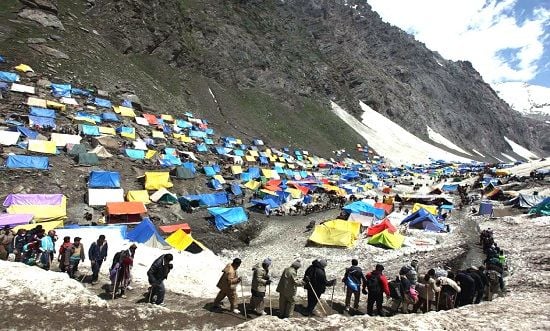
Choose camps based on route stage, not comfort assumptions. Basic facilities are common in yatra zones, so adjust expectations and prioritize rest quality over luxury. Reach camp early enough to recover before night temperatures drop. Keep warm layers accessible at all times. Good sleep and hydration are more valuable than extended evening movement in high-altitude camps.
Common Mistakes to Avoid
- Starting ascent without acclimatization buffer.
- Ignoring registration and documentation timelines.
- Underestimating cold and rain conditions.
- Trying to finish route too fast.
- No contingency day for weather disruptions.
Sample Practical Itinerary Logic
Day 1 arrival in base city, Day 2 registration check and rest, Day 3 onward movement to route start, Day 4+ staged ascent according to official flow, final day controlled descent and recovery. This model is safer than compressed schedules and works for most first-time pilgrims.
Registration Timeline and Execution Tips
Amarnath documentation should be completed well before your intended travel window. Keep both hard and digital copies, and verify details twice before departure. Last-minute corrections become difficult during peak yatra periods. Build a checklist with document date, medical validity, and emergency contact copies for every group member. Structured pre-checks prevent avoidable cancellation risk.
Contingency Planning for Weather Delays
Mountain weather can force temporary movement pauses. Keep one or two contingency days in your schedule and avoid rigid onward bookings without buffers. Pilgrims who plan flexible exits face less stress and can maintain safer decision quality. A delayed yatra day is normal in Himalayan conditions and should not trigger panic-driven movement.
Women, Senior, and Group-Safety Notes
Women and senior pilgrims benefit from slower pace, earlier movement windows, and strict buddy-based coordination. Large groups should assign segment leaders and fixed check-in points between camps. Never assume everyone is physically responding the same way to altitude. Respect individual limits and prioritize collective safety over completion pressure.
Post-Yatra Recovery
After descent, keep one recovery block for hydration, nutrition, and rest before long return travel. Many pilgrims underestimate how drained they feel after yatra completion. A calmer exit improves health outcomes and helps preserve the spiritual memory of the journey.
Gear Validation Before Departure
Do one full gear check at home before starting yatra travel. Wear your trekking shoes for trial walks, test backpack fit, and confirm rain and cold layers in realistic combinations. Pilgrims often carry good gear but never test it, which creates avoidable discomfort during ascent stages. Preparation is strongest when every critical item is tested, not just packed.
Also keep your document pouch accessible at all times and avoid burying essentials inside large bags.
Communication Plan for Groups
Keep one shared contact sheet with team lead numbers, camp checkpoints, and emergency references. In high-altitude routes, simple communication protocols reduce panic and improve response speed when plans change unexpectedly.
Always keep one alternative day in your return schedule. Mountain routes can change suddenly, and flexibility is often the difference between a stressful and a well-managed pilgrimage experience.
Keep your yatra notebook simple: daily route notes, symptom check, hydration count, and next-day target. This tiny habit improves awareness and helps teams respond early to fatigue or altitude stress before it becomes serious.
Do not compare pace with other groups. Your safest route is the one that matches your fitness, acclimatization response, and official guidance on that specific day.
Keep your group synchronized, respect weather advisories, and use conservative pacing throughout ascent and descent phases to protect both safety and spiritual focus.
Choose safety margins over aggressive timelines at every stage of the yatra.
Prepare thoroughly, move steadily, and prioritize health at every stage.
Steady preparation is your best safety tool.
Final Takeaway
Reaching Amarnath Temple is not just about transport. It is about disciplined preparation across registration, health, route choice, and altitude behavior. Plan conservatively, follow official guidance, and prioritize safety over speed. With the right structure, the yatra becomes spiritually meaningful and logistically manageable.
Location
Frequently Asked Questions
Q1.How long does the Amarnath Yatra take?
Q2.What are the two routes to reach Amarnath Temple?
Q3.Is the Amarnath Yatra safe?
Q4.What documents are required for Amarnath Yatra registration?
Q5.Can I do the Amarnath Yatra by helicopter?
Q6.When is the best time for Amarnath Yatra?
Q7.How fit do I need to be for Amarnath Yatra?
Q8.What is the altitude of Amarnath Cave?
Recommended For You
Gulmarg Gondola: Phases, Ticket Booking & Ride Details
Ride Asia's highest cable car in Gulmarg, Kashmir. Complete guide covering ticket prices, two phases, timings, best time to visit, booking & safety tips.
Things to Do in Sonmarg: Glacier Walks, Pony Rides & Adventure
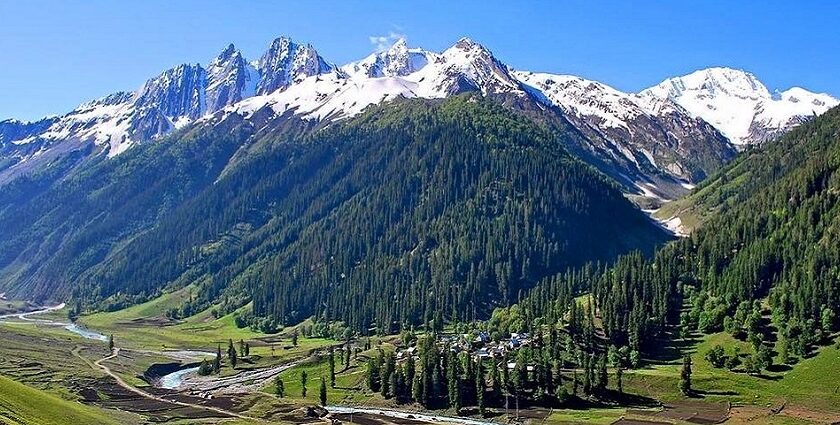
Discover top things to do in Sonmarg with glacier routes, Zero Point planning, camping options, and practical altitude-aware itinerary guidance.
Kashmir: Complete Travel Plan Places And Weather
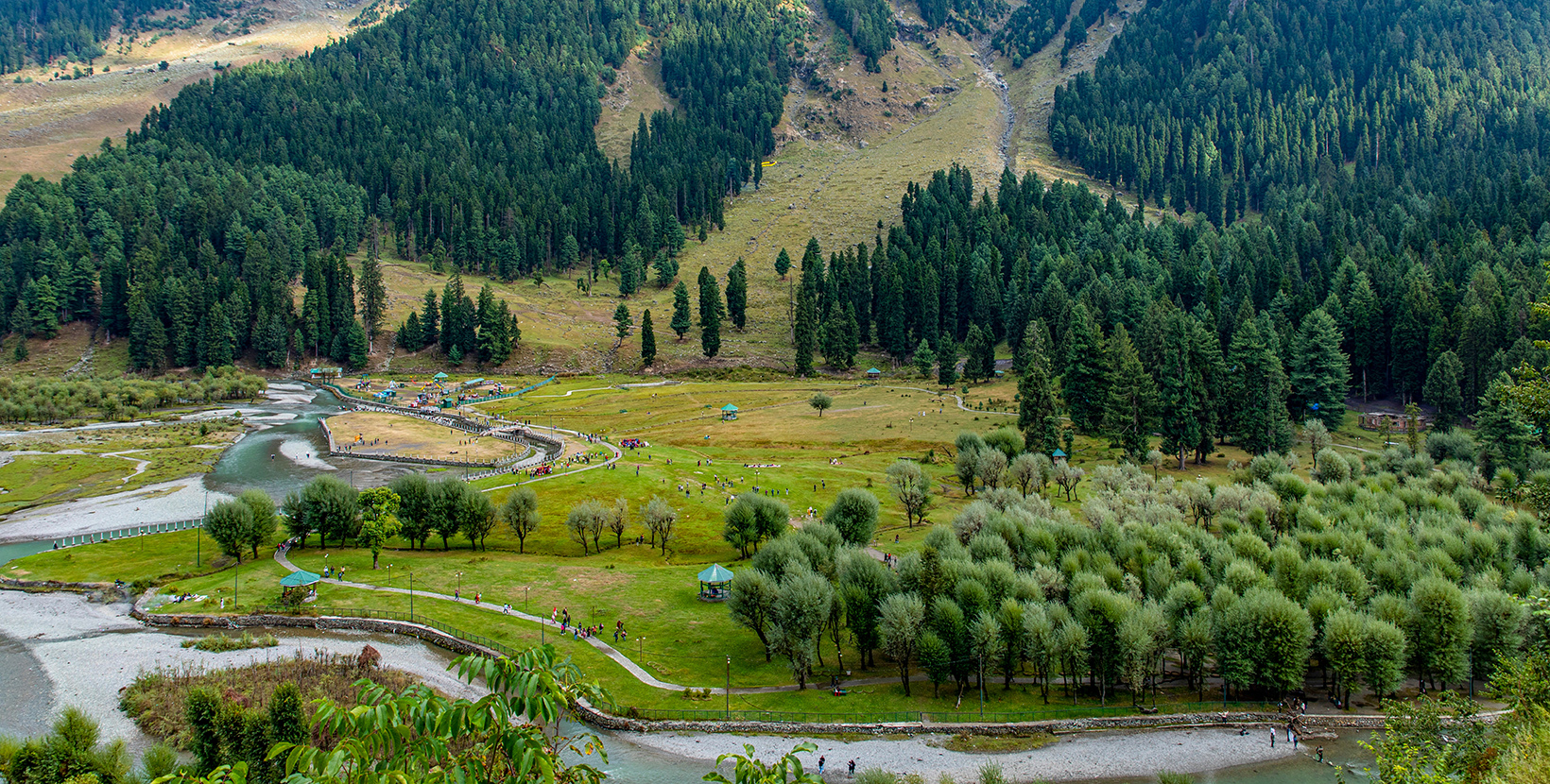
Complete Kashmir travel guide! Discover best time to visit, places to visit, itineraries, things to do, budget planning & tips for your Kashmir valley trip.
Never Miss an Adventure
Get the latest trekking guides, travel tips, and exclusive offers delivered straight to your inbox.
