
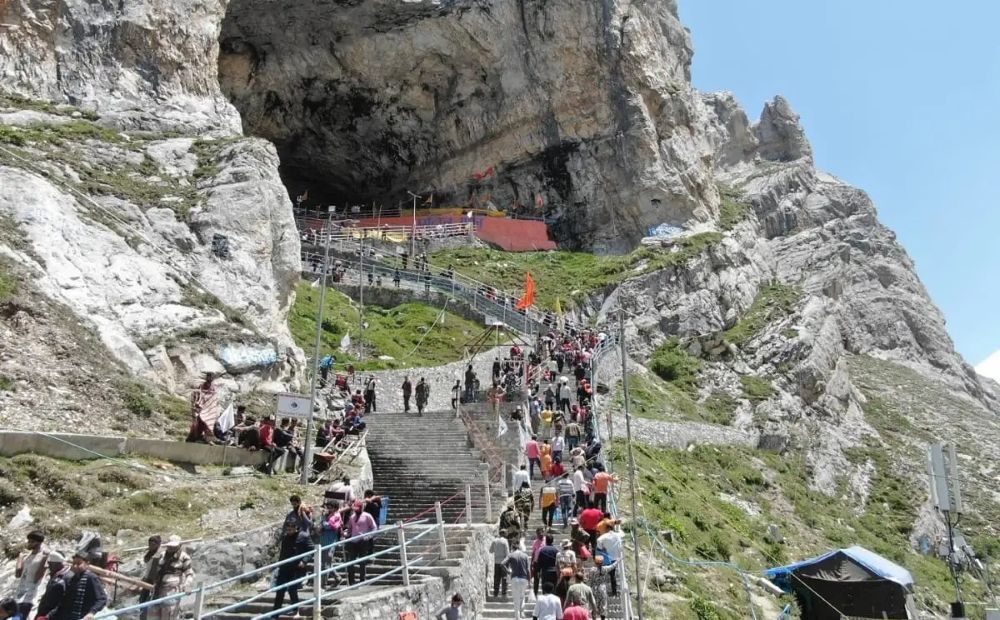
Amarnath Yatra: Registration, Route Options & Darshan Planning

Neha Kapoor
February 14, 2026
Complete Amarnath Yatra 2025 guide covering registration, routes (Pahalgam & Baltal), preparation, helicopter services, and essential tips for this sacred Shiva pilgrimage in Kashmir.
The Sacred Cave of Lord Amarnath
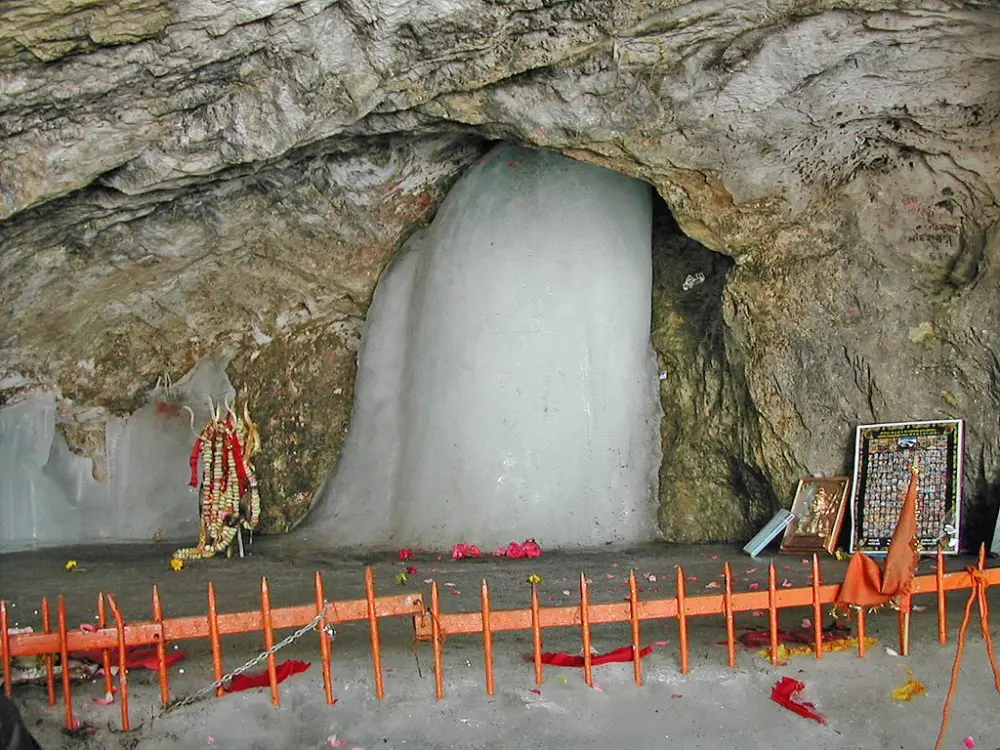
The Amarnath Cave, nestled at an altitude of 3,888 meters in the majestic Himalayas of Jammu and Kashmir, stands as one of Hinduism's most revered pilgrimage sites. This holy cave houses a natural Shiva Lingam formed from ice stalagmite, which waxes and wanes with the phases of the moon, reaching its maximum height during the summer months when the annual Amarnath Yatra takes place. The cave's remote location amidst stunning glaciers and snow-capped peaks creates an atmosphere of divine mystery and spiritual intensity.
What makes the Amarnath Cave truly extraordinary is its mythological significance. According to Hindu legend, this is the sacred place where Lord Shiva revealed the secret of immortality (Amar Katha) to Goddess Parvati. The cave's discovery itself is steeped in legend - it is believed to have been found by a Muslim shepherd named Buta Malik, who received a bag of coal from a sadhu that turned into gold coins when he reached home. Following the sadhu's trail, he discovered the sacred cave and its miraculous ice Lingam. This story of interfaith harmony continues to define the pilgrimage today.
The journey to Amarnath is not merely a physical trek but a transformative spiritual experience. Pilgrims undertake challenging mountain trails, often facing harsh weather conditions, to reach this divine abode. The cave houses three additional ice formations representing Parvati, Ganesha, and Kartikeya, adding to its spiritual significance. The pilgrimage typically occurs during July and August when the cave is accessible, and the ice Lingam is at its most magnificent form.
Religious Significance and Mythology
The Amarnath Yatra holds profound importance in Hindu tradition as one of the most sacred pilgrimages dedicated to Lord Shiva. According to ancient scriptures, Lord Shiva chose this remote Himalayan cave to reveal the Amar Katha (the secret of immortality) to Goddess Parvati. The legend states that Shiva wanted to ensure complete privacy for this divine revelation, so he left Nandi (his bull) at Pahalgam, released the moon from his hair at Chandanwari, left his snake at Sheshnag Lake, and finally dropped his five elements at Panjtarni before entering the cave with Parvati.
What's fascinating is that these mythical locations correspond precisely with the actual stops along the traditional pilgrimage route from Pahalgam to the Amarnath Cave. This synchronicity between mythology and geography reinforces the spiritual authenticity of the pilgrimage. The natural ice Shiva Lingam, which forms through water droplets freezing in the cave, is believed to be a manifestation of Lord Shiva himself. The waning and waxing of the Lingam with the moon cycle represents the cosmic dance of creation and destruction.
The cave's discovery story, dating back to the 15th century, exemplifies India's tradition of interfaith harmony. The Muslim shepherd's family traditionally received a portion of the offerings at the cave for over 500 years until the pilgrimage was formally organized by the Jammu and Kashmir government in 2000. This legacy continues today with Muslim communities supporting the Hindu pilgrimage, demonstrating Kashmir's syncretic culture.
Yatra Routes - Pahalgam and Baltal
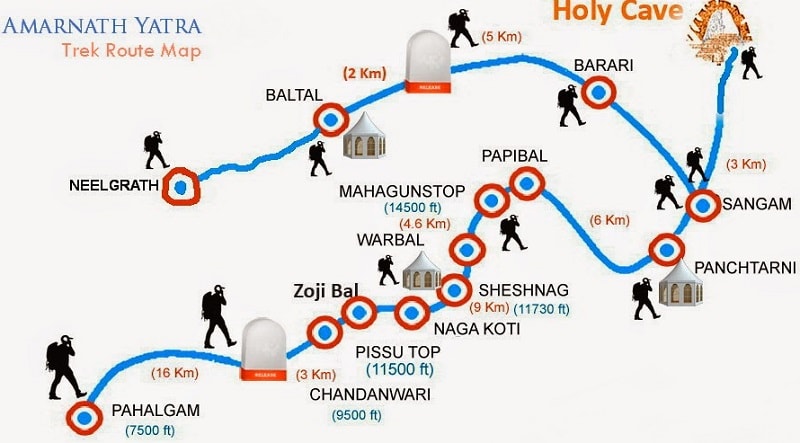
Two main routes lead to the sacred Amarnath Cave, each offering a distinct pilgrimage experience. The traditional Pahalgam route (also called the Chandanwari route) spans approximately 46-48 kilometres and typically takes 4-5 days to complete. This ancient path follows the legendary journey of Lord Shiva and passes through all the mythologically significant sites - Chandanwari, Sheshnag Lake, Panchtarni, and finally the cave. Though longer and more physically demanding, this route offers stunning natural beauty including glaciers, mountain streams, and panoramic Himalayan views.
The Baltal route is considerably shorter at approximately 14-16 kilometres and can be completed in a single day. Starting from Baltal, this route is steeper and more challenging, despite its shorter distance. It's preferred by pilgrims who have time constraints or those seeking a more intensive trekking experience. However, the Baltal route offers fewer rest stops and facilities compared to the Pahalgam route. Most pilgrims opt for the traditional Pahalgam route for its spiritual significance and gradual ascent that allows better acclimatization.
Both routes converge at the sacred cave, but the journey experiences differ significantly. The Pahalgam route allows pilgrims to immerse themselves in the mythological journey, with each stop having its own shrine and significance. The Baltal route, while shorter, requires excellent physical fitness and mental determination. Many pilgrims choose to trek one route and return via the other to experience both paths. Pony services and palanquins are available on both routes for those who cannot trek the entire distance.
Detailed Pahalgam Route Breakdown
The Pahalgam route unfolds as a spiritual journey through sacred landmarks. From Pahalgam (2,740 meters) to Chandanwari (2,895 meters) covers 16 kilometres - this is where Lord Shiva allegedly left the moon from his hair. The trek from Chandanwari to Sheshnag Lake (3,658 meters) spans 12 kilometres over steep terrain, passing through breathtaking snowfields and waterfalls. Sheshnag Lake, where Shiva left his snake, is a stunning blue water body surrounded by seven mountain peaks resembling the mythical snake.
The trek from Sheshnag to Panchtarni (3,650 meters) covers 12 kilometres through Mahagunas Pass at 4,276 meters. This segment is particularly challenging due to thin air and steep ascent. Panchtarni, meaning five rivers, is where Lord Shiva left the five elements of life. The final 6 kilometres from Panchtarni to the cave involves a steep climb to 3,888 meters. Most pilgrims rest overnight at Panchtarni before attempting the final ascent early morning to witness the morning aarti at the cave.
Best Time for Amarnath Yatra
The Amarnath Yatra takes place during a specific 45-60 day window each summer, typically from early July to late August or early September. This brief period is when the cave is accessible, as heavy snowfall blocks routes for the rest of the year. The exact dates are announced annually by the Shri Amarnathji Shrine Board (SASB) and vary depending on weather conditions and the auspicious occasion of Shravan Purnima, which typically falls in July or August.
The period around Shravan Purnima (full moon in the Hindu month of Shravan) is considered most auspicious as the ice Shiva Lingam reaches its maximum height during this time. The first darshan of the season is particularly significant, and the cave remains most crowded during weekends and the full moon period. The weather during yatra season is unpredictable - temperatures can range from 5°C to 20°C during the day but drop below freezing at night.
July tends to be more crowded as it's the start of the yatra season and coincides with school holidays in India. Early August offers slightly better weather with fewer crowds. Late August or early September marks the end of the season and might have melting ice formations, but offers fewer pilgrims and potentially more comfortable temperatures. Pilgrims must complete their journey before the official closing date as weather conditions deteriorate rapidly after the yatra concludes.
Registration Process and Required Documents
Registration for the Amarnath Yatra is mandatory and managed by the Shri Amarnathji Shrine Board (SASB). The registration process typically begins 2-3 months before the yatra commencement date. Pilgrims must register online through the official SASB website or designated bank branches across India. A Compulsory Health Certificate (CHC) from an authorised doctor is mandatory for registration - this ensures pilgrims are physically fit for the high-altitude trek.
Required documents include a completed application form, recent passport-size photographs, proof of identity (Aadhaar card, voter ID, or passport), and the medical certificate. The registration fee is approximately ₹50-₹100 per person. Pilgrims can choose their preferred route (Pahalgam or Baltal) and yatra date during registration. The number of registrations per day is capped to manage crowds effectively, so early registration is strongly advised.
For helicopter services, separate registration and booking is required through authorised operators. The helicopter booking opens earlier than trek registration and gets sold out quickly. Pilgrims opting for helicopter yatra must still obtain the Compulsory Health Certificate. The yatra permit is issued for specific dates and routes - deviations are not permitted. Children under 13 years and adults above 75 years are traditionally not permitted for the arduous trek, though helicopter options may be available for elderly pilgrims.
Trek Difficulty and Physical Preparation
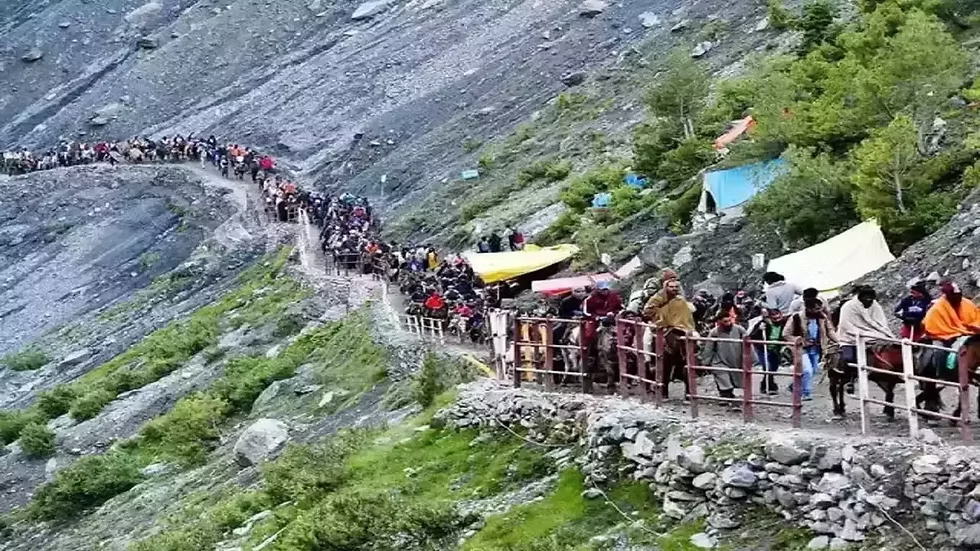
The Amarnath Yatra is considered a challenging high-altitude trek requiring good physical fitness and mental determination. The Pahalgam route involves 4-5 days of continuous trekking at elevations ranging from 2,740 meters to 3,888 meters. The Baltal route, though shorter, involves steep ascents and descents completed in a single day. Altitude sickness is a genuine concern, and even fit individuals may experience symptoms including headache, nausea, dizziness, and breathlessness.
Physical preparation should begin at least 2-3 months before the yatra. Cardiovascular exercises like walking, jogging, swimming, or cycling for 45-60 minutes daily are essential. Strength training focusing on legs, core, and back muscles helps with the demanding trek. Practice walking on inclined surfaces or stairs to simulate mountain terrain. If possible, undertake shorter practice treks to assess your fitness level and break in your trekking shoes.
Mental preparation is equally important. The yatra tests endurance, and maintaining positive determination through challenging weather, physical exhaustion, and basic facilities is crucial. Yoga and meditation can help build mental resilience. Acclimatization is key - ascend gradually, stay hydrated, and don't ignore symptoms of altitude sickness. Most importantly, know your limits and don't hesitate to turn back if your health deteriorates. The mountains will always be there, but your safety is paramount.
Essential Packing List
Packing wisely can make or break your yatra experience. Essential items include warm clothing (thermal innerwear, woollen sweaters, windcheater, and a heavy jacket for night temperatures), comfortable trekking shoes with good grip, rain gear (the weather is unpredictable), and sun protection (sunglasses, hat, and sunscreen with high SPF). Carry a comfortable backpack with rain cover, a reusable water bottle, and basic toiletries.
Medical kit should include altitude sickness medication (Diamox prescribed by a doctor), pain relievers, bandages, antiseptic cream, and personal medications. Carry energy bars, dry fruits, and chocolates for quick energy during the trek. A walking stick provides stability on uneven terrain. Don't forget torch, extra batteries, power bank, and a small emergency kit. Keep documents safe in waterproof bags - yatra permit, ID proof, and emergency contacts are essential.
Helicopter Services and Facilities
Helicopter services offer a convenient alternative to the challenging trek, making the pilgrimage accessible to elderly devotees, those with time constraints, or those unable to undertake the physical journey. Helicopter services operate from both Pahalgam and Baltal routes, dropping pilgrims at Panjtarni from where they trek approximately 6 kilometres to the cave. The flight duration is approximately 10-15 minutes each way and offers spectacular aerial views of the Himalayan landscape.
Authorised helicopter operators include Pawan Hans, Himalayan Heli, and Global Vectra, among others. Booking opens well in advance and gets sold out within days, especially for peak dates. Helicopter fares range from ₹2,500 to ₹4,000 per person each way, depending on the operator and demand. Even with helicopter travel, pilgrims must register, obtain health certificates, and follow all yatra regulations.
The helicopter experience significantly reduces physical strain but doesn't eliminate challenges. Weather disruptions are common - flights may be cancelled or delayed due to fog, rain, or poor visibility. Pilgrims should have buffer days for return journey. The helicopter drop at Panjtarni still requires trekking at high altitude, and altitude sickness can affect even those who fly. However, helicopter yatra allows more time for darshan and reduces overall pilgrimage duration to 1-2 days.
Facilities During the Yatra
The Shri Amarnathji Shrine Board and various organisations provide extensive facilities along both yatra routes to ensure pilgrim safety and comfort. Free langar (community kitchen) facilities operate throughout the route, serving hot meals and beverages. These langars are run by voluntary organisations and devotees who offer selfless service. Medical aid posts with oxygen cylinders and emergency medical teams are stationed at regular intervals, particularly at high-altitude points.
Accommodation options include tented accommodations managed by SASB and private camps at Chandanwari, Sheshnag, Panchtarni, and near the cave. These basic tents provide sleeping bags and blankets on a sharing basis. Private luxury tents with better facilities are available at premium rates. Toilet facilities are basic - portable toilets and temporary facilities are set up for the yatra season. Clean drinking water is available at langars and designated water points.
Communication facilities have improved significantly. BSNL and Airtel provide mobile connectivity at most points. Satellite phones are available for emergencies. Security arrangements are comprehensive with CRPF and police personnel deployed throughout the route. Pony operators, palanquin services, and porters are available for those unable to trek the entire distance. These services can be booked through official counters at Pahalgam and Baltal.
Safety and Health Considerations
Safety during the Amarnath Yatra requires careful preparation and awareness. Altitude sickness (Acute Mountain Sickness) is the most significant health risk - symptoms include severe headache, nausea, breathlessness, and confusion. The key is gradual ascent, staying hydrated, and not ignoring symptoms. Descend immediately if symptoms worsen - the altitude sickness can be fatal if untreated. Pre-existing medical conditions like heart disease, respiratory issues, or hypertension require thorough medical consultation before attempting the yatra.
Weather conditions can change dramatically within hours. Even in July, temperatures can drop below freezing at night. Rain and snowfall are possible. Carry adequate warm clothing and rain gear regardless of the forecast. The terrain is slippery and uneven - proper trekking shoes are essential. Avoid trekking alone - stay with your group or fellow pilgrims. Don't venture off designated routes - the area is prone to landslides and has deep crevasses.
Respect the environment - don't litter. Use designated toilet facilities. The fragile Himalayan ecosystem must be protected. Security is excellent but remain vigilant. Carry emergency contact numbers including SASB helpline, medical emergency numbers, and your family contact. Register your details at each camp - this helps in case of emergencies. Most importantly, know your physical limits - there's no shame in turning back if you're unwell. The pilgrimage is about devotion, not risking your life.
How to Reach Amarnath Yatra Base Camps
Reaching Pahalgam
Pahalgam, the base for the traditional route, is approximately 96 kilometres from Srinagar. Srinagar International Airport is well-connected to major Indian cities including Delhi, Mumbai, and Jammu. From Srinagar airport, taxis and buses are available to Pahalgam (3-4 hours journey, ₹1,500-₹2,500 by taxi). Jammu Railway Station is the nearest railhead, approximately 315 kilometres from Pahalgam. From Jammu, taxis (₹5,000-₹7,000) or buses take 8-10 hours to reach Pahalgam.
Reaching Baltal
Baltal is approximately 95 kilometres from Srinagar and closer to Sonamarg. From Srinagar airport, taxis take 3-4 hours (₹1,500-₹2,500). Baltal is about 400 kilometres from Jammu - the journey takes 10-12 hours by taxi (₹6,000-₹8,000). Many pilgrims prefer to stay in Sonamarg (15 kilometres from Baltal) where better accommodation options are available before starting the trek early morning.
Darshan at the Holy Cave
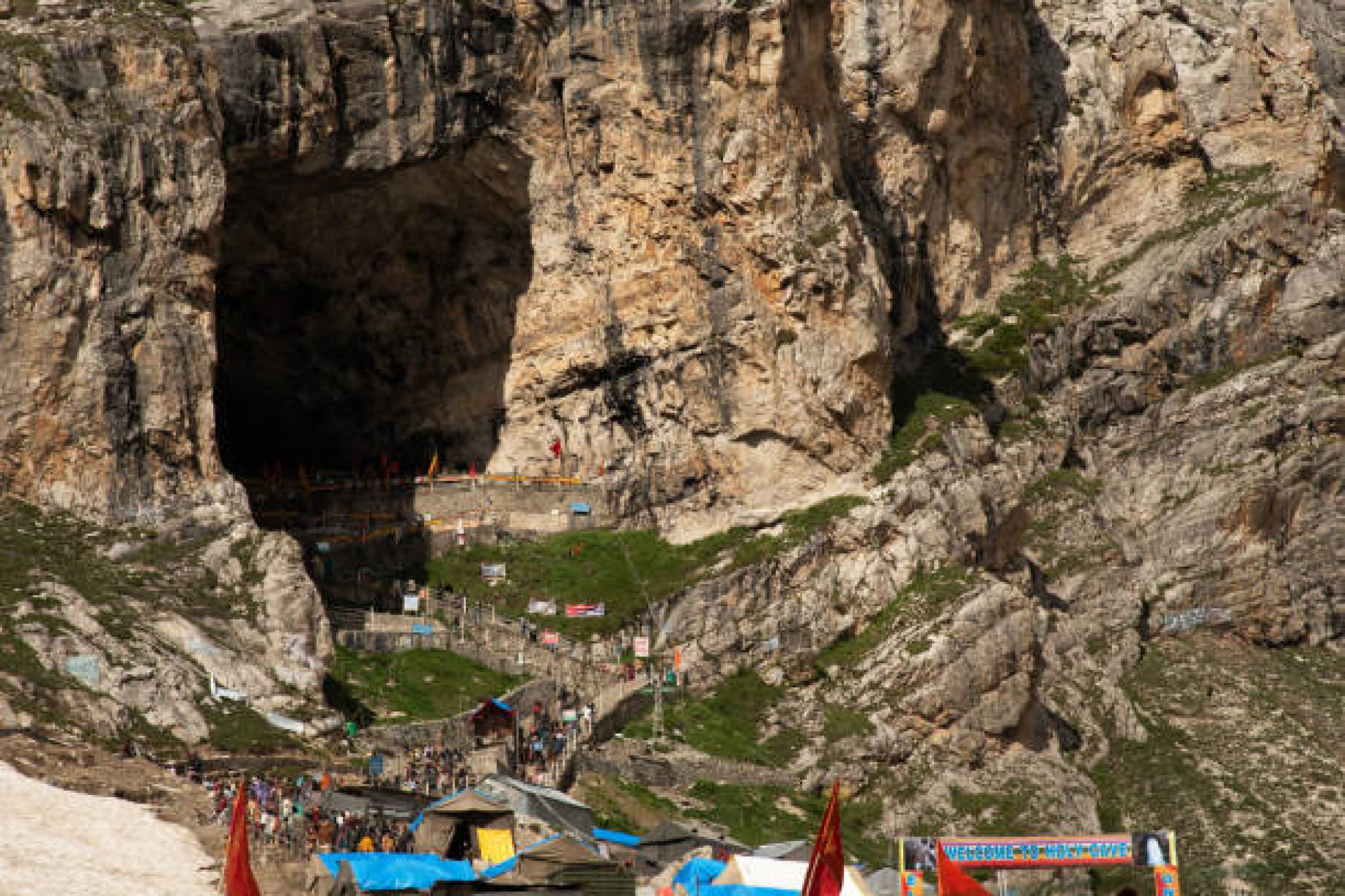
Reaching the holy cave is the culmination of weeks or months of preparation and days of arduous trekking. The cave itself is approximately 40 meters high and 90 feet long, with the ice Shiva Lingam naturally forming on a stone pedestal. The Lingam waxes and wanes with the moon phases, reaching its maximum height during Shravan Purnima. Alongside the main Shiva Lingam, two smaller ice formations represent Parvati and Ganesha to the left, and Kartikeya to the right.
The morning aarti at the cave is particularly spiritually charged. Devotees gather before dawn to participate in the sacred rituals. The atmosphere reverberates with chants of 'Har Har Mahadev' and 'Om Namah Shivaya.' The sight of the naturally formed ice Lingam, illuminated by oil lamps and reflected against the cave walls, creates an otherworldly spiritual experience. Many devotees report feeling an intense energy and emotional connection during darshan.
The darshan procedure involves queuing up outside the cave, proceeding through a designated path, and spending a few minutes inside the cave in devotion. Photography is prohibited inside the cave. The time at the cave is brief but intensely spiritual - many devotees tear up, overcome by emotion and devotion. The return journey typically begins immediately after darshan, though some prefer to rest at Panjtarni before descending.
Accommodation Options
Accommodation during the yatra ranges from basic to semi-luxury options. Pahalgam offers the best range of hotels, guest houses, and government huts ranging from ₹1,000 to ₹5,000 per night. Book well in advance as demand is extremely high during yatra season. At Chandanwari, Sheshnag, and Panjtarni, SASB operates tented accommodations - basic tents with sleeping bags and blankets on sharing basis (₹300-₹500 per night). Private camps offer better tents with beds and hot meals (₹1,000-₹2,000).
For helicopter pilgrims, Panjtarni has better tent facilities as it's the helicopter drop point. Some operators provide premium tents at higher costs. Sonamarg, near Baltal, has several hotels and camps where pilgrims stay before attempting the Baltal route. Srinagar offers the most comfortable accommodation options with luxury hotels like The Lalit Grand Palace and Vivanta Dal View for those wanting to relax before or after the yatra.
Other Attractions Near Amarnath
Sonamarg
Located 15 kilometres from Baltal, Sonamarg (Meadow of Gold) is a stunning Himalayan valley offering breathtaking scenery. The Thajiwas Glacier is a major attraction with pony rides and camping options. The Sindh River flowing through the valley offers trout fishing. Sonamarg serves as an ideal base for the Baltal route and offers better accommodation facilities than Pahalgam during peak yatra season.
Pahalgam Valley
Beyond being the yatra base, Pahalgam is a beautiful hill station and popular tourist destination. The Lidder River offers white-water rafting and fishing. Betaab Valley and Aru Valley are scenic spots perfect for day trips. Chandanwari, the first stop on the yatra route, is accessible by road and offers snow activities even during summer. Pahalgam's pine forests and meadows provide a tranquil environment to rest before or after the pilgrimage.
Srinagar
The summer capital of Jammu and Kashmir, Srinagar is approximately 90-100 kilometres from both base camps. Dal Lake with its houseboats and shikara rides is iconic. The Mughal Gardens - Nishat Bagh, Shalimar Bagh, and Chashme Shahi - are stunning. The Shankaracharya Temple offers panoramic views of the city. Srinagar's handicrafts, particularly Pashmina shawls and papier-mâché products, make excellent souvenirs.
Tips for First-Time Yatris
First-time pilgrims should approach the Amarnath Yatra with thorough preparation and realistic expectations. Begin by consulting your doctor - a thorough health check-up is essential, especially if you have pre-existing conditions. Start physical training at least 2-3 months in advance - cardiovascular fitness is crucial. Practice walking long distances with your backpack to break in shoes and build endurance.
Register early - the yatra has daily caps on pilgrim numbers, and dates get booked quickly. Choose your route wisely - the Pahalgam route is more spiritually significant but longer, while Baltal is shorter but steeper. Don't underestimate the challenge - even fit individuals struggle at high altitude. Mental determination is as important as physical fitness.
Respect the environment - carry your waste back to disposal points. The fragile Himalayan ecosystem cannot handle excessive litter. Be prepared for basic facilities - toilets are primitive, accommodation is in tents, and weather can be harsh. Carry adequate cash as ATMs may not be functional in remote areas. Respect local customs and dress modestly. Stay with your group and follow instructions from authorities.
The Spiritual Experience
The Amarnath Yatra is far more than a physical trek - it's a profound spiritual journey that tests devotion, endurance, and faith. Pilgrims often speak of transformation - the physical challenges stripping away ego and superficial concerns, leaving only pure devotion and connection with the divine. The shared experience with thousands of fellow pilgrims creates an extraordinary energy - strangers become family, united in their quest for darshan.
The Himalayas, considered the abode of gods, provide the perfect setting for this spiritual quest. The majestic mountains, the pristine air, the sound of temple bells and chanting reverberating through the valleys - every element contributes to the transformative experience. Many pilgrims report moments of clarity and insight during their journey, answers to prayers, or simply an overwhelming sense of peace.
The yatra exemplifies the Hindu concept of tirtha yatra - pilgrimage as spiritual practice. The physical hardship becomes tapasya (austerities) that purifies and prepares the devotee for divine encounter. The darshan at the cave, however brief, becomes the culmination of this spiritual preparation - a moment where the devotee and the divine connect. Many return year after year, drawn by the irresistible pull of the sacred cave and its miraculous ice Lingam.
As the Vedas proclaim, 'Those who journey to the Himalayas return changed.' The Amarnath Yatra embodies this ancient wisdom - the journey to the sacred cave leaves an indelible mark on the soul, transforming pilgrims in ways they may not fully comprehend until long after they've returned to their ordinary lives. This is the enduring magic of Amarnath - a cave of ice that kindles the fire of devotion in human hearts.
Location
Frequently Asked Questions
Q1.What is the best time to visit Amarnath Temple for Yatra?
Q2.How difficult is the Amarnath Yatra trek?
Q3.What is the registration process for Amarnath Yatra 2025?
Q4.How can I book helicopter services for Amarnath Yatra?
Q5.What should I pack for Amarnath Yatra?
Q6.Which route is better for Amarnath Yatra - Pahalgam or Baltal?
Q7.What facilities are available during Amarnath Yatra?
Q8.Is Amarnath Yatra safe and what precautions should I take?
Recommended For You
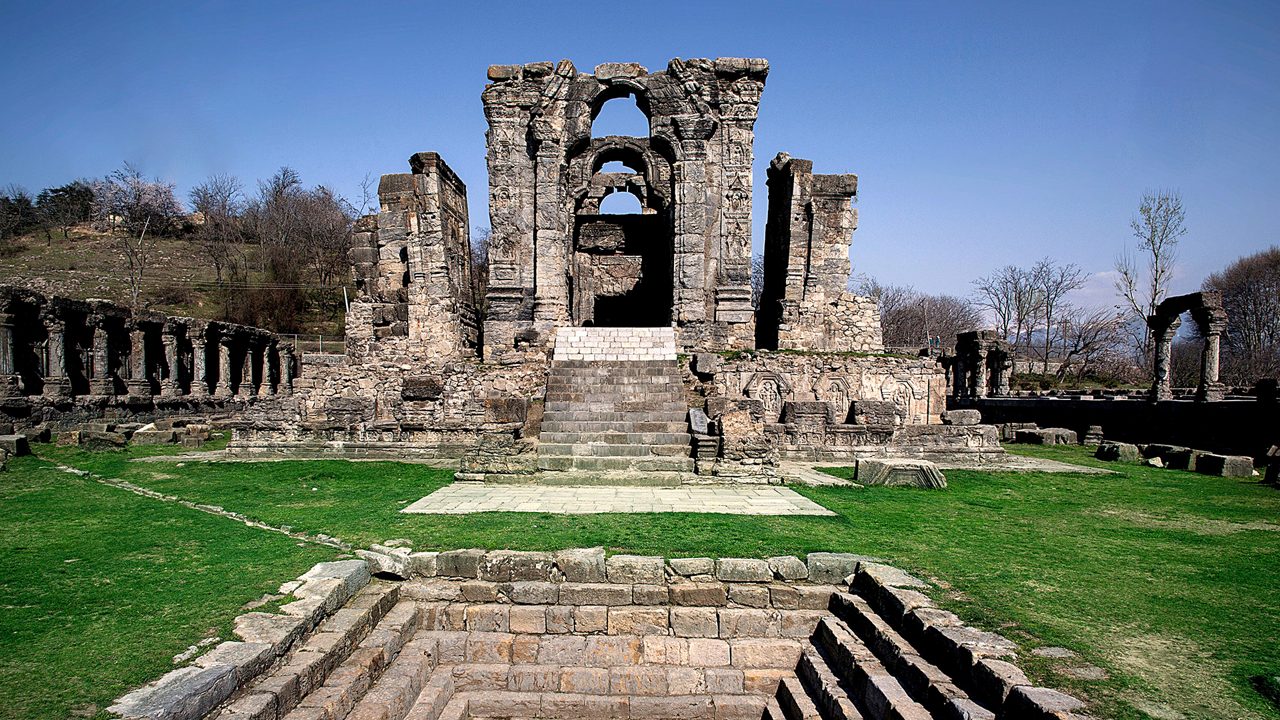
Martand Sun Temple Kashmir: Ancient History, Route & Visitor Info
Complete Martand Sun Temple Kashmir guide with history, architecture, timings, route planning, best season, nearby attractions, and practical travel tips.
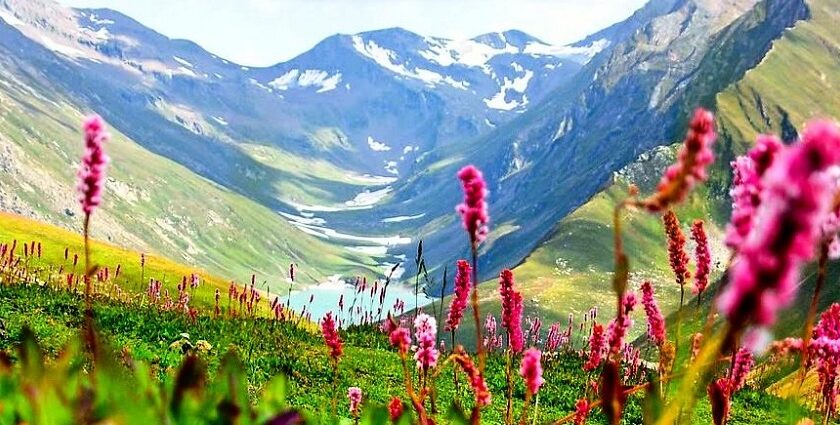
Places to Visit in Kashmir in May: Spring Blooms & Pleasant Weather
Discover the best places to visit in Kashmir in May with a complete spring guide to Srinagar, Gulmarg, Pahalgam, Sonamarg, weather, and travel planning.
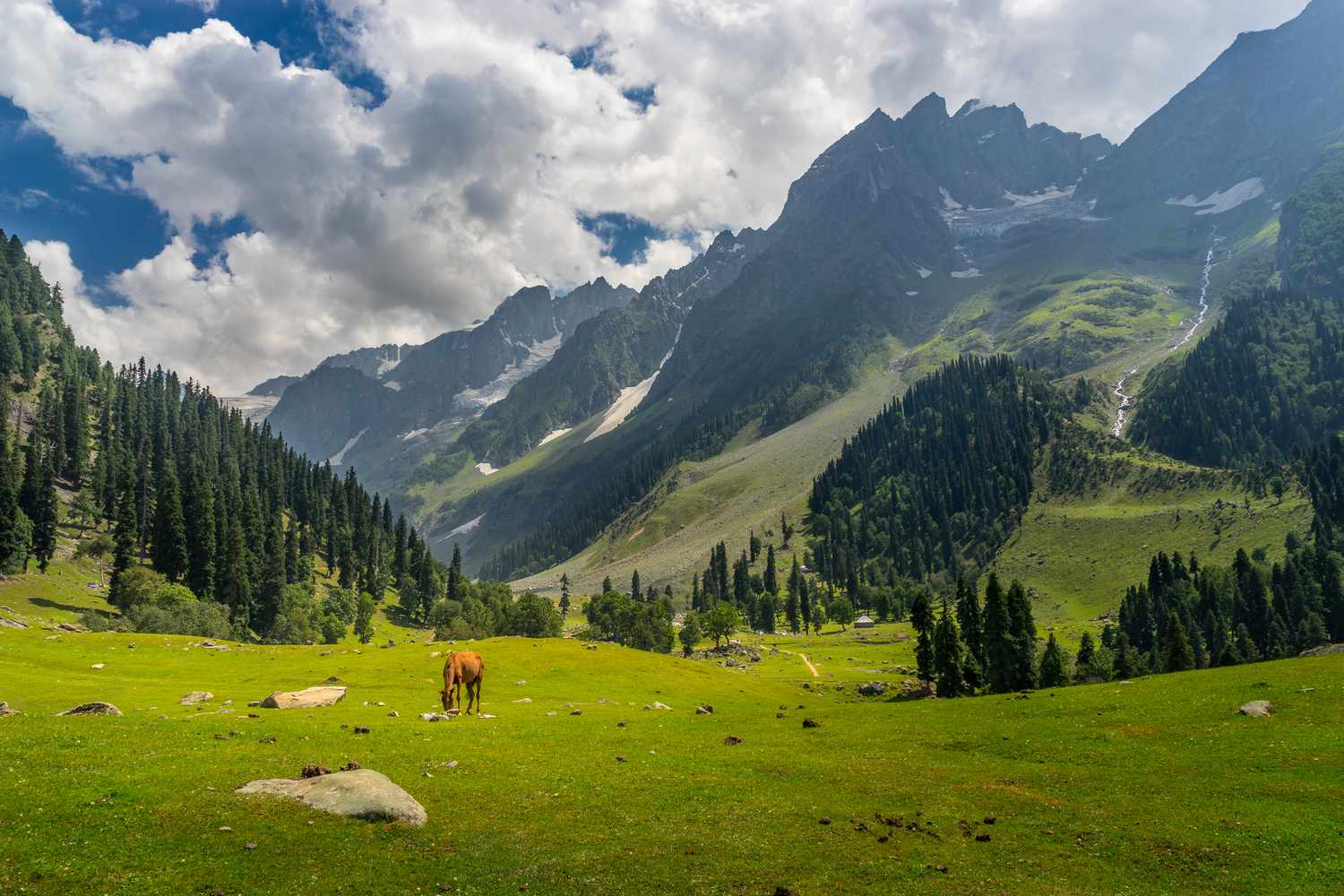
Valleys in Kashmir: 10 Scenic Valleys You Must Visit
Explore 10 beautiful valleys in Kashmir with practical travel planning, best season, route logic, and valley-by-valley guidance for first-time and repeat trips.
Never Miss an Adventure
Get the latest trekking guides, travel tips, and exclusive offers delivered straight to your inbox.
