
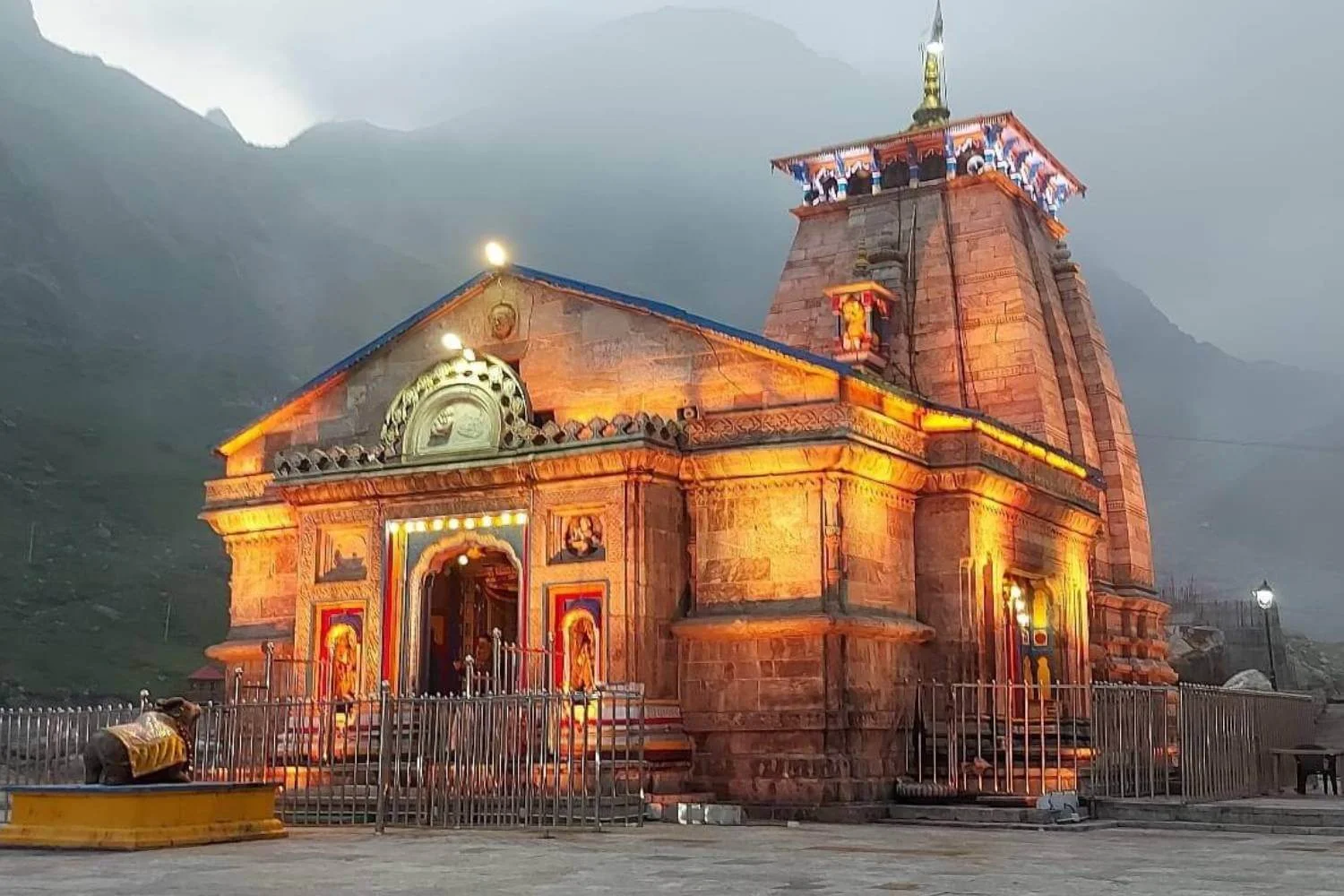
Kedarnath Dham History: Temple Origins, Legends & Reconstruction Timeline

Rohit Verma
February 12, 2026
Discover the fascinating history of Kedarnath Dham - from Pandavas legend to Adi Shankaracharya's revival, architectural marvel, and miraculous survival through natural disasters including the 2013 floods.
History of Kedarnath Dham: Legends, Temple Legacy, and Pilgrimage Evolution
Kedarnath Dham is one of the most revered pilgrimage sites in India, but its importance is not only religious. It is also historical, architectural, and civilizational. The temple’s story combines mythology, Himalayan geography, and centuries of devotional continuity. Many pilgrims visit with spiritual intent but leave with deeper respect for the temple’s endurance through climate extremes and terrain challenges.
To build a full spiritual route, this history guide should be paired with practical planning through how to reach Kedarnath, ground transport context from Delhi to Kedarnath route, and broader yatra framework via Char Dham Yatra. For parallel Himalayan pilgrimage context, many travelers also compare with Amarnath pilgrimage traditions.
Mythological Foundation of Kedarnath
In Hindu tradition, Kedarnath is deeply linked with Lord Shiva and the Pandavas. The most widely known narrative says the Pandavas sought Shiva’s blessings after the Kurukshetra war, and Shiva took a concealed form in the Himalayas. This story forms the emotional and religious core of Kedarnath devotion. Mythology here is not treated as abstract memory; it directly shapes pilgrimage rituals, route reverence, and temple identity.
For many devotees, understanding this narrative changes the way they approach the yatra. The journey is seen as tapasya, not just travel.
Historical Continuity and Temple Legacy
The temple is traditionally associated with Adi Shankaracharya’s role in reviving and organizing major pilgrimage circuits in the Himalayas. Over centuries, Kedarnath remained an active spiritual center despite difficult weather windows and limited access. That continuity is remarkable because the site sits in a high-altitude zone with severe seasonal constraints. The temple’s survival reflects both architectural resilience and unwavering devotional participation across generations.
Architecture and Sacred Design
| Element | Significance | Visitor Insight |
|---|---|---|
| Stone structure | Built for Himalayan durability | Observe block alignment and massing |
| Sanctum layout | Ritual-focused interior movement | Maintain reverent flow in queue |
| Temple orientation | Linked to sacred topography | Notice surrounding mountain context |
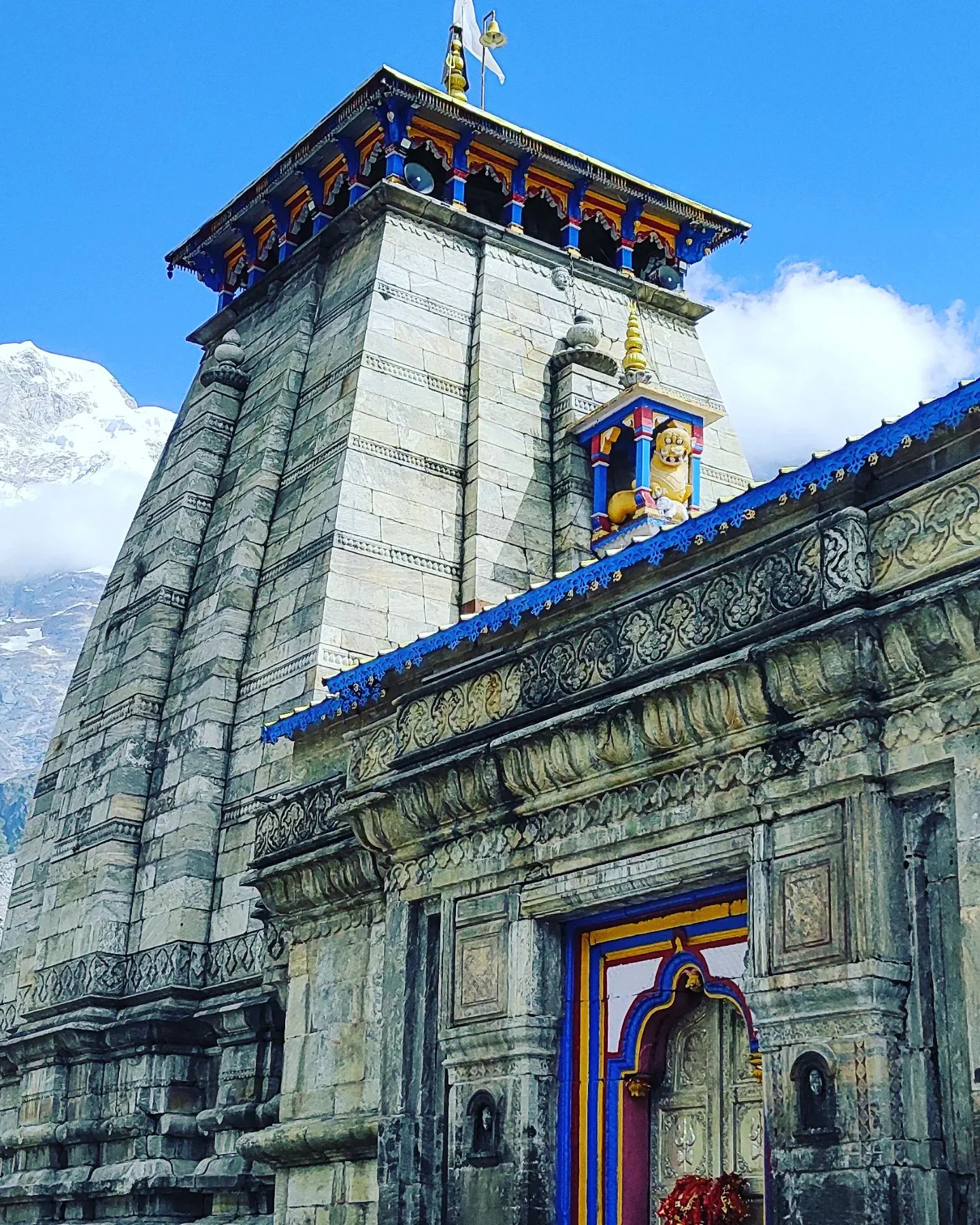
Kedarnath architecture is often described as simple from a distance, but close observation reveals sophisticated structural choices suited to harsh terrain.
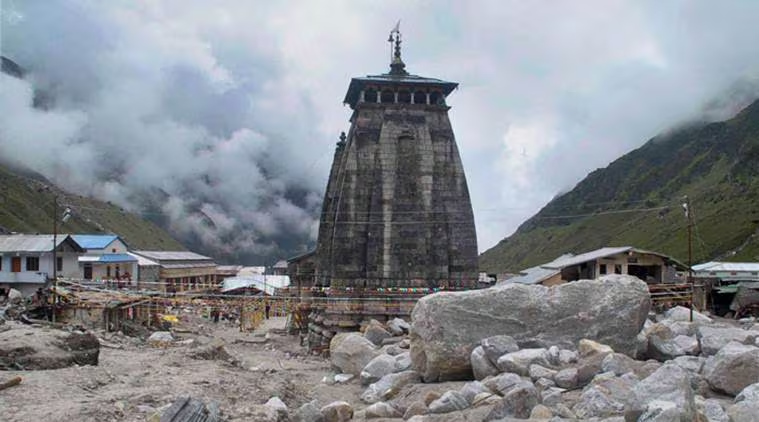
Kedarnath and the 2013 Flood Memory
The 2013 disaster changed the way India understands Himalayan pilgrimage planning. Kedarnath became a symbol of both vulnerability and resilience. The temple survived while surrounding areas suffered major damage, and recovery efforts reshaped approach routes, infrastructure design, and safety systems. Today’s pilgrimage protocols, registrations, and movement controls are rooted in lessons learned from that period.
Modern pilgrims should honor this history by following weather advisories and route regulations seriously.
How Pilgrimage Practice Has Evolved
Earlier yatra formats depended heavily on foot routes, local stays, and long-duration movement. Today, logistics include improved roads, managed checkpoints, and digital registration systems. Yet the core spiritual discipline remains the same: patience, humility, and physical preparedness. Pilgrims who view the yatra as a sacred process rather than a speed challenge usually have a more meaningful and safer experience.
Spiritual Meaning in the Present Day
For modern pilgrims, Kedarnath represents both devotion and surrender before nature. The site reminds visitors that sacred journeys demand physical effort, mental steadiness, and collective responsibility. Crowds, weather, and altitude can test patience. Those who accept this rhythm often experience deeper spiritual connection than those trying to optimize every hour.
Historical Learning for First-Time Pilgrims
- Read route and weather history before planning dates.
- Respect regulated movement windows.
- Prioritize acclimatization and rest blocks.
- Do not treat Kedarnath as a same-day “quick visit” objective.
- Align with official advisories, not rumors.
Recommended Study + Travel Sequence
A useful approach is to study Kedarnath history first, then route mechanics, then physical preparation. Start with the temple’s legacy, then practical guides such as access planning, and finally complete circuit context from Char Dham framework. This sequence gives perspective and reduces impulsive planning mistakes.
Many pilgrims who understand the site historically report more focused prayer experience because they arrive with reverence rather than only logistics.
Conservation, Tourism, and Responsibility
Kedarnath receives heavy seasonal footfall, so responsible behavior is essential. Avoid littering, respect eco-sensitive zones, and follow local waste rules. Sacred mountains are not only pilgrimage spaces but fragile environments. If devotional tourism is not managed well, long-term damage can reduce both spiritual and ecological value of the region.
Kedarnath in Civilizational Memory
Kedarnath’s significance in Indian consciousness comes from continuity. Generations have treated the temple as a site of penance, renewal, and devotion despite difficult access. This continuity itself is historical evidence of how sacred geographies shape social memory. Pilgrimage narratives, oral traditions, and temple practice together sustain Kedarnath’s presence as more than a seasonal destination.
What History Teaches Modern Pilgrims
The temple’s story teaches three practical lessons: respect mountain weather, value community systems, and avoid ego-driven travel decisions. Historical disruptions in the region repeatedly show that Himalayan pilgrimage succeeds when humility guides planning. Modern infrastructure has improved access, but nature still sets the final terms of movement.
Study Path for Devotees and Researchers
Serious learners can approach Kedarnath in layers: mythology, Shankaracharya-era revival, architectural structure, disaster-response transformation, and current pilgrimage governance. This layered study helps devotees connect faith with context. It also helps policy and tourism observers understand why crowd management and environmental care are now central parts of temple-region planning.
Responsible Pilgrimage and Heritage Protection
Respect for Kedarnath’s history must include responsible behavior today. Avoid littering, follow regulated routes, and prioritize eco-sensitive practices. Sacred history loses meaning if present-day visitors damage the same environment that sustained pilgrimage for centuries. Preservation is a shared duty of pilgrims, administrators, and travel operators alike.
Future of Kedarnath Pilgrimage
As pilgrim numbers continue to rise, Kedarnath’s future depends on balancing access with ecological protection. Better route systems, waste management, and weather-responsive controls are essential to preserve both spiritual continuity and mountain stability. Devotees, tour operators, and authorities all share this responsibility.
History is not complete at Kedarnath; it is still being written by how today’s pilgrims behave. Responsible participation ensures that future generations inherit both the temple’s sanctity and its natural setting.
Why Historical Awareness Improves Safety
When pilgrims understand Kedarnath’s environmental and disaster history, they make better route decisions and cooperate more readily with official controls. Historical awareness is not just academic; it directly improves practical safety on the yatra.
Pilgrims who read historical context before travel often report deeper reverence at the temple because they can connect mythology, geography, and contemporary yatra systems into one coherent spiritual understanding.
Whether you are a devotee or researcher, treating Kedarnath as a living heritage system leads to better decisions before and during travel. Historical respect should translate into practical discipline at every step of the yatra.
Kedarnath reminds modern pilgrims that sacred travel is a responsibility shared across generations. Preserving both temple sanctity and mountain ecology is the only way to honor this legacy fully.
Understanding history before travel creates safer and more meaningful pilgrimages.
Respect for place, history, and environment must remain central to every Kedarnath journey.
Final Takeaway
The history of Kedarnath Dham is a story of faith, endurance, and adaptation. It connects mythology, medieval revival, disaster memory, and modern pilgrimage systems into one continuing legacy. Understanding this history helps pilgrims travel more responsibly, pray more deeply, and appreciate why Kedarnath remains one of India’s most powerful spiritual destinations.
Location
Frequently Asked Questions
Q1.Who built Kedarnath temple?
Q2.How old is Kedarnath temple?
Q3.Why is Kedarnath famous?
Q4.Is Kedarnath a Jyotirlinga?
Q5.What is the story of Kedarnath Dham?
Q6.How did Kedarnath survive 2013 floods?
Q7.What is the architecture of Kedarnath temple?
Q8.When did Adi Shankaracharya visit Kedarnath?
Recommended For You
Panch Kedar Yatra: Temple Sequence, Trek Difficulty & Best Season
Plan Panch Kedar Yatra with temple order, trek difficulty, route guidance, best season, and practical tips for Kedarnath, Tungnath, Rudranath, Madhyamaheshwar, and Kalpeshwar.
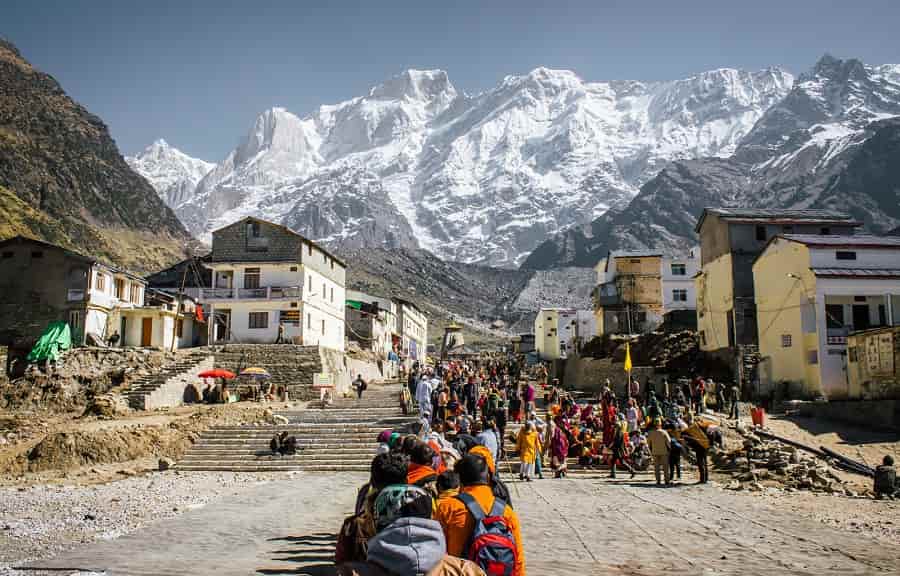
How to Reach Kedarnath: Registration, Route & Trek Information
Plan how to reach Kedarnath with route stages, trek preparation, seasonal timing, and practical safety guidance.
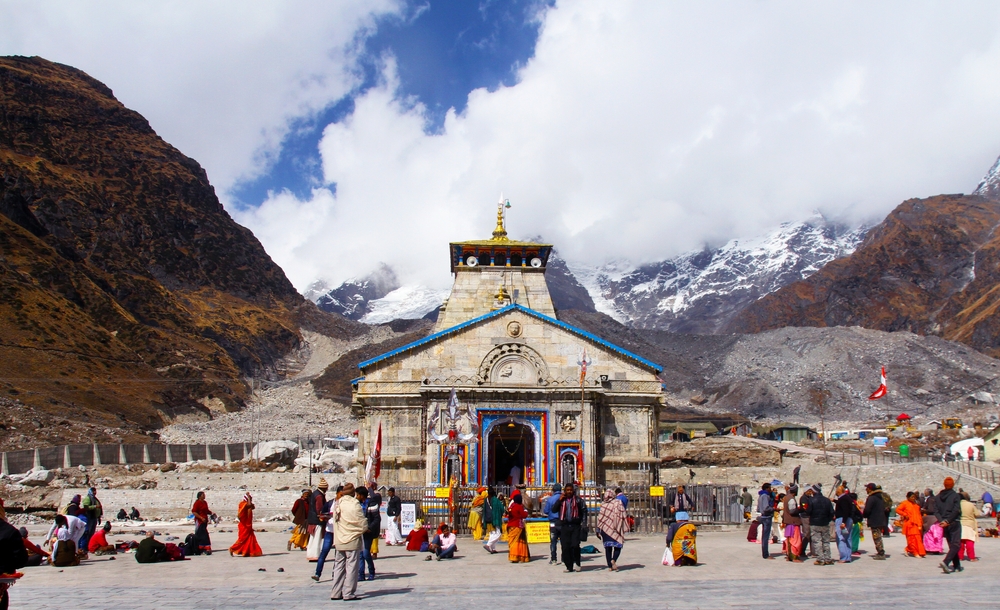
Delhi to Kedarnath: Distance, Route Options & Yatra Plan
Plan Delhi to Kedarnath with distance, road routes, train options, helicopter details, trek prep, and seasonal tips for a safer pilgrimage.
Never Miss an Adventure
Get the latest trekking guides, travel tips, and exclusive offers delivered straight to your inbox.
