
Idukki Arch Dam Kerala: Visiting Hours, Viewpoints & Travel Route

Rohit Verma
February 19, 2026
Complete guide to Idukki Arch Dam Kerala - timings, entry fees, best time to visit, boating, and engineering details.
Introduction: Asia's Tallest Arch Dam
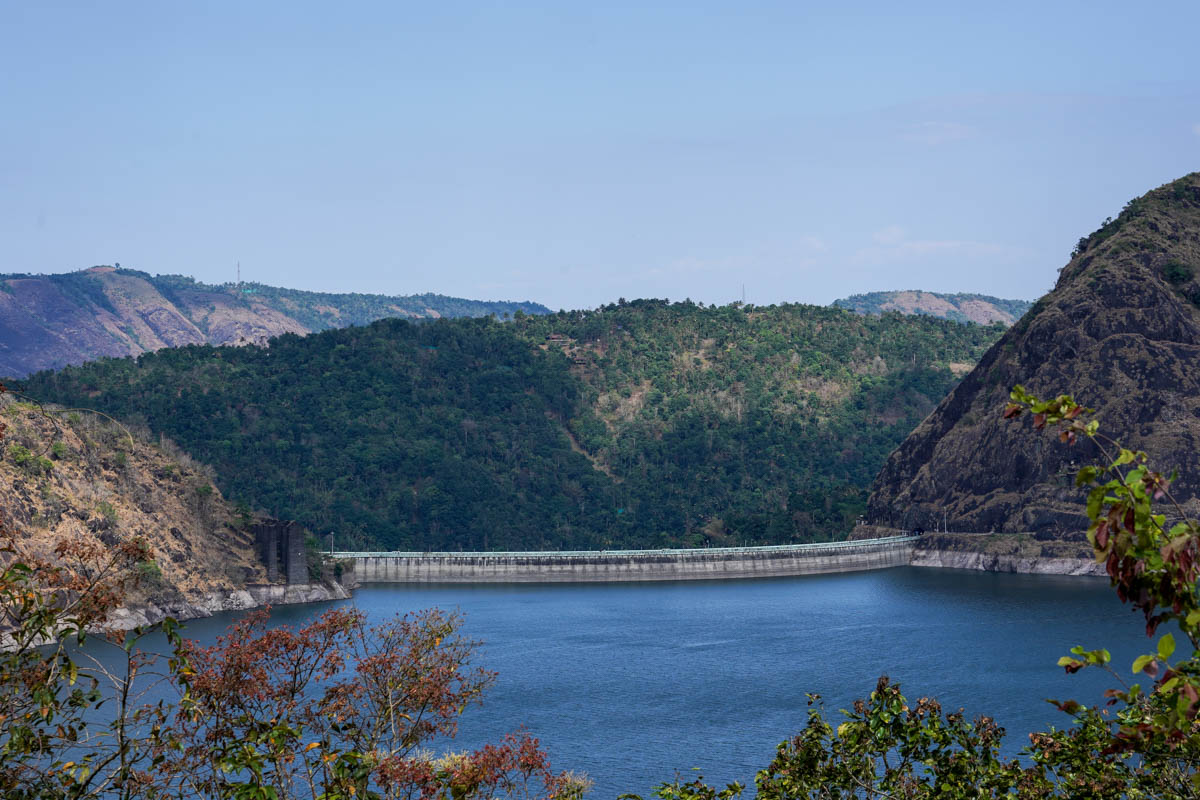
Idukki Arch Dam stands as one of India's most impressive engineering achievements and a major tourist attraction in Kerala's hill country. Located in the Western Ghats, this double-curvature arch dam rises 168.91 meters above the riverbed, making it the tallest of its type in Asia. For travelers combining technical curiosity with scenic mountain landscapes, Idukki Dam offers a compelling destination that demonstrates human ingenuity working in harmony with challenging natural terrain.
Beyond its engineering significance, the dam creates the vast Idukki Reservoir, formed by the confluence of three rivers—Periyar, Cheruthoni, and Thodupuzhayar. The surrounding area offers panoramic views of forested hills, islands within the reservoir, and opportunities to understand Kerala's hydroelectric power infrastructure that has illuminated millions of homes since the dam's commissioning.
About Idukki Arch Dam
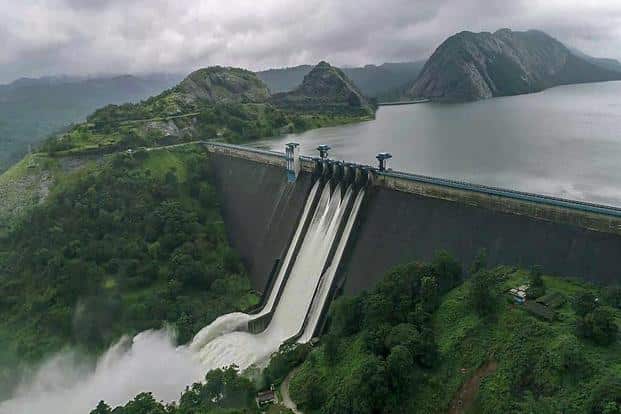
Construction of Idukki Dam began in 1969 and was completed in 1975, representing a collaborative effort between Canadian and Indian engineering expertise. The dam's distinctive arch design allows it to withstand tremendous water pressure using less concrete than conventional gravity dams. This innovative approach was necessary given the steep-walled gorge between Kuravan and Kurathi hills where the dam spans.
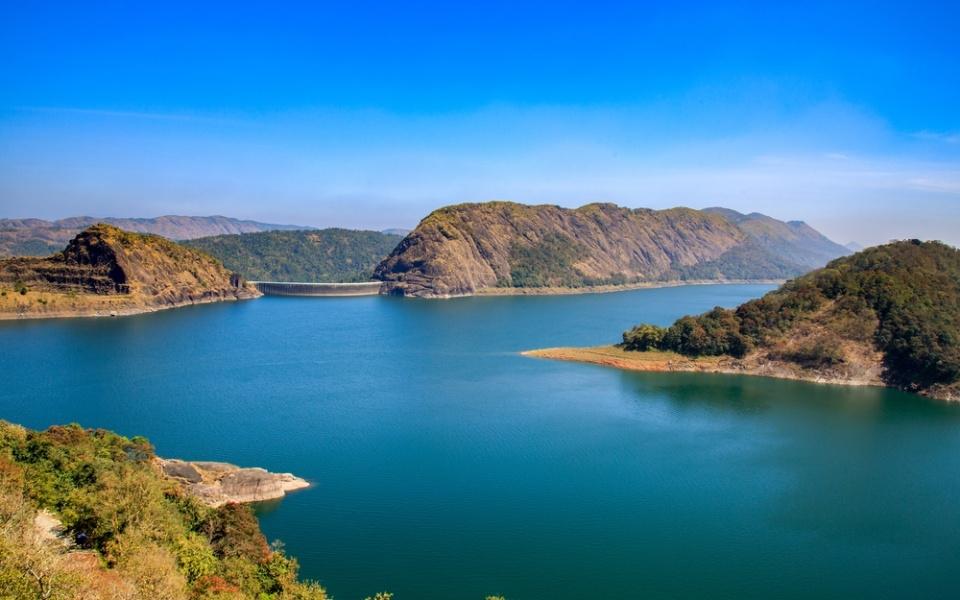
The dam creates a reservoir spanning nearly 60 square kilometers, submerging large areas of forest and creating numerous islands. This reservoir serves multiple purposes: hydroelectric power generation, irrigation for agricultural areas downstream, and regulating water flow to prevent floods. The associated hydroelectric project generates substantial power, playing a crucial role in Kerala's energy infrastructure.
Engineering and Technical Significance
What makes Idukki Dam engineering remarkable is its double-curvature arch design. Unlike straight gravity dams that rely primarily on mass to resist water pressure, arch dams transfer loads to the canyon walls through curvature. This design requires precise geological conditions and exceptionally strong foundation rock.
The dam's 168.91-meter height and 365.85-meter length make it one of the largest arch dams globally. Its construction required developing specialized construction techniques for the remote, difficult terrain. Today, it stands as a testament to mid-20th century engineering capability and continues operating efficiently decades after completion.
Visitor Experience and Viewpoints
The main tourist viewpoint offers panoramic views of the dam wall, the sprawling reservoir, and surrounding hills. The area includes a small park with information displays explaining the dam's history and technical details. Visitors can appreciate the scale of the structure and the engineering challenges overcome during construction.
Boating on the reservoir provides a different perspective, allowing visitors to see the dam from water level and explore some of the islands created by submergence. The combination of technical interest and natural scenery makes Idukki Dam appealing to diverse visitor types.
- Dam Viewpoint: Primary observation area with information displays
- Gallery Visit: Interior access when permitted (security restrictions apply)
- Reservoir Boating: Water-level perspective and island exploration
- Hill Viewpoints: Elevated views of the entire dam-reservoir system
Best Time to Visit Idukki Dam
The dam can be visited year-round, but different seasons offer varying experiences. Post-monsoon months see the reservoir at maximum capacity with dramatic water releases possible. Summer offers better visibility and more comfortable weather for outdoor exploration.
| Season | Conditions | Experience |
|---|---|---|
| October-February | Pleasant weather, good water levels | Best overall visiting period |
| March-May | Warmer, clearer views | Good for photography and exploration |
| June-September | Heavy rainfall | Limited visibility, possible access restrictions |
Timings and Entry Requirements
The dam viewpoint is accessible during daylight hours with specific entry timings. Photography restrictions may apply in certain security-sensitive areas. Access to the dam interior requires special permission and is generally restricted for security reasons.
- Viewpoint Timings: Generally 9:00 AM to 5:00 PM (may vary seasonally)
- Entry Fee: Nominal charge applicable
- Camera Fees: Separate charges for photography equipment
- Interior Access: Requires prior permission from authorities
How to Reach Idukki Arch Dam
The dam is located in Idukki district, accessible through winding hill roads from various Kerala towns. The journey itself offers scenic views through tea plantations, forest areas, and hill sections typical of the Western Ghats.
- From Kottayam: ~80 km, approximately 2.5 hours
- From Kochi: ~130 km, approximately 4 hours
- From Thekkady: ~70 km, approximately 2 hours
- Nearest Railway: Kottayam (80 km away)
- Nearest Airport: Kochi International (130 km away)
Where to Stay Near Idukki Dam
Accommodation options range from forest department facilities to private resorts and homestays. The surrounding Idukki district offers diverse lodging choices depending on budget and experience preference.
- Forest Department: Basic inspection bungalow accommodation (advance booking required)
- Private Resorts: Mid-range to luxury options with reservoir views
- Homestays: Budget-friendly local family stays
- Nearby Towns: Kuttikkanam and Thekkady offer varied accommodation
Combining Idukki Dam with Other Attractions
Idukki district offers several attractions that pair well with dam visits. Periyar Wildlife Sanctuary in Thekkady provides wildlife experiences. Hill stations like Vagamon offer different mountain experiences. Munnar, though slightly distant, creates a complete hill-country circuit.
Photography Tips
The dam offers strong photographic opportunities across scales—from wide landscape shots capturing the entire structure to detail shots emphasizing engineering elements. Morning light generally provides the most favorable illumination on the dam wall. The reservoir surface can create interesting reflections during calm weather conditions.
Remember that security restrictions may limit photography in certain areas. Always check current regulations and respect posted restrictions. Drone photography is prohibited without special permits due to the dam's sensitive infrastructure status.
Boating on Idukki Reservoir
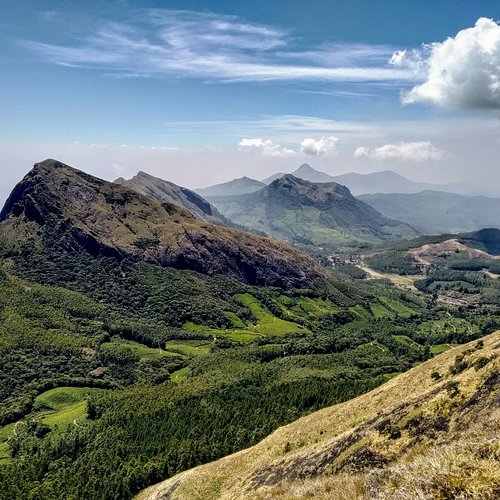
Boating provides unique perspective on the dam and access to areas impossible to see from the viewpoint. The reservoir's numerous islands and forested shorelines create varied scenery. Boat services may be operated by the tourism department or private operators depending on current arrangements.
Boating safety requires attention to weather conditions, as reservoirs can develop sudden rough water despite apparent calm. Life jackets should be worn regardless of swimming ability. The best boating conditions usually occur in morning before wind increases.
Practical Travel Tips
Visiting Idukki Dam requires planning typical of remote hill areas. Weather can change quickly, so carry rain protection even in drier months. The drive involves winding roads—those prone to motion sickness should prepare accordingly.
- Carry light rain gear regardless of season
- Wear comfortable walking shoes with good grip
- Bring sun protection for open viewpoint areas
- Carry water and snacks for the journey
- Start early to allow time for unexpected delays
- Check current access restrictions before travel
Environmental and Social Impact
Like all large dams, Idukki has significant environmental and social impact. The reservoir submerged large forest areas, wildlife habitat, and human settlements. Understanding this context provides important perspective on infrastructure development versus conservation priorities. The dam continues to generate clean power while supporting agriculture through irrigation, representing complex trade-offs inherent in development projects.
Technical Details for Engineering Enthusiasts
For visitors with technical interest, Idukki Dam's specifications reveal impressive engineering achievement. The arch design uses the canyon walls as structural abutments, transferring water load through curvature into the foundation rock. The double-curvature form provides stability in both vertical and horizontal axes. Construction required developing specialized concrete mixes and placement techniques for the difficult site conditions.
Family Travel Considerations
Idukki Dam works well for families with children interested in structures and natural scenery. The viewpoint areas are accessible with basic walking. Educational value is high for children curious about engineering and infrastructure. The reservoir boating experience provides engagement for various age groups.
Accessibility Information
The main viewpoint has basic accessibility features, though steep terrain creates challenges for mobility-impaired visitors. The approach roads can be narrow and winding, requiring careful driving. Vehicle parking is available but may be limited during peak periods. Check current accessibility conditions if specific requirements exist.
Shopping and Local Products
The surrounding Idukki district is known for spices, tea, and coffee. Local markets offer opportunities to purchase these products directly from producers. Quality varies, so discernment in selection is advisable. Responsible purchasing that fairly compensates producers supports local economies and preserves agricultural heritage.
Weather and Climate
Idukki's hill location creates moderate temperatures year-round compared to Kerala's lowlands. Winter nights can be surprisingly cool. Rainfall is heavy during monsoon, making some years inaccessible at times. The area receives significant orographic rainfall due to its position in the Western Ghats.
Conclusion
Idukki Arch Dam represents a remarkable convergence of engineering achievement and natural landscape. Whether drawn by technical interest, scenic beauty, or curiosity about infrastructure that powers modern life, visitors find compelling experience in this mountain setting. The dam stands as evidence of human capability to shape environment for energy and water security while raising important questions about development priorities and environmental cost.
Location
Frequently Asked Questions
Q1.What is the best time to visit Idukki Arch Dam?
Q2.What are Idukki Dam visiting timings?
Q3.Is boating available at Idukki Reservoir?
Q4.How do I reach Idukki Arch Dam?
Q5.What is special about Idukki Arch Dam?
Q6.Is there an entry fee for Idukki Dam?
Recommended For You
Kerala in March: Weather, Places & Travel Tips
Planning Kerala in March? Complete guide with weather info, best places to visit, things to do, backwaters & travel tips for perfect trip.
15 Best Waterfalls in Kerala: Location, Season & Entry Info
Explore the best waterfalls in Kerala with Athirappilly, Vazhachal, Soochipara, Meenmutty and more, including season tips and route-based tour planning.
Wayanad Wildlife Sanctuary: Safari Timings, Zones & Travel Tips
Complete travel guide to Wayanad Wildlife Sanctuary Kerala - safari booking, timings, best time to visit, wildlife, and accommodation.
Never Miss an Adventure
Get the latest trekking guides, travel tips, and exclusive offers delivered straight to your inbox.
