
Indian Restaurants in Vietnam: Best Places for Food

Ananya Sharma
January 3, 2026
Discover best Indian restaurants in Vietnam! Find authentic Indian food in Hanoi, Ho Chi Minh City, Da Nang & complete guide to Indian cuisine in Vietnam.
Indian Restaurants in Vietnam: City-Wise Guide for Authentic Indian Food
Indian restaurants in Vietnam have grown rapidly in quality and variety because more Indian travelers, expats, students, and long-stay tourists now look for familiar meals while exploring the country. From Hanoi to Ho Chi Minh City and Da Nang, you can find restaurants serving North Indian curries, tandoori grills, South Indian staples, and pure-vegetarian options. But not every listing delivers authentic taste, consistent hygiene, or value for money.
This guide helps you choose better by city, cuisine type, and travel need. It focuses on practical dining decisions: where to go, what to order, how much to budget, and how to avoid tourist-trap menu mistakes. If you are planning your route first, combine this with best places to visit in Vietnam to match food choices with your city schedule.

Why Indian Food Demand Is High in Vietnam
Vietnam is famous for its own cuisine, but long itineraries often create demand for familiar comfort meals. Indian travelers, vegetarian families, and spice-sensitive tourists frequently search for reliable Indian restaurants after a few days of local food. In business districts and tourist centers, this demand has led to better restaurant standards and broader menus.
You will now find not only butter chicken and paneer basics, but also regional items, Jain-friendly options, and custom spice-level requests in many major cities.
Best Indian Restaurants in Hanoi
Hanoi offers a growing set of Indian dining choices near tourist-heavy and central districts. Good restaurants here usually balance authentic spice profile with locally sourced ingredients. If you are staying near old-city zones, check places with strong repeat reviews from Indian travelers and expat communities.
In Hanoi, prioritize restaurants that clearly mention veg/non-veg separation and offer clear allergen communication. If you are exploring nearby areas, pair meal planning with Old Quarter Hanoi and places to visit in Hanoi so your day stays efficient.
Best Indian Restaurants in Ho Chi Minh City
Ho Chi Minh City has one of the strongest Indian dining ecosystems in Vietnam due to business activity and tourism flow. You can find premium dine-in options, budget-friendly curry houses, and late-hour casual spots. Menu quality is often broader than smaller cities, making this one of the best places for Indian food variety.
If you are in central districts, shortlist restaurants by cuisine type before visiting: Punjabi/North Indian, biryani-focused, or vegetarian-specialty kitchens. Pair dining with nearby city exploration like Ben Thanh Market for smoother route planning.
Indian Restaurants in Da Nang and Hoi An Region
Da Nang’s Indian dining scene is smaller than Hanoi or Ho Chi Minh City but still useful for travelers who need vegetarian support, spice-adjusted meals, or family dining comfort. Tourist corridors usually have better availability and multilingual staff support.
If you are combining Da Nang and Hoi An, plan Indian meals intentionally rather than expecting walk-in options everywhere. Peak meal windows can be busy in tourist season, so reservation or early arrival is useful.
How to Judge Authenticity Before Ordering
Menu size alone does not indicate quality. A focused menu with consistent execution is often better than a long list of generic dishes. Look for clues: fresh tandoor rotation, balanced gravies (not oily shortcuts), proper spice aroma, and consistent bread quality.
Ask for one benchmark dish your group knows well, such as dal, paneer, or tandoori starter. This quickly tells you whether the kitchen understands authentic flavor balance.
Pure Vegetarian and Jain-Friendly Options
Vegetarian travelers generally find good options in major Vietnamese cities, but clear communication is essential. Confirm whether stocks, sauces, and gravies use hidden non-veg bases. Ask specifically for onion-garlic adjustments if needed and request separate preparation standards where possible.
Restaurants that serve both Indian and global cuisine may require extra clarity from guests. Avoid assumptions and communicate dietary requirements at order stage.
North Indian vs South Indian Availability
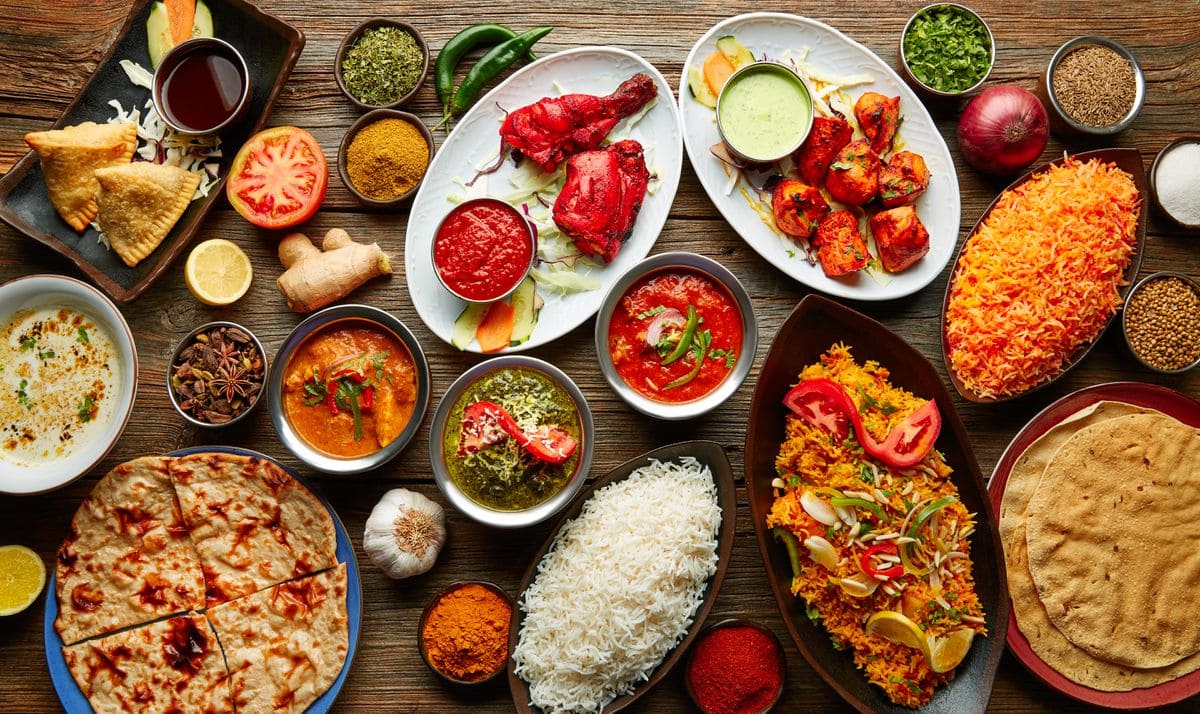
North Indian cuisine is more widely available across Vietnam cities, especially curries, naan, kebabs, and biryani options. South Indian offerings exist but are usually concentrated in select areas and may be limited by time window or day menu.
If South Indian meals are important for your group, call ahead and confirm availability before visiting. This avoids disappointment and unnecessary transfers.
Budget Expectations and Cost Control
Indian restaurant pricing in Vietnam depends on location, ambience, and ingredient sourcing. Central areas may be priced higher, while local-neighborhood options can offer better value. The smartest strategy is group sharing for starters and mains to sample variety without overspending.
Lunch combos and set menus often provide better value than individual evening ordering. Keep this in mind for long-stay travel budgets.
Food Safety and Hygiene Checks
Choose places with strong turnover, transparent kitchen practices, and visible service hygiene. Freshly cooked meals are generally safer than pre-plated buffet options in uncertain setups. During hot-weather days, avoid items left exposed for long periods.
If you have sensitivity issues, keep your first order simple and evaluate quality before expanding the meal.
How to Build an India-Friendly Vietnam Food Plan
A useful travel strategy is 70-30 balance: mostly local Vietnamese cuisine with periodic Indian meals for comfort and dietary stability. This gives cultural exposure without digestive fatigue. For example, after two days of local food, include one Indian lunch or dinner reset.
If your itinerary is city-heavy, this rhythm works especially well and keeps your group energized. For route context, pair with best time to visit Vietnam and urban evening planning via Vietnam nightlife guide.
Common Mistakes Travelers Make
The biggest mistake is choosing purely by online rating without reading cuisine-specific feedback from Indian travelers. Another issue is ordering too many heavy dishes in humid weather, then assuming the restaurant quality is poor because of discomfort.
Travelers also skip reservation planning in peak windows and face long waits. A little pre-checking improves experience significantly.
City-by-City Decision Matrix for Indian Dining
Hanoi: Best for heritage-area convenience and balanced menu variety near tourist routes. Ho Chi Minh City: Best for broad choice, premium dining, and business-travel reliability. Da Nang/Hoi An region: Best for selective comfort meals between beach and sightseeing days. This matrix helps travelers decide where to allocate high-priority Indian meal stops instead of searching blindly each day.
For long itineraries, keep one backup restaurant saved in each city in case your first choice is full. This is especially useful during weekends and holiday windows.
Meal Planning for Families, Solo Travelers, and Work Trips
Families should prioritize mid-day Indian meals in cities where children may need familiar food after active mornings. Solo travelers can use Indian restaurants as structured breaks to reset routine, charge devices, and plan next route segments. Work travelers should favor restaurants with predictable service speed and clean seating environments suitable for short business discussions.
In all cases, communicate spice preference clearly and order in stages. This reduces waste, improves quality control, and helps kitchens adjust to your comfort level.
Practical Ordering Checklist for Better Results
Before confirming your order, verify spice level, oil preference, bread quantity, and estimated preparation time. This simple checklist prevents common issues like over-ordering heavy gravies or waiting too long during peak dinner hours. For groups, start with core dishes and add secondary orders only after first tasting round.
Travelers who order methodically usually report better quality control and more satisfying meals across different cities in Vietnam.
Final Takeaway
Indian restaurants in Vietnam now offer enough quality and variety for almost every travel style, from pure vegetarian families to spice-loving foodies. The key is city-wise planning, menu awareness, and practical hygiene checks.
Plan your meals as part of your itinerary, not as last-minute fallback. With the right approach, you can enjoy authentic Indian comfort food while still exploring Vietnam’s local culinary identity in a balanced way.
Location
Frequently Asked Questions
Q1.Where can I find Indian food in Vietnam?
Q2.Are there good Indian restaurants in Vietnam?
Q3.Which Indian restaurants in Ho Chi Minh City are best?
Q4.Do they serve vegetarian Indian food in Vietnam?
Q5.What is the price of Indian food in Vietnam?
Q6.Is Indian food in Vietnam authentic?
Q7.Are there halal Indian restaurants in Vietnam?
Q8.Can I find South Indian food in Vietnam?
Recommended For You
Vietnam Beach Resorts: Luxury Stays, Regions & Budget Range
Discover the best Vietnam beach resorts in Phu Quoc, Nha Trang, Da Nang, Mui Ne, and Con Dao. Complete guide with resort reviews, pricing, and booking tips for luxury coastal getaways.
Shopping in Vietnam: Markets, Malls & Tips
Shopping in Vietnam: Complete guide to Hanoi, HCMC, Hoi An, best buys, bargaining tips, markets, malls & authentic Vietnamese products.

Vietnam Flights from India: INR 11k Deals and Tips
Find practical 2026 guidance on Vietnam flights from India, including INR 11k deal reality, city-wise price bands, direct routes, and visa-safe booking tips.
Never Miss an Adventure
Get the latest trekking guides, travel tips, and exclusive offers delivered straight to your inbox.
