

Hanoi: 15 Best Places to Visit in Vietnam’s Capital

Priya Mehta
December 16, 2025
Explore the best places to visit in Hanoi, from Hoan Kiem Lake and Old Quarter to Temple of Literature and French Quarter, with a practical 3-day route.
Introduction: Why Hanoi Is One of Asia's Most Layered Capital Cities
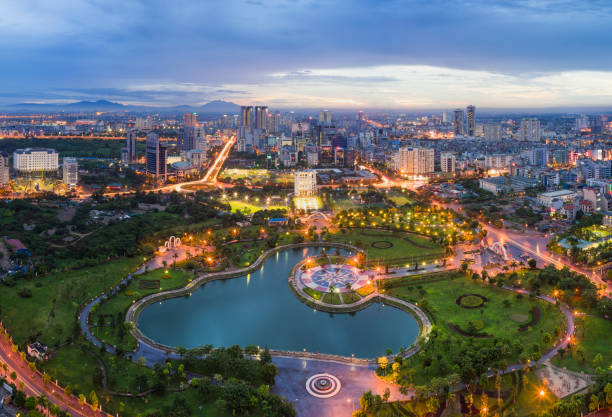
When travelers search for places to visit in hanoi, they usually expect a simple attraction list. Hanoi is better approached as a layered city where history, religion, education, street life, and colonial-era design sit close together. You can walk from a sacred lake and temple zone to scholarly courtyards, then move into dense market streets and finally wide French-style boulevards within the same day. That density is what makes Hanoi special for short trips and first-time Vietnam itineraries.
Hanoi tourist attractions are not only monuments. They are also experiences shaped by timing: sunrise activity around Hoan Kiem Lake, daytime heritage visits in Ba Dinh, and evening movement through the Old Quarter's food and shopping lanes. A strong trip plan is less about covering the maximum number of spots and more about sequencing areas correctly.
This guide gives you a complete, practical route through Hanoi sightseeing essentials, including cultural highlights, entry tips, realistic time blocks, and smart movement strategy for 2 to 3 days.
Quick Planning Snapshot
| Place | Why It Matters | Suggested Time |
|---|---|---|
| Hoan Kiem Lake & Ngoc Son Temple | Symbolic heart of Hanoi and ideal walking zone | 1 to 2 hours |
| Hanoi Old Quarter | Street culture, food, markets, and urban character | Half day |
| Temple of Literature | Vietnam's first university and key heritage site | 1 to 2 hours |
| Ho Chi Minh Mausoleum | Major national site with formal visit protocol | 1 hour plus queue |
| One Pillar Pagoda | Iconic lotus-style pagoda near Ba Dinh complex | 30 to 45 minutes |
| French Quarter | Colonial architecture, boulevards, and classic facades | 1 to 2 hours |
1) Hoan Kiem Lake and Ngoc Son Temple
Hoan Kiem Lake is central to almost every first-time Hanoi itinerary. It is both a landmark and a daily public-life zone where locals walk, exercise, and gather. The lake's legend of the returned sword gives it symbolic value, while the surrounding paths make it an easy orientation point for visitors.
What to do here
- Walk the lake loop in the morning for a calmer atmosphere.
- Visit Ngoc Son Temple through the red The Huc bridge.
- Pause at viewpoints facing Turtle Tower for classic photos.
- Return after sunset for different city energy and lighting.
Typical temple entry is ticketed and pricing can change over time. Verify current rates onsite. For deeper area planning, see Hoan Kiem Lake Hanoi.
This zone works especially well at sunrise and sunset. Midday can be warmer and more crowded, especially in peak season.
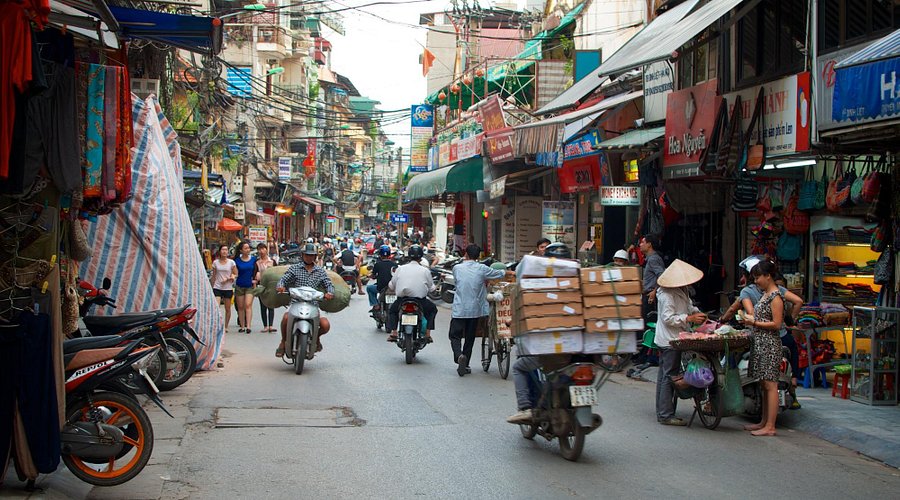
2) Hanoi Old Quarter: 36 Streets, Street Food, and City Texture
No list of places to visit in hanoi is complete without Old Quarter. This is where Hanoi's pace, food culture, and commerce are most visible. Historically associated with guild streets, the area now blends traditional trade patterns with modern cafes, boutiques, and tourism services.
Why Old Quarter is essential
- Strong concentration of local food and coffee experiences.
- Walkable lanes with high cultural density.
- Good base area for first-time visitors.
- Weekend evening market activity in selected sections.
The best strategy is to explore in loops, not one continuous marathon walk. Choose one food-focused lane, one market/shopping lane, and one sit-down break. This keeps energy balanced and helps avoid fatigue in humid months.
For dedicated route ideas, use Old Quarter Hanoi. If you are building a national circuit, pair it with things to do in Vietnam.
3) Temple of Literature: Vietnam's First University
The Temple of Literature (Van Mieu - Quoc Tu Giam) is one of Hanoi's most important cultural landmarks. Established in 1070 and associated with Vietnam's early academic tradition, it combines formal courtyards, symbolic gates, stelae, and educational heritage in a peaceful complex that contrasts with the city's traffic-heavy streets.
Why this stop is high value
- Direct connection to Vietnamese scholarly history.
- Architectural and garden spaces suited for reflective visits.
- Excellent cultural stop for students and history travelers.
Visitors should dress respectfully. Ticket prices and hours may vary by season and special events, but daytime visits are straightforward and efficient. If you enjoy heritage-focused travel, also read Temple of Literature Vietnam.
Visit tip
Arrive early to avoid group-tour crowds and to enjoy better photo conditions in the inner courtyards.
4) Ho Chi Minh Mausoleum: Protocol-Based National Landmark
The Ho Chi Minh Mausoleum complex in Ba Dinh is one of Hanoi's most formal visitor experiences. It is not a casual drop-in site like a lake walk. Entry follows schedule windows and behavior rules, so timing and preparation matter.
What to know before visiting
- Public visitation is generally on specific morning slots and selected days.
- Monday and Friday closures are common in standard schedules.
- Seasonal and maintenance closures can happen each year.
- Dress code and security checks are strictly applied.
- Photography inside the mausoleum is not allowed.
Because policies can change, always check the official management board schedule before you go. Keep this as your first stop of the day, then continue to nearby sites in Ba Dinh.
5) One Pillar Pagoda: Compact but Iconic
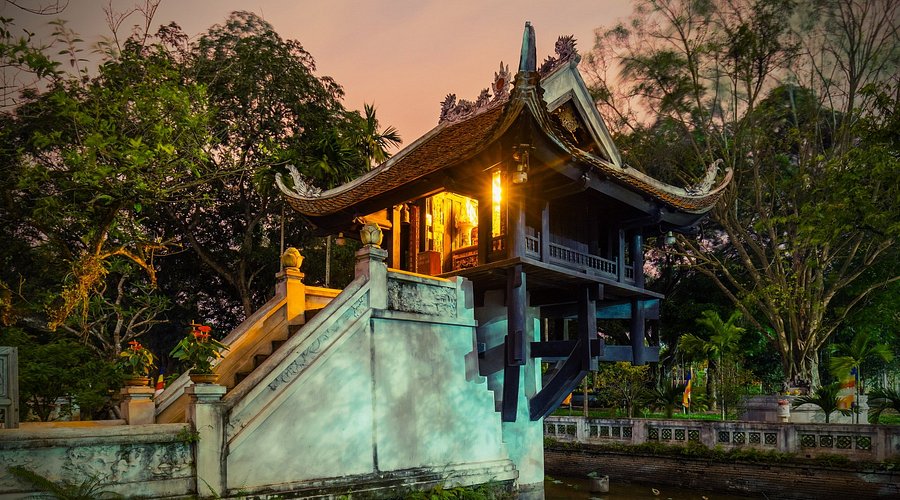
Located close to the Ho Chi Minh complex, One Pillar Pagoda is a small but highly recognizable Buddhist site known for its lotus-inspired structure. It is easy to include in the same half-day route as the mausoleum and nearby institutions.
Though short in visit duration, the pagoda has strong symbolic value and gives context to Hanoi's religious architecture. Entry norms and timings can vary, so treat online timing information as a guide and reconfirm locally. Modest clothing is recommended.
Best way to combine
- Start with mausoleum queue early morning.
- Move to One Pillar Pagoda after completion.
- Add one museum or garden stop if time permits.
6) French Quarter: Colonial-Era Design and Slow Walking Routes
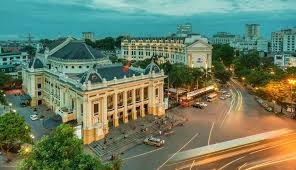
Hanoi's French Quarter offers a visual contrast to the high-density Old Quarter. Here you get wider avenues, colonial facades, diplomatic buildings, and classic architecture clusters. It is well suited for architecture lovers, photographers, and travelers who want a calmer walking block between market-heavy sessions.
Highlights in and around this district
- Elegant streets and civic-era facades.
- Opera House zone and nearby classic buildings.
- Cafe culture with longer sit-down format.
- Good transition route between lake area and cultural stops.
Do this section in the late afternoon for softer light and lower heat. If your itinerary includes only one architecture-focused walk, French Quarter should be that walk.
Additional Hanoi Attractions You Can Add
If you have extra time, these locations can expand your route:
- Tran Quoc Pagoda Hanoi for West Lake-side temple atmosphere.
- Thang Long Water Puppet Theater Hanoi for traditional performance culture.
- Food and nightlife blocks linked with guide to Vietnam nightlife.
Choose based on interest, not checklist pressure. Hanoi becomes tiring when overpacked.
Best Time to Visit Hanoi
| Period | Travel Character | Recommendation |
|---|---|---|
| October to April | Generally more comfortable sightseeing weather | Best overall for first-time city routes |
| March to April | Pleasant balance for walking-heavy plans | Excellent shoulder period |
| May to September | Hotter, humid, and more rain-prone windows | Travel possible with slower pacing |
For broader month-by-month guidance, use best time to visit Vietnam.
How to Reach Hanoi and Move Around
Arriving in Hanoi
Noi Bai International Airport serves most international and domestic connections. Travel time into central districts depends on traffic and arrival hour, so keep buffer time on first and last days.
Transport inside city
- Walking is best in Hoan Kiem and Old Quarter loops.
- Ride-hailing apps are widely used for inter-district transfers.
- Taxis are available, but app booking improves fare clarity.
- Cyclo experiences exist in tourist zones but use licensed operators.
Practical movement rule
Cluster nearby attractions by half-day blocks. Do not keep crossing the city after every stop. This single rule improves trip quality immediately.
Suggested 3-Day Hanoi Itinerary
| Day | Focus | Route |
|---|---|---|
| Day 1 | Core city orientation | Hoan Kiem Lake, Ngoc Son Temple, Old Quarter food walk |
| Day 2 | History and institutions | Ho Chi Minh Mausoleum, One Pillar Pagoda, Temple of Literature |
| Day 3 | Architecture and culture | French Quarter walk, optional puppet show, cafe and market time |
If you are planning onward travel, many visitors continue from Hanoi to bay cruises or northern mountain routes. Keep one transition day to avoid rushed departures.
Common Mistakes Travelers Make in Hanoi
- Starting late and missing morning-only access windows.
- Ignoring dress protocols at religious and national sites.
- Trying to cover too many districts in one day.
- Skipping hydration and rest during humid months.
- Treating every online timing as fixed without local confirmation.
Conclusion
Hanoi rewards structured exploration. The best places to visit in hanoi are close enough to combine, but only when you plan by zones and timing. Prioritize Hoan Kiem, Old Quarter, Temple of Literature, Ho Chi Minh Mausoleum, One Pillar Pagoda, and French Quarter, then add cultural extras based on your pace. With this approach, your Hanoi trip becomes both efficient and deeply memorable.
If your schedule is tight, focus on two strong clusters per day: lake-plus-old-quarter and ba-dinh-plus-heritage. This prevents unnecessary cross-city travel and leaves room for spontaneous food stops, local cafe breaks, and evening walks. Hanoi feels best when your plan has structure but still allows time to observe daily life rather than rushing between checkpoints.
Location
Frequently Asked Questions
Q1.How many days are enough for Hanoi?
Q2.What is the best time to visit Hanoi?
Q3.Is Hoan Kiem Lake worth visiting?
Q4.Can tourists enter Ho Chi Minh Mausoleum?
Q5.What is special about Hanoi Old Quarter?
Q6.What should I wear at temples and mausoleum areas in Hanoi?
Q7.Is Hanoi safe for tourists?
Q8.Is app-based transport available in Hanoi?
Recommended For You
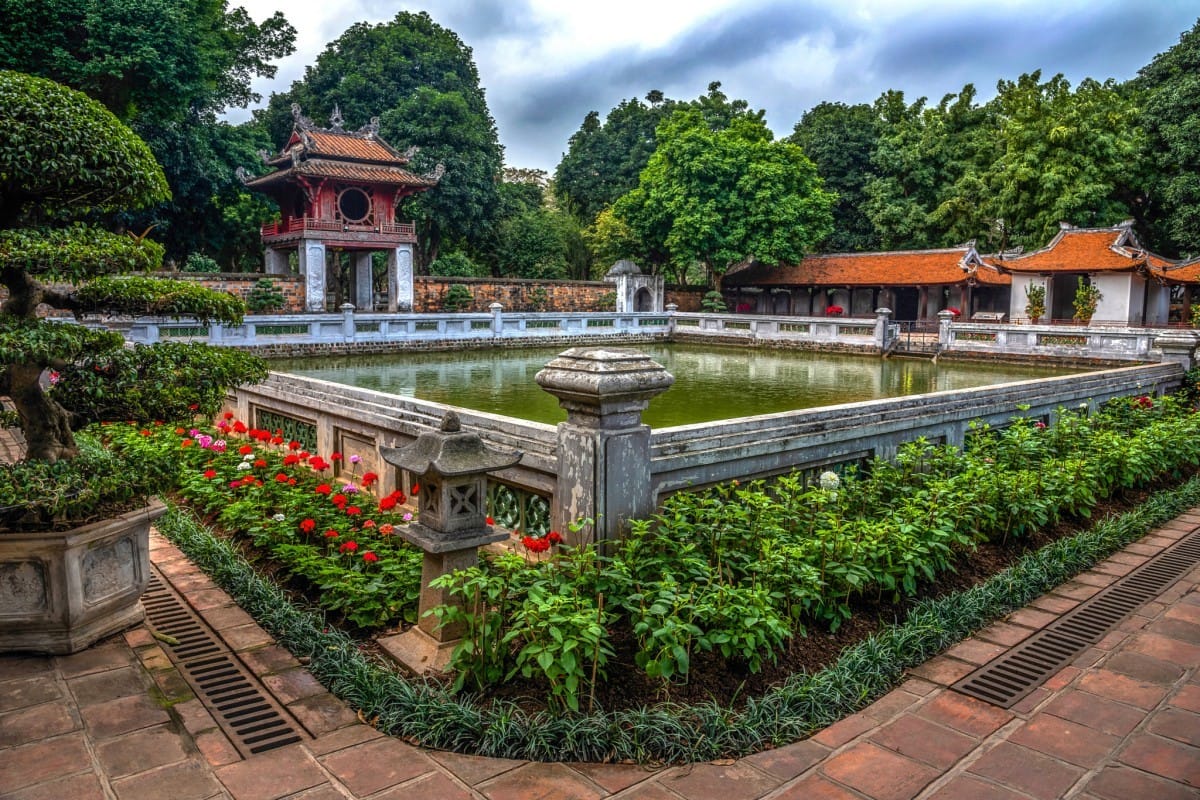
Temple of Literature Hanoi: History, Ticket Info & Best Time to Visit
Visit Temple of Literature in Hanoi Vietnam. Guide to Van Mieu Quoc Tu Giam, history, ticket price, timings & how to reach.
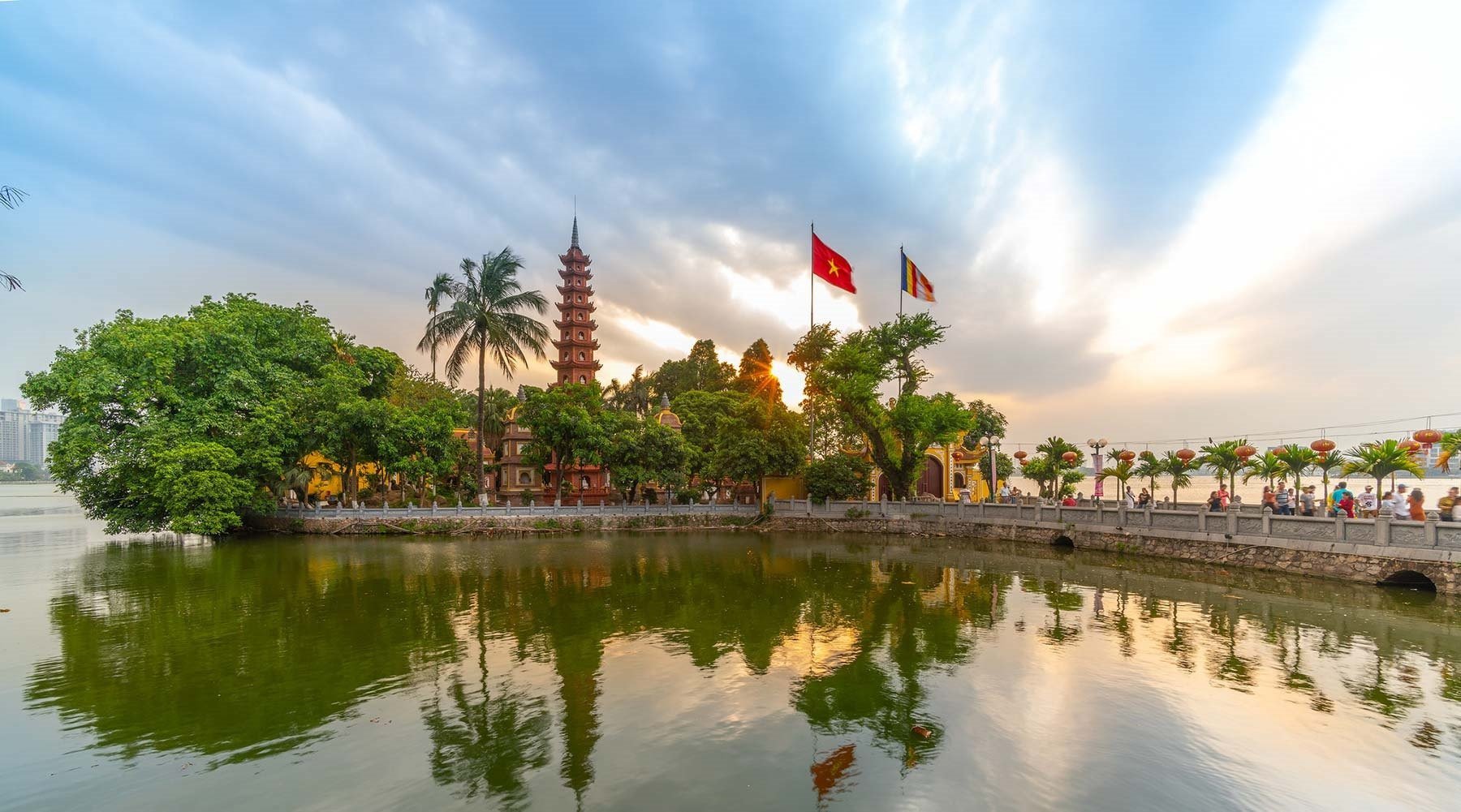
Tran Quoc Pagoda Hanoi: History, Timings & Entry Details
Visit Tran Quoc Pagoda in Hanoi with a practical guide to history, architecture, timings, dress code, and the easiest routes from Old Quarter and West Lake.
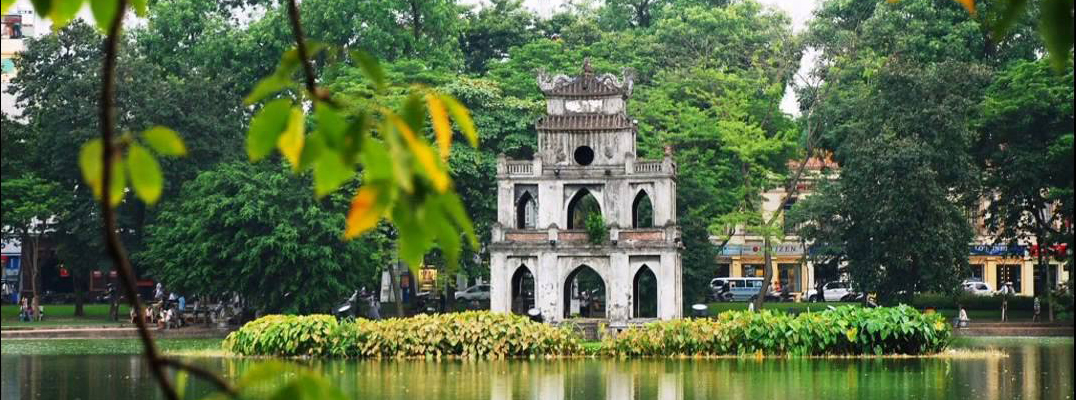
Hoan Kiem Lake Hanoi Guide: History, Walks, and Tips
Explore Hoan Kiem Lake Hanoi with practical timing, history, temple visit flow, and nearby walking-route suggestions.
Never Miss an Adventure
Get the latest trekking guides, travel tips, and exclusive offers delivered straight to your inbox.
