
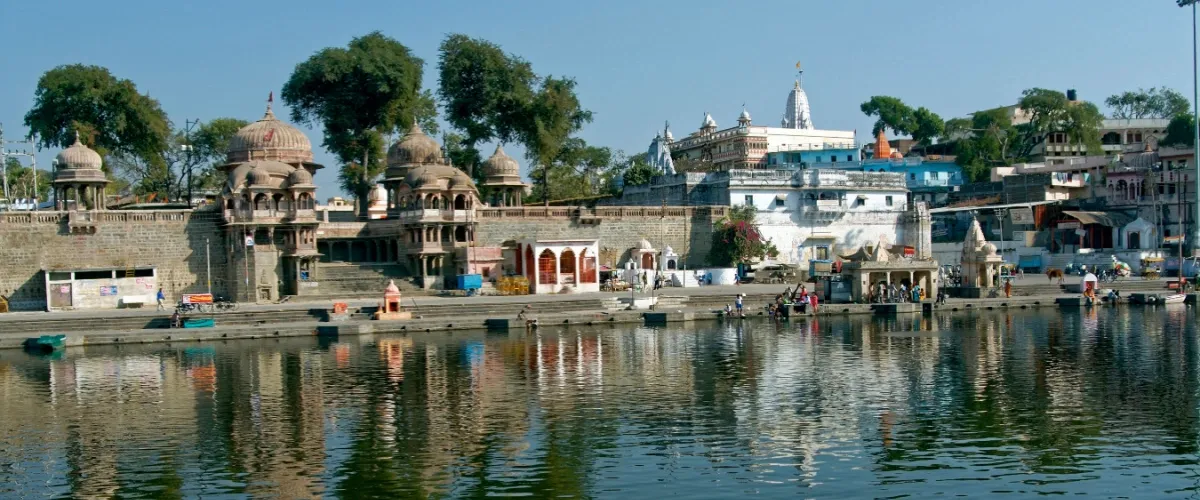
Best Places to Visit in Ujjain: Mahakal Temple & Attractions
Rohit Verma
February 8, 2026
Explore the best places to visit in Ujjain - from the sacred Mahakaleshwar Jyotirlinga to the spiritual Ram Ghat. Discover ancient temples, sacred ghats, and the rich cultural heritage of one of India's seven sacred cities.
Located on the banks of the sacred Shipra River, Ujjain stands as one of India's seven sacred cities and a revered pilgrimage destination. This ancient city, mentioned in Hindu scriptures as Avantika, has been a center of spirituality and learning for millennia. Home to the famous Mahakaleshwar Jyotirlinga, Ujjain draws millions of devotees and history enthusiasts annually who seek blessings and explore its rich cultural heritage.
The city's significance in Hindu mythology is unparalleled, believed to be the place where Lord Krishna received his education along with Balarama at Sandipani Ashram. Ujjain's spiritual landscape is dotted with magnificent temples, sacred ghats, and ancient monuments that tell stories of devotion and architectural brilliance. Whether you're a devout pilgrim or a curious traveler, Ujjain offers a profound journey into India's spiritual heartland.
Mahakaleshwar Temple - The Crown Jewel
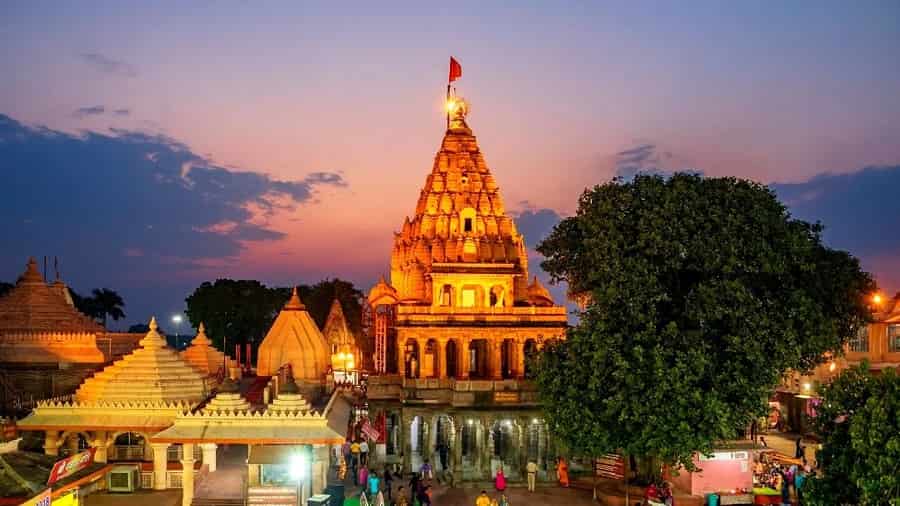
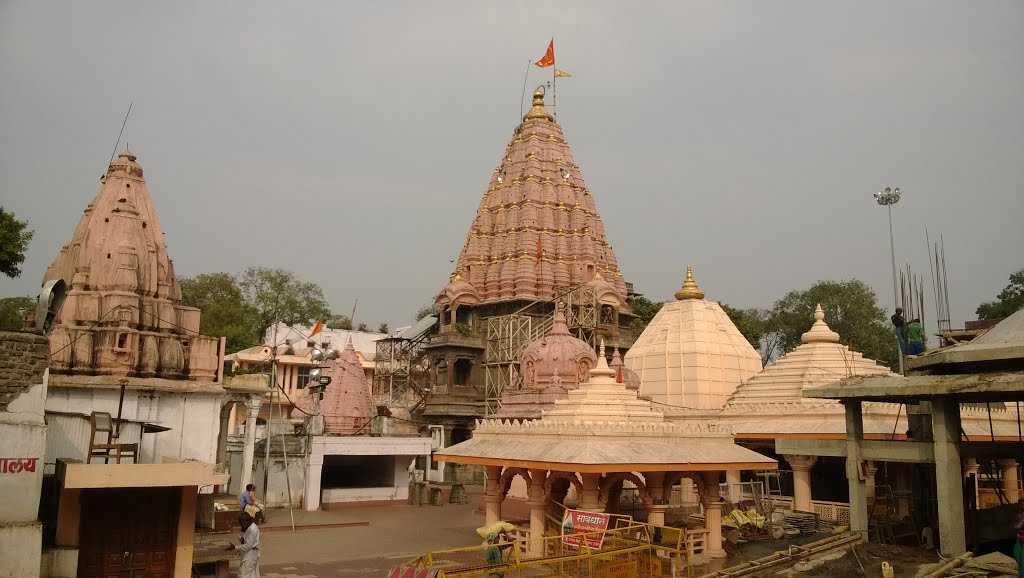
The Mahakaleshwar Temple stands as Ujjain's most revered shrine and one of the twelve Jyotirlingas dedicated to Lord Shiva. What makes this temple truly unique is its south-facing Shiva lingam, a rare occurrence among Shiva temples. The temple's magnificent architecture features soaring spires adorned with intricate carvings that showcase the finest examples of Maratha-style temple architecture.
The temple complex houses several smaller shrines dedicated to various deities, creating a comprehensive spiritual experience. Devotees throng here to witness the Bhasma Aarti, a special ritual performed at dawn using sacred ash. This ancient ceremony is believed to have been followed since the reign of King Chandrasena and continues to draw crowds who seek the divine blessings of Lord Mahakal.
The underground level of the temple houses the actual Jyotirlinga, which devotees believe is self-manifested. The temple's mystical aura is enhanced by legends that suggest it was destroyed and rebuilt multiple times throughout history. The current structure primarily dates back to the 18th century, though parts of it are much older.
Ram Ghat - The Sacred Waterfront
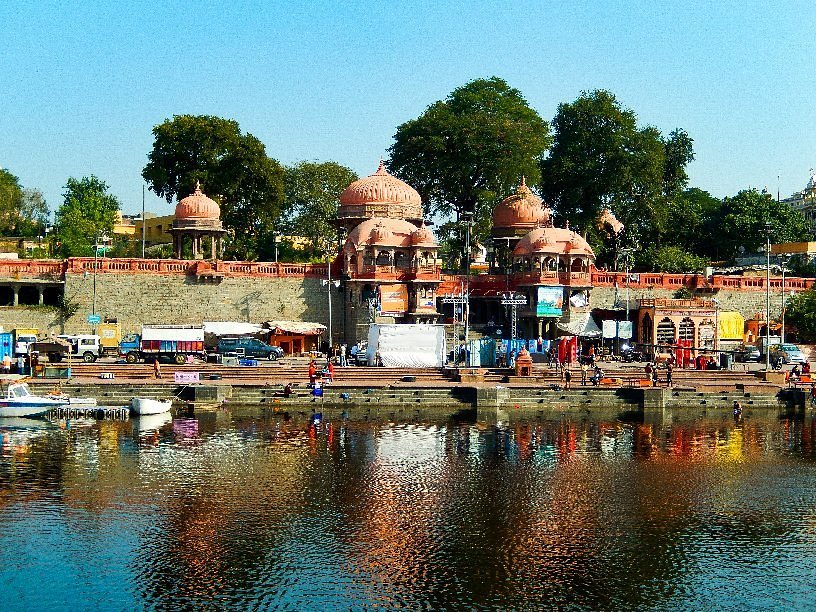
Ram Ghat serves as the most prominent of Ujjain's many sacred ghats along the Shipra River. This ancient bathing ghat holds immense religious significance as it's believed that a dip in the Shipra's waters here washes away all sins. The ghat comes alive during the Kumbh Mela, when millions of pilgrims gather to take the holy bath during specific planetary alignments.
The ghats in Ujjain are not just places for ritualistic bathing but also serve as venues for various religious ceremonies and cultural events. The evening aarti at Ram Ghat is a mesmerizing spectacle where priests perform elaborate rituals with fire lamps accompanied by chanting of Vedic mantras. Devotees float diyas (earthen lamps) on the river, creating a breathtaking scene of countless lights reflecting on the water's surface.
The architectural beauty of Ram Ghat, with its ancient steps leading down to the river and ornate temples overlooking the water, provides perfect opportunities for photography and quiet contemplation. Many visitors spend hours here simply soaking in the spiritual atmosphere and watching the constant flow of devotees engaged in prayer and rituals.
Kal Bhairav Temple - The Fierce Deity
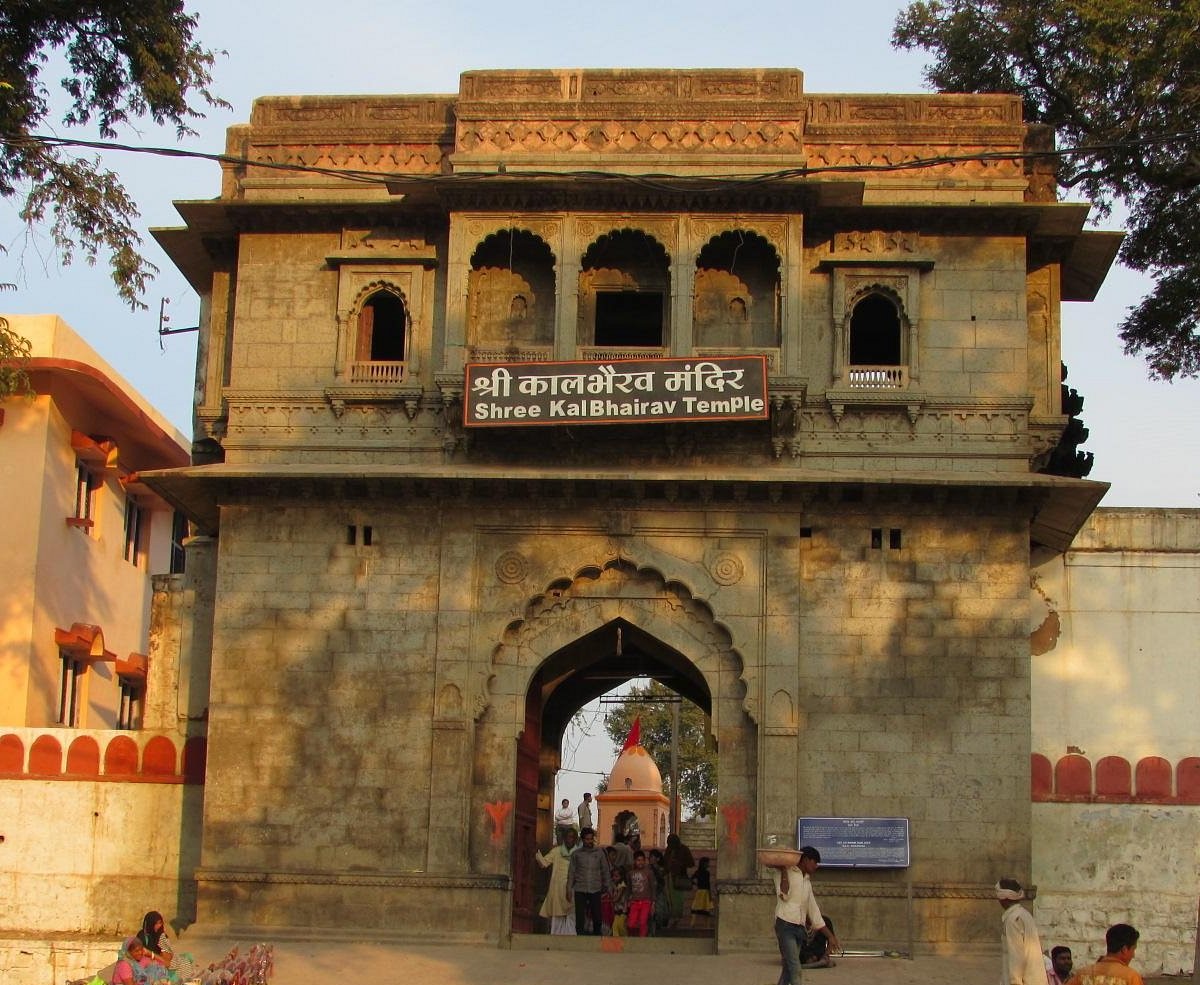
Dedicated to Lord Bhairav, a fierce manifestation of Lord Shiva, the Kal Bhairav Temple holds a unique place in Ujjain's religious landscape. The temple is particularly famous for its unusual tradition where devotees offer liquor to the deity. It's believed that the liquor miraculously disappears, consumed by the deity, though the scientific explanation involves evaporation and absorption.
The temple's ancient stone architecture and powerful atmosphere create an intense spiritual experience. Lord Bhairav is considered the Kotwal (guardian) of Ujjain, and it's believed that no pilgrimage to the city is complete without seeking his blessings. The temple sees a steady stream of visitors throughout the day, with the atmosphere becoming particularly charged during festivals.
The temple complex includes several smaller shrines and features beautiful stone carvings that depict various scenes from Hindu mythology. Photography inside the main sanctum is prohibited, maintaining the sacred atmosphere. The temple priests perform regular rituals throughout the day, and visitors can participate in special abhishekam ceremonies with prior arrangement.
Sandipani Ashram - Ancient Learning Center
The Sandipani Ashram holds tremendous significance in Hindu mythology as the place where Lord Krishna and Balarama received their education under the sage Sandipani. This ancient hermitage represents the guru-shishya (teacher-student) tradition that has been central to Indian education for millennia. Archaeological excavations at the site have uncovered ancient structures that validate the ashram's historical existence.
Modern visitors to the ashram can explore the ancient caves where the sage is believed to have meditated and taught his disciples. The ashram complex includes temples dedicated to various deities and features ancient inscriptions that provide insights into India's educational heritage. The peaceful atmosphere makes it an ideal place for meditation and contemplation.
The ashram also houses the famous Ankpa Math, where students learned various disciplines including astronomy, mathematics, and philosophy. The site offers a unique glimpse into ancient India's advanced educational system. Many educational institutions organize tours here to help students understand the rich heritage of traditional Indian learning.
Jantar Mantar - Architectural Wonder
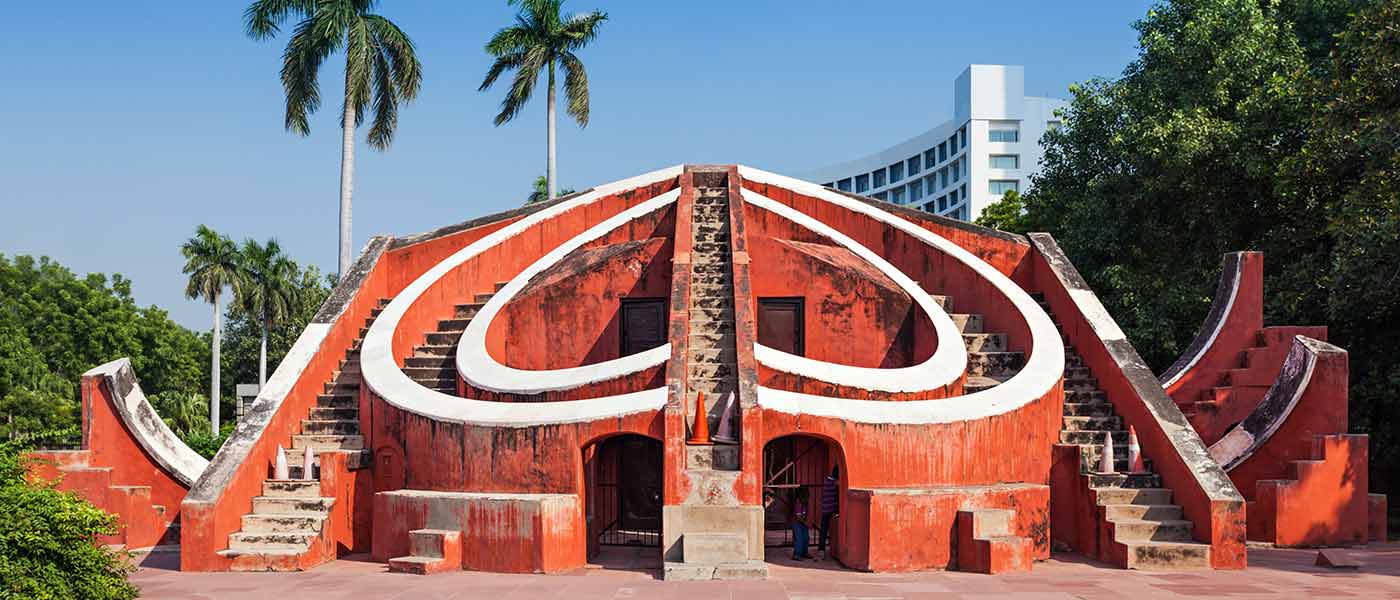
The Ujjain Observatory, commonly known as Jantar Mantar, represents one of the five observatories built by Maharaja Jai Singh II of Jaipur in the 18th century. This architectural marvel features ancient astronomical instruments designed to measure time, track celestial bodies, and predict eclipses with remarkable precision. The observatory stands as a testament to India's advanced understanding of astronomy centuries before modern technology.
The most significant instrument here is the Shanku Yantra, which calculates the position of the sun and determines the time. Other instruments include the Nadivalaya Yantra for measuring equinoctial days and the Diganasa Yantra for calculating the zenith distance of celestial bodies. These instruments, built with remarkable precision, continue to function accurately even after nearly 300 years.
Visitors can explore the various instruments and learn about ancient Indian astronomical knowledge. The observatory also features a small museum that provides detailed explanations about each instrument's purpose and functioning. Astronomy enthusiasts and history buffs find this site particularly fascinating as it bridges the gap between ancient wisdom and modern science.
Sacred Temples of Ujjain
Beyond the major attractions, Ujjain is home to numerous temples that contribute to its reputation as the Temple City. The Bhadrakali Temple, dedicated to Goddess Kali, is believed to be the place where Sati's elbow fell according to Hindu mythology. The temple's powerful atmosphere attracts devotees seeking blessings for protection and strength.
The Gopal Mandir, dedicated to Lord Krishna, showcases beautiful Maratha architecture with intricate stone carvings. Built in the 19th century by Bayajibai Shinde, the temple features a silver-plated entrance that catches the eye of every visitor. The temple's sanctum houses a beautiful two-foot tall statue of Lord Krishna in standing posture.
The Chintaman Ganesh Temple, dedicated to Lord Ganesha, is believed to be the temple where devotees' wishes are fulfilled. The ancient temple features beautiful carvings and a peaceful atmosphere perfect for meditation. Devotees believe that Lord Ganesha here relieves devotees of all their worries (chinta) and grants their sincere wishes.
The Mangalnath Temple, situated at the geographical center of India according to ancient Indian astronomy, is dedicated to Lord Mangal (Mars). The temple offers panoramic views of the Shipra River and is particularly popular among those seeking astrological remedies. It's believed that worshipping here helps mitigate the negative effects of Mars in one's horoscope.
The Harsiddhi Temple, one of the Shaktipeeths, features an ancient image of Goddess Annapurna. The temple complex includes beautifully carved pillars and ancient shrines. During Navratri, the temple becomes a hub of festivities with thousands of devotees participating in special prayers and celebrations.
Kumbh Mela - The Grand Gathering
Ujjain hosts one of the four Kumbh Melas held in India, making it a significant destination during this auspicious period. The Simhastha Kumbh, as it's known in Ujjain, occurs every 12 years when Jupiter enters Leo and the Sun enters Aries. During this time, the city's population swells to accommodate millions of pilgrims who gather to take the holy dip in the Shipra River.
According to Hindu mythology, the Kumbh Mela commemorates the churning of the cosmic ocean and the resulting struggle between gods and demons over the nectar of immortality. It's believed that drops of this nectar fell at four locations in India, including Ujjain. The festival creates a temporary city on the riverbanks with elaborate arrangements for the massive influx of pilgrims.
The main bathing days during Kumbh are determined based on specific astrological configurations and draw the largest crowds. Sadhus from various akharas (sects) lead ceremonial processions to the river, creating a spectacular display of faith and tradition. The atmosphere during Kumbh is electric, with continuous religious discourses, cultural programs, and spiritual activities taking place throughout the city.
How to Reach Ujjain
By Air: The nearest airport is Devi Ahilyabai Holkar Airport in Indore, approximately 55 kilometers away. Regular flights connect Indore to major Indian cities including Mumbai, Delhi, Hyderabad, and Bangalore. From the airport, taxis and buses are readily available for the journey to Ujjain, which takes about 1-1.5 hours.
By Rail: Ujjain Junction is a major railway station on the Western Railway zone and is well-connected to major cities across India. Direct trains are available from Mumbai, Delhi, Ahmedabad, Jaipur, and other important cities. The railway station is centrally located, making it convenient for travelers to reach their accommodations and temple sites.
By Road: Ujjain has excellent road connectivity with regular bus services from major cities in Madhya Pradesh and neighboring states. State-run buses and private operators provide comfortable travel options. The city is connected via National Highway 52 and NH 47, making it accessible by private vehicles as well. The road journey from Indore takes about 1-1.5 hours.
Best Time to Visit Ujjain
The ideal time to visit Ujjain is between October and March when the weather is pleasant and suitable for temple visits and outdoor exploration. The winter months (November to February) offer comfortable daytime temperatures perfect for walking between temples and spending time at the ghats. Carry light woolens if visiting during December and January as early mornings and evenings can be chilly.
The summer months (April to June) can be extremely hot with temperatures often exceeding 40°C, making temple visits uncomfortable during the day. However, if you must visit during summer, plan your activities for early mornings and evenings. Monsoon season (July to September) brings moderate to heavy rainfall, which can make outdoor activities challenging but also creates a beautiful, lush atmosphere around the ghats.
The most significant time to visit is during the Simhastha Kumbh Mela, which occurs every 12 years. The next Kumbh in Ujjain is scheduled for 2028. While the city becomes extremely crowded during this time, experiencing the world's largest religious gathering is a once-in-a-lifetime opportunity. Book accommodations well in advance if planning to visit during Kumbh.
Other auspicious times include Mahashivratri (February/March), which sees massive celebrations at the Mahakaleshwar Temple, and Navratri (usually twice a year in spring and autumn), when the entire city celebrates with special prayers and festivities. These periods offer a unique cultural experience but expect larger crowds and longer queues at temples.
Where to Stay in Ujjain
Ujjain offers accommodation options ranging from budget-friendly dharamshalas to mid-range hotels. The MP Tourism hotels provide reliable options with good facilities. Many pilgrims prefer staying in dharamshalas and guest houses run by temple trusts, which offer basic amenities at affordable rates and often provide easy access to the temples.
For more comfort, several private hotels near the Mahakaleshwar Temple area offer convenient access to the main attractions. These hotels typically provide air-conditioned rooms, attached bathrooms, and in-house restaurants. Book well in advance during peak pilgrimage seasons and festivals as accommodations fill up quickly.
Luxury options are limited in Ujjain, so those seeking premium accommodation might consider staying in Indore and making a day trip to Ujjain. Indore offers better luxury hotel options and is only about an hour's drive away. This arrangement works particularly well for those planning to explore both cities.
Travel Tips for Ujjain
When visiting temples in Ujjain, dress modestly by covering your shoulders and knees. Remove footwear before entering temple premises. Most temples have designated areas for keeping shoes, often for a nominal fee. Avoid carrying leather items inside temples as they are generally prohibited in Hindu sacred spaces.
Plan your temple visits strategically to avoid crowds. Early morning visits (around 5-6 AM) offer the best experience with shorter queues and a more serene atmosphere. The Bhasma Aarti at Mahakaleshwar Temple requires special passes that can be obtained from the temple office. Reach well in advance if you wish to attend this ceremony.
Hire a local guide or auto-rickshaw for the day to efficiently cover multiple temples. Many auto-rickshaw drivers offer package tours covering all major attractions at reasonable rates. Negotiate the rate beforehand and clarify which sites are included. This is particularly useful for first-time visitors unfamiliar with the city's layout.
Keep sufficient cash as many smaller establishments and temples may not accept digital payments. However, major hotels and restaurants do accept cards and UPI. Carry a copy of your ID proof as it may be required for hotel check-ins and special temple entry passes.
Respect local customs and traditions. Photography is prohibited inside many temple sanctums, so always ask for permission before clicking pictures. Maintain silence and avoid loud conversations within temple premises. Participate respectfully in rituals if invited, but it's perfectly acceptable to observe from a distance if you prefer.
Location
Frequently Asked Questions
Q1.What is Ujjain famous for?
Q2.How many days are enough to visit Ujjain?
Q3.What is the best time to visit Ujjain?
Q4.How do I reach Ujjain by train?
Q5.What is special about Mahakaleshwar Temple?
Q6.Is photography allowed in Ujjain temples?
Q7.What should I wear when visiting Ujjain temples?
Q8.What is the significance of Ram Ghat in Ujjain?
Q9.Are there good accommodation options near Mahakaleshwar Temple?
Q10.What is unique about Kal Bhairav Temple in Ujjain?
Recommended For You
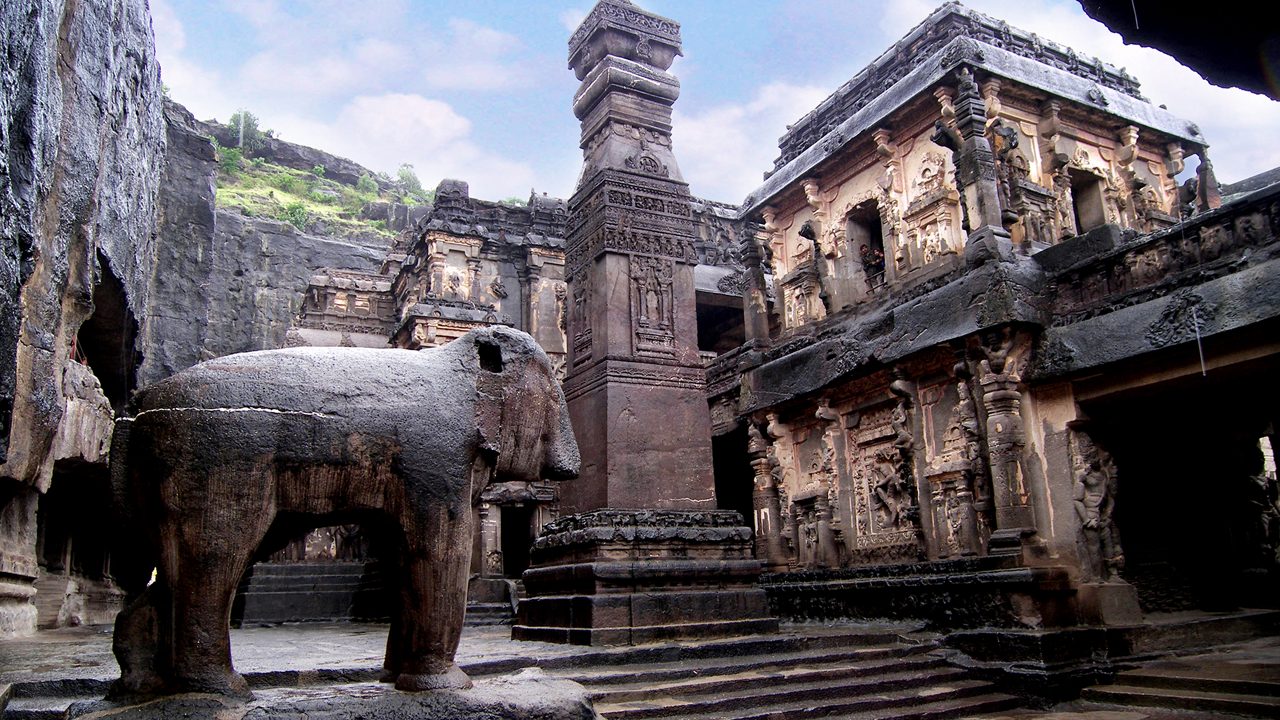
Ajanta and Ellora Caves: Tickets, Timings & Route Planning
Complete guide to Ajanta and Ellora Caves in Aurangabad. Explore UNESCO rock-cut wonders, Buddhist paintings, Kailasa Temple, timings, entry fee & travel tips.
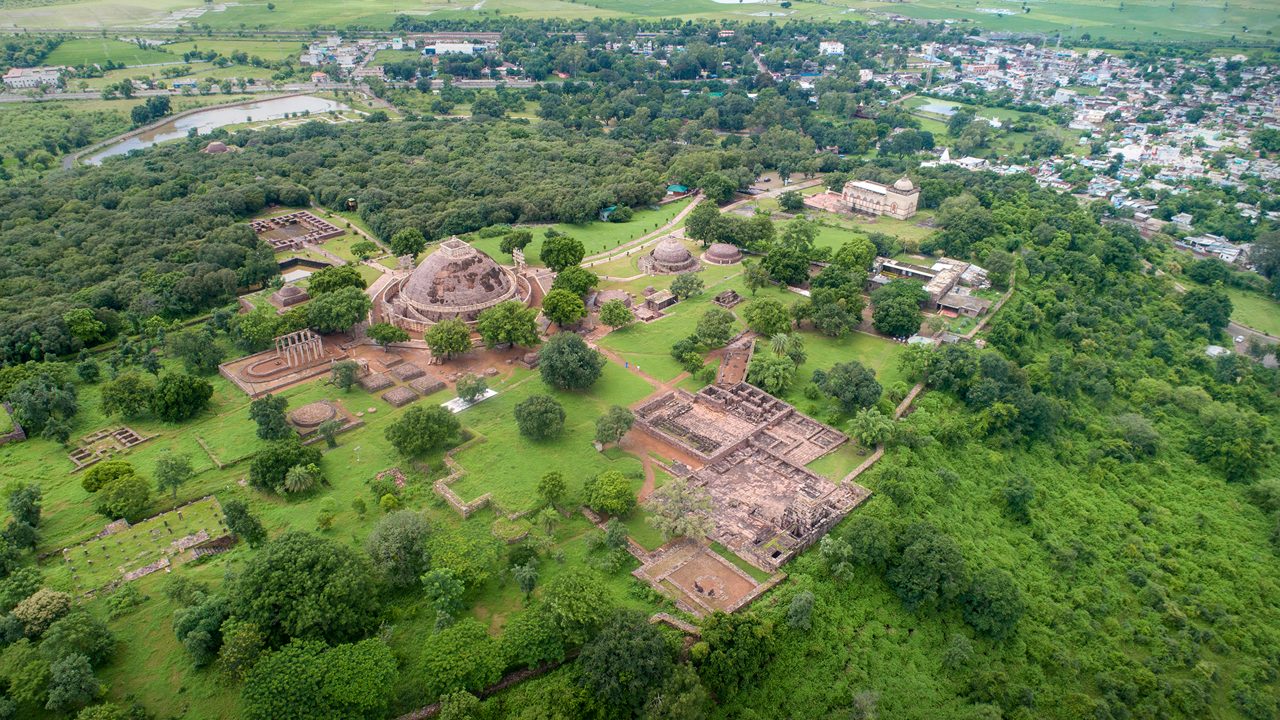
Sanchi Stupa near Bhopal: UNESCO Site, Timings & History
Explore Sanchi Stupa near Bhopal with UNESCO history, architecture, torana carvings, timings guidance, route planning, and practical tips for a meaningful visit.
Places Near Mahakal Temple Ujjain: 12 Spots
Explore 12 best places to visit near Mahakal Temple Ujjain. Temples, ghats & holy sites for spiritual journey.
Never Miss an Adventure
Get the latest trekking guides, travel tips, and exclusive offers delivered straight to your inbox.
