
Jhandewalan Hanuman Temple Delhi: Timings & Aarti

Rahul Garg
November 21, 2025
Visit Jhandewalan Hanuman Temple Delhi! Get aarti timings, 108-ft statue, history, metro route, best days & complete guide to this famous Hanuman temple.
Jhandewalan Hanuman Temple Delhi: Timings & Aarti
Jhandewalan Hanuman Temple stands as one of Delhi's most iconic and visually striking religious landmarks, immediately recognizable by its massive 108-foot orange Hanuman statue visible from the Delhi Metro. Officially known as Sankat Mochan Dham, this temple has become a symbol of unwavering faith in the heart of Karol Bagh, attracting thousands of devotees daily who seek blessings from Lord Hanuman. The temple's imposing presence and spiritual energy create an atmosphere that transcends mere religious architecture, making it a must-visit destination for both spiritual seekers and tourists exploring Delhi's diverse cultural landscape.
What makes Jhandewalan Temple truly special is its unique combination of spiritual significance and architectural marvel. The temple's name "Jhandewalan" derives from the "jhandas" (prayer flags) traditionally offered here, creating a vibrant visual spectacle of colorful flags fluttering in the breeze. As you approach the temple, you're greeted by the constant sound of devotional chants, the scent of incense, and the imposing presence of Bajrangbali. The temple represents a powerful spiritual landmark where devotees believe wishes come true and obstacles are removed, embodying Hanuman's divine promise to protect and serve his devotees.
The temple's strategic location in Central Delhi makes it easily accessible while maintaining a serene atmosphere despite being in a bustling urban area. Beyond its religious significance, Jhandewalan Temple offers visitors a profound cultural experience that showcases Delhi's rich tapestry of faith and devotion. Whether you're a devout Hindu seeking blessings, a photography enthusiast capturing architectural marvels, or a traveler exploring Delhi's spiritual heritage, this temple delivers an unforgettable experience that combines ancient tradition with contemporary relevance.
History and Legend
p>The origins of Jhandewalan Hanuman Temple trace back to the vision of Mahant Naga Baba Sevagiriji Maharaj, a revered spiritual leader who established the temple as a center for devotion to Lord Hanuman. The temple's foundation represents a story of faith and perseverance, with Mahant Naga Baba dedicating his life to creating a sacred space where devotees could experience the divine presence of Hanuman. His spiritual vision transformed what was once a simple religious site into one of Delhi's most prominent Hanuman temples, attracting pilgrims from across India and beyond. p>The name "Jhandewalan" carries deep spiritual significance, referring to the tradition of offering "jhandas" (prayer flags) at the temple. These colorful flags, offered by devotees as symbols of their devotion and prayers, create a visual spectacle that has become synonymous with the temple's identity. The practice of offering jhandas represents devotees' desires being carried to the divine realm, with each fluttering flag symbolizing a prayer ascending to heaven. This unique tradition has made the temple famous among those seeking spiritual fulfillment and divine intervention. p>Throughout its history, Jhandewalan Temple has developed a reputation as a place where wishes are believed to come true and obstacles are overcome. Devotees share numerous stories of how their prayers were answered after visiting the temple, particularly during difficult times. The temple has become particularly famous for helping people overcome professional challenges, health issues, and personal problems, cementing its status as a modern-day "Sankat Mochan" (remover of obstacles) in the heart of Delhi.The temple's evolution over the years reflects changing spiritual needs while maintaining its core traditions. What began as a modest shrine has grown into a major religious complex that serves thousands of devotees daily. Despite its growth, the temple has preserved the authentic spiritual atmosphere that draws people seeking genuine connection with the divine. The temple's caretakers have maintained a delicate balance between modernizing facilities while preserving the sacred traditions that make Jhandewalan Temple a living spiritual center rather than just a tourist attraction.
The 108-Foot Hanuman Statue
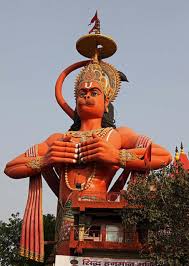
The centerpiece of Jhandewalan Temple is undoubtedly its magnificent 108-foot Hanuman statue, which dominates the skyline of Central Delhi and serves as a visual beacon for miles around. Completed around 1994, this colossal statue represents one of the tallest Hanuman statues in India and has become an iconic landmark recognized throughout Delhi. The statue's impressive height and vibrant orange color make it impossible to miss, greeting visitors and commuters alike with Hanuman's divine presence.
p>What makes this statue truly extraordinary is its innovative electronic mechanism that allows Hanuman's chest to slide open during special ceremonies. This mechanical feature creates a spectacular visual effect where the chest opens to reveal images of Lord Rama and Sita, representing Hanuman's eternal devotion to his divine masters. This unique engineering marvel combines traditional religious imagery with modern technology, creating a powerful spiritual spectacle that captivates devotees and visitors alike.The statue's construction involved meticulous attention to detail, with artisans ensuring that every aspect of Hanuman's form reflects traditional iconography while scaling it appropriately for its massive size. The statue's pose captures Hanuman in a dynamic posture, representing his strength, devotion, and readiness to serve. The facial expression conveys both fierceness in protecting devotees and compassion in answering their prayers, embodying the dual nature of Hanuman as both a powerful warrior and a benevolent deity.
p>Viewing the statue up close reveals incredible craftsmanship, with intricate details in Hanuman's jewelry, clothing, and facial features. The statue's scale is truly awe-inspiring – standing beneath it gives visitors a profound sense of divine presence and human humility. During evening aarti ceremonies, the statue becomes illuminated with lights, creating a mesmerizing spectacle that transforms the temple complex into a spiritual oasis in the heart of Delhi's urban landscape.Temple Architecture
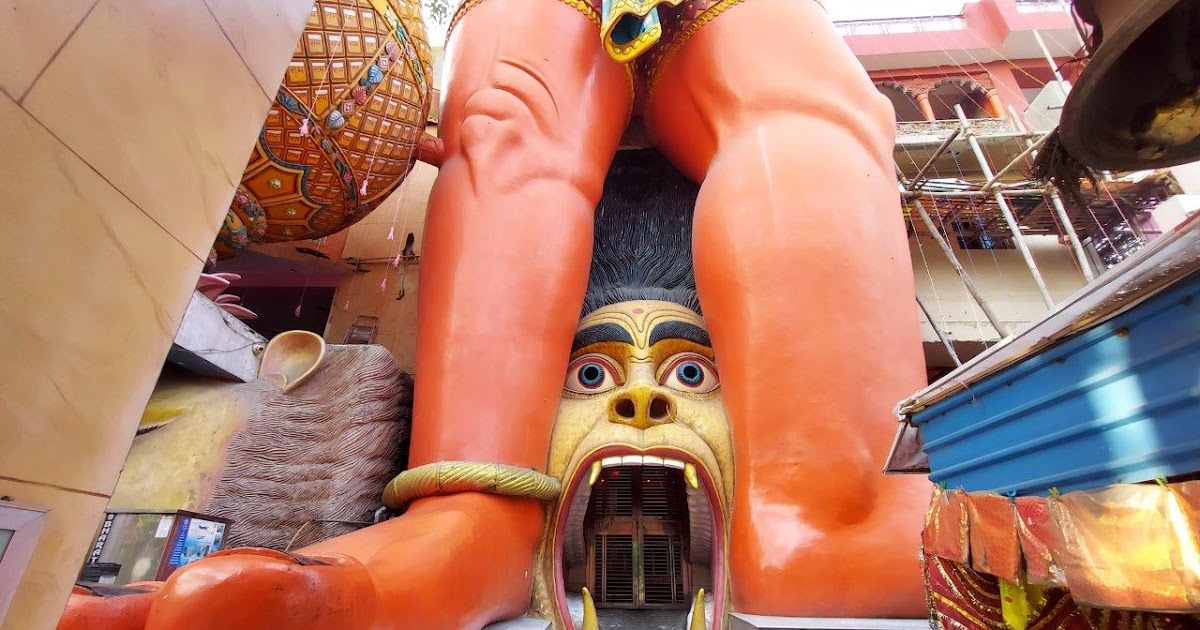
Jhandewalan Temple's architectural design represents a thoughtful blend of traditional Hindu temple elements with innovative features that create a unique spiritual environment. The temple's entrance is particularly significant, shaped like the mouth of a demon (Rakshasa) that Hanuman entered – referring to the legend where Hanuman entered Surasa's mouth to prove his divine powers. This symbolic entrance creates a psychological transition from the mundane world to the sacred space within.
p>The shrine itself is designed as a cave-like structure (Gufa) that draws inspiration from the famous Vaishno Devi temple in Jammu. This cave architecture creates an intimate, sacred atmosphere that encourages devotion and introspection. The dark, enclosed space of the shrine focuses devotees' attention on the divine presence within, creating a powerful spiritual experience that differs from open-air temple designs.Throughout the temple complex, visitors will find numerous smaller shrines dedicated to various deities, creating a comprehensive spiritual ecosystem that allows devotees to worship multiple gods in one location. The temple's layout encourages a natural flow of movement, with main areas for collective worship and smaller spaces for personal prayer and meditation.
p>The temple's interior design incorporates traditional Hindu architectural elements while maintaining accessibility for modern visitors. Intricate carvings, religious paintings, and sacred symbols adorn the walls, creating an immersive religious environment. The temple also incorporates modern amenities like proper ventilation, lighting, and sound systems that enhance rather than detract from the spiritual experience.Darshan Timings
Jhandewalan Hanuman Temple maintains generous visiting hours to accommodate devotees' schedules throughout the day. The temple typically opens at 5:00 AM and remains accessible until 10:00 PM, allowing visitors to choose from multiple time slots for their darshan. However, there's usually a midday break when the temple closes between 1:00 PM and 3:00 PM for maintenance and rest periods. This schedule provides ample opportunity for early morning prayers, midday visits, and evening worship.
p>The early morning hours (5:00 AM - 8:00 AM) offer a particularly serene atmosphere for those seeking peaceful darshan. During this time, the temple is relatively quiet, allowing for personal reflection and unhurried worship. Many devotees prefer these early hours to start their day with divine blessings and spiritual connection.The evening hours (4:00 PM - 10:00 PM) bring maximum energy and activity to the temple, with larger crowds and more frequent aarti ceremonies. This timing is ideal for visitors who want to experience the full vibrancy of temple worship and witness the spectacular chest-opening ceremony during evening aarti. The temple's location in a busy urban area means it's accessible throughout the day, making it convenient for both locals and tourists.
During major festivals and special occasions, the temple may extend its hours or remain open continuously to accommodate increased footfall. It's always advisable to check the temple's current timings before visiting, especially during festival seasons when schedules might change to accommodate larger crowds and special ceremonies.
Aarti Schedule
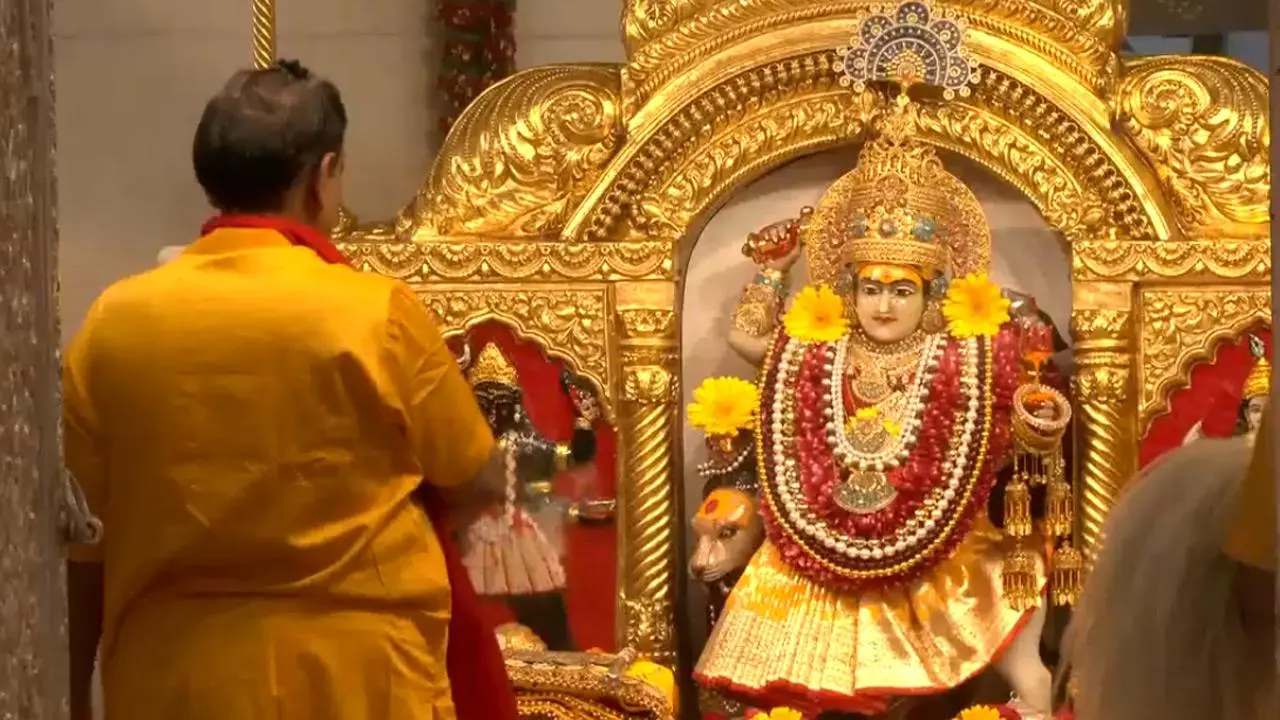
The aarti ceremonies at Jhandewalan Temple represent the temple's most spiritually significant and visually spectacular events. While specific timing may vary slightly based on sunset, the evening aarti generally takes place around sunset – approximately 7:00 PM during winter months and 7:30 PM during summer. The morning aarti occurs around 6:30 AM, though this may have less elaborate ceremonies compared to the evening event.
p>The highlight of the temple's aarti is undoubtedly the chest-opening ceremony, which occurs during the evening aarti. As the priests perform the aarti rituals, an electronic mechanism activates, causing Hanuman's massive statue chest to slide open revealing images of Lord Rama and Sita. This spectacular visual effect, combined with the synchronized chanting of priests and the ringing of bells, creates a profoundly moving spiritual experience that leaves visitors in awe. p>Tuesdays and Saturdays hold special significance for Hanuman worship and draw particularly large crowds for aarti ceremonies. These "hanumanwaar" days are considered highly auspicious, and many devotees specifically visit the temple on these days to receive special blessings. The temple often arranges additional ceremonies and extended aarti sessions on these days to accommodate the increased number of devotees. p>During major festivals like Hanuman Jayanti, the temple organizes special aarti ceremonies that can last for extended periods and include additional rituals. These festival occasions often see the temple decorated elaborately with flowers and lights, creating an even more spectacular atmosphere. For visitors planning their temple visit, timing their arrival around aarti ceremonies provides the most complete and spiritually enriching experience.Best Time to Visit
Choosing the right time to visit Jhandewalan Temple can significantly enhance your experience, depending on whether you prefer a peaceful visit or want to experience the temple's full energy and festivities. Tuesday and Saturday mornings offer some of the best opportunities for peaceful darshan, as these days draw large crowds but morning visits tend to be less congested than evenings.
p>Festival periods, particularly Hanuman Jayanti, represent the temple's most vibrant and crowded times. During this annual celebration, the temple becomes a focal point for celebrations, with special decorations, extended hours, and massive crowds of devotees. While the atmosphere is incredibly energetic and festive, visitors should expect significant crowds and potentially longer waiting times for darshan during these peak periods. p>For those seeking a quieter experience, weekday afternoons (outside the 1-3 PM closure) or early mornings on non-Tuesday/Saturday days provide the most peaceful environment. These times allow for unhurried worship, personal reflection, and easier photography without the usual crowds. However, even during quieter periods, the temple maintains its spiritual energy and welcoming atmosphere. p>Weather considerations also play a role in planning your visit. Delhi's summer months (April-June) can be extremely hot, making early morning or late evening visits more comfortable. Winter months (November-February) offer pleasant weather throughout the day, making any time suitable for temple visits. Monsoon season (July-September) brings occasional rain, but the temple's covered areas provide protection from the elements.How to Reach
Jhandewalan Hanuman Temple's excellent connectivity makes it easily accessible through multiple transportation options, with the Delhi Metro offering the most convenient approach. The temple is located just adjacent to Jhandewalan Metro Station on the Blue Line (Violet Line interchange). From the metro, you can use Gate No. 2 or 3, and the temple becomes visible immediately as you exit – its massive Hanuman statue serves as a perfect landmark.
p>For those arriving by road, the temple is situated on Desh Bandhu Gupta Road in Karol Bagh, a major thoroughfare with good connectivity to other parts of Delhi. Multiple bus routes serve the area, with stops near the temple. Private vehicles can approach the temple, though parking can be challenging during peak hours. The temple's central location means it's well-connected to major landmarks like Connaught Place, Karol Bagh Market, and other popular Delhi destinations. p>Taxi and auto-rickshaw services provide additional flexibility for reaching the temple. From areas like Connaught Place, the ride takes approximately 15-20 minutes depending on traffic. From New Delhi Railway Station, the journey is about 10-15 minutes. The temple's prominent visibility from multiple vantage points makes navigation relatively easy, even for first-time visitors. p>For international tourists or those unfamiliar with Delhi's transportation system, the metro remains the most reliable option. The Blue Line connects Jhandewalan Station to major hubs like Kashmir Gate, Rajiv Chowk (Connaught Place), and other important destinations, making it easy to combine temple visits with other sightseeing. The metro's air-conditioned environment also provides comfortable travel during Delhi's hot weather.Nearby Attractions
Jhandewalan Temple's strategic location in Karol Bagh places it within easy reach of several other significant attractions, allowing visitors to create a comprehensive itinerary exploring Delhi's cultural and spiritual heritage.
Jhandewalan Devi Mandir represents an ancient Shakti Peeth located near the Hanuman Temple, making it convenient for visitors interested in exploring multiple religious sites in one trip. This temple dedicated to Goddess Durga holds historical significance and offers a different spiritual experience compared to the Hanuman temple. The Devi Mandir's traditional architecture and serene atmosphere provide a peaceful contrast to the more vibrant energy of Jhandewalan Temple.
Karol Bagh Market stands as one of Delhi's most famous shopping destinations, located just minutes from the temple. This bustling market offers everything from traditional Indian clothing and jewelry to modern electronics and international brands. The market's lively atmosphere, bargaining culture, and diverse shopping options make it a perfect place to explore after or before your temple visit. Famous shopping areas like Ghaffar Market and Ajmal Khan Road are part of this larger commercial complex.
Connaught Place, Delhi's premier commercial and entertainment hub, is approximately 15 minutes from the temple by auto-rickshaw or taxi. This iconic circular market offers upscale shopping, fine dining, colonial architecture, and vibrant nightlife. The area's beautiful British-era buildings, combined with modern luxury brands and entertainment options, make it a perfect complement to the spiritual experience at Jhandewalan Temple.
For those interested in Delhi's historical heritage, landmarks like the Gurudwara Bangla Sahib and India Gate are within reasonable distance. The area also offers numerous dining options ranging from street food stalls serving authentic Delhi cuisine to fine dining restaurants catering to various tastes and budgets. This concentration of attractions makes Karol Bagh an ideal base for exploring multiple aspects of Delhi's diverse culture and heritage.
For more spiritual exploration in Delhi, visit the nearby Chhatarpur Temple, Akshardham Temple, or the historic Jama Masjid in Old Delhi. Explore our detailed guides to make the most of your Delhi spiritual journey.
Whether you're seeking spiritual solace, architectural marvels, or cultural experiences, Jhandewalan Hanuman Temple delivers an unforgettable journey into the heart of Delhi's vibrant spiritual landscape. Its combination of profound religious significance, innovative architecture, and accessibility makes it a must-visit destination that showcases the living faith that continues to thrive in modern India.
Location
Frequently Asked Questions
Q1.What is the height of the Hanuman statue at Jhandewalan?
Q2.Which is the nearest metro station to Jhandewalan Hanuman Temple?
Q3.What are the timings of the evening Aarti?
Q4.Is there an entry fee?
Q5.Which day is best to visit the temple?
Q6.What makes Jhandewalan Temple special compared to other Hanuman temples?
Q7.Are there any dress code requirements?
Q8.How much time should I allocate for a visit?
Recommended For You
Chandni Chowk Delhi: Street Food Trail, Markets & Metro Access
Explore Chandni Chowk Delhi - Complete street food guide, shopping tips, timings & metro access. Famous for Paranthe Wali Gali, spice market & shopping.
Agrasen ki Baoli Delhi: History, Entry, Timings & Photo Tips
Discover Agrasen ki Baoli in Delhi with its stepwell history, architecture, visiting details, and nearby attractions.
Buddha Jayanti Park Delhi: Timings & Entry Fee
Visit Buddha Jayanti Park Delhi for peaceful gardens, Buddha statue, picnic lawns, and walking paths. Guide to timings, entry fee, and how to reach.
Never Miss an Adventure
Get the latest trekking guides, travel tips, and exclusive offers delivered straight to your inbox.
