
Agrasen ki Baoli Delhi: History, Entry, Timings & Photo Tips

Rahul Garg
February 19, 2026
Discover Agrasen ki Baoli in Delhi with its stepwell history, architecture, visiting details, and nearby attractions.
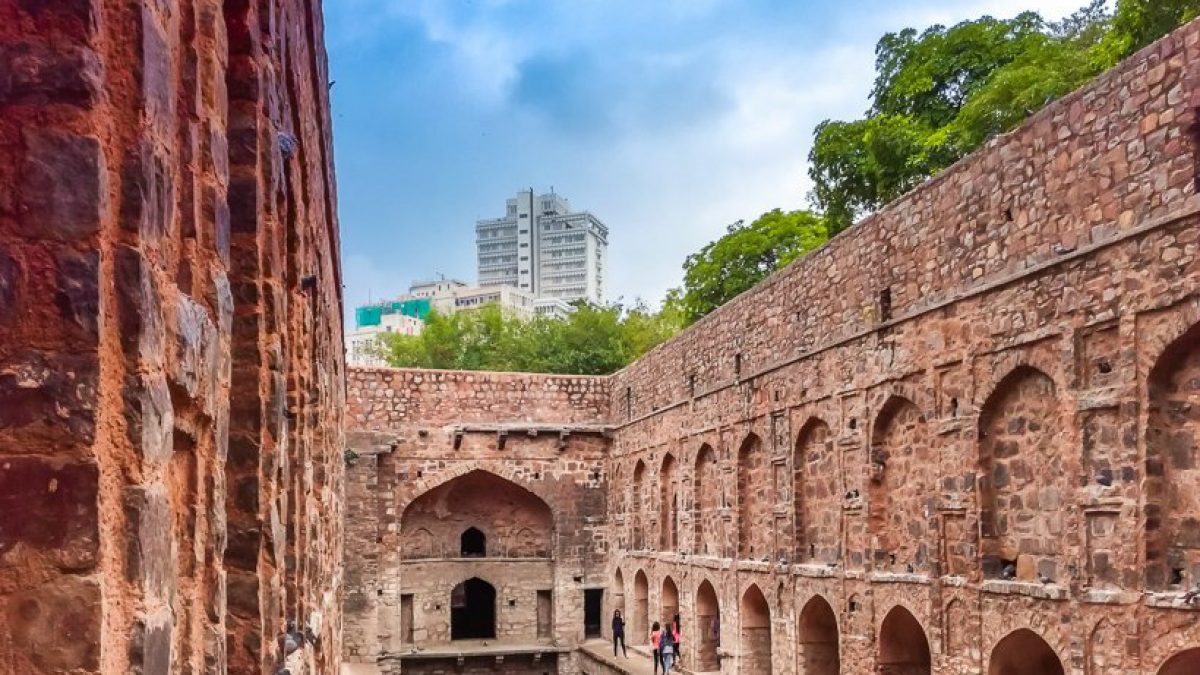
Agrasen ki Baoli is one of Delhi’s most surprising heritage sites: a deep stepwell hidden within the urban pace of central Delhi. Located near Connaught Place, it offers a sharp transition from traffic and offices to stone corridors, descending steps, and naturally cooler air. If you are building a short city plan, start with this Delhi travel guide and include Agrasen ki Baoli as a quick but meaningful heritage stop.
What makes this monument memorable is not only its age but its geometry. As you move downward, repeating arches and linear steps create a visual rhythm that feels almost cinematic. The site is popular with photographers, architecture enthusiasts, and travelers who want something beyond the usual Delhi checklist.
Historical Context and Origins
The exact construction date of Agrasen ki Baoli is debated, but most scholars link the present structure to late medieval phases, with restoration and adaptation over time. Popular legends connect it to Maharaja Agrasen, which is why the stepwell carries his name. Whether approached through folklore or documented history, the monument reflects a long Indian tradition of community water architecture.
Stepwells were not just utility structures. They served as social spaces, climate shelters, and meeting points for travelers. In dense pre-modern settlements, such infrastructure was essential for survival and everyday urban life. For deeper context on similar sites in the city, compare with other entries in this list of historical places in Delhi.
Architecture: Why the Design Still Feels Powerful
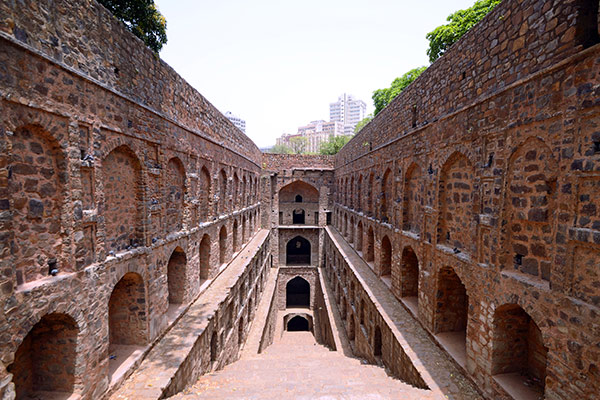
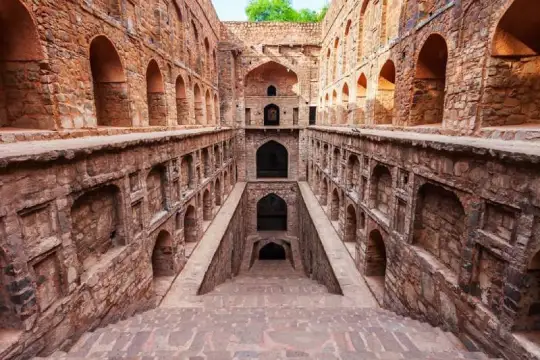
The monument is built in a long rectangular form with descending flights that lead to the deeper water chamber zone. Repeated arches along the sides create symmetry and visual depth. Even without elaborate ornamentation, the structure feels monumental because proportion and rhythm do most of the design work.
One of the most interesting features is environmental behavior. Temperatures become noticeably cooler as you descend, showing how historic builders used depth and stone mass for passive climate control. This practical design logic is part of what makes stepwells architecturally relevant even today.
What to Expect During a Visit
A typical visit can take 30-60 minutes, but photographers may spend longer. The entry sequence is simple: you pass through the outer zone and gradually move down the step corridor. At different levels, you can pause to observe arches, shadows, and perspective lines. The lower sections are generally quieter and offer the strongest sense of enclosure.
If you are visiting with family or students, keep movement careful on steps and avoid crowding narrow points. The site is straightforward to explore, but respectful pacing improves the experience for everyone.
Best Time to Visit Agrasen ki Baoli
Early morning and late afternoon are ideal because light enters at angles that enhance textures and depth. Midday can create harsher contrast for photography, though the interior still remains cooler than surrounding streets. Winter months are most comfortable for longer city walks, while monsoon can add dramatic sky mood and occasional surface moisture.
If you are planning a central Delhi heritage loop, combine this stop with Connaught Place Delhi and Jantar Mantar Delhi in one half-day plan.
Photography and Content Creation Tips
Agrasen ki Baoli is highly photogenic, but better results come from timing and framing discipline. Use wide shots to capture descending symmetry, then switch to medium frames for arch repetition and stone textures. Low-angle shots from deeper levels can produce dramatic vertical compositions when the sky is visible above.
For social content, avoid only “standing on the steps” portraits. Add narrative frames: entrance context, mid-level geometry, final depth shot, and one environmental detail. This sequence tells a fuller story and makes the post more useful for other travelers.
Nearby Add-Ons for a Smart Itinerary
Because the monument is centrally located, it pairs well with multiple attractions. You can add a market walk, museum visit, or park break without long transfers. A practical sequence is Baoli -> Connaught Place -> Janpath or museum zone depending on interest. Travelers who prefer green spaces after heritage stops can continue to Lodhi Garden Delhi for a calm end to the day.
For broader city coverage, shortlist from this guide on places to visit in Delhi and group nearby attractions by zone rather than category. This saves both time and transport cost.
Preservation and Responsible Visiting
As a protected monument, Agrasen ki Baoli requires careful visitor behavior. Avoid scratching walls, climbing restricted zones, or leaving waste on steps. Do not play loud music inside the structure; the echo can disturb others and reduce the site’s reflective atmosphere. Responsible behavior is especially important at high-traffic heritage sites where minor damage accumulates quickly.
Content creators can contribute positively by promoting respectful use in captions and videos. Heritage awareness improves when visitors share not only visuals but also context and etiquette.
Why Agrasen ki Baoli Matters in Modern Delhi
In a city often discussed through forts, markets, and monuments of empire, Agrasen ki Baoli represents something different: civic infrastructure heritage. It reminds visitors that urban history is also about water, climate adaptation, and community systems. This shift in perspective makes the site valuable beyond aesthetics.
For younger travelers, it is also an entry point into heritage exploration because it is compact, central, and easy to understand in one visit. That accessibility has helped it stay relevant in contemporary Delhi tourism.
Final Take
Agrasen ki Baoli is absolutely worth visiting if you want a short, high-impact heritage experience in central Delhi. Arrive in softer light, explore slowly, and combine it with nearby attractions for an efficient route. The monument offers history, architecture, and atmosphere in equal measure, making it one of Delhi’s most rewarding urban heritage stops.
If you have extra time after this visit, continue with nearby cultural landmarks to build a full-day loop that balances history, city life, and walkable exploration.
Suggested 3-Hour Heritage Walk Plan
If you have only a few hours in central Delhi, a tight plan works well: start at Agrasen ki Baoli in the morning, move toward Connaught Place for a short architecture walk, then continue to Jantar Mantar. Keep each stop focused instead of trying to cover too many landmarks. This route minimizes transport delays and gives a balanced mix of subterranean heritage, colonial-era urban design, and scientific history.
Travelers interested in food add-ons can keep lunch in Connaught Place and then continue to one evening spot by metro. This helps maintain energy while avoiding long mid-day commutes. For family groups, adding one open green space after historical sites keeps the day comfortable for children and older visitors.
Common Mistakes First-Time Visitors Make
The most common mistake is rushing in, taking two photos, and leaving in ten minutes. Agrasen ki Baoli reveals its depth only when you move through levels and observe changing light. Another mistake is visiting in extreme midday heat without hydration or planning nearby shaded breaks. Finally, many visitors ignore surrounding heritage clusters and treat the site as a standalone stop, which wastes location advantage. A better approach is to combine it with two nearby attractions for a complete and efficient half day.
Location
Frequently Asked Questions
Q1.What is Agrasen ki Baoli?
Q2.Where is Agrasen ki Baoli located?
Q3.What are the timings of Agrasen ki Baoli?
Q4.Is there an entry fee for Agrasen ki Baoli?
Q5.Why is Agrasen ki Baoli famous?
Q6.How many steps are there in Agrasen ki Baoli?
Q7.What is the best time to visit Agrasen ki Baoli?
Q8.Is Agrasen ki Baoli worth visiting?
Recommended For You
Best Places to Visit in Delhi: Monuments, Markets & Day Plans
Explore the best places to visit in Delhi including Red Fort, India Gate, Qutub Minar, Humayun's Tomb, Lotus Temple & Akshardham. Complete travel guide with timings, entry fees, and practical tips.
Historical Places in Delhi: Top 30 Heritage Monuments
Discover best historical places in Delhi! Find Red Fort, Qutub Minar, Humayun's Tomb, and complete travel guide to India's capital heritage monuments.
UNESCO World Heritage Sites in India: Full List, States & Highlights
Explore all 40 UNESCO World Heritage Sites in India. Complete guide to Taj Mahal, Red Fort, Ajanta Ellora, Kaziranga, and more with visit planning tips.
Never Miss an Adventure
Get the latest trekking guides, travel tips, and exclusive offers delivered straight to your inbox.
