
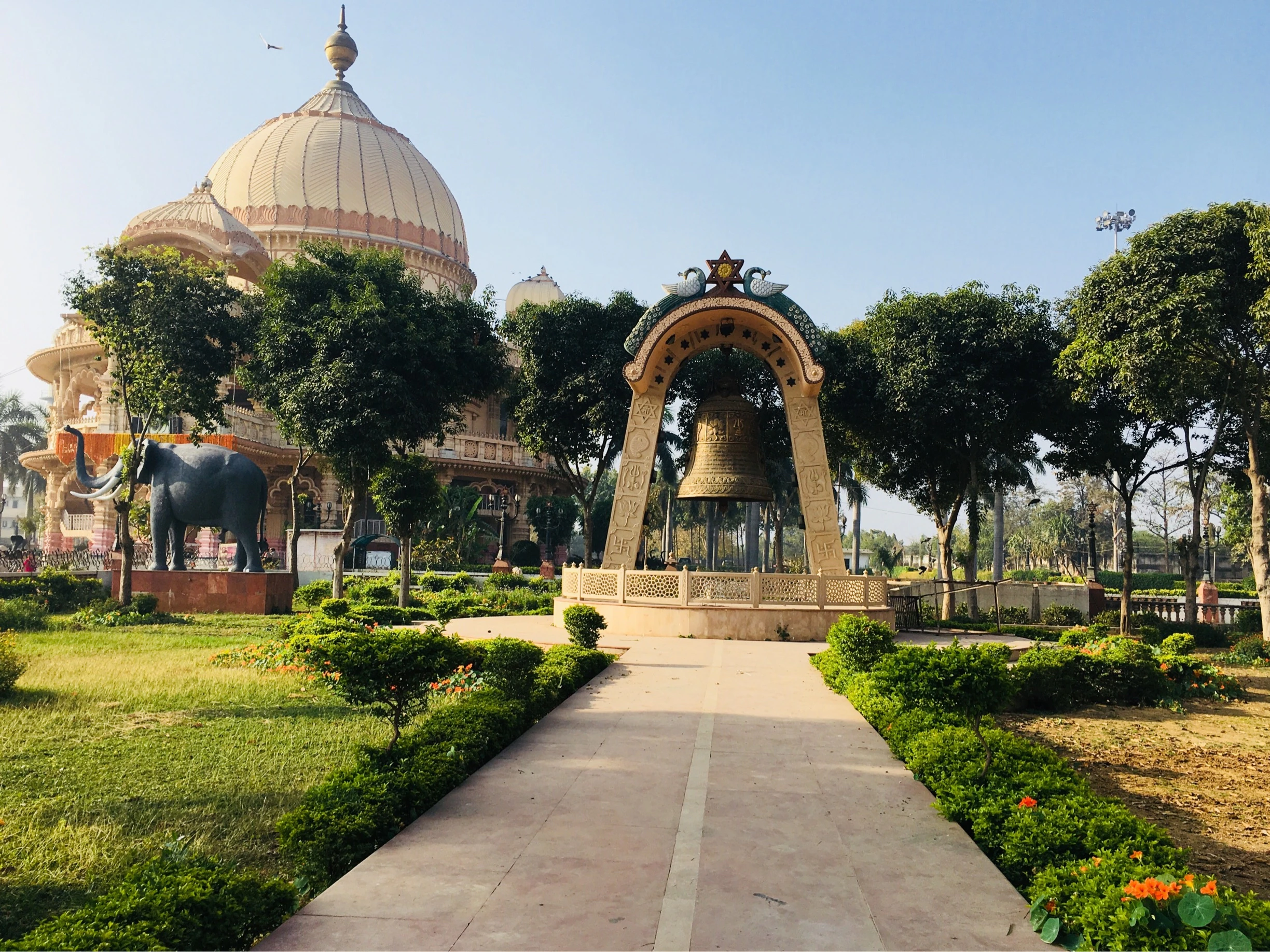
Chhatarpur Temple Delhi: Timings, Nearest Metro & Visitor Rules

Rohit Verma
February 19, 2026
Plan Chhatarpur Temple Delhi with timing guidance, nearest metro details, darshan strategy, and practical festival-day tips for a smooth spiritual visit.
Introduction
Chhatarpur Temple in Delhi is one of the most visited spiritual landmarks in the city and is widely known for its large temple complex, architectural scale, and Navratri significance. Located in South Delhi, the shrine is dedicated primarily to Goddess Katyayani and attracts both devotees and travelers who want a major religious stop in their Delhi itinerary. Its combination of devotional atmosphere, accessible metro connectivity, and broad campus layout makes it practical for first-time visitors.
If your search intent is practical, your key needs are simple: current opening timings, nearest metro, best time to avoid rush, aarti guidance, and nearby places to combine. This guide focuses on those points and reflects commonly reported operational patterns as of February 19, 2026. Since temple schedules can vary on festivals and special days, always verify same-day timing locally. For a broader spiritual circuit, combine this with Lotus Temple, Akshardham Delhi, and ISKCON Temple Delhi.
About Chhatarpur Temple
Chhatarpur Temple, also called Shri Adhya Katyayani Shakti Peeth, is associated with late 20th-century expansion under the guidance of Baba Sant Nagpal. The complex is often described as one of the largest temple campuses in Delhi and remains a major center of urban devotional life, especially during Navratri. Visitors typically come for darshan, architecture viewing, family prayer visits, and festival participation.
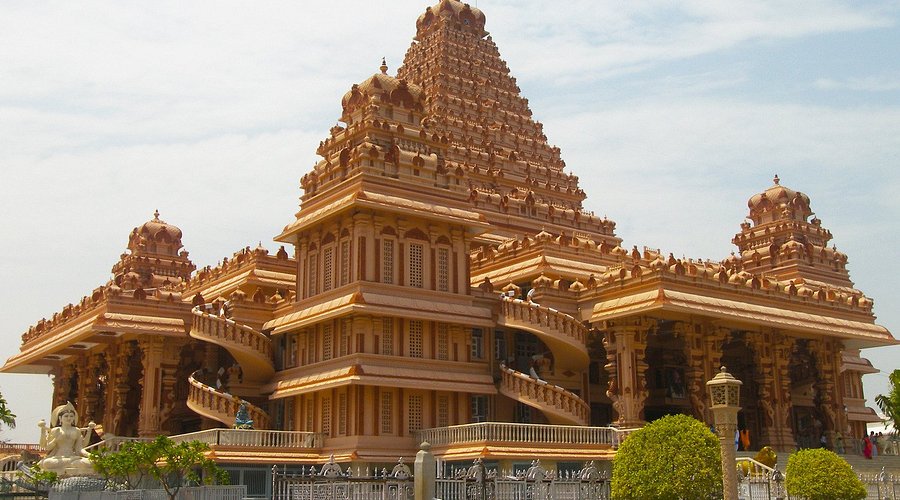
The temple complex includes multiple shrines and open movement zones, so the experience is not limited to one sanctum visit. This allows visitors to pace their journey based on devotion, time, and crowd conditions.
| Temple Snapshot | Visitor Benefit |
|---|---|
| Large multi-shrine complex | More than a single quick darshan experience |
| South Delhi location | Easy city access by metro and road |
| Katyayani focus | Strong Shakti worship significance |
| Navratri prominence | Major festive-energy destination |
Why Chhatarpur Temple Is Famous
The temple is famous for three reasons: scale, accessibility, and festival intensity. During Navratri, footfall rises sharply and the temple becomes one of Delhi’s central devotional points. Outside festivals, it remains active yet relatively manageable for calm darshan in selected hours.
For non-local visitors, Chhatarpur also serves as a practical religious landmark because it can be reached without complicated transfers and paired with other South Delhi attractions in a single day.
Architecture and Temple Layout
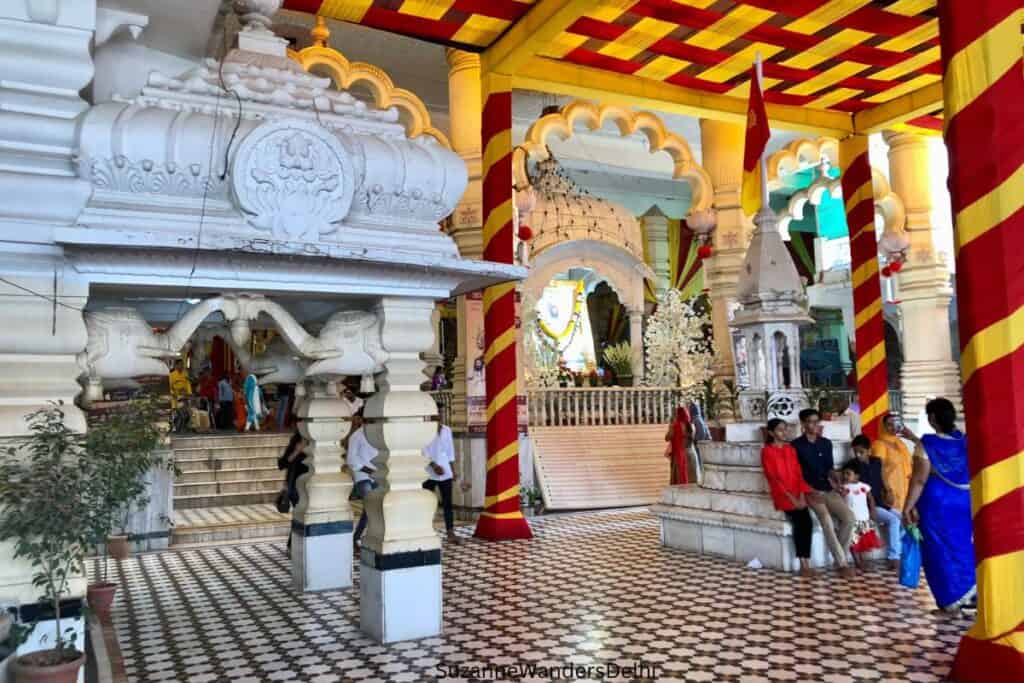
Chhatarpur Temple architecture blends North Indian temple forms with broad courtyard planning that supports large public movement during high-footfall days. The visual identity includes carved surfaces, tall structural elements, and multiple shrine nodes distributed across the campus. Even visitors not focused on ritual practice often spend time exploring the layout and design details.
What to Observe
- Main worship zones: focal points for regular darshan flow.
- Secondary shrines: allow a wider spiritual route inside the complex.
- Courtyard and circulation design: helps large crowd movement.
- Decorative details: carvings and devotional motifs across structures.
| Layout Feature | Practical Use |
|---|---|
| Multiple shrine points | Allows flexible darshan sequence |
| Open movement areas | Easier family visits and short rest breaks |
| Large-scale campus | Works for both quick and extended visits |
Timings and Aarti Guidance (Date-Sensitive)
Timing information across public sources varies, with many references commonly placing darshan windows from early morning to late evening, often with day-part breaks or festival-specific adjustments. Reported opening patterns typically include early-morning entry and evening activity, while aarti timing can shift on special days.
| Visitor Item | Commonly Reported Pattern | Best Practice |
|---|---|---|
| General darshan | Early morning to late evening windows | Verify same-day before travel |
| Aarti slots | Morning and evening formats | Arrive early for ceremony attendance |
| Festival schedules | Extended/modified operations possible | Expect higher queues during Navratri |
As of February 2026, the safest approach is to treat online timings as indicative and confirm locally for final planning.
Best Time to Visit Chhatarpur Temple
The best time depends on your priority. If you want peaceful darshan and shorter queues, early mornings on non-festival weekdays are usually more manageable. If you want ceremonial atmosphere, evening and festival windows provide stronger devotional energy but higher crowd levels.
| Visit Preference | Recommended Slot | Crowd Pattern |
|---|---|---|
| Quiet darshan | Weekday early morning | Lower to moderate |
| Aarti experience | Evening prayer window | Moderate to high |
| Festival devotion | Navratri period | Very high |
For first-time family visits, weekday mornings are usually the smoothest entry point.
How to Reach Chhatarpur Temple
The temple is well-connected through Delhi Metro and road routes. The nearest metro access is generally associated with Chhatarpur station on the Yellow Line, followed by short local transfer or walk depending on your exit point and route preference.
Transport Options
- Metro: Chhatarpur station (Yellow Line) is the most reliable option.
- Auto/e-rickshaw: useful for last-mile transfer from metro.
- Taxi/cab: convenient for families and elders.
- Private vehicle: workable with parking-time buffer.
| Mode | Best For | Limitation |
|---|---|---|
| Metro + short auto | Fast and predictable city movement | Last-mile transfer needed in some cases |
| Cab/taxi | Doorstep convenience | Traffic variability in peak hours |
| Own car | Flexible multi-stop religious day | Parking pressure in festival periods |
Navratri and Festival Experience
Navratri is the most significant annual high-footfall period for Chhatarpur Temple. Queue lengths can increase sharply, and movement speed slows due to devotional attendance. If you plan festival darshan, start early, carry minimal baggage, and keep realistic wait-time expectations.
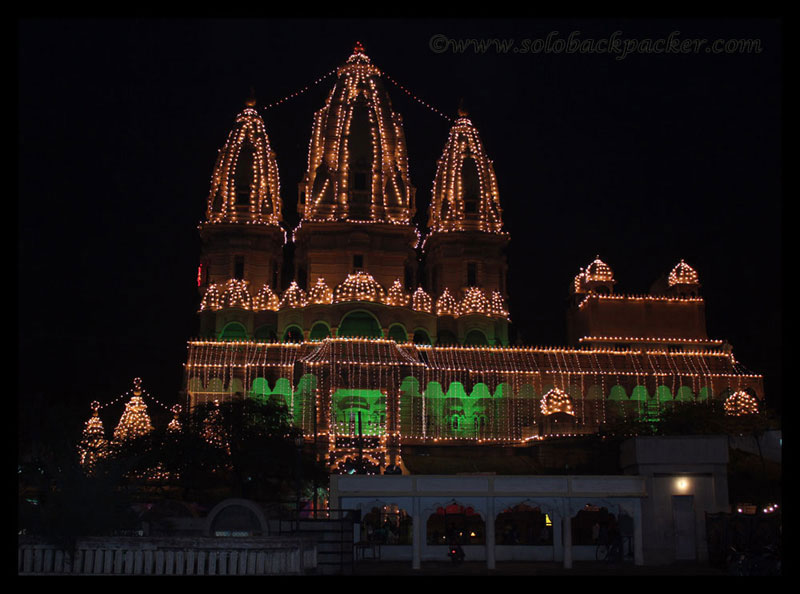
Festival visits can be spiritually powerful, but they require discipline and patience. Seniors and children should be given extra hydration and rest breaks.
Rules, Etiquette, and Photography
Temple etiquette should be followed strictly: modest clothing, respectful behavior, controlled voice levels, and compliance with on-site instructions. Photography rules can vary by zone; open areas may differ from sanctum or prayer-specific spaces.
- Dress conservatively and comfortably.
- Remove footwear in designated zones.
- Do not block darshan lines for photos.
- Ask before capturing close shots near worship areas.
- Follow staff direction during crowd management windows.
Respectful conduct ensures a better experience for everyone.
Nearby Places to Combine
Because of its South Delhi location, Chhatarpur Temple can be combined with major cultural and spiritual attractions in a single-day route. Good combinations include Qutub Minar, Garden of Five Senses, and Bangla Sahib Gurudwara depending on your travel direction.
| Route Type | Suggested Combination | Who It Suits |
|---|---|---|
| Spiritual circuit | Chhatarpur + Lotus + ISKCON | Devotion-focused visitors |
| Heritage + temple day | Chhatarpur + Qutub Minar | First-time Delhi travelers |
| Family calm day | Temple visit + Garden of Five Senses | Mixed-age groups |
Sample Half-Day Temple Plan
A practical structure is to arrive early, complete darshan calmly, explore key shrine zones, and leave before heavy crowd build-up. This keeps the spiritual experience centered and reduces fatigue.
| Time Block | Suggested Activity |
|---|---|
| Arrival window | Entry, orientation, and main darshan queue |
| Mid visit | Secondary shrine exploration and short pause |
| Exit phase | Prasad, local transfer, onward city plan |
Practical Tips for First-Time Visitors
- Keep one-hour buffer beyond expected darshan time.
- Avoid carrying large bags in peak crowd periods.
- Use metro for predictable arrival in Delhi traffic.
- Prefer weekdays for calmer temple movement.
- Carry water and basic medicines for elders.
- Reconfirm timings on festival dates before departure.
Small planning choices make a large difference in comfort.
Facilities, Accessibility, and Family Comfort
For many travelers, comfort decisions shape the quality of a temple visit as much as timing does. Chhatarpur Temple usually sees mixed visitor groups, including seniors, children, and people arriving from outside Delhi. Planning for footwear management, hydration, queue patience, and rest intervals helps avoid avoidable stress.
If you are visiting with elders, keep the route simple: metro or cab drop, direct entry, darshan, and early exit. Avoid stacking too many stops before temple darshan, especially in warm weather. Families with young children should carry light snacks, water, and a clear regrouping point inside the complex in case members get separated during peak movement periods.
| Visitor Need | Practical Approach | Benefit |
|---|---|---|
| Senior-friendly pacing | Arrive early and avoid evening rush | Lower fatigue and shorter waits |
| Kid-friendly planning | Hydration, snack, and quick route design | Fewer meltdowns in queues |
| General comfort | Light bags and breathable clothing | Better mobility inside campus |
| Festival movement | Define meetup points beforehand | Improved safety in crowds |
Common Mistakes to Avoid
- Assuming fixed timings without same-day verification.
- Arriving only at peak evening slot on weekends.
- Ignoring metro last-mile transfer time.
- Treating the visit like a quick photo stop.
- Planning no buffer during Navratri rush.
A realistic schedule ensures both smoother darshan and safer movement.
Quick Planning Checklist
Use this checklist before you leave so your Chhatarpur Temple visit stays focused and smooth. These small decisions reduce delays and improve the spiritual quality of the trip.
- Confirm same-day timing and any special prayer updates.
- Choose metro or cab based on your group profile and time slot.
- Carry only essential items for faster security and queue movement.
- Set a realistic visit duration with an extra one-hour buffer.
- Pick one or two nearby attractions after darshan, not four or five.
- Keep footwear, hydration, and regrouping points planned in advance.
Travelers who follow a short checklist usually complete darshan with less confusion and more peace, especially on weekends and festival days.
Conclusion
Chhatarpur Temple Delhi is one of the city’s most important spiritual landmarks, offering scale, devotion, and accessibility in one location. Whether you visit for darshan, architecture, or festival atmosphere, the experience is most rewarding when planned with timing awareness and respectful etiquette.
Start early, verify day-specific schedules, and combine nearby spiritual or heritage stops for a fuller South Delhi route. With that approach, Chhatarpur can become a meaningful highlight of your Delhi journey.
Location
Frequently Asked Questions
Q1.What are Chhatarpur Temple opening timings?
Q2.Which is the nearest metro station to Chhatarpur Temple?
Q3.How much time is needed for Chhatarpur Temple visit?
Q4.Is Chhatarpur Temple open all days?
Q5.What is the best time to visit Chhatarpur Temple?
Q6.Is there any entry fee at Chhatarpur Temple?
Q7.Is photography allowed inside Chhatarpur Temple?
Q8.What are the main festivals celebrated at Chhatarpur Temple?
Recommended For You

Garden of Five Senses Delhi: Timings, Ticket Price & Nearby Cafes
Plan your visit to Garden of Five Senses Delhi with timings, entry fee, how to reach, best time, attractions, photography spots, and practical travel tips.
Qutub Minar Delhi: Complete Guide to UNESCO World Heritage Site
Explore Qutub Minar Delhi - tallest brick minaret & UNESCO site. Discover 800 years of Islamic architecture, the mysterious Iron Pillar & Delhi heritage.
Gurudwara Bangla Sahib Delhi: Timings, Langar & Seva Information
Visit Gurudwara Bangla Sahib Delhi - sacred Sikh shrine dedicated to Guru Har Krishan. Discover lang timings, history, architecture, dress code & spiritual experience.
Never Miss an Adventure
Get the latest trekking guides, travel tips, and exclusive offers delivered straight to your inbox.
