
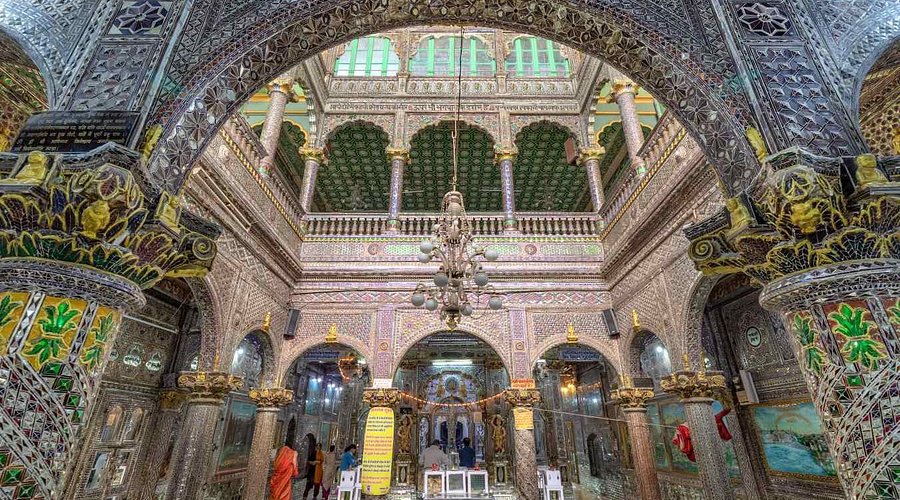
Kanch Mandir Indore: Timings, Mirror Architecture & Visitor Details

Priya Mehta
November 17, 2025
Visit Kanch Mandir in Indore! Discover timings, history, glass temple architecture, how to reach, and complete travel guide for this unique Jain temple.
Introduction
Kanch Mandir, also known as the Glass Temple, is one of Indore's most unique and visually stunning religious monuments. This remarkable Jain temple, located near the Rajwada Palace, is entirely decorated with glass - from walls and ceilings to floors and pillars - creating a dazzling spectacle that must be seen to be believed. While ISKCON Temple Indore is another popular spiritual destination, Kanch Mandir offers a completely unique visual experience.
Built in the early 20th century by Seth Hukumchand Jain, a prominent Jain businessman of his time, Kanch Mandir showcases extraordinary craftsmanship and artistic vision. Every surface of the temple is covered with intricately patterned glass mosaics, mirrors, and glass beads, creating an otherworldly environment where light reflects infinitely in all directions.
This guide covers everything you need to know about visiting Kanch Mandir including timings, history, the remarkable glass architecture, how to reach, and practical tips for making the most of your visit to this extraordinary temple.
History and Construction
The story of Kanch Mandir's construction is as fascinating as the temple itself. Built between 1903 and 1906, the temple was commissioned by Seth Hukumchand Jain, a wealthy Jain businessman and philanthropist who was one of Indore's most prominent citizens during the reign of Maharaja Tukoji Rao Holkar III.
Construction and Inspiration
Seth Hukumchand Jain was inspired by the mirror work palaces of Rajasthan, particularly those in Jaipur and Udaipur. He wanted to create a temple in Indore that would showcase similar craftsmanship while serving as a place of Jain worship. The construction took approximately three years, during which skilled artisans, especially from Jaipur, worked meticulously to create this masterpiece.
The glass used in the temple was sourced from Belgium and various regions of India, representing the best quality glass available at the time. The mirrors and glass pieces were hand-cut and arranged in intricate patterns by specialized craftsmen who had mastered the art of glass work.
Historical Significance
Beyond its architectural beauty, Kanch Mandir represents an important period in Indore's history - the early 20th century when the city was under Holkar rule and experiencing significant cultural and economic development. The temple reflects the prosperity of the Jain community during this era and their contribution to the city's cultural landscape.
The temple has been continuously maintained and preserved by the Jain community, with periodic restoration work ensuring that the glass work retains its brilliance. Today, it stands as both an active place of worship and a protected heritage site that attracts visitors from across India and abroad.
Kanch Mandir Timings
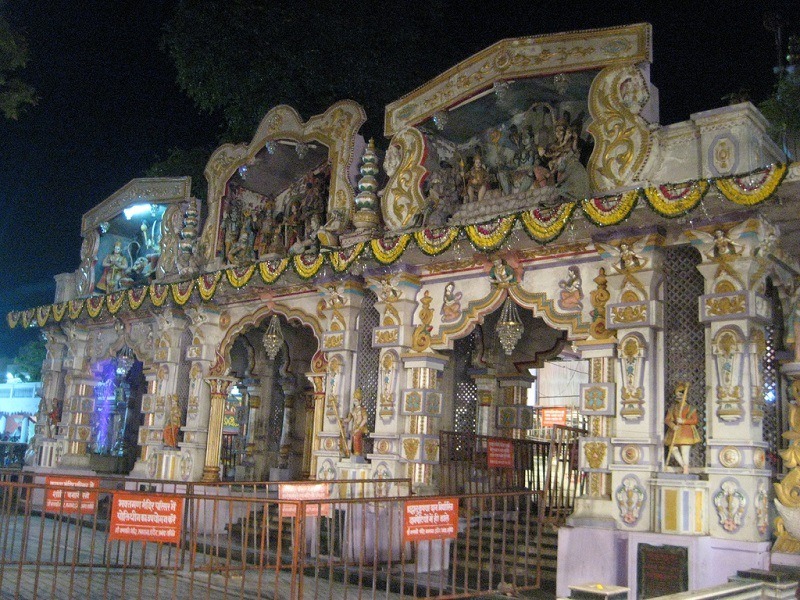
Planning your visit to Kanch Mandir requires knowing the temple timings and the best times to experience the glass work at its most brilliant.
Temple Timings
| Session | Timings | Experience |
|---|---|---|
| Morning | 6:00 AM - 12:00 PM | Peaceful, fewer crowds |
| Evening | 4:00 PM - 8:00 PM | Golden hour illumination |
| Days Open | All days | — |
| Duration of Visit | 1-2 hours | Sufficient for full exploration |
Special Days
During important Jain festivals like Paryushana (the eight-day festival of forgiveness) and Mahavir Jayanti (Lord Mahavir's birthday), the temple may have extended hours and special decorations. These festivals are particularly good times to visit if you want to experience the temple during celebrations and see additional decorative elements.
Best Time to Visit Kanch Mandir
Choosing the right time to visit enhances your experience of this extraordinary temple.
Seasonal Guide
| Season | Weather | Rating |
|---|---|---|
| Winter (Oct-Mar) | 10-25°C, Pleasant | ⭐ Best Season |
| Summer (Apr-Jun) | 35-42°C, Hot | ⭐⭐ Challenging |
| Monsoon (Jul-Sep) | Moderate, Humid | ⭐⭐⭐ Pleasant |
Daily Timing Recommendations
Early Morning (6-9 AM): This is the best time for a peaceful experience. The morning light creates beautiful reflections through the glass work, and there are fewer crowds, allowing you to appreciate the temple's tranquility. The temple opens at 6 AM, and arriving early means you can explore without rush.
Late Afternoon/Evening (5-7 PM): If you enjoy photography, this golden hour period creates stunning effects as sunlight filters through the glass work, creating magical patterns and reflections. The temple is particularly beautiful in the hours before sunset when the angle of light maximizes the sparkle of mirrors and glass.
Festival Times: Visiting during Jain festivals offers the chance to see the temple decorated with additional embellishments and experience the devotional atmosphere. However, expect more visitors during these times.
How to Reach Kanch Mandir
From Indore Railway Station
Kanch Mandir is conveniently located just 2 km from Indore Railway Station, making it easily accessible for travelers arriving by train. The most common ways to reach are:
- Auto Rickshaw: Takes about 10 minutes, costs ₹30-50 depending on traffic
- Taxi/Cab: 10 minutes, costs ₹100-150, more comfortable option
- Walking: 20-25 minutes, possible if you enjoy walking and the weather is pleasant
From Devi Ahilyabai Holkar Airport
The airport is approximately 10 km from Kanch Mandir. Pre-paid taxis and app-based cabs are readily available outside the terminal. The journey takes about 25 minutes depending on traffic conditions and typically costs ₹200-300.
From Rajwada Palace
Kanch Mandir is located just 500 meters from Rajwada Palace - about a 5-7 minute walk. This proximity makes it very convenient to visit both attractions in a single trip. Many visitors combine a visit to the Holkar palace with a stop at this extraordinary temple.
Local Transport
Indore's city bus service has stops near Rajwada, which is the closest stop to the temple. The city is developing metro connectivity, but currently, the metro is under construction. Limited street parking is available near the temple if you're driving.
| Starting Point | Distance | Time | Approx Cost |
|---|---|---|---|
| Railway Station | 2 km | 10 min | ₹30-50 (auto) |
| Airport | 10 km | 25 min | ₹200-300 (taxi) |
| Rajwada Palace | 500 m | 5-7 min | ₹20-30 (auto) |
Glass Architecture and Design
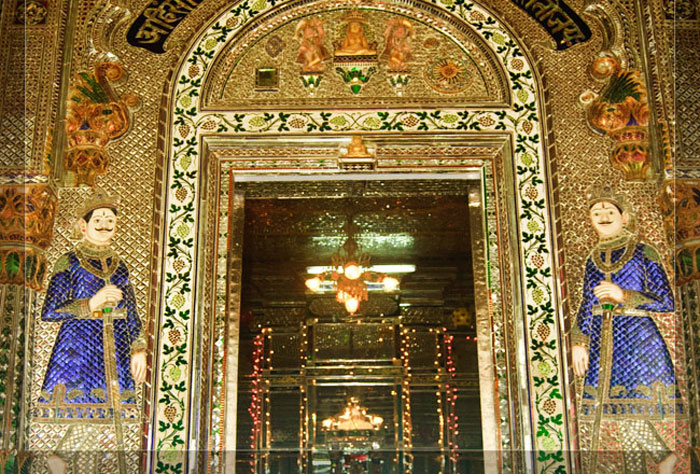
Kanch Mandir's architecture is a stunning example of how glass can transform religious space into something ethereal and otherworldly. Similar to how the Akshardham Temple in Delhi showcases traditional Indian craftsmanship, Kanch Mandir represents a unique fusion of art and spirituality.
Temple Structure
The temple is a multi-level structure built in traditional Jain temple style with a shikhara (spire) that can be seen from a distance. However, it's the interior where the true magic happens. As you step inside, you're surrounded by glass on every surface - walls, ceilings, floors, and pillars are all covered in intricate glass work.
The sanctum sanctorum (garbhagriha) houses the main Jain idol and is the focal point of the temple. Around this central space, a pradakshina path (circumambulation route) allows devotees to walk around the sanctum while viewing the glass work and meditating on the Jain teachings represented in the artwork.
Glass Work Types
The temple showcases various types of glass work, each contributing to the overall visual spectacle:
- Mirrored Walls: Floor-to-ceiling mirrors cover most wall surfaces, creating infinite reflections that make the space feel much larger than it actually is
- Glass Mosaics: Intricate patterns created from thousands of small colored glass pieces arranged in geometric and floral designs
- Stained Glass: Colorful glass panels that filter light, creating dancing patterns throughout the interior
- Glass Chandeliers: Elaborate lighting fixtures that add sparkle and refract light in multiple directions
- Glass Beads: Decorative elements that add texture and detail to the overall design
Design Philosophy
The extensive use of glass and mirrors in the temple is not merely decorative - it carries philosophical significance in Jain tradition. The infinite reflections created by mirrors symbolize the infinite nature of the universe and the multiple aspects of truth in Jain cosmology. The play of light through glass represents illumination and the dispelling of ignorance (a key goal in Jain spiritual practice).
Interior Features
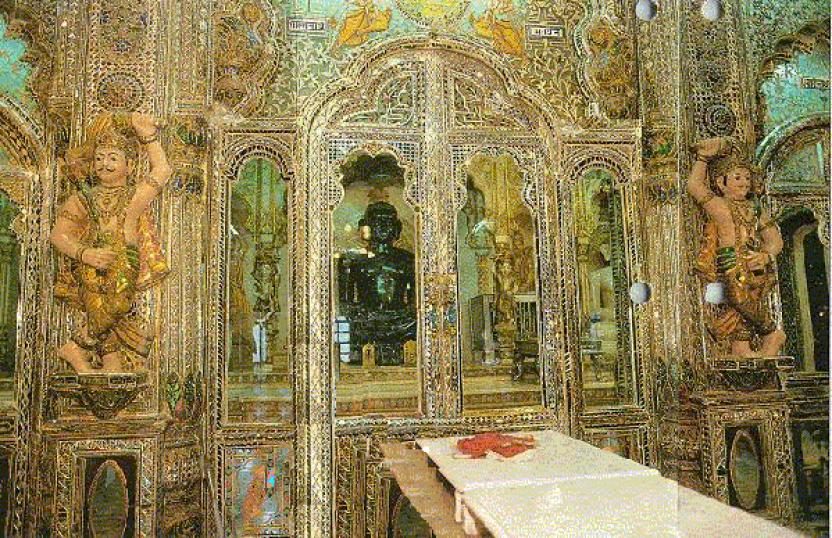
Every surface inside Kanch Mandir contributes to the overall sensory experience.
Main Sanctum
The sanctum's floor is covered in glass mosaic patterns that seem to glow when light hits them. Walls are mirrored from floor to ceiling, creating the illusion of infinite space. The ceiling features glass paintings and elaborate chandeliers that illuminate the space with refracted light, creating an almost magical atmosphere.
Natural light entering through windows and artificial lighting from the chandeliers work together to create constantly changing patterns of light and reflection. This dynamic environment means the temple looks different each time you visit, depending on the time of day and weather conditions.
Prayer Hall
The prayer hall provides space for devotees to sit and meditate. The seating arrangement is designed to allow viewing of both the sanctum and the surrounding glass work. The acoustics are carefully designed - despite all the hard surfaces (glass and mirrors), the space doesn't become overly echoey, maintaining an atmosphere conducive to prayer and meditation.
Upper Floors
The temple has multiple floors, each offering different perspectives on the glass work. The first floor houses additional shrine spaces, while the second floor features more elaborate glass art displays. Balconies provide views of the temple complex and allow you to see the glass work from different angles.
Some areas function as an art gallery, displaying glass art masterpieces created by skilled artisans. These pieces showcase the possibilities of glass as an artistic medium and provide inspiration for artists and craftspeople.
Special Areas
A meditation room provides a quiet space for reflection. Though surrounded by glass, the room is designed to minimize distractions, allowing for deep contemplation. The artwork display area features rotating exhibitions of glass art, keeping the temple's artistic offerings fresh and relevant.
The ceremonial hall is where religious ceremonies and special events are conducted. This space combines the beauty of glass work with practical functionality needed for rituals and gatherings.
Jain Idols and Statues
Amidst all the glass work, Kanch Mandir houses important Jain religious icons.
Main Idol
The presiding deity is Lord Mahavir, the 24th Tirthankara (spiritual teacher) of Jainism. Carved from black stone and marble, the idol depicts Lord Mahavir in a meditating posture (dhyana mudra). The life-sized representation captures the serenity and spiritual power associated with Tirthankaras.
The glass backdrop behind the idol creates a striking visual effect - the dark stone of the idol contrasts dramatically with the sparkling, reflective glass work, drawing attention to the central figure while enhancing its spiritual presence.
Other Idols
Besides Lord Mahavir, the temple houses idols representing other Tirthankaras, creating a complete representation of Jain spiritual tradition. The 24 Tirthankaras are depicted in various forms, each embodying different aspects of Jain philosophy and practice.
Yaksha and Yakshini (guardian deities) statues are also present, serving as protectors of the temple and its devotees. The Panch Parmeshthi (five supreme beings in Jainism) are represented through artistic installations that help devotees understand and connect with these important figures.
Art Style
The idols follow traditional Jain iconography, with each Tirthankara depicted according to established artistic conventions that have been refined over centuries. The craftsmanship reflects both artistic skill and deep understanding of Jain religious tradition.
The glass backdrop effects add a contemporary dimension to these traditional representations, creating a unique synthesis of ancient religious art and modern materials. This combination makes the temple particularly interesting for those studying the evolution of religious art in India.
Spiritual Significance
Beyond its visual beauty, Kanch Mandir holds deep spiritual meaning for Jains and offers insights into Jain philosophy.
Place of Worship and Meditation
For the Jain community, Kanch Mandir is an active place of worship where daily rituals, ceremonies, and festivals are observed. Devotees visit for prayer, meditation, and to receive spiritual teachings from monks who occasionally visit the temple.
The serene environment, enhanced by the reflective surfaces and soft lighting, creates an atmosphere conducive to meditation and introspection - key practices in Jain spiritual development. Many visitors report feeling a sense of peace and expanded awareness when spending time in the temple.
Religious Ceremonies
Regular ceremonies include daily puja (worship), abhisheka (ritual bathing of idols), and special observances during important Jain festivals. These ceremonies combine traditional Jain practices with the unique setting created by the glass work, making them particularly memorable experiences.
Community Gathering Place
The temple serves as a community center where Jains gather not just for worship but also for cultural events, educational programs, and social functions. This community aspect reinforces the Jain principle of community and mutual support.
Cultural Preservation
By maintaining the temple and conducting regular worship there, the Jain community preserves an important aspect of their cultural and religious heritage. The temple also serves an educational function, introducing younger generations to Jain philosophy, art, and architecture.
Photography Guidelines
Photography enthusiasts will find Kanch Mandir particularly rewarding, but certain guidelines should be followed.
Photography Rules
General Photography: Photography is allowed inside the temple without flash. The natural light and temple lighting are generally sufficient for good shots. Respect worshippers and avoid photographing them without permission.
Best Spots: Mirror reflections create stunning compositions. The main sanctum, with its glass backdrop and idol, makes for powerful images. Don't limit yourself to eye-level shots - try shooting from low angles or from upper floors to capture different perspectives.
Lighting: Natural light creates the most beautiful effects. Visit in the morning or late afternoon for the best lighting conditions. Be patient and wait for moments when the light creates particularly beautiful patterns through the glass.
Restrictions: No flash photography during prayer times or ceremonies, as it's distracting for worshippers. Commercial photography (including photography for publication or social media with commercial intent) may require permission from temple authorities.
Photography Tips
Use a wide-angle lens to capture the full effect of the mirrored spaces. Be patient with reflections - they can be tricky to photograph well. Consider a tripod for longer exposures, though check if it's allowed first. The temple's many reflective surfaces mean you'll appear in many of your shots unless you're careful about angles.
Nearby Attractions
Combine your Kanch Mandir visit with other Indore attractions for a full day of sightseeing.
- Rajwada Palace: Just 500 meters away - the historic palace of the Holkar dynasty with beautiful architecture
- Khajrana Ganesh Temple: 3 km away - one of Indore's most famous temples dedicated to Lord Ganesha
- Lal Bagh Palace: 5 km away - a royal palace showcasing European architectural influences
- Central Museum: 2 km away - learn about Indore's history through artifacts and exhibits
- Sarafa Bazaar: 1 km away - famous night food market offering local delicacies
- Chappan Dukaan: 3 km away - a food street with 56 shops offering various cuisines
Travel Tips
Before You Visit
- Dress Modestly: As with any religious site, wear clothing that covers shoulders and knees. Remove footwear before entering the temple - storage is available.
- Maintain Silence: The temple is a place of worship. Speak softly and avoid disruptive behavior.
- Respect Worshippers: Do not photograph devotees without permission. Do not disturb people who are praying or meditating.
Best Experience Tips
- Visit Early Morning: For the most peaceful experience and best lighting conditions, visit when the temple opens at 6 AM.
- Observe Details: Take time to really look at the glass work - notice the patterns, the quality of craftsmanship, and how different pieces were cut and arranged.
- Meditation Time: Set aside some time for quiet contemplation. The temple's atmosphere is perfect for meditation.
- Combine with Rajwada: Since Rajwada Palace is so close, plan to visit both attractions in the same trip.
Practical Tips
- Carry Socks: The floor can be cold on bare feet. Consider carrying socks to wear after removing your shoes.
- 1-2 Hours Sufficient: You don't need a full day for Kanch Mandir. 1-2 hours is enough to see everything thoroughly.
- Visit During Festivals: If you're interested in seeing special decorations, time your visit during Jain festivals (check calendar for dates).
- Ask Questions: Temple staff or volunteers can often explain the significance of various artwork and rituals - don't hesitate to ask respectfully.
Conclusion
Kanch Mandir is one of those rare places that exceeds expectations - no matter how many photos you've seen, nothing prepares you for the actual experience of being surrounded by countless reflections in a space where every surface sparkles with glass work. The temple is a testament to human creativity, artistic vision, and spiritual devotion.
Whether you're interested in architecture, art, spirituality, or simply seeing something unique, Kanch Mandir delivers an unforgettable experience. The combination of traditional Jain religious space with extraordinary glass work creates something that feels both ancient and contemporary, familiar and otherworldly.
A visit to Kanch Mandir is not just sightseeing - it's an experience that engages all your senses and leaves you with a deeper appreciation for the possibilities of artistic expression and the enduring power of religious devotion. For those exploring spiritual destinations across India, temples like the Lotus Temple in Delhi and Kanch Mandir in Indore offer unique architectural and spiritual experiences.
Location
Frequently Asked Questions
Q1.What are Kanch Mandir timings?
Q2.Is Kanch Mandir open on Sunday?
Q3.What is Kanch Mandir entry fee?
Q4.Why is it called Glass Temple?
Q5.Who built Kanch Mandir Indore?
Q6.How to reach Kanch Mandir from Indore station?
Q7.Time needed to visit Kanch Mandir?
Q8.Is photography allowed inside?
Recommended For You
Fundore Indore: Timings, Ticket Price & Family Rides
Plan your Fundore Indore visit with timings, package-wise ticket strategy, go-karting and adventure activity priorities, budget tips, and travel logistics.
Pipliyapala Regional Park Indore: Timings, Boating & Family Activities
Pipliyapala Regional Park Indore: boating, activities, timings, entry fee, location & attractions. Complete guide for families.
Janapav Hills Indore: Trek Route, Sunset View & Weekend Plan
Discover Janapav Hills, the highest point in Malwa Plateau at 881m. This complete guide covers trekking, best time to visit, sunset views, and how to reach from Indore.
Never Miss an Adventure
Get the latest trekking guides, travel tips, and exclusive offers delivered straight to your inbox.
