
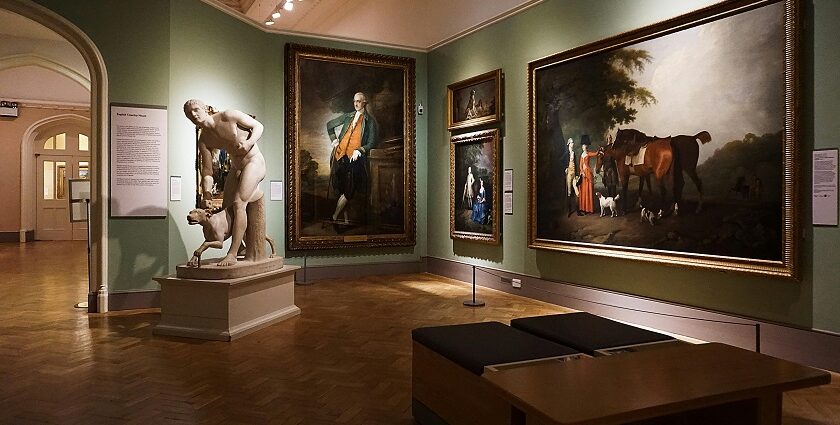
Central Museum Indore: Heritage Collections, Timings & Entry Info

Rahul Garg
February 19, 2026
Explore Central Museum Indore with key galleries, sculpture highlights, timings guidance, ticket planning, and a practical heritage route for city travelers.
Introduction
Central Museum Indore, often referred to as Indore Museum, is one of the most important heritage institutions in Madhya Pradesh for travelers interested in archaeology, sculpture, and regional history. It is not a theme attraction or quick photo stop. It is a serious cultural site where you can understand how central India evolved through dynasties, religious art traditions, inscriptions, coins, and material culture.
People searching for central museum indore usually want practical answers: what is inside, how long to keep for the visit, what are the timings and ticket basics, and whether it is worth adding to an Indore itinerary. This guide covers exactly that with a planning-first structure. For a full city route, combine this with places to visit in Indore, street food in Indore, and Lal Bagh Palace.
About Central Museum Indore
The museum serves as a curated repository of Madhya Pradesh's historical and artistic legacy. Visitors typically come here to explore artifacts that are difficult to understand from textbooks alone: stone sculptures, inscriptions, metal objects, coins, arms, and cultural remnants from different periods. This makes the museum especially useful for students, researchers, and travelers who want context before visiting temples, forts, and palace sites around Indore and nearby districts.
Unlike modern interactive museums, Central Museum offers a classic archival experience. You gain most value when you move slowly, read exhibit labels carefully, and approach each gallery as part of a long historical timeline rather than isolated objects.
| Why Visit Central Museum | What You Gain |
|---|---|
| Large historical artifact range | Broader understanding of MP's cultural evolution |
| Sculpture-focused displays | Insights into artistic styles and dynastic influences |
| Archaeological depth | Context for nearby heritage sightseeing |
| City-center accessibility | Easy to combine with other Indore attractions |
History and Institutional Significance
Central Museum Indore developed as part of efforts to preserve and document regional heritage in a structured way. Over time, its collections expanded through archaeological recovery, institutional transfers, and preservation initiatives linked to Madhya Pradesh's heritage administration. For modern visitors, this matters because the museum reflects not just one ruler or one religion, but a layered civilizational story from central India.
The museum's importance is strongest when viewed as a reference anchor. If you visit sites like Rajwada Palace Indore or Kanch Mandir Indore after this museum, your understanding of visual motifs, symbol systems, and craftsmanship becomes much richer.
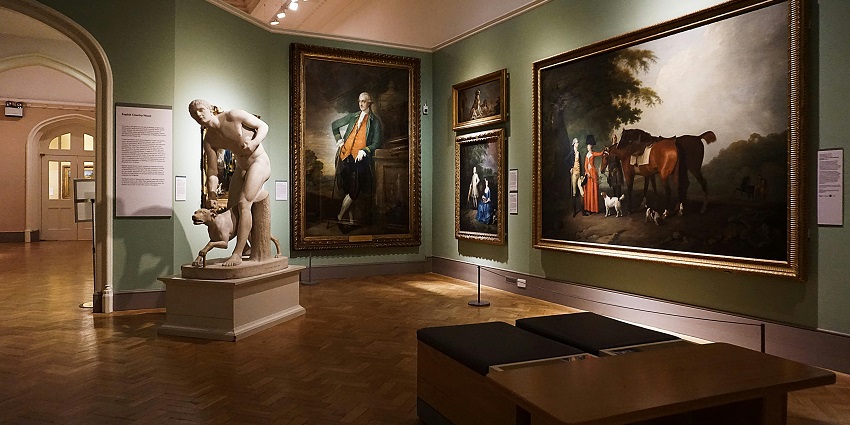
Collections and Galleries: What to See
Collection depth is the core reason to visit. While display structure can change over time, the museum is broadly known for multi-era objects covering religion, governance, daily life, and artistic traditions. Plan your route by category to avoid rushing through major exhibits.
1. Sculpture and Iconography Sections
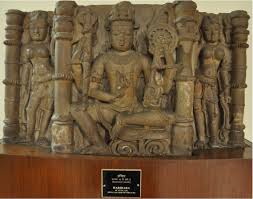
These galleries are usually among the most significant for visitors. You can expect stone and carved pieces linked to Hindu, Jain, and Buddhist traditions from different periods. Observe differences in posture, ornamentation, facial style, and symbolic attributes to understand regional artistic transitions.
2. Archaeological Material
Archaeological displays may include excavated fragments, tools, inscriptions, and structural remnants. These are useful for travelers interested in how settlements, trade, and ritual spaces developed in central India.
3. Numismatic and Epigraphic Elements
Coins and inscriptions help decode historical chronology, state authority, and economic patterns. Even non-specialist travelers can appreciate how scripts, metalwork, and symbols changed across eras.
4. Arms, Objects, and Cultural Items
Depending on current curation, sections may include objects tied to court life, warfare, and social tradition. These exhibits are excellent for visualizing everyday and ceremonial life beyond monuments.
How to Explore the Museum Efficiently
Most visitors either rush too quickly or spend too long in the first gallery and miss later sections. A structured path helps.
| Visit Stage | Recommended Focus | Suggested Time |
|---|---|---|
| Stage 1 | Orientation and timeline understanding | 15-20 minutes |
| Stage 2 | Main sculpture and archaeology sections | 45-60 minutes |
| Stage 3 | Coins, inscriptions, and special displays | 25-35 minutes |
| Stage 4 | Final review and note-taking/photos if allowed | 15-20 minutes |
For most travelers, 1.5 to 2 hours is a strong baseline. Serious history enthusiasts may want longer.
Best Time to Visit Central Museum Indore
The museum can be visited year-round, but comfort and trip flow improve significantly if you plan by season and city movement patterns. Morning to early afternoon windows generally work best because energy levels are higher, galleries feel easier to navigate, and you can still combine one or two nearby sites in the same day.
Indore's winter months are preferred by many tourists for broader sightseeing circuits. During hotter periods, museum visits become even more valuable as low-exposure indoor heritage experiences.
Timings, Tickets, and Visitor Basics
Museum timings and ticket structures can change due to local administrative updates, holidays, or maintenance schedules. Instead of relying on static posts, verify current timing and entry details on the day of your visit. This is especially important for travelers on tight one-day city plans.
- Check opening day status: Weekly closure patterns may apply.
- Confirm entry fee: Indian and foreign visitor categories may differ.
- Ask camera policy: Photo permissions can vary by section.
- Carry ID: Useful for smoother entry and ticketing where required.
A quick pre-visit verification saves significant schedule disruption.
Facilities and Visitor Comfort Tips
As a heritage-oriented museum, facilities may be functional rather than luxury-oriented. Plan with practical comfort in mind: light water, comfortable shoes, and realistic pacing. If you are traveling with senior family members, keep buffer time for seated breaks between galleries.
Students and researchers should carry a small notebook or digital note setup for exhibit references (where allowed). Reading labels carefully often delivers more value than quick gallery photos.
How to Reach Central Museum Indore
The museum is accessible from major parts of Indore by taxi, auto-rickshaw, or app-based rides. If you are arriving by train or air, include city traffic buffer before scheduling fixed-time activities. For travelers staying centrally, the museum can be combined with nearby heritage and food stops in one practical circuit.
| Starting Point | Transport Option | Planning Tip |
|---|---|---|
| Central Indore hotels | Auto or cab | Prefer morning departure for smoother traffic |
| Railway station zone | Cab/auto | Keep margin during peak commute slots |
| Airport approach | Cab | Avoid stacking too many fixed-time stops same day |
Nearby Attractions to Combine
Central Museum works best as part of a curated heritage-and-city loop. You can combine it with Krishnapura Chhatris in Indore, Rajwada Palace Indore, and Chappan Dukan in Indore for a balanced mix of history and local flavor.
Sample flow: museum visit in morning, palace/heritage stop in afternoon, food trail in evening. This sequence keeps energy and travel time optimized.
Sample Half-Day Heritage Route from the Museum
A strong way to use Central Museum is as the first stop in a half-day heritage circuit. Begin at the museum in the morning when galleries are easier to navigate. Then move to Rajwada Palace for architectural contrast and historic urban context. After that, visit Krishnapura Chhatris for a riverside heritage perspective. Close with a short food break in an accessible market zone or Chappan Dukan belt. This structure gives history, architecture, and local culture in one compact route.
| Route Segment | Recommended Duration | Why It Works |
|---|---|---|
| Museum exploration | 90-120 minutes | Sets historical context first |
| Rajwada Palace | 45-60 minutes | Builds on dynastic and urban heritage themes |
| Krishnapura Chhatris | 30-45 minutes | Adds memorial architecture and visual variety |
| Food stop | 45-60 minutes | Balanced finish with local city flavor |
Keep at least one flexible buffer slot for traffic variation and ticket counters. This prevents the route from feeling rushed and improves visit quality.
Who Should Prioritize This Museum
- History and archaeology enthusiasts visiting central India.
- Students preparing for heritage, art, or civilizational studies.
- Travelers who prefer contextual sightseeing over only photo spots.
- Families wanting educational stops in a city itinerary.
If your trip preference is only entertainment-led activities, keep the museum as a shorter add-on rather than a primary stop.
Common Mistakes to Avoid
- Arriving without checking weekly closure or holiday timing.
- Rushing galleries without reading contextual labels.
- Expecting a modern interactive museum format.
- Planning museum at end of an already fatigue-heavy day.
- Skipping nearby heritage sites that complete the context.
Simple planning upgrades can dramatically improve the quality of your visit.
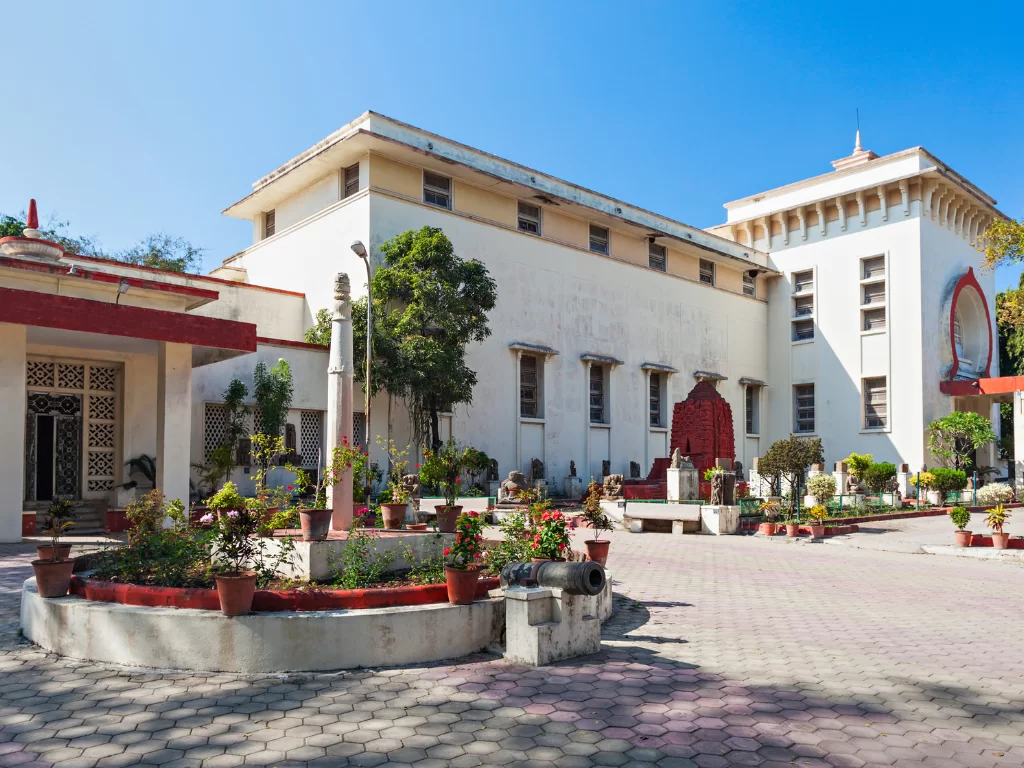
Quick Pre-Visit Checklist
Before leaving for the museum, confirm same-day opening status, carry light cash for tickets, keep one valid photo ID, and wear comfortable footwear for standing through multiple galleries. If you plan photography, ask permission at entry instead of assuming universal camera access. Keep water handy, but avoid carrying large bags if possible. A 5-minute pre-check like this saves time at counters and helps you stay focused on the collections rather than logistics on busy city days today.
Conclusion
Central Museum Indore is one of the most valuable heritage stops in Madhya Pradesh for travelers who want depth, not just sightseeing checkboxes. Its collections provide historical context that makes the rest of Indore's cultural landscape more meaningful.
Visit with a structured route, verify same-day timing details, and combine nearby heritage and food stops for a complete city experience. With that approach, the museum becomes a high-value anchor in your Indore itinerary.
Location
Frequently Asked Questions
Q1.Where is Central Museum Indore located?
Q2.What are the timings of Central Museum Indore?
Q3.How much time is needed to explore Central Museum Indore?
Q4.What can I see at Central Museum Indore?
Q5.Is photography allowed inside the museum?
Q6.Are guided tours available at Central Museum Indore?
Q7.What is the entry fee for Central Museum?
Q8.What nearby attractions can I combine with Central Museum Indore?
Recommended For You
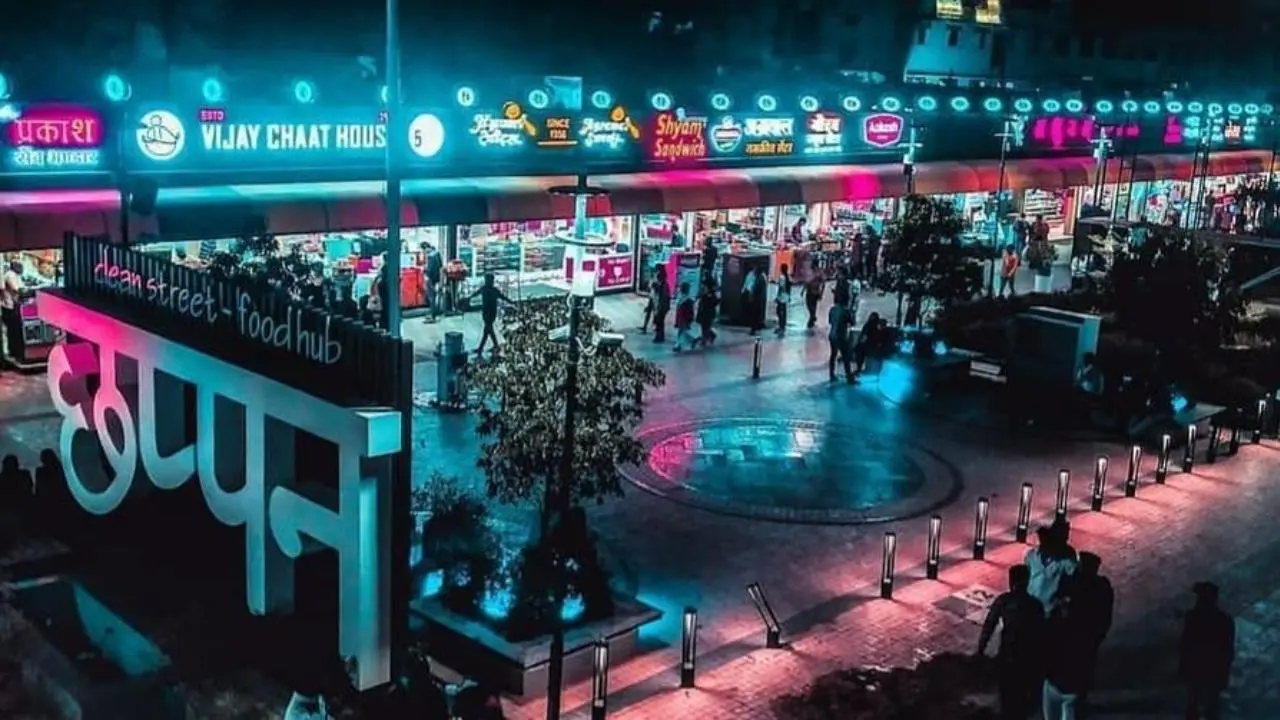
Chappan Dukan Indore: Best Food Stalls, Timings & What to Try
Plan Chappan Dukan Indore with must-try dishes, timings, route tips, and budget guidance for a smooth and satisfying street-food experience.
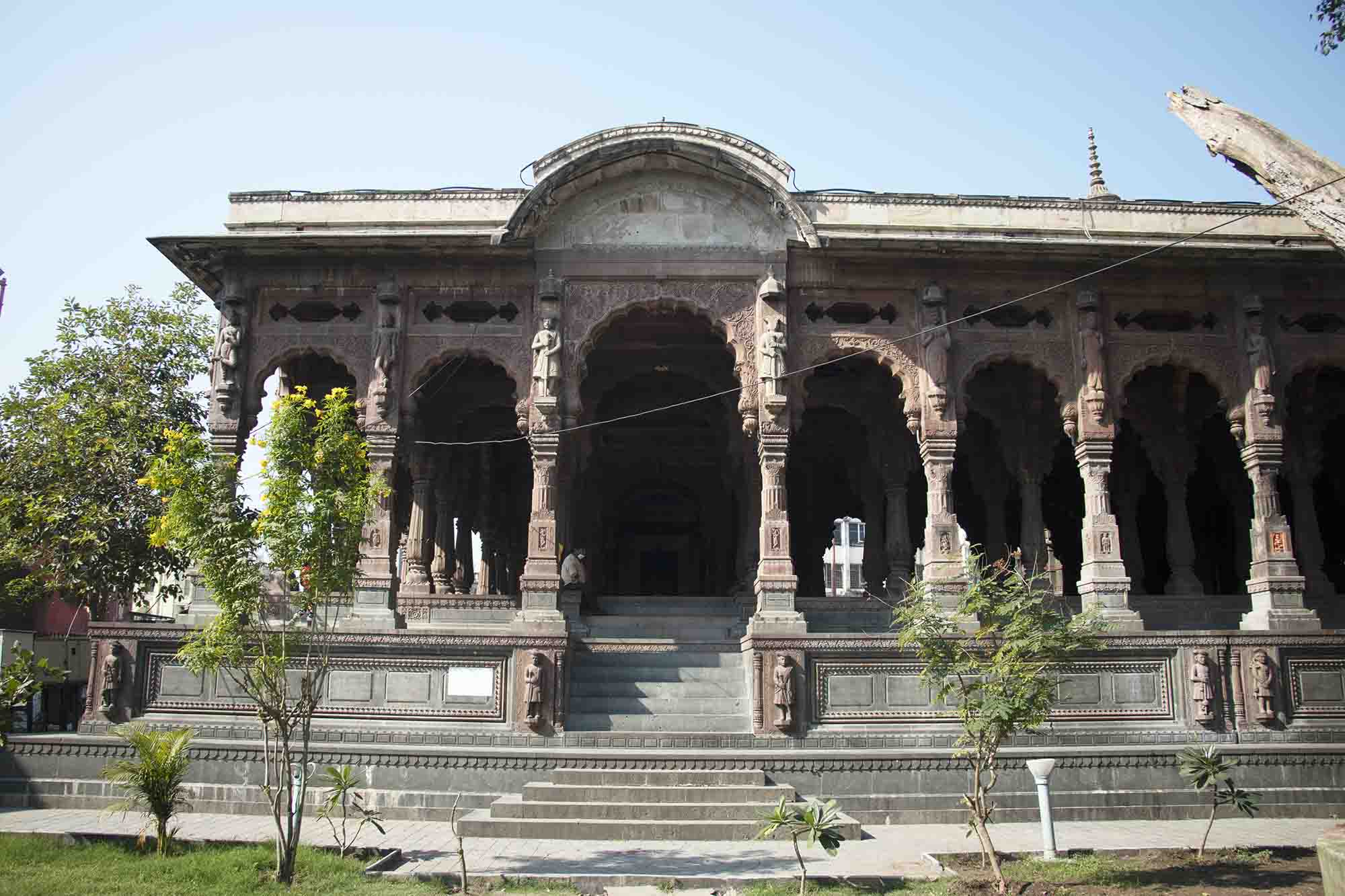
Krishnapura Chhatris Indore: Timings, Architecture & Riverfront Views
Krishnapura Chhatris Indore guide with history, architecture, best visit windows, route tips, and nearby heritage-food pairings for a smooth city itinerary.
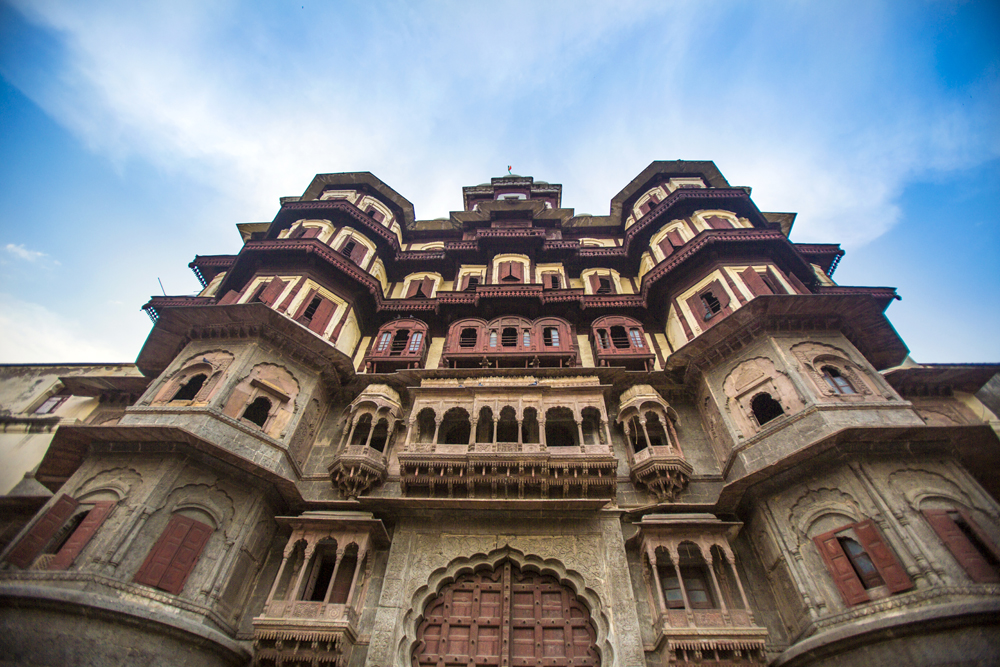
Rajwada Palace Indore: History, Timings & Visitor Information
Discover Rajwada Palace, the historic seven-storey Holkar palace in Indore. Explore its Maratha architecture, royal history, light show timings, and practical visitor guide.
Never Miss an Adventure
Get the latest trekking guides, travel tips, and exclusive offers delivered straight to your inbox.
