
Lotus Temple Delhi: Timings, Entry Rules & Best Visiting Hours

Neha Kapoor
February 20, 2026
Lotus Temple Delhi complete visitor guide: FREE entry, timings (9 AM-5:30 PM winter, 9 AM-7 PM summer), nearest metro (Kalkaji Mandir), photography rules, dress code, meditation tips & best time to visit. Plan your peaceful retreat.
Introduction
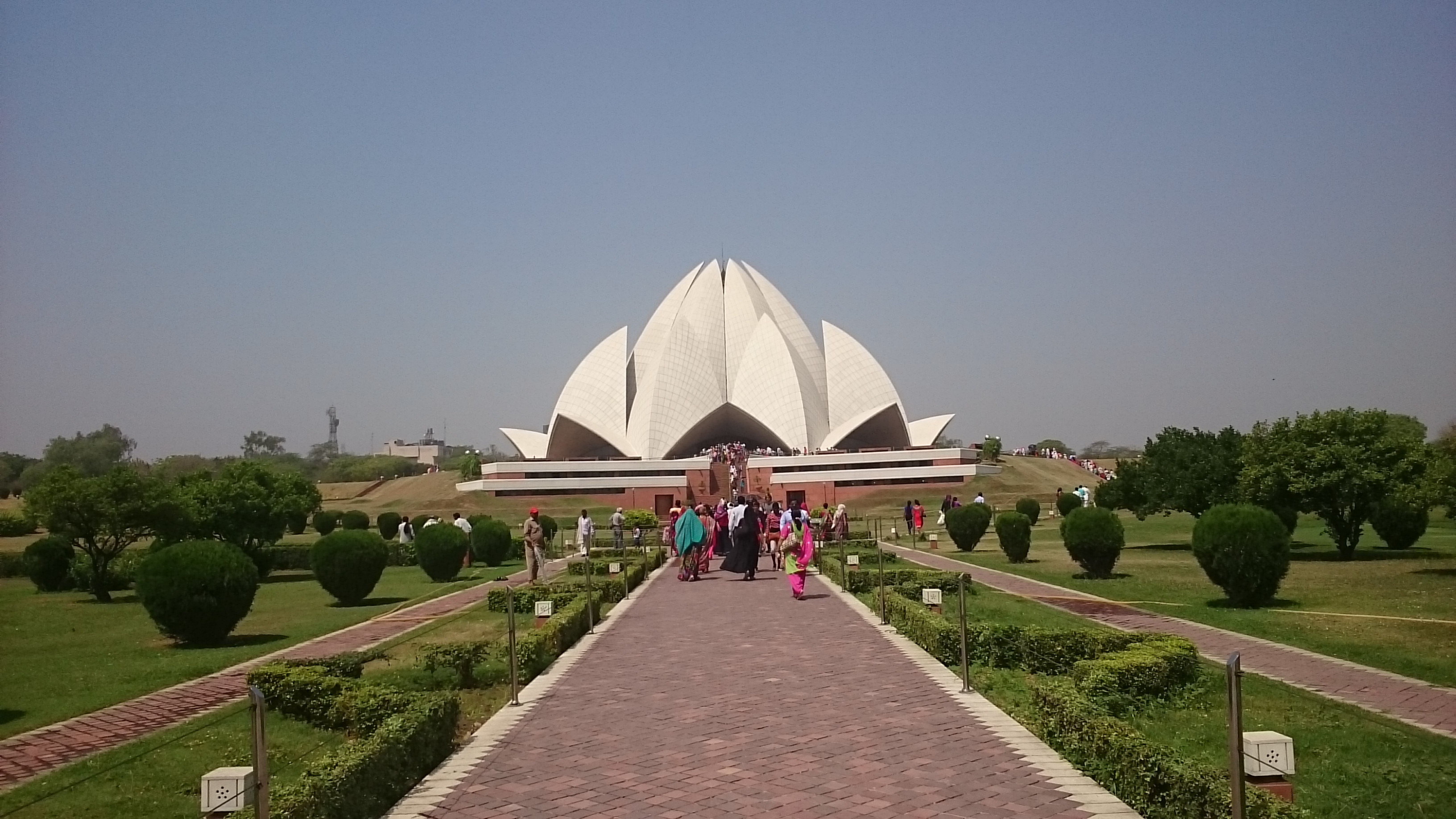
In the bustling heart of India's capital stands an architectural marvel that has captured the imagination of millions worldwide. The Lotus Temple, officially known as the Bahá'í House of Worship, is not just another monument in Delhi—it's a sanctuary of peace that welcomes people of all faiths, backgrounds, and beliefs. Shaped like a blooming lotus flower, this stunning structure has become one of Delhi's most visited attractions, drawing over 4 million visitors annually.What makes the Lotus Temple truly remarkable is its universal message of unity and harmony. Unlike traditional places of worship that cater to specific religions, this temple opens its doors to everyone, regardless of their spiritual beliefs. The silence within its walls offers a rare escape from Delhi's chaotic energy, making it a must-visit for anyone seeking moments of tranquility amid their travels.
Whether you're an architecture enthusiast, a spiritual seeker, or simply a curious traveler, the Lotus Temple promises an experience that's both visually awe-inspiring and deeply moving. This comprehensive guide covers everything you need to know before visiting, from timings and entry fees to photography rules and meditation tips.
Quick Facts About Lotus Temple
Before diving into the details, here are the essential facts every visitor should know in one convenient table:| Feature | Details |
|---|---|
| Location | Bahapur Hills, Kalkaji, South Delhi |
| Architect | Fariborz Sahba (Iranian-Canadian) |
| Completed | 1986 (opened December 1986) |
| Height | 40 meters (13 stories) |
| Capacity | 2,500 people in main prayer hall |
| Awards | UNESCO Excellence in Architecture (1987) |
| Entry Fee | FREE (no charges) |
| Status | First Bahá'í House of Worship in Asia |
About Lotus Temple
The Lotus Temple is one of only seven Bahá'í Houses of Worship worldwide and serves as the Mother Temple of the Indian subcontinent. The Bahá'í faith, founded in 19th-century Persia, emphasizes the spiritual unity of all humankind—a philosophy beautifully embodied in this temple's inclusive design.
Constructed over a period of ten years (1976-1986), the temple was funded entirely by contributions from Bahá'ís worldwide, demonstrating the faith's global community spirit. The site chosen for the temple holds particular significance, as Bahá'í scriptures mention that all Houses of Worship should be surrounded by gardens and fountains, and this location provided ample space for creating such an environment.
What many visitors don't realize is that the temple sits on 26 acres of beautifully landscaped gardens. These aren't just decorative—they're an integral part of the worship experience, designed to create a sense of approaching the sacred gradually. As you walk through the gardens toward the temple, the noise and chaos of Delhi fade away, preparing your mind for the silence within.
The temple has become an important symbol of modern India, representing the country's secular values and architectural prowess. It's featured on countless Indian tourism materials and has been visited by numerous world leaders, dignitaries, and celebrities over the decades. For those interested in exploring more spiritual sites, the Golden Temple Amritsar offers another equally profound experience of devotion and hospitality.
Architecture & Design
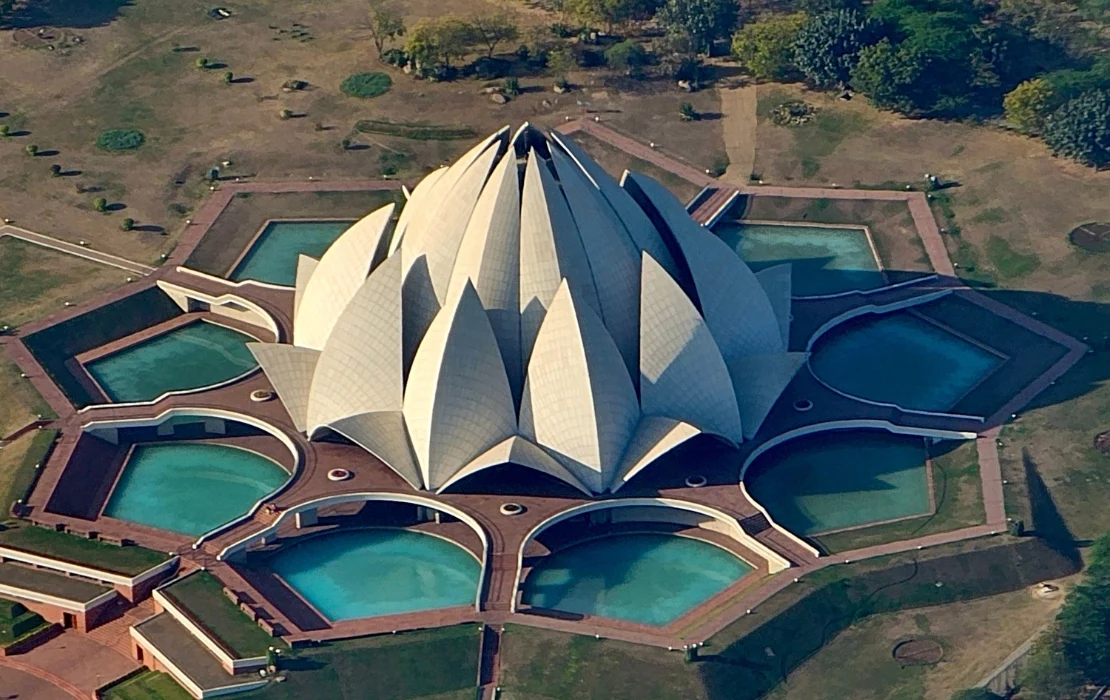
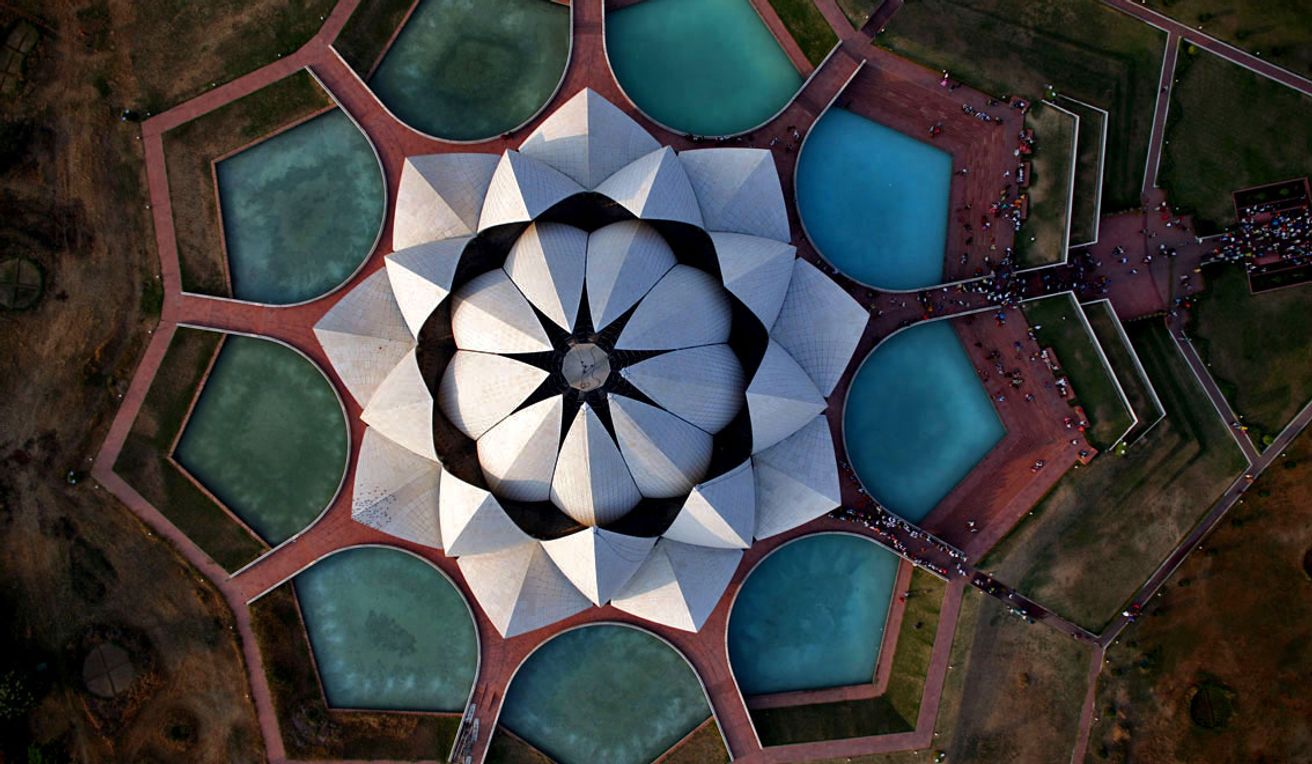
The Lotus Temple's architecture is nothing short of revolutionary. Designed by Iranian-Canadian architect Fariborz Sahba, the structure takes the form of a half-open lotus flower with 27 free-standing marble-clad "petals" arranged in clusters of three. This design wasn't chosen merely for its aesthetic appeal—the lotus holds deep cultural and spiritual significance in Indian traditions, symbolizing purity, peace, and spiritual awakening.Engineering Marvel
The engineering challenges overcome during construction were remarkable. Each petal is made of special white marble from Greece's Mount Pentelikon (the same quarry used for the Parthenon in Athens), chosen for its ability to maintain its pristine appearance in Delhi's polluted atmosphere. The marble pieces were precision-cut to fit together perfectly, requiring exceptional craftsmanship.
The structure appears to float on water, with nine pools surrounding it. This isn't just for visual effect—the pools help cool the temple naturally through evaporation, demonstrating environmental consciousness decades before "green architecture" became popular. The pools also reflect the temple, creating stunning visual effects, especially during sunset when the marble glows warm golden hues.
Sacred Number Nine
Every aspect of the design incorporates the number nine, which holds special significance in the Bahá'í faith. There are nine entrances to the temple, nine pools, nine interior pathways, and the temple is precisely 99.99 meters tall at its highest point (when measuring to the tip of the lotus bud). Even the gardens feature nine circular pools.
Sustainable Design
The temple was ahead of its time in sustainable architecture. The design maximizes natural light, reducing electricity consumption during daytime. The central hall remains naturally cool even in Delhi's scorching summers, thanks to clever ventilation design that draws air through the petal clusters. The marble flooring stays cool to the touch, providing natural air conditioning.
Inside the Temple
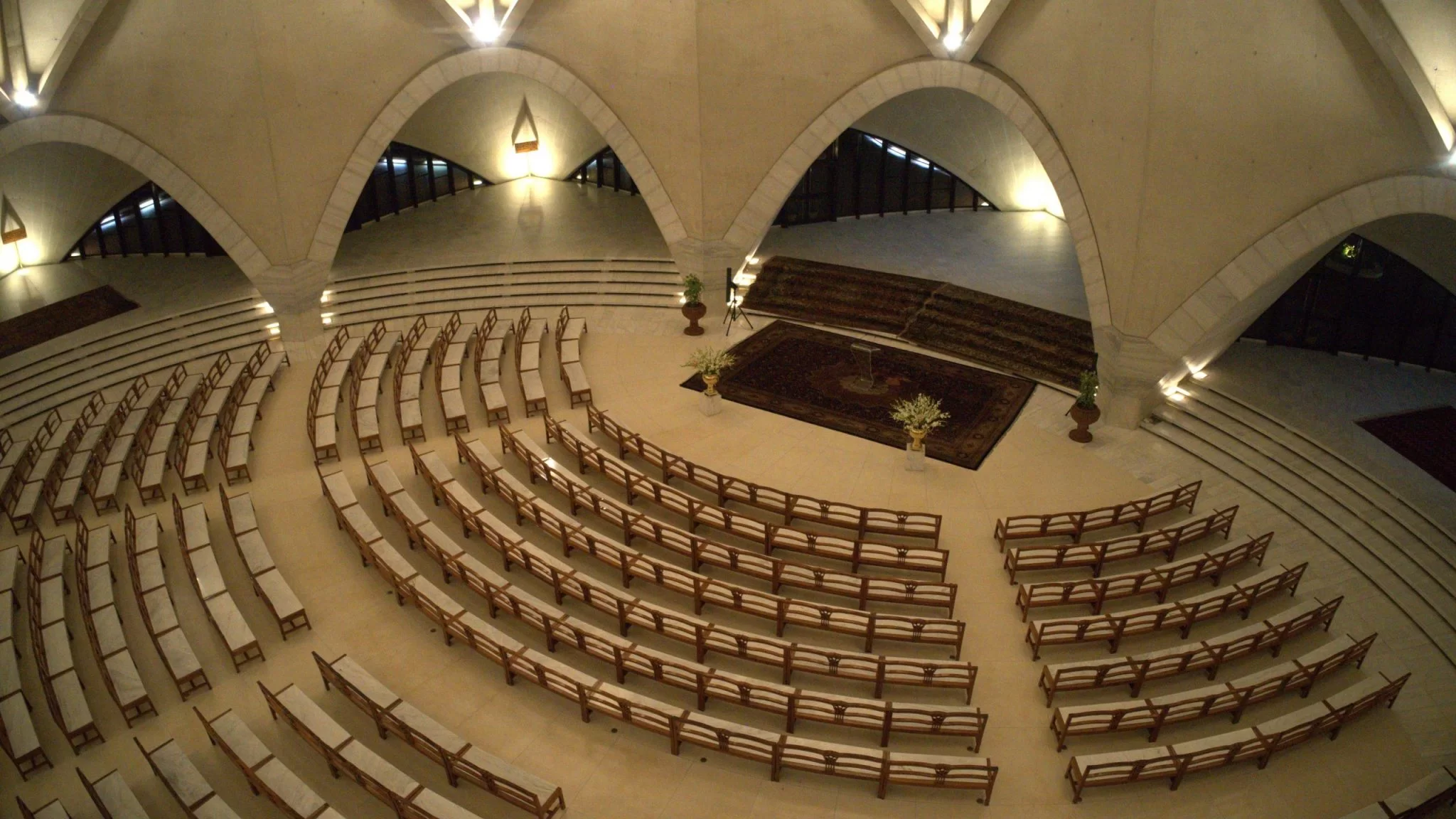
Stepping inside the Lotus Temple is an experience that words barely capture. The central prayer hall rises to a height of 34 meters and can accommodate up to 2,500 people. The first thing you'll notice is the profound silence—visitors speak in hushed tones if they speak at all.
The Meditation Experience
The hall is designed purely for meditation and prayer. Unlike traditional places of worship, there are no idols, statues, religious symbols, or rituals performed here. The focus is entirely on personal reflection and spiritual connection, whatever that means to each individual. This simplicity is what makes the space so powerful—it's a blank canvas for personal spiritual experience.
The acoustics are worth mentioning. Despite its size, the hall maintains remarkable tranquility. Even when full, conversations remain whispers, and the collective silence creates an atmosphere of profound peace. Many visitors report feeling an immediate sense of calm upon entering.
What to Expect
Inside, you'll find simple wooden benches arranged in concentric circles facing the center. Visitors are free to sit anywhere and meditate for as long as they wish. There's no prescribed format or ritual—you simply sit in silence and reflect. Some visitors pray silently, others meditate, and many simply sit quietly, absorbing the peaceful atmosphere.
The only religious element in the entire temple is a small inscription above the entrance that reads, "The earth is but one country, and mankind its citizens"—a quote from Bahá'u'lláh, the founder of the Bahá'í faith. This single message encapsulates the temple's entire philosophy.
Visitor Information
Lotus Temple Timings
The Lotus Temple is open from Tuesday to Sunday (closed on Mondays). The visiting hours vary by season:
| Season | Opening Time | Closing Time | Last Entry |
|---|---|---|---|
| Summer (April-September) | 9:00 AM | 7:00 PM | 6:30 PM |
| Winter (October-March) | 9:00 AM | 5:30 PM | 5:00 PM |
| Closed | Every Monday & Bahá'í holy days | ||
Note: The temple is closed on Mondays for maintenance and cleaning. It's also closed during certain Bahá'í holy days, so it's worth checking before planning your visit.
Entry Fee
One of the best things about visiting the Lotus Temple is that entry is completely free. There's no ticket counter, no fee, and no hidden costs. The Bahá'í faith prohibits charging for worship or pilgrimage, and this principle extends to the Lotus Temple. Donations are accepted but never solicited—all services are provided free of charge.
Best Time to Visit
The temple is beautiful year-round, but timing your visit strategically can enhance the experience:
- Early Morning (9-11 AM): Quietest time, cooler temperatures, peaceful meditation
- Sunset (4:30-6:30 PM, varies by season): The marble glows golden, fewer crowds, magical lighting
- Winter Months (October-March): Pleasant weather for walking through the gardens
- Avoid: Weekends (especially Sunday afternoons) and summer afternoons (12-4 PM) when it's extremely hot
How Much Time to Spend
Plan for 1-2 hours total. The actual meditation inside the temple can be as short as 15 minutes or as long as an hour—it's entirely up to you. Allow time for:
- Security check (5-10 minutes during peak times)
- Walking through the gardens (15-20 minutes)
- Meditation in the prayer hall (20-40 minutes recommended)
- Photography around the exterior (15-20 minutes)
Location & How to Reach
Address: Lotus Temple Road, Bahapur, Shambhu Dayal Bagh, Kalkaji, New Delhi, 110019
By Metro (Recommended)
The nearest metro station is Kalkaji Mandir on the Violet Line and Magenta Line:
- From Kalkaji Mandir: Exit gate 4, walk approximately 1.5 km (20-25 minutes walking)
- Alternatively, take an auto-rickshaw from the metro station (5-10 minutes, ₹30-50)
NSIC Okhla on the Magenta Line is another option, slightly closer at about 1 km from the temple.
By Road
- From Connaught Place: Approximately 14 km, 40-60 minutes depending on traffic
- From India Gate: Approximately 12 km, 35-50 minutes - After visiting the temple, you can also explore the iconic India Gate, which is just a short drive away
- From Nizamuddin Railway Station: Approximately 7 km, 20-30 minutes
- Parking: Free parking available on-site (gets crowded on weekends)
By Air
- From IGI Airport: Approximately 17 km, 45-60 minutes by taxi
- Airport taxi and app-based cabs (Uber/Ola) are readily available
Rules & Guidelines
The Lotus Temple maintains strict rules to preserve its sanctity and peaceful atmosphere. Understanding these guidelines before your visit will help ensure a smooth experience.
Photography Rules
Photography is permitted only outside the temple. You can take photos of the exterior, the gardens, and the pools, but photography and videography are strictly prohibited inside the prayer hall. This rule is strictly enforced to maintain the sanctity of the meditation space and respect the privacy of worshippers.
Dress Code
While there's no strictly enforced dress code, visitors are expected to dress modestly out of respect for the sacred space:
- Avoid: Shorts, short skirts, sleeveless tops, or revealing clothing
- Recommended: Knees and shoulders covered
- Footwear: Shoes must be removed before entering (shoe racks provided free of charge)
If you're dressed inappropriately, you may be politely denied entry, so it's best to dress conservatively.
Behavior Guidelines
The most important rule is maintaining silence. The temple is a place for meditation and reflection:
- No talking inside the prayer hall
- Silence your phone before entering
- No food or drinks allowed inside (water bottles must be left outside)
- No smoking anywhere on the premises
- Touching exhibits or architectural elements is discouraged
Prohibited Items
The following are not allowed inside:
- Mobile phones (must be switched off or on silent mode)
- Cameras and video equipment
- Books or reading materials (except prayer scriptures)
- Bags larger than handbags (large backpacks must be deposited at the counter)
- Any kind of weapons or sharp objects
Accessibility
The temple is wheelchair accessible, with ramps providing access to the main prayer hall. Wheelchair users can enter through a designated entrance, and staff members are available to assist if needed. The gardens have paved pathways suitable for wheelchairs and strollers.
Photography Guide
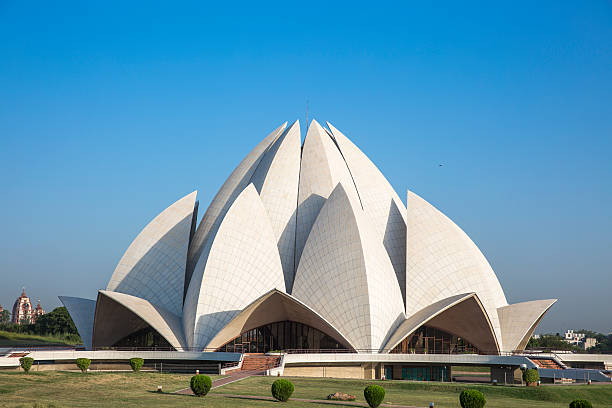
While interior photography isn't permitted, the Lotus Temple offers exceptional opportunities for exterior and architectural photography. Here are some tips for capturing this magnificent structure:
Best Angles
- Front view (from the main entrance): Classic shot showing the full lotus form
- Reflection shots: Use the pools to capture the temple's reflection, especially during sunset
- Low angle: Shoot from near the ground to emphasize the temple's height
- Side profiles: Capture the petal clusters from different angles
Best Time for Photography
- Golden hour (sunrise/sunset): The white marble takes on warm golden hues
- Blue hour (just after sunset): The temple is beautifully illuminated
- Overcast days: Soft, diffused light works beautifully with white marble
- Avoid: Midday when harsh sunlight creates excessive contrast
Equipment Recommendations
- Wide-angle lens for capturing the full structure
- Polarizing filter to reduce glare from marble surfaces
- Tripod (allowed for exterior photography)
Remember to be respectful of other visitors while photographing—don't block pathways or disturb people who are meditating.
Nearby Attractions in Delhi
While visiting the Lotus Temple, consider exploring these nearby attractions to make the most of your Delhi visit:
- Akshardham Temple: Just 8 km away, this magnificent Hindu temple complex showcases traditional Indian architecture. You can read our comprehensive guide to Akshardham Temple Delhi before visiting.
- Iskcon Temple: A beautiful Krishna temple about 4 km from Lotus Temple, known for its beautiful deities and spiritual atmosphere.
- Nehru Place: A commercial hub with shopping and dining options, just 3 km away.
- Okhla Bird Sanctuary: Nature lovers can visit this sanctuary about 7 km from the temple.
Tips for First-Time Visitors
Visiting the Lotus Temple for the first time? Here are some practical tips to make your visit memorable:
- Arrive early: Reach before 10 AM to avoid crowds and experience the peaceful morning atmosphere.
- Wear comfortable footwear: You'll walk through gardens and need to remove shoes before entering the temple.
- Carry minimal belongings: Large bags must be deposited outside, so bring only essentials.
- Stay hydrated: Delhi can get hot, especially in summer. Drink water before entering (you can't take it inside).
- Respect the silence: This is crucial. The temple's magic lies in its quiet atmosphere—help preserve it.
- Meditate mindfully: There's no right or wrong way to meditate here. Sit comfortably and focus on your breath.
- Visit the information center: Learn more about the Bahá'í faith and the temple's history from the helpful exhibits.
- Allow flexibility: If the prayer hall is full, you may need to wait a few minutes before entering.
Spiritual Significance
The Lotus Temple's spiritual significance extends beyond its physical beauty. As a Bahá'í House of Worship, it embodies core principles of the faith: the oneness of God, the oneness of religion, and the oneness of humanity. Unlike traditional religious structures that separate believers by faith, this temple unites all under one roof.
The lotus symbol was chosen carefully. In Hinduism, Buddhism, and other Indian traditions, the lotus represents purity and spiritual growth—rising unsullied from muddy waters. This metaphor perfectly aligns with the Bahá'í vision of humanity's spiritual potential regardless of worldly circumstances.
The silence observed inside isn't mere quietness—it's an active practice of listening and presence. In a world filled with noise and distraction, this space offers a rare opportunity to turn inward and connect with something greater than ourselves. Many visitors describe their experience here as transformative, regardless of their religious background.
Special Events and Gatherings
While the temple doesn't host traditional religious ceremonies, it occasionally hosts special gatherings aligned with Bahá'í principles:
- Unity Concerts: Musical performances that bring together artists from different traditions
- Meditation Workshops: Special sessions teaching meditation techniques
- Interfaith Dialogues: Discussions promoting religious harmony and understanding
- Children's Classes: Educational programs on moral and spiritual development
These events are typically free and open to everyone. Check the temple's official website for current schedules.
Accessibility for International Visitors
International visitors will find the Lotus Temple particularly welcoming:
- Multi-language Information: Materials available in several major languages
- Cultural Sensitivity: Staff trained to welcome visitors from diverse backgrounds
- English-speaking Guides: Volunteer guides available to explain the temple's significance
- Universal Appeal: The temple's message transcends cultural and linguistic barriers
Sustainability and Environmental Consciousness
The Lotus Temple isn't just spiritually conscious—it's environmentally conscious too:
- Natural Cooling: The nine pools and marble construction keep the temple cool without air conditioning
- Natural Lighting: Skylights and design maximize daylight, reducing electricity use
- Water Conservation: The pools use recycled water systems
- Solar Panels: The temple utilizes solar energy for certain functions
- Sustainable Gardens: Native plants that require minimal water are used in landscaping
This commitment to sustainability reflects the Bahá'í principle of harmony between humanity and nature.
Conclusion
The Lotus Temple is more than just an architectural wonder—it's a living testament to humanity's shared spiritual heritage. Whether you're seeking peace, inspiration, or simply a break from Delhi's chaos, this sacred space welcomes all with open arms.
The combination of stunning design, profound silence, and universal message makes it a must-visit destination in India's capital. Take your time, absorb the atmosphere, and let the lotus bloom within you. For those seeking more spiritual experiences in India, the Meenakshi Temple in Madurai offers another glimpse into the rich tapestry of Indian spiritual tradition.
Plan your visit during quieter times, dress modestly, and come with an open mind. The Lotus Temple rewards those who approach it with respect and presence, offering an experience that stays with visitors long after they leave Delhi's bustling streets behind.
Location
Frequently Asked Questions
Q1.Is Lotus Temple open on Monday?
Q2.What is Lotus Temple entry fee?
Q3.How much time is required for Lotus Temple?
Q4.Is photography allowed inside Lotus Temple?
Q5.What is the nearest metro station to Lotus Temple?
Q6.Can we meditate in Lotus Temple?
Q7.Is there any dress code for Lotus Temple?
Q8.What is the best time to visit Lotus Temple?
Recommended For You
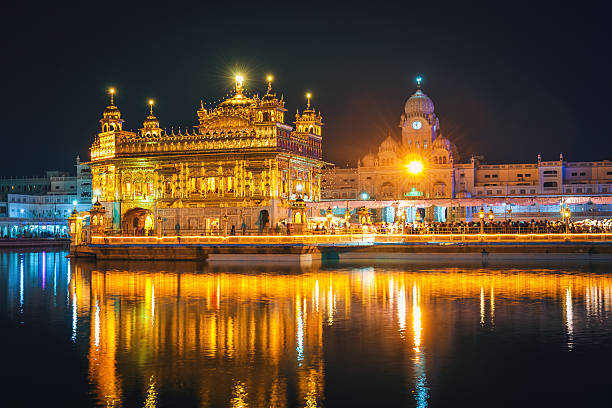
Golden Temple Amritsar: Darshan Timings, Langar & Travel Tips
Experience divine serenity at Golden Temple Amritsar. Discover its rich history, sacred rituals, and the world's largest langar serving 100,000 daily. Complete guide with timings, dress code, and travel tips.
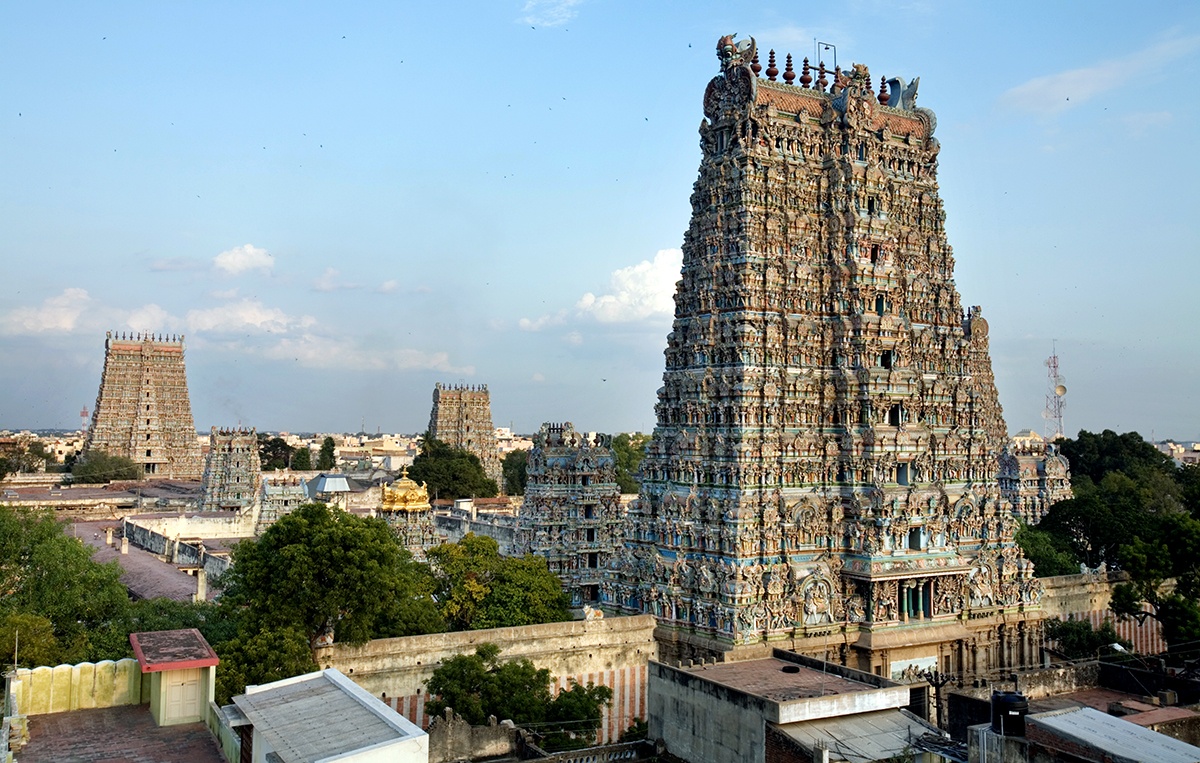
Meenakshi Temple Madurai: Complete Guide to the Temple City
Explore the magnificent Meenakshi Temple in Madurai - a 7th-century architectural marvel with 12 towering gopurams, musical pillars, and sacred tanks. Discover history, timings, Chittirai festival, travel tips, and nearby attractions in this comprehensive guide.
Temples in Kerala: God's Own Country's Sacred Heritage
Explore sacred temples in Kerala. Discover Sabarimala, Guruvayur, Padmanabhaswamy & more with complete travel guide.
Never Miss an Adventure
Get the latest trekking guides, travel tips, and exclusive offers delivered straight to your inbox.
