
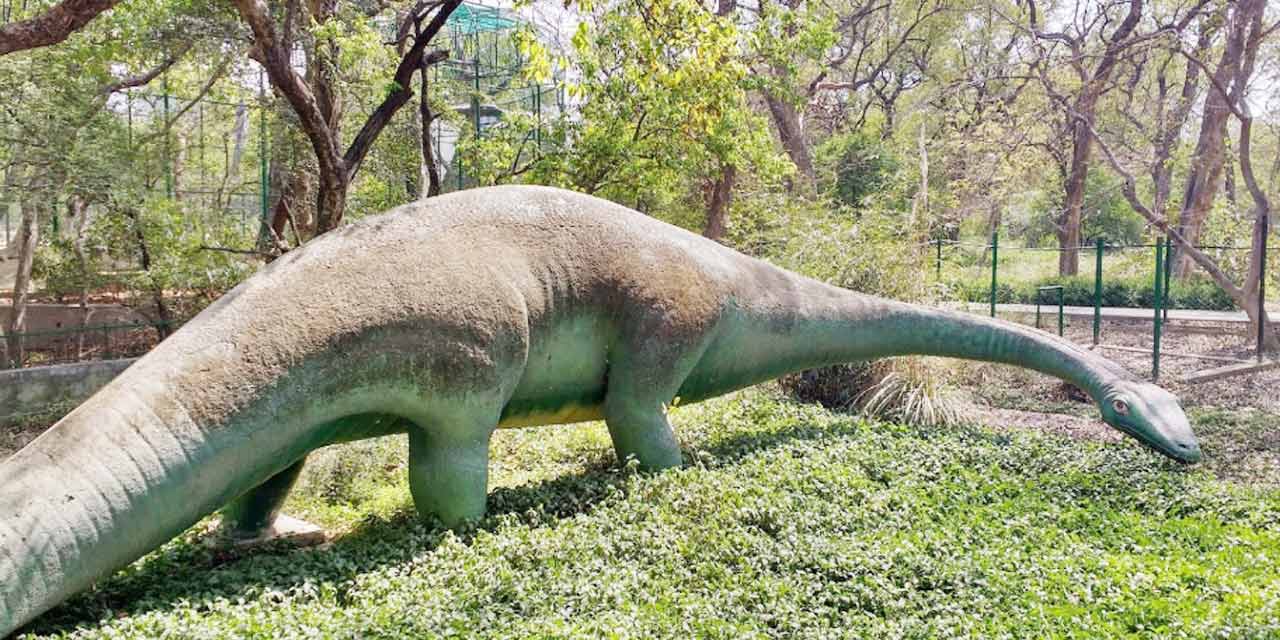
Kanpur Zoological Park: Timings, Entry Fee & Animal Highlights

Neha Kapoor
December 22, 2025
Visit Kanpur Zoological Park (Allen Forest Zoo)! Discover timings, entry fees, 200+ animal species, battery safari, botanical garden & complete travel guide for UP's largest zoo.
Introduction to Kanpur Zoological Park
Kanpur Zoological Park, popularly known as Allen Forest Zoo, stands as the largest and most prestigious wildlife sanctuary in Uttar Pradesh. Spread across a sprawling 77 hectares of natural forest land in Nawabganj, this zoological park offers visitors an immersive experience into the animal kingdom. Established in 1971, the zoo has evolved into a premier destination for wildlife enthusiasts, families, and nature lovers, hosting over 1,200 animals representing more than 200 species. It's one of the most exciting places to visit in Kanpur for families and wildlife enthusiasts.
What sets Kanpur Zoo apart from conventional zoos is its unique setting within a natural forest environment. Unlike many zoos that feel artificial, Allen Forest Zoo maintains the ecological balance of its surroundings while providing a safe haven for diverse wildlife. The park's thoughtful design ensures animals live in spacious enclosures that closely mimic their natural habitats, making it a model for modern zoo conservation efforts.
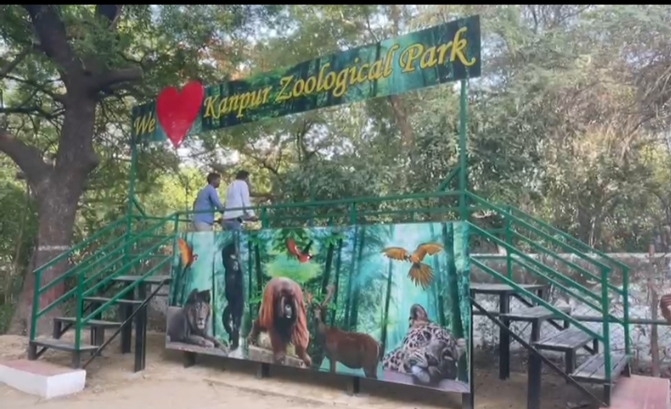
For families planning a weekend outing, wildlife photographers seeking rare species, or educators looking to introduce children to biodiversity, Kanpur Zoological Park offers something special for everyone. The combination of diverse wildlife, botanical gardens, battery vehicle tours, and educational programs makes it much more than just a tourist attraction—it's a center for conservation awareness and environmental education.
Quick Facts & Overview
Before planning your visit to Kanpur Zoo, understanding these key details will help you make the most of your experience:
Zoo Summary
- Location: Nawabganj, Kanpur (Approximately 7 km from city center)
- Total Area: 77 hectares of natural forest
- Established: 1971
- Also Known As: Allen Forest Zoo
- Animal Population: 1,200+ individual animals
- Species Diversity: 200+ species including mammals, birds, and reptiles
- Management: Uttar Pradesh Forest Department
- Recognition: Largest zoo in Uttar Pradesh
Key Features
Kanpur Zoological Park offers several distinctive features that enhance the visitor experience. The natural forest setting provides a serene atmosphere where visitors can observe animals in environments designed to replicate their natural habitats. The zoo includes large, moated enclosures that allow unobstructed viewing while ensuring animal safety.
The botanical garden section houses over 500 plant species, including ancient banyan and peepal trees that provide natural shade and beauty. For those who prefer not to walk the entire 6-7 km trail, battery-operated vehicles cover 70% of the zoo area. The park also features a lake with boating facilities, a nocturnal animal house, and seasonal night safari experiences that offer unique perspectives on wildlife behavior.
Kanpur Zoo Timings
Planning your visit around the zoo's operating schedule ensures you have adequate time to explore all major attractions. The timings vary seasonally to accommodate weather conditions and animal activity patterns.
Regular Timings
Summer Season (April - September)
Opening Time: 8:00 AM
Closing Time: 6:00 PM
Last Entry: 5:00 PM
Winter Season (October - March)
Opening Time: 9:00 AM
Closing Time: 5:00 PM
Last Entry: 4:00 PM
Weekly Schedule
The zoo operates six days a week, remaining closed every Monday for maintenance and animal care activities. This schedule ensures that animals get necessary rest and that enclosures receive proper cleaning and maintenance without disturbing visitor experience.
- Open Days: Tuesday to Sunday
- Weekly Off: Monday (Closed all day)
- Holiday Schedule: Open on all public holidays unless Monday falls on a holiday
Best Time to Enter
Timing your visit strategically significantly enhances your experience. Early morning visits between 8-10 AM are ideal because animals are most active during cooler hours, fresh from their nighttime rest. This is when you're likely to see big cats, elephants, and primates moving around and feeding.
Evening visits between 4-5 PM coincide with feeding time for many species, making animals more visible and active. Avoid visiting between 12-3 PM during summer months, as animals tend to rest in shaded areas and are less active during the hottest part of the day.
Entry Fee & Ticket Prices
Kanpur Zoological Park maintains an affordable pricing structure that makes it accessible to all visitors while generating funds for conservation efforts.
Ticket Categories
Adult Tickets
Indian Visitors: ₹70 per person
Foreign Nationals: ₹200 per person
Children Tickets
Indian Children (3-12 years): ₹30 per child
Foreign Children: ₹100 per child
Children under 3 years: Free entry
Student Groups
School Groups: ₹20 per student (with ID card)
College Groups: ₹40 per student (with ID card)
Minimum group size: 15 students
Prior booking required for educational tours
Additional Charges
Battery Vehicle Charges
Adults: ₹50 per person
Children: ₹30 per child
Private Buggy (5-7 seater): ₹800-1200 per trip
Booking: First-come, first-served or online reservation
Camera Fees
Still Camera: ₹50
Video Camera: ₹200
Professional Photography: ₹500
Commercial shoots require special permission
Parking Fees
Two-wheelers: ₹20 per vehicle
Four-wheelers: ₹50 per vehicle
Bus parking: ₹100 per vehicle
Locker Facilities
Small Locker: ₹20
Large Locker: ₹40
Available at entrance gate
Online Booking
The zoo offers online ticket booking through its official website, allowing visitors to skip queues at the entrance. Online tickets include a small convenience fee of ₹10 but provide QR code entry that saves significant time during peak visiting hours. This facility is particularly recommended for weekend visits and holiday seasons when crowds are larger.
Best Time to Visit Kanpur Zoo
Choosing the right season and time of day for your visit significantly impacts your experience at Kanpur Zoological Park. Weather conditions directly affect animal activity levels and visitor comfort.
Seasonal Guide
Winter Season (October - March) ⭐ Highly Recommended
Weather: Pleasant temperatures ranging from 10-25°C
Animal Activity: Most active throughout the day
Visitor Experience: 9/10 - Ideal for walking and photography
Special Features: Animals visible in open areas, pleasant for families
Summer Season (April - June)
Weather: Hot temperatures reaching 30-45°C
Animal Activity: Less active during midday hours
Visitor Experience: 6/10 - Early morning visits recommended
Special Features: Shade-provided viewing areas important, water animals more active
Monsoon Season (July - September)
Weather: Rainy with high humidity
Animal Activity: Moderate activity levels
Visitor Experience: 7/10 - Lush greenery, some paths may be slippery
Special Features: Beautiful green surroundings, fewer crowds, carry rain gear
Time of Day Recommendations
Morning visits (8-11 AM) coincide with animal feeding times when most species are active and visible. This is the best time for photography and observing natural behaviors. Afternoon hours (12-3 PM) typically see animals resting in shaded areas, making them harder to spot. Evening visits (4-6 PM) offer another window of increased activity as animals become more active before dusk.
Recommended Duration
Plan your visit duration based on your interests and pace. A minimum of 3-4 hours allows you to cover major attractions, but visitors with children typically need 4-5 hours to move at a comfortable pace. Photography enthusiasts and wildlife lovers often spend 5-6 hours observing animals and waiting for perfect shots. Consider taking breaks at designated rest areas to make the most of your visit without fatigue.
Animals & Wildlife at Kanpur Zoo
The diverse wildlife collection at Kanpur Zoological Park represents ecosystems from across India and around the world. The zoo's commitment to conservation is evident in its carefully maintained animal populations and breeding programs.
Major Mammal Attractions
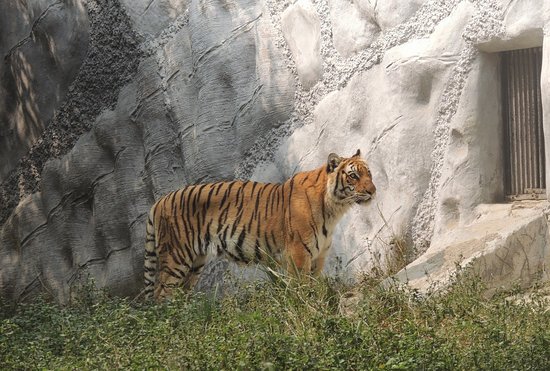
Royal Bengal Tiger - The undisputed star attraction of Kanpur Zoo, the tiger enclosure houses three magnificent tigers (two males and one female). These majestic predators can be observed in large moated areas that simulate their natural habitat. Early morning visits offer the best chance to see them active and patrolling their territory. For those interested in seeing tigers in the wild, Ranthambore National Park is another excellent destination.
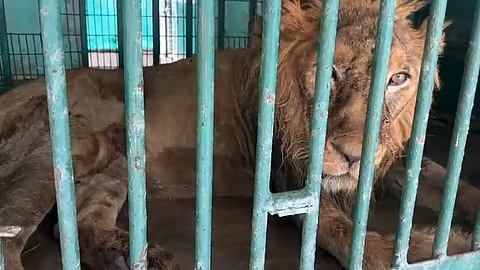
Asiatic Lion - One of the rarest big cats in the world, Kanpur Zoo's Asiatic lions represent an important conservation success. Two pairs of these endangered predators live in specially designed enclosures with viewing from three sides. Feeding time around 4 PM provides excellent viewing opportunities.
Indian Elephant - Three female elephants reside at the zoo, and their daily bath at 10 AM is a popular visitor attraction. While direct interaction is limited for safety reasons, watching these gentle giants in their natural pool environment is a memorable experience.
Leopard - The spotted leopard exhibit showcases these elusive cats known for their climbing abilities. Their enclosure includes elevated platforms and trees where they often rest during daytime hours.
Indian Rhinoceros - The great single-horned rhino represents one of the zoo's most impressive residents. These massive herbivores can usually be seen grazing or wallowing in mud, which helps regulate their body temperature.
Deer Species - The zoo houses various deer species including Black Buck, Chital (spotted deer), Sambar (the largest Indian deer), and Nilgai (the largest Asian antelope). The open deer enclosure allows visitors to observe grazing herds in a naturalistic setting.
Primates
Orangutan - Two red apes, among the most intelligent primates, reside in the specially designed primate house. Their glass-fronted enclosure allows close observation of their remarkable problem-solving abilities and social interactions.
Chimpanzee - Our closest living relatives in the animal kingdom, the chimpanzee troop demonstrates remarkable intelligence and complex social behaviors. Feeding demonstrations at 3 PM provide insights into their abilities and natural behaviors.
Monkey Species - Various monkey species including Rhesus macaques and Langurs can be observed in separate enclosures that showcase their different adaptations and social structures.
Reptiles
Gharial - This fish-eating crocodile, recognizable by its distinctive long, thin snout, is one of India's most endangered reptiles. Kanpur Zoo participates in conservation breeding programs for this unique species.
Mugger Crocodile - The marsh crocodile, more common than the gharial, can be observed basking in the sun or submerged with only eyes and nostrils visible above water.
Python - Indian rock pythons, among the largest snakes in India, are housed in temperature-controlled enclosures. Sunday demonstrations provide educational opportunities to learn about these often-misunderstood reptiles.
Bird Collection
Flightless Birds - Ostriches and Emus represent some of the largest bird species at the zoo. These flightless birds fascinate visitors with their size and unusual appearance.
Peacocks - India's national bird roams freely in several areas of the zoo, and during breeding season, males display their spectacular plumage in elaborate courtship rituals.
Water Birds - Various species including cranes, storks, and herons can be observed around the zoo's lake area. These birds are particularly active during morning hours.
Birds of Prey - Eagles, hawks, and owls showcase the incredible adaptations that make these birds successful hunters. Educational displays explain their ecological importance.
Animal Care & Conservation
Kanpur Zoological Park maintains an on-site veterinary hospital where animals receive regular health checkups and medical care when needed. The zoo participates in several conservation breeding programs for endangered species including the gharial, Asiatic lion, and various bird species. Natural habitat simulation in enclosures ensures animals can express natural behaviors while remaining safe and healthy.
Zoo Highlights & Attractions
Beyond individual animal exhibits, Kanpur Zoo offers several special features that enhance the visitor experience and provide unique opportunities for wildlife education.
Royal Bengal Tiger Enclosure
The tiger enclosure ranks as the most popular attraction, featuring three tigers in a large moated area with viewing from three sides. The design includes natural vegetation, water features, and elevated platforms that allow tigers to exhibit natural behaviors. Best viewing occurs during morning and evening hours when tigers patrol their territory and mark their boundaries. Photography enthusiasts should visit early when the lighting is ideal and tigers are most active.
Lion Safari
The Asiatic lion safari offers an exciting opportunity to observe two pairs of these endangered predators in an open enclosure design. Safari vehicles take visitors through the area while maintaining safe distances. The 4 PM feeding time provides excellent viewing as lions become active. This experience helps visitors understand why lions are called the kings of the jungle.
Elephant Enclosure
The elephant house houses three female elephants in an enclosure featuring a natural pool where they bath daily at 10 AM. While visitor interaction is limited for safety reasons, watching these intelligent giants' daily routines provides insights into elephant behavior and social structure. The enclosure includes educational displays about elephant conservation in India.
Primate House
The primate section features orangutans and chimpanzees in glass-fronted enclosures with climbing structures and enrichment activities. Feeding demonstrations at 3 PM offer opportunities to observe their remarkable intelligence and problem-solving abilities. The house maintains temperature-controlled environments that simulate these primates' natural habitats.
Reptile House
The reptile house showcases snakes, crocodiles, lizards, and turtles in temperature-controlled enclosures that replicate their natural environments. Educational displays explain the ecological importance of these often-misunderstood animals. Sunday snake demonstrations provide safe opportunities to learn about various snake species and their role in ecosystems.
Aviary
The walk-in bird enclosure allows visitors to observe free-flying birds in a naturalistic habitat. Various bird species move freely in this enclosed space that includes trees, water features, and feeding stations. Morning visits are most rewarding when birds are actively feeding and singing. The aviary provides excellent opportunities for bird photography.
Special Features
The seasonal butterfly garden transforms into a magical space when weather conditions permit, hosting numerous butterfly species among flowering plants. The nocturnal animal house uses special lighting to reverse day-night cycles, allowing visitors to observe normally nocturnal species during regular zoo hours. The freshwater aquarium showcases various fish species from Indian rivers and lakes, while the insectarium displays fascinating insect species including butterflies, beetles, and stick insects.
Battery Operated Vehicles
For visitors who prefer not to walk the entire 6-7 km zoo trail, battery-operated vehicles provide an efficient way to cover major attractions while reducing fatigue.
Battery Train Service
The battery train covers approximately 70% of the zoo area, making regular stops at major attractions including the tiger enclosure, lion safari, elephant house, primate section, and bird aviary. Each trip lasts 45-60 minutes with trains departing every 30 minutes from the main entrance. The train can accommodate 20-25 passengers per trip and includes an informative commentary about the zoo and its animals.
Charges & Booking
Adult tickets cost ₹50 per person while children's tickets are ₹30. Private buggy rental for 5-7 seats costs ₹800-1200 for the complete tour. Booking operates on a first-come, first-served basis, though online reservations are available for guaranteed slots. Group bookings require advance reservation by contacting the zoo office directly.
Route Highlights
The vehicle route strategically stops at the tiger enclosure, lion safari viewing area, elephant house, primate section, and bird aviary, ensuring visitors don't miss major attractions. The elevated seating provides good viewing opportunities even during crowded periods.
Tips for Vehicle Use
Morning slots fill quickly, especially on weekends and holidays, so arrive early or book online. The service is particularly beneficial for elderly visitors and families with young children. Using the vehicle saves considerable walking (6-7 km) though some areas require short walks from stops. Consider combining vehicle transport with walking for areas you want to explore more thoroughly.
Botanical Garden
The botanical garden section, often overlooked by visitors focused on animals, deserves dedicated time for exploration. This 15-hectare area within the zoo hosts over 500 plant species ranging from ancient trees to seasonal flowers.
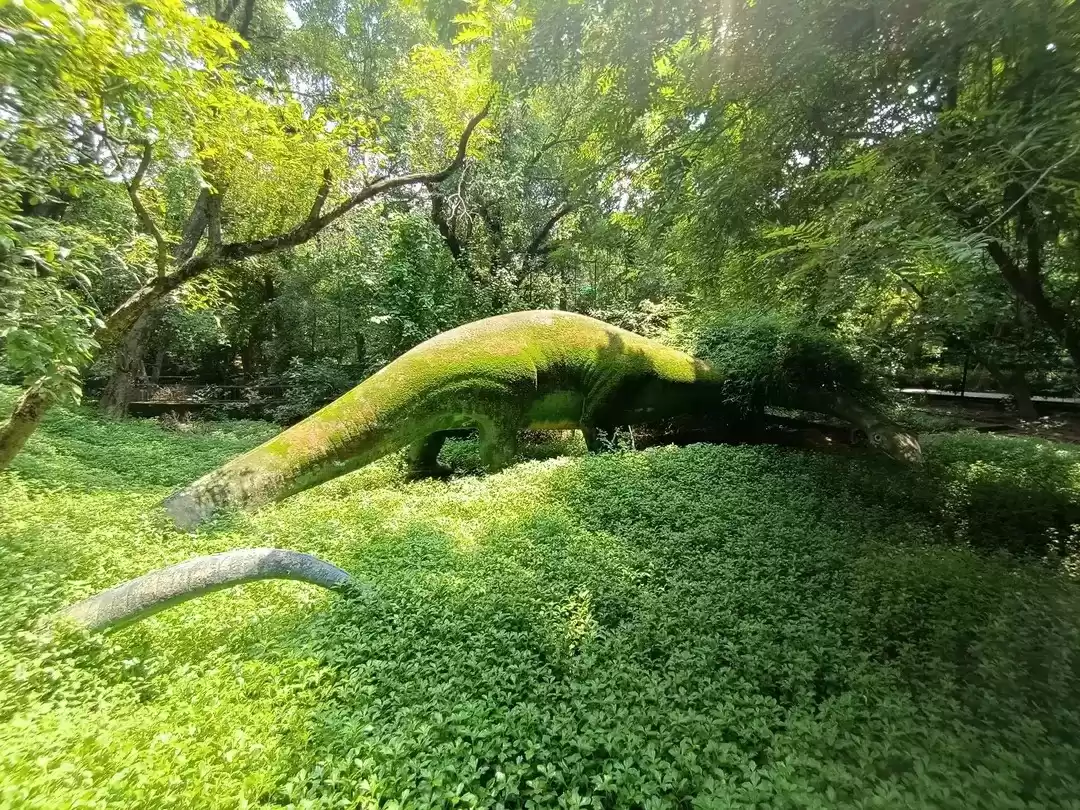
Ancient banyan and peepal trees provide natural canopy throughout the garden, with some specimens estimated to be over 100 years old. Seasonal flower beds create changing displays of color throughout the year, reaching their peak during spring (February-March) when the weather is ideal for flowering.
The cacti collection features various cactus species adapted to arid conditions, while the medicinal plant section educates visitors about traditional Ayurvedic plants and their uses. Informational boards throughout the garden help visitors identify plant species and understand their ecological importance.
How to Reach Kanpur Zoo
Kanpur Zoological Park is easily accessible from various parts of Kanpur and neighboring cities through multiple transport options.
From Kanpur City Center
Distance: 7 km
Travel Time: 20-30 minutes depending on traffic
Auto-rickshaw: ₹100-150
Taxi: ₹200-300
City Bus: Route 301 and 305 connect to the zoo
From Kanpur Railway Stations
Kanpur Central: 8 km, 25-35 minutes, auto-rickshaw ₹120-180
Kanpur Bridge Left: 5 km, 15-20 minutes, auto-rickshaw ₹80-120
From Kanpur Airport
Chakeri Airport: 15 km, 40-50 minutes, taxi ₹400-600
By Road from Other Cities
From Lucknow: 85 km, approximately 2 hours via NH27
From Allahabad: 200 km, approximately 4 hours
Parking available: ₹50 for four-wheelers
Nearby Landmarks
Indian Institute of Technology (IIT) Kanpur: 2 km
HBTI Kanpur: 3 km
Tatmill Ground: 1 km
Nearby Attractions
Combine your zoo visit with other Kanpur attractions to make a full day of sightseeing. Kanpur Memorial Church, located 5 km away, is a beautiful Gothic Revival church built in 1875. Phool Bagh, 6 km from the zoo, is a historic garden perfect for evening strolls. Nana Rao Park, 7 km away, offers green space and recreational facilities.
For those with more time, Bithoor (25 km) is a historic town on the Ganges with religious significance, while Jajmau (10 km) features ancient archaeological mounds dating back to 600 BC.
Visitor Tips & Guidelines
Following these guidelines ensures a safe, enjoyable visit while respecting the zoo's residents and facilities.
What to Carry
Comfortable walking shoes are essential as you'll cover considerable distance. Sunscreen, hat, and sunglasses provide protection during summer visits. A refillable water bottle helps stay hydrated (refill stations available). Camera and binoculars enhance wildlife viewing. Light snacks are permitted (no food inside animal enclosures). A small first aid kit is recommended for families with children. Mosquito repellent is useful during monsoon season.
Do's During Your Visit
Wear comfortable, modest clothing suitable for walking. Carry sufficient cash as cards aren't always accepted at small vendors. Reach early morning for the best animal viewing. Respect animals by maintaining distance and not teasing them. Follow designated paths and respect barriers. Keep the zoo clean by disposing of trash properly.
Don'ts During Your Visit
Don't feed animals under any circumstances - it harms their health and natural behavior. Don't tease animals or make loud noises that disturb them. Don't play music without headphones. Don't pluck plants or flowers from the botanical garden. Don't enter prohibited areas or cross safety barriers. Don't carry plastic bags into the zoo (use paper bags instead).
Available Facilities
The zoo provides drinking water stations throughout the campus. Clean restrooms are available at multiple locations. First aid facilities handle minor injuries. The zoo is wheelchair accessible with designated pathways. Paid parking facilities accommodate all vehicle types. A food court outside the zoo offers meals and snacks. A souvenir shop near the entrance sells wildlife-themed merchandise.
Kanpur Zoological Park represents an important institution for wildlife conservation, education, and recreation in Uttar Pradesh. Whether you're a wildlife enthusiast, photographer, or family seeking an educational day out, the zoo offers memorable experiences while promoting awareness about animal conservation and environmental protection. After your visit, explore the best cafes in Kanpur for a delightful meal.
Location
Frequently Asked Questions
Q1.What are Kanpur Zoo timings?
Q2.Is Kanpur Zoo open on Monday?
Q3.What is the entry fee for Kanpur Zoo?
Q4.Which animals are there in Kanpur Zoo?
Q5.Does Kanpur Zoo have tigers?
Q6.Is battery car available in Kanpur Zoo?
Q7.What is the best time to visit Kanpur Zoo?
Q8.How to reach Kanpur Zoo?
Recommended For You

Best Cafes in Kanpur: Area Guide, Timing and Tips Now
Best cafes in Kanpur guide with locality clustering, practical timing windows, budget control, and one-day cafe planning templates.

Best Local Food in Kanpur: Must-Try Spots and Tips
Best local food in Kanpur guide with breakfast-to-evening sequencing, street food strategy, budget control, and practical one-day tasting routes.

Best Restaurants in Kanpur: Street Food, Cafes & Dinner Picks
Discover the best restaurants in Kanpur with area-wise picks, Awadhi and North Indian favorites, modern cafes, and practical budget planning tips.
Never Miss an Adventure
Get the latest trekking guides, travel tips, and exclusive offers delivered straight to your inbox.
