
Ranthambore National Park: Safari Zones, Ticket Booking & Best Time
Rohit Verma
February 18, 2026
Discover Ranthambore National Park, India's premier tiger reserve. Complete guide to safaris, best time to visit, zones, wildlife, booking tips & accommodation.
Introduction to Ranthambore National Park
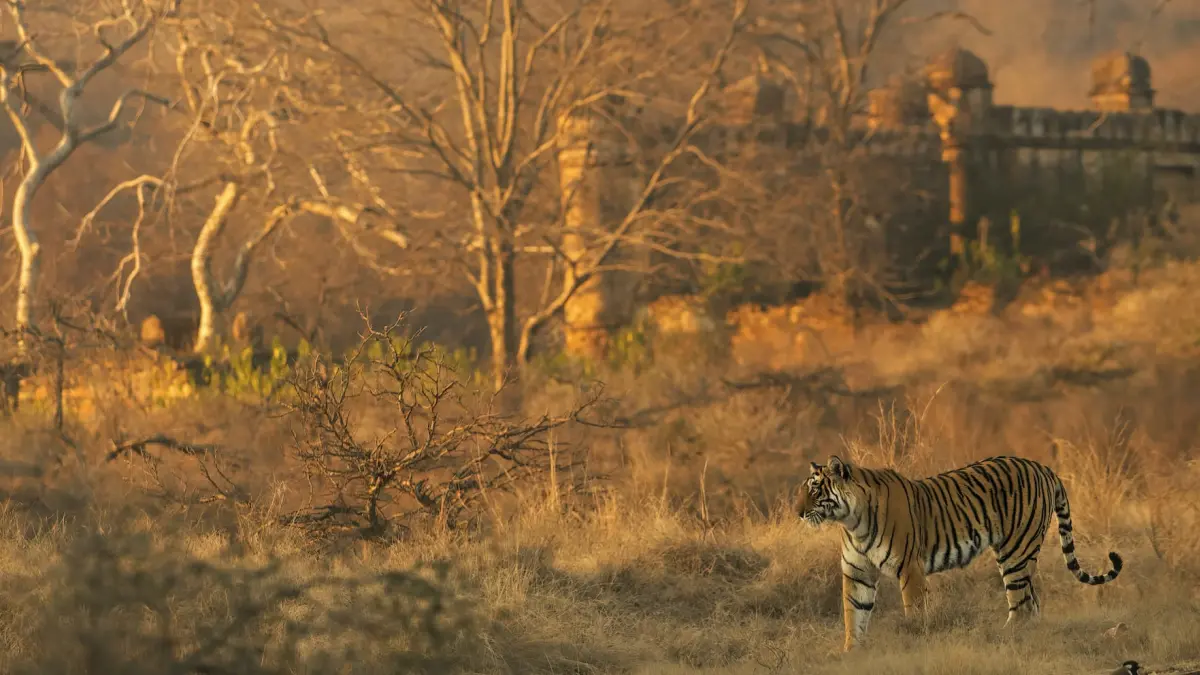
Ranthambore National Park stands as one of India's most celebrated tiger reserves, offering wildlife enthusiasts an incredible opportunity to witness the majestic Bengal tiger in its natural habitat. Located in the Sawai Madhopur district of Rajasthan, this 1,334 square kilometer park combines rich wildlife heritage with historical significance, featuring ancient forts and temples amidst dense forests.
What makes Ranthambore truly special is its relatively high tiger visibility compared to other Indian national parks. The park's dry deciduous forests, open grasslands, and serene lakes create perfect conditions for tiger sightings, especially during the summer months when animals gather around water sources. Whether you're a wildlife photographer, nature lover, or first-time safari-goer, Ranthambore promises an unforgettable wilderness experience. For those interested in exploring other tiger reserves, Jim Corbett National Park offers an excellent alternative in the foothills of the Himalayas.
The Royal Bengal Tigers of Ranthambore
Ranthambore's tiger population is undoubtedly its biggest draw. The park has gained international fame for its striped residents, many of whom have become legendary in the wildlife world. Tigers like Machli (Queen Mother of Ranthambore), who held the record for being the world's most photographed tiger, and her descendants have made this park their home for generations.
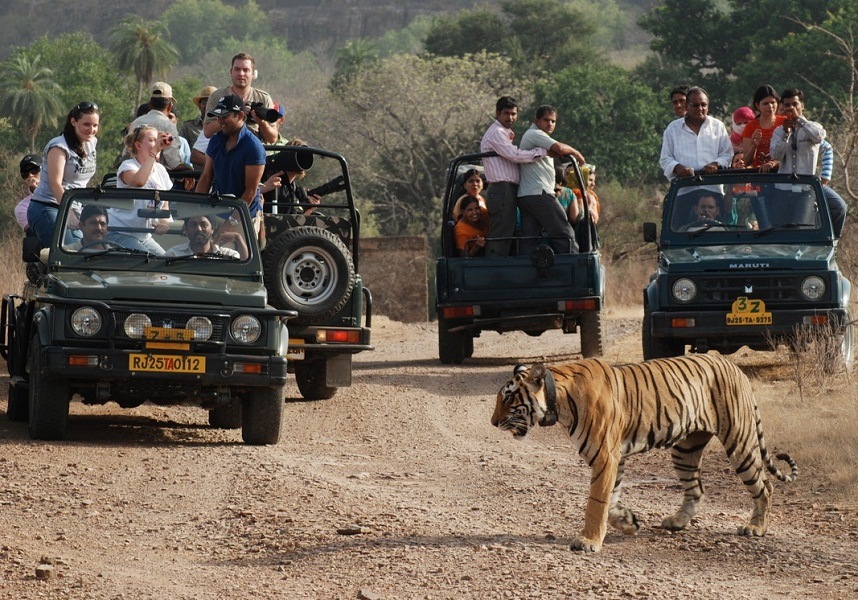
The park's unique landscape allows for excellent tiger sightings. Unlike dense forest reserves where visibility remains limited, Ranthambore's open terrain and sparse undergrowth make it easier to spot these magnificent predators. The tigers here are also known to be relatively comfortable around safari vehicles, providing visitors with extended viewing opportunities and incredible photographic moments.
Best Time to Visit Ranthambore
The timing of your visit significantly impacts your wildlife viewing experience. Ranthambore remains open from October to June, with each season offering distinct advantages for visitors.
October to March (Winter Season): The weather remains pleasant with temperatures ranging from 10-25°C. This is the most comfortable time for safaris, though tiger sightings might be less frequent as animals disperse across the larger territory. The lush greenery after monsoon creates beautiful photographic opportunities.
April to June (Summer Season): Considered the best time for tiger sightings. As temperatures soar to 40-45°C, animals frequently visit water holes, making them easier to spot. The dry vegetation also improves visibility. While the heat can be intense, the increased probability of tiger encounters makes it worthwhile for serious wildlife enthusiasts.
Monsoon (July to September): The park remains closed during these months for the breeding season and maintenance.
Safari Zones and Booking
Ranthambore National Park is divided into 10 zones, each offering unique landscapes and wildlife experiences. Understanding these zones helps in planning your safari effectively.
Zones 1-5: These are the most popular zones, known for consistent tiger sightings and historical landmarks like the Ranthambore Fort. Zone 3, in particular, features the beautiful Padam Talao lake and the famous Jogi Mahal.
Zones 6-10: Less explored but equally rewarding, these zones offer quieter safari experiences with excellent chances of spotting leopards, sloth bears, and various bird species.
Booking Tips: Safari bookings open 90 days in advance and fill up rapidly, especially for peak seasons and popular zones. Morning safaris (6:00-10:00 AM) generally offer better wildlife activity, while afternoon safaris (2:30-6:30 PM) can be productive during summer months.
Beyond Tigers: Diverse Wildlife
While tigers dominate the spotlight, Ranthambore hosts an incredible diversity of wildlife. The park's ecosystem supports over 40 species of mammals, 300+ bird varieties, and numerous reptile species.
Major Mammals: Leopard, sloth bear, striped hyena, jackal, jungle cat, caracal, sambar deer, chital (spotted deer), nilgai (blue bull), wild boar, chinkara, and langur monkeys. The park's predator-prey balance creates fascinating wildlife dynamics to observe. Wildlife enthusiasts looking for diverse experiences should also consider visiting Kaziranga National Park, famous for its one-horned rhinoceros population.
Birdlife: Ranthambore is a birdwatcher's paradise, home to crested serpent eagle, painted sandgrouse, Indian gray hornbill, kingfishers, parakeets, owls, and numerous migratory species that visit during winter months.
Reptiles: Monitor lizards, marsh crocodiles (often seen in the lakes), and various snake species including pythons and cobras.
Historical Treasures Within the Park
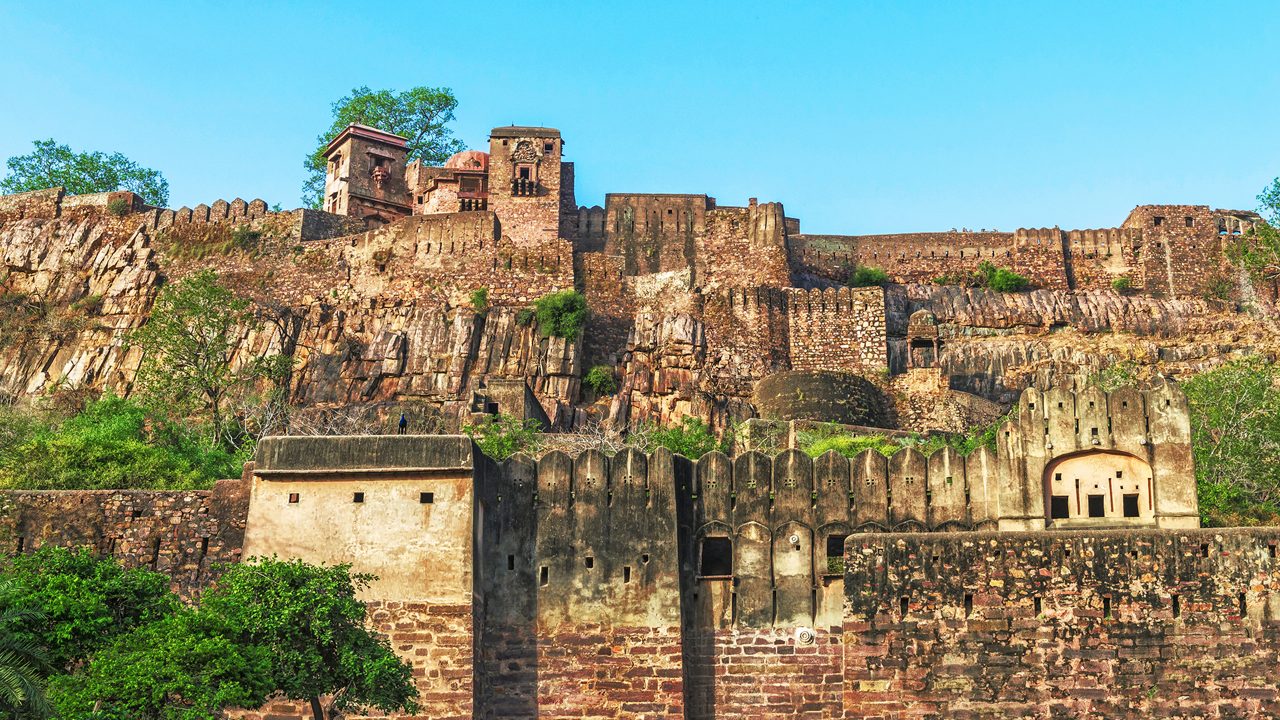
Ranthambore offers a unique blend of wildlife and history. The massive Ranthambore Fort, a UNESCO World Heritage Site, stands majestically within the park boundaries. Built in the 10th century, this fort has witnessed centuries of history and offers panoramic views of the surrounding forests.
Other historical structures include the Jogi Mahal, located beside the picturesque Padam Talao lake, and several ancient temples like the Ganesh Temple, which attracts devotees and tourists alike. These architectural wonders add cultural depth to your wildlife safari, making Ranthambore a comprehensive destination.
Types of Safari Experiences
Ranthambore offers two primary safari modes, each providing unique perspectives of the wilderness.
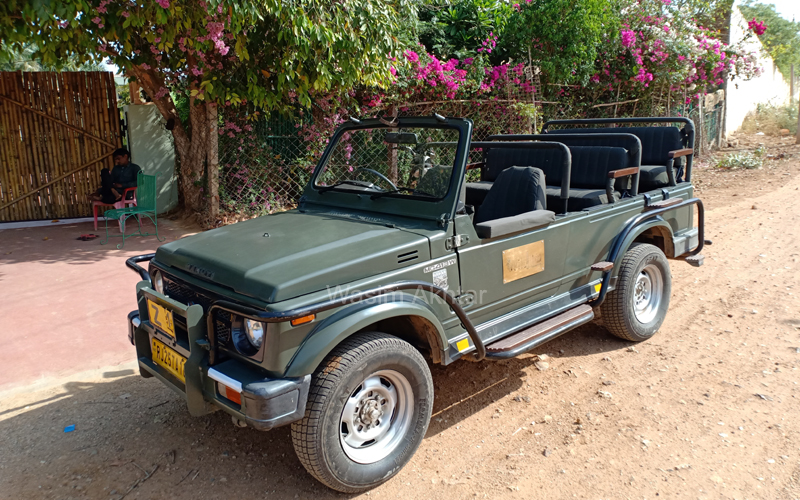
Jeep Safari (6 Seater): The most popular choice, offering flexibility, better photography opportunities, and a more intimate wildlife experience. Jeeps can navigate narrow trails and follow fresh tiger pugmarks quickly. Ideal for serious wildlife enthusiasts and photographers.
Canter Safari (20 Seater): A larger open-air vehicle that's more economical and allows for group experiences. While less flexible than jeeps, canters provide elevated viewing positions and are perfect for families or larger groups.
Both safari types are accompanied by experienced naturalists and guides who enhance your experience with their knowledge of animal behavior, tracking skills, and fascinating stories about the park's residents.
How to Reach Ranthambore
By Air: The nearest airport is Jaipur (180 km away), well-connected to major Indian cities. From Jaipur, you can hire a taxi or take a train to Sawai Madhopur.
By Train: Sawai Madhopur railway station is directly connected to major cities like Jaipur, Delhi, Mumbai, and Kota. The Jaipur-Mumbai superfast train is a convenient option.
By Road: Ranthambore is well-connected by road. The drive from Delhi takes approximately 5-6 hours (380 km), while Jaipur is about 3 hours away (180 km). Regular buses and private taxis operate on these routes. If you're planning a comprehensive wildlife tour of India, Rajaji National Park in Uttarakhand offers incredible elephant safari experiences.
Where to Stay Near Ranthambore
Accommodation options range from luxury heritage properties to budget-friendly guesthouses, catering to all preferences and budgets.
Luxury Options: Premium resorts like Oberoi Vanyavilas, Taj Sawai Madhopur Lodge, and Nahargarh Ranthambore offer world-class amenities, guided nature walks, and exclusive safari experiences.
Mid-Range Stays: Comfortable resorts and boutique hotels provide good value with essential amenities and proximity to park gates.
Budget Accommodation: Forest rest houses (bookable through the forest department) and economical lodges offer basic but comfortable stays for budget travelers.
Essential Safari Tips
- Book Early: Reserve safaris at least 60-90 days in advance, especially for weekends and peak seasons.
- Wear Earth Tones: Neutral colors like khaki, olive, and brown help you blend with the environment.
- Carry Binoculars: Essential for spotting wildlife from a distance and appreciating birdlife.
- Stay Silent: Maintain quiet during safaris to avoid disturbing animals and maximize sightings.
- Be Patient: Wildlife viewing requires patience. Your efforts will likely be rewarded.
- Respect Rules: Follow your guide's instructions and park regulations for your safety and animal welfare.
- Stay Hydrated: Carry water, especially during summer morning safaris.
- Camera Preparation: Bring telephoto lenses (200mm+) and extra batteries for wildlife photography.
Suggested Itinerary (3 Days)
Day 1: Arrival in Sawai Madhopur by afternoon. Check-in and relax. Evening visit to Ranthambore Fort for sunset views and orientation.
Day 2: Morning jeep safari in Zone 3 or 4 (prime tiger territory). Breakfast and rest at resort. Afternoon canter safari in a different zone. Evening nature walk or cultural program.
Day 3: Early morning safari in Zone 1 or 2. Post-safari breakfast and checkout. Optional visit to nearby villages or souvenir shopping before departure.
Photography Tips for Ranthambore
Capturing the perfect wildlife shot requires preparation and patience. Use fast shutter speeds (1/1000 or higher) to freeze animal movement, especially tigers on the prowl. Shoot during the golden hours (early morning and late afternoon) for the most dramatic lighting. Keep your camera ready at all times - wildlife encounters happen unexpectedly. Respect the animals' space and never use flash photography, which can disturb them.
Conservation Efforts
Ranthambore's success story is a testament to effective conservation practices. Once a hunting ground for Jaipur royalty, it became part of Project Tiger in 1973 and was declared a national park in 1980. The park's tiger population has grown significantly over the decades, though challenges like habitat encroachment and human-wildlife conflict persist. Your visit directly supports conservation efforts and local communities, making responsible tourism crucial for the park's future.
Conclusion
Ranthambore National Park offers much more than just tiger sightings - it's a complete wilderness experience that combines incredible wildlife, rich history, and authentic Rajasthan culture. Whether you're a seasoned wildlife enthusiast or a first-time visitor, the park's magic will leave an indelible mark on your soul. The thrill of watching a wild tiger in its natural habitat, the serenity of ancient forts at dawn, and the warmth of Rajasthani hospitality create memories that last a lifetime. Plan your visit thoughtfully, respect the wilderness, and prepare for one of India's most remarkable wildlife adventures.
Location
Frequently Asked Questions
Q1.What is the best time to visit Ranthambore for tiger sightings?
Q2.How many safaris should I book for a good tiger sighting chance?
Q3.What is the difference between jeep and canter safaris?
Q4.How far in advance should I book Ranthambore safaris?
Q5.Is Ranthambore safe for families with children?
Q6.What should I carry for a Ranthambore safari?
Q7.Which zones are best for tiger sightings in Ranthambore?
Q8.Can I visit Ranthambore Fort during the safari?
Q9.What are the chances of actually seeing a tiger?
Q10.Are there any restrictions inside Ranthambore National Park?
Recommended For You
Great Himalayan National Park: Trek Routes, Permits & Wildlife
Explore Great Himalayan National Park (GHNP): UNESCO World Heritage Site in Kullu. Complete guide to trekking routes, wildlife spotting, permits, best time to visit, and accommodation.
National Parks in Rajasthan: Tiger Safari Parks & Booking Tips
Explore National Parks in Rajasthan. Ranthambore, Sariska, Keoladeo. Tigers, birds, safari booking & best time to visit.
Wildlife Sanctuaries in Kerala: Top Sanctuaries, Safaris & Stay Tips
Explore Kerala's best wildlife sanctuaries - Periyar, Eravikulam, Silent Valley, Wayanad. Complete guide to wildlife viewing, safaris, best time to visit, and travel tips.
Never Miss an Adventure
Get the latest trekking guides, travel tips, and exclusive offers delivered straight to your inbox.
