
Kerala Houseboat: Complete Guide to Backwater Cruises in God's Own Country

Ananya Sharma
February 19, 2026
Complete guide to Kerala houseboats: types, routes, pricing, best time, booking tips, and everything you need for an authentic backwater cruise experience in God's Own Country.
Introduction: The Magic of Kerala's Houseboats
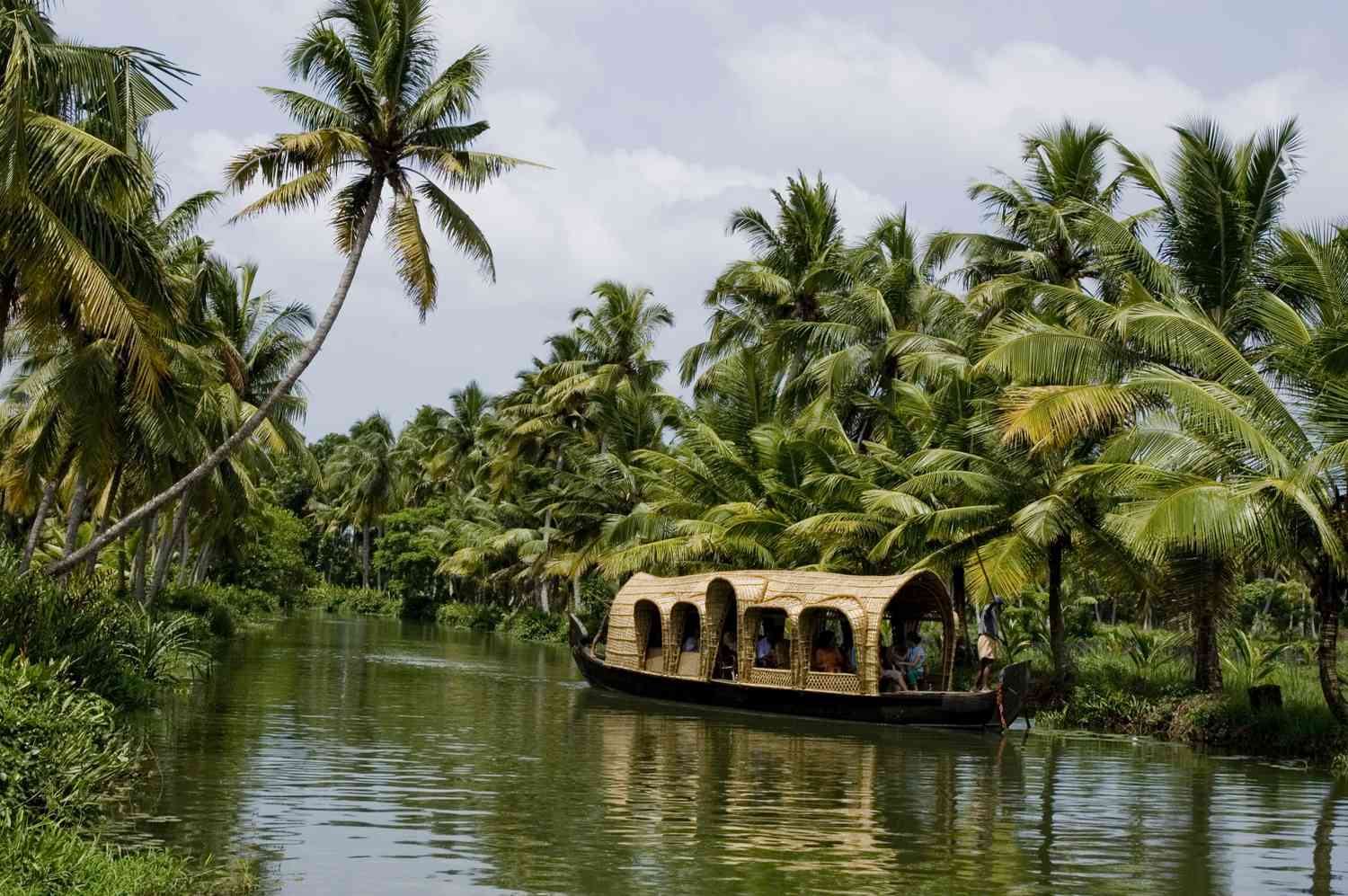
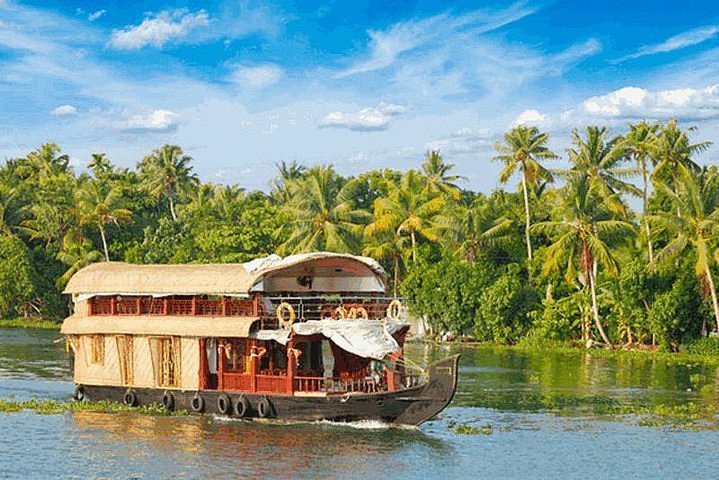
Gliding through the tranquil backwaters of Kerala aboard a traditional kettuvallam houseboat is one of India's most unique travel experiences. These floating homes, crafted from jackwood planks and coir ropes without a single nail, have been ferrying goods and people through Kerala's waterways for centuries. Today, they've been transformed into floating accommodations that offer travelers an intimate glimpse into life along the backwaters - where time seems to slow down, and the rhythm of water shapes every moment.
What makes Kerala houseboat cruises truly special is the perfect blend of tradition and comfort. As you drift past coconut palms leaning over the water, villages where women wash clothes at the shore, and paddy fields stretching to the horizon, you're experiencing Kerala as it has been for generations - all from the comfort of a boat that serves as both transport and accommodation. The houseboat experience isn't just about sightseeing; it's about living on the water, eating fresh catch from the backwaters, falling asleep to the gentle rocking of the boat, and waking to mist rising off mirror-like lakes.
Whether you choose a simple one-bedroom boat for a romantic getaway or a multi-bedroom vessel for a family celebration, a Kerala houseboat journey creates memories that last a lifetime. This comprehensive guide covers everything you need to know - from choosing the right boat and understanding costs to planning your route and making the most of your backwater adventure.
What is a Kettuvallam?
The word 'kettuvallam' comes from Malayalam - 'kettu' meaning tied with ropes, and 'vallam' meaning boat. These traditional rice barges were originally used to transport heavy cargo like rice, spices, and coir products through Kerala's intricate network of backwaters. What's remarkable is that these boats are built entirely without nails or screws - jackwood planks are tied together with coir ropes and caulked with boiled cashew nut kernel oil, making them completely eco-friendly and surprisingly durable.
The design of kettuvallams has evolved over centuries to perfectly suit Kerala's waterways. The flat bottom allows navigation in shallow waters, the thatched roof provides natural cooling even in tropical heat, and the curved bow cuts through water smoothly. Traditional kettuvallams could carry up to 30 tons of cargo and were the backbone of Kerala's inland water transport system until roads became prominent in the mid-20th century.
When tourism discovered Kerala's backwaters in the 1990s, these aging cargo boats found new purpose. The transformation was ingenious - the basic structure remained unchanged, but interiors were redesigned to include comfortable bedrooms, modern bathrooms, living areas, and even kitchens. What was once a workhorse became Kerala's most iconic tourism product, winning accolades from travelers worldwide and putting the backwaters on the global tourism map.
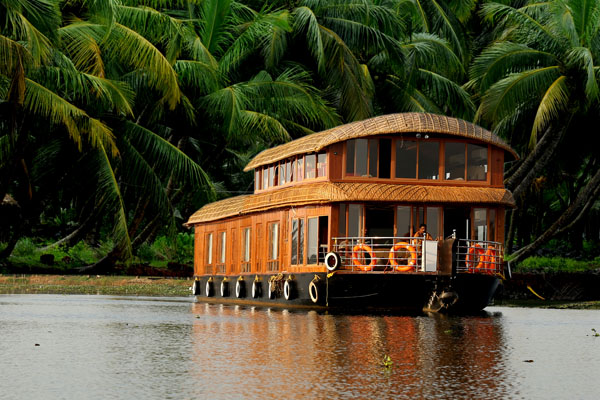
Today's houseboats retain their traditional exterior appearance - thatched roofs, bamboo matting, and carved woodwork - while offering modern amenities like air conditioning, comfortable beds, and Western-style bathrooms. This fusion of authentic design with contemporary comfort is what makes the Kerala houseboat experience so special - you're living in a piece of floating history without sacrificing convenience.
Types of Kerala Houseboats
Kerala houseboats come in various configurations to suit different budgets, group sizes, and preferences. Understanding these categories helps you choose the right boat for your needs and avoid disappointment.
Budget Houseboats
Budget houseboats offer the authentic kettuvallam experience with basic amenities. These boats typically have simple bedrooms with essential furniture, basic bathrooms with running water (sometimes not heated), and communal dining areas. Don't expect luxury finishes or premium materials, but what you get is genuine traditional atmosphere at the most accessible price point. Budget boats are perfect for backpackers, solo travelers, or anyone prioritizing experience over comfort.
Deluxe Houseboats
Deluxe category represents the sweet spot for most travelers - comfortable accommodations without the premium price tag. Deluxe boats feature well-appointed bedrooms with quality linens, modern attached bathrooms with hot water, furnished living/dining areas, and usually air conditioning in bedrooms. The décor is tasteful, often incorporating traditional Kerala design elements. Most travelers find deluxe boats perfectly adequate for a comfortable backwater experience.
Premium Houseboats
Premium houseboats elevate the experience with superior amenities and attention to detail. Expect larger bedrooms, possibly with lake-view windows, premium bedding and towels, well-designed bathrooms with premium fixtures, and spacious living areas. Premium boats often feature better maintenance standards, more attentive service, and higher-quality meals. The crew-to-guest ratio is usually better, ensuring more personalized service throughout your cruise.
Luxury Houseboats
Luxury houseboats are floating palaces designed for those who want to experience the backwaters without compromising on luxury. These boats feature multiple bedrooms with en-suite bathrooms, expansive living and dining areas, often glass-panelled floors for viewing underwater life, sundecks with lounge furniture, and sometimes even private jacuzzis. Gourmet meals prepared by skilled chefs, premium beverages, and personalized service are standard. Luxury boats are ideal for special occasions - honeymoons, anniversaries, or celebrations.
| Category | Bedrooms | Key Features | Best For |
|---|---|---|---|
| Budget | 1-3 | Basic amenities, traditional design | Budget travelers, authenticity seekers |
| Deluxe | 1-3 | AC bedrooms, modern bathrooms | Couples, families, most travelers |
| Premium | 2-4 | Larger rooms, superior service | Comfort-focused travelers |
| Luxury | 2-5 | Gourmet dining, premium amenities | Special occasions, luxury travelers |
Houseboat Sizes and Configurations
Houseboats are typically categorized by bedroom count, which determines capacity. One-bedroom boats are intimate and perfect for couples. Two-bedroom boats work well for small families or two couples traveling together. Three to five-bedroom boats accommodate larger groups or multi-generational family gatherings. Some luxury boats offer multiple suites with separate living areas, ideal for those wanting extra space and privacy.
Popular Houseboat Routes in Kerala
Kerala's backwater network offers multiple route options, each with distinct character and experiences. Choosing the right route depends on what you want to see, how much time you have, and your departure preferences.
Alleppey Round Trip
The most popular houseboat route starts and ends in Alleppey (Alappuzha), taking you through a diverse landscape of narrow villages canals, wide stretches of Punnamada Lake, and the scenic Vembanad Lake. This route offers the most complete backwater experience - you'll pass through villages where life revolves around the water, see coir-making units, ancient temples, and churches, and witness the famous below-sea-level farming of Kuttanad. The route typically includes night anchoring in a quiet location away from other boats, ensuring peaceful surroundings. Most operators offer this route with flexible itineraries ranging from one to three nights.
Alleppey to Kumarakom
This one-way route connects two of Kerala's most popular backwater destinations, covering different waterways than the standard Alleppey round trip. Starting in bustling Alleppey, you'll cruise south towards the quieter Kumarakom region, passing through less-developed sections of Vembanad Lake. The route offers beautiful sunset views and takes you closer to the Kumarakom Bird Sanctuary area. This option works well for travelers continuing their journey to Kumarakom resorts or wanting to avoid returning to their starting point. The cruise typically takes 6-8 hours, making it perfect for a day journey or overnight cruise.
Kollam to Alleppey
For travelers seeking longer, more immersive journeys, the Kollam-Alleppey route is Kerala's most scenic backwater cruise. Starting at Ashtamudi Lake in Kollam (formerly Quilon), this 8-hour journey takes you through some of the most pristine sections of Kerala's backwaters. The route passes through less-commercialized areas, offering authentic glimpses of village life where tourism hasn't yet changed traditional ways. This journey operated by the Kerala State Water Transport Department uses larger boats rather than private houseboats, making it more affordable but less private. It's perfect for travelers wanting to cover distance and see varied landscapes.
Kumarakom Round Trip
Kumarakom's backwaters are generally quieter than Alleppey's, making this route ideal for those seeking tranquility. The route focuses on Vembanad Lake's eastern shores, the bird sanctuary area, and narrow canals fringed by luxury resorts. The landscape is more resort-oriented than village-centric, with well-maintained canals and peaceful anchorages. This route is perfect when combined with a stay at one of Kumarakom's luxury resorts, offering both land-based and water-based backwater experiences.
| Route | Duration | Highlights | Best For |
|---|---|---|---|
| Alleppey Round Trip | 1-3 nights | Villages, Kuttanad farming, Punnamada Lake | First-time visitors, complete experience |
| Alleppey-Kumarakom | Day-1 night | Vembanad Lake, bird sanctuary area, sunsets | Route variety, resort travelers |
| Kollam-Alleppey | 8 hours (day) | Ashtamudi Lake, authentic villages | Budget travelers, scenic route lovers |
| Kumarakom Round Trip | 1-2 nights | Luxury resorts, bird sanctuary, tranquility | Honeymooners, peace seekers |
Houseboat Experience: What to Expect
Boarding and Welcome
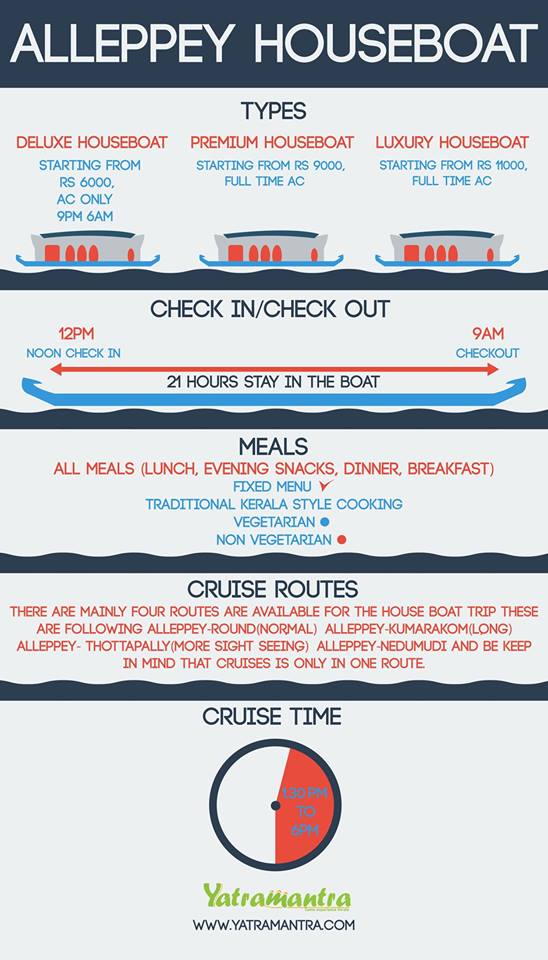
Your houseboat experience typically begins at 11:00 AM or 12:00 PM at the boarding point. Upon arrival, you'll be greeted by the crew and welcomed aboard with a traditional drink (often tender coconut water or a refreshing herbal drink). The captain or manager will brief you about the boat layout, safety features, and the planned route. This is the perfect time to discuss any preferences - special dietary needs, interest in birdwatching, desire to visit specific villages, or requests for route modifications.
Life on Board
Once underway, you settle into the gentle rhythm of backwater life. The houseboat moves slowly, typically at walking pace, which allows for uninterrupted viewing and photography. Most time is spent on the deck watching the world go by - fishermen in small wooden boats, women washing clothes at canal banks, children playing near the water, and farmers tending to fields. The crew is usually unobtrusive but always available - they're experienced in knowing when to engage and when to let guests enjoy privacy.
The houseboat layout typically includes a covered open deck at the front (perfect for viewing), a dining/sitting area in the middle, and bedrooms towards the rear. Some luxury boats have multiple decks including sun decks for lounging. Bedrooms are surprisingly comfortable with proper beds, quality linens, and storage space. Modern bathrooms are compact but functional with showers, western toilets, and running water (hot water is available in premium and luxury categories).
The Food Experience
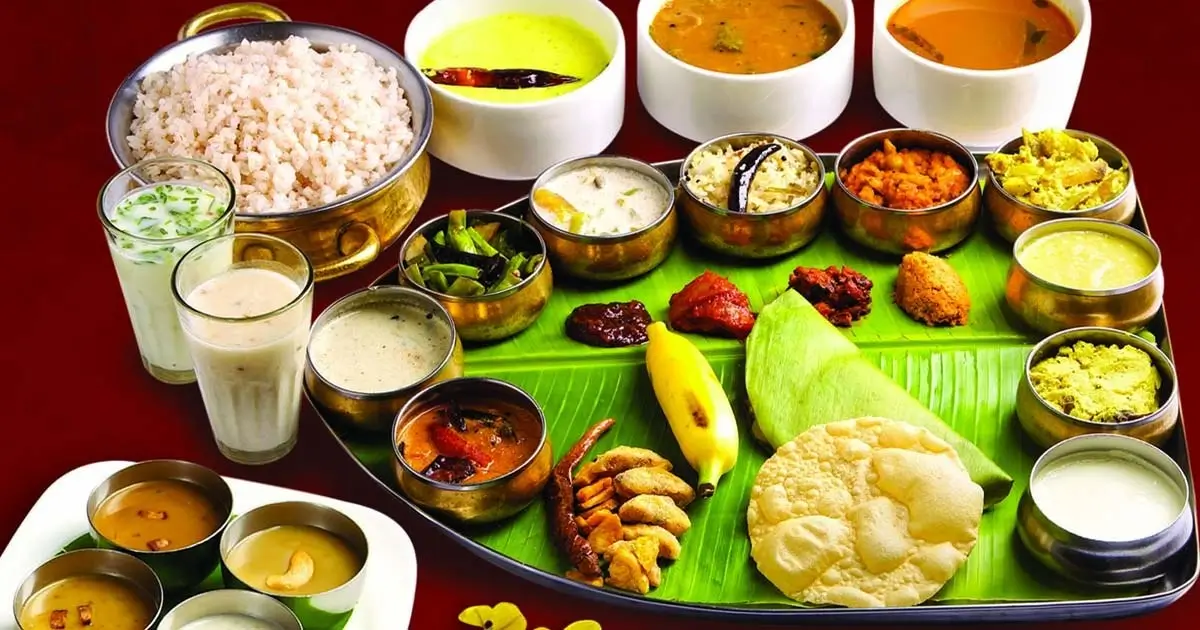
Food is undoubtedly one of the highlights of any Kerala houseboat journey. Most boats include a talented cook who prepares authentic Kerala cuisine using fresh ingredients purchased en route or sourced from villages you pass. The menu typically features:
- Breakfast: Appam (fermented rice pancakes) with stew, puttu (steamed rice cake) with kadala (black chickpea curry), or idli-dosa with chutneys
- Lunch: Traditional Kerala sadya (feast) served on banana leaf, featuring rice, sambar, avial (mixed vegetable dish), thoran (stir-fried vegetables), pickles, and papad
- Snacks: Banana fritters, tapioca chips, or local savory items served with tea/coffee
- Dinner: Karimeen pollichathu (pearl spot fish wrapped in banana leaf and grilled), chicken curry, vegetable curry, and rice
Meals are served in the dining area, and if weather permits, on the deck with views of passing scenery. Special dietary requirements (vegetarian, vegan, Jain-friendly, allergies) can usually be accommodated if informed in advance. Some luxury boats offer multicuisine options including Chinese and Continental dishes, but we recommend sticking to Kerala cuisine for the authentic experience.
Night on the Water
As evening approaches, the houseboat anchors in a pre-determined quiet location. The crew carefully selects the anchorage based on weather conditions and other boats nearby, ensuring a peaceful night. The magic of the backwaters intensifies after sunset - the sky fills with stars undiminished by city lights, the sounds of nature take over (crickets, distant temple bells, bird calls), and the water reflects moonlight creating an ethereal atmosphere.
Dinner is usually served early, followed by quiet time on deck. Many guests describe the experience as incredibly relaxing - there's something about being on water at night that induces deep calm. The gentle rocking of the boat becomes soothing rather than disorienting. Bedrooms are typically comfortable with fans (and air conditioning in deluxe and above categories), ensuring good sleep despite the tropical climate.
Morning on the Backwaters
Waking up on a houseboat is a special experience. Early risers are rewarded with mist rising off the water, bird calls echoing across the lake, and the soft light of dawn transforming the landscape. It's peaceful and meditative - perfect for yoga on deck, reading, or simply watching the world wake up. The crew typically starts early, preparing breakfast and preparing for departure. Morning is when wildlife is most active - keep an eye out for kingfishers diving for fish, egrets taking flight, and if you're lucky, otters playing near the banks.
Activities and Stops
While cruising is the primary activity, houseboats make several stops during the journey to break up the day and offer varied experiences. Common stops include:
- Village walks: Short stops at villages to see local life, visit homes, or interact with residents
- Coir-making units: Watch the process of turning coconut fiber into ropes and mats
- Ancient temples/churches: Quick visits to historic religious sites along the route
- Toddy shops: Local taverns serving fresh palm wine (an acquired taste but cultural experience)
- Fishing experiences: Try traditional fishing methods with local equipment
- Narrow canal explorations: Some boats carry smaller coracles or kayaks for up-close exploration
Stops are optional and depend on guest interest, route, and time. The captain will suggest options but ultimately follows guest preferences. Don't feel obligated to leave the boat if you're happy simply watching the scenery pass by - sometimes that's the most rewarding way to experience the backwaters.
Houseboat Pricing: Complete Cost Breakdown
Understanding houseboat pricing helps in budget planning and avoiding surprises. Prices vary significantly based on season, category, and duration, but understanding the structure helps make informed decisions.
Base Pricing by Category
Budget Houseboats: Starting from ₹8,000-12,000 per night for a two-bedroom boat. These boats offer basic accommodations but authentic experience. Ideal for travelers prioritizing budget over luxury.
Deluxe Houseboats: Range from ₹12,000-18,000 per night. This is the most popular category, offering good comfort without premium pricing. Most travelers find this category perfectly adequate.
Premium Houseboats: Typically ₹18,000-25,000 per night. Better amenities, superior service, and more spacious accommodations. Suitable for comfort-focused travelers.
Luxury Houseboats: ₹25,000-40,000+ per night. Top-tier boats with premium amenities, gourmet dining, and personalized service. Perfect for special occasions.
What's Included in Standard Packages
Most houseboat packages include:
- Overnight stay on the houseboat
- All meals (breakfast, lunch, dinner, tea/coffee and snacks)
- Crew services (captain, cook, assistant)
- Fuel and navigation costs
Additional Costs to Consider
Air Conditioning: Many boats charge extra for AC usage, typically ₹500-1,000 per hour or a fixed daily rate. Clarify this before booking.
Beverages: Packaged water, soft drinks, and alcoholic beverages are usually charged separately. Some boats allow guests to bring their own.
Parking/Boarding Fees: Some boarding points charge parking fees for vehicles (₹100-300 per day).
Seasonal Price Variations
Prices fluctuate significantly by season:
- Peak Season (December-January, Onam festival in August-September): Expect 30-50% higher rates. Book well in advance.
- Shoulder Season (February-March, October-November): Moderate pricing with good weather availability.
- Off-Season (April-July, monsoon months): Lower prices, sometimes 20-30% less than peak. Good for budget travelers.
Money-Saving Tips
- Book directly with boat owners rather than through agents (research online and contact directly)
- Travel during off-season or shoulder season for better rates
- Weekday rates are often lower than weekends
- Group travel reduces per-person cost significantly
- Consider shorter day cruises instead of overnight stays if budget is tight
Best Time for Kerala Houseboat Experience
While houseboats operate year-round, each season offers a distinct experience. Your choice of timing should align with your priorities - weather preference, budget considerations, or crowd avoidance.
Winter (November - February)
This peak season offers the most comfortable weather with temperatures ranging from 17-32°C and lower humidity. Skies are generally clear, making it perfect for photography and outdoor activities on deck. The pleasant conditions make this the most popular time for houseboat cruising, especially for international visitors unaccustomed to tropical heat. However, expect higher prices, more boats on the waterways, and the need to book well in advance. The Christmas-New Year period is especially busy - plan months ahead if traveling during this time.
Summer (March - May)
Summer brings higher temperatures (up to 36°C) and humidity, but this is when the backwaters are least crowded. You'll find better prices, more peaceful anchorages, and a more relaxed atmosphere overall. Early mornings and evenings are pleasant, and the heat is more bearable on the water than on land due to constant breeze. Water levels are lower in summer, which can limit access to some smaller canals, but main routes remain navigable. If you don't mind heat and want value, summer is a smart choice.
Monsoon (June - September)
The monsoon season is when Kerala's backwaters truly come alive. Heavy rainfall (especially June-July) transforms the landscape into lush green paradise. Canals overflow their banks, creating water-covered fields, and the entire region takes on a magical quality. There's something romantic about experiencing the backwaters during rain - watching droplets create patterns on the water surface, feeling the cool breeze, and seeing the raw power of nature. September, when rains begin tapering, offers green landscapes plus clearing skies. This is also when Onam celebrations add cultural color to your visit. Note that some routes may be limited during heavy monsoon periods.
| Season | Weather | Crowds | Prices | Best For |
|---|---|---|---|---|
| Winter (Nov-Feb) | Pleasant, dry | High | Premium | First-timers, comfort seekers |
| Summer (Mar-May) | Hot, humid | Low | Value | Budget travelers, solitude seekers |
| Monsoon (Jun-Sep) | Rainy, lush | Low | Value | Rain lovers, photographers |
How to Choose the Right Houseboat
With hundreds of operators and boats to choose from, selecting the right houseboat can feel overwhelming. These guidelines help you make an informed choice that matches your expectations.
Determine Your Priorities
Before booking, clarify what matters most for your trip:
- Budget vs. Comfort: Are you okay with basic amenities for authentic experience, or do you want premium comfort?
- Route vs. Boat: Is covering scenic routes more important than luxury accommodations, or vice versa?
- Group Composition: Family with children? Couples getaway? Multi-generational group?
- Special Occasion: Honeymoon, anniversary, or celebration might warrant luxury boats.
Research Operators Thoroughly
Not all operators deliver what they promise. Research is essential:
- Read recent reviews on multiple platforms (Google, TripAdvisor, travel forums)
- Check operator websites for actual photos (not stock images)
- Ask for photos of the specific boat you'll be on, not generic category photos
- Verify business credentials and government registration
- Ask about the boat's age and maintenance standards
Ask the Right Questions
Before booking or paying, clarify these details:
- Exact category and specifications of the boat
- Complete route map with stops and sightseeing points
- AC policy (included or charged extra, timing restrictions)
- Meal details (veg/non-veg options, special dietary accommodation)
- Check-in and check-out timing
- Anchorages (shared with other boats or private locations)
- Cancellation and refund policies
- What happens in bad weather
Avoid Common Booking Mistakes
- Don't book based on price alone - cheapest options often disappoint
- Avoid last-minute bookings during peak season - options are limited
- Don't assume inclusions - clarify what's covered in the price
- Be wary of deals that seem too good to be true - they usually are
- Don't book through unverified agents or street touts
- Don't skip reading reviews - recent guest experiences are telling
Planning Your Houseboat Trip
Duration Planning
One-Day Cruise (No Overnight): Perfect introduction to backwaters. Board at 11 AM, cruise through villages and lakes, lunch on board, return by 5 PM. Good for travelers with limited time or those unsure about overnight stays. Cost: ₹6,000-12,000 depending on boat.
Two-Day, One-Night: Most popular option. Experience sunset and sunrise on water, magical night anchoring, and relaxed pacing. Board Day 1 at 11 AM, return Day 2 afternoon. Cost: ₹8,000-25,000 depending on category.
Three-Day, Two-Nights: For deeper exploration. Cover more distance, visit remote areas, more leisurely pace with additional stops. Ideal for backwater enthusiasts and photographers. Cost: ₹16,000-50,000 total depending on category.
Booking Timeline
Peak Season (Dec-Jan, Onam): Book 2-3 months in advance for best boat selection and rates.
Shoulder Season: 1-2 months ahead is usually sufficient.
Off-Season: Last-minute bookings possible, but advance booking still recommended for specific boats.
Combining with Other Kerala Experiences
Houseboats work well as part of broader Kerala itineraries:
- With Munnar: Hill station + backwaters is Kerala's classic combination
- With Kochi: Cultural city experience + peaceful backwaters
- With Kovalam/Varkala: Beach + backwater variety
- With Thekkady: Wildlife + backwaters for diverse experiences
For more on planning broader Kerala trips, see best places to visit Kerala and Kerala backwaters guide.
Reaching Houseboat Boarding Points
Alleppey Boarding Points
By Air: Cochin International Airport (85 km away, 2-hour drive) is the closest. Trivandrum Airport (150 km) is another option.
By Train: Alleppey Railway Station is well-connected to major Kerala cities and has trains from Kochi, Trivandrum, and Bangalore.
By Road: National Highway 66 connects Alleppey to Kochi (2 hours), Trivandrum (3 hours), and other Kerala cities. Private taxis, app cabs, and state buses are readily available.
Kumarakom Boarding Points
By Air: Cochin International Airport (75 km, 1.5-hour drive).
By Train: Kottayam Railway Station (16 km away) is the nearest major railhead.
By Road: Well-connected from Kochi (2.5 hours), Kottayam (30 minutes), and other Kerala cities.
Kollam Boarding Points
By Air: Trivandrum International Airport (70 km away).
By Train: Kollam Railway Station is a major stop on the Kerala rail network.
By Road: Connected via NH 66 from Trivandrum (1.5 hours) and Kochi (4 hours).
What to Pack for Houseboat Trip
Proper packing ensures comfort during your backwater journey. Despite being on a boat, this isn't a typical cruise - the environment is tropical and casual.
Clothing
- Light cotton clothes in neutral colors (multiple sets)
- Quick-dry fabrics are ideal for humid conditions
- Light sweater or jacket for cooler winter evenings
- Comfortable footwear (sandals/flip-flops) + one pair with grip for walking on deck
- Swimwear if you plan to swim (check if boat allows it)
- Hat or cap for sun protection during day cruises
Toiletries & Personal Items
- Sunscreen (high SPF needed even on overcast days - UV reflects off water)
- Sunglasses with polarized lenses (reduces water glare)
- Insect repellent (essential for evening and village stops)
- Personal medications + basic first aid
- Moisturizer and lip balm (tropical air is drying)
Gadgets & Accessories
- Camera with zoom lens (for photographing wildlife and village scenes)
- Power bank (charging points may be limited on budget boats)
- Waterproof pouch for phone and gadgets
- Binoculars (especially for birdwatchers)
- Books or Kindle for relaxed deck time
Houseboat Safety Considerations
While houseboat travel is generally safe, these precautions ensure a trouble-free experience:
- Life Jackets: All boats should carry life jackets. Ask where they're stored and wear them when requested, especially during rough weather or if you're not a strong swimmer.
- Children Safety: Supervise children constantly around deck and railings. Some boats have safety nets, but don't rely solely on them. Choose boats with covered decks for younger children.
- Medical Considerations: Carry essential medications. If prone to motion sickness, take medication before boarding - though backwaters are generally calm, some open lake stretches can get choppy.
- Food Safety: Reputable operators maintain high food hygiene standards. If you have a sensitive stomach, stick to thoroughly cooked food and avoid raw salads or street food during village stops.
- Emergency Contacts: Carry boat operator contact, emergency numbers, and know the location of the nearest hospital.
- Weather Awareness: Respect crew decisions about anchoring during bad weather. Backwaters can be unpredictable during monsoon.
Responsible Houseboat Tourism
The backwater ecosystem is fragile, and responsible tourism practices help preserve it for future generations. As a visitor, your choices matter:
- Choose Eco-Friendly Operators: Some operators use bio-toilets, solar power, and proper waste management. Ask about environmental practices when booking.
- Minimize Plastic: Carry reusable water bottles. Avoid single-use plastics during your trip.
- Respect Wildlife: Observe birds and animals from distance. Don't disturb nests or feeding areas. Keep noise levels low when near wildlife habitats.
- Honor Local Privacy: Ask permission before photographing people, especially women and children. Some villagers prefer privacy.
- Support Local Economy: Buy handicrafts directly from artisans during village stops. Choose locally-owned boats over large chains when possible.
- Don't Litter: Nothing should go overboard - not even biodegradable items. Use trash bins provided on boats.
Special Houseboat Experiences
Honeymoon and Romantic Getaways
Kerala houseboats are incredibly popular for honeymoons and romantic escapes. The privacy, scenic beauty, and intimate atmosphere create perfect romantic settings. Many operators offer special honeymoon packages with flower decorations, candlelit dinners, and cake. Luxury boats with private decks and premium service are ideal for these occasions. For more honeymoon inspiration, see honeymoon places in Kerala.
Family Celebrations
Houseboats work wonderfully for family gatherings - birthdays, anniversaries, or reunions. Larger boats accommodate multi-generational families comfortably. The casual, relaxed atmosphere means families can spend quality time together without formalities. Children usually love the boat experience - spotting birds, waving at villagers, and sleeping on water feels like adventure. Some operators specialize in family cruises with kid-friendly meals and activities.
Photography Expeditions
For photography enthusiasts, houseboats offer unparalleled access to Kerala's rural landscapes, birdlife, and cultural scenes. The slow pace allows careful composition, and the elevated deck provides unique perspectives. Golden hours (sunrise and sunset) are magical, and misty mornings create ethereal images. Some operators offer specialized photography tours with expert guides who know the best locations and timing.
Conclusion: Is a Kerala Houseboat Experience Worth It?
After decades of tourism, Kerala houseboats remain one of India's most unique travel experiences - and for good reason. There's simply nothing else quite like gliding through mirror-like canals at dawn, watching village life unfold along the banks, eating fresh catch from the backwaters, and falling asleep under a canopy of stars with water gently rocking you to sleep. The combination of cultural immersion, natural beauty, and authentic living history creates memories that stay with travelers long after they've returned home.
Yes, houseboat experiences cost more than standard hotels. Yes, they require some planning and research to choose the right operator. And yes, the tropical heat and humidity can be challenging for some travelers. But for those willing to embrace the experience, the rewards are immense - connection with a way of life that has existed for centuries, profound relaxation that comes from water's rhythmic presence, and stories to tell for years to come.
Whether you're a first-time visitor to Kerala or a returning traveler seeking deeper exploration, a houseboat journey deserves a place on your itinerary. It's more than just sightseeing - it's living on Kerala's waterways, however briefly, and understanding why these backwaters have captivated travelers for generations. Book well, choose wisely, and most importantly, slow down and let the rhythm of the water dictate your pace. That's the essence of the Kerala houseboat experience.
Location
Frequently Asked Questions
Q1.What is the best time to experience Kerala houseboats?
Q2.How much does a Kerala houseboat cost per night?
Q3.Which is better for houseboats: Alleppey or Kumarakom?
Q4.Is food included in Kerala houseboat packages?
Q5.How many days are needed for a Kerala houseboat experience?
Q6.Are Kerala houseboats safe for families with children?
Q7.What should I pack for a Kerala houseboat trip?
Q8.Can I customize my houseboat route in Kerala?
Q9.Are houseboats air-conditioned in Kerala?
Q10.What is a kettuvallam and how is it different from regular boats?
Recommended For You
25 Places to Visit in Kochi: Fort Area, Backwaters & Cultural Spots
Explore the best places to visit in Kochi with area-wise planning across Fort Kochi, Mattancherry, Ernakulam, and backwater routes.
Munnar Honeymoon: 2-3 Day Itinerary, Budget & Couple Tips
Plan your Munnar honeymoon with practical 2-3 day itineraries, romantic experiences, stay-area guidance, and season-smart travel tips.
Hotels Kerala Guide: Regions, Budget, and Booking Tips
Choose hotels in Kerala with region-wise planning, budget clarity, and practical booking tips for smoother trips.
Never Miss an Adventure
Get the latest trekking guides, travel tips, and exclusive offers delivered straight to your inbox.
