
Khajuraho Temples: Complete Travel Plan And History

Neha Kapoor
February 20, 2026
Complete Khajuraho travel guide featuring UNESCO temples, Chandela architecture, Panna National Park, dance festival & practical tips.
Introduction to Khajuraho
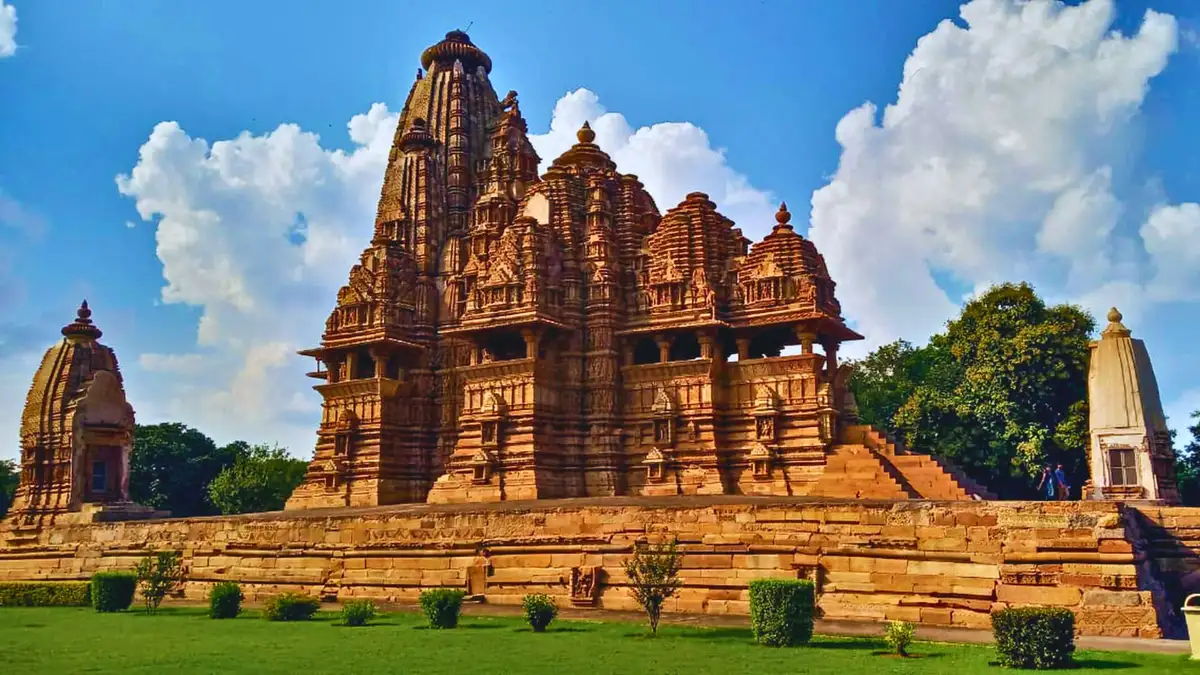
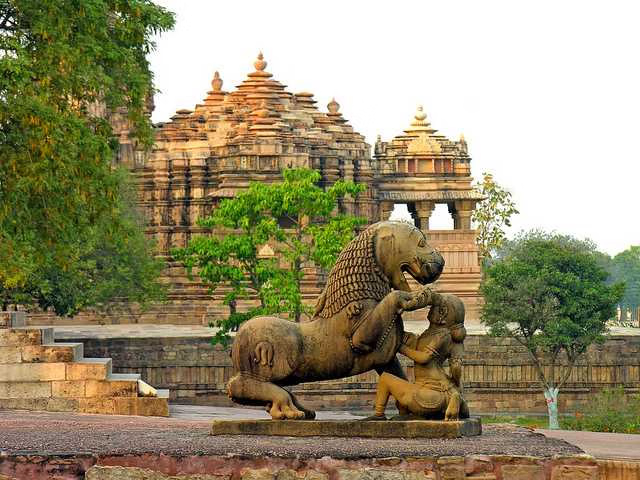
Khajuraho, a small town in Madhya Pradesh's Chhatarpur district, is home to one of India's most extraordinary UNESCO World Heritage Sites - a group of stunning Hindu and Jain temples famous for their intricate erotic sculptures and architectural brilliance. Built between 950 and 1050 AD by the Chandela dynasty, these temples represent the pinnacle of Nagara-style temple architecture and attract visitors from across the globe who come to marvel at their artistic excellence.
What makes Khajuraho truly remarkable is that the erotic sculptures for which the site is famous constitute only about 10% of the total carvings. The vast majority depict scenes of daily life, gods and goddesses, battles, musicians, dancers, and mythical creatures. These temples were built during a period of remarkable artistic achievement and religious tolerance, when Hinduism and Jainism flourished side by side. The Chandela rulers, who were originally Rajput warriors, patronized these temples and created what is now considered one of India's greatest cultural treasures.
The temples were forgotten for centuries and rediscovered by British engineer T.S. Burt in 1838, who was guided to them by local tribes. Originally, there were 85 temples spread over 20 square kilometers, but only about 25 have survived in various states of preservation. The temples are divided into three groups - Western, Eastern, and Southern - with the Western Group being the most famous and well-preserved. Beyond the temples, Khajuraho offers a relaxed atmosphere, traditional Madhya Pradesh cuisine, and serves as a gateway to Panna National Park, home to tigers and diverse wildlife.
A visit to Khajuraho is a journey into India's medieval past, showcasing the artistic sophistication, religious pluralism, and architectural genius of the Chandela period. Whether you're a history enthusiast, architecture lover, spiritual seeker, or simply curious traveler, Khajuraho offers experiences that are both educational and awe-inspiring.
Best Time to Visit Khajuraho
Khajuraho experiences extreme weather, making the timing of your visit crucial for a comfortable experience. The town has hot summers, a monsoon season, and pleasant winters.
October to March is undoubtedly the best time to visit Khajuraho when the weather is pleasant and suitable for exploring the temples. During this period, daytime temperatures range from 15°C to 30°C, with cooler nights. The winter months of December and January can be quite chilly in the mornings and evenings, so carrying light woolens is advisable. This is peak tourist season, so expect more visitors, especially during the Khajuraho Dance Festival (usually held in February), which attracts classical dancers and cultural enthusiasts from across India.
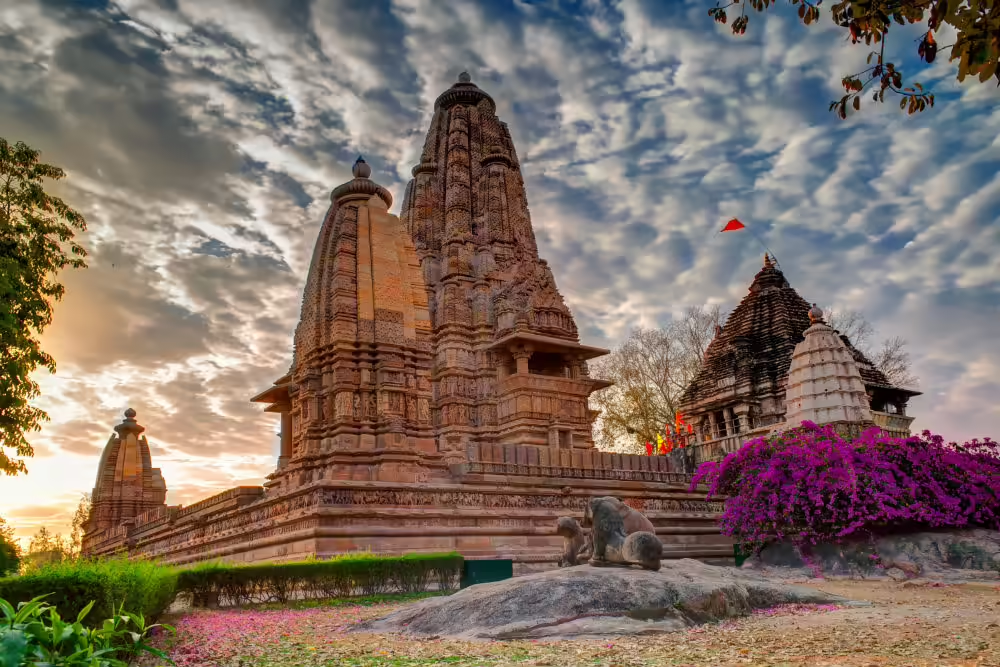
October and November, immediately after the monsoon, see lush greenery and clear skies, making it an excellent time for photography and temple exploration. The weather remains comfortable for walking around the temple complexes. February and March start warming up but remain pleasant for sightseeing.
April to June brings severe summer with temperatures routinely reaching 40-45°C. The heat is intense and draining, making outdoor activities uncomfortable, especially during midday when the sun beats down on the temple stone surfaces. This is the off-season with fewer tourists and significantly lower prices on accommodations. If you must visit during summer, plan temple visits for early morning and late afternoon, rest during the hottest hours, and stay hydrated.
July to September is the monsoon season when Khajuraho receives moderate to heavy rainfall. The region transforms into vibrant green, and the cooler temperatures can be refreshing. However, humidity is high and sudden downpours can interrupt outdoor activities. The temples take on a special beauty during rain, with water flowing down the ancient stones. This is the least crowded time to visit, and accommodation prices are at their lowest. If you enjoy the monsoon ambiance and don't mind getting wet, this can be a peaceful time to experience Khajuraho.
Western Group of Temples
The Western Group of Temples is the largest, most famous, and best-preserved complex in Khajuraho. Located in the center of town, this group contains the most spectacular temples and is a UNESCO World Heritage Site. The complex is beautifully landscaped and requires an entry fee.
Kandariya Mahadeva Temple
The Kandariya Mahadeva Temple, dedicated to Lord Shiva, is the largest and most magnificent temple in Khajuraho. Built around 1025-1030 AD during the reign of King Vidyadhara, this sandstone temple rises 31 meters above its plinth and represents the zenith of Chandela temple architecture. The temple's shikhar (spire) is particularly impressive, featuring 84 smaller spires clustering around the main spire, creating a mountain-like appearance.
The temple features over 800 intricate sculptures covering its exterior, depicting gods, goddesses, celestial beings, couples in various embrace positions, and scenes of daily life. The interior sanctum houses a large marble lingam (representation of Shiva). The temple's layout follows a five-part design - entrance porch, hall, vestibule, sanctum, and ambulatory path for circumambulation. The sheer scale and artistic detail of Kandariya Mahadeva make it the highlight of any Khajuraho visit.
Lakshmana Temple
The Lakshmana Temple, dedicated to Lord Vishnu, is one of the oldest and most beautifully preserved temples in Khajuraho. Built around 930-950 AD by King Yasovarman, this temple is particularly famous for its sensuous and artistically sophisticated sculptures. The temple features a four-part shrine with an entrance porch, mandapa (hall), mahamandapa (great hall), and sanctum.
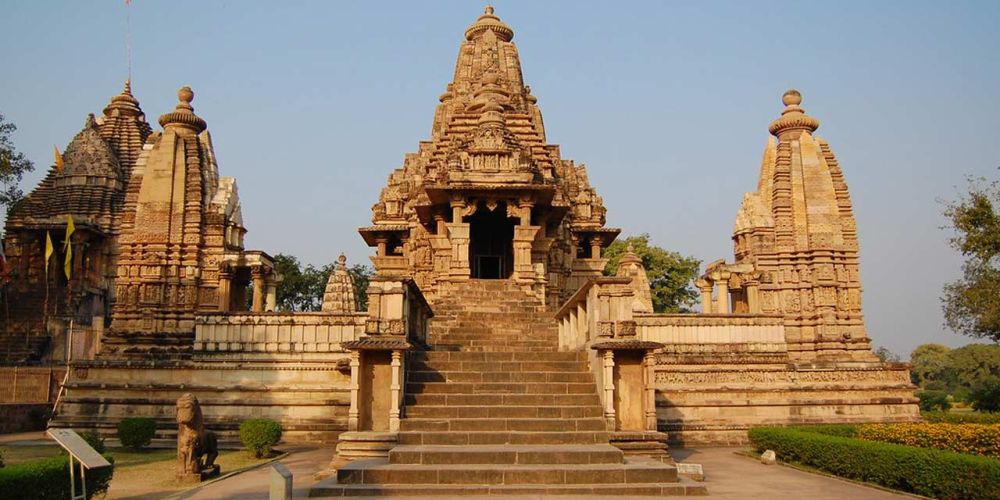
The temple's exterior is covered with over 600 carvings depicting various deities, apsaras (celestial nymphs), and erotic sculptures of remarkable artistic quality. The sanctum houses a Vaikuntha-Vishnu image with three faces - human, boar, and lion - representing three aspects of Vishnu. The temple's base features detailed carvings of processions, battles, and daily life scenes from 10th-century India. The Lakshmana Temple is particularly noted for its balanced proportions and harmonious design.
Vishvanatha Temple
The Vishvanatha Temple, dedicated to Lord Shiva, was built around 1002 AD during the reign of King Dhangadev. This temple is particularly admired for its architecture and sculpture, featuring elaborately carved figures of celestial musicians, dancers, and erotic couples. The temple has a magnificent Nandi bull (Shiva's vehicle) pavilion facing the main shrine, one of the few temples in Khajuraho with this feature.
The temple's shikhar is particularly elegant, with a curved profile typical of central Indian temple architecture. The exterior features some of the most famous erotic sculptures in Khajuraho, including the iconic mithuna (amorous couples) carvings that display remarkable artistic sensitivity and anatomical precision. The temple's sanctum houses a Shiva lingam. The Vishvanatha Temple is less crowded than Kandariya Mahadeva and offers a more peaceful viewing experience.
Devi Jagadambi Temple
The Devi Jagadambi Temple, originally dedicated to Vishnu but later associated with the goddess Jagadambi, is smaller than the nearby temples but architecturally significant. Built around 1000-1025 AD, this temple features some of the finest sculptures in Khajuraho, particularly on its three bands of carvings. The temple is known for its graceful proportions and the quality of its sculptures.
The temple's sanctum now houses an image of the goddess. The temple's exterior features excellent examples of Khajuraho's sculptural art, including various deities, celestial beings, and some of the most artistically rendered erotic sculptures. The temple's location between the larger Kandariya Mahadeva and Vishvanatha temples makes it easy to visit as part of the Western Group circuit.
Chitragupta Temple
The Chitragupta Temple, dedicated to Surya (the Sun God), is the only sun temple in Khajuraho. Built around 1020-1025 AD, this temple faces east to catch the first rays of the rising sun. The temple features an impressive image of Surya driving his chariot with seven horses, carved with remarkable detail. The temple's exterior features numerous sculptures, including some of the finest depictions of surasundaris (celestial maidens) in Khajuraho.
The temple is in a relatively good state of preservation and offers excellent examples of Chandela-period sculpture. The presence of a sun temple is significant, as sun temples were relatively rare in central India. The Chitragupta Temple is less visited than some other temples in the Western Group, offering a quieter experience.
Matangeshvara Temple
The Matangeshvara Temple, dedicated to Lord Shiva, is unique among Khajuraho's temples as it is still an active place of worship. Built around 900-925 AD, this temple is simpler in design than the nearby temples but has spiritual significance for local devotees. The temple houses a large Shiva lingam, one of the biggest in Khajuraho, measuring approximately 2.5 meters in height and 1 meter in diameter.
Devotees still perform daily rituals here, and during Mahashivratri, the temple becomes particularly vibrant with celebrations. Unlike the other temples, there's no entry fee for Matangeshvara as it remains an active temple. The temple lacks the elaborate exterior carvings of the neighboring temples but is worth visiting for its living religious tradition and to see contemporary Hindu worship practices in an ancient setting.
Eastern Group of Temples
The Eastern Group of Temples, located near the Khajuraho village, consists of both Hindu and Jain temples. This group is less visited than the Western Group but offers excellent examples of temple architecture and is generally more peaceful. The entrance to the Eastern Group is free.
Parsvanatha Temple
The Parsvanatha Temple, the largest Jain temple in Khajuraho, was built around 950-970 AD during the reign of King Dhanga and dedicated to Lord Parsvanatha, the 23rd Jain Tirthankara. This temple is particularly admired for its architecture and the quality of its sculptures, which are less erotic than the Hindu temples but equally artistically sophisticated.
The temple features numerous sculptures of Jain deities, Yakshas and Yakshis (mythical beings), and depictions of daily life. Unlike many Jain temples, Parsvanatha Temple features erotic sculptures on its exterior, showing the cultural synthesis between Hindu and Jain traditions in medieval India. The temple has undergone several renovations over the centuries but retains its essential character and charm.
Ghantai Temple
The Ghantai Temple, also a Jain temple, gets its name from the chains and bells (ghanta) that once adorned its pillars. Built around 960-970 AD, this temple is now largely in ruins, with only the entrance porch and pillars remaining. However, what remains gives an excellent sense of the temple's original grandeur and the sophistication of Jain temple architecture.
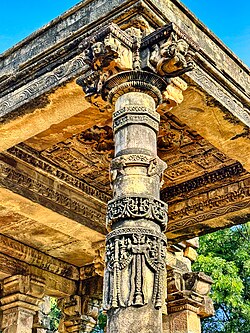
The pillars feature exquisite carvings of Jain Tirthankaras, celestial beings, and ornamental designs. The temple's ruinous state creates a romantic, atmospheric setting, especially in the early morning or late afternoon light. The Ghantai Temple is less visited and offers a peaceful experience for those interested in exploring beyond the main temples.
Other Eastern Temples
The Eastern Group includes several smaller temples worth visiting. The Adinatha Temple, another Jain temple, features beautiful carvings and is well-preserved. The Brahma Temple, despite its name, is actually dedicated to Vishnu and is one of the oldest temples in Khajuraho. The Javari Temple, dedicated to Vishnu, is small but features some excellent sculptures and is particularly peaceful. These temples can be explored in 1-2 hours and provide a more intimate experience than the crowded Western Group.
Southern Group of Temples
The Southern Group of Temples, located about 5 kilometers from the main town, contains two temples that are less visited but worth the journey for enthusiasts. This group can be combined with visits to other attractions or as part of a broader exploration of Khajuraho.
Dulhadeva Temple
The Dulhadeva Temple, dedicated to Lord Shiva, was built around 1100-1150 AD, making it one of the last temples built at Khajuraho. This temple is particularly noted for its graceful shikhar and the quality of its sculptures, which mark the final phase of Chandela temple architecture. The temple features excellent examples of apsaras and other divine figures in graceful poses.
The temple's location, away from the main town, means it receives few visitors, offering a peaceful experience. The temple is relatively well-preserved and provides insight into the later development of the Chandela architectural style. The journey to Dulhadeva also takes you through rural Madhya Pradesh, offering glimpses of village life.
Chaturbhuj Temple
The Chaturbhuj Temple, dedicated to Vishnu, is the southernmost temple in Khajuraho complex. Built around 1100 AD, this temple is particularly interesting for its three-meter-high statue of Vishnu with four arms, carved from a single stone block. The temple's name derives from this image - Chaturbhuj means 'four-armed.'
The temple is in a relatively remote location and receives very few visitors. The journey to Chaturbhuj takes you through beautiful countryside, and the peaceful setting allows for quiet contemplation and appreciation of the architecture without crowds. The temple is relatively simple compared to the Western Group temples but has its own charm and historical significance.
Light and Sound Show
The Light and Sound Show at the Western Group of Temples is a popular evening attraction that brings the history of Khajuraho to life. The show is held in the open-air amphitheater within the temple complex and lasts approximately 50 minutes. Narrated by the voice of Amitabh Bachchan (in the English version), the show covers the history of the Chandela dynasty, the construction of the temples, and the significance of the sculptures.
The show uses light projections on the temple exterior, dramatic music, and narration to tell the story of Khajuraho from its founding to its rediscovery in the 19th century. The show helps visitors appreciate the temples in their historical context and understand the symbolism behind the sculptures. Two shows are held nightly - one in Hindi (starting earlier) and one in English (typically 7:30 PM in winter, 6:30 PM in summer). Tickets cost approximately ₹250 for Indians and ₹600 for foreigners. The show is worth attending, especially on your first evening in Khajuraho.
Khajuraho Dance Festival
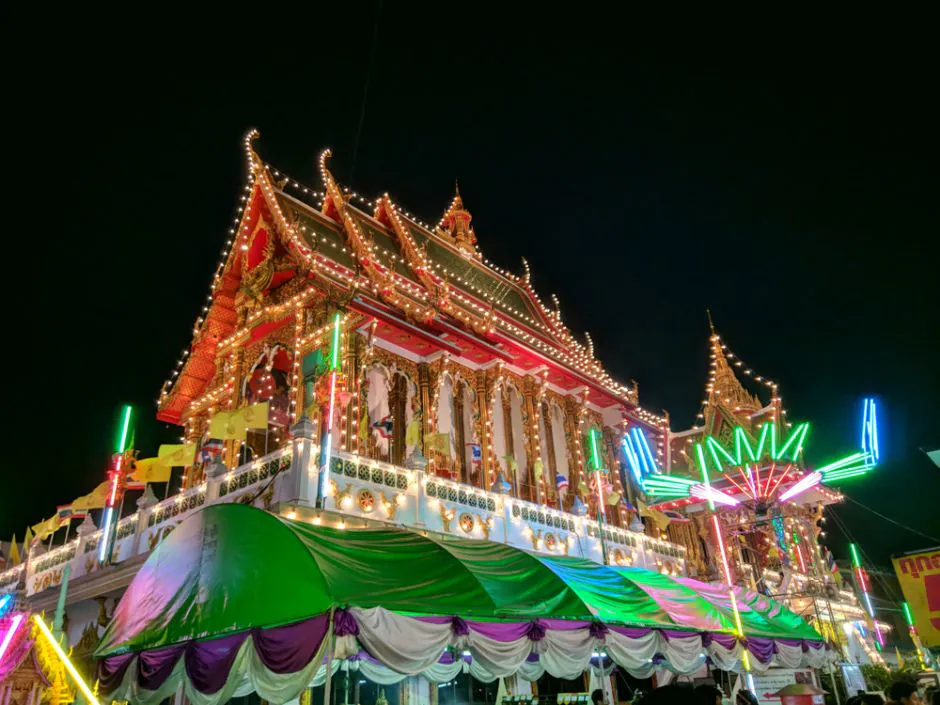
The Khajuraho Dance Festival, held annually in February (usually the first week), is one of India's premier cultural events. The festival, organized by the Madhya Pradesh Kala Parishad, brings together classical dancers from across India to perform against the backdrop of the illuminated Western Group of Temples. The festival features various classical dance forms including Kathak, Bharatanatyam, Odissi, Kuchipudi, Manipuri, and Kathakali.
Performances are held in an open-air auditorium with the temples as a backdrop, creating a spectacular setting. The festival typically lasts 7 days and attracts dancers, musicians, and cultural enthusiasts from across India and abroad. This is an excellent time to visit Khajuraho if you're interested in Indian classical arts. The town comes alive during the festival, with additional cultural events, craft fairs, and a festive atmosphere. However, this is peak season, and accommodations should be booked well in advance.
Excursions from Khajuraho
Panna National Park
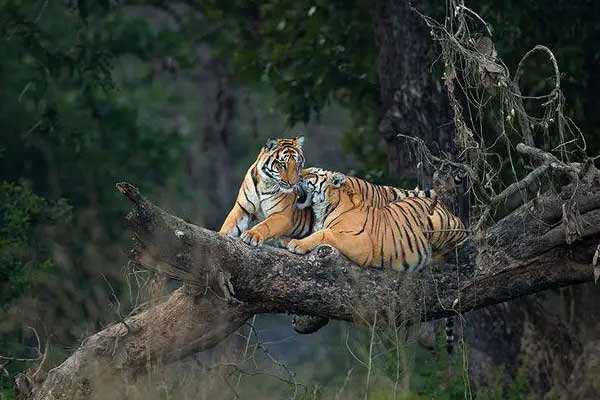
Located approximately 25 kilometers from Khajuraho (about 45 minutes by road), Panna National Park is one of Madhya Pradesh's premier tiger reserves. The park, spread over 542 square kilometers, is home to tigers, leopards, various species of deer, sloth bears, and diverse birdlife. The park features diverse ecosystems including dry deciduous forests, grasslands, and the Ken River that flows through it.
Safari trips are organized twice daily - early morning (6:30-10:30 AM) and late afternoon (2:30-6:30 PM). The park can be visited from October to June (closed during monsoon). Tiger sightings are not guaranteed but the park has a healthy tiger population. Even without tiger sightings, the park offers excellent wildlife viewing and beautiful landscapes. The Ken River within the park offers boat rides with opportunities to see crocodiles and various bird species. Safari bookings should be made in advance, especially during peak season.
Raneh Falls
Located approximately 20 kilometers from Khajuraho, Raneh Falls is a spectacular waterfall on the Ken River. What makes Raneh Falls unique is the canyon formed by pure crystalline granite in various shades ranging from pink and red to grey. The falls are most spectacular during and immediately after the monsoon when the river is in full flow. The canyon, approximately 5 kilometers long and 30 meters deep in places, creates a dramatic landscape.
There's also a Ken Gharial Sanctuary nearby, home to gharials (fish-eating crocodiles) and other reptiles. The falls are best visited from October to March when water levels are lower but still impressive. The journey to Raneh Falls takes you through beautiful countryside and offers a nice break from temple viewing. Combined with Panna National Park, this makes for an excellent full-day excursion.
Ajaygarh Fort
Located approximately 80 kilometers from Khajuraho (about 2 hours by road), Ajaygarh Fort is a ruined hilltop fort offering spectacular views of the surrounding countryside. Built by the Chandela rulers, the fort is situated atop a hill at an altitude of 206 meters. The fort complex includes several temples, palaces, and water reservoirs, though most are now in ruins.
The fort is less visited and requires a bit of a hike to reach the top, but the views and the sense of history make it worthwhile for those interested in exploring beyond the main attractions. The fort can be combined with visits to other nearby attractions. The journey to Ajaygarh takes you through rural Madhya Pradesh, offering glimpses of village life and beautiful landscapes.
Pandav Falls
Located approximately 35 kilometers from Khajuraho, Pandav Falls is a scenic waterfall on a tributary of the Ken River. According to local legend, the Pandava brothers from the Mahabharata epic spent time here during their exile. The falls cascade into a picturesque pool surrounded by lush greenery, creating a beautiful setting.
The falls are particularly impressive during and immediately after the monsoon when water flow is at its peak. There's a small temple near the falls that adds to the spiritual atmosphere. The falls can be visited in combination with Raneh Falls or Panna National Park. The area around the falls is peaceful and makes for a nice picnic spot.
How to Reach Khajuraho
By Air
Khajuraho has its own airport (Khajuraho Airport, code HJR), located approximately 3 kilometers from the town center. The airport has limited connectivity, with direct flights primarily from Delhi (operated by Alliance Air) and Varanasi. Flight schedules can be irregular, so check current status before booking. Flight time from Delhi is approximately 1.5 hours.
Another option is to fly to Jabalpur Airport (approximately 180 kilometers, 4-5 hours by road), which has better connectivity with major Indian cities. From Jabalpur, you can hire a taxi or take a bus to Khajuraho. The road journey from Jabalpur passes through beautiful countryside and is reasonably comfortable.
By Train
Khajuraho has its own railway station (Khajuraho Railway Station), but connectivity is limited. The railway station is approximately 5 kilometers from the town center. The most important train connecting Khajuraho is the Khajuraho-Udaipur Express, which connects Khajuraho to Udaipur via various stops. There are also a few other trains connecting Khajuraho to nearby cities.
A more practical option is to take a train to Jhansi Railway Station (approximately 175 kilometers, 3-4 hours by road), which is a major railway junction well-connected to Delhi, Mumbai, and other major cities. The Gatimaan Express connects Jhansi to Delhi in approximately 4.5 hours. From Jhansi, you can hire a taxi or take a bus to Khajuraho. Satna Railway Station (approximately 120 kilometers, 2-3 hours by road) is another option with good connectivity.
By Road
Khajuraho is well connected by road to nearby cities. From Jhansi, the distance is approximately 175 kilometers and the journey takes approximately 3-4 hours. From Satna, the distance is approximately 120 kilometers and the journey takes approximately 2-3 hours. From Jabalpur, the distance is approximately 180 kilometers and the journey takes approximately 4-5 hours.
State-run MPSRTC buses and private operators connect Khajuraho to Jhansi, Satna, Jabalpur, and other cities. The roads are generally in decent condition, though the last stretch can be bumpy in places. For those who prefer comfort and flexibility, hiring a private taxi is recommended. Self-driving is an option for those comfortable driving on Indian roads.
Getting Around Khajuraho
Khajuraho is a small town and most attractions are within walking or cycling distance of each other. The Western Group of Temples is in the center of town, while the Eastern Group is approximately 1-2 kilometers away. Both can be easily explored on foot or by bicycle.
Bicycles can be rented from several shops near the Western Group. Cycling is a pleasant way to get around, especially in the cooler months (October to March). Auto-rickshaws and cycle rickshaws are available for short distances, though within town, walking is often easier.
For visiting the Southern Group (5 kilometers away) or for excursions to Panna National Park, Raneh Falls, and other attractions, you'll need to hire a taxi or auto-rickshaw. Most hotels can arrange tours and transportation. Negotiate rates beforehand. A full-day taxi for local sightseeing costs approximately ₹1500-2500 depending on the vehicle and distance covered.
Where to Stay in Khajuraho
Khajuraho offers accommodation options for every budget, though the range is more limited compared to larger cities.
For budget travelers, guesthouses and budget hotels near the Western Group offer rooms from ₹500-1000 per night. These are basic but clean and conveniently located. Popular budget areas include near the temple complex and along the main road. Some guesthouses are housed in heritage buildings with character.
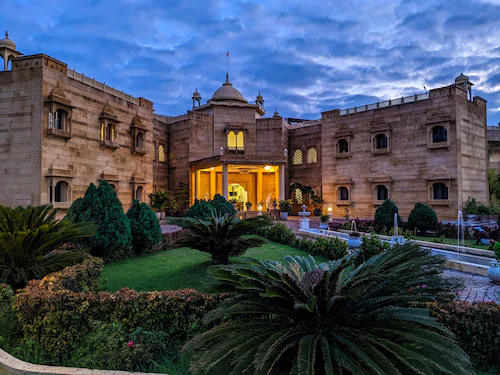
Mid-range hotels (₹2000-4000 per night) offer comfortable rooms with amenities like attached bathrooms, air conditioning, and restaurants. Several mid-range hotels are located within walking distance of the temples. These hotels often feature gardens, pools, and restaurants serving Indian and Continental cuisine.
For luxury travelers, a few upscale properties offer luxurious rooms and excellent service. The Taj Chandela and Ramada Khajuraho are the most prominent luxury properties, offering pools, multiple restaurants, and well-maintained grounds. These hotels typically cost ₹6000-10000+ per night. Book well in advance for peak season (December-February and during the Dance Festival).
Food in Khajuraho
Khajuraho's food scene is relatively limited but offers decent options. Being in Madhya Pradesh, the cuisine features North Indian influences with local specialties.
Most hotels and restaurants serve vegetarian and non-vegetarian North Indian cuisine including dal, various curries, tandoori items, and Indian breads. Several restaurants also serve Continental and Chinese dishes for international visitors. The food is generally mild and suitable for those not used to spicy food.
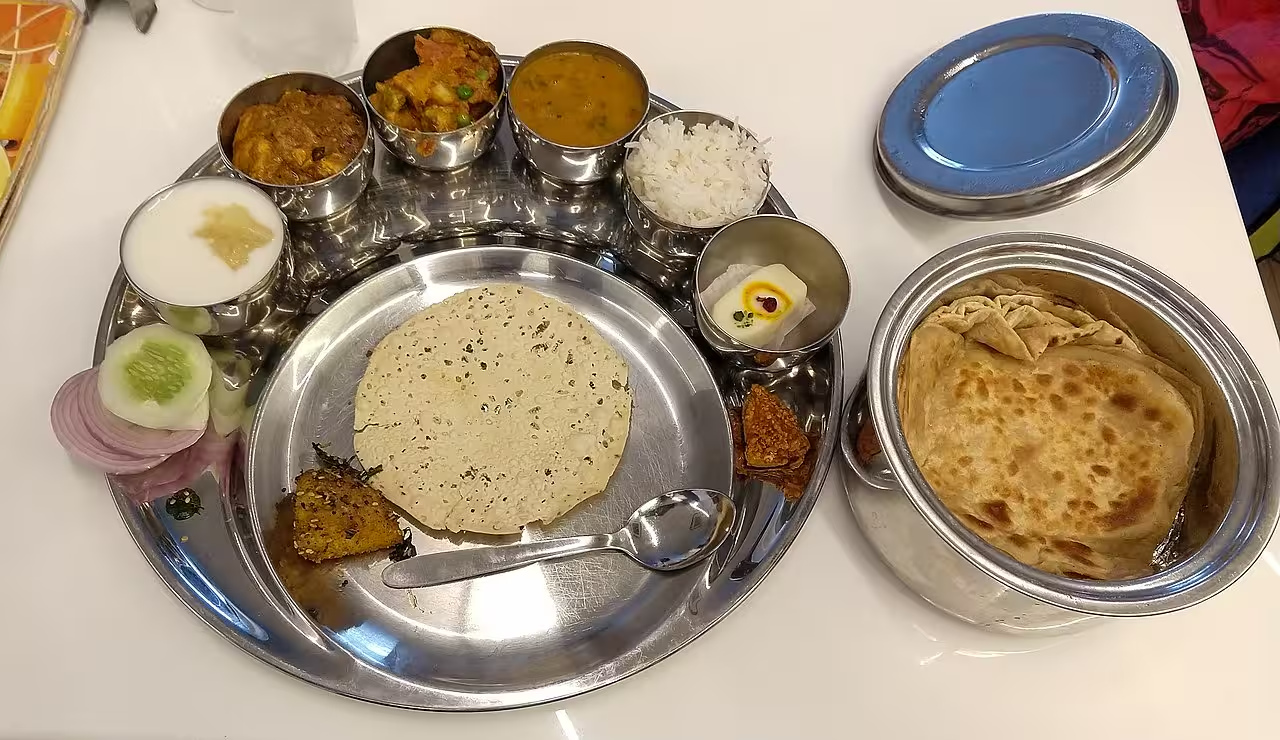
For local flavors, try the traditional dal bafla (wheat balls served with dal), a Madhya Pradesh specialty similar to Rajasthan's dal baati churma. Various street food options including samosas, kachoris, and chaat are available near the temples. Good restaurants include Raja Cafe (near the Western Group, serving Indian and Continental), Mediteranean (for Continental and Indian), and various hotel restaurants.
Shopping in Khajuraho
Khajuraho offers limited shopping opportunities, but there are some items worth purchasing.
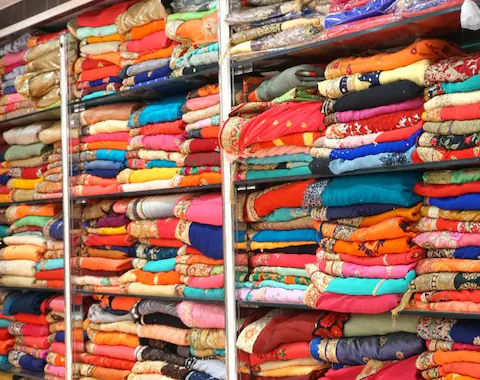
The main shopping area is near the Western Group of Temples and along the main road. Popular souvenirs include replicas of temple sculptures (available in various sizes and materials including brass, stone, and wood), traditional handicrafts from Madhya Pradesh, and textiles. The town has several shops selling these items.
For those interested in textiles, Madhya Pradesh is known for its handwoven fabrics including Chanderi and Maheshari sarees. Several shops in Khajuraho sell these textiles. Local handicrafts including metalwork, wooden carvings, and stone sculptures make excellent souvenirs. Bargaining is expected in private shops.
Travel Tips for Khajuraho
Plan to spend at least 2 full days exploring the temples. The Western Group alone requires 4-5 hours for a thorough visit. The Eastern and Southern Groups require additional time. If you're interested in art, architecture, and photography, you might want 3 days to explore at a leisurely pace.
Hire a licensed guide for at least the Western Group. The temples are rich in symbolism and historical context that you'll miss without a guide. Guides are available at the entrance or can be arranged through your hotel. A good guide brings the temples to life with stories of the Chandela dynasty, explanations of the sculptures, and insights into medieval Indian society.
Carry water and sun protection, especially when visiting temples during midday. The temple stone surfaces reflect sunlight, making it hotter. The temple complexes have little shade. Good walking shoes are essential as you'll be doing considerable walking on stone surfaces.
Visit temples early morning or late afternoon for the best light and fewer crowds. The temples are particularly beautiful in the golden light of sunrise and sunset. Avoid visiting between 12 PM and 3 PM when the sun is directly overhead and the heat is intense.
Respect the religious significance of the Matangeshvara Temple, which is still an active place of worship. Dress modestly when visiting this temple. Remove shoes before entering the sanctum. Ask permission before photographing religious rituals.
Combine Khajuraho with other destinations in Madhya Pradesh for a richer experience. Popular combinations include visits to Orchha (temples and palaces), Jhansi (fort and historical sites), and Panna National Park. These destinations can be covered in a 5-7 day circuit starting from Khajuraho.
Conclusion
Khajuraho is one of India's most extraordinary cultural treasures - a testament to the artistic sophistication, religious tolerance, and architectural genius of medieval India. The temples, with their intricate sculptures and elegant proportions, represent the pinnacle of North Indian temple architecture. While the erotic sculptures attract the most attention, they constitute only a small part of a much larger artistic achievement that includes depictions of gods, celestial beings, daily life, and philosophical concepts.
What makes Khajuraho special is not just the art but the context - these temples were built during a period when Hinduism and Jainism flourished side by side, when artistic expression reached remarkable heights, and when the Chandela rulers patronized the arts on a grand scale. The temples remind us that medieval India was not just about conquests and dynasties, but also about remarkable cultural achievement and philosophical sophistication.
Whether you're a history enthusiast, art lover, spiritual seeker, or simply curious traveler, Khajuraho offers experiences that are both educational and awe-inspiring. The temples continue to inspire wonder nearly a thousand years after they were built, a testament to the enduring power of art and architecture. A visit to Khajuraho is a journey into India's rich cultural past and a reminder of the remarkable achievements of Indian civilization.
Location
Frequently Asked Questions
Q1.What is the best time to visit Khajuraho?
Q2.Why are Khajuraho temples famous for erotic sculptures?
Q3.How many days are enough for Khajuraho?
Q4.Is Khajuraho worth visiting?
Q5.How do I reach Khajuraho from Delhi?
Q6.Do I need a guide for Khajuraho temples?
Q7.Is Khajuraho safe for solo female travelers?
Q8.What should I wear when visiting Khajuraho temples?
Recommended For You
Manali: Complete Travel Plan Places And Weather
Complete Manali travel guide featuring Rohtang Pass, Solang Valley, Hadimba Temple, adventure activities, best time to visit & practical tips.
Goa Complete: Plan Beaches Weather And Activities
Complete Goa travel guide featuring beaches, nightlife, water sports, churches, cuisine, markets, North vs South Goa, and practical travel tips.
Coonoor: Complete Travel Plan Places And Weather
Complete Coonoor travel guide featuring tea gardens, Sims Park, Dolphin's Nose, viewpoints, Nilgiri Mountain Railway, how to reach, and travel tips.
Never Miss an Adventure
Get the latest trekking guides, travel tips, and exclusive offers delivered straight to your inbox.
