
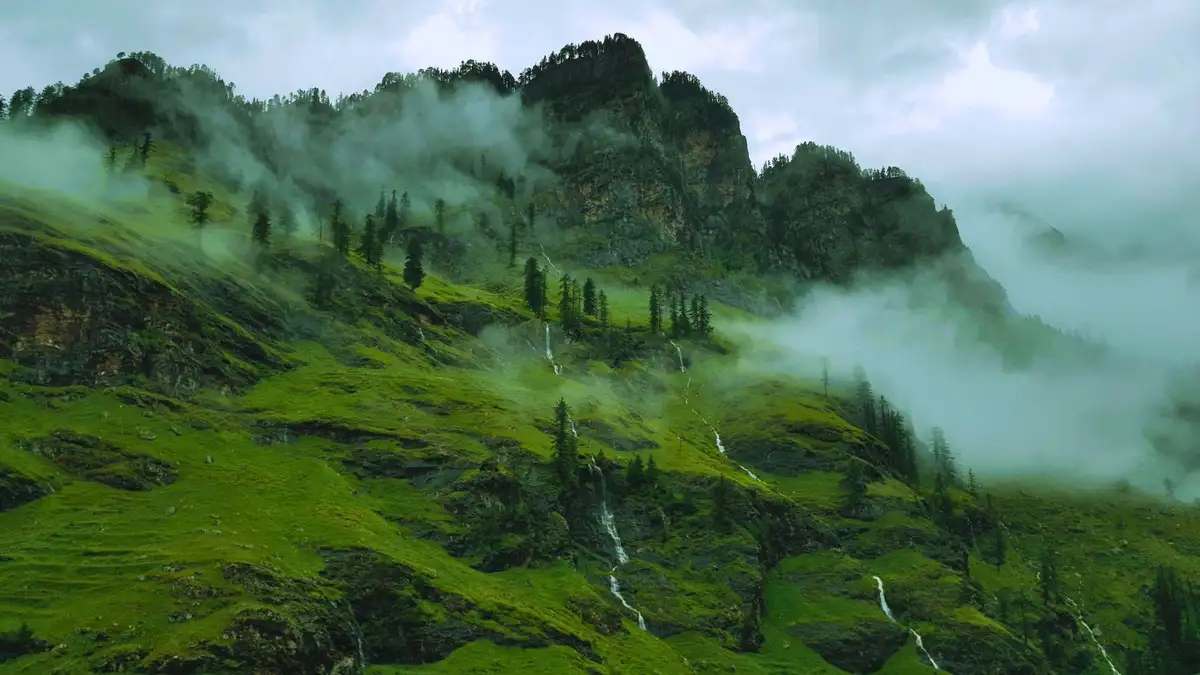
Manali: Complete Travel Plan Places And Weather
Rohan Malhotra
February 20, 2026
Complete Manali travel guide featuring Rohtang Pass, Solang Valley, Hadimba Temple, adventure activities, best time to visit & practical tips.
Introduction to Manali
Nestled in the Beas River Valley at an altitude of 2,050 meters in the Kullu district of Himachal Pradesh, Manali is one of India's most beloved hill stations. Surrounded by towering snow-capped peaks, lush green valleys, and the glistening Beas River, Manali has been capturing the hearts of travelers for decades. Whether you're seeking adventure sports, spiritual experiences, or simply a break from the scorching summer heat of the plains, Manali offers something for everyone. For those looking to explore other Himalayan destinations, McLeodganj and Shimla also offer unique mountain experiences worth exploring.
What makes Manali truly special is its remarkable diversity. In one destination, you can experience ancient temples and monasteries, adventure activities like paragliding and river rafting, apple orchards, hot water springs, and access to some of the most spectacular high-altitude roads in the world. The town serves as the base for exploring the wider Kullu Valley and is the starting point for journeys to Ladakh (via the Manali-Leh Highway) and Spiti Valley.
Manali has evolved from a quiet village into a bustling tourist hub while still retaining much of its charm. Old Manali, with its traditional houses, cafes, and relaxed vibe, offers a stark contrast to the more commercialized New Manali. The town attracts all types of travelers - honeymooners seeking romance, adventure enthusiasts looking for thrills, families on vacation, spiritual seekers, and international backpackers who often stay for months.
The region has rich mythology - according to legend, Manali was named after the great sage Manu who stepped off his ark in Manali to recreate human life after the great flood. The area around Manali is indeed believed to be the abode of Manu, and the Manu Temple here is dedicated to him. This ancient heritage adds a spiritual dimension to the natural beauty of the region.
Best Time to Visit Manali
Manali enjoys a pleasant climate for most of the year, though each season offers dramatically different experiences. The timing of your visit depends on whether you want snow, pleasant weather, adventure activities, or fewer crowds.
March to June is the summer season when the weather is most pleasant with daytime temperatures ranging from 10°C to 25°C. This is the peak tourist season, with thousands escaping the summer heat of the plains. The skies are generally clear, the valleys are lush green, and all tourist facilities are operating at full capacity. This is the best time for sightseeing, adventure activities, and exploring the region. However, be prepared for crowds and higher prices during April-June.

July to September brings the monsoon season when Manali receives moderate to heavy rainfall. The region transforms into vibrant green, and waterfalls are at their spectacular best. However, landslides can cause road blockages, and some outdoor activities may be suspended due to rain. This is the off-season with fewer tourists and significantly lower prices on accommodations. If you enjoy the monsoon ambiance and don't mind potential travel disruptions, this can be a beautiful time to visit.
October to November, the post-monsoon period, is perhaps the most beautiful time to visit. The rains have cleared, the skies are crystal clear offering excellent mountain views, and the crowds have thinned. Temperatures start dropping, and by November, nights can be quite chilly. This is an excellent time for photography, trekking, and outdoor activities. The apple harvest season (September-October) adds to the charm.
December to February brings winter and snowfall. Manali receives heavy snow, particularly in January, transforming the town into a winter wonderland. This is the peak season for winter sports enthusiasts who come for skiing, snowboarding, and playing in the snow. Rohtang Pass, typically accessible from mid-October to mid-June, offers spectacular snow views. However, many roads to higher altitude may be closed due to snow, and temperatures can drop to -5°C or below. Winter is magical but requires proper preparation with heavy woolens.
Top Attractions in Manali
Hidimba Devi Temple
Located in Old Manali, the Hidimba Devi Temple is perhaps Manali's most iconic attraction. Dedicated to Hidimba Devi, the wife of Bhima from the Mahabharata epic, this ancient temple dates back to 1553. What makes the temple unique is its architecture - built over a natural cave where Hidimba is believed to have meditated, the temple features intricately carved wooden doors and a wooden shikhar (spire) that rises above the surrounding forest.
The temple is surrounded by a deodar cedar forest, creating a serene and mystical atmosphere. According to legend, Bhima married Hidimba, a demoness who later became a goddess. The temple is particularly popular with devotees who come to seek blessings. The architecture, with its wooden carvings depicting various deities and mythological figures, is exceptional. The temple complex also has a small shrine dedicated to Ghatotkachha, Bhima and Hidimba's son.
Rohtang Pass
Located approximately 51 kilometers from Manali at an altitude of 3,978 meters, Rohtang Pass is one of the most spectacular high-altitude passes in the Himalayas. The pass connects the Kullu Valley with the Lahaul and Spiti Valleys and offers breathtaking views of snow-capped peaks, glaciers, and the surrounding landscape. The name Rohtang literally means 'a pile of corpses,' referring to the difficult terrain and numerous people who died trying to cross it in ancient times.

Rohtang Pass is typically accessible from mid-October to mid-June, though dates vary based on snow conditions. The pass offers spectacular views and is a major attraction for tourists wanting to experience snow. In winter and spring, you can find snow here even when there's none in Manali town. Activities include playing in the snow, skiing, snowboarding, and simply enjoying the magnificent scenery. Note that a permit is required to visit Rohtang Pass, and the number of vehicles per day is limited. Book permits and transportation in advance during peak season. For adventure enthusiasts, you might also want to explore the Atal Tunnel, which offers easier access to the Lahaul-Spiti region.
Solang Valley
Located approximately 14 kilometers from Manali town, Solang Valley (also called Solang Nala) is a spectacular valley surrounded by snow-capped peaks and glaciers. In summer, the valley is lush green and offers adventure activities including paragliding, zorbing, horse riding, and quad biking. In winter, the valley transforms into a winter sports destination with skiing and snowboarding.
Solang Valley has a ski lift that takes visitors up the slopes for skiing or simply for panoramic views. The valley is particularly beautiful in spring when flowers bloom, and in autumn when the landscape turns golden. A small cafe in the valley offers refreshments. Most tourists spend half a day here enjoying various activities. You can hire a taxi from Manali or take a shared vehicle. The valley offers spectacular views of surrounding peaks and glaciers.
Manikaran
Located approximately 80 kilometers from Manali in the Parvati Valley, Manikaran is a holy site sacred to both Hindus and Sikhs. The town is famous for its hot water springs, with water temperatures reaching up to 95°C. Devotees believe the waters have healing properties. According to Hindu legend, Manikaran is where Manu recreated life after the great flood. For Sikhs, the town is associated with Guru Nanak Dev who performed miracles here.

The main attractions include the ancient Ram Temple and the Gurudwara Manikaran Sahib. Pilgrims cook rice and dal in the hot water springs as an offering. The surrounding Parvati Valley is spectacular, with the Parvati River flowing through. The journey to Manikaran itself is scenic, passing through beautiful villages and along the Parvati River. Manikaran can be visited as a day trip from Manali, though some prefer to stay overnight in the Parvati Valley.
Old Manali
Old Manali, located approximately 3 kilometers from the main Manali town, offers a completely different vibe from the commercialized New Manali. This is where you'll find traditional houses with wooden balconies, small guesthouses, cafes serving Israeli and international food, and a relaxed, bohemian atmosphere. The Manu Temple, dedicated to the sage Manu, is located here.
The area is particularly popular with international backpackers and long-term visitors who come for the cafes, relaxed pace, and stunning views of the valley and mountains. The Manalsu Nala (stream) flows through Old Manali, creating a beautiful setting. Walking through the narrow lanes of Old Manali, with its traditional architecture and cafe culture, feels like stepping back in time. This is the place to unwind, read a book, meet fellow travelers, and enjoy the slower pace of mountain life.
Vashisht Hot Water Springs
Located approximately 3 kilometers from Manali town, Vashisht is a small village famous for its hot water springs and ancient temples. The village is named after the sage Vashisht, one of the seven sages (Saptarishi) in Hindu mythology. According to legend, Vashisht meditated here, and the hot springs emerged as a blessing.
The main attractions include the Vashisht Temple, dedicated to the sage, and the hot water springs. Separate bathing facilities are available for men and women. Many believe the waters have medicinal properties and can cure various ailments. The village offers excellent views of the surrounding mountains and valleys. There are also several cafes and guesthouses in Vashisht. The walk from Manali town to Vashisht is scenic, passing through forests and offering valley views.
Naggar Castle
Located approximately 22 kilometers from Manali, Naggar was the capital of the Kullu Rajas for nearly 1,500 years. The Naggar Castle, built in the 16th century, is a magnificent structure combining traditional Himalayan and European architectural styles. The castle has been converted into a heritage hotel and is open to visitors.

The castle offers spectacular views of the Beas River and surrounding valleys. Nearby, the Nicholas Roerich Art Gallery displays paintings by the Russian artist Nicholas Roerich who lived in Naggar for several years. The gallery is set in the former home of Roerich and offers insight into his life and work. Naggar is much quieter than Manali and offers a glimpse into the region's history. The journey to Naggar is scenic, passing through beautiful villages and orchards.
Adventure Activities in Manali
River Rafting
The Beas River offers excellent white water rafting opportunities, with rapids suitable for beginners as well as experienced rafters. The rafting stretch typically starts from Pirdi or Raison (approximately 15-20 kilometers from Manali) and goes down to Jhiri or further. The rafting season is from March to June and then again from October to mid-December when water levels are suitable.
RAFTING OPTIONS include shorter stretches (7-8 kilometers) perfect for beginners and families, and longer stretches (14-16 kilometers) for more experienced rafters. The rapids range from Grade I to Grade III, offering excitement without being too dangerous. All rafting operators provide safety gear including life jackets and helmets, along with trained guides. Rafting typically costs ₹500-1000 per person depending on the stretch and operator.
Paragliding
Solang Valley is the main paragliding site near Manali, though other sites like Marhi and Dobhi are also used depending on weather conditions. Paragliding in Solang Valley offers spectacular views of the surrounding snow-capped peaks and green valleys. Tandem flights, where you're strapped to an experienced pilot, are available for beginners - no prior experience necessary.

Flights typically last 10-15 minutes and cost approximately ₹800-1500 depending on the duration and takeoff point. The experience of soaring like a bird over the Himalayan landscape is absolutely thrilling. The best seasons for paragliding are March to June and October to November when the weather is stable and winds are favorable. Book through reputable operators who prioritize safety.
Trekking
Manali serves as the base for numerous treks ranging from easy day walks to challenging multi-day expeditions. Popular trekking destinations include Hampta Pass (a moderate trek crossing from Kullu to Spiti Valley), Beas Kund (the source of the Beas River), and Triund near McLeodganj (accessible from Manali via Bhuntar). For experienced trekkers, the Pin Parvati Pass and Deo Tibba Base Camp treks offer challenging high-altitude experiences.
For those wanting shorter experiences, day treks to Joginder Nagar, Gulaba, and the surrounding villages offer excellent views and a taste of Himalayan trekking without requiring extensive preparation. Most trekking routes are best from May to June and September to October. Always go with a licensed guide, carry adequate warm clothing, water, and be prepared for rapidly changing weather in the mountains.
Skiing and Snowboarding
During winter (December to February), Solang Valley transforms into a skiing destination. The slopes here are suitable for beginners and intermediate skiers. Equipment rental and instructors are available. For more experienced skiers, Rohtang Pass sometimes offers more challenging terrain, though access depends on snow conditions and road status.
Skiing typically costs approximately ₹1000-1500 per day including equipment rental. The slopes in Solang Valley have a ski lift, making it easier to access the slopes. Snowboarding is also available. The best time for skiing is January and February when snow conditions are optimal. Book through reputable operators who provide quality equipment and trained instructors.
Other Adventure Activities
Beyond these main activities, Manali offers various other adventure experiences. Zorbing (rolling down a hill inside a giant inflatable ball) is popular in Solang Valley. Quad biking through valley trails is available for those seeking speed. Mountain biking can be done on various trails around Manali. Rock climbing and rappelling are offered by some adventure operators.
For those seeking unique experiences, try the yak ride at Rohtang Pass or horse riding to various scenic spots. The Manali Sanctuary offers opportunities for wildlife spotting and nature walks. Whatever adventure you choose, ensure you go through reputable operators who prioritize safety and provide proper equipment and trained guides.
How to Reach Manali
By Air
The nearest airport to Manali is Bhuntar Airport (Kullu-Manali Airport), located approximately 50 kilometers away. The airport has limited connectivity with flights from Delhi (operated by Alliance Air). Flight time from Delhi is approximately 1 hour 30 minutes. However, flights are frequently canceled due to weather conditions, especially during monsoon and winter. From the airport, taxis and buses are available to reach Manali (approximately 1.5-2 hours journey).
A more reliable option is to fly to Chandigarh Airport, which has much better connectivity with regular flights from major Indian cities. Chandigarh is approximately 310 kilometers from Manali and the drive takes approximately 8-10 hours depending on road and traffic conditions. This option gives you more flight choices and often better prices, though the road journey is longer.
By Train
The nearest major railway station to Manali is Joginder Nagar, located approximately 160 kilometers away. However, this narrow-gauge railway station has limited connectivity. A more practical option is to take a train to Chandigarh or Ambala, both well-connected to major cities, and then travel to Manali by road.
From Delhi, the Kalka Mail and other trains connect to Kalka, from where you can take a toy train to Joginder Nagar or continue by road to Manali. The toy train journey is scenic but slow and not practical for those in a hurry. Most visitors prefer to take a train to Chandigarh and then travel by road or bus to Manali.
By Road
Manali is well connected by road to Delhi and other North Indian cities. The distance from Delhi is approximately 540 kilometers, and the journey takes approximately 12-14 hours depending on traffic and road conditions. Several private bus operators run comfortable Volvo, semi-sleeper, and sleeper buses from Delhi to Manali. These buses typically depart from various locations in Delhi including Majnu Ka Tila, RK Ashram, and Kashmiri Gate.
State-run HRTC buses also connect Manali to Delhi, Chandigarh, Dharamshala, and other towns. The road journey from Delhi is scenic, passing through the states of Haryana, Punjab, and Himachal Pradesh. Self-driving is an option but the mountain roads can be challenging, especially for those not used to hill driving. If driving, break the journey with an overnight stop in Chandigarh to avoid fatigue.
Getting Around Manali
Manali town is relatively compact and can be explored on foot, especially the areas around Mall Road and Old Manali. However, attractions like Solang Valley, Rohtang Pass, Naggar, and others require transportation.
Taxis are the most convenient option for visiting attractions around Manali. Taxis can be hired for specific trips or for full-day sightseeing. Rates are not metered and are typically charged per kilometer or for a full day (8 hours/80 km). Expect to pay ₹2500-3000 for a full-day local sightseeing taxi. Rates for Rohtang Pass and longer excursions are higher. Always negotiate rates beforehand.
Auto-rickshaws are available for short trips within Manali town but not practical for visiting distant attractions. Local buses connect Manali to nearby towns and attractions like Kullu, Manikaran, and Naggar, but services are infrequent and not always convenient for tourists. For those comfortable riding motorcycles, scooters and motorcycles can be rented from several shops in Manali (₹500-1000 per day excluding fuel). This gives you flexibility to explore at your own pace, but be cautious on the winding mountain roads.
Where to Stay in Manali
Manali offers accommodation options for every budget, from budget guesthouses and hostels to luxury resorts and heritage properties. The location of your stay significantly impacts your experience.
For budget travelers and backpackers, Old Manali has numerous guesthouses and hostels offering rooms from ₹400-800 per night. Popular options include Zostel, The Hostel by Manali, and various family-run guesthouses. Old Manali has a relaxed, bohemian vibe with numerous cafes, and is particularly popular with long-term travelers and international visitors. For those seeking budget accommodation options, Airbnbs in Manali also provide excellent alternatives for longer stays.
Mall Road and the surrounding areas in New Manali have numerous mid-range hotels (₹1000-2500 per night) and upscale hotels (₹3000-6000 per night). These offer comfortable rooms with amenities like attached bathrooms, hot water, heating in winter, and restaurants serving various cuisines. Mall Road is centrally located, close to markets and restaurants.

For luxury travelers, several upscale resorts are located on the outskirts of Manali, particularly along the Manali-Leh Highway and near Solang Valley. Properties like Manali Resorts, Span Resort, and similar offer luxurious rooms, excellent service, multiple restaurants, and stunning views. These resorts typically cost ₹6000-15000+ per night depending on the season.
Food in Manali
Manali's food scene reflects its diverse visitor population - you'll find everything from traditional Himachali cuisine to Israeli, Italian, Chinese, and of course, North Indian food. The cafes in Old Manali are particularly famous, serving delicious breakfast options, coffee, and international cuisine.
Traditional Himachali dishes to try include dham (a festive meal), sidku (local bread), madra (kidney bean curry), and various preparations using local rajma and red rice. Several restaurants in Manali serve authentic Himachali cuisine. For North Indian food, numerous restaurants serve dal makhani, paneer dishes, various curries, and tandoori items.
The cafes in Old Manali are an institution - places like Cafe 1947, Drifter's Cafe, and others serve excellent breakfast, coffee, shakes, and international cuisine including Israeli, Italian, and continental food. These cafes have a relaxed vibe, beautiful views, and are perfect for unwinding. Many also serve trout, a local fish that's delicious when prepared properly.

For street food, try momos (steamed dumplings) available at numerous stalls, thukpa (Tibetan noodle soup), and various chaat items. The Mall Road area has several restaurants and fast-food outlets. Manali also has excellent bakeries serving fresh bread, cakes, and pastries - try the local bakeries in Old Manali for the best products.
Shopping in Manali
Manali offers excellent shopping opportunities, particularly for handicrafts, woolens, and local products. The main shopping areas are Mall Road and the markets in Old Manali.
Popular purchases include Kullu shawls and stoles, known for their distinctive patterns and vibrant colors. These can be found in various shops on Mall Road and in government emporiums. Tibetan handicrafts including jewelry, carpets, and handicrafts are available in Tibetan markets. Local handicrafts including wooden carvings, metalwork, and pottery make excellent souvenirs.
For food items, buy locally grown apples (especially during harvest season from September to October), pickles, jams, and locally made wines and spirits. Tibetan and Himachali food items including noodles, sauces, and spices are also available. The Mall Road area has numerous shops selling these items. Bargaining is expected in private shops but not in government emporiums.
Travel Tips for Manali
The altitude of Manali (2,050 meters) can affect those coming from sea level. Take it easy for the first day, stay hydrated, and avoid alcohol. Most people adjust within 24-48 hours. Symptoms of altitude sickness include headache, nausea, and dizziness. If you experience these, descend to lower altitude if possible or rest and hydrate.
The weather in Manali can change rapidly, especially in the mountains. Even in summer, carry a light jacket or rain gear as temperatures can drop suddenly. For winter visits, pack heavy woolens including thermals, jackets, gloves, and caps. Good walking shoes with grip are essential as the terrain can be slippery and uneven.
Rohtang Pass requires a permit, and the number of vehicles per day is limited. Book permits and transportation well in advance during peak season. The pass is weather-dependent and may close suddenly due to snow or rain. Always check road conditions before attempting the journey. Carry warm clothes even in summer as the pass is much colder than Manali town.

Respect local culture and customs. Manali is in a conservative state - dress modestly, especially when visiting religious sites. Ask permission before photographing people, especially in rural areas. The environment is fragile - don't litter, especially plastic waste. Many areas have strict waste disposal rules.
Conclusion
Manali truly deserves its reputation as one of India's most beloved hill stations. The combination of stunning natural beauty, diverse adventure opportunities, rich cultural heritage, and the warm hospitality of Himachal creates a destination that appeals to all types of travelers. Whether you're seeking adventure on the slopes of Solang Valley, spiritual experiences at ancient temples, relaxation in Old Manali's cafes, or simply want to breathe in the crisp mountain air while surrounded by spectacular scenery, Manali delivers experiences that stay with you long after you've returned home.
The town's accessibility from Delhi, coupled with the range of experiences it offers, makes it a perfect destination for families, couples, adventure enthusiasts, and solo travelers. The surrounding region, from the Kullu Valley to the gateway of Ladakh and Spiti, offers endless exploration opportunities for those who want to venture beyond the main town.
Many who visit Manali find themselves returning year after year, drawn back by the mountains' call, the crisp air, the stunning vistas, and the unique charm that makes Manali special. Whether you stay for a weekend or a month, the mountains will work their magic on you, leaving you refreshed, rejuvenated, and longing to return.
Location
Frequently Asked Questions
Q1.What is the best time to visit Manali?
Q2.How many days are enough for Manali?
Q3.Is Manali safe for solo female travelers?
Q4.Do I need a permit for Rohtang Pass?
Q5.Is Manali good for honeymoon?
Q6.Can I see snow in Manali?
Q7.Is Manali expensive?
Q8.What should I pack for Manali?
Recommended For You
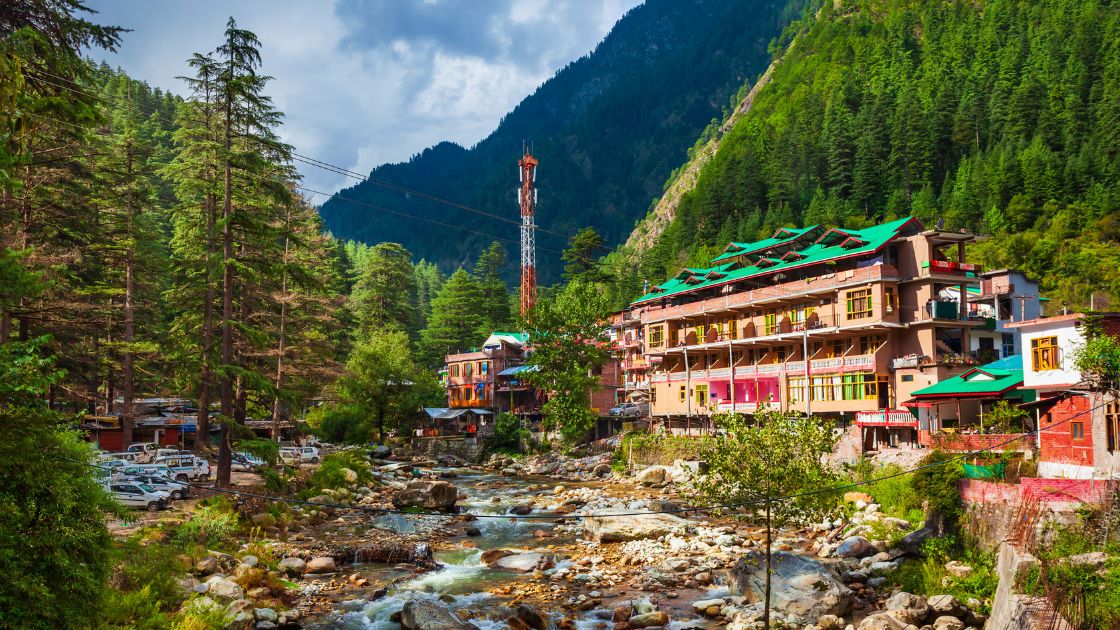
Places to Visit in Kasol in One Day: Walkable Stops & Cafes
Plan places to visit in Kasol in one day with a practical route covering Parvati River, Manikaran Sahib, market cafes, and the Chalal trek.
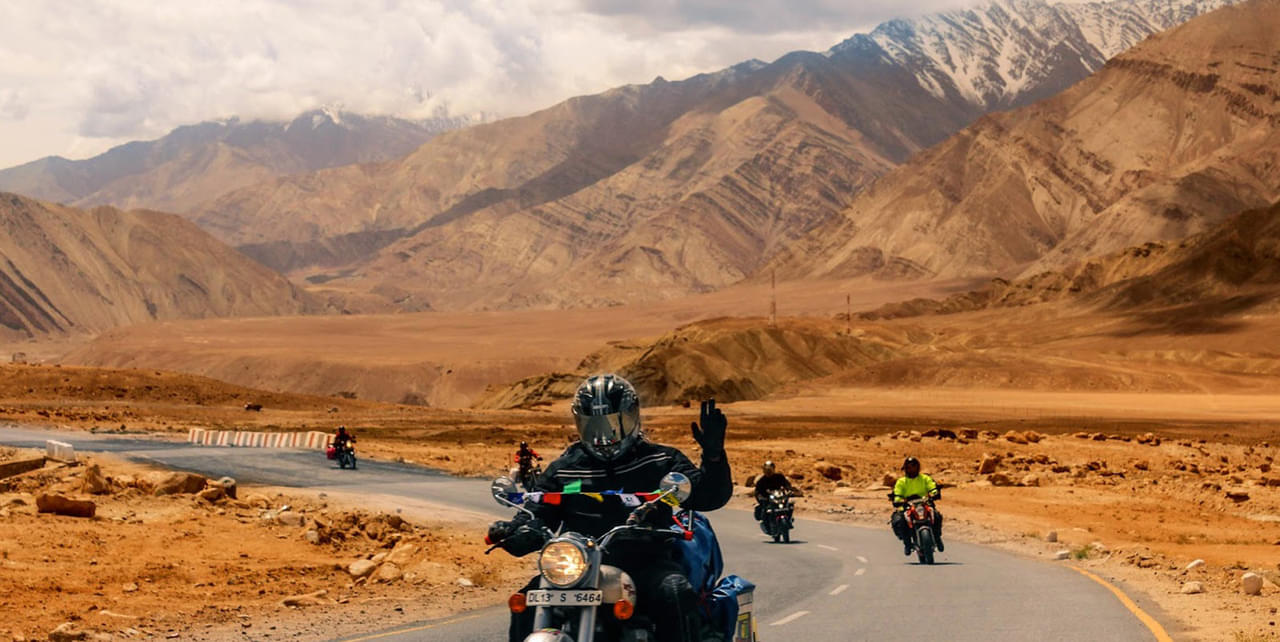
Ladakh by Road: Complete Guide to Manali & Srinagar Routes
Complete guide to traveling to Ladakh by road via Manali and Srinagar routes. Detailed itinerary, best time, vehicle preparation, acclimatization tips, costs, and essential information for this epic Himalayan road trip.
Spiti Valley Road Trip: The Ultimate Guide to Himalayan Adventure
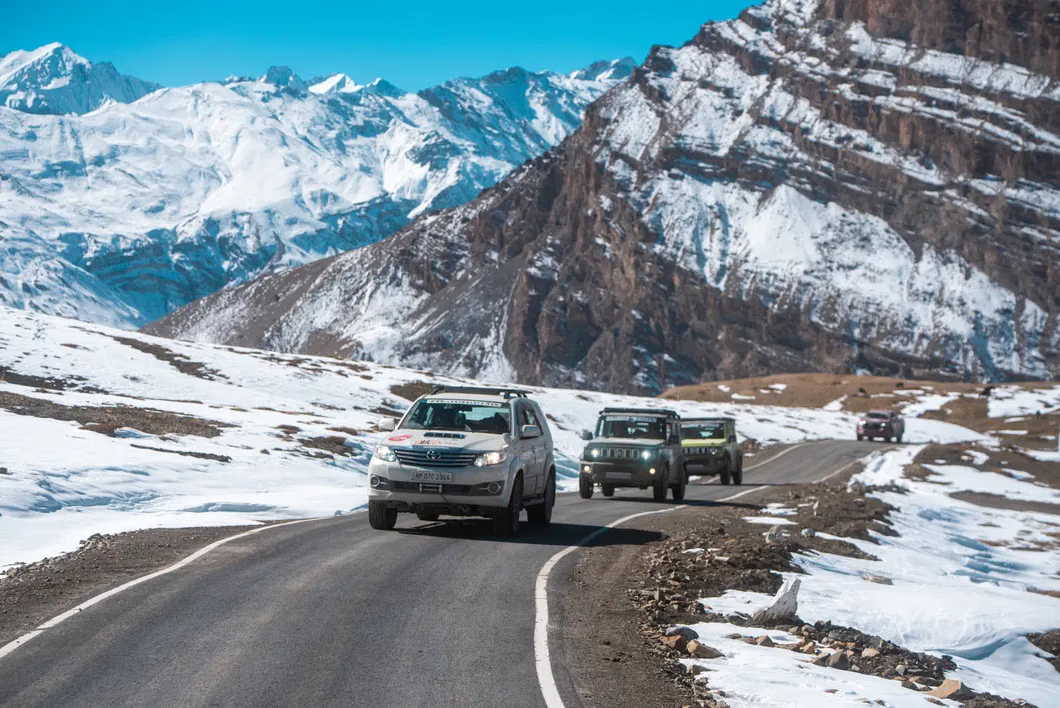
Spiti Valley road trip guide: routes from Shimla/Manali, best time, permits, vehicles, itinerary, accommodation & tips for the ultimate Himalayan adventure.
Never Miss an Adventure
Get the latest trekking guides, travel tips, and exclusive offers delivered straight to your inbox.
