
Kodachadri Trek Guide: Trail Planning, Monsoon Strategy, Fitness Prep, and Karnataka Route Tips

Rahul Garg
February 26, 2026
Use this Kodachadri Trek guide for practical season choice, trail pacing, and Karnataka itinerary integration.
Introduction
Kodachadri Trek is one of Karnataka's most rewarding mountain routes for travelers who want a mix of forest sections, ridge views, and adventurous day planning. Many trekkers approach it casually and then struggle with weather changes, trail pacing, and poor gear choices. This guide is built for practical execution: how to prepare, when to go, how to pace the trail, and how to combine Kodachadri with a wider Karnataka itinerary. The aim is to help you complete the trek safely while maximizing experience quality.
Why Kodachadri Is a High-Value Trek
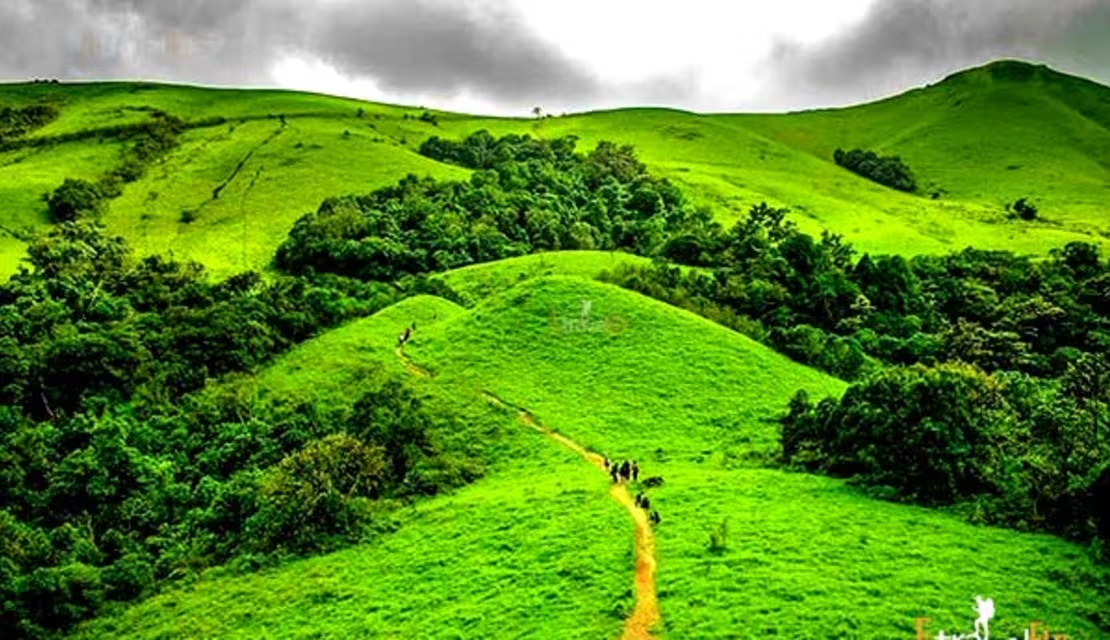
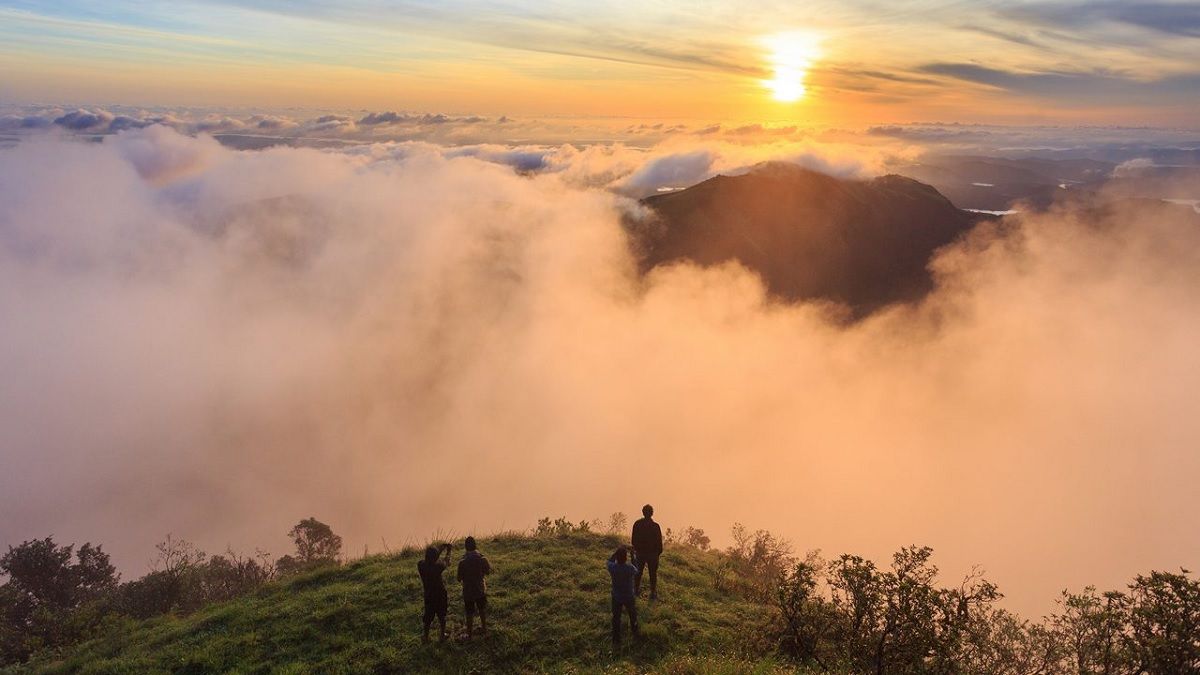
Kodachadri offers strong landscape variation in a relatively compact trekking format: dense forest pathways, ridge transitions, and panoramic summit rewards. This makes it attractive for both first-time and repeat trekkers. The challenge is not technical mountaineering complexity but execution quality: timing, weather adaptation, and stamina management. Trekkers who plan realistically usually finish strong and enjoy the route deeply.
Best Season and Weather Logic
Season selection matters significantly. Monsoon windows can be visually stunning but require serious caution around slippery sections and low visibility. Post-monsoon and cooler windows may offer better trail reliability with still-strong scenic output. Decide season by your risk comfort and trail experience, not by dramatic social-media visuals alone. Always keep weather contingency in your plan.
Fitness Prep and Readiness
Kodachadri is more enjoyable when basic conditioning is done in advance. Build a pre-trek routine with stair work, incline walks, mobility, and light endurance sessions. Train with a loaded daypack at least a few times before the trek date. This reduces fatigue and improves control on uneven sections. Fitness preparation also helps avoid knee and ankle strain during descent.
Trail Planning and Pacing Strategy
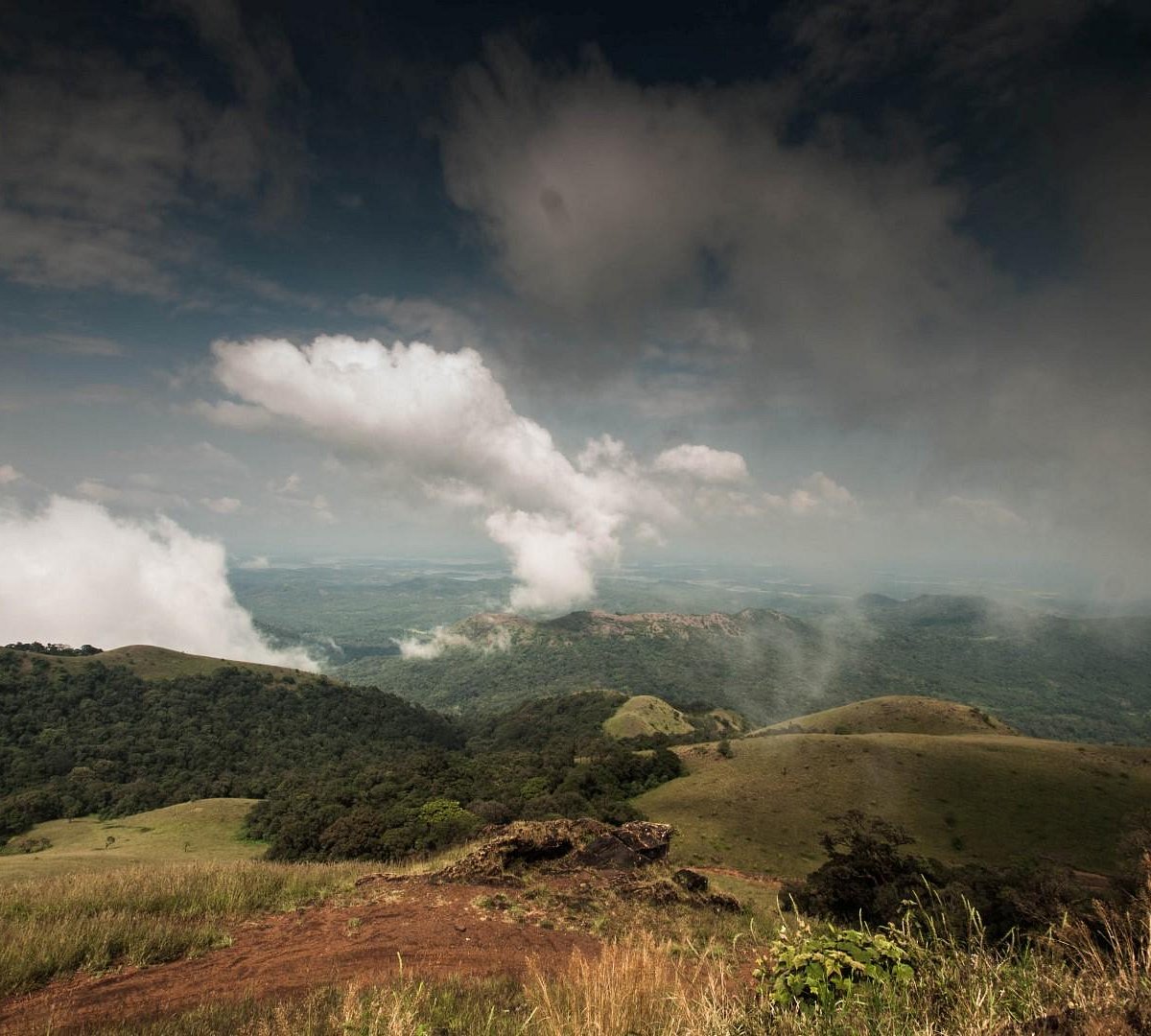
Start early, keep your pace steady, and avoid long unnecessary pauses in exposed weather windows. Use short break intervals and maintain hydration throughout the climb. If traveling with mixed fitness levels, keep the group synchronized with planned regroup points. Aggressive pace at the start often leads to poor energy management later. Conservative consistency wins on Kodachadri.
What to Pack and What to Avoid
Carry essentials only: weather-ready layers, hydration, trail snacks, basic first-aid, and reliable footwear. Avoid overpacking heavy extras that reduce mobility and increase fatigue. Keep electronics protected from moisture. A light and functional gear setup improves safety and enjoyment, especially when trail conditions become wet or uneven.
Monsoon-Specific Safety Tips
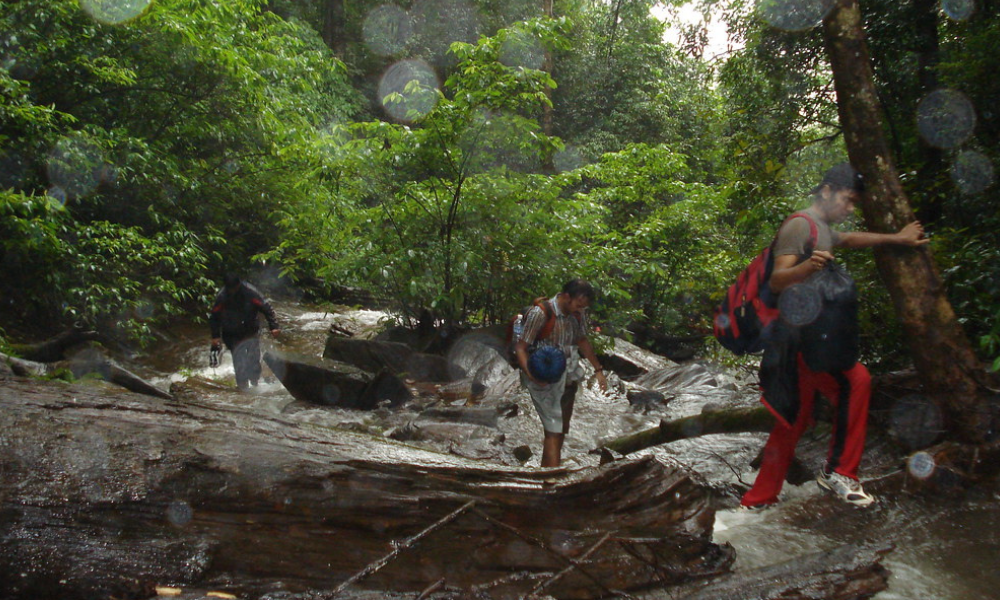
If trekking in or near monsoon, prioritize traction, slower foot placement, and route awareness. Avoid risky shortcuts and never rush through slippery segments to save a few minutes. Keep one backup plan in case the trail condition worsens suddenly. Smart retreat decisions are part of good trekking, not failure.
How to Combine Kodachadri with Karnataka Itinerary
Kodachadri can be integrated into a larger Karnataka route if day load is managed properly. Pair it with slower scenic segments before or after the trek rather than stacking multiple high-effort activities back-to-back. For route context, use places to visit in Karnataka and best places to visit in Karnataka as broader planning references. If you want another trekking-oriented extension, compare intensity with Chikmagalur trekking before finalizing.
Food, Hydration, and Recovery
Keep nutrition simple and regular. Do not start with inadequate breakfast and expect stable output through the trail. Carry hydration support and quick energy food in accessible pockets. Post-trek recovery should include stretching, proper meal intake, and rest. Recovery quality determines how well you handle onward travel and prevents avoidable soreness.
Common Mistakes to Avoid
Common errors include late starts, poor footwear, no weather buffer, and unrealistic pace expectations. Another frequent issue is group splitting without clear regroup points. Avoid these by setting simple operating rules before trail start. Clear structure reduces risk and improves confidence for everyone in the group.
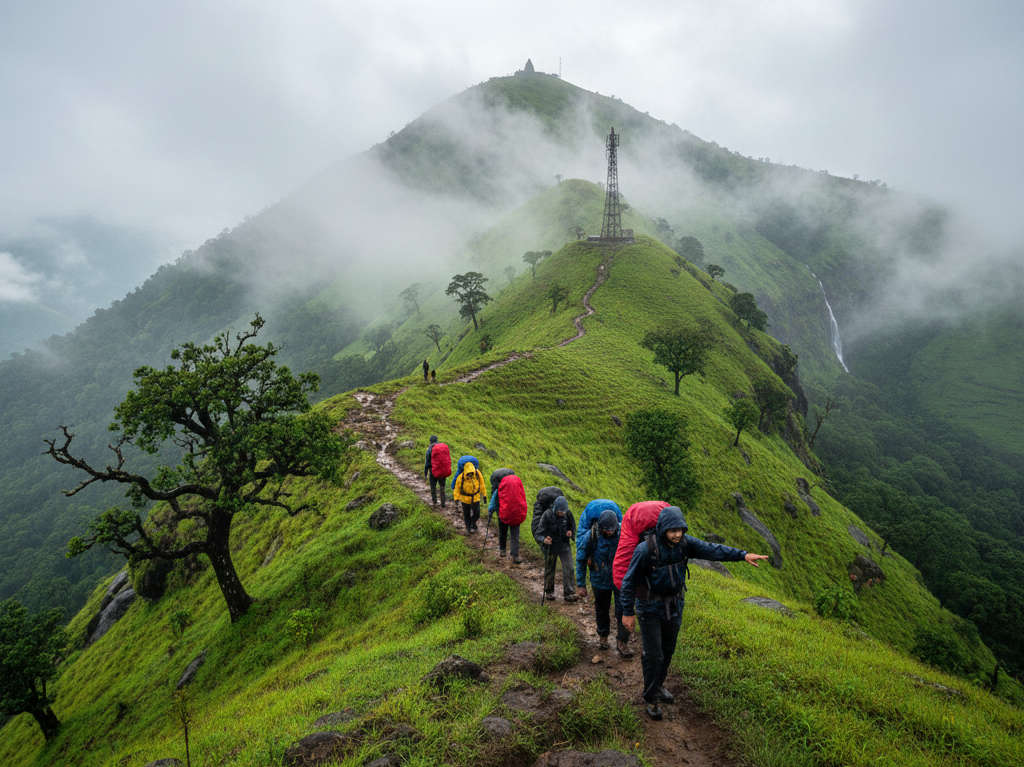
Who Should Attempt Kodachadri
Kodachadri suits moderately active travelers, first-time trekkers with basic preparation, and repeat hikers seeking a scenic Karnataka route. Complete beginners can do it with proper support and realistic pacing. Those with recent injuries or low stamina should prepare longer before attempting. Honest self-assessment improves both safety and experience.
Trail Behavior and Group Communication
On Kodachadri, good trail behavior is as important as fitness. Keep communication clear on pace changes, slippery sections, and rest points. Do not overtake blindly on narrow or wet stretches. If someone in the group slows significantly, adjust collectively rather than splitting without a plan. Strong communication prevents small issues from turning into safety risks and keeps team morale stable through changing conditions.
How to Handle Mid-Trek Fatigue
Fatigue during ascent is common and should be handled proactively: shorten step length, regulate breathing, hydrate, and take brief controlled pauses. Avoid sitting too long in wet or cold conditions, as restarting becomes harder. Focus on consistent movement instead of speed recovery. Trekkers who accept a slower but steady rhythm generally finish stronger than those who alternate sprint and collapse cycles.
Descent Management and Injury Prevention
Most avoidable trekking injuries happen during descent due to overconfidence and tired legs. Keep knees slightly flexed, watch foot placement, and use controlled pace especially on loose or muddy sections. If needed, use support techniques such as shorter stride and periodic stability pauses. Finishing safely requires as much discipline on descent as on ascent.
Post-Trek Recovery for Next-Day Travel
If you have onward travel after Kodachadri, include recovery basics: hydration, stretching, warm meal, and enough sleep. Avoid back-to-back high-intensity activities immediately next day unless you are conditioned for it. Recovery planning protects your remaining itinerary and helps you carry positive momentum after the trek.
Route Selection and Ground Reality
Kodachadri has route variations with different difficulty impressions depending on season and local trail condition. Before starting, confirm current route advisories from local operators or guides. What worked for another traveler in a different month may not be appropriate on your day. Ground reality should always override generic assumptions.
Why Start Time Matters So Much
Early starts are one of the most practical improvements for Kodachadri. You get better trail temperature, more buffer for weather shifts, and safer descent planning. Late starts compress decisions and often force rushed movement in less stable conditions. A disciplined start time is a high-impact safety habit.
Maintaining Momentum Without Overexertion
The best trekking rhythm is steady and repeatable. Move at a pace where conversation is possible, keep short hydration stops, and avoid dramatic speed changes. This style protects energy, improves confidence, and usually leads to better overall completion quality than aggressive early pushing.
Final Trek Reminder
Start early, keep your pace controlled, and treat descent with the same seriousness as ascent. Small disciplined choices are what turn Kodachadri into a safe and rewarding trek.
Trail Closure Rule
Finish with controlled descent and short recovery before onward travel. A calm end-of-trail routine reduces injury risk and keeps next-day movement comfortable.
Final Safety Note
Controlled footwork and patient descent make the biggest difference on Kodachadri.
Closing Reminder
Plan responsibly, stay patient, and prioritize safety throughout the journey.
Last Note
Steady steps and patience ensure safe completion.
Conclusion
Kodachadri Trek delivers excellent mountain and forest experience when approached with preparation, pacing discipline, and weather-aware decisions. Train beforehand, pack smart, and keep your route flexible to conditions. With practical planning, Kodachadri becomes a rewarding and memorable Karnataka trek instead of an avoidable struggle.
Location
Frequently Asked Questions
Q1.Is Kodachadri Trek suitable for beginners?
Q2.What is the best season for Kodachadri Trek?
Q3.What is the most common Kodachadri trekking mistake?
Q4.How long is the Kodachadri trek and how difficult is it?
Q5.What can I see at the top of Kodachadri?
Recommended For You
Trekking in Coorg: Trail Options, Difficulty & Best Months
Complete guide to trekking in Coorg with top trails, best season, preparation tips, and practical planning for an unforgettable Western Ghats adventure.
Hill Stations Karnataka: Best Destinations, Itinerary and Travel Tips
Plan Karnataka hill station trips with destination comparison, weekend/long-weekend route templates, weather strategy, and practical budget tips.
Jog Falls Karnataka: Best Viewpoints, Timings & Monsoon Season
Complete Jog Falls Karnataka guide with four cascades, viewpoints, trekking, best time to visit, timings, and travel tips for India's second-highest plunge waterfall.
Never Miss an Adventure
Get the latest trekking guides, travel tips, and exclusive offers delivered straight to your inbox.
