
Jog Falls Karnataka: Best Viewpoints, Timings & Monsoon Season
Rohan Malhotra
February 19, 2026
Complete Jog Falls Karnataka guide with four cascades, viewpoints, trekking, best time to visit, timings, and travel tips for India's second-highest plunge waterfall.
Introduction to Jog Falls
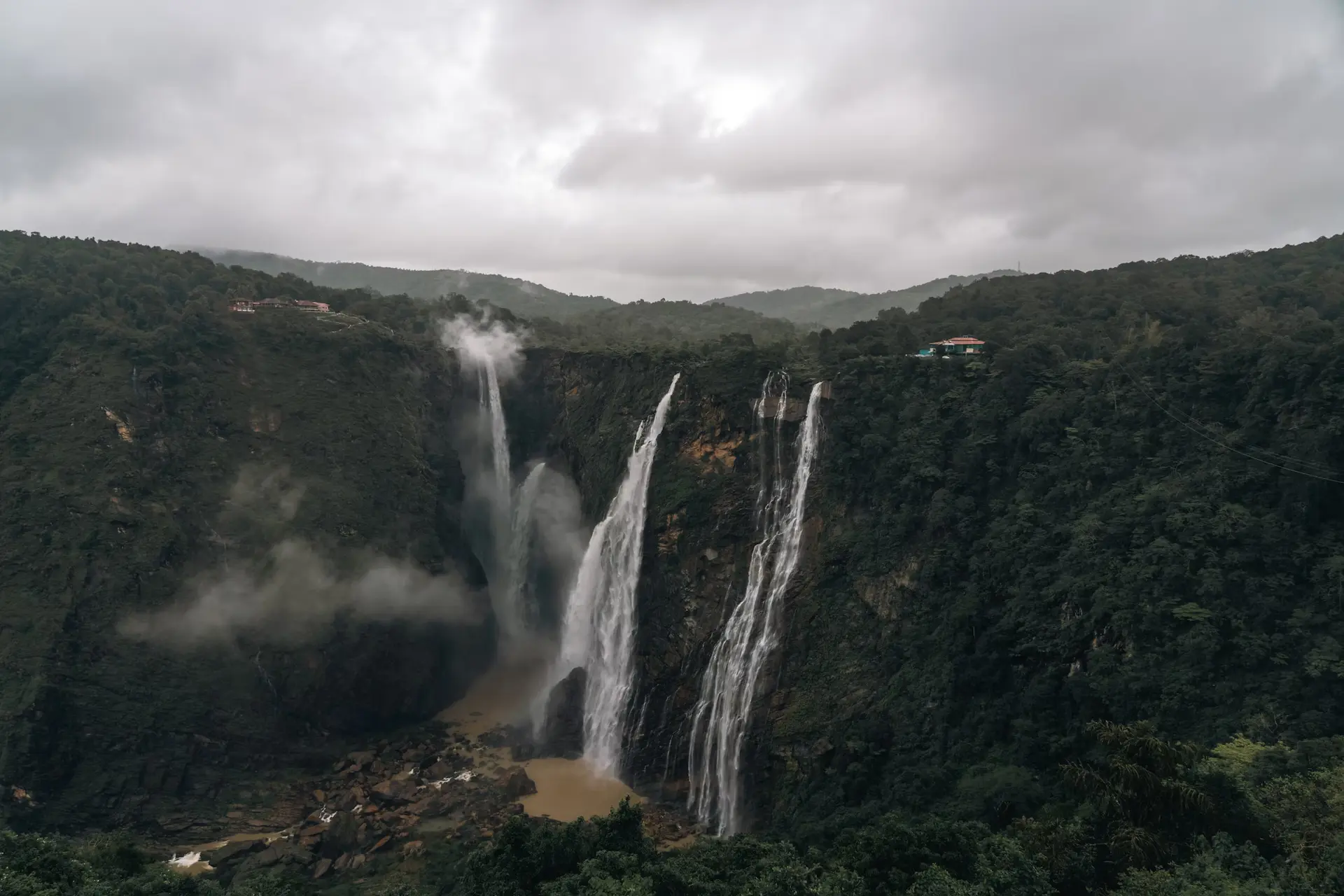
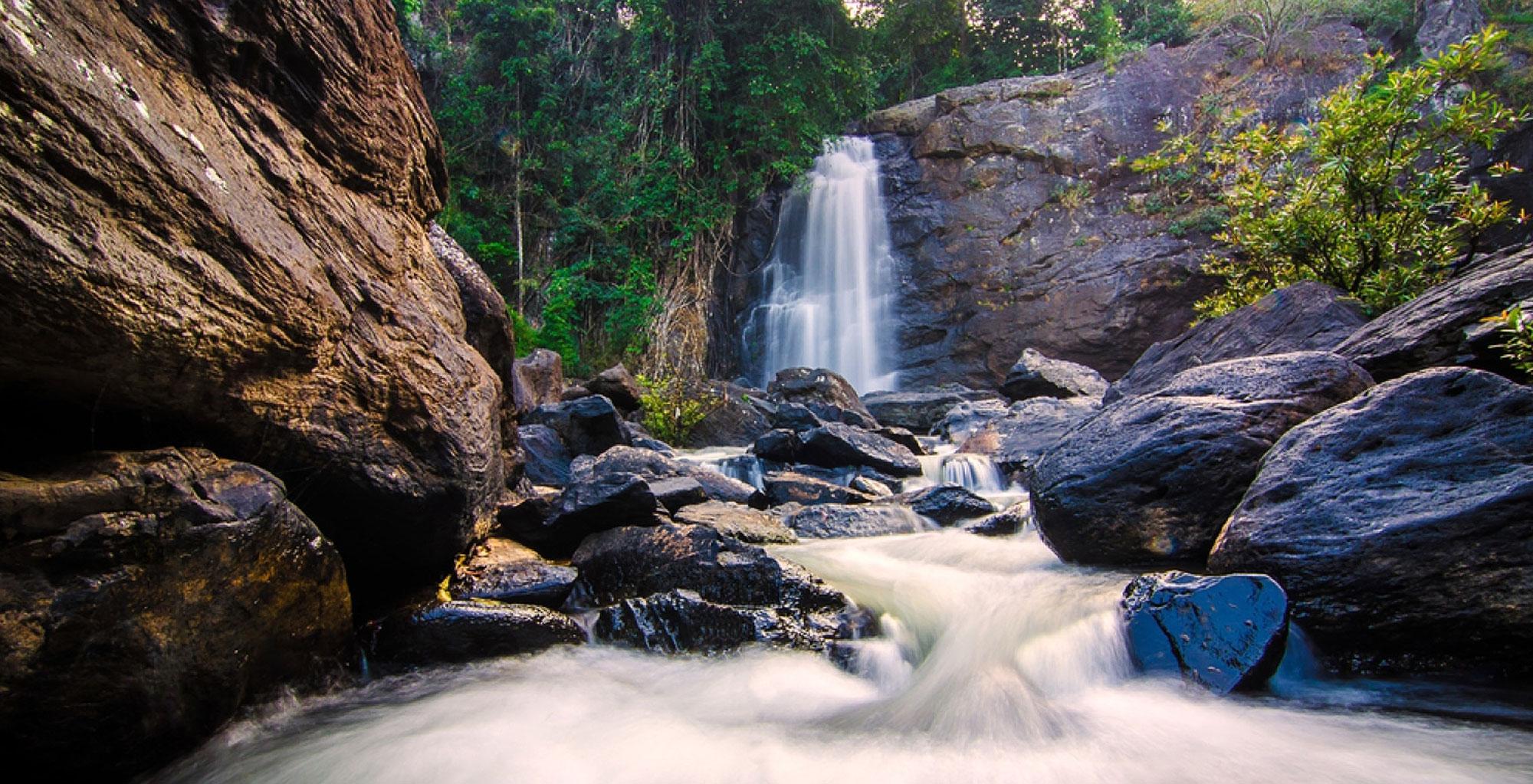
Jog Falls, officially known as Gerosoppa Falls, is the second-highest plunge waterfall in India and a spectacular natural wonder located in the Shimoga district of Karnataka. Created by the Sharavathi River falling from a height of 253 meters (830 feet), Jog Falls is a dramatic sight - water plunges in four distinct cascades called Raja, Roarer, Rocket, and Rani. For those exploring Karnataka's natural wonders, Jog Falls is an essential destination. What makes Jog Falls particularly special is that it's a plunge waterfall, meaning the water drops vertically rather than cascading down rocks, creating a powerful and awe-inspiring spectacle.
The falls are located in dense Western Ghats forests, adding to their pristine appeal. Unlike many waterfalls that are easily accessible, Jog Falls requires some effort to reach - the journey through winding roads in the Sahyadri range builds anticipation. The region is part of the Western Ghats biodiversity hotspot, home to numerous endemic species. The surrounding lush greenery, mist from the falling water, and the constant thunder of cascading water create an atmosphere of raw natural power.
Jog Falls has been a major tourist attraction for decades, drawing nature lovers, photographers, and adventure enthusiasts. The falls are at their most spectacular during and immediately after the monsoon when the Sharavathi River is in full flow, but they offer unique beauty in every season. Whether you're watching the full force of the monsoon falls or the thin, graceful cascade of summer, Jog Falls delivers an unforgettable experience.
The Four Cascades
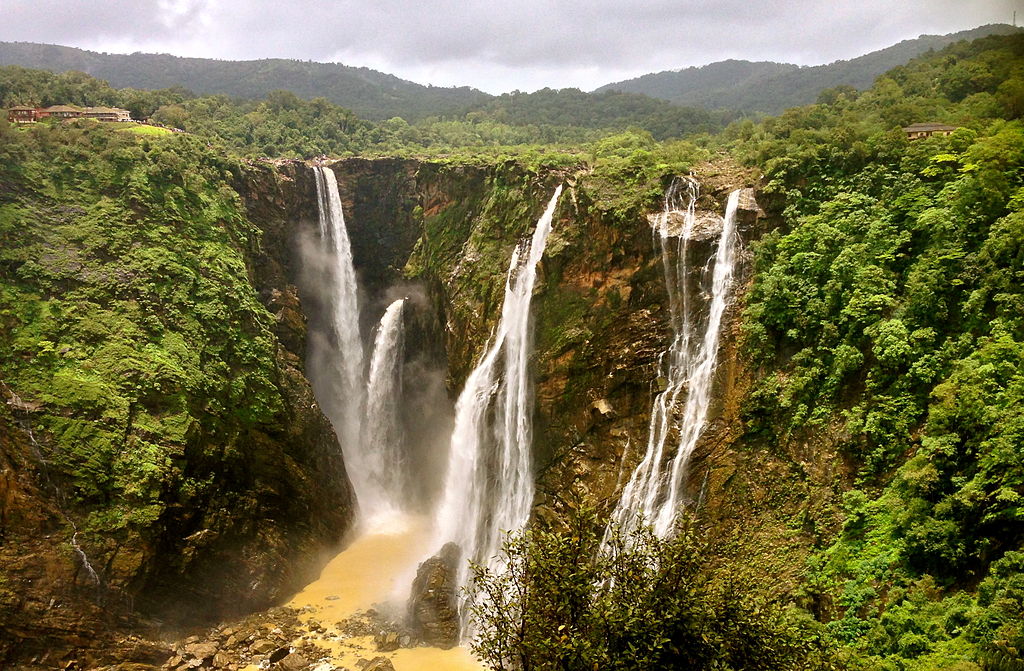
What makes Jog Falls unique is the division of the waterfall into four distinct cascades, each named for its character. The Sharavathi River splits around two rocky outcrops before reuniting below the falls, creating this spectacular division.
Raja (The King): The tallest cascade at 250 meters, Raja flows in a single, powerful stream that seems to drop endlessly into the pool below. It's called the King because of its majestic appearance and the sheer volume of water it carries during monsoon. Raja creates the main visual spectacle of Jog Falls and is the most photographed of the four cascades.
Roarer: This cascade creates a tremendous noise as it crashes down the rocky face, giving it its name. The sound of Roarer can be heard long before the falls are visible. During monsoon, it creates a mist that rises high above the falls, adding to the dramatic atmosphere.
Rocket: Named for the speed and force with which water descends, Rocket shoots down in a concentrated stream that appears to explode when it hits the bottom. The high velocity creates a powerful splash that contributes to the overall mist around the falls.
Rani (The Queen): The most graceful of the four cascades, Rani flows in a thinner, more elegant stream compared to the others. Despite its gentler appearance, it still drops the full 253 meters and adds a delicate beauty to the powerful spectacle of the other three cascades.
Best Time to Visit
The timing of your visit significantly affects the Jog Falls experience, as the waterfall transforms dramatically between seasons.
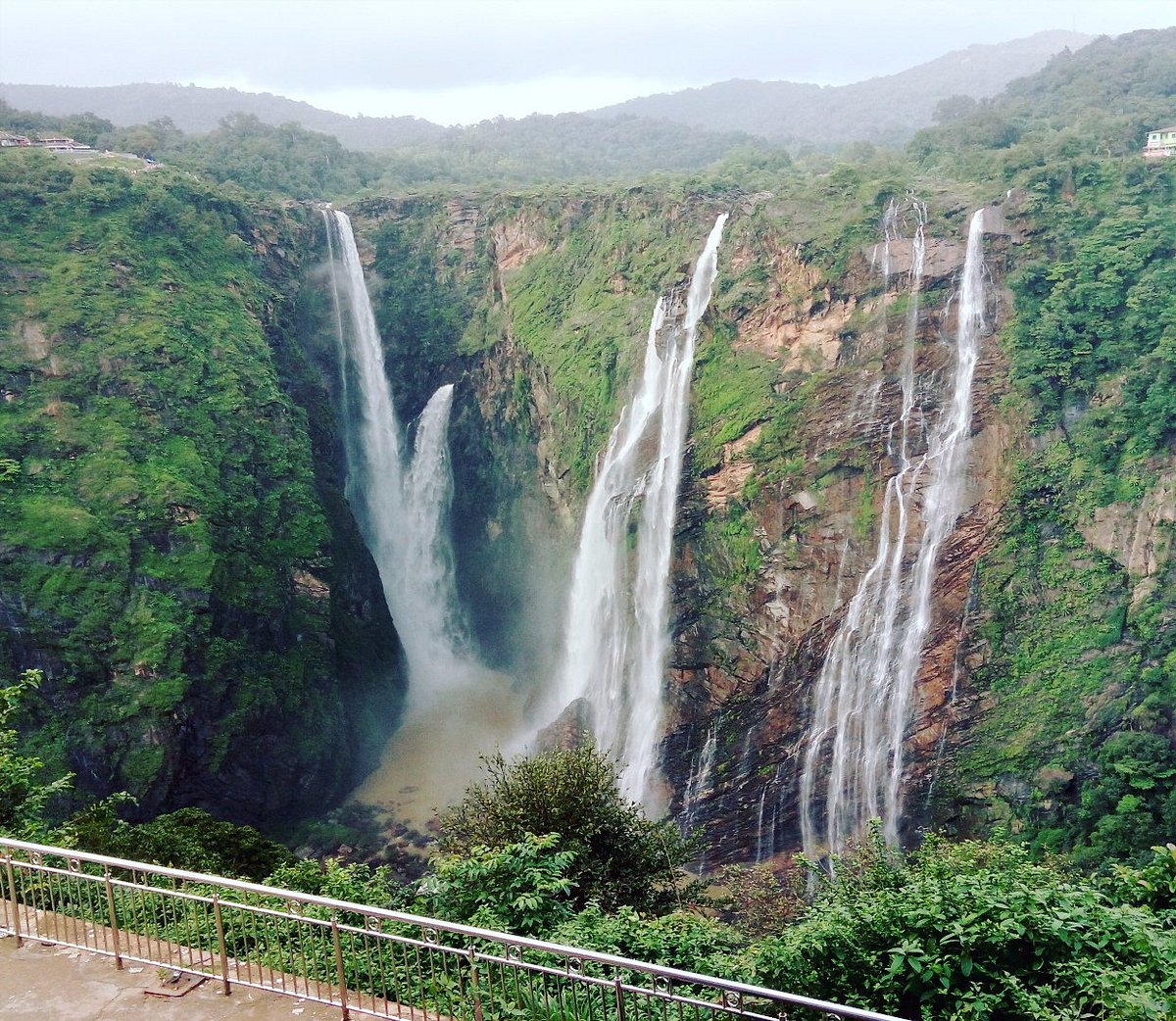
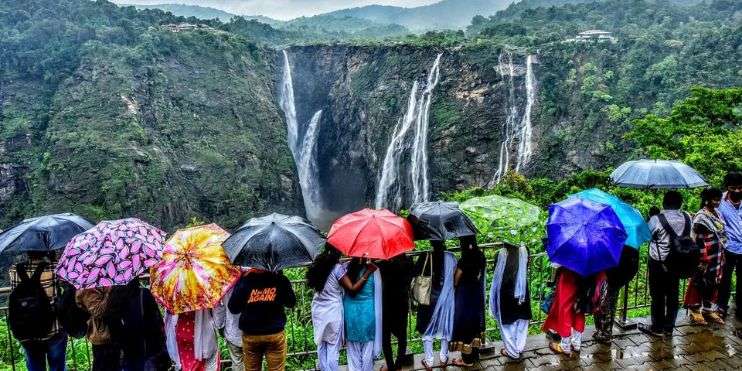
Monsoon (July-September): The falls are at their most spectacular during monsoon. The Sharavathi River swells with rainwater, creating a thundering cascade that can be heard from kilometers away. The view from the main viewpoint is of massive white water plunging down, surrounded by mist. This is peak season, but be prepared for rain and slippery conditions.
Post-Monsoon (October-November): This period offers the perfect balance - the falls still have impressive flow, but the weather has cleared. The mist around the falls is particularly beautiful in the clear sunlight, creating rainbows. This is arguably the best time for photography and comfortable sightseeing.
Winter (December-February): Water flow reduces significantly, revealing more of the rocky terrain. The falls become thinner but more graceful, offering a different kind of beauty. Winter provides the best weather for trekking and exploring the area around the falls. Crowds are thinner, and photography is easier without the heavy mist.
Summer (March-May): The falls are at their gentlest, sometimes reducing to a thin stream. While this might seem disappointing, summer reveals the rocky gorge and offers views impossible during high flow. This is the best time for trekking to the bottom of the falls.
Viewpoints and Vantage Points
Jog Falls offers multiple viewing points, each providing different perspectives of the cascades.
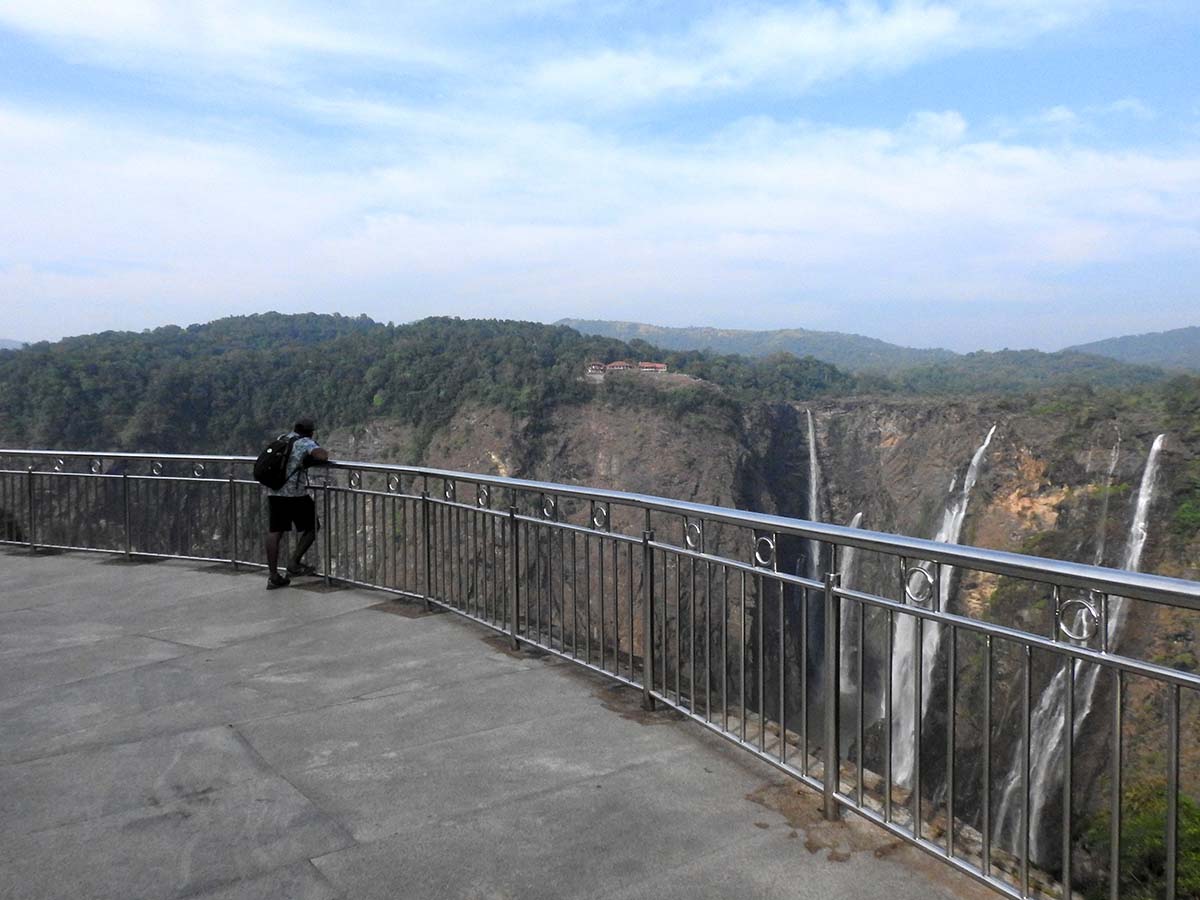
Main Viewpoint (Watkins Station): The most popular and easily accessible viewpoint, located about 500 meters from the parking area. This platform offers a full view of all four cascades and is where most photographs are taken. The viewpoint can get crowded, especially on weekends, but it provides the classic Jog Falls view that everyone comes to see.
TP Viewpoint: A newer viewing platform that provides a slightly elevated perspective. Named after the tourist department that developed it, this viewpoint often has fewer crowds and offers excellent photography opportunities. The angle here emphasizes the height of the falls and the gorge below.
Bottom of the Falls: For the adventurous, a steep trek leads to the base of the falls. This trek takes about 30-45 minutes each way and requires reasonable fitness. The trail can be slippery and is best attempted in winter when conditions are dry. Standing at the base, looking up at the plunging water, provides a completely different perspective and sense of scale.
Manganese Mine Viewpoint: A lesser-known spot that offers unique angles of the falls. This viewpoint requires a short hike but rewards with views that most tourists miss. It's particularly good for photographers seeking different perspectives.
How to Reach Jog Falls
Jog Falls is well-connected by road, though its location in the Western Ghats means some travel through winding mountain roads is required.
From Bangalore: Jog Falls is approximately 380 kilometers from Bangalore, a 7-8 hour drive. The route goes via Tumkur, Arsikere, and Shimoga. The roads are generally good, but the final stretch involves winding ghats. Regular KSRTC and private buses run from Bangalore to Jog Falls.
From Shimoga (Shivamogga): The nearest major city at about 100 kilometers away, approximately 2.5 hours by road. Shimoga is well-connected by rail and road to other parts of Karnataka, making it a convenient base. Taxis and buses connect Shimoga to Jog Falls.
From Sagara: The closest town to Jog Falls at just 30 kilometers away, about a 45-minute drive. Sagara has basic accommodation and facilities, making it a convenient overnight base. Regular buses and taxis connect Sagara to Jog Falls.
By Rail: The nearest railway station is Shimoga, which is connected to major cities. From Shimoga, you'll need to proceed by road to Jog Falls. The train journey through the Western Ghats region is scenic.
By Air: The nearest airport is Mangalore (about 200 kilometers away) or Hubli (about 180 kilometers away). Both airports have connections to major Indian cities. From either airport, taxis or buses can take you to Jog Falls.
Things to Do Around Jog Falls
While the waterfall itself is the main attraction, the surrounding area offers additional experiences that make Jog Falls more than just a day trip destination.
Trekking to the Falls Base: The steep trek down to the base of the falls is for the adventurous. The trail is rocky and can be slippery, but the experience of standing at the bottom, looking up at the cascading water, is unforgettable. The trek takes 30-45 minutes down and about an hour back up. Carry water and wear sturdy shoes.
Sharavathi River Trail: There are several walking trails along the Sharavathi River that offer different perspectives of the gorge and surrounding forest. These trails vary in difficulty and are perfect for nature lovers and birdwatchers.
Linganamakki Dam: About 6 kilometers from Jog Falls, this dam across the Sharavathi River creates the reservoir that feeds the falls. The dam offers beautiful views of the backwaters and is an interesting engineering marvel to visit.
Hornadu Annapoorneshwari Temple: About 80 kilometers from Jog Falls, this ancient temple dedicated to Goddess Annapoorna is an important pilgrimage site. The temple's architecture and spiritual atmosphere make it worth the drive for those interested in culture and religion.
Kodachadri Trek: For serious trekkers, Kodachadri Peak (about 50 kilometers away) offers challenging trekking and panoramic views of the Western Ghats. This is a full-day activity requiring good fitness.
Accommodation Options
While Jog Falls can be visited as a day trip, staying overnight allows for a more relaxed experience and the chance to see the falls in different lighting conditions.
JMT Viewpoint Resort: Located near the falls, this government-run resort offers basic but comfortable accommodation with spectacular views. Waking up to the sound of the falls and seeing them through morning mist is an experience worth staying for.
Sagara Hotels: The town of Sagara, 30 kilometers away, has several hotels ranging from budget to mid-range. These offer better facilities than the options right at the falls. Staying in Sagara gives you access to restaurants and other amenities.
Shimoga Stay: For more accommodation and dining options, Shimoga (100 kilometers away) offers the best selection of hotels, resorts, and restaurants. While this means more driving, it provides comfort and services not available closer to the falls.
Homestays: The region around Jog Falls has several homestays offering authentic local experiences. These are particularly good for those interested in experiencing local culture and cuisine.
Photography Tips
Jog Falls is a photographer's dream, but capturing its beauty requires some technique and timing.
Golden Hour: The hour after sunrise and the hour before sunset offer the most beautiful light. The soft, golden light enhances the falls' colors and creates dramatic shadows. During these times, the mist often creates rainbows that add magical elements to photographs.
Monsoon Drama: For spectacular, powerful waterfall shots, visit during monsoon. The heavy water flow creates impressive images. However, protect your camera from rain and mist. A rain cover and microfiber cloth are essential.
Long Exposure: Use a slow shutter speed to create the silky water effect that makes waterfall photographs so dramatic. A tripod is essential for sharp long exposure shots. Experiment with different shutter speeds - 1/15 to 1 second for partial blur, 2-4 seconds for full silky effect.
Include People: Including people in your shots provides scale and helps convey the massive size of the falls. The tiny figures of viewers at the bottom of the falls emphasize the 253-meter drop.
Multiple Angles: Don't just shoot from the main viewpoint. Explore different vantage points, climb to higher positions if possible, and shoot from various angles to capture the falls' diverse character.
Travel Tips
These practical tips will help make your Jog Falls visit safe and enjoyable.
Start early if driving from Bangalore or other distant locations - the journey takes 7-8 hours, and you want to arrive at the falls with daylight and energy remaining. If staying overnight, arrive in the afternoon, see the falls, and watch them again the next morning.
Carry rain gear if visiting during monsoon. The region receives heavy rainfall, and you'll get wet. A rain jacket, umbrella, and waterproof covers for cameras and phones are essential. Even outside monsoon, the mist from the falls can be surprisingly wet.
Wear sturdy footwear with good grip. The terrain around the falls is rocky and often slippery. Good shoes are essential if you plan to trek to the base or explore the area. Flip-flops or sandals are not recommended.
Respect safety barriers. The viewpoints have railings for good reason - the rocks are extremely slippery, and the drop is lethal. Don't cross barriers for better photos. Many accidents happen when people ignore safety measures.
Combine Jog Falls with other Western Ghats attractions for a more comprehensive trip. The region has numerous waterfalls, temples, and trekking trails. A 3-4 day itinerary covering Jog Falls, Gokarna, and nearby attractions works well.
Finally, practice responsible tourism. Don't litter, don't damage the fragile ecosystem, and don't disturb wildlife. The Western Ghats are a UNESCO World Heritage Site and one of the world's biodiversity hotspots - treat them with the respect they deserve.
Conclusion
Jog Falls represents the raw, untamed beauty of India's Western Ghats - a place where nature's power is on full display, where water plunges 253 meters in a dramatic demonstration of gravity's force. The falls' division into four distinct cascades, each with its own character, creates a visual spectacle that's both beautiful and humbling.
What makes Jog Falls special is its authenticity - this isn't a manufactured tourist attraction but a completely natural phenomenon that has existed for millennia. The Sharavathi River has been carving this path through the Western Ghats long before humans arrived, and will continue to do so long after we're gone. Standing at the viewpoint, watching the water plunge, hearing the thunder, feeling the mist, you're connected to something ancient and powerful.
The falls also represent the ecological importance of the Western Ghats - these mountains aren't just beautiful scenery but crucial watersheds. Adventure enthusiasts might also want to explore the Kodachadri trek nearby, another gem in the Western Ghats offering challenging trails and panoramic views. Jog Falls is fed by monsoon rains that sustain the forests, the forests sustain the rivers, and the rivers sustain millions of people downstream. Everything is connected, and the falls are a dramatic reminder of these connections.
Whether you're watching the full fury of monsoon flow, the graceful thin cascade of winter, or trekking down to the base for a ground-level perspective, Jog Falls delivers experiences that stay with you. The sound of falling water, the sight of endless plunge, the feeling of mist on your face - these sensations don't fade with time. In our increasingly virtual world, Jog Falls offers something real, something powerful, something that reminds us of nature's grandeur and our small place within it.
Location
Frequently Asked Questions
Q1.What is special about Jog Falls?
Q2.What is the best time to visit Jog Falls?
Q3.Is trekking to Jog Falls base safe?
Q4.How to reach Jog Falls from Bangalore?
Q5.What are the four cascades of Jog Falls?
Q6.Can we visit Jog Falls in monsoon?
Q7.How much time is needed for Jog Falls?
Q8.Is there accommodation at Jog Falls?
Recommended For You
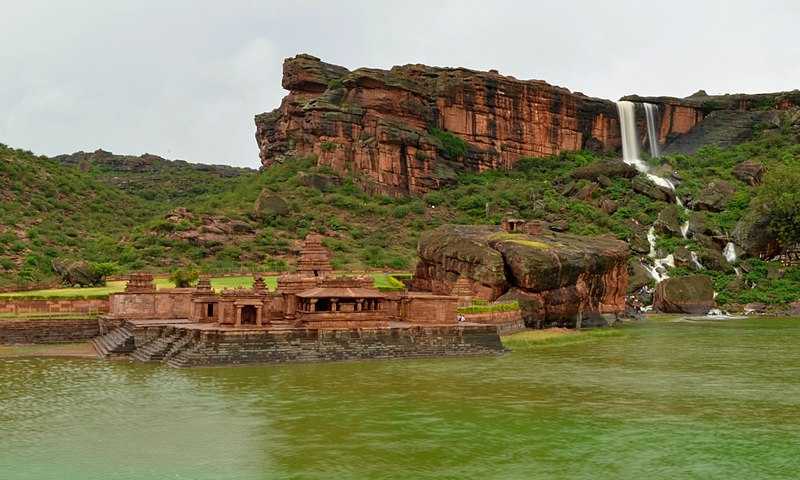
Places to Visit in Karnataka: Coast, Hills & Heritage Cities
Explore the best places to visit in Karnataka with a complete guide to Hampi, Coorg, Mysore, beaches, wildlife parks, trekking routes, and practical travel planning.
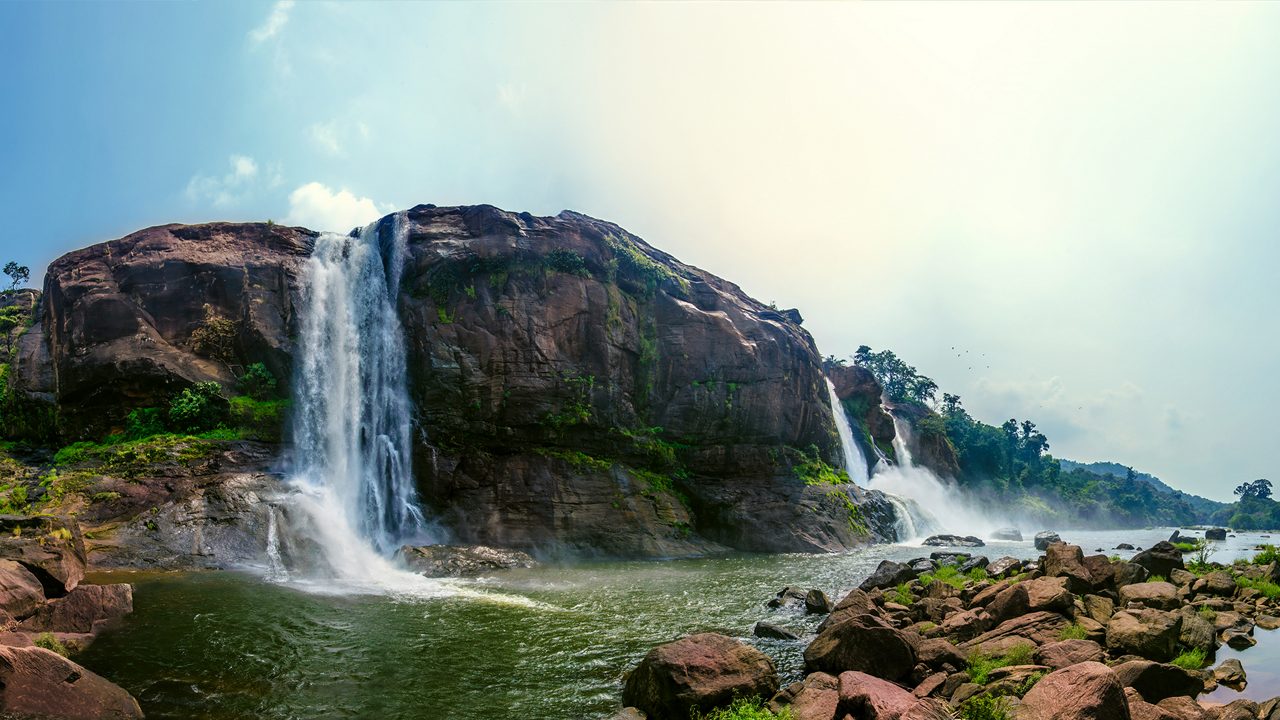
15 Best Waterfalls in Kerala: Location, Season & Entry Info
Explore the best waterfalls in Kerala with Athirappilly, Vazhachal, Soochipara, Meenmutty and more, including season tips and route-based tour planning.
Wayanad Waterfalls: Best Falls, Trek Access & Monsoon Tips
Complete guide to Wayanad waterfalls including Meenmutty, Soochipara, Banthra Sunku, Chethalayam with trekking details, best time, and travel tips.
Never Miss an Adventure
Get the latest trekking guides, travel tips, and exclusive offers delivered straight to your inbox.
