
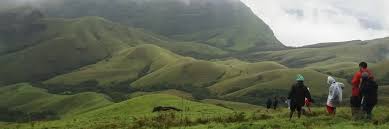
Trekking in Coorg: Trail Options, Difficulty & Best Months
Neha Kapoor
February 18, 2026
Complete guide to trekking in Coorg with top trails, best season, preparation tips, and practical planning for an unforgettable Western Ghats adventure.
Why Coorg is a Premier Trekking Destination
Nestled in the Western Ghats of Karnataka, Coorg (Kodagu) stands as one of South India's most rewarding trekking destinations. This misty hill district offers diverse trails ranging from gentle coffee plantation walks to challenging forest ascents, making it perfect for trekkers of all experience levels.
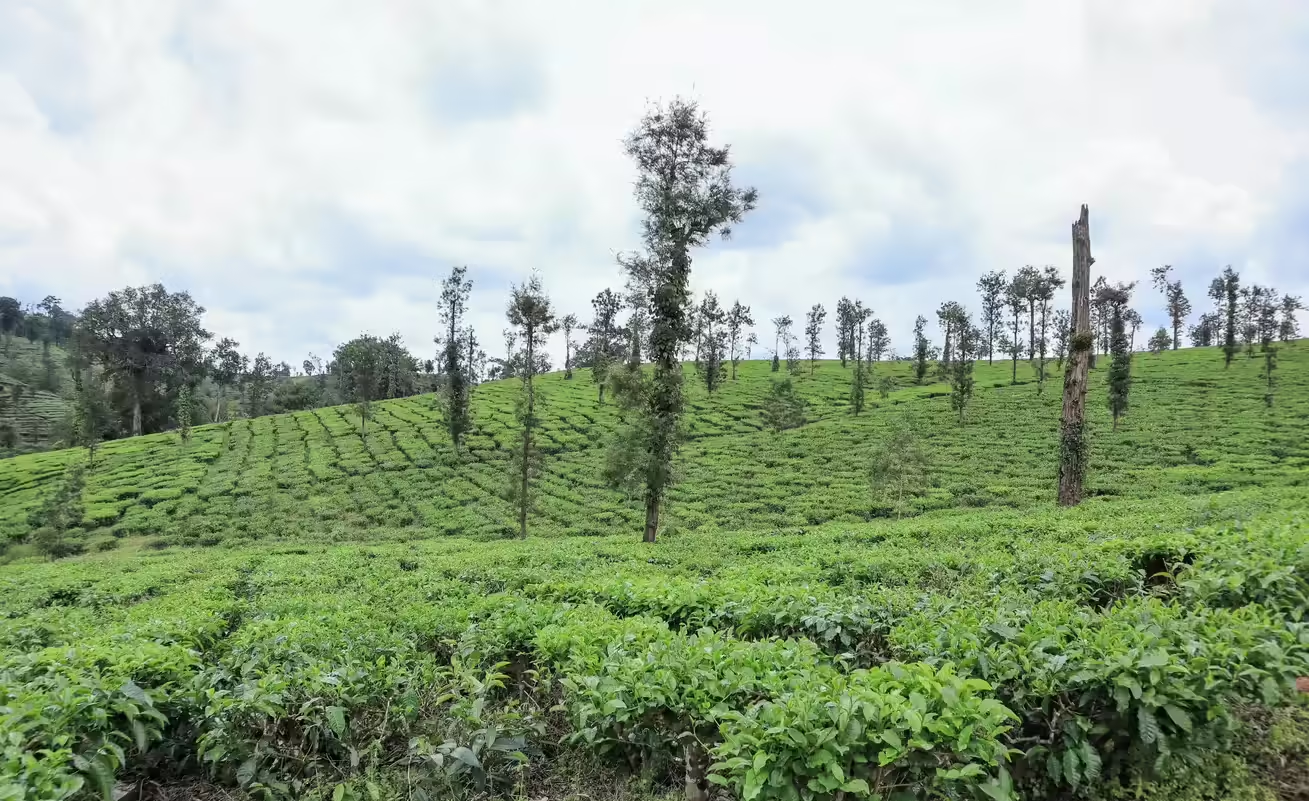
The region's elevation between 900 and 1,700 meters creates ideal conditions for year-round trekking, though post-monsoon months reveal Coorg at its lushest. Trekking here combines three unique elements: aromatic coffee estates, dense shola forests, and spectacular viewpoints that stretch across the hills of Karnataka and Kerala.
What sets Coorg apart is its accessibility combined with wilderness immersion. You can transition from a moderate morning climb to plantation exploration by afternoon, then end with cultural experiences in local villages. This variety makes Coorg trekking both adventurous and culturally enriching.
For comprehensive trip planning, connect with places to visit in Coorg, explore offbeat places in Coorg, or check places near Bangalore for combination trips.
Best Trekking Trails in Coorg
Tadiandamol Peak (1,748 meters)
The highest peak in Coorg and the second-highest in Karnataka. Tadiandamol offers a challenging yet rewarding trek through dense forests, grasslands, and rocky patches. The summit provides panoramic views of the surrounding Western Ghats and, on clear days, even distant Kerala ranges.
The trail spans approximately 6-7 kilometers round trip, typically taking 4-5 hours to complete. Best attempted during October to May when the terrain is firm and visibility is optimal. Carry sufficient water as sources are limited along the route.
Kotebetta (1,620 meters)
Translating to "Fort Hill" in Kannada, Kotebetta offers a moderate trekking experience through varied terrain including coffee plantations, forests, and open grasslands. The trail features gradual inclines making it suitable for beginners while still providing satisfying views from the summit.
This trek typically requires 3-4 hours round trip and is accessible from numerous homestays in the region. The path passes through working plantations, offering insights into Coorg's famous coffee cultivation.
Pushpagiri (1,712 meters)
Located in the Pushpagiri Wildlife Sanctuary, this trek demands prior permission from the forest department and preferably a local guide. The trail traverses pristine shola forests and grasslands, offering exceptional biodiversity viewing opportunities.
This challenging trek rewards persistent hikers with some of the most untouched wilderness experiences in Coorg. The sanctuary status ensures minimal human disturbance, making it ideal for serious nature enthusiasts.
Nishani Motte
A lesser-known trail offering moderate difficulty through varied terrain. The route features forest sections, open patches with excellent photography opportunities, and peaceful surroundings away from mainstream tourist circuits.
| Trek Name | Difficulty | Duration | Best Season | Key Features |
|---|---|---|---|---|
| Tadiandamol Peak | Moderate to Hard | 4-5 hours | Oct-May | Highest peak, panoramic views |
| Kotebetta | Moderate | 3-4 hours | Oct-May | Plantation trails, beginner-friendly |
| Pushpagiri | Hard | 5-6 hours | Nov-Apr | Wildlife sanctuary, pristine forests |
| Nishani Motte | Moderate | 3-4 hours | Oct-May | Lesser-known, peaceful trails |
Best Time for Trekking in Coorg
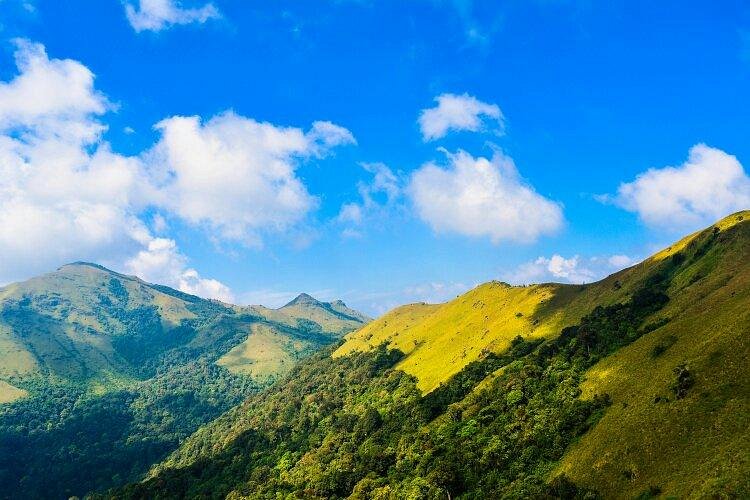
Post-Monsoon (October to February)
The ideal trekking season when the landscape transforms into vibrant green. The terrain remains firm, streams are manageable, and temperatures range between 15-25°C during the day. Morning mist adds atmospheric beauty to trails while keeping temperatures pleasant for climbing.
Summer (March to May)
Though warmer, early morning treks remain comfortable. Forest cover provides shade on many routes, and water sources are more reliable. Carry extra hydration and start before sunrise to avoid midday heat.
Monsoon (June to September)
While Coorg looks spectacular during rains, trekking becomes challenging with slippery paths and leech activity. Experienced monsoon trekkers with proper gear can attempt easier trails, but beginners should avoid this period. Always check weather forecasts and local conditions.
Trekking Preparation and Safety
Essential Gear Checklist
- Footwear: High-grip trekking shoes with good ankle support. Break them in before your trip to prevent blisters.
- Clothing: Moisture-wicking layers, light rain jacket, and quick-dry pants. Avoid cotton as it retains moisture.
- Hydration: At least 2 liters of water per person. Many trails have limited water sources.
- Navigation: Downloaded offline maps, GPS device, or local guide contact information.
- First Aid: Basic kit including bandages, antiseptic, pain relievers, and personal medications.
- Protection: Sunscreen, hat, and sunglasses for exposed sections. Insect repellent for forest areas.
Permits and Permissions
Some trails, especially those within wildlife sanctuaries like Pushpagiri, require forest department permits. Arrange these in advance through local contacts or homestays. Always carry identification proof and permit documents during treks.
Safety Guidelines
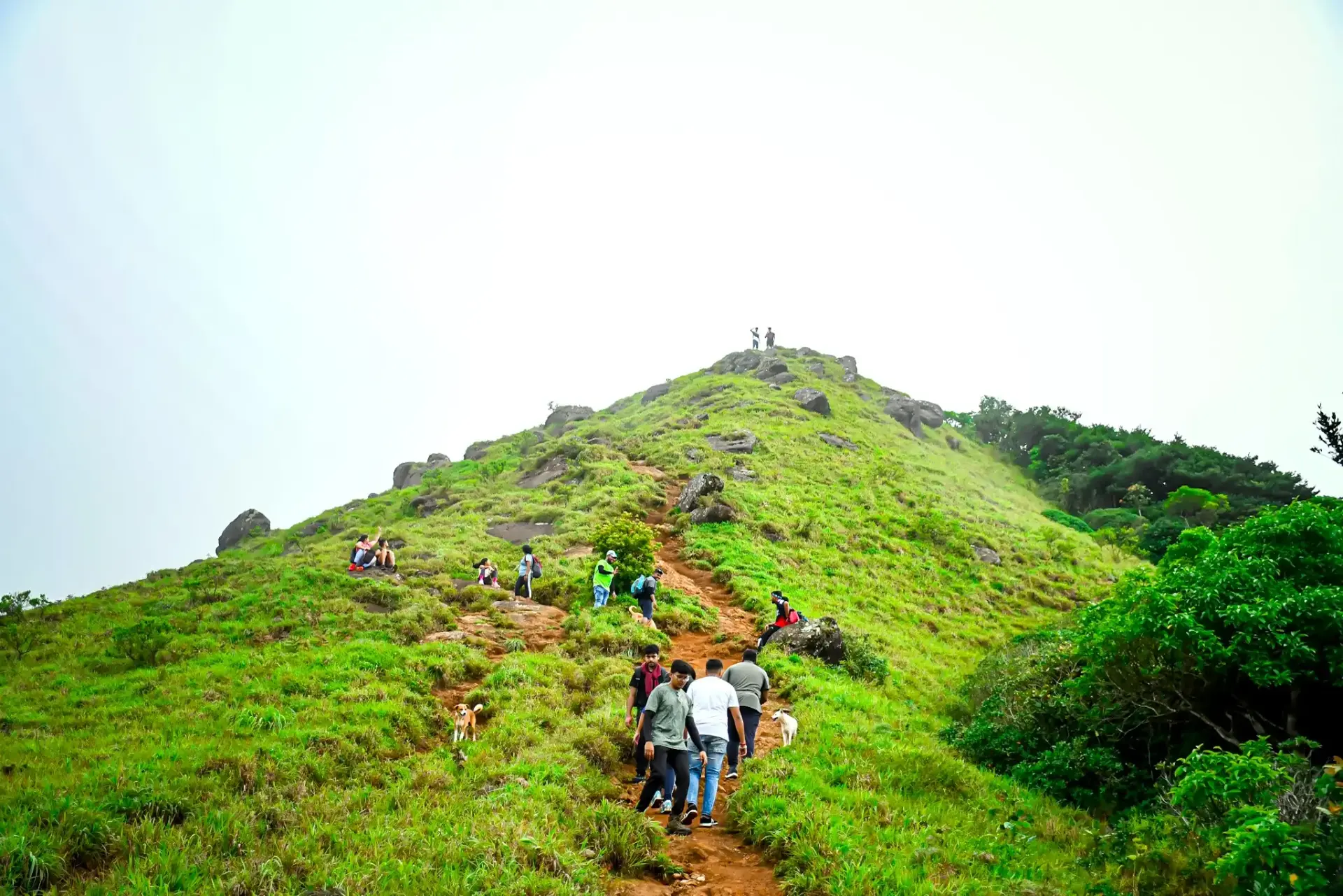
Trek in groups of at least 3-4 people, especially on challenging routes. Inform someone at your accommodation about your planned route and expected return time. Many trails have limited mobile network coverage, so carry emergency contact information written down.
Weather in Coorg can change rapidly, particularly during monsoon and post-monsoon periods. Start early to avoid afternoon mist or rain. If conditions deteriorate, prioritize turning back over reaching the summit.
Accommodation and Planning
Homestays and Plantation Stays
Coorg offers numerous homestays ranging from budget rooms to premium plantation experiences. Many hosts are experienced trekkers who can provide valuable local insights, arrange guides, and customize trek recommendations based on your fitness level.
Popular areas for accommodation include Madikeri (central location), Virajpet (closer to Pushpagiri), and Somwarpet (near Kotebetta). Book in advance during peak seasons (October-January and weekends).
Local Guides
While some trails like Kotebetta can be attempted independently, hiring local guides enhances safety and experience. Guides know the terrain, weather patterns, wildlife behavior, and cultural context. They're essential for Pushpagiri and highly recommended for Tadiandamol.
Combining Trekking with Coorg Experiences
Coffee Plantation Tours
Many treks pass through or near coffee estates. Arrange post-trek plantation walks to learn about cultivation, processing, and the history of Coorg's coffee culture. Some estates offer tasting sessions and overnight stays.
Cultural Experiences
Coorg's unique Kodava culture adds depth to any trekking trip. Visit traditional villages, try local cuisine (especially pork curry and bamboo shoot dishes), and if timing aligns, witness traditional festivals. The combination of physical activity and cultural immersion creates memorable travel experiences.
Sample 3-Day Trek Itinerary
Day 1: Arrive in Madikeri, acclimatization walk through nearby plantations, visit Raja's Seat for sunset views. Overnight at homestay.
Day 2: Early morning Tadiandamol trek (4-5 hours). Afternoon rest and plantation tour. Evening at Abbey Falls. Overnight at same homestay.
Day 3: Morning Kotebetta trek or cultural village visit. Depart post-lunch with flexible departure time for return journey.
Common Mistakes to Avoid
- Underestimating terrain: Even moderate trails can be challenging in humid conditions. Assess fitness honestly.
- inadequate hydration: High humidity causes significant fluid loss. Drink before feeling thirsty.
- Poor timing: Starting too late increases heat exposure and weather-related risks. Begin early morning.
- Ignoring permits: Some treks require official permissions. Trekking without permits can result in fines.
- Overpacking: Heavy bags reduce trekking enjoyment. Carry only essentials.
Photography Tips for Coorg Treks
Golden hours (early morning and late afternoon) provide the best lighting for landscape photography. Mist often clears around mid-morning, offering dramatic views. Carry rain protection for cameras during monsoon season. Respect local customs when photographing people or religious sites.
Responsible Trekking Practices
Coorg's natural beauty depends on responsible tourism. Follow leave-no-trace principles: carry all trash back, avoid disturbing wildlife, stay on marked trails, and respect local communities. Many sacred groves and forest areas have cultural significance beyond their ecological value.
Permits, Forest Rules, and Trail Access Updates
Coorg trekking access can change based on forest department notifications, crowd-control rules, weather alerts, and sanctuary management decisions. For routes touching protected areas, do not assume old blog information is enough. Confirm latest entry rules through local forest check-posts, authorized guides, or current Karnataka ecotourism/forest updates before starting the trek.
A practical safety rule is simple: if a route has permit confusion, skip that day and shift to a confirmed-access trail. This is better than attempting uncertain entry and losing time at checkpoints. Permit-related delays are common on weekends and long holidays, so early starts and backup plans matter.
| Planning Item | What to Verify | Why It Matters |
|---|---|---|
| Forest/sanctuary access | Current permit requirement and cut-off time | Avoids denied entry at trailhead |
| Group-size limits | Per-day cap (if applicable) | Helps plan weekend slots |
| Guide requirement | Mandatory or optional status | Impacts budget and safety |
| Camping policy | Allowed, restricted, or prohibited | Prevents legal and safety issues |
Weather Windows and Trail Behavior
Coorg terrain changes quickly with moisture. Post-monsoon can look ideal but still include slippery roots, wet grass, and leech-prone forest sections. Summer gives firmer ground on many routes but demands early starts due to heat and humidity. Visibility can shift fast with mist, especially on ridge sections around summit approaches.
For first-timers, the most reliable strategy is: start early, keep turnaround time fixed, and avoid deep-route extensions after midday weather changes. If cloud build-up reduces visibility, descend while the trail is still readable. This discipline prevents most avoidable navigation mistakes.
One-Day vs Two-Day Trek Planning
One-Day Template
Leave early from base stay, complete one primary trek, return by afternoon, and keep evening for recovery. This is ideal for weekend travelers from Bengaluru and nearby cities.
Two-Day Template
Day one for a moderate trek and plantation/cultural activity; day two for either a tougher trail or relaxed nature route depending on energy levels. If you are combining state-level travel, align with options from trekking in Kerala only after checking fatigue and transfer time.
Budget and Logistics Reality Check
Most Coorg trekking budgets are affected by transport and guide support more than trail fees. Costs usually include stay, local transfers, permit/entry where applicable, meals, and emergency margin for weather-led changes. Group travel reduces per-person transport costs, but only if reporting times are disciplined.
- Keep one emergency buffer for route or weather shift.
- Carry cash backup in areas with weak network payment reliability.
- Do not overpack; weight directly affects climb comfort.
- Book homestays near your chosen trail cluster to reduce morning transfer fatigue.
Final Pre-Trek Checklist
- Confirm access status the previous evening.
- Carry 2L water minimum plus electrolytes.
- Wear proven-grip shoes and weather layer.
- Share route and return time with your host.
- Keep offline map and guide contact saved.
Conclusion
Trekking in Coorg offers perfect balance between adventure and accessibility. From the challenging ascent of Tadiandamol to peaceful plantation walks, the region provides diverse experiences for different fitness levels and interests. Proper preparation, respect for local ecology, and flexible planning ensure safe and rewarding trekking adventures in this beautiful corner of the Western Ghats.
Location
Frequently Asked Questions
Q1.What is the best time for trekking in Coorg?
Q2.Which is the best trek in Coorg for beginners?
Q3.Do I need permits for trekking in Coorg?
Q4.How difficult is the Tadiandamol Peak trek?
Q5.What should I pack for Coorg trekking?
Q6.Are guides available for Coorg treks?
Q7.How many days are needed for trekking in Coorg?
Q8.Is trekking in Coorg safe?
Q9.Can I combine trekking with other Coorg activities?
Q10.What wildlife might I encounter during Coorg treks?
Recommended For You
Offbeat Places in Kolar: Hidden Gems & Unexplored Spots
Explore lesser-known places in Kolar with this detailed offbeat guide covering hidden temples, quiet heritage sites, natural spots, and local culture.
Trekking in Kerala: Best Trails by Difficulty & Region
Comprehensive guide to trekking in kerala: best trails & guide with planning tips, context, and practical logistics.
15 Monsoon Places Near Bangalore: Waterfalls, Hills & Scenic Drives
Discover practical monsoon getaways near Bangalore with destination ideas, road planning tips, waterfall safety guidance, and weekend itinerary structure.
Never Miss an Adventure
Get the latest trekking guides, travel tips, and exclusive offers delivered straight to your inbox.
