
Kollur Mookambika Temple: Darshan Timings, Sevas & Pilgrimage Info

Priya Mehta
February 19, 2026
Visit Kollur Mookambika Temple, one of Karnataka's seven Mukthistalas. Discover the jyotirlinga, Vidhyarambham, timings & travel guide.
Introduction
The Kollur Mookambika Temple stands as one of Karnataka's most revered shrines, dedicated to Goddess Mookambika, an incarnation of Goddess Parvati. While Meenakshi Temple in Madurai is another famous Devi shrine, Mookambika Temple holds a unique place in South Indian spiritual tradition. Nestled in the picturesque Western Ghats on the banks of the Souparnika River, this ancient temple attracts thousands of devotees who come to seek blessings, particularly for knowledge and wisdom. The temple's serene location, surrounded by lush green forests and hills, creates an atmosphere perfect for meditation and spiritual contemplation.
What makes Mookambika Temple particularly special is its association with Adi Shankaracharya, the great philosopher and theologian who is believed to have installed the idol here. The temple is also one of the seven Mukthisthalas (places of liberation) in Karnataka, making it an important pilgrimage site. For centuries, devotees have believed that prayers offered here with devotion are granted, especially those related to education, arts, and knowledge.
History & Legend
The history of Kollur Mookambika Temple is deeply intertwined with the legend of the demon Kaumasura and the divine intervention of Goddess Mookambika. According to mythology, Kaumasura had obtained a boon from Lord Shiva that made him nearly invincible. The demon began tormenting the gods and humans alike, creating chaos and destruction. To counter this threat, all the gods combined their powers to create the Supreme Goddess, who took the form of Mookambika.
Through her divine powers, Goddess Mookambika rendered Kaumasura mute (mooka means dumb), preventing him from using the boon. This is how she came to be known as Mookambika. She then destroyed the demon, liberating the world from his tyranny. The spot where this divine battle took place is believed to be where the temple now stands.
The temple as we know it today was established by Adi Shankaracharya in the 8th century. Similar to how Kashi Vishwanath Temple represents ancient Shaivite tradition, this temple represents the Shakta tradition of goddess worship. According to tradition, Shankaracharya was meditating in the Kodachadri hills nearby when he received a divine command to install an idol of the Goddess. He meditated extensively and, through his penance, caused the Goddess to appear before him in the form of a jyotirlinga (a column of light). This jyotirlinga is still worshipped in the sanctum, divided into two parts - the right side representing the trinity of Brahma, Vishnu, and Shiva, and the left side representing the Goddess.
Temple Architecture
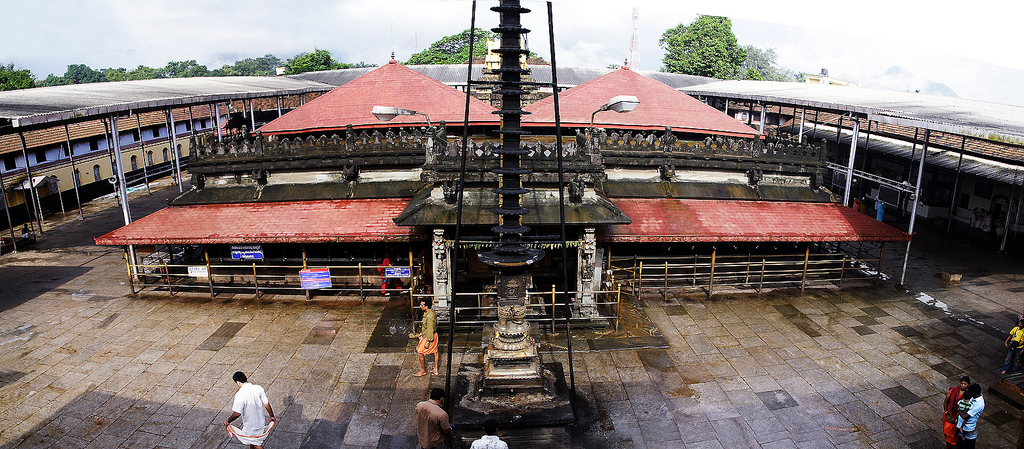
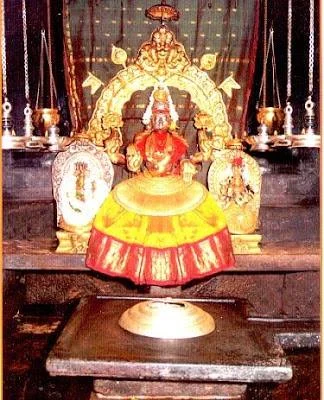
The Kollur Mookambika Temple showcases traditional Kerala architectural style, with its distinctive sloping roof and wooden construction. The main sanctum houses the unique linga of Mookambika, which is not just an idol but a Swayambhu (self-manifested) symbol. This jyotirlinga is divided into two unequal portions - the larger right portion represents the Trimurtis (Brahma, Vishnu, and Shiva), while the smaller left portion represents the Goddess Shakti.
The temple complex includes several smaller shrines dedicated to various deities, including Lord Ganesha, Lord Subramanya, and serpent gods (Naga Devatas). The temple tank, known as the Souparnika River, flows beside the temple, and devotees take ritual baths here before entering the sanctum.
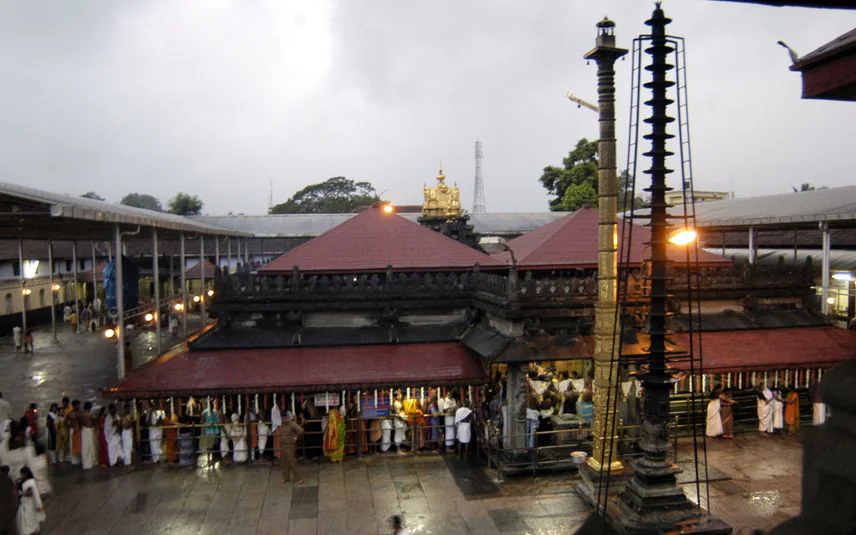
The temple's golden flagmast (dwajastambha) stands tall in front of the main entrance, and the outer prakara (circumambulatory path) is lined with intricate carvings depicting scenes from Hindu mythology. The temple also has a beautiful Mukhamantapa (pillared hall) where devotees sit and meditate.
One of the unique architectural features of this temple is its location - surrounded by the Western Ghats on three sides, creating a natural amphitheater that enhances the spiritual atmosphere. The Kodachadri hills, visible from the temple, are believed to be the abode of the Goddess and are considered sacred.
Unique Features
Swayambhu Linga
The main deity is not a conventional idol but a jyotirlinga - a self-manifested column of light. This unique representation is similar in spiritual significance to the 12 Jyotirlingas scattered across India, each representing the infinite nature of Lord Shiva. This linga represents both the male and female divine principles, making it a rare symbol of the Ardhanarishwara concept.
Adi Shankaracharya's Connection
The temple has a special connection with Adi Shankaracharya, who is believed to have installed the deity here. The Shankara Peetha, where he meditated, is located nearby and is also considered sacred.
Education & Arts
Goddess Mookambika is considered the patron of education, arts, and learning. Many devotees bring their children here for the Vidyarambham ceremony (initiation into learning). Artists, musicians, and students frequently visit seeking blessings for success in their respective fields.
Souparnika River
The river flowing beside the temple is considered sacred, and bathing here is believed to cleanse devotees of their sins. The water is said to have medicinal properties due to the herbs found in the surrounding forests.
Temple Timings & Rituals
The Kollur Mookambika Temple follows an elaborate schedule of daily rituals. The temple opens at 5:00 AM with the morning ablutions (abhisheka) and the first darshan. Throughout the day, various rituals are performed, including alankara (decoration of the deity), naivedya (offering of food), and multiple aarti ceremonies.
The main offerings to the Goddess include various types of flowers, particularly the red hibiscus which is considered her favorite. Devotees also offer coconuts, vermilion (kumkum), and special sweets. The temple prasadam is considered sacred and is distributed to all devotees.
The temple remains open until 9:00 PM, with a break in the afternoon from 1:00 PM to 3:00 PM. The evening aarti, known as the Deeparadhana, is a spectacular sight with hundreds of lamps illuminating the sanctum.
Major Festivals
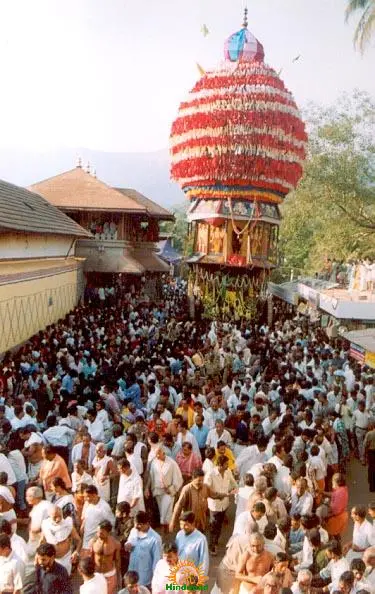
The temple celebrates several festivals with great enthusiasm:
Navaratri
The nine-day festival dedicated to the Goddess is celebrated with great pomp at Kollur. The temple is beautifully decorated, and special rituals are performed each day. The Vijayadashami day (final day) is particularly important, and many families choose this day to initiate their children into learning (Vidyarambham).
Chaitra Utsava
Held in March-April, this festival celebrates the victory of Goddess Mookambika over the demon Kaumasura. The festival includes elaborate rituals, cultural programs, and a grand procession of the deity.
Sharannavaratri
The Navaratri celebrated during October-November is another major festival, attracting thousands of devotees. The temple complex comes alive with music, dance, and religious ceremonies.
Deepotsava
The festival of lights is celebrated by illuminating the entire temple complex with thousands of lamps, creating a mesmerizing sight.
How to Reach
By Air
The nearest airport is Mangalore International Airport, approximately 130 kilometers away. From the airport, taxis and buses are available to reach Kollur. The journey takes about 3 hours by road through scenic routes.
By Train
The nearest railway station is Udupi, about 80 kilometers away. From Udupi, regular buses and taxis connect to Kollur. If you're exploring temples in the region, you might also want to visit Mangeshi Temple in Goa, which is accessible from this route. The journey takes about 2 hours by road.
By Road
Kollur is well-connected by road to major cities in Karnataka. KSRTC and private buses operate services from Bangalore (about 450 km, 9 hours), Mangalore (130 km, 3 hours), and Udupi (80 km, 2 hours). The roads are generally in good condition, though the last stretch involves winding roads through the Western Ghats.
Things to Do
Temple Darshan
Spend time at the temple, participating in the various rituals and seeking blessings. The early morning hours are particularly peaceful, and the atmosphere is charged with spiritual energy.
Kodachadri Trek
For the adventurous, a trek to Kodachadri peak (about 20 km from the temple) is highly recommended. The peak offers stunning views of the Western Ghats and is believed to be where Adi Shankaracharya meditated. A jeep ride part of the way is available.
Souparnika River
Take a ritual bath in the sacred Souparnika River. The river is clean and refreshing, and bathing here is considered an important part of the pilgrimage.
Arishina Gundi Falls
Visit this beautiful waterfall located about 5 kilometers from the temple. The falls are surrounded by dense forest and offer a perfect spot for nature lovers.
Sanctuary Visit
The Mookambika Wildlife Sanctuary, located nearby, is home to diverse flora and fauna. Nature enthusiasts can explore the sanctuary's trails and spot various species of birds and animals.
Where to Stay
Kollur offers various accommodation options:
Temple Accommodation: The temple manages guest houses offering basic but clean accommodation at nominal rates. These are ideal for budget-conscious pilgrims.
Private Hotels: Several private hotels and lodges in Kollur town offer comfortable rooms with modern amenities.
Resorts: There are a few resorts in the surrounding area for those seeking more luxurious accommodation and a closer connection with nature.
Vidyarambham Ceremony
One of the most important rituals performed at Kollur Mookambika Temple is Vidyarambham - the initiation of children into formal learning. Parents bring their young children (usually between the ages of 2 and 5) to the temple, where they are helped to write their first letters on a plate of rice grains.
This ceremony is traditionally performed on Vijayadashami day (the final day of Navaratri). The Goddess, being the patron of learning and arts, is believed to bless children with intelligence, creativity, and academic success. Many artists, musicians, and students also visit the temple before important exams or performances to seek the Goddess's blessings.
Travel Tips
When visiting Kollur Mookambika Temple, dress modestly as it is a place of worship. Traditional Indian wear is preferred. Footwear must be removed before entering the temple premises.
The best time to visit is from October to March when the weather is pleasant. The monsoon season (June to September) brings heavy rains to the region, which can make travel difficult. However, the surroundings are lush and beautiful during this time.
Devotees typically offer red hibiscus flowers, which are considered the Goddess's favorite. You can purchase these from the numerous shops outside the temple.
If you're planning to trek to Kodachadri, start early in the morning and carry sufficient water and snacks. Wear comfortable walking shoes, as the terrain can be challenging.
Photography is generally not allowed inside the sanctum sanctorum but is permitted in the temple complex. Always ask for permission before taking photographs.
Conclusion
Kollur Mookambika Temple offers a unique spiritual experience that combines devotion, natural beauty, and ancient wisdom. The temple's connection with Adi Shankaracharya, the unique jyotirlinga, and the surrounding pristine environment create an atmosphere conducive to meditation and spiritual growth. Whether you're seeking blessings for education, artistic pursuits, or simply peace of mind, the Goddess Mookambika is believed to grant the sincere wishes of her devotees.
The temple's location in the Western Ghats, surrounded by forests and hills, adds to its charm and spiritual appeal. A visit to Kollur is not just a pilgrimage but a journey into oneself, where the beauty of nature and the power of devotion come together to create a truly transformative experience.
Location
Frequently Asked Questions
Q1.What is special about Kollur Mookambika Temple?
Q2.What is Vidyarambham ceremony at Mookambika Temple?
Q3.How far is Kollur from Mangalore?
Q4.What are the temple timings at Kollur?
Q5.Can we trek to Kodachadri from Kollur?
Q6.Why is Mookambika called the goddess of education?
Q7.What is the best time to visit Kollur Mookambika Temple?
Q8.Is there accommodation available at Kollur?
Recommended For You
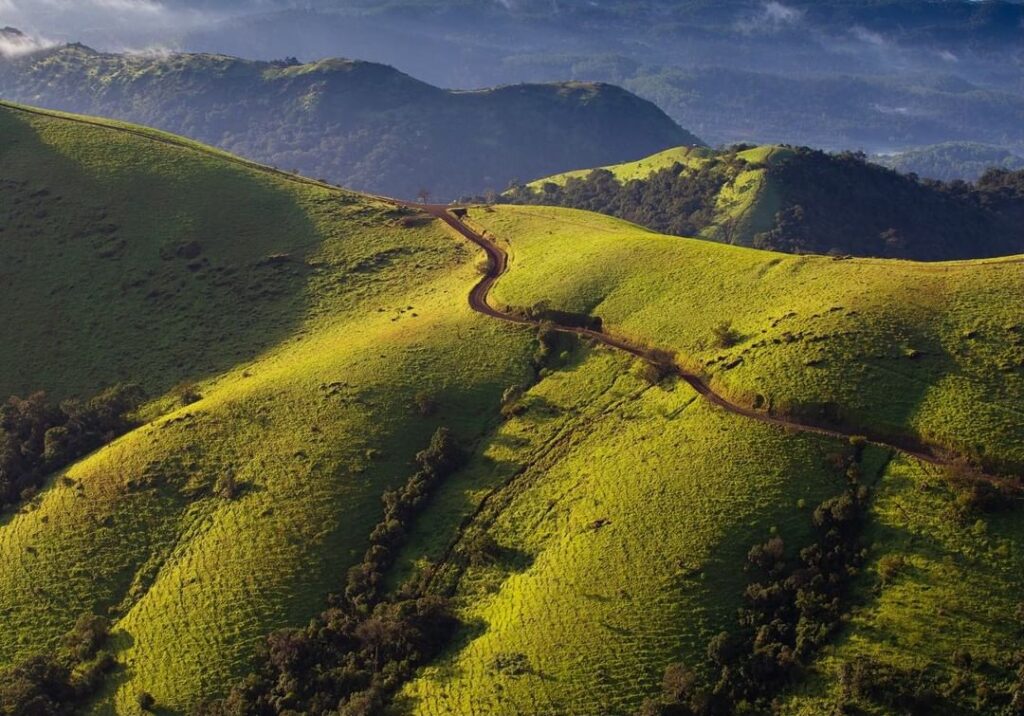
Places to Visit in Karnataka: Coast, Hills & Heritage Cities
Explore the best places to visit in Karnataka with a complete guide to Hampi, Coorg, Mysore, beaches, wildlife parks, trekking routes, and practical travel planning.
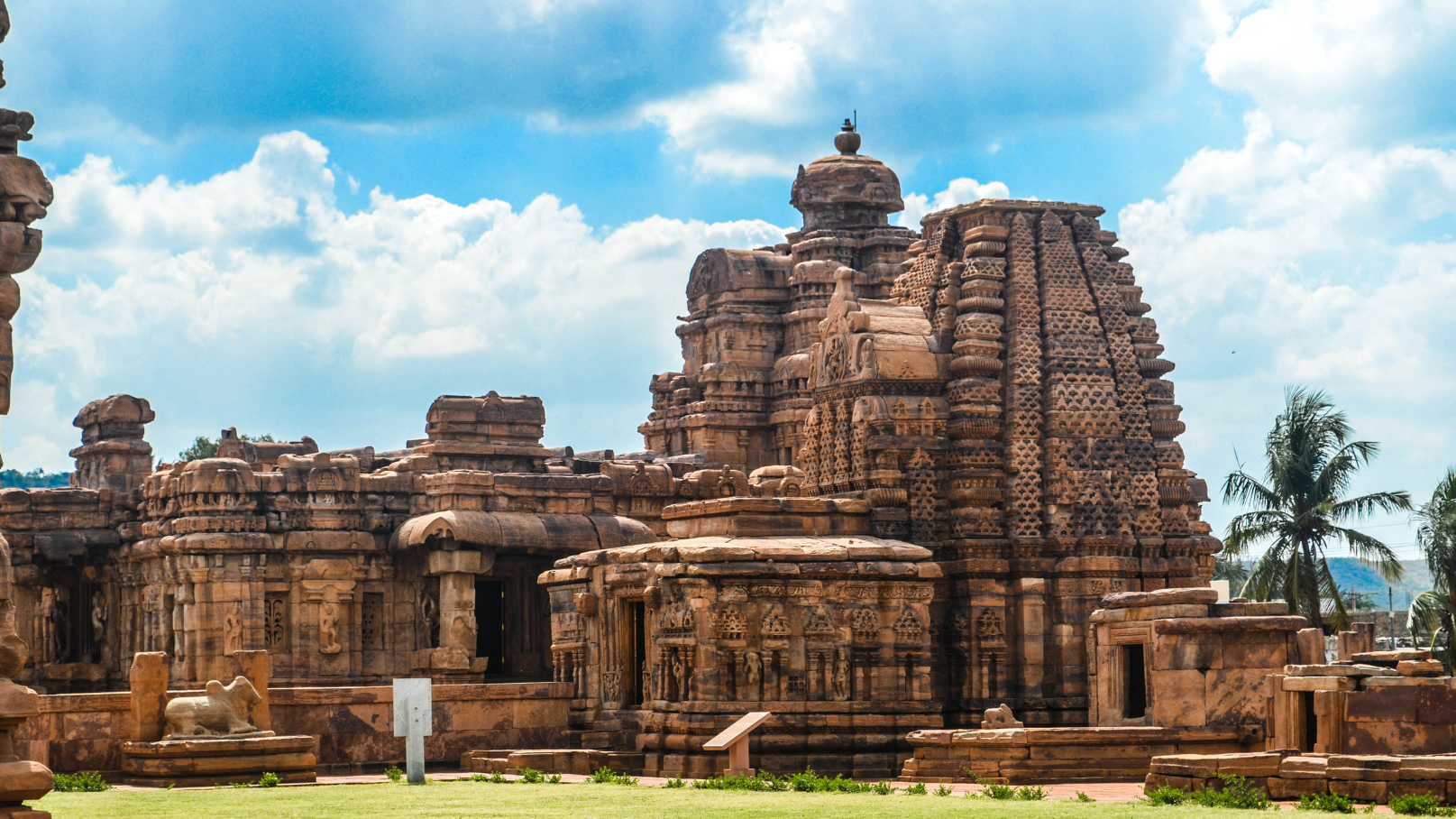
Aihole Temples: Cradle of Chalukya Architecture
Visit Aihole temples, the cradle of Chalukya architecture. Discover 125+ ancient temples, Durga Temple, history & travel guide.
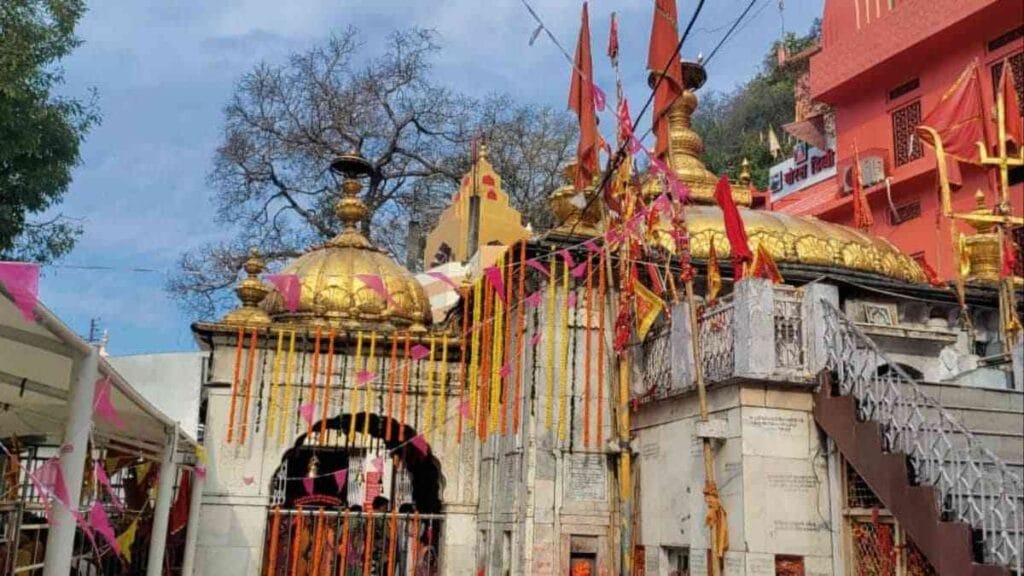
Jwala Devi Temple Kangra: Timings, Aarti & Mystery
Visit Jwala Devi Temple Kangra! Get darshan timings, aarti schedule, eternal flame mystery, history & complete travel guide to this Shakti Peeth.
Never Miss an Adventure
Get the latest trekking guides, travel tips, and exclusive offers delivered straight to your inbox.
