
Kuruvadweep Wayanad: Entry Fee, Timings & Bamboo Rafting Info

Rohan Malhotra
December 3, 2025
Kuruvadweep Wayanad guide covering entry timing logic, route planning, best season, things to do, and practical eco-travel tips for a smooth visit.
Introduction: Kuruvadweep, Kerala’s River-Island Escape
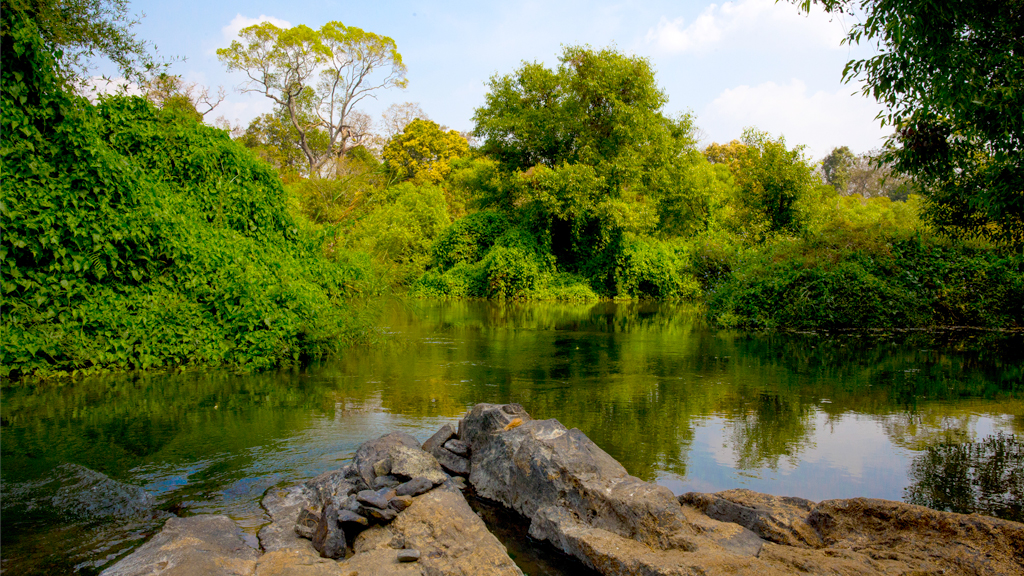
Kuruvadweep in Kerala is one of Wayanad’s most unique nature destinations: a protected river-island ecosystem on the Kabini river system where forest patches, shallow channels, and low-impact trails create a calm but immersive outdoor experience. Unlike hill viewpoints that are over in 20 minutes, Kuruvadweep rewards slower movement. You walk, pause, observe vegetation, listen to water flow, and notice how this landscape changes across seasons.
Travelers often describe Kuruvadweep as a soft-adventure stop because it combines manageable access with a strong sense of wilderness. It is suitable for families, couples, photographers, and solo nature travelers who want something less commercial than typical town circuits. However, since this is a protected zone, access, timing, and activity availability can depend on weather and forest-management rules.
This guide covers Kuruvadweep location, entry-fee logic, visiting timings, best season, route options, things to do, and practical travel tips. For wider trip design, combine this with places to visit in Wayanad, Wayanad Wildlife Sanctuary, and seasonal planning via Kerala in March.
Quick Facts Before Visiting Kuruvadweep
| Travel Factor | Details |
|---|---|
| Destination Type | Protected river island cluster |
| Region | Wayanad district, Kerala |
| Landscape | River channels, forest patches, low trails |
| Ideal Duration | 2 to 4 hours on site |
| Best For | Nature walks, photography, family-friendly eco visit |
Kuruvadweep is not a theme attraction; it is a regulated eco-zone. The best experience comes from respecting pace, rules, and weather realities.
About Kuruvadweep: Location, Ecology, and Character
Kuruvadweep (also written Kuruva Dweep) is associated with a cluster-like river-island environment in the Wayanad side of Kerala. The area is known for riverine biodiversity, thick greenery, and a comparatively quiet atmosphere away from market-heavy travel corridors. Its appeal comes from the combination of water and woodland rather than from a single monument.
Ecologically, such island systems can be sensitive to rainfall patterns, river flow, and visitor pressure. That is why local authorities may limit or regulate entry at different times, especially in safety-sensitive periods. For visitors, this means two practical things: always verify current status before travel, and keep one backup activity in your day plan.
What makes Kuruvadweep memorable is the quality of experience: bridge crossings, riverside textures, filtered sunlight through trees, and the sensation of walking through a living habitat rather than an engineered park. Travelers interested in bird calls, macro-vegetation details, and serene movement routes will usually enjoy this destination more than checklist travelers.
Best Time to Visit Kuruvadweep
The best season depends on your priority: comfort, greenery intensity, or photography atmosphere.
October to February
This is generally the most comfortable period for broad traveler groups. Weather is easier for walking and visibility is usually better for longer outdoor sessions.
March to May
Warmer conditions but still workable with morning starts, hydration planning, and lighter schedules. This window can suit travelers combining multiple Wayanad points in one day.
Monsoon Window
Monsoon adds dramatic greenery but can affect access and safety protocols. In high-rain periods, closures or restrictions may apply depending on river behavior and local management decisions.
| Season | Experience | Recommendation |
|---|---|---|
| Oct-Feb | Pleasant and stable for walks | Best for first-time visitors |
| Mar-May | Warmer but manageable | Good with early-day planning |
| Monsoon | Lush and atmospheric, variable access | Travel only with flexible plans |
For weather-led itinerary design, check monthly context before finalizing long-distance transfers.
Kuruvadweep Entry Fee and Timings
Travelers often search for exact Kuruvadweep timing and entry-fee values. These can change with administrative updates, season, conservation policy, and safety conditions. Instead of relying on old screenshots, use current official/verified local channels near your travel date.
Typical planning pattern includes fixed day-entry windows and limited late access, with closures possible in heavy-rain phases. If your route includes additional attractions, keep Kuruvadweep early in the day so you have fallback flexibility if access changes.
What to verify before visiting
- Current opening day status (including weekly closure patterns)
- Entry fee structure for adults/children
- Camera or activity-related extra fees, if any
- Last-entry timing and on-site cut-off
- Capacity limits during peak days
This verification step saves time and prevents wasted transfers.
How to Reach Kuruvadweep
Kuruvadweep is usually accessed through Wayanad road networks, with nearby towns acting as practical transfer points. Private cab, self-drive, and local taxi combinations are common depending on your base location.
From Bangalore
Most Bangalore travelers route through Mysuru-side corridors toward Wayanad and continue with local road transfer to the Kuruvadweep side. This is a long but common weekend route, and start time matters for comfort.
From Wayanad Base Towns
If you stay in Wayanad, reaching Kuruvadweep is easier with local day transfer planning. Keep return-time buffers, especially if you are adding waterfalls or caves in the same itinerary.
Transport mode choices
| Mode | Pros | Watch-Out |
|---|---|---|
| Private Cab | Simple and flexible day planning | Higher cost than shared options |
| Self-Drive | Route control and stop flexibility | Needs confidence on hill/forest roads |
| Public + Local Taxi | Budget-friendly | Last-mile timing coordination required |
A practical rule: avoid stacking a tight evening deadline after Kuruvadweep, especially during variable-weather periods.
Things to Do in Kuruvadweep
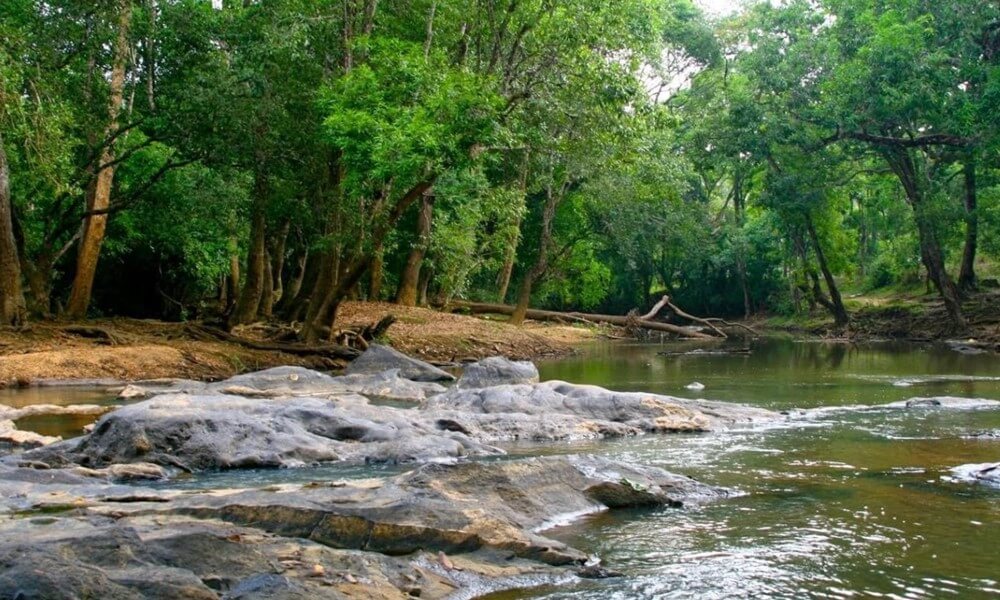
Kuruvadweep activities are simple by design, and that is the point. It is an eco-experience destination, not a high-adrenaline activity hub.
Nature Walks
Walking the regulated paths is the core experience. The mix of tree cover, river-edge views, and open patches makes even short loops rewarding.
Bamboo-Rafting Context
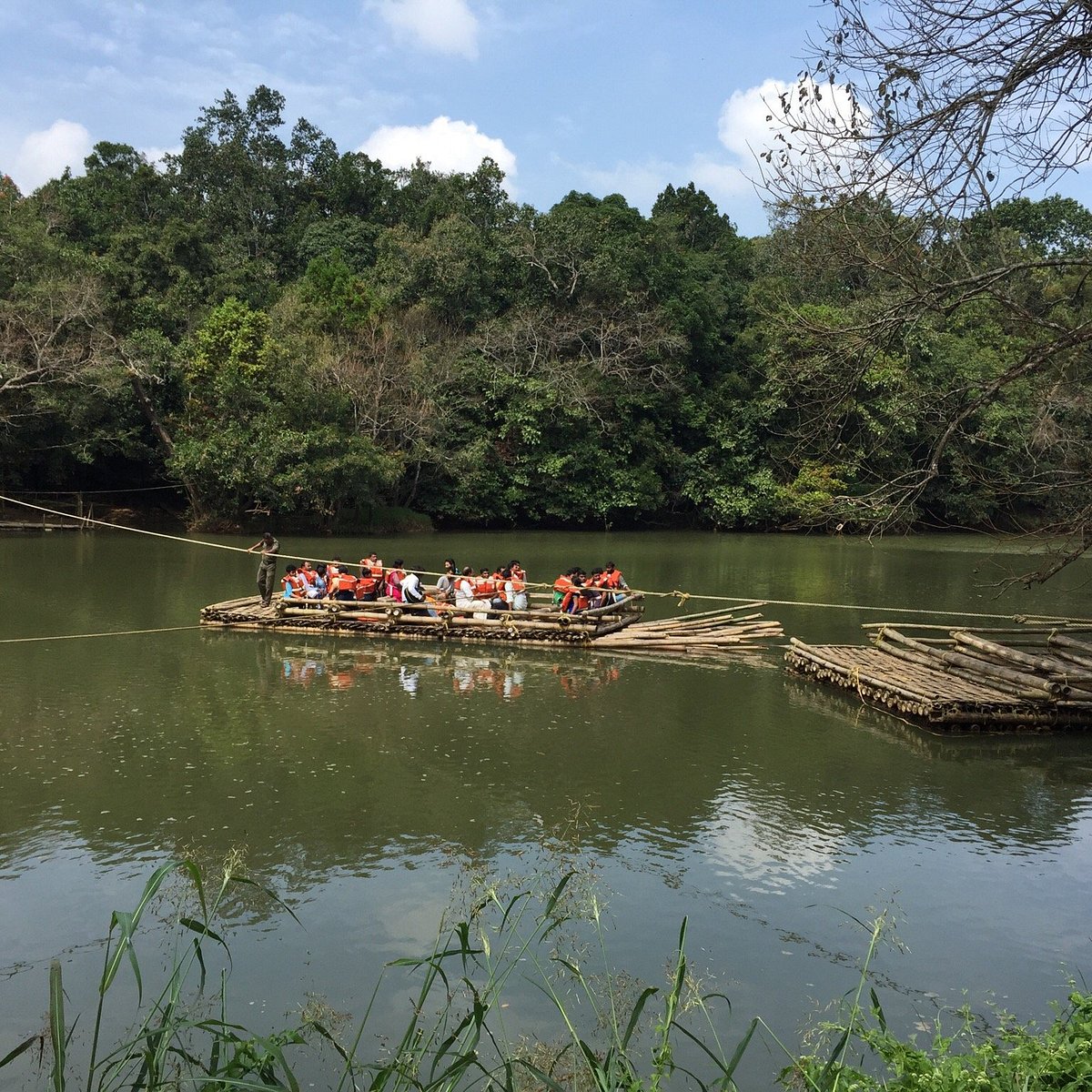
Travelers often search for bamboo-rafting experiences linked to this zone. Availability can vary by season, safety status, and current management guidelines, so treat it as conditional rather than guaranteed.
Photography
Kuruvadweep is excellent for landscape and texture photography: roots, river shimmer, filtered light, and layered greenery. Respect no-go zones and avoid intrusive behavior in sensitive areas.
Bird and Nature Observation
Quiet visitors often enjoy this most. Early sessions can offer better observation conditions than rushed midday visits.
Family-friendly exploration
For families, the destination works best with slow pace, hydration planning, and realistic walk expectations rather than activity overload.
Nearby Attractions to Combine
Kuruvadweep becomes stronger as part of a Wayanad cluster plan rather than a standalone long-distance trip objective.
- Edakkal Caves Wayanad for heritage-rock context
- Pookode Lake Kerala for a softer family add-on
- Meenmutty Waterfalls Wayanad for nature-extension planning
- Wayanad waterfalls for broader route combinations
If you want a more wildlife-focused route, pair with sanctuary-based planning and keep transfer load realistic.
Suggested Half-Day Kuruvadweep Plan
| Time Block | Suggested Activity | Outcome |
|---|---|---|
| 8:30 AM - 9:30 AM | Arrival and entry formalities | Smoother access before higher crowd buildup |
| 9:30 AM - 11:00 AM | Primary nature walk loop | Core experience with better light and comfort |
| 11:00 AM - 12:00 PM | Photography and slow observation | Deeper ecological and visual engagement |
| Post 12:00 PM | Move to next Wayanad point | Balanced day without rush fatigue |
This format works well for families and mixed-age groups because it avoids overloading the day.
Travel Tips and Responsible Tourism Rules
- Confirm opening status before departure.
- Carry water, light snacks, and weather-appropriate clothing.
- Wear stable footwear suitable for natural terrain.
- Avoid plastic litter and respect eco-zone restrictions.
- Follow local instructions on movement paths and no-entry areas.
- Keep one backup destination in your day plan.
Responsible behavior matters more in protected zones than in standard city attractions. Your travel quality and the site’s long-term health both depend on it.
Common Planning Mistakes to Avoid
Most Kuruvadweep disappointments come from logistics mistakes, not from the place itself.
- Assuming access is guaranteed in all weather
- Ignoring same-day timing verification
- Arriving too late and rushing the walk
- Packing a heavy multi-stop day without buffers
- Treating a protected eco-zone like a quick photo stop
A slower and prepared approach turns this into one of the most peaceful Wayanad experiences.
Packing and Budget Planning for Kuruvadweep
Many visitors underestimate Kuruvadweep because it appears simple on maps, but a small packing checklist dramatically improves comfort. Carry reusable water bottles, a compact rain layer in variable months, sun protection, and comfortable walking shoes with decent grip. If you are traveling with children or seniors, include light snacks, basic medication, and enough buffer time so the walk remains unhurried. Avoid overpacking because mobility matters more than gear quantity in this landscape.
On budgeting, keep your expectations practical: this is not an expensive attraction, but total day cost depends on transport mode, meal style, and whether you combine multiple points. Cab-led day plans are convenient but costlier; mixed transport can save budget if timing aligns. A good approach is to estimate three layers: transfer cost, entry-related cost, and meal/hydration cost. Then keep a small contingency for route changes due to weather or local advisories. This method prevents last-minute stress and helps you enjoy Kuruvadweep at the right pace.
Conclusion
Kuruvadweep Kerala is one of Wayanad’s best nature-led destinations for travelers who value calm movement, ecological context, and low-noise exploration. It works especially well when planned with realistic timing and flexible alternatives. Instead of chasing maximum attraction count, use Kuruvadweep to reset your travel pace and engage with the landscape.
If you plan season wisely, verify access before visiting, and combine nearby points thoughtfully, Kuruvadweep can become a highlight of your Wayanad route. Its strength lies in simplicity, and that is exactly why it remains memorable long after the trip ends.
Location
Frequently Asked Questions
Q1.Where is Kuruvadweep located?
Q2.What is the entry fee for Kuruvadweep?
Q3.Is Kuruvadweep open on Monday?
Q4.What are Kuruvadweep timings?
Q5.How to reach Kuruvadweep from Bangalore?
Q6.What is the best time to visit Kuruvadweep?
Q7.Are there accommodations near Kuruvadweep?
Q8.Is Kuruvadweep safe for families?
Recommended For You
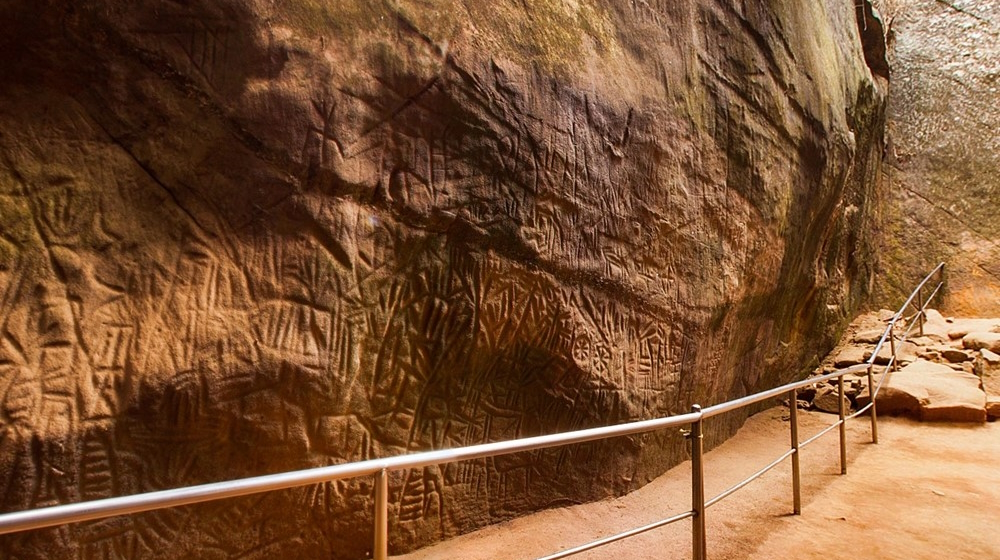
Edakkal Caves Wayanad: Complete Guide to 6000-Year-Old Petroglyphs
Discover Edakkal Caves in Wayanad, home to 6,000-year-old Neolithic petroglyphs. Our complete guide covers trekking, timings, entry fees, history, and practical tips for exploring these remarkable ancient rock shelters with South India's finest prehistoric carvings.
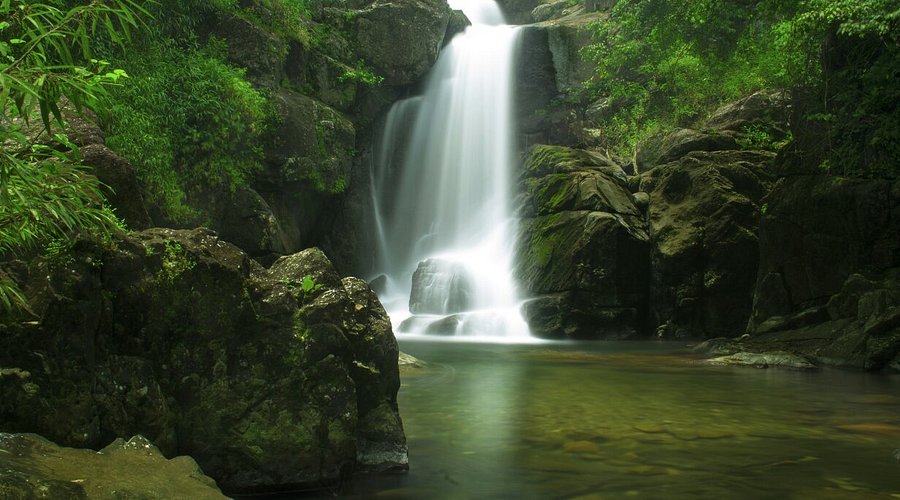
Meenmutty Waterfalls Wayanad: Trek Guide & Tips
Explore Meenmutty Waterfalls Wayanad with trekking tips, season guide, safety checklist, and nearby attraction combinations.
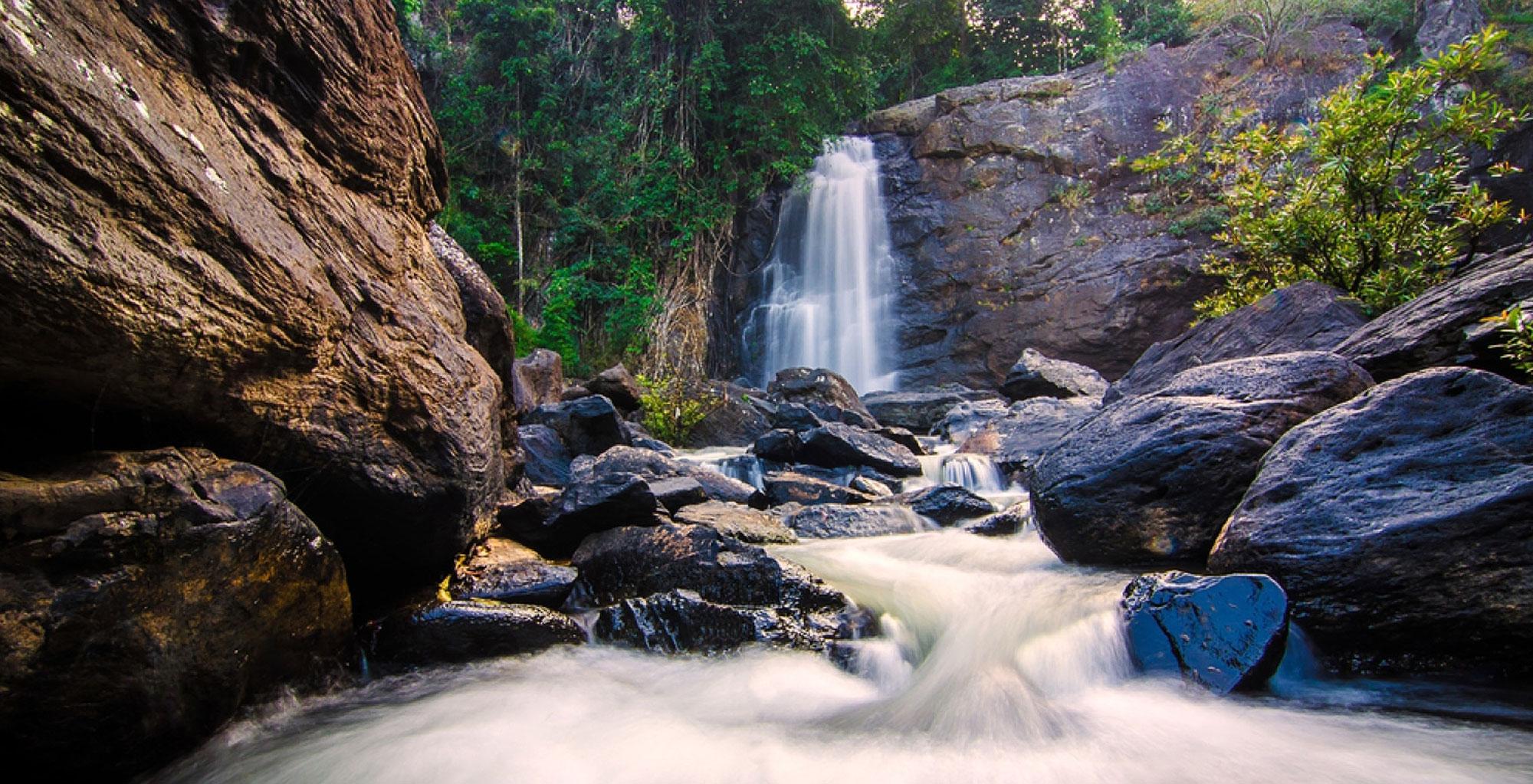
Wayanad Waterfalls: Best Falls, Trek Access & Monsoon Tips
Complete guide to Wayanad waterfalls including Meenmutty, Soochipara, Banthra Sunku, Chethalayam with trekking details, best time, and travel tips.
Never Miss an Adventure
Get the latest trekking guides, travel tips, and exclusive offers delivered straight to your inbox.
