
Edakkal Caves Wayanad: Complete Guide to 6000-Year-Old Petroglyphs

Priya Mehta
November 15, 2025
Discover Edakkal Caves in Wayanad, home to 6,000-year-old Neolithic petroglyphs. Our complete guide covers trekking, timings, entry fees, history, and practical tips for exploring these remarkable ancient rock shelters with South India's finest prehistoric carvings.
Introduction: Wayanad's Prehistoric Treasure
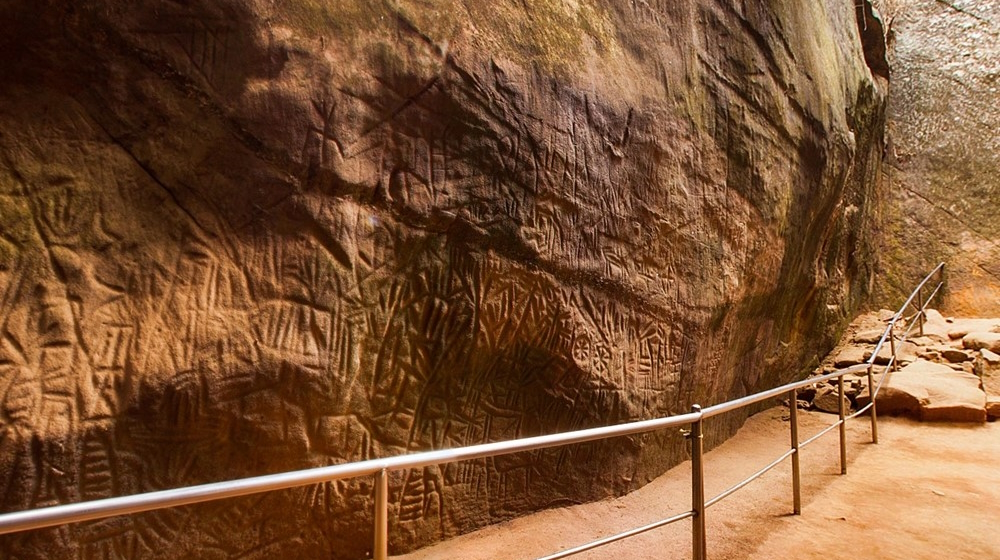
Nestled in the lush greenery of the Western Ghats in Kerala, the Edakkal Caves stand as a remarkable testament to human civilization's ancient roots. These natural caves, located on Ambukuthi Hills in Wayanad district, house one of South India's most significant collections of prehistoric petroglyphs and rock carvings.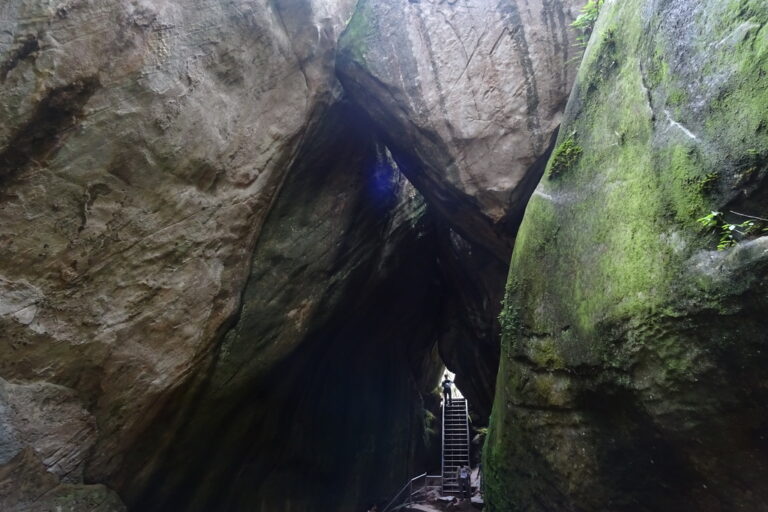 Dating back over 6,000 years to the Neolithic Age, Edakkal Caves offer visitors a unique journey through time, connecting modern explorers with our earliest ancestors who once sought shelter within these rocky chambers. The name 'Edakkal' literally translates to 'a stone in between,' perfectly describing the cave's unique geological formation.
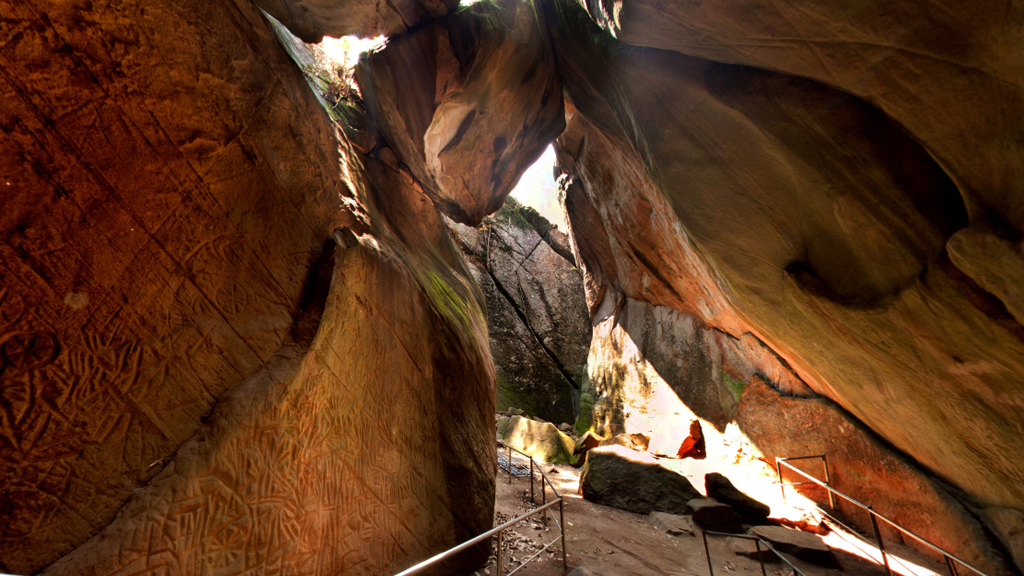
Unlike typical caves carved into mountainsides, Edakkal Caves are formed by a massive boulder wedged between two larger rock formations, creating a naturally enclosed space that has protected its ancient treasures for millennia.
This extraordinary geological wonder, combined with its historical significance, makes it one of Kerala's most fascinating heritage sites and a must-visit destination for history enthusiasts, adventure seekers, and curious travelers alike.
Dating back over 6,000 years to the Neolithic Age, Edakkal Caves offer visitors a unique journey through time, connecting modern explorers with our earliest ancestors who once sought shelter within these rocky chambers. The name 'Edakkal' literally translates to 'a stone in between,' perfectly describing the cave's unique geological formation.
Unlike typical caves carved into mountainsides, Edakkal Caves are formed by a massive boulder wedged between two larger rock formations, creating a naturally enclosed space that has protected its ancient treasures for millennia.
This extraordinary geological wonder, combined with its historical significance, makes it one of Kerala's most fascinating heritage sites and a must-visit destination for history enthusiasts, adventure seekers, and curious travelers alike.
What Makes Edakkal Caves Special?
Edakkal Caves represent a convergence of geological wonder and archaeological treasure. The caves consist of two distinct chambers—the lower chamber and the upper chamber, each offering unique insights into prehistoric human life.| Feature | Details |
|---|---|
| Location | Ambukuthi Hills, Wayanad, Kerala |
| Altitude | 1,200 meters (4,000 feet) above sea level |
| Age | 6,000-8,000 years (Neolithic period) |
| Discovery | 1894 by Fred Fawcett |
| Significance | One of South India's oldest petroglyph sites |
Historical Significance: A Window into Neolithic Life
The historical importance of Edakkal Caves cannot be overstated. These caves serve as a crucial link to understanding human civilization's development in South India during the Neolithic period, roughly 6,000 to 8,000 years ago. The petroglyphs found here are not merely artistic expressions but are invaluable historical documents that provide insights into the lives, social structures, and beliefs of prehistoric communities.Three Distinct Periods
Archaeologists have identified three distinct layers of human habitation within the caves, each representing different periods of occupation. The earliest carvings date back to the Mesolithic period (10,000-6,000 BCE), while subsequent layers show evidence of Neolithic and even Iron Age settlements.| Period | Timeframe | Characteristics |
|---|---|---|
| Mesolithic | 10,000-6,000 BCE | Earliest carvings, hunting scenes |
| Neolithic | 6,000-1,000 BCE | Settlement patterns, agricultural tools |
| Iron Age | 1,000 BCE-500 CE | Advanced symbols, wheeled figures |
Connection to World Rock Art
The rock carvings at Edakkal are particularly significant because they represent one of the few surviving examples of Neolithic art in South India. Unlike Ajanta and Ellora caves, which feature Buddhist paintings and sculptures from a much later period, Edakkal's petroglyphs predate organized religion. One of the most intriguing aspects of these carvings is their stylistic similarities to rock art found in other parts of the world, including European cave paintings. This has led some researchers to speculate about possible cultural connections or shared human experiences during prehistoric times.The Fascinating Petroglyphs: Decoding Ancient Rock Art
The true stars of Edakkal Caves are undoubtedly the petroglyphs—the ancient rock carvings that adorn the cave walls. These remarkable artworks, created by chipping away at the rock surface to reveal lighter stone beneath, form a pictorial narrative that has captivated visitors and researchers alike.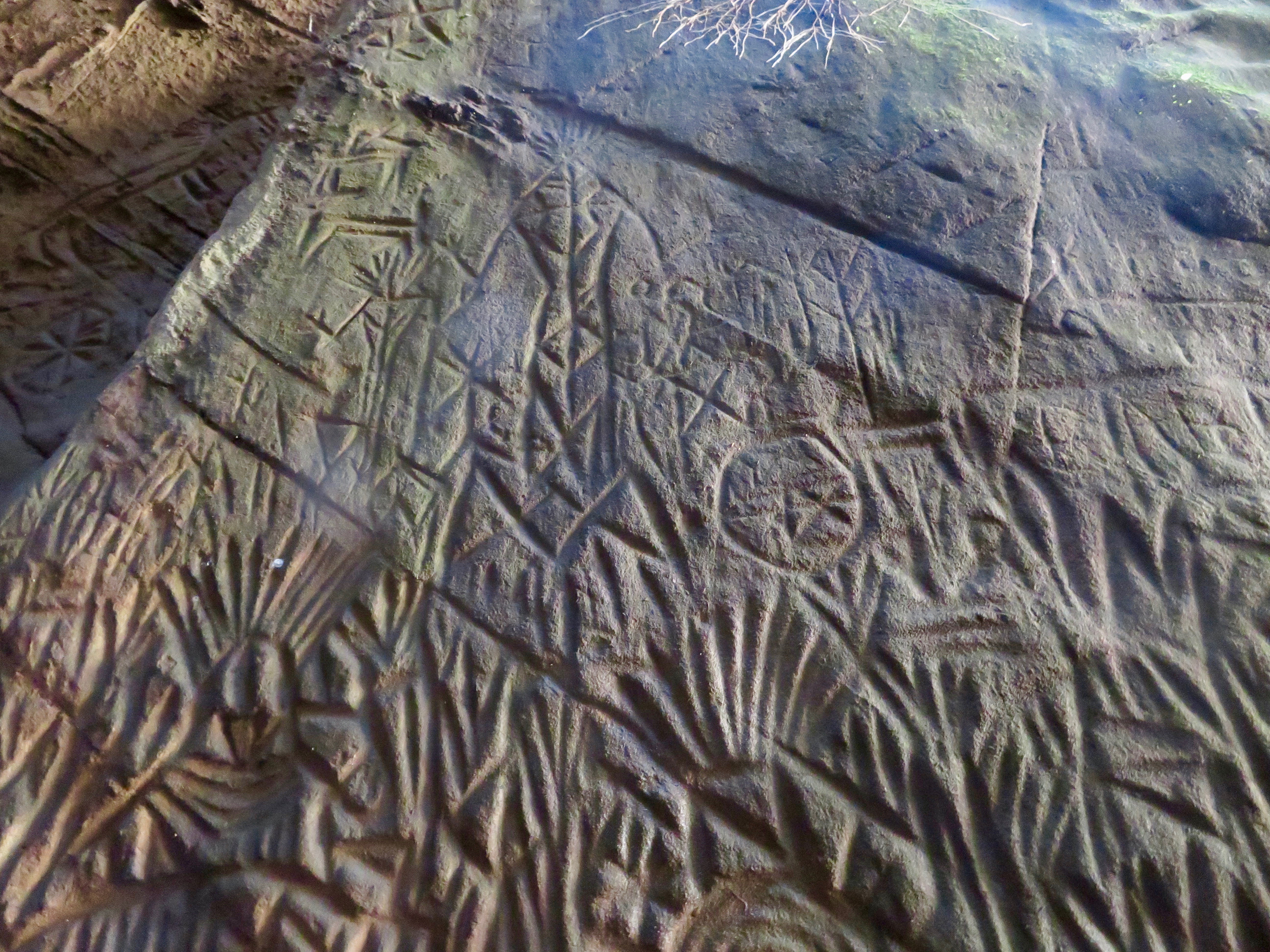 With over 100 identified carvings spread across both chambers, the petroglyphs offer a fascinating glimpse into the minds and lives of our prehistoric ancestors.
Types of Carvings
The carvings can be broadly categorized into several distinct types:| Category | Examples | Significance |
|---|---|---|
| Human Figures | Dancing, hunting, combat poses | Daily life and rituals |
| Animal Depictions | Elephants, bison, deer | Local fauna and hunting |
| Abstract Symbols | Spirals, circles, wheels | Ritual or astronomical meanings |
| Tools & Objects | Wheeled carts, weapons | Technological knowledge |
The Mystery of the Wheeled Cart
The presence of what appears to be a wheeled cart in one carving is especially remarkable, as it predates known evidence of wheel technology in the region by thousands of years. This has led to much debate among archaeologists about the possible meanings of these symbols. Perhaps most intriguing are the abstract symbols and geometric patterns found throughout the caves. These include spirals, circles, wheel-like shapes, and other designs whose meanings remain subjects of debate among archaeologists.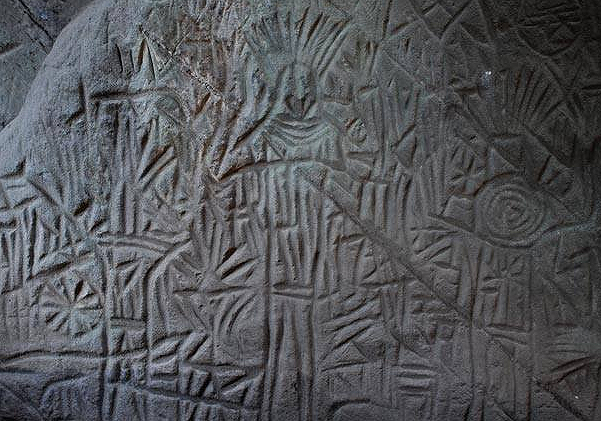
Trekking to Edakkal Caves: An Adventure Through History
The journey to Edakkal Caves is as much a part of the experience as the caves themselves. The trek to the cave entrance combines physical challenge with natural beauty, making it a rewarding adventure for visitors of all fitness levels. The approximately 1-kilometer trek from the parking area to the caves takes you through lush tropical forests, past coffee plantations, and up the scenic slopes of Ambukuthi Hills.| Trek Detail | Information |
|---|---|
| Distance | 1 kilometer (one way) |
| Duration | 30-45 minutes uphill |
| Difficulty | Moderate |
| Path Type | Stone steps with handrails |
| Best Time | Early morning (9-10 AM) |
What to Expect on the Trek
Along the way, you'll encounter several resting points where you can catch your breath and enjoy panoramic views of the Wayanad landscape. These vantage points offer stunning vistas of rolling hills, tea gardens, and dense forests stretching to the horizon. On clear days, you can even see as far as the Nilgiri Mountains in neighboring Tamil Nadu. The combination of physical exertion and natural beauty makes the trek an integral part of the Edakkal experience. The final stretch of the trek involves some steep climbs and narrow passages, adding a touch of adventure to the journey. However, the path is well-maintained and safe, with railings and steps where needed.Essential Trekking Tips
- Wear proper footwear: Shoes with good grip are essential, especially during monsoon
- Carry water: Stay hydrated during the climb
- Start early: Morning visits offer better weather and fewer crowds
- Pace yourself: Take breaks at the resting points
- Camera ready: Capture stunning views along the way
Best Time to Visit Edakkal Caves
Planning your visit to Edakkal Caves requires understanding the seasonal variations in Wayanad's climate and how they affect the trekking experience.| Season | Months | Weather | Pros | Cons |
|---|---|---|---|---|
| Winter | Oct - Feb | 15°C - 25°C | Ideal for trekking, clear views | Peak tourist season |
| Summer | Mar - May | Up to 35°C | Fewer crowds | Hot and humid |
| Monsoon | Jun - Sep | Heavy rain | Lush greenery | Slippery paths, poor visibility |
Recommended Seasons
The ideal time to explore Edakkal Caves is during the winter months from October to February, when the weather is pleasant and the terrain is dry and safe for trekking. The post-monsoon period (September-October) is particularly beautiful, as the surrounding forests are lush and waterfalls are active. Summer months (March-May) can be hot and humid, making the trek more challenging. However, if you don't mind the heat, summers offer fewer tourists and a more peaceful experience. The caves remain open during the monsoon season (June-August), but the path can be slippery and dangerous, and views may be obscured by mist and rain. Only experienced trekkers should attempt the visit during monsoon.Time of Day
Within the day, early morning visits (shortly after 9 AM opening) are highly recommended. The weather is cooler, the caves are less crowded, and morning light offers better conditions for viewing and photographing the petroglyphs. Avoid visiting too late in the afternoon, as you need sufficient time to complete the trek and explore the caves before the 4 PM closing time.Practical Visitor Information
Timings and Entry Fees
Timings: Edakkal Caves are open to visitors from 9:00 AM to 4:00 PM on all days except Mondays. It's important to note that tickets are issued only until 3:00 PM, as the trek and cave exploration typically take 1-2 hours.| Category | Entry Fee |
|---|---|
| Indian Adults | ₹50 per person |
| Foreign Visitors | ₹300 per person |
| Children | Discounted rates available |
| Camera | Additional fees may apply |
What to Bring
- Comfortable walking shoes with good grip (essential)
- Drinking water (no water sources on the trail)
- Light rain jacket or umbrella during monsoon
- Sunscreen and hat for sun protection
- Camera to capture carvings and views
- Light snacks if traveling with children
Facilities Available
The site has basic facilities including parking, restrooms, and small eateries near the ticket counter where you can purchase snacks and refreshments. However, there are no facilities inside the cave or along the trekking route, so plan accordingly.Important Visitor Guidelines
- Wear modest clothing comfortable for trekking
- Avoid heavy bags - you'll need hands free for balancing
- Visit on weekdays if possible to avoid crowds
- Respect the site - don't touch the carvings
- Check photography rules before using flash
- Follow marked paths for your safety
How to Reach Edakkal Caves
Reaching Edakkal Caves requires some planning, but the journey through Kerala's beautiful countryside is part of the adventure. The caves are located approximately 25 kilometers from Kalpetta, the district headquarters of Wayanad.| From | Distance | Time | Best Route |
|---|---|---|---|
| Kalpetta | 25 km | 1 hour | >Via Sulthan Bathery Road|
| Sulthan Bathery | 16 km | 30-40 mins | Direct route available |
| Kozhikode | 100 km | 3 hours | Via NH766 |
| Bangalore | 280 km | 6-7 hours | Via Mysore-Gundlupet |
By Air
The nearest airport is Calicut International Airport (Kozhikode), located about 100 kilometers from Edakkal Caves. From the airport, you can hire a taxi or take a bus to Wayanad. The drive takes approximately 3-4 hours.By Rail
The nearest railway station is Kozhikode (Calicut), around 100 kilometers from the caves. From the station, you can take a taxi or bus to Wayanad. The train journey connects well with major Indian cities.By Road
Wayanad is well-connected by road to major cities in Kerala and neighboring states. From Bangalore, the drive is approximately 280 kilometers via the scenic Mysore route. The roads are generally in good condition, though some stretches through the Western Ghats can be winding.Nearby Attractions: Complete Your Wayanad Experience
While Edakkal Caves are undoubtedly a highlight of any Wayanad visit, the region offers numerous other attractions that complement the cave experience perfectly.Wayanad Wildlife Sanctuary
Just a short drive from Edakkal, this sanctuary is home to diverse wildlife including elephants, tigers, leopards, and various species of deer. The sanctuary offers jeep safaris and trekking opportunities.Soochipara Waterfalls
Located about 30 kilometers from Edakkal Caves, this spectacular three-tiered waterfall is a popular picnic spot and trekking destination. The waterfall cascades from a height of 200 feet.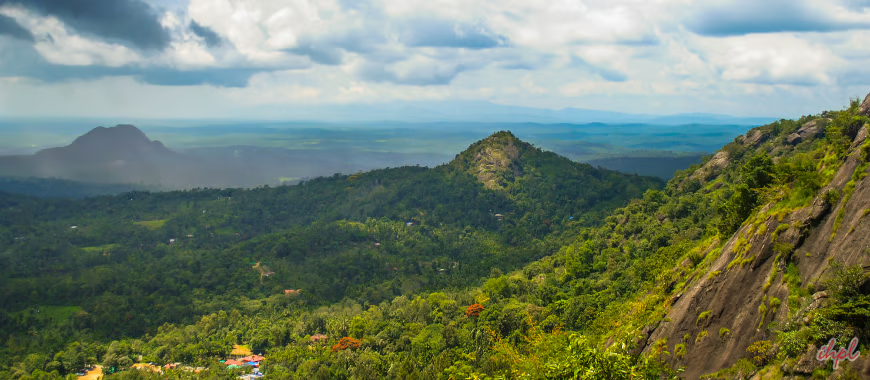
Pookote Lake
This natural freshwater lake, nestled among wooded hills, is one of Wayanad's most scenic spots. Boating facilities are available, allowing you to enjoy the serene surroundings from the water.Banasura Sagar Dam
As the largest earth dam in India and the second largest in Asia, Banasura Sagar is an engineering marvel set against a backdrop of hills and forests. The reservoir offers speed boating and leisure boating options.Conservation and Responsible Tourism
As one of India's most important prehistoric sites, the conservation of Edakkal Caves is crucial for preserving our shared human heritage. Visitors play a crucial role in conservation efforts.How You Can Help
- Don't touch the carvings: Oils from skin can damage ancient rock art
- Follow all guidelines: Respect barriers and restricted areas
- No flash photography: Protect the pigments from light damage
- Stay on marked paths: Prevent soil erosion and damage
- Carry out trash: Keep the site clean
- Spread awareness: Educate others about conservation
Conclusion: A Journey to Our Ancient Past
Edakkal Caves offer more than just a tourist attraction—they provide a direct connection to our human ancestors and a window into life as it existed thousands of years ago. Standing before carvings created by humans who walked this earth six millennia ago creates a profound sense of wonder and continuity. Whether you're an archaeology enthusiast, a trekking lover, or simply a curious traveler, Edakkal Caves promises an experience that transcends ordinary sightseeing. The combination of natural beauty, historical significance, and physical adventure makes it a must-visit destination in Kerala. As we work to preserve Edakkal Caves, we're not just protecting rock carvings—we're safeguarding a physical connection to our human ancestors, preserving their artistic legacy, and maintaining a site that continues to inspire wonder and curiosity across generations.Location
Frequently Asked Questions
Q1.What are the timings of Edakkal Caves?
Q2.How much is the entry fee for Edakkal Caves?
Q3.What is the best time to visit Edakkal Caves?
Q4.Is the trek to Edakkal Caves difficult?
Q5.How long does it take to climb Edakkal Caves?
Q6.Is Edakkal Caves safe for children?
Q7.How old are Edakkal Caves?
Q8.What are the carvings in Edakkal Caves?
Q9.Who discovered Edakkal Caves?
Q10.How to reach Edakkal Caves from Sulthan Bathery?
Q11.What to wear to Edakkal Caves?
Q12.Is photography allowed inside Edakkal Caves?
Recommended For You
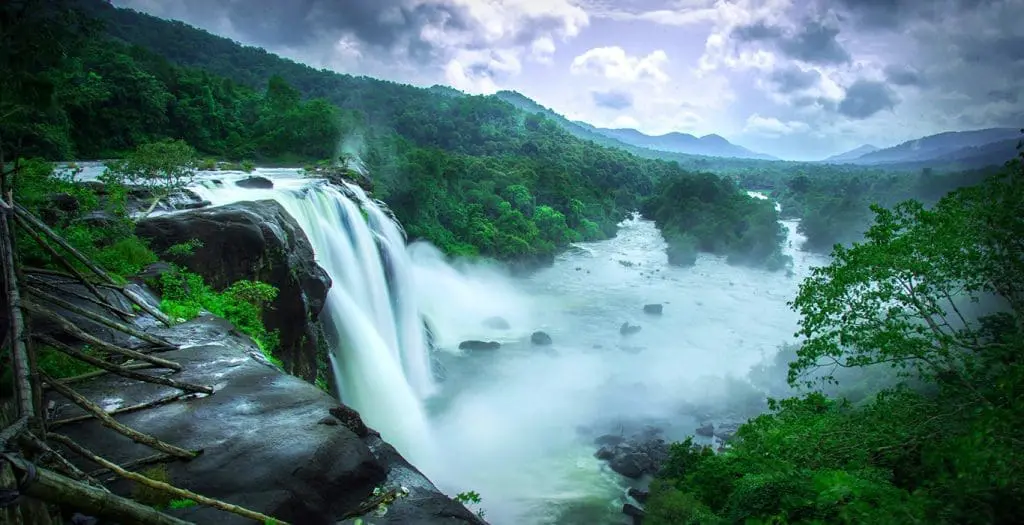
Best Places to Visit Kerala: 20 Must-See Destinations
Explore the best places to visit in Kerala. From Munnar's tea gardens and Alleppey backwaters to Kochi's culture and Thekkady's wildlife. Complete Kerala travel guide.
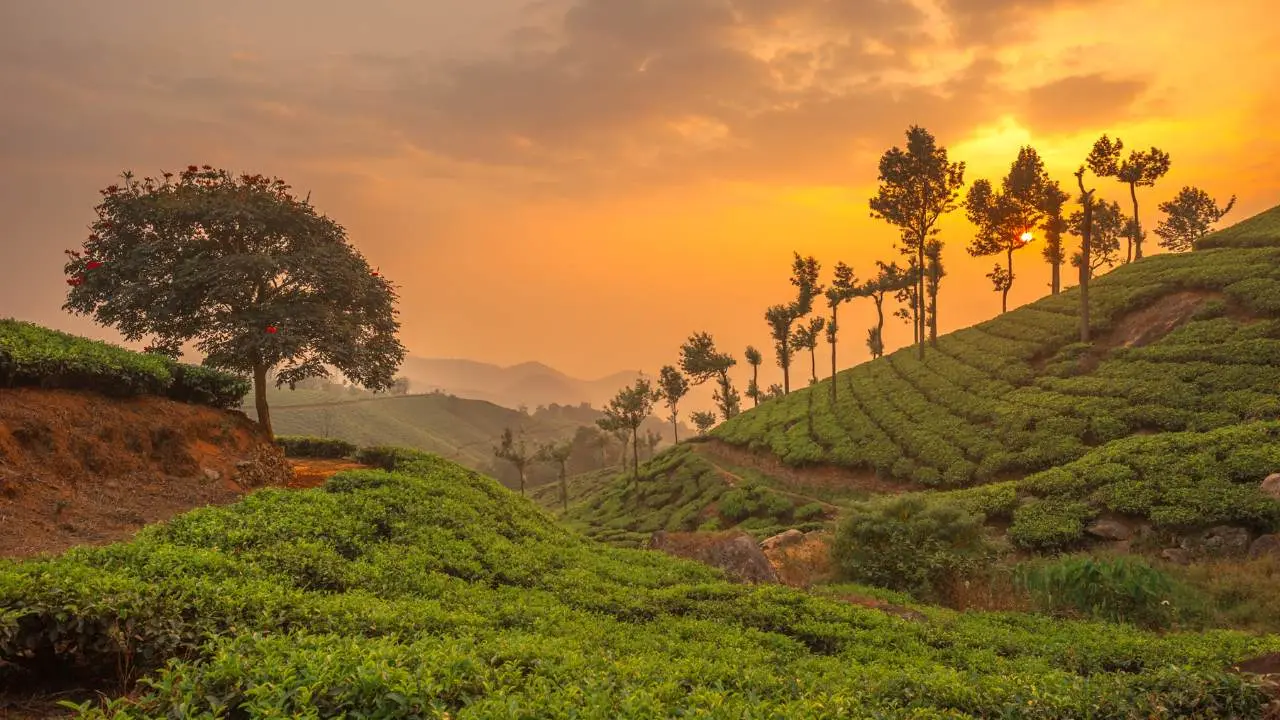
Munnar: Complete Travel Plan Places And Weather
Complete Munnar travel guide. Best time to visit, top attractions, tea garden tours, adventure activities, accommodation, costs, and practical tips for Kerala's famous hill station.
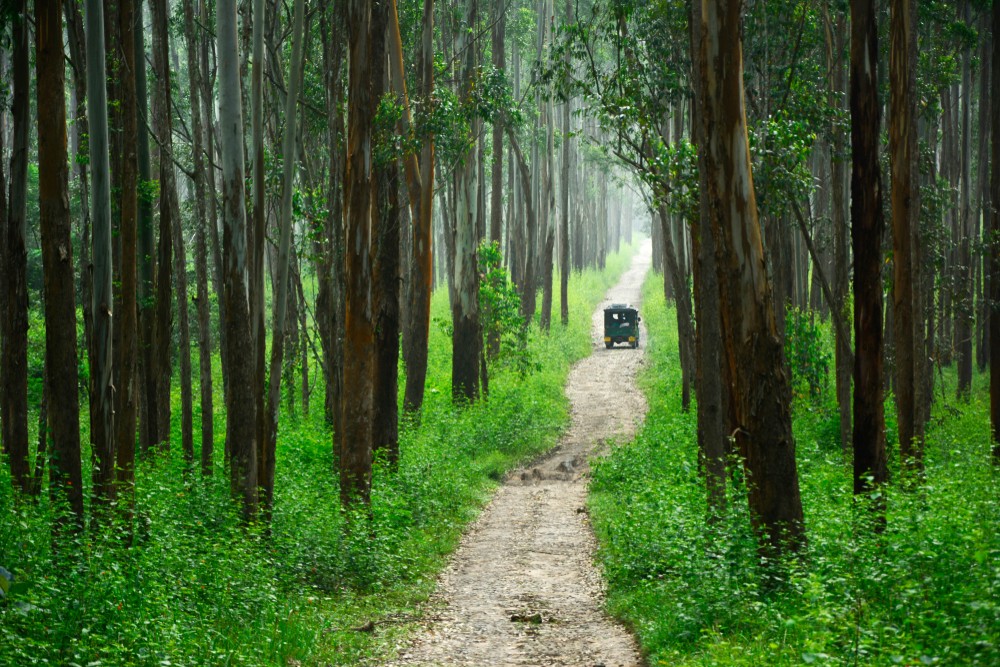
Wayanad Wildlife Sanctuary: Safari Timings, Zones & Travel Tips
Complete travel guide to Wayanad Wildlife Sanctuary Kerala - safari booking, timings, best time to visit, wildlife, and accommodation.
Never Miss an Adventure
Get the latest trekking guides, travel tips, and exclusive offers delivered straight to your inbox.
