
Wayanad Waterfalls: Best Falls, Trek Access & Monsoon Tips

Neha Kapoor
February 19, 2026
Complete guide to Wayanad waterfalls including Meenmutty, Soochipara, Banthra Sunku, Chethalayam with trekking details, best time, and travel tips.
Introduction to Wayanad's Waterfalls
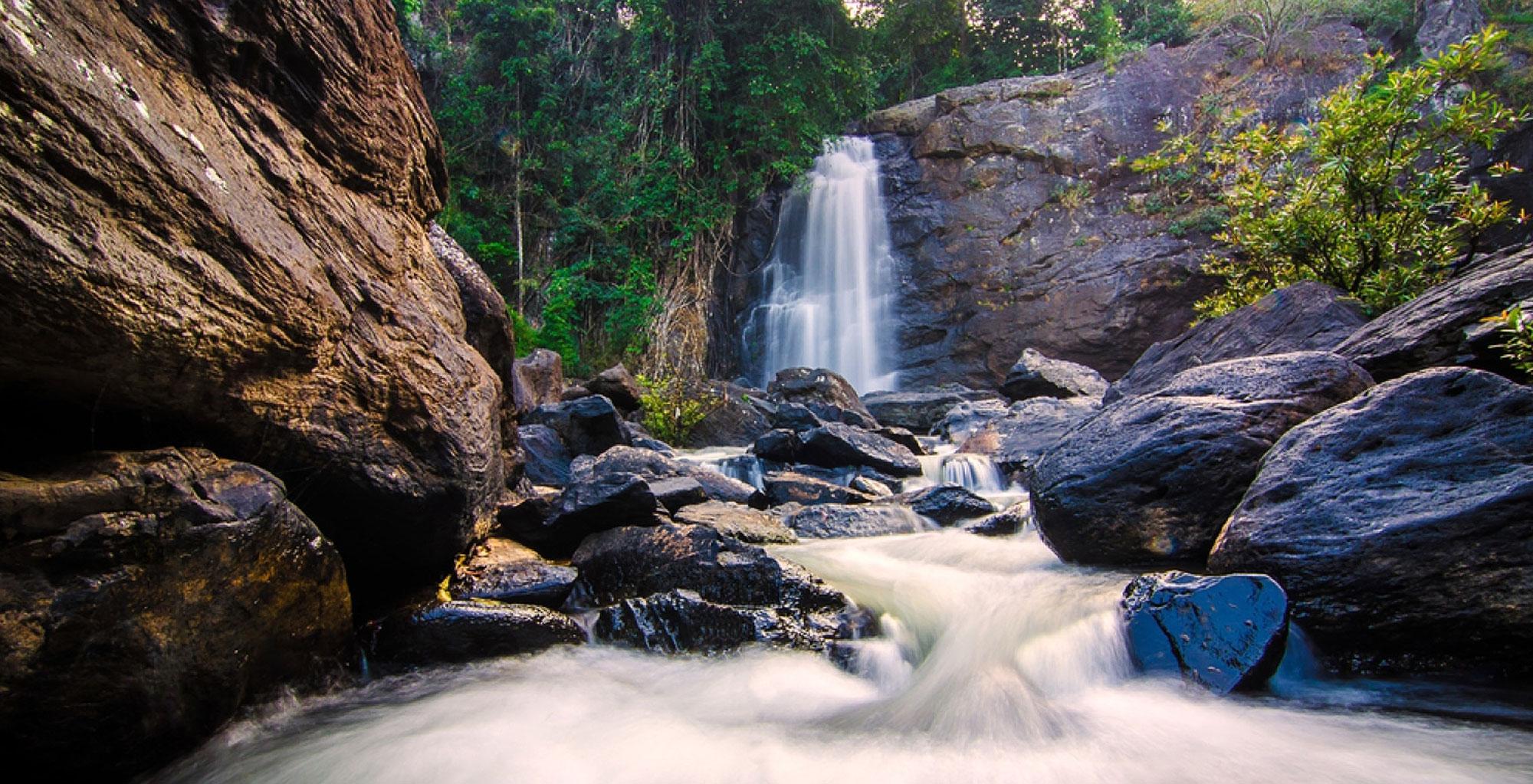
Wayanad, nestled in the Western Ghats of Kerala, is blessed with some of South India's most spectacular waterfalls. This verdant district's unique topography - a combination of high peaks, deep valleys, and tropical forests - creates perfect conditions for waterfalls that cascade dramatically through the landscape. What makes Wayanad's waterfalls special isn't just their visual appeal but the diverse experiences they offer - from sacred sites to adventure destinations, from gentle cascades to thundering falls that can be heard from kilometers away. Combine your visit with Edakkal Caves for a complete Wayanad experience.
The Western Ghats, one of the world's biodiversity hotspots, receive copious rainfall during the monsoon, and this water finds its way through numerous streams and rivers, creating waterfalls that are at their most spectacular after the rains. However, many of Wayanad's waterflows are perennial, offering year-round beauty, though their character changes dramatically between seasons. Post-monsoon, they're powerful and dramatic, while summer sees them more gentle but still beautiful.
What sets Wayanad apart from other waterfall destinations is the diversity of experiences. Some waterfalls require challenging treks through dense forests, rewarding adventurers with pristine natural settings. Others are easily accessible, perfect for families and casual visitors. Some are considered sacred, with temples nearby and pilgrims visiting for blessings. Others are pure tourist attractions with facilities for picnics and photography. This variety means that regardless of your fitness level, interests, or travel style, Wayanad has a waterfall experience perfect for you.
Meenmutty Waterfalls
Meenmutty Waterfalls is undoubtedly Wayanad's most famous and spectacular cascade. Located 29 kilometers from Kalpetta, Wayanad's headquarters, this three-tiered waterfall drops from a height of 300 meters, making it one of Kerala's highest waterfalls. The name Meenmutty literally means "where fish are blocked," referring to the sheer rock face that fish cannot ascend.
Reaching Meenmutty requires a 2-kilometer trek through dense forest, which adds to the sense of adventure and discovery. The trail is moderately challenging, with some steep sections and uneven terrain, but most reasonably fit people can complete it. The trek itself is beautiful, passing through tea plantations, dense forests, and offering glimpses of the Western Ghats' incredible biodiversity. Keep your eyes open for birds, butterflies, and occasionally, larger wildlife including the occasional elephant or langur.
The waterfall reveals itself in stages - first through the sound of thundering water, then through the cooling spray that fills the air, and finally, the spectacular sight of water cascading down three distinct tiers. The pool at the base is inviting, though swimming can be dangerous due to strong currents and slippery rocks. The area around the falls is rocky, providing natural seating areas where you can rest and take in the spectacle.
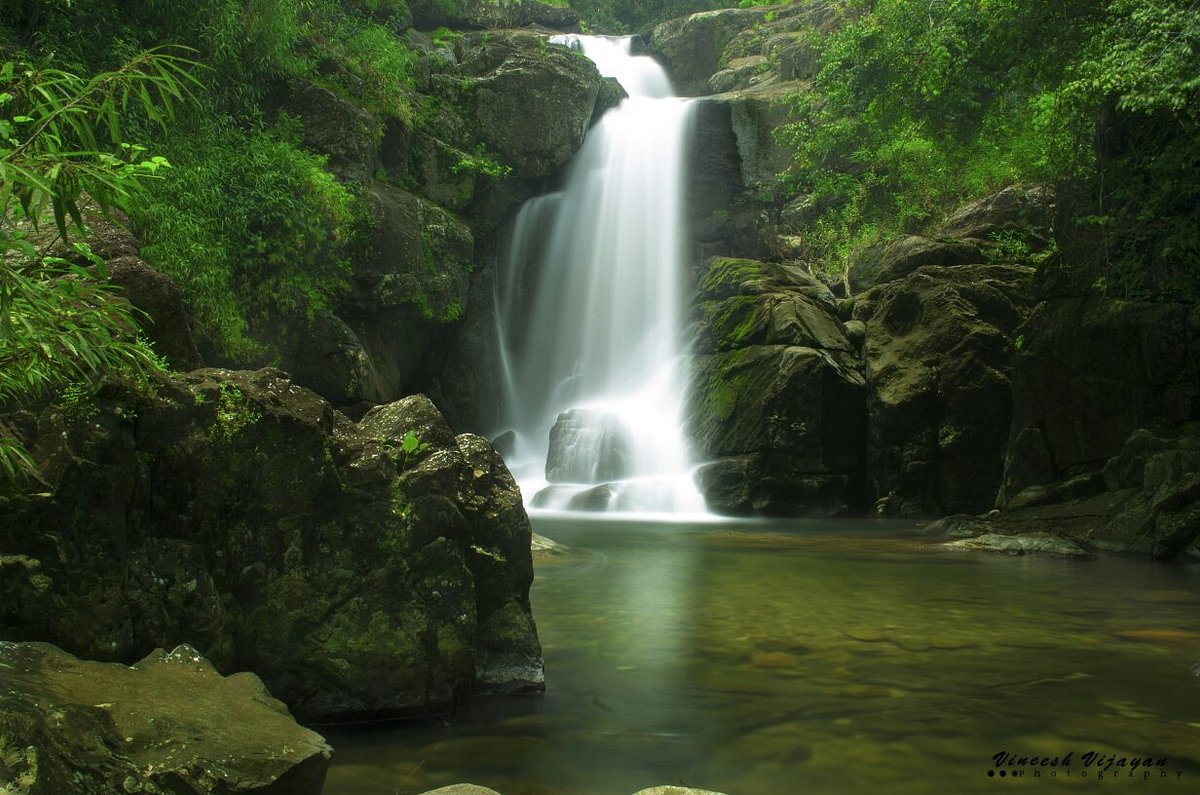
Best time to visit Meenmutty is immediately after the monsoon (October-November) when the waterfall is at full flow. Winter offers clearer weather and easier trekking conditions, though the water volume is reduced. Summer sees the waterfall at its gentlest but still beautiful. Avoid trekking during heavy monsoon rains as the trail becomes dangerous and the forest becomes home to leeches.
Soochipara Falls
Soochipara Falls, also known as Sentinel Rock Waterfalls, is one of Wayanad's most accessible and family-friendly waterfalls. Located 22 kilometers from Kalpetta near Vellarimala, this waterfall is named for the needle-shaped rock (soochi means needle in Malayalam) from which it cascades. The drop is approximately 200 meters, creating a spectacular sight as water plummets down the rock face into a pool below.
What makes Soochipara particularly appealing is its accessibility combined with natural beauty. The approach involves a short, easy walk of about 1 kilometer from the parking area, making it suitable for children, older adults, and anyone who prefers not to undertake strenuous trekking. The path is well-maintained and offers beautiful views of the surrounding forest and tea plantations.
The pool at the base of Soochipara Falls is popular for swimming, though caution is always advised. The rocks around the falls provide natural seating areas, making it perfect for picnics. The setting is idyllic - surrounded by dense forest with the sound of the waterfall creating a natural soundtrack. It's easy to spend hours here just relaxing, reading, or simply absorbing the natural beauty.
Photography enthusiasts love Soochipara for the various perspectives it offers - you can photograph the falls from different angles, capture the surrounding forest, or take portraits against the spectacular backdrop. The mist created by the falling water creates natural lighting effects, especially in the early morning and late afternoon.
Best time to visit is post-monsoon when the falls are at their most dramatic. Winter offers pleasant weather for the walk and picnic. Summer sees fewer crowds and gentler water flow. The area has basic facilities including small shops selling snacks and drinks, but carrying your own supplies is advisable.
Banthra Sunku Falls
Banthra Sunku Falls, also called Kanthanpara Waterfalls, is one of Wayanad's hidden gems. While not as famous as Meenmutty or Soochipara, this waterfall offers a more intimate and less crowded experience. Located about 22 kilometers from Kalpetta, the falls drop from a height of approximately 30 meters, creating a beautiful cascade that's particularly photogenic.
What makes Banthra Sunku special is its setting - surrounded by dense forest with tea plantations in the background, creating a quintessential Wayanad landscape. The falls are easily accessible via a short walk from the road, making them perfect for a quick visit or as part of a broader Wayanad sightseeing itinerary.
The pool at the base is shallow and generally safe for wading, though as always, caution is advised. The rocks around the falls provide perfect picnic spots, and the relative lack of crowds means you can often have the place to yourself, especially on weekdays. This privacy makes Banthra Sunku ideal for meditation, reading, or simply enjoying nature in peace.
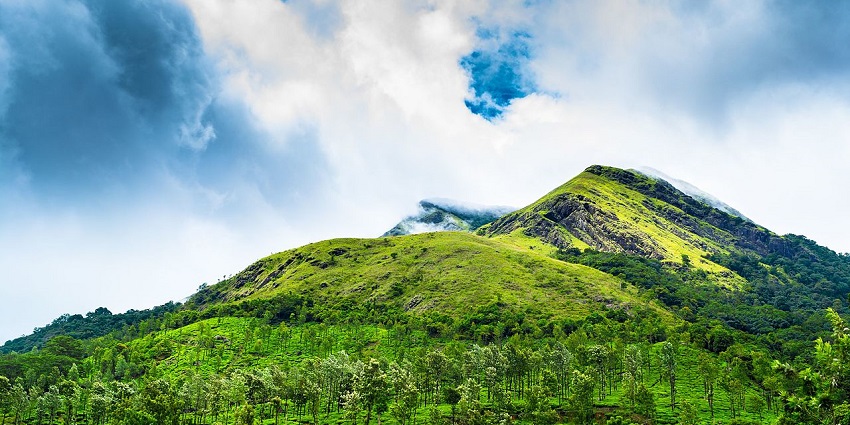
The area around Banthra Sunku is rich in biodiversity, so bring binoculars if you're interested in birdwatching. The surrounding forests are home to numerous species, and the waterfall's sound and the moisture it creates attract wildlife. Early morning visits offer the best chance of sightings.
Chethalayam Falls
Chethalayam Falls, located near Wayanad Wildlife Sanctuary in Sulthan Bathery, offers a different kind of waterfall experience. Unlike the dramatic drops of Meenmutty or Soochipara, Chethalayam is more of a gentle cascade flowing down rocky steps, creating a series of smaller falls and pools rather than one dramatic drop.
What makes Chethalayam worth visiting is its location within the Wayanad Wildlife Sanctuary. The trek to the falls takes you through forest that's home to elephants, deer, and occasionally tigers and leopards. While wildlife sightings aren't guaranteed, the forest itself is beautiful, and the sense of being in true wilderness adds to the experience.
The falls are particularly beautiful after the monsoon when the water volume is high. During dry periods, the flow reduces significantly, and the falls can almost disappear, so timing your visit is important. The surrounding area offers excellent birdwatching opportunities, so bring binoculars if you're a bird enthusiast.
Note that visiting the Wayanad Wildlife Sanctuary requires permission from the Forest Department, and there may be restrictions on movement depending on wildlife activity. Check current regulations before planning your visit, and consider hiring a local guide who knows the area and can enhance your experience with their knowledge.
Neelimala Viewpoint
While not a traditional waterfall, Neelimala Viewpoint offers one of Wayanad's most spectacular water-related sights - views of the Meenmutty Falls from a distance, combined with sweeping views of the valleys and peaks of the Western Ghats. Located near Vaduvanchal, this viewpoint requires a moderate trek but rewards with some of the best views in Wayanad.
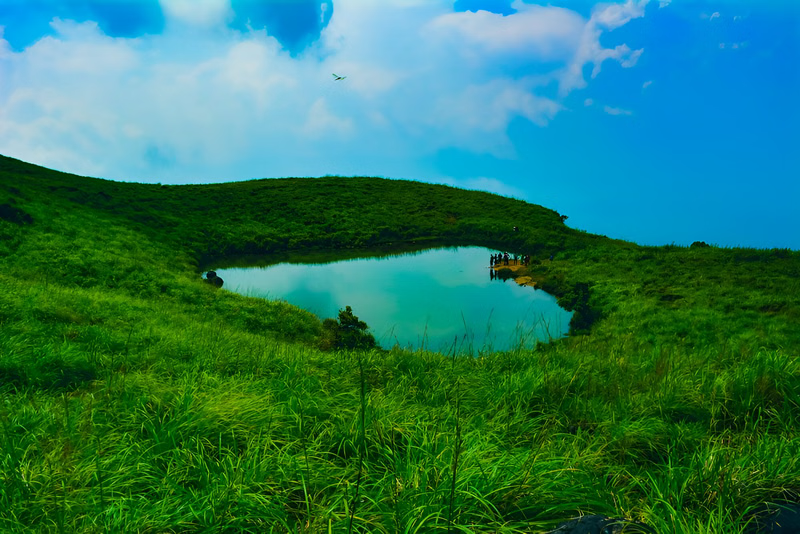
The trek to Neelimala is about 6 kilometers round trip and takes approximately 2 hours. The trail passes through tea plantations and forests, gradually ascending to the viewpoint. While the trek requires reasonable fitness, most people in decent health can complete it. The trail is well-marked, but hiring a guide is recommended if you're unsure about the route.
From the viewpoint, you can see Meenmutty Falls in the distance, a white ribbon of water cascading down the mountainside. The perspective gives you a sense of the waterfall's scale and the dramatic topography that creates it. Beyond the falls, you can see across valleys to distant peaks, with the Western Ghats stretching endlessly into the horizon.
Best time to visit Neelimala is early morning or late afternoon when the lighting is dramatic and the chances of clear views are higher. Post-monsoon offers the most spectacular waterfall views, while winter provides clearer visibility for the broader landscape views.
Best Time to Visit Wayanad Waterfalls
Understanding the seasonal variations in Wayanad helps in planning the perfect waterfall trip. Each season offers different advantages and considerations when it comes to waterfall viewing.
Post-monsoon (October-November) is undoubtedly the best time for waterfall viewing. Recent rains mean the waterfalls are at full flow, creating spectacular cascades. The weather is clearing up, making trekking enjoyable, and the entire region is lush green from the monsoon rains. This is peak season for waterfall tourism, so expect crowds at popular falls like Meenmutty and Soochipara.
Winter (December-February) offers pleasant weather for trekking and exploration. While the waterfalls have less volume than post-monsoon, they're still beautiful and more accessible. The clearer weather means better views from viewpoints like Neelimala. This is an ideal time if you want to combine waterfall visits with other Wayanad attractions.
Summer (March-May) sees the waterfalls at their gentlest. Some seasonal waterfalls may reduce to trickles or dry up completely. However, the perennial falls like Meenmutty and Soochipara continue to flow, albeit with reduced volume. The advantage of summer is fewer crowds and more comfortable trekking conditions.
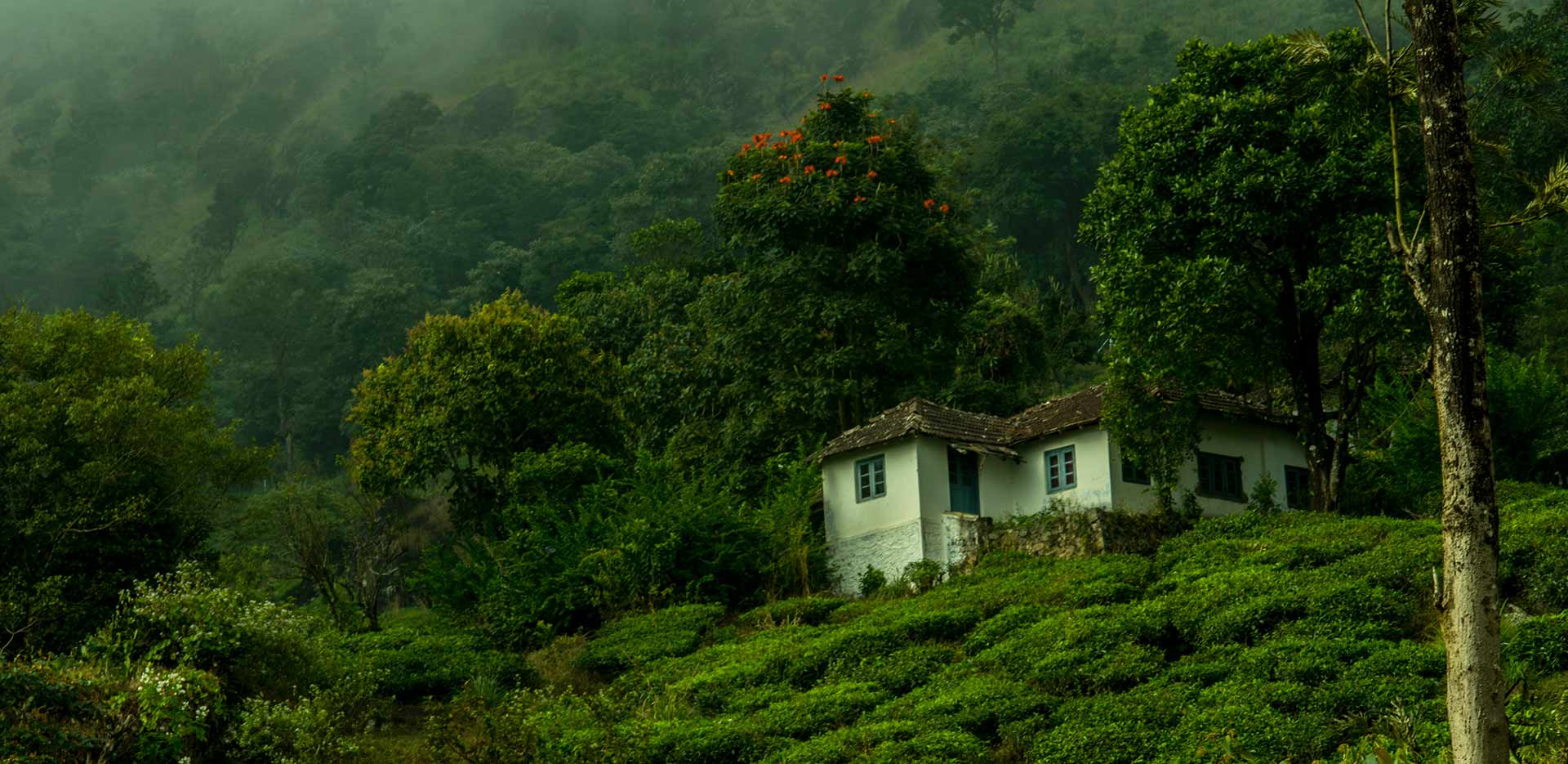
Monsoon (June-September) is when the waterfalls are at their most powerful, but this is generally not recommended for visiting. Trekking trails become dangerous, leeches are abundant, and visibility is poor. However, if you're an adventure enthusiast who doesn't mind these challenges, monsoon waterfall visits can be incredible experiences.
Planning Your Waterfall Trip
Trekking Preparation
Visiting Wayanad's waterfalls requires some preparation, especially for the more remote falls like Meenmutty. Wear sturdy trekking shoes with good grip - the trails can be slippery even in dry weather. Lightweight, quick-dry clothing is preferable to cotton, which becomes heavy and uncomfortable when wet. Carry a light rain jacket even outside monsoon season - mountain weather is unpredictable.
Safety Considerations
Waterfall safety should never be taken lightly. The rocks around waterfalls are notoriously slippery due to constant moisture and algae growth. Never enter the water at the top of a waterfall - currents are deceptive and one slip can be fatal. Even at the base, be cautious of strong currents. If you're not a strong swimmer, stay out of the water entirely. Always keep children under close supervision.
Photography Tips
Waterfalls provide incredible photography opportunities. Use a slow shutter speed to create the silky water effect that makes waterfall photographs so dramatic. This requires a tripod or stable surface. Early morning and late afternoon light creates beautiful effects, especially when the sun creates rainbows in the waterfall mist. Protect your camera from water spray - even a light mist can damage electronics over time.
What to Carry
Essential items for waterfall visits include drinking water (at least 2 liters per person), snacks or a picnic lunch, a basic first aid kit, sunscreen, and insect repellent. A change of clothes is useful if you plan to get wet. Binoculars enhance the experience for wildlife and bird watching. Don't forget trash bags - whatever you carry in, you must carry out.
Guides and Permits
Some waterfalls require Forest Department permits, and hiring a guide is mandatory for certain areas like Chethalayam within the Wildlife Sanctuary. Even where guides aren't mandatory, they're highly recommended for remote waterfalls. Guides know the terrain, can point out wildlife and plants, and ensure you don't get lost in the forest.
Combining Waterfalls with Other Attractions
Wayanad offers much more than just waterfalls, and planning your itinerary to combine waterfall visits with other attractions makes for a more diverse and interesting trip. The district's compact size means you can easily see multiple attractions in a day.
Ancient Caves: The Edakkal Caves, with their 6,000-year-old petroglyphs, are near many waterfalls and can easily be combined into a day's itinerary. The caves require climbing approximately 1,000 stairs but offer fascinating insights into prehistoric human life. Learn more about Edakkal Caves in our dedicated guide.
Wildlife Sanctuary: The Wayanad Wildlife Sanctuary offers jeep safaris where you might spot elephants, deer, and occasionally big cats. Combine a morning safari with an afternoon waterfall visit for a perfect nature-focused day. Explore more places to visit in Wayanad to plan your complete itinerary.
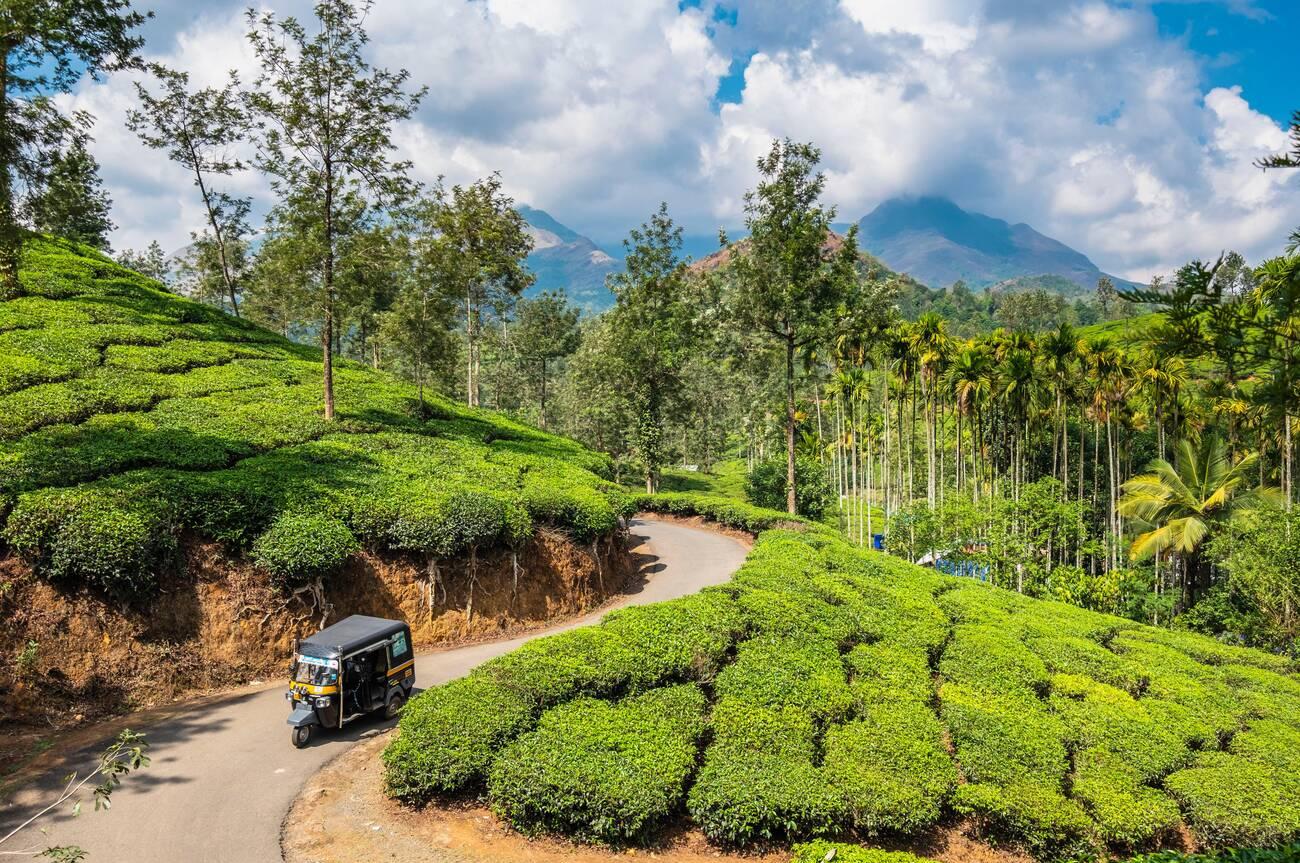
Tea Plantations: Wayanad's tea plantations offer beautiful walking opportunities and a completely different landscape from the forest around waterfalls. Many plantations allow visitors to tour their facilities and learn about tea production.
Spiritual Sites: Ancient temples like Thirunelli Temple and the Jain Temple at Sulthan Bathery add cultural depth to a Wayanad trip. Many temples are located near natural attractions, making combination visits easy.
Sample Itinerary: Waterfall Focus
Day 1: Meenmutty and Neelimala
Start early with Meenmutty Waterfalls - the trek takes 2-3 hours round trip. After lunch, visit Neelimala Viewpoint for distant views of Meenmutty and broader landscape views. End the day with a relaxed dinner in Kalpetta.
Day 2: Soochipara and Banthra Sunku
Morning visit to Soochipara Falls for the main cascade experience. Afternoon at Banthra Sunku for a more intimate waterfall experience. Both are relatively close, making for a relaxed day with plenty of time at each location.
Day 3: Chethalayam and Wildlife
Morning jeep safari in Wayanad Wildlife Sanctuary followed by trek to Chethalayam Falls. This combines wildlife viewing with waterfall experience and gives a different perspective on Wayanad's natural diversity.
Conclusion
Wayanad's waterfalls offer that rare combination of natural drama, accessibility, and diversity that makes for unforgettable travel experiences. Whether you're standing at the base of Meenmutty's thundering cascade, picnicking by Soochipara's gentle flow, or viewing falls from Neelimala's spectacular vantage point, these waterfalls connect you with the raw power and beauty of nature. Discover more of Kerala's stunning waterfalls across the state.
What makes Wayanad's waterfalls truly special is their setting within the Western Ghats - one of the world's most biodiverse regions. The trek to reach these falls takes you through forests that have remained largely unchanged for centuries, past plants and animals found nowhere else on Earth. In an age when so much of the world has been tamed and developed, these waterfalls offer a glimpse of wilderness that our ancestors might have recognized.
The waterfalls also connect you to local culture and traditions. Many are considered sacred, with rituals and beliefs that have persisted for generations. The communities around these falls have developed sustainable relationships with these natural resources, using them without destroying them, offering lessons in coexistence that the modern world would do well to learn from.
Whether you're a serious trekker seeking adventure, a photographer chasing the perfect shot, a family looking for a beautiful picnic spot, or simply someone who appreciates natural beauty, Wayanad's waterfalls deliver experiences that stay with you long after you've returned home. The sound of cascading water, the cool mist on your face, the sight of rainbows in waterfall spray - these are memories that don't fade, calling you back to Wayanad's green valleys time and again.
Location
Frequently Asked Questions
Q1.Which is the best waterfall in Wayanad?
Q2.What is the best time to visit Wayanad waterfalls?
Q3.How many waterfalls are there in Wayanad?
Q4.Is Meenmutty waterfall trek difficult?
Q5.Can we swim in Wayanad waterfalls?
Q6.How to reach Meenmutty Waterfalls?
Q7.What should I carry for Wayanad waterfall visits?
Q8.Is Wayanad safe for solo waterfall trekking?
Recommended For You
Places to Visit in Kerala in Monsoon: Backwaters, Falls & Green Escapes
Discover the best places to visit in Kerala in monsoon, from Munnar and Wayanad to Alleppey backwaters, with practical safety, route, and weather planning tips.
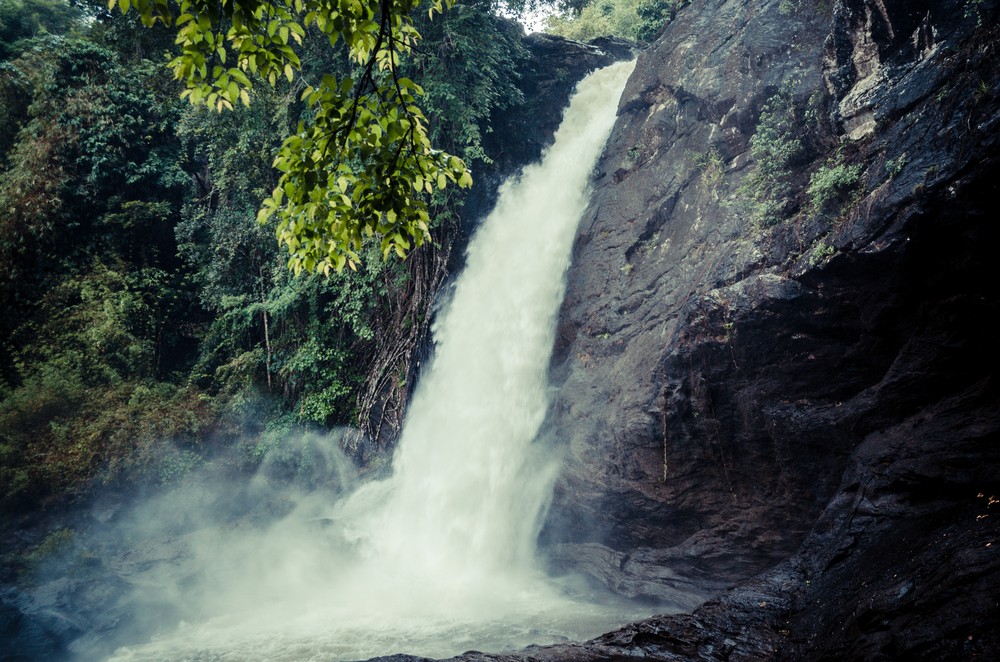
Soochipara Waterfalls Wayanad: Trek Access, Timings & Entry Fee
Visit Soochipara Waterfalls in Wayanad! Guide to trek, timings, entry fee, best time & how to reach Kerala's spectacular three-tiered falls.
15 Best Waterfalls in Kerala: Location, Season & Entry Info
Explore the best waterfalls in Kerala with Athirappilly, Vazhachal, Soochipara, Meenmutty and more, including season tips and route-based tour planning.
Never Miss an Adventure
Get the latest trekking guides, travel tips, and exclusive offers delivered straight to your inbox.
