
Kuta Art Market Bali: Shopping Guide & Tips

Priya Mehta
December 19, 2025
Shop at Kuta Art Market, Bali. What to buy, bargaining tips, opening hours & complete guide to Bali's most popular shopping destination.
Introduction
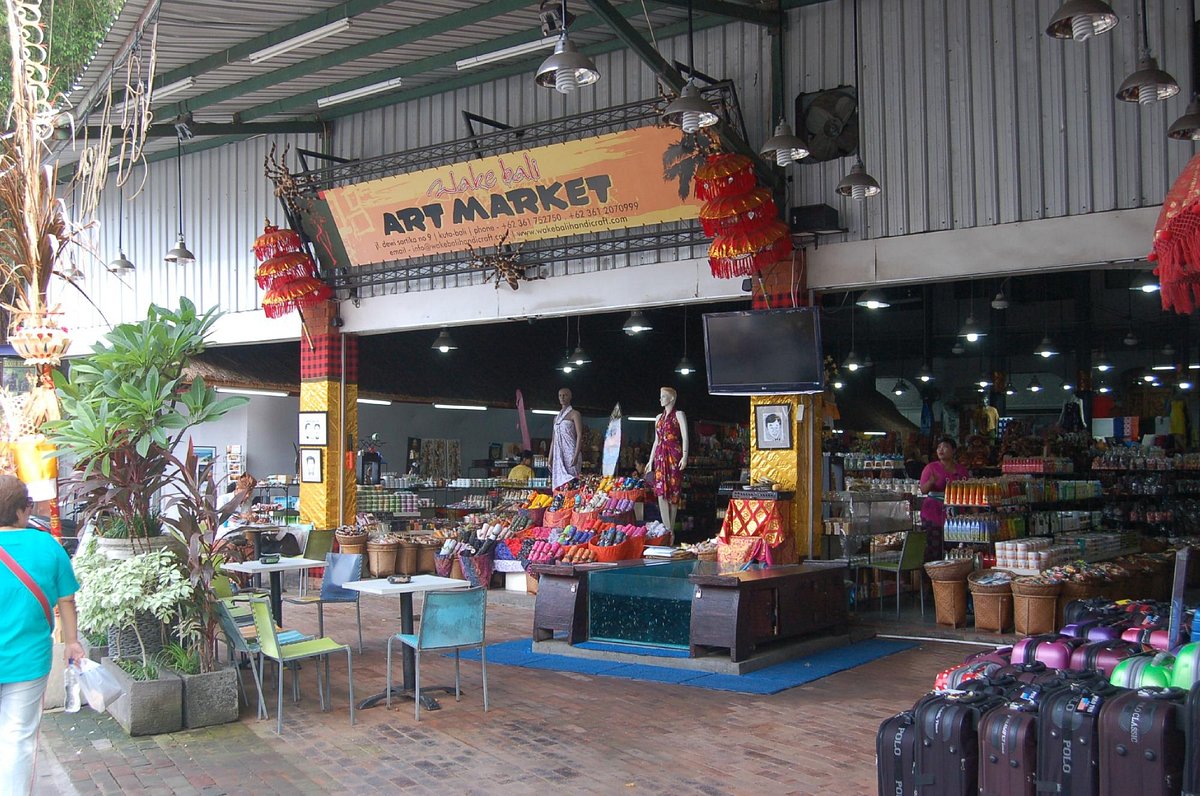
Kuta Art Market stands as Bali's most famous traditional market and a must-visit destination for travelers seeking authentic souvenirs and local crafts. Located in the heart of Kuta's bustling tourist area, this vibrant marketplace offers an immersive shopping experience that captures the essence of Balinese culture and artistry. Since its establishment in the 1980s, Kuta Art Market has evolved into a massive complex featuring hundreds of stalls, each brimming with colorful merchandise ranging from traditional handicrafts to contemporary beachwear. The market, known locally as Pasar Seni Kuta, provides the perfect opportunity to practice your bargaining skills while surrounded by the energetic atmosphere that defines Bali's shopping culture.
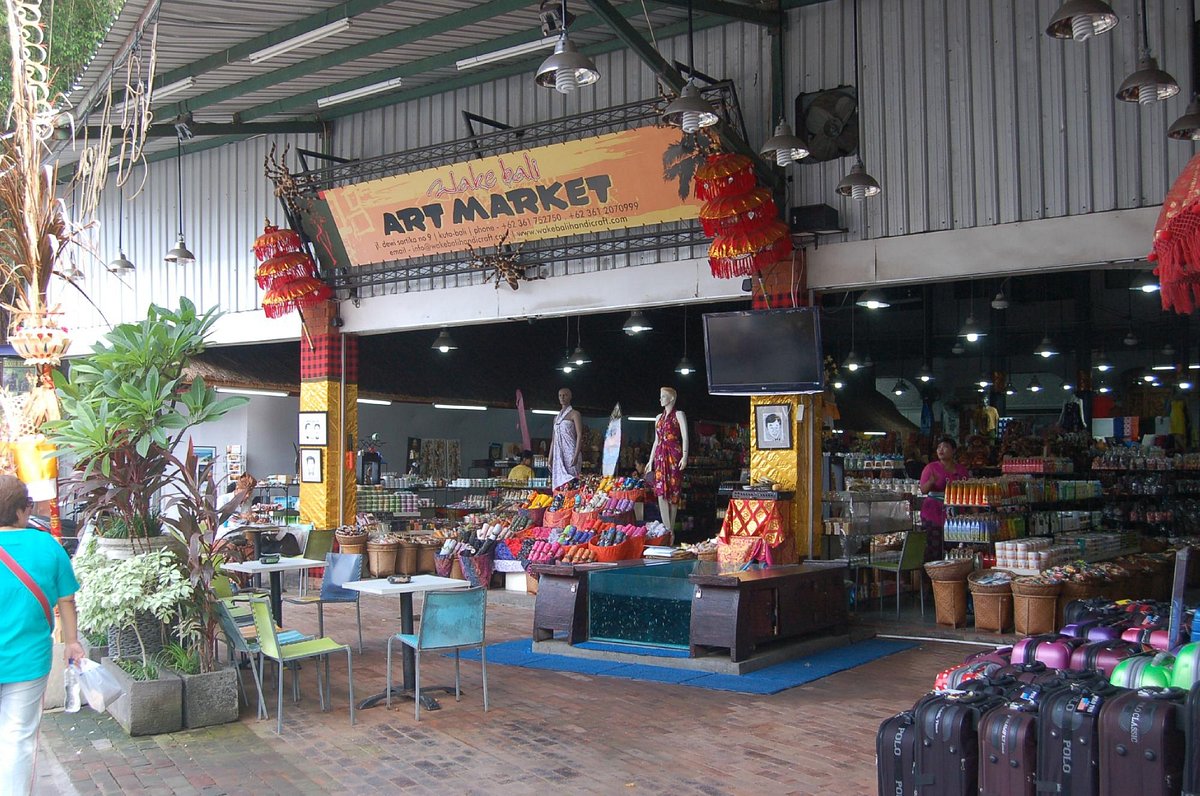
Just a short 5-minute walk from Kuta Beach, the art market offers a convenient shopping stop during your beach day or evening stroll. The authentic Balinese shopping experience here, combined with the rich variety of goods available, makes Kuta Art Market an essential destination for anyone wanting to take home a piece of Bali's cultural heritage.
About Kuta Art Market
Kuta Art Market is located on Jl. Blambangan in Kuta, Bali, at address Jl. Blambangan No. 1. The market's strategic location places it just a 5-minute walk from the famous Kuta Beach, making it easily accessible to beachgoers and tourists staying in the surrounding area. The market has been operating since the 1980s, making it one of Bali's oldest established art markets and an institution in Kuta's tourism landscape.
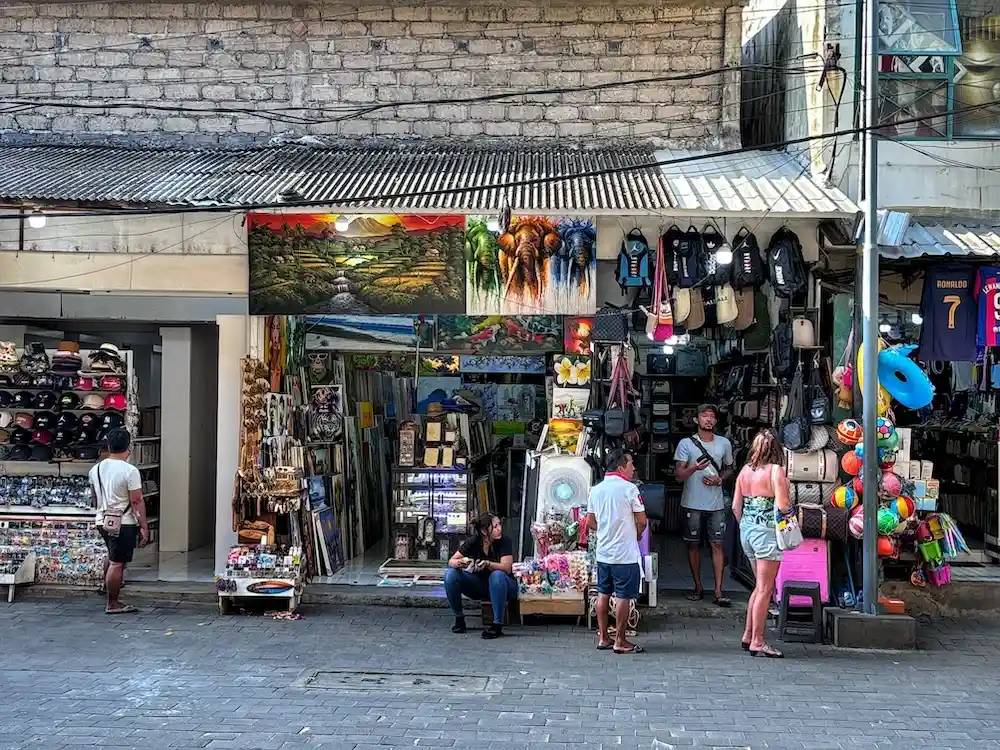
The market comprises a large complex with hundreds of individual stalls, each operated by local vendors and artisans. Traditional Balinese market architecture creates an authentic atmosphere, with narrow aisles and covered sections that protect shoppers and merchandise from the tropical sun and occasional rain. The bustling, colorful, and vibrant atmosphere characterizes the market, with vendors enthusiastically calling out to passersby and the air filled with the sounds of negotiation and friendly banter.
Despite its growth and commercial success, Kuta Art Market remains run by local vendors rather than large corporations. This authenticity ensures that your purchases directly support local families and artisans. The market's significance as one of Bali's oldest art markets has cemented its place in Bali's tourism history, and it continues to be a primary destination for visitors seeking genuine Balinese crafts and souvenirs.
What to Buy
Clothing & Textiles
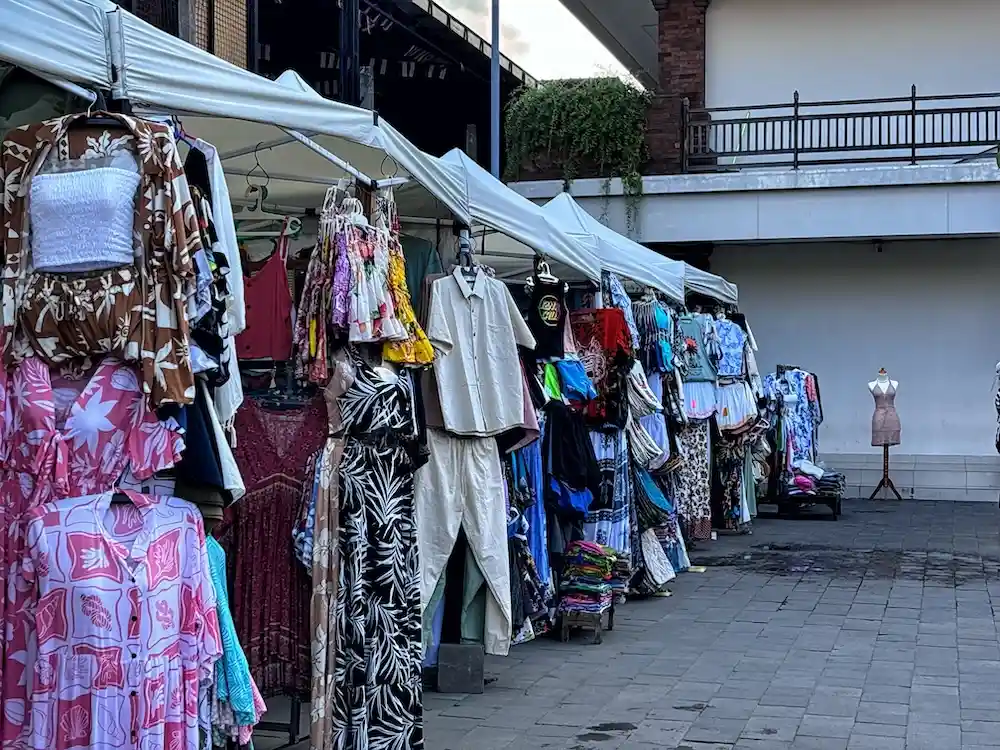
Kuta Art Market excels in traditional Balinese textiles and beach-appropriate clothing. Sarongs are perhaps the most popular purchase, available in countless colors, patterns, and quality levels. Batik fabrics represent another staple, with traditional hand-dyed and machine-printed options available. Traditional Balinese clothing items, including temple-wear inspired pieces, offer unique cultural souvenirs. Summer dresses, shirts, and casual beachwear abound, making it easy to refresh your vacation wardrobe. Handbags and backpacks featuring local designs and materials are also widely available at competitive prices.
Art & Crafts
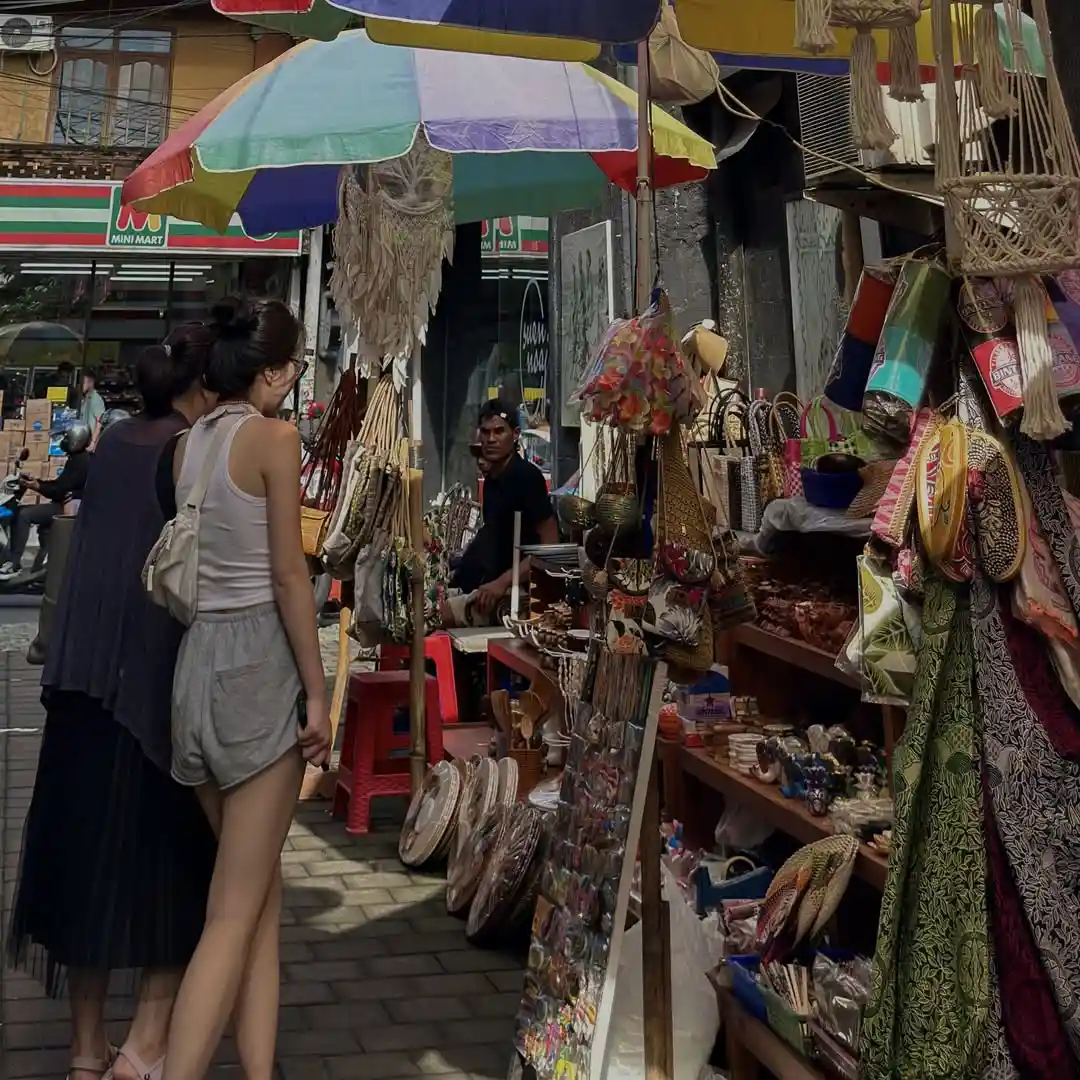
The art and crafts section showcases the remarkable artistic talent of Balinese artisans. Wood carvings represent a significant portion of the market's offerings, ranging from small decorative items to large carved masks and statues of Hindu deities. Paintings, both traditional Balinese styles and modern interpretations, provide wall art options for every taste. Stone carvings, though heavier and more challenging to transport, offer permanent decorative pieces for serious collectors. Silver jewelry, particularly traditional Balinese designs, is available at numerous stalls. Shell crafts, from jewelry to decorative items, make lightweight souvenirs that are easy to pack.
Souvenirs
For those seeking small, affordable souvenirs, Kuta Art Market delivers endless options. Keychains and magnets in Bali-themed designs are popular for their compact size and reasonable prices. Bali-themed t-shirts allow visitors to wear their travel memories. Coconut crafts, from bowls to jewelry, offer natural, sustainable souvenirs. Dreamcatchers featuring Balinese designs combine traditional elements with popular Western items. Incense and holders in various scents and styles make practical gifts that capture Bali's aromatic culture.
Decor Items
If you're shopping for home decor, Kuta Art Market won't disappoint. Wind chimes featuring Balinese symbols and materials create ambient sounds in your living space. Traditional Balinese umbrellas, with their vibrant colors and intricate designs, make striking wall decorations. Wall hangings depicting scenes from Balinese mythology and daily life provide conversation pieces for your home. Lampshades with local artistic touches transform ordinary lighting into artistic statements.
Bargaining Tips & Tricks
Bargaining at Kuta Art Market is not just accepted - it's expected and part of the cultural experience. Mastering the art of negotiation helps you get fair prices while maintaining good relationships with vendors. The key is to approach bargaining with respect, a smile, and an understanding that this is a friendly exchange, not a confrontation.
Start Low
When a vendor quotes a price, the initial figure typically includes a significant markup. A good rule of thumb is to offer 30-40% of the quoted price as your counter-offer. This starting point signals that you understand the game and are prepared to negotiate. Vendors expect this and will rarely be offended by a low initial offer.
Be Respectful
Throughout the bargaining process, maintain a friendly demeanor and smile. Vendors are more likely to give you a better price when you treat them with respect and engage in friendly banter. Aggressive or rude behavior will only increase prices or cause vendors to lose interest in the transaction. Think of bargaining as a social interaction rather than a battle.
Walk Away
One of the most effective bargaining tactics is the walk-away method. If the vendor refuses to come down to your target price, thank them politely and start walking away. Often, the vendor will call you back with a lower offer. If not, you can always return later or find a similar item at another stall. This tactic works because vendors prefer making some profit rather than losing the sale entirely.
Bundle Deals
Purchasing multiple items from the same vendor strengthens your bargaining position. Vendors are more willing to offer significant discounts when you're buying in bulk. If you're interested in several items, negotiate a package price rather than individual item prices. The discount on a bundle purchase is often greater than what you could achieve bargaining for items separately.
Cash is King
Cash payments typically secure better prices than card transactions at Kuta Art Market. Vendors prefer cash and may offer a discount for avoiding card processing fees. Carry sufficient Indonesian Rupiah in small denominations to make smooth transactions. Large bills can be difficult for vendors to break, especially early in the day.
Know When to Stop
While bargaining is part of the culture, it's important not to over-negotiate for small amounts. If you've achieved a reasonable discount and the price difference isn't significant, accept the deal and complete the purchase. Continuing to push for minimal additional savings can create uncomfortable situations and waste time that could be spent exploring more of the market.
Compare Prices
Before committing to a purchase, check multiple stalls to see prices for similar items. Different vendors may offer significantly different starting prices. This comparison gives you leverage in negotiations and ensures you don't overpay. However, once you've received good service from a particular vendor, consider giving them the business even if another stall is slightly cheaper.
Holiday Tipping
Small extras above the negotiated price are appreciated, especially during busy periods. If a vendor has been particularly patient, helpful, or provided excellent service, adding a small tip to your purchase strengthens the relationship and encourages good service in the future. This isn't expected but is certainly valued.
Best Time to Visit
Early Morning (9-11 AM)
Early morning visits to Kuta Art Market offer several advantages. The market has fresh energy, vendors are rested and in good moods, and crowds are relatively thin. These conditions create an ideal environment for bargaining, as vendors are more willing to negotiate without the pressure of peak customer flow. You'll have more space to browse and compare products without feeling rushed or crowded.
Late Afternoon (4-6 PM)
Visiting in the late afternoon presents another strategic opportunity for shoppers. As the market approaches closing time, vendors may be more motivated to make sales before packing up. This motivation can translate to better deals and deeper discounts. The temperature is also cooler during these hours, making shopping more comfortable than in the mid-day heat. The afternoon timing also coordinates well with spending the morning at Kuta Beach and shopping afterward.
Avoid: Mid-day Heat (12-3 PM)
The mid-day period from 12-3 PM is generally the least favorable time to visit Kuta Art Market. The tropical heat reaches its peak during these hours, making shopping uncomfortable and tiring. Vendors may also be less energetic and less willing to engage in prolonged negotiations. If you must visit during these hours, plan for shorter browsing sessions and take frequent breaks in shaded areas or nearby cafes.
Best Days
Tuesday through Thursday typically see fewer visitors than weekends, making them optimal days for a more relaxed shopping experience. With less competition from other tourists, you'll receive more attentive service from vendors and potentially better deals. Weekends and holidays attract larger crowds, which increases energy but also means longer wait times and potentially higher initial prices due to higher demand.

Opening Hours & Location
Opening Hours
Kuta Art Market generally operates daily from 9:00 AM to 9:00 PM. However, it's important to note that individual stalls may have varying operating hours, with some closing earlier in the evening. The morning hours from 9-11 AM represent the best time for serious shopping with bargaining opportunities, while the evening hours are more suitable for casual browsing and purchasing small items. During peak tourist seasons, the market may stay open slightly later to accommodate increased customer traffic.
Location Details
The precise address of Kuta Art Market is Jl. Blambangan No. 1, Kuta, Bali. This location places the market in the heart of Kuta's main tourist area. The market is situated near several important landmarks - it's approximately a 5-minute walk from Kuta Beach, adjacent to Kuta Square shopping area, and directly opposite the Kuta Theater. These reference points make finding the market straightforward even for first-time visitors.
Transport
Multiple transportation options serve Kuta Art Market. Taxis are the most convenient choice, especially if you're carrying multiple purchases or traveling with luggage. Ride-hailing apps like Gojek and Grab operate reliably in the area and offer competitive pricing. Scooter rentals are popular for independent travelers who are comfortable navigating Bali's traffic. If you're staying nearby, walking is the most enjoyable option, allowing you to explore the surrounding streets and shops en route to the market.
Parking
Parking at Kuta Art Market is limited to street parking along the surrounding roads. During peak hours, finding available parking can be challenging. Consider arriving early in the day when parking is more readily available. If driving, ensure you understand local parking regulations and avoid blocking traffic. For larger groups, having one person drop shoppers at the market while the driver searches for parking can save time and reduce frustration.
Nearby Landmarks
Kuta Art Market benefits from its location near several prominent attractions. Discovery Shopping Mall, a modern retail complex, is a 10-minute walk and offers air-conditioned shopping respite. Waterbom Bali, the famous water park, is just a 5-minute drive from the market. Kuta Square itself serves as a shopping hub with international brands and restaurants. Beachwalk Shopping Center, another modern shopping destination, is approximately a 10-minute walk away. These nearby attractions make it easy to combine a market visit with other activities in the Kuta area.
Nearby Attractions
After shopping at Kuta Art Market, you'll find plenty of nearby attractions to complete your day. Kuta Beach is just a 5-minute walk away, perfect for relaxing after a shopping session or catching the famous sunset. Discovery Shopping Mall offers international brands, dining options, and entertainment facilities. Waterbom Bali provides a full day of water-based fun for families and adventure seekers. Kuta Square serves as another shopping destination with different merchandise, including international brands. Beachwalk Shopping Center combines retail, dining, and entertainment in a modern setting just a short walk away.
For those interested in exploring more traditional markets, Ubud Art Market represents another excellent option. Located about an hour's drive from Kuta, Ubud's market offers a different atmosphere with a focus on traditional arts and crafts. Visiting both markets provides a comprehensive understanding of Bali's shopping culture and artistic traditions.
Shopping Tips
Credit Cards vs Cash
While some stalls at Kuta Art Market may accept credit cards, cash remains the preferred and most widely accepted payment method. Many vendors operate on thin margins and card processing fees reduce their profits further. Additionally, cash transactions are faster and avoid potential technology issues. Carry sufficient Indonesian Rupiah in various denominations to ensure smooth transactions and the ability to receive change when needed.
ATM Availability
ATMs are available in the area surrounding Kuta Art Market, particularly on the main streets and in nearby shopping centers. However, these machines can run out of cash during peak tourist periods or have long queues. It's advisable to withdraw sufficient funds before your shopping session rather than relying on finding an ATM when needed. International cards are generally accepted at most ATMs, but inform your bank of your travel plans to avoid transaction blocks.
Quality Inspection
Before finalizing any purchase, carefully inspect the item for quality issues. Check clothing for loose threads, uneven stitching, or defects. Examine wood carvings for cracks, rough edges, or damage to the finish. Test zippers, clasps, and moving parts on bags and accessories. Look at paintings from different angles and in various light conditions to ensure no flaws. It's much easier to address quality issues before payment than after you've returned home with the item.
Packing Considerations
When shopping for souvenirs and gifts, consider how you'll transport items home. Fragile items like stone carvings or glassware require protective packaging. Large items may be challenging to fit in luggage and might require shipping services. Heavy items contribute to luggage weight limits and potential excess baggage fees. If purchasing significant quantities or bulky items, ask vendors about shipping options to your home country, which can sometimes be more economical than carrying items yourself.
Authenticity Verification
For items where authenticity matters, such as batik textiles, wood carvings, or silver jewelry, take time to verify the genuineness of materials and craftsmanship. Traditional hand-made batik will have slight variations and imperfections that are absent in machine-printed versions. Genuine wood carvings will show natural wood grain patterns and consistent carving techniques throughout. Real silver will have appropriate hallmarks and weight characteristics. Don't hesitate to ask vendors about the origin and creation process of items you're considering.
Customs Considerations
Be aware of your home country's customs regulations regarding souvenirs and cultural items. Some countries restrict imports of certain woods, animal products, or cultural artifacts. Research these restrictions before making significant purchases, particularly for items like wood carvings, shells, or traditional artifacts. Keep receipts for all purchases, as customs officials may require proof of purchase and value. Declare all items upon return to avoid potential penalties or confiscation of goods.
Shopping at Kuta Art Market offers an authentic Balinese experience that combines cultural immersion with practical souvenir acquisition. Whether you're looking for traditional handicrafts, beachwear, or unique gifts, the market's extensive variety and bargaining culture ensure a memorable shopping adventure in the heart of Bali's most famous tourist area.
Location
Frequently Asked Questions
Q1.Where is Kuta Art Market located?
Q2.What are Kuta Art Market opening hours?
Q3.What is the best time to visit Kuta Art Market?
Q4.What can I buy at Kuta Art Market?
Q5.How much should I bargain at Kuta Art Market?
Q6.Is Kuta Art Market expensive?
Q7.How to reach Kuta Art Market?
Q8.Do they accept credit cards at Kuta Art Market?
Q9.Are there ATMs near Kuta Art Market?
Q10.Is Kuta Art Market open on Sundays?
Recommended For You

Bali: Complete Travel Plan Places And Weather
Complete Bali travel guide with 7-day itinerary, best time to visit, cost breakdown, top attractions, transport options & insider tips for first-time visitors to Indonesia's Island of Gods.

Kuta Nightlife Bali: Best Clubs, Bars & Party Streets
Complete Kuta nightlife guide with clubs, bars, beach-party flow, dress code, budget tips, safety advice, and practical planning for a better night out.
Nightlife in Bali: Clubs, Bars & Beach Parties
Complete nightlife in Bali guide covering Kuta, Seminyak, Canggu, Ubud, beach clubs, prices, dress code, safety tips, and practical night-out planning.
Never Miss an Adventure
Get the latest trekking guides, travel tips, and exclusive offers delivered straight to your inbox.
