Ladakh Football Stadium: World's Highest Ground

Rohit Verma
February 20, 2026
Visit Ladakh Football Stadium, the world's highest altitude football ground. Location, altitude, how to reach & travel guide to Leh.
Introduction: Football Above the Clouds
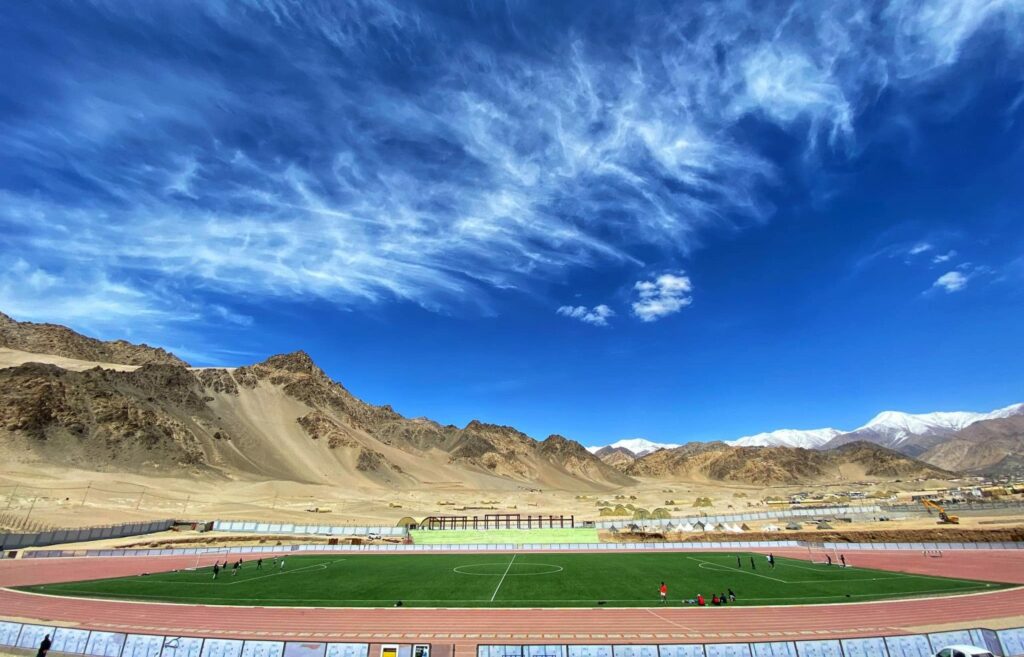
Ladakh Football Stadium represents one of the most remarkable sporting infrastructure achievements in India's high-altitude region. Located at approximately 11,500 feet above sea level, this stadium is recognized as the highest altitude football ground in the world, creating a unique venue where sports meet breathtaking mountain scenery. The stadium's existence in Ladakh, a remote and challenging environment, symbolizes the spread of sports infrastructure to India's most demanding regions.
What makes Ladakh Football Stadium extraordinary is not just its record-setting altitude, but what that altitude represents. Playing competitive football at over 11,500 feet presents significant physiological challenges to athletes while creating one of the world's most dramatic sporting backdrops. The stadium stands as a testament to human engineering ambition and the universal appeal of football that transcends geographical boundaries.
This comprehensive guide explores Ladakh Football Stadium from multiple dimensions—its physical specifications, the challenges of high-altitude sports, its significance for regional development, and practical information for visitors interested in this unique sporting landmark.
About Ladakh Football Stadium
Ladakh Football Stadium is situated in Leh, the capital of Ladakh Union Territory. The stadium is located approximately 3 kilometers from Leh's main market area, positioned in a valley surrounded by the magnificent Himalayan mountain ranges. This location provides stunning mountain views from every seat while making the stadium somewhat accessible from Leh's urban center.
Altitude Achievement: The stadium's elevation of approximately 11,500 feet (3,505 meters) above sea level places it in an exclusive category of world sporting venues. At this altitude, air contains significantly less oxygen than at sea level—a reduction of approximately 30-40%. This oxygen thinness presents substantial challenges for athletes, both physical and psychological, making any match or training session an achievement in itself.
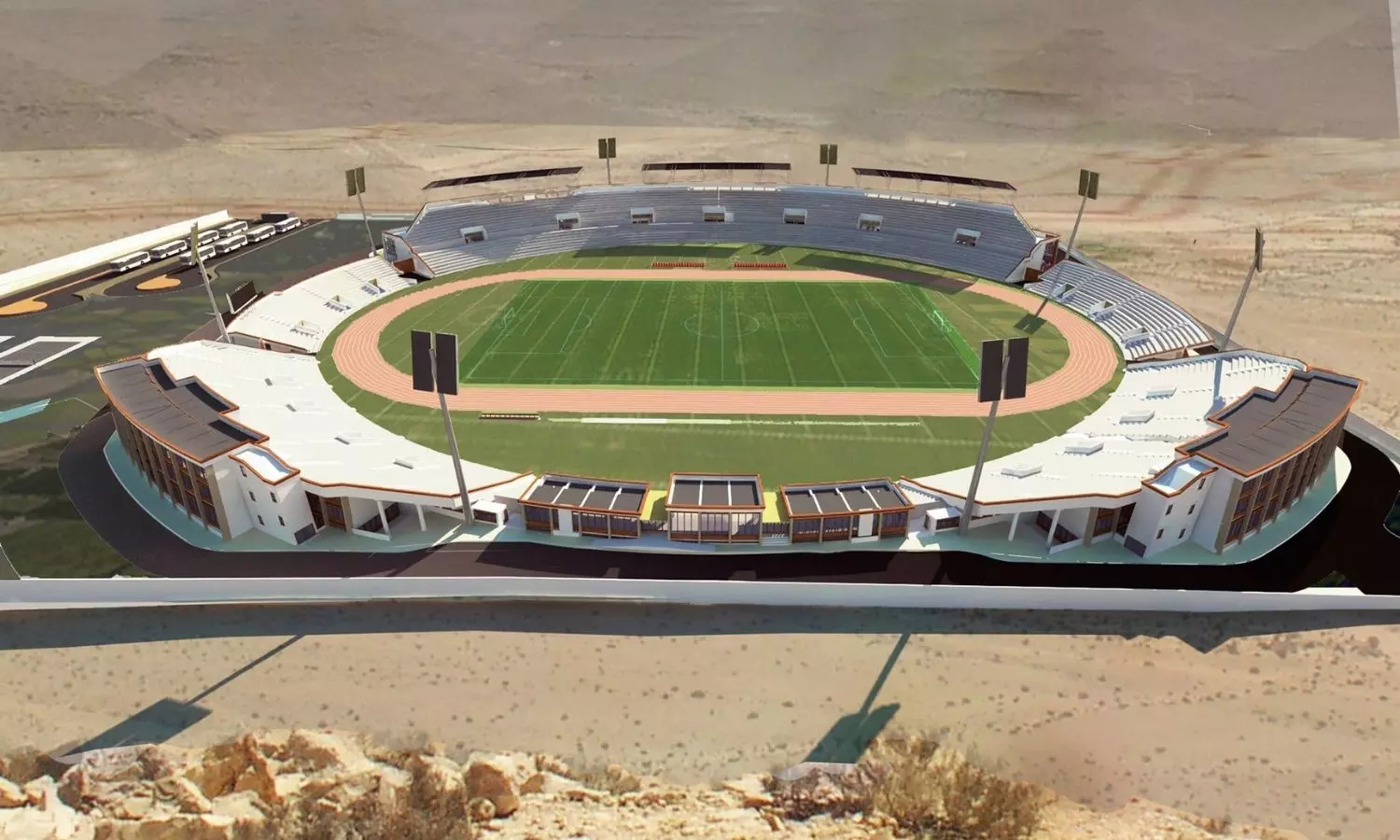
Technical Specifications: The stadium features modern sporting infrastructure despite its remote location. The playing surface consists of natural grass designed to withstand Ladakh's harsh climate conditions, including intense summer sun and freezing winter temperatures. The stadium type is open-air, with partial covered stands providing some protection from direct sunlight while maintaining the outdoor character that Ladakh's climate demands.
Floodlighting infrastructure enables evening matches and training sessions, extending the usable hours beyond daylight. This is particularly valuable in Ladakh where daylight hours vary significantly between seasons. The seating arrangement includes partially covered stands, offering some protection from elements while maintaining views of the surrounding mountains.
Infrastructure Features: Beyond the main football ground, the complex includes practice facilities that support team preparation. Modern drainage systems handle Ladakh's occasional but intense rainfall during summer months, preventing waterlogging that would otherwise disrupt play. The overall design balances the need for high-quality sporting infrastructure with constraints imposed by Ladakh's remote location and extreme climate.
| Specification | Details |
|---|---|
| Location | Leh, Ladakh Union Territory, ~3 km from city center |
| Altitude | ~11,500 feet (3,505 meters) above sea level |
| World Record Status | Highest altitude football stadium globally |
| Playing Surface | Natural grass/turf designed for high-altitude climate |
| Stadium Type | Open-air with partial covered stands |
| Floodlights | Yes, for evening matches and training |
History & Development
The development of Ladakh Football Stadium reflects broader infrastructure initiatives in Ladakh aimed at improving quality of life and promoting regional development. Ladakh, historically isolated due to challenging geography, has received significant infrastructure investment in recent decades, with the football stadium representing sports-focused development.
The stadium's construction responded to local interest in football and the desire for modern sports facilities. Traditional sports in Ladakh emphasized archery and polo, but football's growing popularity among youth created demand for dedicated infrastructure. The stadium provides this facility while also serving as a venue for broader sports and community events.
Development in Ladakh faces unique challenges. The remote location means all materials must be transported over long distances, often through mountain passes that are closed during winter. The short construction season allows only limited work periods each year. These constraints make the stadium's completion particularly impressive and demonstrate engineering solutions to Himalayan construction challenges.
The Ladakh Football Stadium is part of larger sports complex development in the region. As Ladakh's population grows and modernizes, investment in sports infrastructure supports youth development, tourism diversification, and improved public health outcomes. The stadium serves as more than just a football venue—it's a community space promoting physical activity and social cohesion.
Significance & Records
Ladakh Football Stadium's altitude record represents more than just a technical achievement—it symbolizes the boundary-pushing nature of sports development. The stadium's recognition as the world's highest football ground highlights how sporting infrastructure is reaching increasingly challenging and remote locations globally.
World Record Status: The stadium's altitude achievement has been documented by sports authorities and recognized internationally. This recognition brings attention to Ladakh and places the region on the map for sports enthusiasts globally. The record status also serves as a point of pride for Ladakh's residents and development authorities.
High-Altitude Sports Challenge: Playing football at 11,500 feet presents unique challenges that sports science continues to study. Athletes must adapt to reduced oxygen availability, which affects stamina, speed of recovery, and overall physical performance. Training at the stadium helps Ladakh's athletes develop adaptations to high-altitude conditions that can provide competitive advantages when playing at lower elevations.
Regional Sports Development: The stadium serves as a catalyst for sports development across Ladakh. Access to quality facilities encourages youth participation in football, which was previously limited by infrastructure constraints. The stadium also hosts other sports and events, functioning as a multi-purpose community asset supporting broader athletic development.
Tourism Significance: For visitors to Ladakh, the football stadium has become an interesting attraction. Even beyond match events, the stadium's extreme setting and mountain backdrop draw curious visitors. It represents a unique photo opportunity and a point of interest that showcases how modern development reaches even the most remote and challenging regions.
How to Reach in Leh
Reaching Ladakh Football Stadium requires traveling to Leh, Ladakh's capital, which itself is accessible only during specific months due to extreme winter conditions. The journey to Leh is part of the adventure for most visitors.
By Air: Leh's Kushok Bakula Rimpochee Airport is the primary air gateway to Ladakh. Flights operate primarily from Delhi, with some connections from other major Indian cities. The airport is approximately 5-10 kilometers from the football stadium, depending on specific access routes. Flight schedules are weather-dependent and can be disrupted by conditions at mountain passes.
By Road: The road journey to Leh follows two primary routes—Manali-Leh Highway and Srinagar-Leh Highway. Both routes pass through high mountain passes that are closed during winter. The Manali route typically opens from late May to October, while the Srinagar route may have slightly extended windows. These road journeys are adventures themselves, with stunning scenery and challenging driving conditions.
Within Leh: Once in Leh, the football stadium is accessible by local taxi, auto-rickshaw, or even walking from many parts of the town. The 3 kilometer distance makes it conveniently located but separate enough from Leh's congested center to maintain a somewhat peaceful environment.
Transportation Tips: Local transportation in Leh is primarily by shared or private taxi. Pre-arrange stadium visits during peak tourist season when demand for transportation is high. Some visitors rent scooters or motorcycles for local mobility, though high altitude and unfamiliar roads require caution.
Visiting Information
Visitors interested in experiencing Ladakh Football Stadium should consider several practical factors to make the most of their visit. The stadium's remote location and extreme environment require preparation.
Access and Entry: Ladakh Football Stadium is generally accessible to visitors during non-match times. There may be entry requirements or restrictions during official matches or training sessions. It's advisable to check access status in advance, particularly if hoping to witness a scheduled match.
Best Visiting Times: Summer months from June to September provide the most reliable access to Leh and the stadium. During this period, weather is relatively stable, roads are open, and daytime temperatures are comfortable for outdoor activities. Winter access to Leh and the stadium is extremely limited due to heavy snow and closed mountain passes.
Altitude Considerations: Visitors not acclimatized to high altitude should exercise caution. Leh's altitude of approximately 11,500 feet requires acclimatization time, typically 1-2 days for minimum comfort. Visitors with heart or respiratory conditions should consult medical professionals before attempting physical activities at this elevation.
Weather Preparedness: Ladakh's weather is extreme even during the accessible summer months. Sun protection is essential due to thin air providing less UV filtering. Carry warm clothing for temperature variations—mornings and evenings can be quite cold even when daytime temperatures are moderate. Rain gear may be needed during summer monsoon periods.
Photography Opportunities: The stadium offers exceptional photography opportunities. The combination of modern sporting infrastructure and dramatic mountain backdrop creates compelling images. Early morning or late afternoon light provides the most dramatic conditions. Including players, spectators, or local residents in photographs adds human scale and cultural context to the striking landscape.
Nearby Attractions
Ladakh Football Stadium's location in Leh provides proximity to numerous attractions that can be combined into a complete Leh experience. The town and surrounding region offer rich cultural, natural, and historical sites.
Leh Palace: This former royal palace dominates Leh's skyline and represents one of Ladakh's most significant historical structures. The palace offers insights into Ladakh's royal history and provides panoramic views of Leh and surrounding mountains. It's an essential stop for understanding the region's cultural heritage.
Shanti Stupa: This white-domed Buddhist stupa on a hilltop overlooking Leh offers peace and panoramic views. Built to promote world peace and commemorate the 2500th anniversary of Buddhism, the stupa is both spiritually significant and visually striking. Sunrise or sunset visits provide particularly atmospheric experiences.
Leh Market: The main market area offers local handicrafts, traditional clothing, food options, and interactions with local life. The market is a great place to experience Ladakhi culture and purchase souvenirs including Pashmina shawls, Buddhist thangkas, and traditional jewelry.
Hemis Monastery: Located approximately 45 kilometers from Leh, Hemis is one of Ladakh's largest and most important monasteries. The annual Hemis Festival draws visitors from across the region. The monastery's location in a dramatic valley and its extensive collection of Buddhist art make it a worthwhile excursion.
Pangong Lake: While further away at approximately 150 kilometers, Pangong Lake is one of Ladakh's most famous attractions. The high-altitude lake's changing colors and mountain reflections create unforgettable scenery. Many visitors combine Leh exploration with a Pangong Lake day trip or overnight visit.

Sports Tourism in Ladakh
Ladakh Football Stadium represents the growing sports tourism sector in Ladakh. Sports tourism combines athletic activities with travel experiences, and Ladakh's unique environment offers distinctive opportunities for this emerging tourism niche.
Unique Challenge Events: Ladakh hosts various endurance and challenge events that capitalize on its altitude and terrain. These include ultra-marathons, cycling tours, and multi-sport challenges that attract adventure athletes. Ladakh Football Stadium often serves as a venue or base for such events.
Local Sports Development: The stadium supports development of local football and broader sports culture. Youth leagues, coaching programs, and community events use the facility, creating sports pathways for Ladakh's young population. This local sports development is crucial for community health and providing positive activities for youth in a region with long, harsh winters.
Infrastructure as Tourism: For visitors, Ladakh's developing sports infrastructure offers insights into how remote regions modernize while maintaining cultural identity. The football stadium exemplifies how quality-of-life improvements reach even challenging locations, creating tourism attractions that reflect both development and local character.
Conclusion
Ladakh Football Stadium stands as a remarkable achievement in sporting infrastructure, combining world-record altitude with dramatic natural setting. The stadium represents human ambition and the universal appeal of football that reaches even the most remote and challenging corners of the globe.
For sports enthusiasts, the stadium offers a unique experience—watching or participating in football at an elevation that challenges human physiology while surrounded by some of the world's most magnificent mountain scenery. For general visitors, the stadium provides an interesting attraction and a perspective on how development reaches Ladakh's high-altitude communities.
Visiting Ladakh Football Stadium requires planning to navigate the region's extreme climate and remote location. Access is limited to summer months when roads are open and flights are reliable. Acclimatization to 11,500 feet is essential for comfort and safety. Weather can change rapidly, requiring appropriate preparation.
The stadium's significance extends beyond sports to regional development, tourism diversification, and community building. It represents Ladakh's connection to the broader sporting world and showcases how modern infrastructure enhances life even in Earth's most challenging environments.
For those exploring Ladakh's attractions beyond the stadium, Hemis National Park and other monasteries provide cultural depth, while understanding altitude sickness precautions is essential for safe exploration of this remarkable high-altitude region.