
Hemis National Park Ladakh: Snow Leopard Tracking & Travel Info

Neha Kapoor
January 29, 2026
Explore Hemis National Park Ladakh, home to the world's highest density of snow leopards. Discover wildlife, trekking & tracking in this Himalayan paradise.
Introduction: India's Himalayan Wilderness
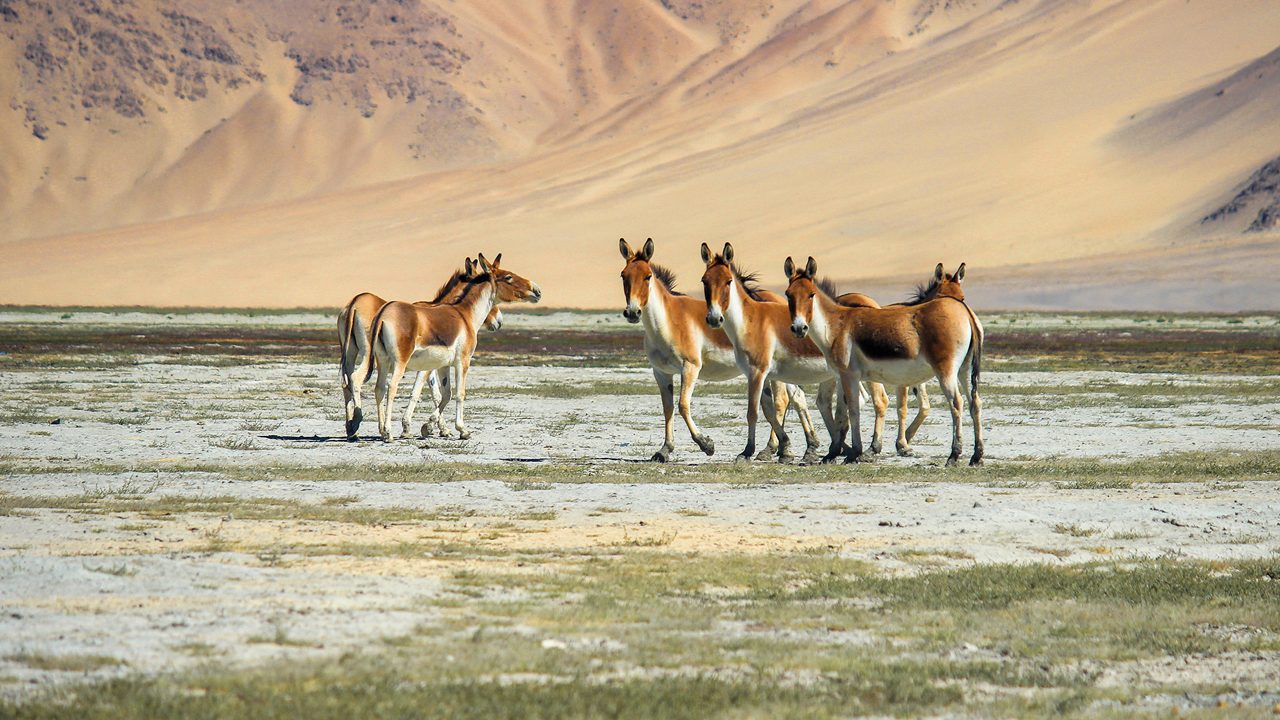
High in the trans-Himalayan region of Ladakh, Hemis National Park stands as one of India's most spectacular and important protected areas. Established in 1981, this 4,400 square kilometer park is not only the largest national park in India but also home to the highest density of snow leopards anywhere in the world. For wildlife enthusiasts, nature photographers, and adventure seekers, Hemis offers an unparalleled opportunity to experience the majesty of the Himalayas and its most elusive inhabitant - the ghost of the mountains, the snow leopard. The park is part of the rich flora and fauna of Ladakh, making it a must-visit destination for nature lovers exploring the region.
Hemis National Park encompasses the catchments of Markha, Rumbak, and Sumdah valleys, ranging in altitude from 3,300 to 6,000 meters. The landscape is dramatic - snow-capped peaks, deep valleys, high-altitude deserts, and ancient monasteries clinging to cliffsides. This rugged terrain, seemingly inhospitable, supports a surprising diversity of wildlife uniquely adapted to extreme conditions.
This comprehensive guide covers everything you need to know about visiting Hemis National Park, including snow leopard tracking, other wildlife, trekking routes, how to reach, best time to visit, and practical tips for exploring this Himalayan wilderness paradise.
About Hemis National Park
Location & Geography
Hemis National Park is located in the eastern part of Ladakh, in the state of Jammu & Kashmir. The park headquarters are in Hemis, approximately 40 kilometers from Leh, Ladakh's capital. The park spans the Zanskar Range and the Ladakh Range, with terrain varying from deep valleys to high-altitude plateaus.
The park's elevation ranges from 3,300 meters (10,800 feet) at its lowest points to 6,000 meters (19,700 feet) at its highest. This dramatic elevation gradient creates diverse ecosystems and habitats. The landscape features snow-capped peaks, glaciers, alpine meadows, steep cliffs, and rocky slopes - perfect terrain for snow leopards and other high-altitude wildlife.
Climate
Hemis National Park experiences an extreme high-altitude desert climate:
Winter (October - March): Extremely cold with heavy snowfall. Temperatures drop to -20°C to -30°C at night, barely rising above freezing during the day. Most areas are snowbound. This is the best time for snow leopard sightings as they descend to lower elevations following prey.
Summer (June - September): Short, pleasant summer with temperatures from 10-20°C during the day and 0-5°C at night. The park is accessible, wildflowers bloom, and wildlife is active. This is the main trekking season.
Spring/Autumn: Transitional periods with unpredictable weather. Cold but accessible.
Biodiversity
Despite the harsh conditions, Hemis supports remarkable biodiversity:
- 16 Mammal Species: Including snow leopard, Tibetan wolf, Eurasian brown bear, red fox, blue sheep (bharal), urial (shapu), and more
- 73 Bird Species: Including golden eagle, lammergeier, Himalayan griffon vulture, and snowcock
- Unique Flora: Medicinal plants, alpine flowers, and vegetation adapted to extreme conditions
Star Attractions - Wildlife of Hemis
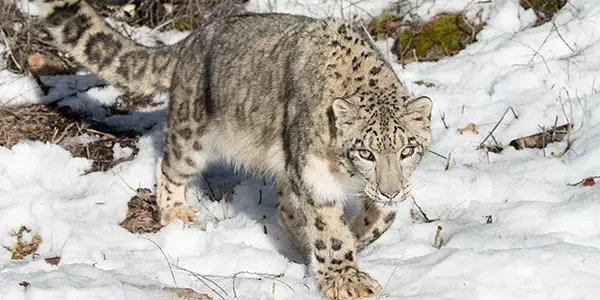
Snow Leopard (The Ghost of the Mountains)
Hemis National Park's most famous resident and primary visitor attraction:
Population: Approximately 200-300 snow leopards in the park (highest density anywhere in the world). The park's healthy prey base and extensive habitat support this robust population.
Best Time to See: Winter (January-February) when snow leopards descend to lower valleys (Rumbak, Husing, Tarlung) following blue sheep. During summer, they retreat to higher elevations and are rarely seen.
Sighting Difficulty: Extremely challenging. Snow leopards are elusive, well-camouflaged, and occupy vast territories. Even experienced trackers may not spot one after days of searching. However, Hemis offers better odds than anywhere else.
Expeditions: Specialized snow leopard tracking expeditions in winter cost ₹1,500-2,500 per day per person, including expert guides, homestays, and all meals. Book well in advance through reputable Ladakhi tour operators.
Tracking: Expert spotters and guides use telescopes to scan slopes for movement, tracks, and kills. Patience and persistence are essential. Most sightings happen at dawn or dusk.
Tibetan Wolf
The apex predator of Hemis when snow leopards aren't present:
Appearance: Larger and sturdier than Indian wolves, adapted to cold climates. Thick grey-brown fur, bushy tail.
Behavior: Hunt in packs, primarily targeting blue sheep and smaller mammals. More commonly seen than snow leopards.
Best Time: Year-round, but winter offers better sightings as they concentrate in valleys.
Blue Sheep (Bharal)
The snow leopard's primary prey and Himalayan icon:
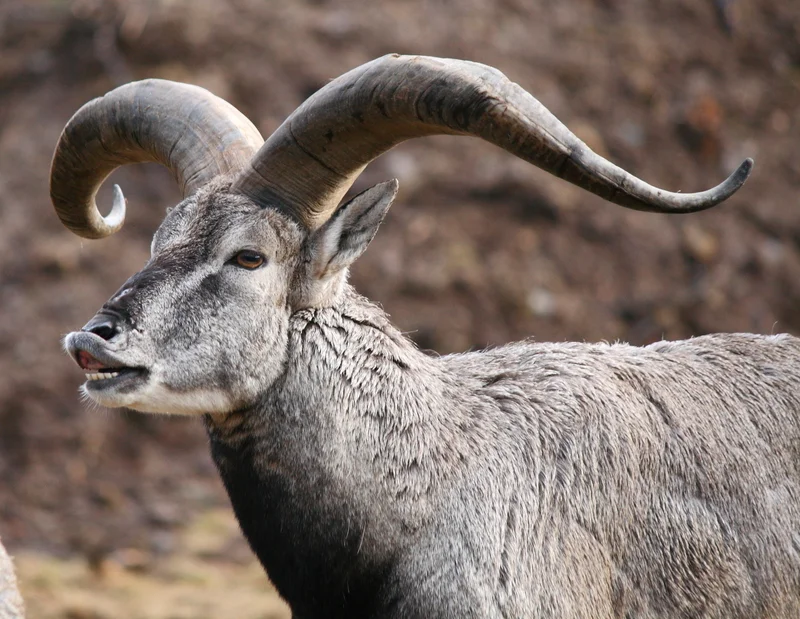
Appearance: Slate-blue grey coloration, impressive curved horns. Males weigh up to 75 kg.
Habitat: Rocky slopes and cliffs between 3,000-5,000 meters. Their incredible agility allows them to escape predators on precipitous terrain.
Sighting: Commonly seen in Rumbak Valley. Often spotted in groups of 10-30 animals.
Other Mammals
- Urial (Shapu): Wild sheep with impressive curving horns. Less common than bharal but seen in some valleys.
- Red Fox: Frequently sighted, especially near homestays where they scavenge.
- Eurasian Brown Bear: Rare, but present in the park. Inhabit higher elevations.
- Himalayan Marmot: Large ground squirrels frequently seen in summer, often standing upright on lookout.
- Ladakhi Urial: Endangered subspecies of wild sheep.
Birdlife
Hemis is a birdwatcher's paradise with raptors being the star attraction:
- Golden Eagle: The apex aerial predator. Frequently seen soaring above valleys. Magnificent bird with a 2-meter wingspan.
- Lammergeier (Bearded Vulture): Impressive vulture with a wingspan up to 2.8 meters. Known for dropping bones to crack them.
- Himalayan Griffon Vulture: Large scavenger, often seen in groups soaring on thermals.
- Snowcock: High-altitude game birds, well-camouflaged on rocky slopes. Tibetan and Himalayan snowcock species present.
- Fire-Fronted Serin: Beautiful small bird found in scrub and valleys.
- Red-Billed Chough: Corvids frequently seen around homestays and cliffs.
- Himalayan Monal: Stunningly pheasant with iridescent plumage. Rare but possible in some areas.
Trekking in Hemis National Park
Popular Routes
Markha Valley Trek: The most popular route, typically 6-8 days. Crosses Kongmaru La (5,150 m). Beautiful scenery, villages, homestays, and good wildlife potential. Most accessible route.
Rumbak Valley: 3-4 day trek focusing on snow leopard tracking in winter. The valley is prime snow leopard habitat. Accommodation in homestays.
Husing to Tarlung: 2-3 day circuit through excellent snow leopard territory. Often combined with Rumbak Valley.
Stok Kangri: Challenging 6,000+ meter peak climb requiring technical skills and permits. For experienced mountaineers.
Homestay Trekking
The Hemis National Park homestay program is an incredible initiative:
- Community-Based: Local villagers provide homestays in traditional Ladakhi houses
- Authentic Experience: Experience traditional Ladakhi village life and hospitality
- Benefit Locals: Tourism revenue directly supports local communities and conservation
- Basic but Comfortable: Clean rooms, warm bedding, delicious home-cooked food
- Cost: Approximately ₹800-1,500 per night including meals
Permits & Regulations
Inner Line Permit: Required for all visitors. Available in Leh. Indian citizens: ₹200-400, Foreign nationals: similar fees (check current rates).
Wildlife Regulations: Strict rules protect wildlife and habitat:
- No off-trail travel
- No littering
- No wildlife disturbance
- Respect local customs
- Compulsory guide for some areas
How to Reach Hemis National Park
By Air
The nearest airport is Kushok Bakula Rimpochee Airport in Leh (IXL), with daily flights from Delhi, Mumbai, Srinagar, and Jammu. The flight offers spectacular views of the Himalayas.
From Leh: Hemis National Park is approximately 40 kilometers from Leh. Hire a taxi (₹2,500-4,000 per day) or take a shared taxi.
By Road
From Manali: 470 kilometers via Leh-Manali Highway. Two-day journey with overnight halt in Sarchu or Keylong. Open June-October (weather dependent). This scenic route passes through the Changla Pass, offering breathtaking views of the Himalayas.
From Srinagar: 434 kilometers via Zoji La. Two-day journey with overnight halt in Kargil. Open June-October (weather dependent).
Trekking Access Points
Zingchen: Main entry point for Rumbak Valley trek. 1-hour drive from Leh.
Martselang: Another entry point for Markha Valley.
Best Time to Visit
Winter (January-February) - Snow Leopard Season
Pros: Best chance of seeing snow leopards as they descend to lower valleys. Fewer tourists. Authentic winter experience.
Cons: Extremely cold (-20°C to -30°C nights). Challenging conditions. Most areas snowbound. Requires excellent preparation and cold-weather gear.
For: Serious wildlife enthusiasts willing to endure extreme conditions for snow leopard sightings.
Summer (June-September) - Trekking Season
Pros: Pleasant weather (10-20°C days). Wildflowers bloom. Park fully accessible. Excellent trekking conditions. Good wildlife viewing (though snow leopards are at high elevations).
Cons: More trekkers and tourists. Snow leopards rarely seen.
For: Trekking enthusiasts, nature lovers, birdwatchers, those wanting more comfortable conditions.
Practical Travel Tips
Acclimatization
Altitude sickness is a serious risk at these elevations:
- Spend 2-3 days in Leh (3,500 m) before entering the park
- Drink 3-4 liters of water daily
- Avoid alcohol and tobacco initially
- Eat light meals
- Take it easy - rest when tired
- Consider Diamox after consulting your doctor
- Descend immediately if symptoms worsen
Packing for Winter
Winter visits require serious preparation:
- Layered clothing - thermal base layers, fleece, down jacket, windproof outer shell
- Warm hat, balaclava, heavy gloves
- Insulated waterproof boots with good grip
- Sunglasses with UV protection and sunscreen
- Lip balm and moisturizer
- High SPF sunscreen and lip balm - UV radiation is intense at altitude
- Quality sleeping bag rated for -20°C if camping
Packing for Summer
- Layers - temperature varies significantly
- Waterproof jacket and pants
- Sturdy trekking shoes broken in before the trip
- Sun protection - hat, sunglasses, high SPF sunscreen
- Water bottle or hydration pack
- Basic first aid kit
Health & Safety
- Travel insurance covering high-altitude activities and emergency evacuation is essential
- Carry comprehensive first aid kit
- Medical facilities are basic - carry necessary medications
- Emergency evacuation is expensive and logistically challenging
- Respect wildlife - maintain distance, never approach animals
- Follow guide instructions regarding wildlife and terrain
Sample Itineraries
7-Day Snow Leopard Expedition
Day 1: Arrive in Leh. Rest and acclimatize. Explore Leh town.
Day 2: Leh acclimatization day. Visit Shanti Stupa, Leh Palace. Prepare for expedition.
Day 3: Drive to Zingchen. Trek to Rumbak Village. Homestay overnight.
Days 4-6: Full days snow leopard tracking in Rumbak, Husing, and Tarlung valleys. Pre-dawn starts, scanning slopes with spotters. Homestays each night.
Day 7: Final morning tracking. Trek back to Zingchen. Drive to Leh. Departure or additional time in Ladakh.
10-Day Markha Valley Trek
Days 1-2: Arrival and acclimatization in Leh.
Days 3-9: Markha Valley trek from Chilling to Shang Sumdo. Cross Kongmaru La (5,150 m). Wildlife viewing, village visits, spectacular scenery.
Day 10: Return to Leh. Departure.
Costs
Snow Leopard Expedition: ₹15,000-25,000 for 7-day all-inclusive expedition (guide, spotters, accommodation, meals, transfers from Leh)
Markha Valley Trek: ₹12,000-20,000 for 10-day trek (guide, homestays, meals, permit, transfers from Leh)
Permits: ₹200-600 depending on nationality and areas visited
Equipment Rental: Available in Leh if you don't have cold weather gear
Why Visit Hemis National Park?
Hemis National Park offers one of the world's most remarkable wildlife experiences. For snow leopard enthusiasts, this is the ultimate destination - the best place on Earth to see these magnificent, elusive cats in their natural habitat. Beyond the snow leopards, the park's dramatic scenery, rich biodiversity, and authentic Ladakhi culture create an unforgettable Himalayan adventure.
Whether you're tracking snow leopards in winter or trekking through wildflower-filled valleys in summer, Hemis offers a profound connection to nature at its most raw and majestic. This is the Himalayas as they've been for millennia - wild, untamed, and awe-inspiring.
Visit Hemis National Park. Experience the Himalayan wilderness. Search for the ghost of the mountains. This is adventure travel at its finest. For those planning a comprehensive Leh Ladakh bike trip, Hemis National Park should definitely be on your itinerary. The region is also home to ancient spiritual sites like Hemis Monastery, adding cultural depth to your wildlife adventure.
Location
Frequently Asked Questions
Q1.Where is Hemis National Park located?
Q2.What is the best time to see snow leopards in Hemis?
Q3.How much does a snow leopard expedition in Hemis cost?
Q4.How difficult is it to see snow leopards in Hemis?
Q5.Do I need permits for Hemis National Park?
Q6.What wildlife can I see in Hemis National Park?
Q7.Is altitude sickness a concern in Hemis National Park?
Recommended For You
Turtuk Village Ladakh: Balti Culture, Stay Options & Border Views
Explore Turtuk Village in Nubra Valley, Ladakh. Complete guide to Balti culture, how to reach, places to visit, homestays & best time.
Monasteries in Ladakh: Routes, Etiquette and Top Gompas
Explore monasteries in Ladakh with practical route planning, key gompa highlights, and respectful visitor etiquette.
Pangong Lake Ladakh: Best Time, Permit Rules & Stay Options
Complete Pangong Lake guide: best time to visit, permits, how to reach from Leh, stay options & travel tips.
Never Miss an Adventure
Get the latest trekking guides, travel tips, and exclusive offers delivered straight to your inbox.
