
Leh to Kargil Bike Trip: Route, Distance, Passes & Tips

Neha Kapoor
December 29, 2025
Leh to Kargil bike trip guide with route, 218 km distance, pass details, stop planning, road conditions, and practical ride tips for safe highway travel.
Introduction: Riding the Historic Leh-Kargil Highway
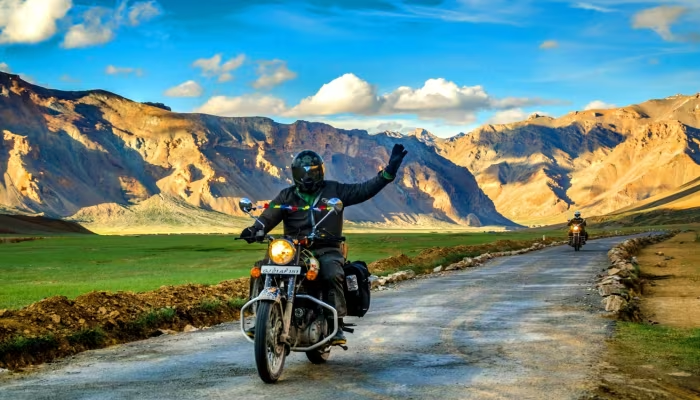
The Leh to Kargil bike trip is one of Ladakh’s most meaningful highway rides because it combines mountain scenery, high passes, monastery landscapes, and living history in a single day-long route. Many riders treat this corridor as only a transfer leg toward Srinagar, but that approach misses the personality of the road. Between Leh and Kargil, the highway gradually shifts from broad river valleys to pass-top viewpoints and old settlements that still reflect the region’s trade and military legacy.
For bikers, this route works well as a confidence-building ride after acclimatizing in Leh. It is long enough to demand planning, yet usually manageable if weather is stable and departure is early. You can ride direct, break the journey in Lamayuru, or extend onward depending on your circuit. This guide covers distance, route choices, road conditions, key stops, fuel strategy, pass logistics, and practical timing so you can enjoy the ride safely. If you are building a larger plan, combine this with Leh to Pangong Lake bike trip, travel guide to Kargil trip, and Lamayuru Moonland Ladakh.
Leh to Kargil Distance and Route Map Reality
The commonly quoted Leh to Kargil distance is around 218 km, though practical ride distance can vary slightly based on detours, viewpoint halts, and your overnight plan. The route runs broadly west from Leh on the Srinagar-Leh highway corridor, passing major landmarks that many riders specifically stop for.
| Route Segment | Approx Distance | Why Riders Stop |
|---|---|---|
| Leh to Magnetic Hill zone | ~30-35 km | Quick stop and photo point |
| Magnetic Hill to Lamayuru region | ~85-95 km | Monastery and Moonland landscapes |
| Lamayuru to Kargil | ~85-95 km | Passes, valley transitions, long scenic highway |
Average moving speed in Ladakh should be kept conservative. On paper, 218 km may seem straightforward, but photo halts, military traffic controls, patchy road sections, and weather can extend total travel time. For most riders, 6 to 8 hours of active riding plus stop time is a realistic expectation.
Road Conditions: What to Expect on Ground
The Leh to Kargil road is often better than more remote inner Ladakh routes, but that does not mean uniformly smooth tarmac. You should expect alternating stretches: good blacktop, occasional broken edges, rougher patches near ongoing works, and short dusty sections where repairs are in progress. In peak season, traffic from tourist vehicles and heavy transport can slow progress near bottlenecks.
Wind exposure can be significant in open valley sections, and afternoon weather may change faster than expected. Even on a relatively easier mountain highway, fatigue builds at altitude. Maintain lane discipline, avoid late braking near blind curves, and keep enough hydration breaks. This route is generally easy to moderate for riders with basic hill-road experience and a properly prepared motorcycle.
- Best riding months: Usually May to October, depending on seasonal updates.
- Surface profile: Mostly paved, with intermittent rough construction zones.
- Difficulty level: Easy to moderate for acclimatized riders.
- Core safety rule: Start early and avoid planning after-dark arrival.
Major Passes on the Leh-Kargil Highway
One reason this ride feels memorable is the sequence of high passes and changing landscapes. Pass crossings are not technical off-road obstacles here, but weather, visibility, and wind can still affect comfort and pacing.
Namika La Pass
Namika La (around 3,700+ meters) is often associated with wide views, prayer flags, and open mountain geometry. The approach is usually gradual, but oxygen levels remain lower than many first-time riders expect. Keep throttle smooth, avoid overexertion during photo stops, and layer up before pass zones where wind chill can rise suddenly.
Fatu La Pass
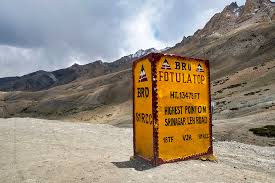
Fatu La, at around 4,100 meters, is among the highest points on this corridor and a landmark milestone for most bikers. Visibility from the top can be spectacular in clear weather, and the surrounding ridges create a classic Ladakh highway panorama. Temperatures can drop quickly here even in season, so keep gloves and thermal layers accessible rather than packed deep.
Bapti La and High-Road Transitions
Smaller high-road transitions in the region are sometimes discussed under local names by drivers and riders. Regardless of nomenclature, the practical approach is the same: stay alert in descent zones, avoid aggressive overtakes, and treat changing surface grip seriously, especially when temperatures fall or rain has passed through.
Top Stops Between Leh and Kargil
The best version of this ride is not a nonstop dash. Strategic halts improve safety and turn the day into a richer travel experience.
Gurudwara Pathar Sahib
A meaningful spiritual stop near Leh, Gurudwara Pathar Sahib is a calm place to pause, reset your pace, and begin the day respectfully. Many riders stop briefly here before continuing westward.
Magnetic Hill and Nimu Belt
Magnetic Hill is one of the route’s most visited points for first-time travelers. Even if you do not spend long, the stop provides a quick break and panoramic background. Nearby, the broader Nimu side offers dramatic valley scenery and a visual sense of how terrain begins to shift as you leave Leh further behind.
Lamayuru Monastery and Moonland
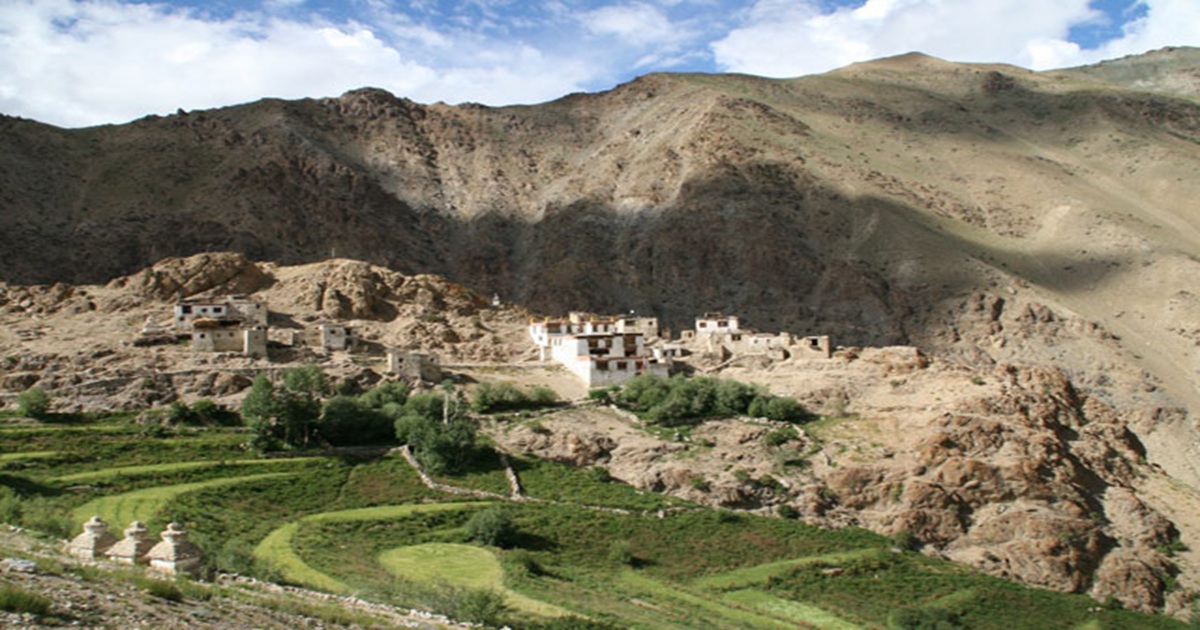
Lamayuru is one of the strongest highlights on this route. The monastery setting, settlement texture, and Moonland formations make it ideal for a longer halt or even an overnight stay. If your schedule allows, Lamayuru transforms the ride from transit into a cultural day journey. Planning details are covered in Lamayuru Moonland Ladakh.
Mulbekh and Highway Village Stops
As you move toward Kargil, village stops offer tea, simple food, and practical rest breaks. Mulbekh is known among travelers for its giant Maitreya statue and roadside significance. These halts are useful not only for sightseeing but also for hydration and fatigue management before the final approach.
Itinerary Options for Different Ride Styles
Option 1: Direct Leh to Kargil in One Day
Best for: Riders with stable acclimatization, limited days, and efficient pacing.
Suggested flow: Depart Leh around 6:00 AM, take short planned stops, cross passes before afternoon weather intensifies, and reach Kargil with daylight buffer.
This option works well if your bike is prepared, weather is clear, and you can avoid long unplanned halts.
Option 2: Two-Day Ride via Lamayuru
Best for: Riders prioritizing slower travel and photography.
Day 1: Leh to Lamayuru, explore monastery and Moonland, overnight stay.
Day 2: Lamayuru to Kargil with pass stops and relaxed pace.
This is often the most satisfying format because it lowers fatigue and allows meaningful stop time at landmarks.
Option 3: Extended Westward Plan
Best for: Bikers continuing toward Drass and Srinagar circuits.
In this case, Kargil becomes both a destination and a strategic reset point for fuel, rest, and route reassessment before the next terrain phase.
Historical Significance of the Leh-Kargil Corridor
The Leh-Kargil highway is more than a scenic route. It has long served as a strategic connection between Ladakh and Kashmir, and its relevance became widely recognized during the Kargil conflict period. Even today, visible military logistics and disciplined highway management reflect the corridor’s continued importance.
Historically, this broader region also linked communities through trade, movement, and cultural exchange. Monasteries, village clusters, and pass routes reflect that layered history. Riding this road with context changes the experience: viewpoints feel less like random halts and more like places in a continuing story of survival, movement, and adaptation in high-altitude terrain. For deeper destination context after arrival, see travel guide to Kargil trip and Kargil war memorial Ladakh.
Fuel, Food, and Preparation Checklist
Preparation on this route is straightforward but non-negotiable. Fill fuel in Leh before departure and avoid assumptions about timing of en-route availability. Even if your bike has good mileage, keep a reserve plan because weather, traffic holds, and detours can increase consumption.
| Preparation Area | What to Do | Why It Matters |
|---|---|---|
| Fuel | Start with full tank; carry reserve if needed | Prevents stress during long no-pump windows |
| Documents | Carry ID, license, RC, insurance copies | Useful at checkpoints and emergencies |
| Clothing | Layered gear, windproof outer shell, warm gloves | Pass weather can turn cold quickly |
| Health | Hydration salts, basic meds, personal first-aid | Altitude fatigue and dehydration are common |
| Navigation | Offline maps + key stop names written down | Network can fluctuate across stretches |
For food, prefer light but regular intake rather than one heavy meal that reduces alertness. Keep dry snacks, water, and electrolyte sachets accessible in your tank bag so you do not postpone hydration until you are already tired.
Before leaving Leh, communicate your route and expected arrival window to a contact. This habit is simple, but valuable if delays happen in low-network sections.
Common Mistakes Riders Should Avoid
- Late departure: Cuts into weather buffer and increases chances of night riding.
- Overloaded itinerary: Too many long stops can force rushed final hours.
- No acclimatization: Riding immediately after arrival in Leh increases fatigue risk.
- Poor layering: Temperature changes across passes are often underestimated.
- Fuel complacency: Treating this as a city highway creates avoidable stress.
A calm, disciplined riding style usually results in a faster and safer day than aggressive riding with frequent recovery breaks.
Final Takeaway
The Leh to Kargil bike trip is one of the best ways to experience Ladakh’s highway character: high passes, monastery landscapes, strategic history, and long-road rhythm in a single corridor. If you pace the ride well, start early, manage fuel and hydration properly, and keep realistic stop planning, this journey is both approachable and deeply rewarding. Do it as a direct transfer or as a two-day cultural ride via Lamayuru, but ride it with respect for terrain and weather—and you will remember this highway long after the trip ends.
Location
Frequently Asked Questions
Q1.What is the distance from Leh to Kargil?
Q2.How long does it take to ride from Leh to Kargil?
Q3.Is the road from Leh to Kargil in good condition?
Q4.What passes are on the Leh-Kargil highway?
Q5.Can I visit Magnetic Hill on the Leh-Kargil route?
Q6.Is Leh to Kargil bike ride difficult?
Q7.What are the main stops between Leh and Kargil?
Q8.Can I include Lamayuru while riding Leh to Kargil?
Recommended For You
Leh to Pangong Lake Bike Trip: Route, Distance & Tips
Leh to Pangong Lake bike trip guide with route, distance, Chang La crossing tips, permits, stay options, and practical safety planning for riders.
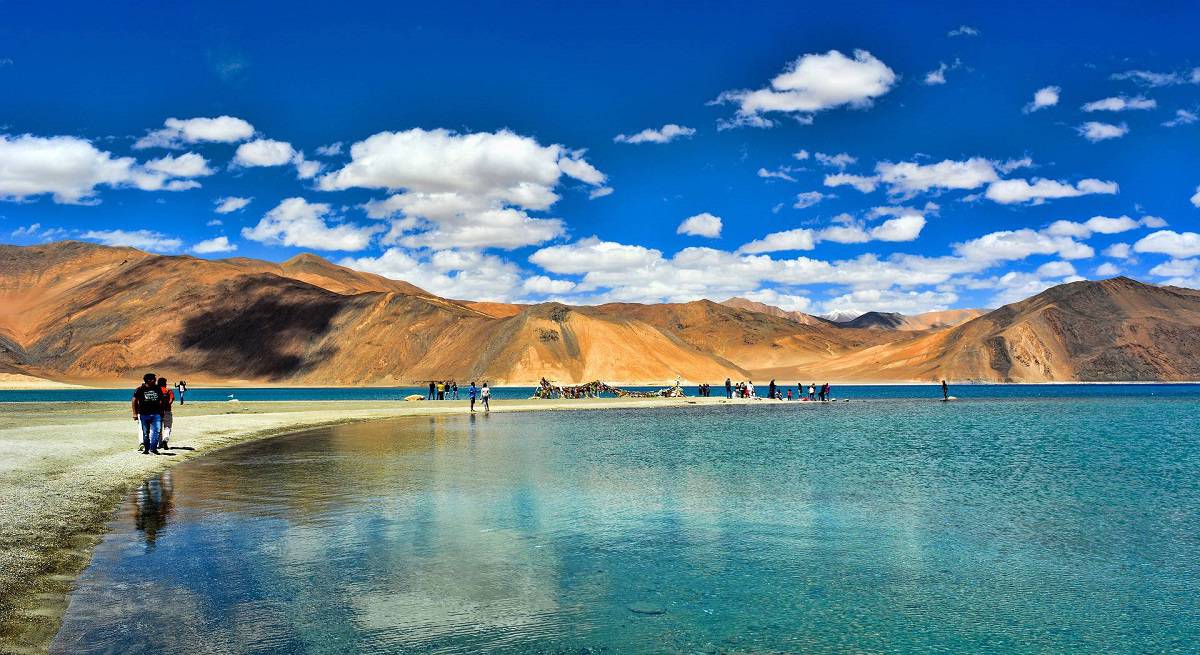
Pangong Lake Ladakh: Best Time, Permit Rules & Stay Options
Complete Pangong Lake guide: best time to visit, permits, how to reach from Leh, stay options & travel tips.
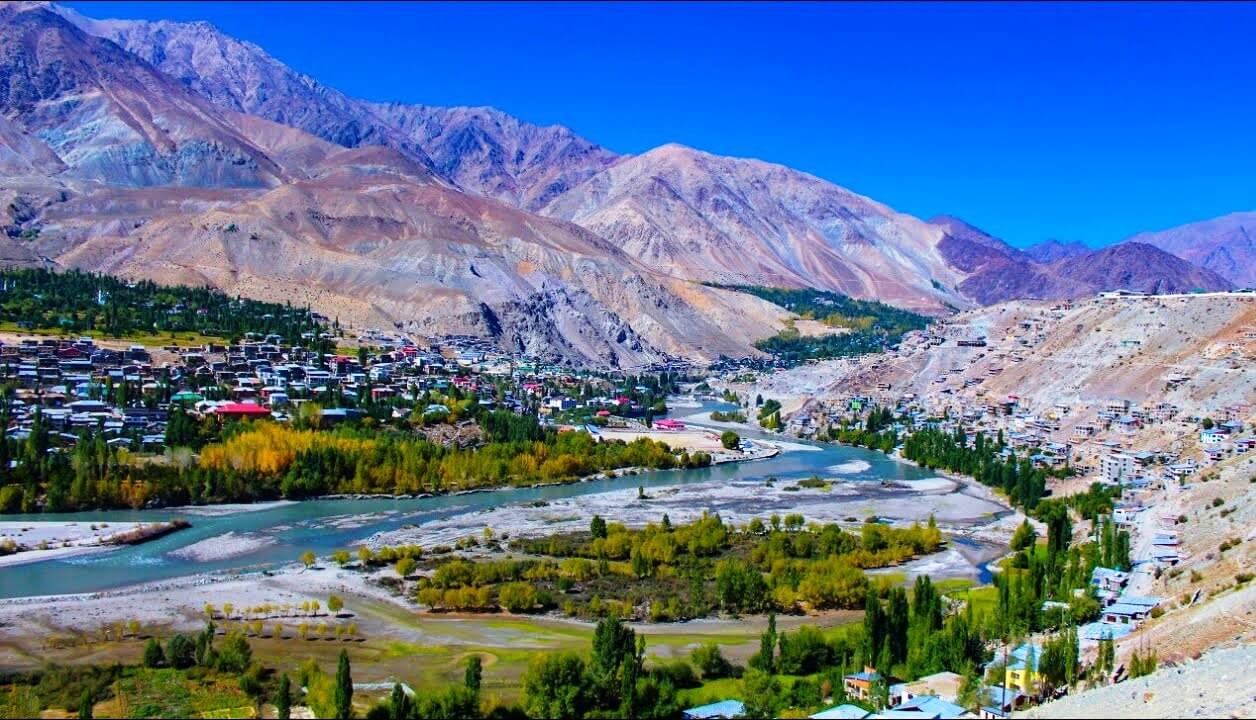
Places to Visit in Kargil: Monasteries, War Memorials & Valley Routes
Explore places to visit in Kargil with War Memorial, Drass, Suru Valley, monastery routes, road-trip planning, and practical mountain travel tips.
Never Miss an Adventure
Get the latest trekking guides, travel tips, and exclusive offers delivered straight to your inbox.
