
Kargil Trip Guide: How to Plan, Best Time & Places to Visit

Priya Mehta
January 14, 2026
Complete Kargil trip guide covering best time to visit, how to reach, places to visit, accommodation, things to do, cost, and practical tips for traveling to this historic Ladakhi town.
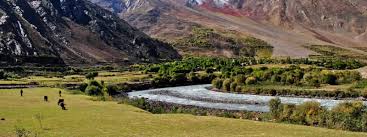
Nestled at an altitude of 2,676 meters along the banks of the Suru River, Kargil is a town that resonates with history, valor, and raw Himalayan beauty. Located in the union territory of Ladakh, this remote destination gained global attention during the 1999 Kargil War, but there's much more to discover here. From ancient monasteries and stunning high-altitude passes to the surreal Drass Valley and warm Balti culture, a Kargil trip offers an authentic Himalayan experience far from the crowds of Leh.
This comprehensive travel guide will help you plan every aspect of your Kargil adventure—from the best time to visit and how to reach, to top attractions, accommodation options, and practical tips for traveling in this high-altitude region.
Why Visit Kargil?
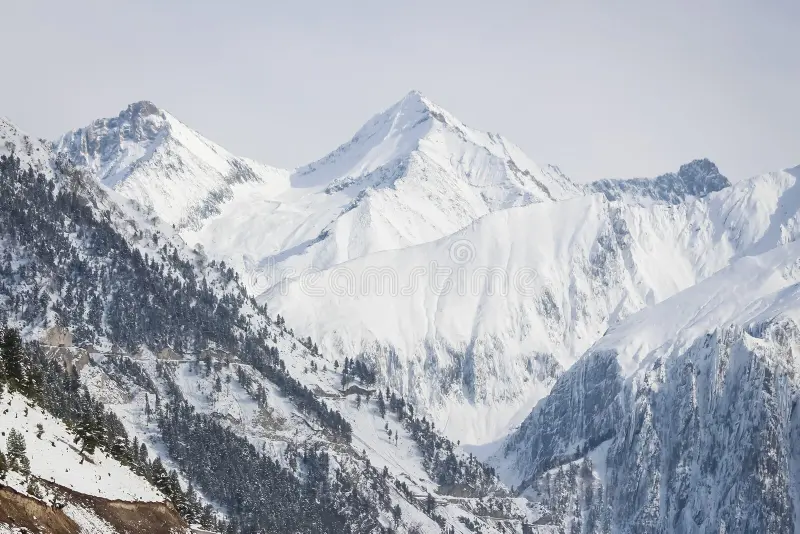
Kargil holds a unique place in India's geography and history. It's the second-largest town in Ladakh after Leh and serves as a crucial stopover on the Srinagar-Leh highway. But beyond its strategic importance, Kargil offers travelers a blend of natural beauty, Buddhist and Islamic heritage, and warm hospitality that's distinctly Balti.
The region is home to some of the most dramatic landscapes in the Himalayas—towering peaks, deep valleys, glacial rivers, and high-altitude deserts. The Suru Valley, in particular, is a stunning contrast of green villages against stark mountains, while the Drass Valley claims to be the second-coldest inhabited place on Earth.
For history buffs and patriots, Kargil's war memorials and battlefields offer a moving tribute to the soldiers who fought here. For culture enthusiasts, the region's ancient monasteries and mosques reflect centuries of Buddhist and Islamic coexistence. For adventure seekers, the high passes and treks provide adrenaline-pumping experiences amidst breathtaking scenery.
Best Time to Visit Kargil
Kargil experiences extreme weather with harsh winters where temperatures plummet to -40°C and pleasant summers. The region remains snowbound for much of the year, limiting the travel window significantly.
| Season | Months | Temperature | Pros | Cons |
|---|---|---|---|---|
| Summer | June - September | 15°C to 25°C (day) / 5°C to 10°C (night) | Pleasant weather, road access, trekking possible, vibrant festivals | Crowded, higher prices, need to book in advance |
| Autumn | October | 10°C to 20°C (day) / 0°C to 5°C (night) | Fewer crowds, clear views, golden landscapes | Getting colder, some facilities start closing |
| Winter | November - April | -20°C to -10°C (extreme cold) | Snow landscapes, winter trekking for experienced adventurers | Zojila Pass closed, most accommodation shut, extreme conditions |
| Spring | May | 5°C to 15°C (day) / -5°C to 5°C (night) | Snow melting, valleys turning green, fewer tourists | Roads just opening, unpredictable weather, chilly |
Ideal Time: June to September is the best and only practical window for most travelers. The roads are open, weather is pleasant, and all facilities are operational. July and August are peak season with the best weather but also maximum crowds. September offers a sweet spot with fewer tourists and clear views of the Himalayan peaks.
How to Reach Kargil
By Road (Most Practical)
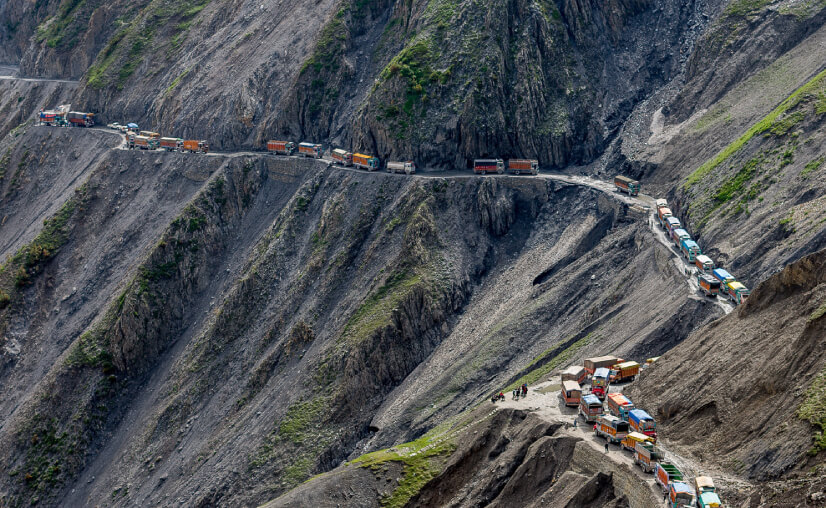
Kargil is connected to the rest of India by road, but access is seasonal due to snow closures on high passes.
From Srinagar (Most Common Route - 204 km):
Take the NH-1 (Srinagar-Leh highway) via Sonamarg. The journey takes 6-8 hours and includes crossing the Zojila Pass (3,528 meters), one of the highest motorable passes in the world. The pass offers stunning views but can be intimidating for those uncomfortable with heights and winding roads.
From Leh (217 km):
The Leh-Kargil road via Fotu La Pass (4,108 meters) takes 5-6 hours. This route is equally scenic with dramatic mountain landscapes. The roads are generally in better condition than from the Srinagar side.
From Padum (Zanskar) - 240 km:
For the adventurous, the Kargil-Padum road is a spectacular journey through the Suru Valley and over the Pensila Pass (4,400 meters). This road is only open from July to September and can be challenging—consider hiring a local driver experienced with the route.
By Air
The nearest airports are:
- Srinagar Airport (SXR): 204 km away, 6-8 hours by road. Has good connectivity to Delhi, Mumbai, and other major Indian cities.
- Leh Airport (IXL): 217 km away, 5-6 hours by road. Flights operate year-round (weather permitting) with connections to Delhi, Jammu, and Srinagar.
There's no airport in Kargil itself. Most travelers fly into Srinagar or Leh and then travel to Kargil by road.
By Train
The nearest railway station is Jammu Tawi (approximately 550 km from Kargil via Srinagar). From Jammu, you can take a bus or taxi to Srinagar (8-10 hours) and then proceed to Kargil. The train journey to Jammu is scenic and comfortable, with connections from all major Indian cities.
Where to Stay in Kargil
Accommodation in Kargil is basic but comfortable. Don't expect luxury resorts, but you'll find clean, functional hotels, guesthouses, and homestays that offer warm hospitality.
Hotels in Kargil Town
The Kargil Hotel: One of the better options in town, offering comfortable rooms with mountain views, a restaurant serving local and Indian cuisine, and reliable hot water. Located on the main road, making it convenient for exploring.
Hotel Greenland: A mid-range option with clean, spacious rooms and a friendly staff. The in-house restaurant serves good food, and they offer assistance with tour planning and taxi arrangements.
Zojila Residency: A government-run property offering basic but clean accommodation. It's one of the more affordable options and is conveniently located.
Guesthouses and Homestays
Suru Valley Homestays: For a more authentic experience, consider staying in homestays in villages around Kargil, particularly in the Suru Valley. These offer basic but comfortable accommodation and home-cooked Balti meals. Popular villages include Sankoo, Panikhar, and Rangdum.
Guesthouses in Drass: If you're spending time in Drass Valley, there are several basic guesthouses. options include Drass Gateway and small family-run guesthouses offering simple rooms and meals.
Booking Tips
- Book in advance during peak season (July-August) as options are limited
- Call ahead to confirm hot water availability and heating (essential in cold months)
- Most hotels include breakfast, but confirm when booking
- For homestays, arrange meals in advance as food options in villages are limited
Top Places to Visit in Kargil
1. Drass War Memorial
Distance from Kargil: 60 km
Time Required: 1-2 hours
Located in Drass, the second-coldest inhabited place on Earth, the Drass War Memorial (also known as the Vijaypath) is a poignant tribute to the soldiers who sacrificed their lives during the 1999 Kargil War. The memorial features a giant sandstone wall with the names of all the martyrs inscribed on it, along with a gallery displaying photographs and artifacts from the war.
The memorial offers stunning views of the Tololing Ridge and Tiger Hill, which were key battlefields during the conflict. The flag here is always at half-mast in memory of the fallen soldiers. A visit here is a somber but essential experience, offering insight into the bravery and sacrifice of the Indian Army. The memorial also has a small museum and a souvenir shop.
2. Mulbekh Monastery
Distance from Kargil: 45 km
Time Required: 1 hour
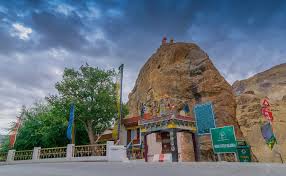
One of the most fascinating monasteries in Ladakh, Mulbekh Gompa is perched dramatically on a rocky cliff overlooking the village. The monastery is famous for a 9-meter tall statue of Maitreya Buddha (future Buddha) carved directly into the rock face. This ancient statue dates back to the 8th century and is a stunning example of Kashmiri art influence on Buddhist sculpture.
The monastery complex consists of two gompas—Serdung Gompa (older) and Rgaldang Gompa (newer). The location offers panoramic views of the surrounding valley and mountains. The resident monks are welcoming and happy to explain the history and significance of the site.
3. Suru Valley
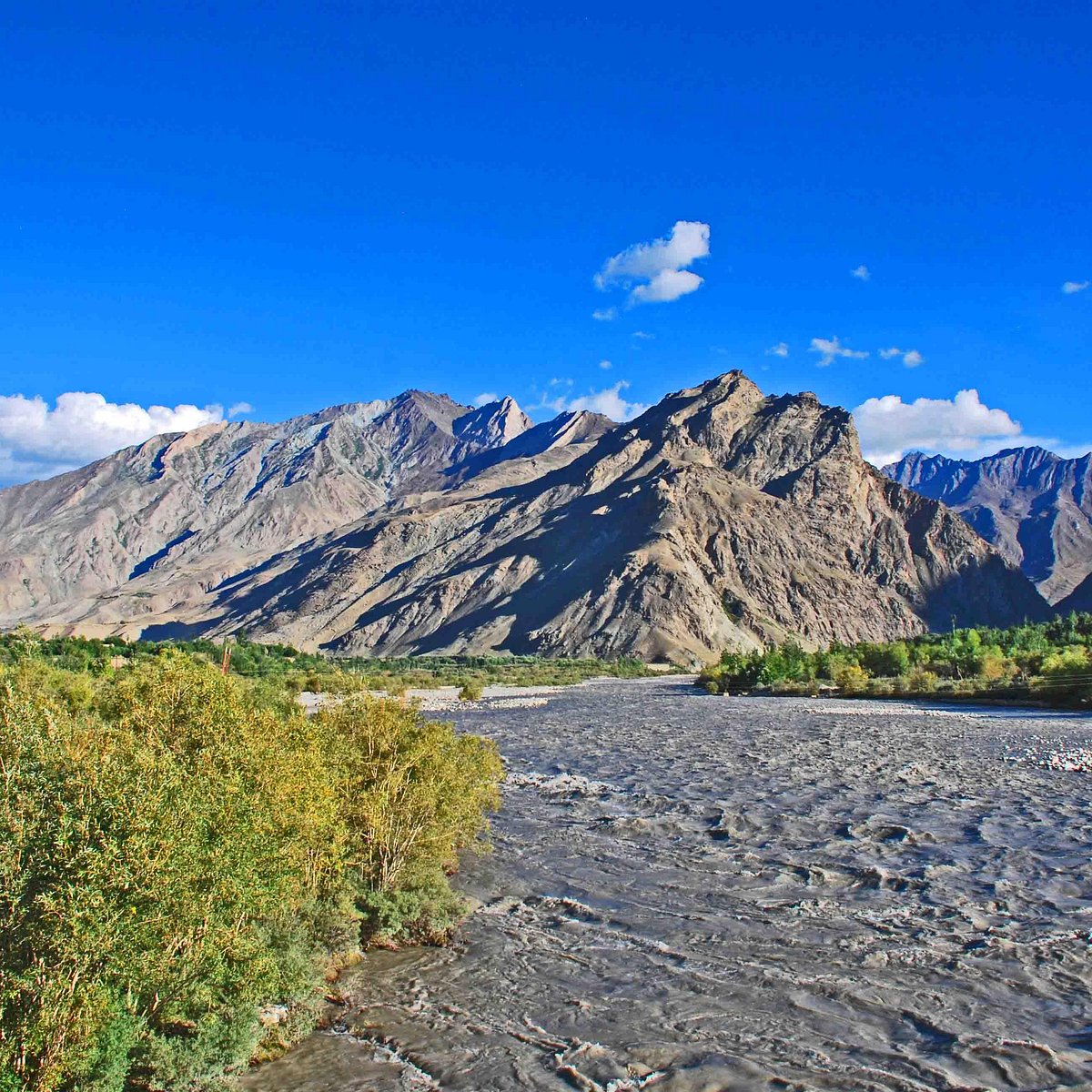
Distance from Kargil: The valley stretches from Kargil to Padum (240 km)
Time Required: 1-2 days for exploration
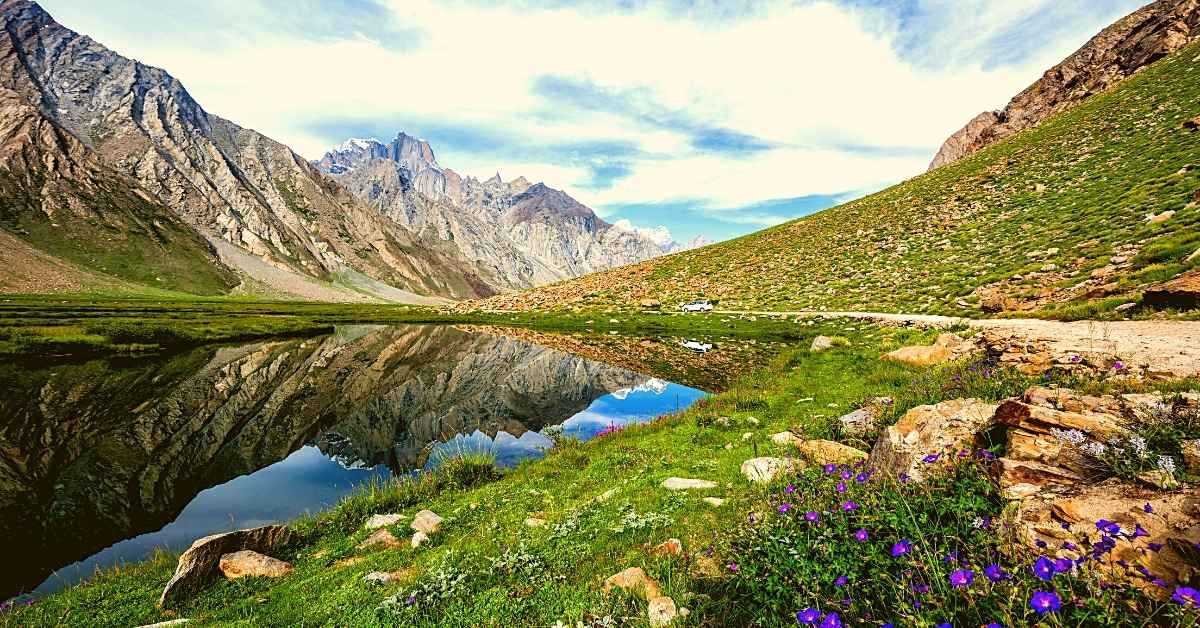
The Suru Valley is one of Ladakh's most beautiful regions, offering a stunning contrast of verdant villages, terraced fields, and snow-capped peaks. The valley is home to the Suru River, which originates from the Panzella Glacier. Unlike the barren landscapes of much of Ladakh, the Suru Valley is surprisingly green, thanks to the glacial waters that irrigate the land.
Key stops in the valley include:
- Sankoo: A picturesque village known for its apricot orchards and ancient rock carvings
- Panikhar: The largest village in the valley, offering stunning views of the Nun-Kun massif
- Rangdum: A remote village with a monastery perched dramatically on a hill
The valley is excellent for camping, trekking, and experiencing traditional village life. The best time to visit is July-August when the valley is at its greenest and wildflowers are in bloom.
4. Zanskar Valley (via Kargil)
Distance from Kargil: 240 km to Padum
Time Required: 3-5 days
While not in Kargil district per se, Zanskar is often accessed via Kargil and is one of the most remote and beautiful regions in the Himalayas. Known as the "land of white copper," Zanskar offers dramatic landscapes, ancient monasteries, and a unique Tibetan Buddhist culture that has remained isolated for centuries.
Highlights include:
- Padum: The administrative capital and main town
- Karsha Monastery: The largest monastery in Zanskar
- Phugtal Monastery: A stunning monastery built into a cliffside cave
- Zanskar River: Famous for the Chadar Trek in winter
The journey from Kargil to Zanskar is challenging but spectacular, crossing the Pensila Pass (4,400 meters) and offering some of the most dramatic scenery in the Himalayas.
5. Kargil War Memorial
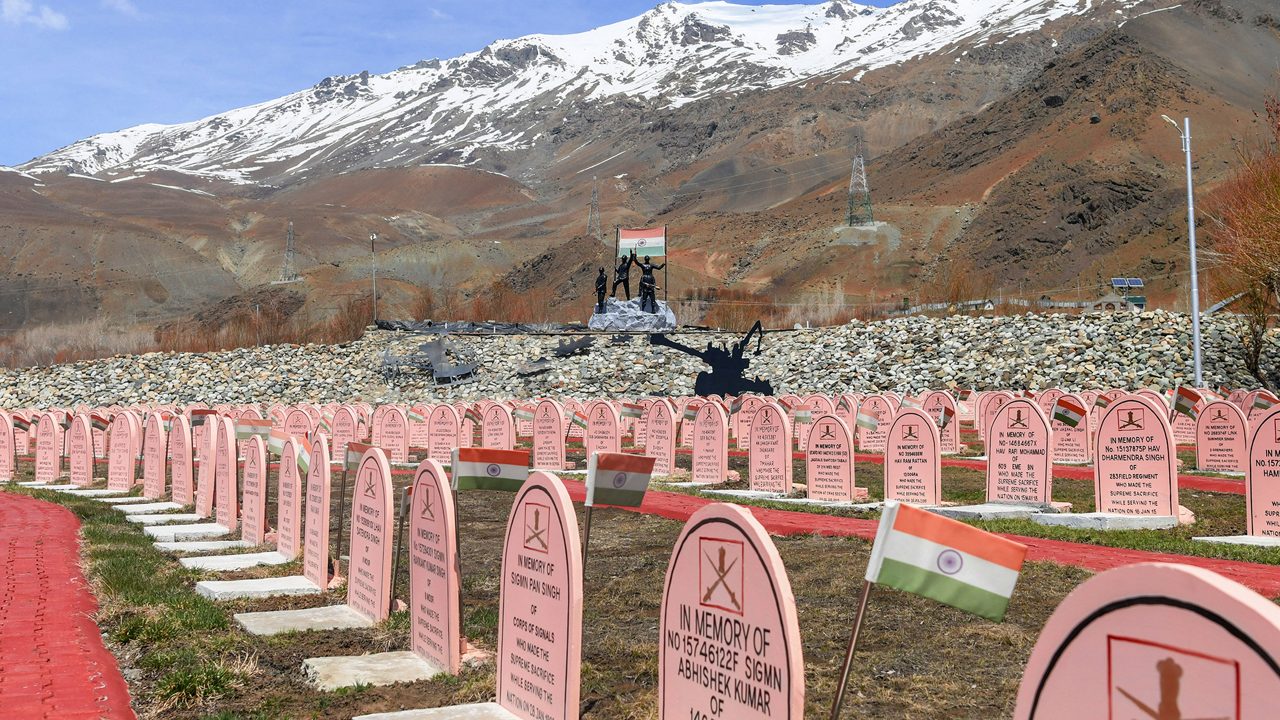
Distance from Kargil: 5 km
Time Required: 1 hour
Located at the base of the Tololing Ridge, this memorial commemorates the victory of Operation Vijay during the 1999 Kargil War. The memorial features the iconic "Vijay Diwas" inscription, a gallery showcasing war artifacts, and replicas of the peaks that were captured during the conflict.
The memorial offers a panoramic view of the surrounding mountains and battlefields. It's a moving experience to stand here and imagine the challenging conditions under which the war was fought at such high altitudes. The memorial is maintained by the Indian Army and is impeccably kept.
6. Hundurman Museum
Distance from Kargil: 12 km
Time Required: 1 hour
A unique museum located in a village that was once part of Pakistan-occupied Kashmir before the 1971 war. The museum showcases the lives of people who lived under Pakistani administration and later became Indian citizens. The collection includes old Pakistani currency, postage stamps, household items, and photographs documenting this fascinating chapter of history.
The museum is privately run by a local family who were residents of the village before its integration into India. They offer personal insights and stories that bring this slice of history to life.
7. Shargole Monastery
Distance from Kargil: 35 km
Time Required: 1 hour
A small but beautiful monastery perched dramatically on a cliff, overlooking the Suru Valley. Shargole Gompa is known for its ancient frescoes and statues, including a remarkable image of Avalokiteshvara with 11 heads and 1000 arms. The monastery's location is breathtaking, offering panoramic views of the surrounding mountains and valley.
The climb to the monastery is short but steep, and the monks are welcoming to visitors who make the effort to visit.
Things to Do in Kargil
- Attend the Losar Festival: If visiting in December/January, experience the Tibetan New Year celebrations with traditional music, dance, and rituals
- Photography: Capture the stunning landscapes—high passes, glaciers, valleys, and ancient monasteries provide endless photo opportunities
- Trekking: Several trekking routes originate from Kargil, including the Suru Valley trek and the classic Zanskar trek
- Visit Local Markets: Explore Kargil's bazaar for local handicrafts, dried apricots, and walnuts—the region is famous for its dry fruits
- Village Walks: Take walks through traditional villages like Sankoo and Panikhar to experience rural Ladakhi life
- Stargazing: With minimal light pollution, Kargil offers incredible night skies—perfect for astrophotography
Kargil Trip Cost
| Expense | Budget (per person) | Mid-Range (per person) |
|---|---|---|
| Accommodation (per night) | ₹800-1,200 | ₹2,000-3,500 |
| Food (per day) | ₹600-800 | ₹1,200-1,500 |
| Transport (taxi per day) | ₹3,500-4,500 | ₹5,000-7,000 |
| 5-Day Trip Total | ₹15,000-20,000 | ₹25,000-35,000 |
*These are approximate costs and vary based on season, type of vehicle, and travel style. Prices are higher during peak season (July-August).
Practical Tips for Kargil Trip
Acclimatization
- Kargil is at high altitude (2,676 meters). Acute Mountain Sickness (AMS) is a real risk.
- Spend your first night in Srinagar (1,585 meters) or Drass (3,280 meters) to help with acclimatization
- Drink plenty of water (3-4 liters daily) and avoid alcohol for the first 24-48 hours
- Take it easy on your first day—no strenuous activity
- Carry Diamox (acetazolamide) after consulting your doctor
- Watch for AMS symptoms: headache, nausea, dizziness, shortness of breath
What to Pack
- Clothing: Layers are essential. Even in summer, nights can be cold (5-10°C). Bring thermals, fleece, windproof jacket, warm hat, and gloves
- Footwear: Comfortable walking shoes with good grip, and sturdy slippers/sandals for wearing inside rooms
- Sun Protection: At high altitude, UV radiation is intense. Bring sunscreen (SPF 50+), sunglasses, and a wide-brimmed hat
- Lip Balm & Moisturizer: The air is extremely dry
- Medications: Personal medications, AMS medication, first aid kit, water purification tablets
- Electronics: Power bank, universal adapter, camera gear
- Documents: ID proof (essential for Inner Line Permit if visiting border areas), permit copies, insurance details
Permits
- Indian nationals don't need a permit to visit Kargil town
- Foreign nationals need a Protected Area Permit (PAP) to visit Ladakh, including Kargil
- Some areas near the border (like Batalik sector) require Inner Line Permits even for Indians
- Check current permit requirements before traveling, as regulations can change
Connectivity
- BSNL and Jio have the best coverage in Kargil. Airtel and Vodafone work intermittently
- Expect limited connectivity—many villages have no mobile coverage
- Wi-Fi is available in most hotels but is slow and unreliable
- Inform family beforehand about potential communication gaps
ATMs and Cash
- There are a few ATMs in Kargil town (J&K Bank, SBI, PNB), but they frequently run out of cash
- Carry sufficient cash from Srinagar or Leh
- Credit cards are rarely accepted except in larger hotels
Health and Safety
- Consult your doctor before the trip, especially if you have health conditions
- Carry a comprehensive first aid kit
- The nearest well-equipped hospital is in Srinagar or Leh
- Road conditions can be challenging—always wear seatbelts
- Follow your driver's advice on mountain driving etiquette
- Don't venture into remote areas alone or without proper information
Sample Kargil Itinerary (5 Days / 4 Nights)
Day 1: Arrive in Srinagar, explore the Mughal Gardens, overnight in Srinagar
Day 2: Srinagar to Kargil via Sonamarg and Zojila Pass (204 km, 6-7 hours). Visit the Drass War Memorial en route. Overnight in Kargil.
Day 3: Explore Kargil town, visit the Kargil War Memorial and Mulbekh Monastery. Drive to Suru Valley, visit Sankoo village. Overnight in Kargil or homestay in Suru Valley.
Day 4: Full day in Suru Valley—visit Panikhar, enjoy the scenery, short hikes or village walks. Overnight in Kargil or Suru Valley.
Day 5: Kargil to Leh (217 km, 5-6 hours) via Fotu La Pass. Visit the Lamayuru Monastery en route. Arrive in Leh by evening.
Conclusion
A trip to Kargil is not just a vacation—it's an experience that stays with you. From the poignant war memorials that honor brave soldiers to the ancient monasteries that whisper tales of centuries past, from the dramatic landscapes that take your breath away to the warm Balti hospitality that makes you feel at home, Kargil offers something truly special.
Yes, getting here requires effort. The roads are challenging, the altitude is demanding, and the facilities are basic. But isn't that what makes travel worthwhile? The most rewarding destinations are often the ones that don't come easy. And Kargil rewards those who make the journey with experiences and memories that few places can match.
So pack your warmest clothes, prepare your spirit for adventure, and set out to discover Kargil—a land where history comes alive, nature reveals its grandeur, and every turn of the road brings a new vista that leaves you in awe.
Location
Frequently Asked Questions
Q1.When is the best time to visit Kargil?
Q2.How do I reach Kargil?
Q3.Do I need a permit to visit Kargil?
Q4.What is the altitude of Kargil and how do I handle AMS?
Q5.How many days do I need for a Kargil trip?
Q6.What should I pack for a Kargil trip?
Q7.Is Kargil safe for tourists?
Q8.What is the cost of a Kargil trip?
Recommended For You
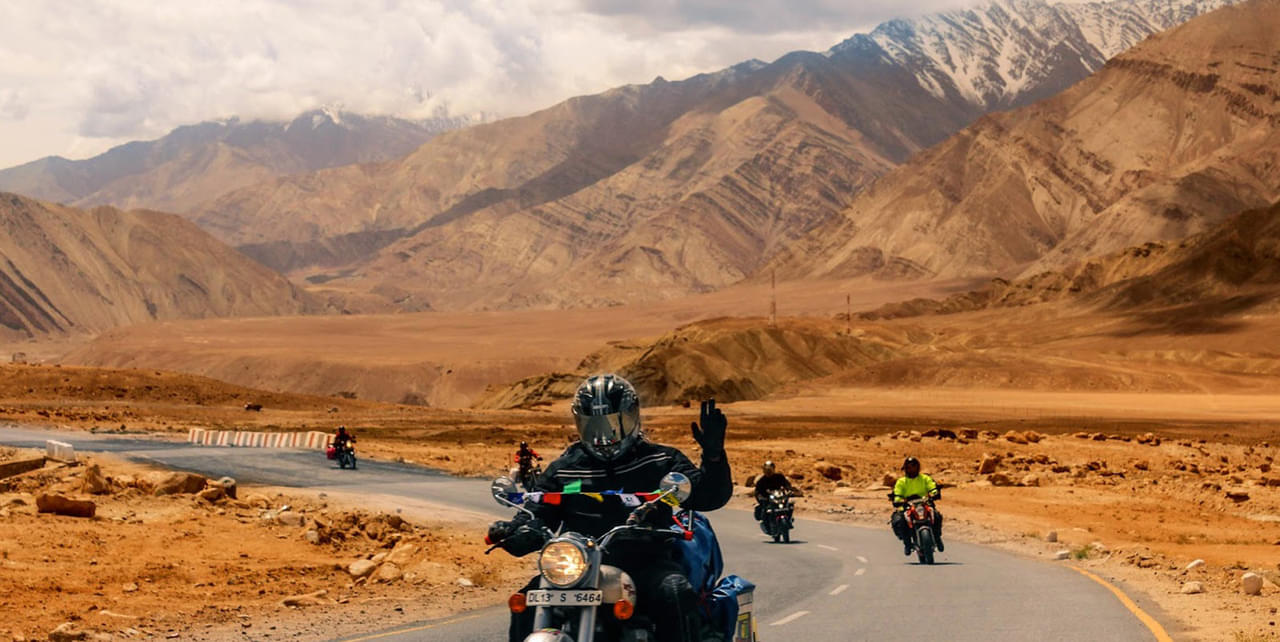
Ladakh by Road: Complete Guide to Manali & Srinagar Routes
Complete guide to traveling to Ladakh by road via Manali and Srinagar routes. Detailed itinerary, best time, vehicle preparation, acclimatization tips, costs, and essential information for this epic Himalayan road trip.
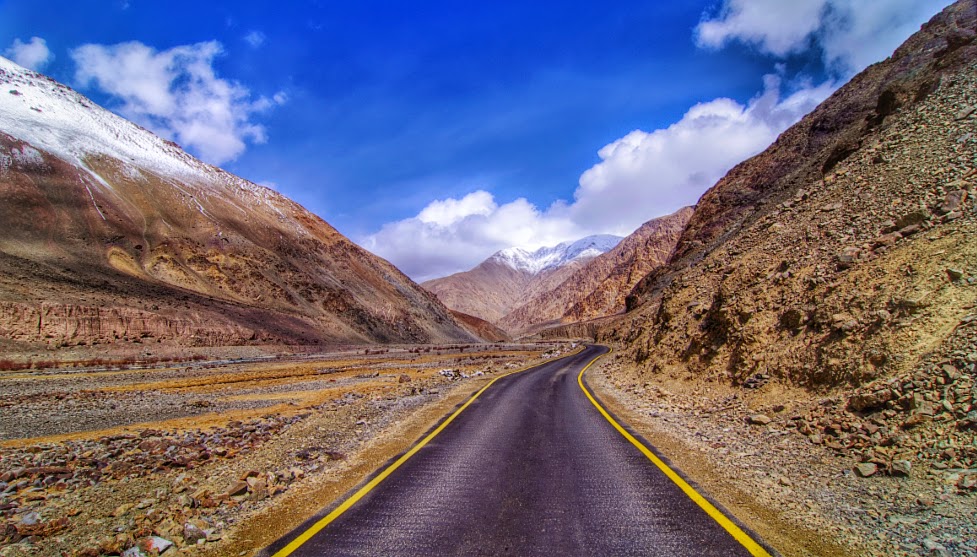
Best Time to Visit Ladakh: Season, Road Openings & Temperature
Find the best time to visit Ladakh with season-wise weather, road opening windows, monthly travel insights, and practical tips for road trips, trekking, and Chadar plans.
Zanskar Valley: Ladakh's Remote Paradise (Complete Travel Guide)
Complete travel guide to Zanskar Valley Ladakh. Best time to visit, how to reach, top places to visit, treks including Chadar, accommodation, cost, and practical tips for this remote Himalayan paradise.
Never Miss an Adventure
Get the latest trekking guides, travel tips, and exclusive offers delivered straight to your inbox.
