
Pangong Lake Ladakh: Best Time, Permit Rules & Stay Options

Neha Kapoor
January 14, 2026
Complete Pangong Lake guide: best time to visit, permits, how to reach from Leh, stay options & travel tips.
Introduction to Pangong Lake Ladakh
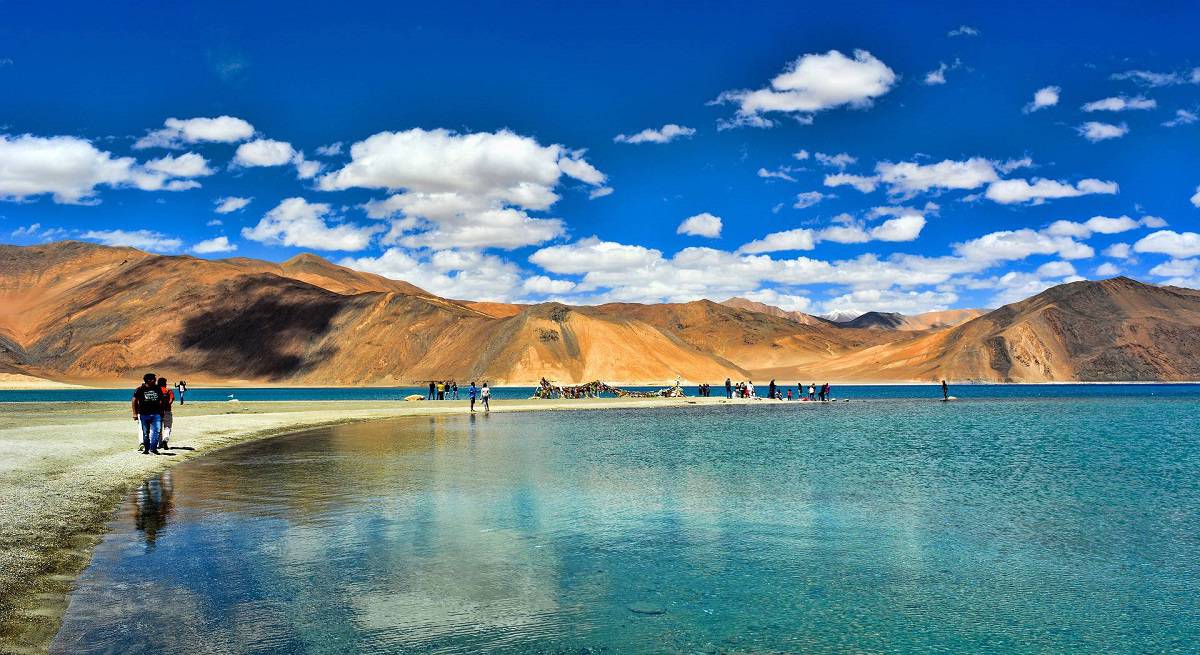
Pangong Lake Ladakh is one of the most iconic high-altitude destinations in India, famous for dramatic color shifts through the day and a stunning mountain-desert setting. The lake lies at around 4,350 meters and stretches across international territory, making it both geologically unique and visually unforgettable. Many travelers first hear about Pangong because of its deep blue summer surface, but the real experience is broader: changing weather, intense light transitions, cold winds, fragile high-altitude ecology, and long road journeys that feel like an expedition.
If you are planning your first trip, this guide covers everything practical: pangong lake best time to visit, permit rules, route from Leh, road condition notes, stay options, temperature expectations, and on-ground travel tips. It also explains what to avoid so your journey remains safe and comfortable at altitude. You can combine Pangong with nearby routes such as changla-pass-ladakh and extended circuits toward nubra-valley-ladakh.
Quick Facts About Pangong Lake
- Location: Eastern Ladakh, high-altitude cold desert zone
- Altitude: Around 4,350 meters (14,270 ft)
- Distance from Leh: Roughly 225 km (route dependent)
- Typical drive time: 5 to 7 hours one way
- Permit: Inner Line Permit required
- Best travel window: May to September, with September-October often most scenic
- Stay zones: Spangmik, Lukung, Merak side camps and homestays
Best Time to Visit Pangong Lake
Pangong changes character in every season. The best time depends on whether you prioritize comfort, clear skies, lower crowd, or winter landscapes.
| Season | Conditions | Trip Experience |
|---|---|---|
| May to June | Cold mornings, opening season roads | Good balance of views and moderate crowd |
| July to August | Milder daytime weather, peak tourism | Most accessible but busier and costlier stays |
| September to October | Clear skies, crisp air, colder nights | Often best for photography and calmer experience |
| November to April | Extreme winter, heavy freezing | Only for well-prepared winter travelers |
For most first-time visitors, September is often ideal because lake colors look vivid and the sky clarity is excellent.
Inner Line Permit Requirements
Pangong Lake lies in a restricted zone, so an Inner Line Permit is mandatory for Indian travelers and specific regulations apply to foreign nationals through protected area rules. Always verify the latest process before travel because administrative procedures can change.
- Who needs permit: Most non-local visitors
- Where to apply: Online portal or local processing support in Leh
- Documents: Valid photo ID, application details, travel route
- Carry copies: Keep printed and digital backup copies
Do not leave Leh without permit confirmation, especially if your itinerary includes multiple restricted sectors.
How to Reach Pangong Lake from Leh
Main Route via Chang La Pass
The most common route goes from Leh to Karu, then climbs toward Chang La before descending through Durbuk and Tangtse toward Pangong. This route is scenic but includes altitude gain and road patches that can become rough due to weather.
- Route: Leh → Karu → Chang La → Durbuk → Tangtse → Pangong
- Approx travel time: 5 to 7 hours
- Road quality: Mixed, with occasional rough sections
- Best for: First-time road travelers from Leh
Start early to avoid afternoon weather shifts and to reach camp before dark.
Pangong Lake Features and Color Changes
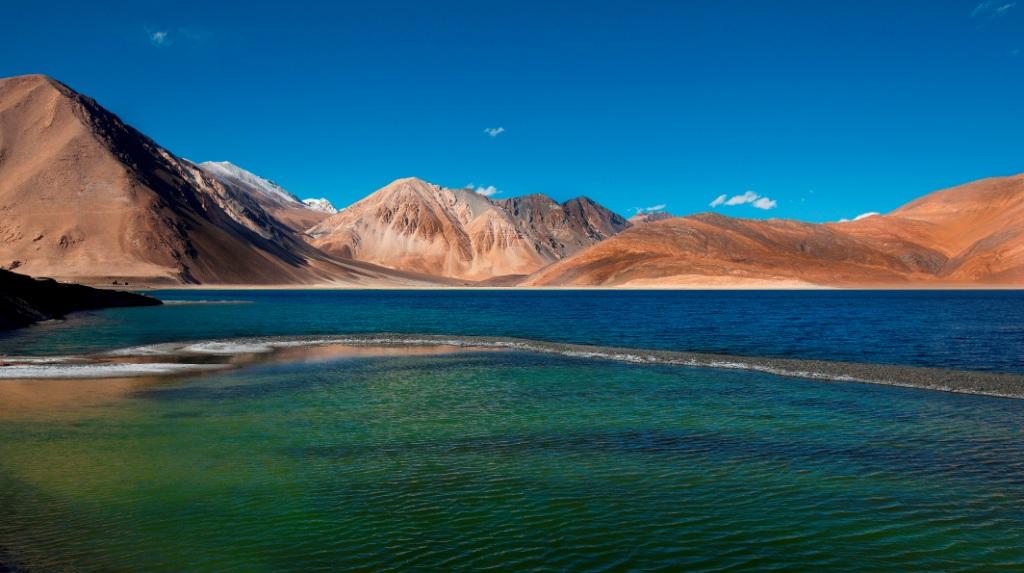
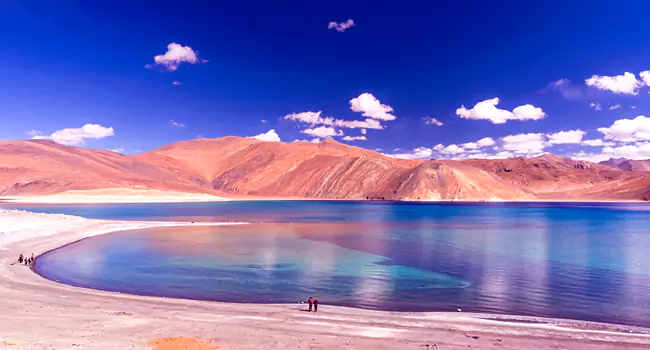
Pangong is famous for changing tones from steel blue to turquoise to dark navy depending on sun angle, cloud movement, and wind. This optical shift is one reason photographers spend long hours around the shoreline. The lake appears calm in one hour and dramatically textured in the next.
- Length: About 134 km in total extent
- Type: Endorheic high-altitude lake with saline characteristics
- Landscape: Barren mountains, open valleys, sharp light contrast
- Photography appeal: Sunrise, late afternoon, and blue-hour transitions
Things to Do at Pangong Lake
Most travelers come for views, but a good itinerary includes several short experiences without overexertion at altitude.
- Observe lake color transitions at different times of day
- Explore village surroundings near camp areas
- Watch night sky if weather is clear
- Capture landscape photos with minimal ecological disturbance
- Enjoy sunrise quietly before tourist movement increases
Keep activities gentle because oxygen levels are lower than at Leh.
Photography Spots and Responsible Shooting
Pangong is one of the best landscape photography zones in Ladakh, but conditions are harsh. Strong wind, dust, and sudden cold can affect both you and your equipment.
- Morning and evening offer softer, richer light.
- Use layered clothing and glove-friendly camera setup.
- Avoid stepping into fragile wet patches near shore.
- Respect restricted and military-sensitive zones.
Drone usage rules can be strict in border-sensitive areas; verify permissions before flying.
Camping and Stay Options Near Pangong
Stay choices range from budget homestays to premium camps. Availability changes by season and weather.
| Stay Type | General Cost Band | Notes |
|---|---|---|
| Budget homestay | Low to medium | Simple rooms, local meals, limited heating |
| Standard camps | Medium | Popular choice, basic comfort and attached services |
| Premium camps | Medium to high | Better insulation and curated experience |
Book in advance during peak season. Nights are cold even in summer, so confirm bedding, hot-water timing, and power backup before arrival.
Weather and Temperature Expectations
Pangong lake temperature varies sharply between day and night. A sunny afternoon can feel comfortable while post-sunset wind may become severe. Even during the tourist season, night temperatures can drop close to freezing. Winter brings extreme conditions with heavy freezing and high travel risk.
- Carry thermal layers, windproof jacket, gloves, and warm socks.
- Protect lips and skin from dry cold and strong UV exposure.
- Do not underestimate evening wind chill near the lake.
Practical Travel Tips
- Spend at least two nights in Leh for acclimatization before Pangong.
- Keep hydration high and avoid heavy meals before steep road sections.
- Carry essential medicines and follow your doctor's altitude advice.
- Fuel up in Leh; remote stretches have limited reliable stations.
- Keep offline maps, ID proofs, and permit copies ready.
- Avoid rushing back late night on mountain roads.
If you are building a longer circuit, routes toward leh-to-pangong-lake-bike-trip can be planned with extra acclimatization days.
Conclusion
If you are curious what the lake and surrounding roads look like outside the main travel season, our guide to Ladakh in December covers the extreme winter conditions and why most travelers avoid that window. Pangong Lake Ladakh is not just a postcard stop. It is a high-altitude experience that rewards preparation, patience, and responsible travel. From permits and route planning to weather-ready packing and realistic timing, every small decision improves the journey. Visit with respect for the landscape, give yourself enough acclimatization time, and you will experience one of Ladakh's most extraordinary destinations at its best.
Location
Frequently Asked Questions
Q1.What is the best time to visit Pangong Lake?
Q2.How far is Pangong Lake from Leh?
Q3.What is Pangong Lake famous for?
Q4.What is the temperature at Pangong Lake?
Q5.Is Inner Line Permit required for Pangong Lake?
Q6.How to get Pangong Lake permit?
Q7.How long is the drive from Leh to Pangong?
Q8.Can we stay at Pangong Lake overnight?
Recommended For You
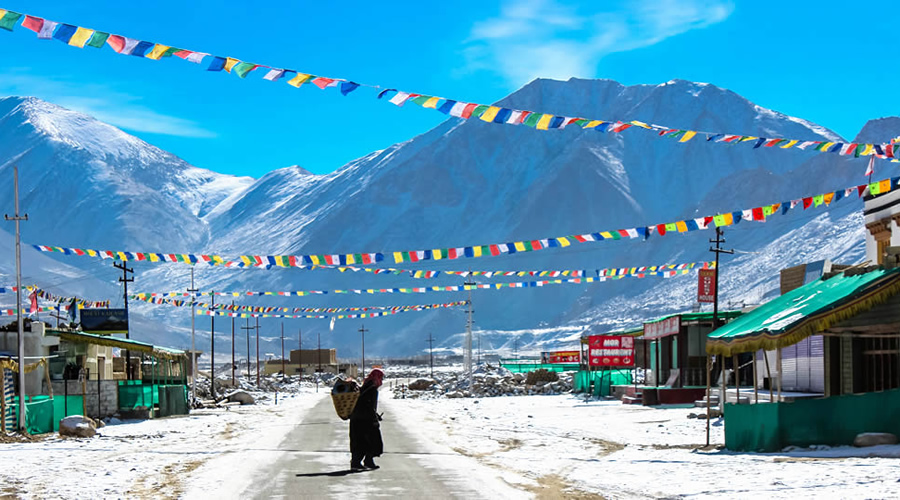
Ladakh in December: Weather, Road Status & Winter Experiences
Visit Ladakh in December. Weather, temperature, frozen lakes, snowfall, road conditions, accessible places & complete winter travel guide.
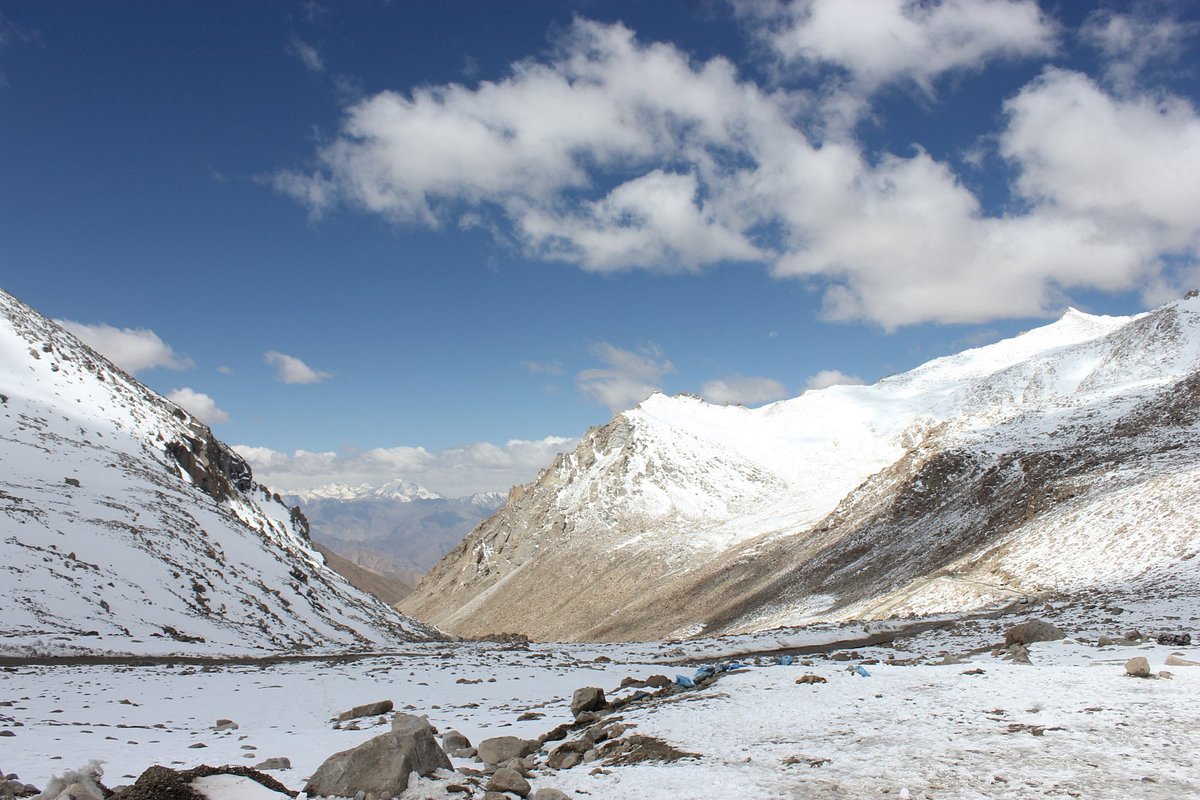
Changla Pass Ladakh: Altitude, Route Conditions & Safety Tips
Plan Changla Pass Ladakh with altitude facts, Leh route guidance, road-condition realities, and AMS safety tips for a smoother high-pass crossing.
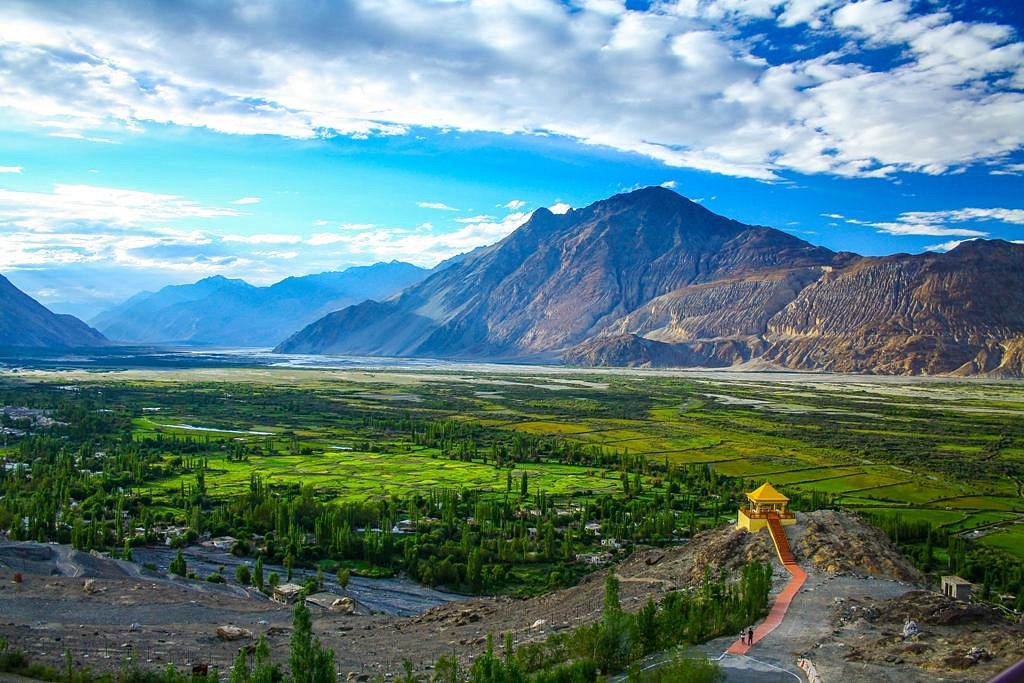
Nubra Valley Ladakh: Itinerary, Permits, Route & Stay Options
Plan your Nubra Valley Ladakh trip with route strategy, acclimatization tips, season guidance, and practical budget planning.
Never Miss an Adventure
Get the latest trekking guides, travel tips, and exclusive offers delivered straight to your inbox.
