
Leke Leke Waterfall Bali: Trek Guide & Tips

Neha Kapoor
February 18, 2026
Discover Leke Leke Waterfall in Bali. Complete trek guide, entrance fee, best time to visit, photography tips & how to reach from Ubud.
Introduction: Bali's Hidden Jungle Waterfall
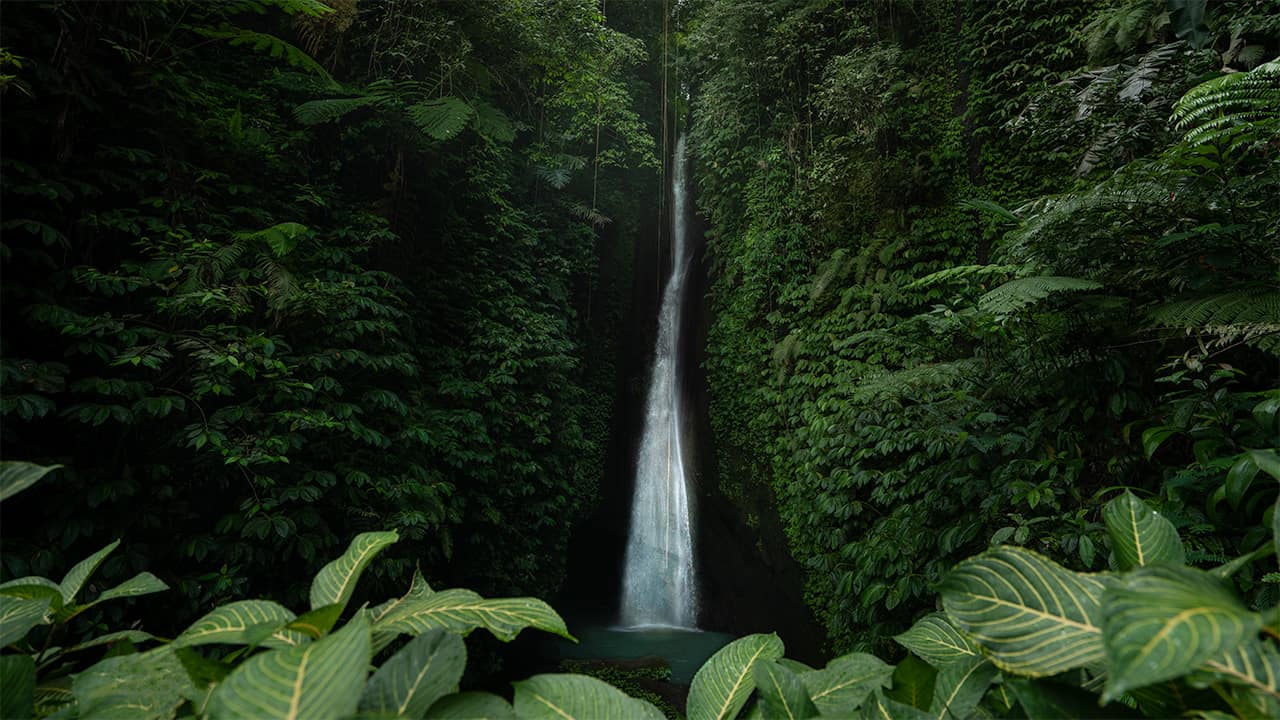
Tucked away in the lush jungles of North Bali lies one of the island's most enchanting natural treasures – Leke Leke Waterfall. While many tourists flock to Bali's famous beaches and temples, those seeking an authentic encounter with nature venture to this secluded cascade that feels worlds away from the island's bustling tourist centers. Named after the local word for "overgrown with grass," Leke Leke embodies the wild, untouched beauty that makes Bali's interior so captivating. What sets Leke Leke apart from other Bali waterfalls is its serene, almost mystical atmosphere. As you descend through the dense jungle, the sounds of modern life fade away, replaced by the symphony of rushing water, chirping birds, and rustling leaves. The waterfall emerges from the canopy like a secret revealed, its pristine waters cascading approximately 40 meters into a crystal-clear pool below. This is not just another tourist attraction – it's a journey into Bali's heartland, where nature reigns supreme and visitors are rewarded with one of the island's most photogenic and peaceful experiences. For adventure seekers and nature lovers, Leke Leke Waterfall offers the perfect blend of accessible trekking and spectacular scenery. Unlike some of Bali's more commercialized waterfalls, Leke Leke retains its natural charm and hasn't been overdeveloped. The trek to reach it, the swim in its refreshing pool, and the surrounding jungle create a holistic experience that connects you with Bali's wilder side. Whether you're a photographer chasing the perfect shot, a trekker looking for your next adventure, or simply someone who appreciates natural beauty, Leke Leke Waterfall deserves a prominent place on your Bali itinerary.
About Leke Leke Waterfall: Nature's Masterpiece
Leke Leke Waterfall is a stunning example of Bali's volcanic landscape shaped by water and time. The waterfall originates from mountain springs high in the Bedugul area, flowing through pristine jungle before plunging over a rocky cliff face. The main drop measures approximately 40 meters, though the waterfall appears taller due to its positioning within a narrow gorge surrounded by towering cliffs and dense vegetation. The waterfall's name comes from the Balinese word "leke-leke," which translates to "overgrown with grass" or "bushy." True to its name, the surrounding area is a tapestry of tropical plants, ferns, mosses, and creeping vines that create a living wall of green around the cascade. This lush vegetation thrives in the constant mist generated by the falling water, creating a microclimate that supports diverse flora and contributes to the waterfall's ethereal atmosphere. At the base of the waterfall lies a natural pool, approximately 2-3 meters deep, perfect for swimming on warm days. The water here is refreshingly cool, typically around 18-20°C, providing a welcome respite from Bali's tropical heat. The pool's rocky bottom and clear waters make it excellent for photography, especially when sunlight filters through the canopy above, creating dappled light patterns on the water's surface. One of Leke Leke's most distinctive features is its relative seclusion. Unlike more famous waterfalls like Tukad Cepung or Sekumpul Waterfall, Leke Leke receives fewer visitors, which means you're more likely to have the place to yourself or share it with just a handful of other appreciative nature lovers. This tranquility allows for deeper connection with the environment and better photography opportunities without crowds interfering with your shots. The geological formation of Leke Leke is fascinating. The waterfall cuts through layers of volcanic rock deposited during Bali's turbulent geological past. The constant flow of water has smoothed and shaped these rocks over centuries, creating interesting formations and small caves that add to the area's visual appeal. During the rainy season (November to March), the waterfall's flow increases dramatically, transforming it into a thunderous cascade. In the dry season, it becomes more gentle and serene, perfect for swimming and intimate photography sessions.The Trek Experience: Journey to the Falls
The adventure to Leke Leke Waterfall begins the moment you leave the main road and start your descent into the jungle. The trek is part of what makes visiting Leke Leke so rewarding – it's not just about the destination but the journey through Bali's beautiful countryside. From the parking area, you'll follow a well-defined path that initially cuts through rice terraces and small farms. This first section offers lovely views of rural Bali – neat green rice paddies, coconut palms, and traditional village homes. Local farmers often work in these fields, and they'll usually offer a friendly smile or nod as you pass by. This section is relatively flat and takes about 5-10 minutes, serving as a gentle warm-up for the descent ahead.
Soon, the path enters the jungle, and the environment changes dramatically. The temperature drops a few degrees as the canopy closes overhead, filtering the sunlight and creating a cool, shaded corridor. This is where the real trek begins. The path becomes steeper, descending through dense jungle with bamboo rails installed to help visitors maintain their footing. These rails are essential – the jungle floor can be slippery, especially after rain, and the incline is significant enough to challenge your leg muscles.
The descent takes approximately 20-30 minutes, depending on your fitness level and how often you stop for photos. Along the way, you'll cross the stream several times using small bridges or stepping stones. These crossings add to the adventure and offer different perspectives of the river as it gathers volume from tributaries. The sound of the waterfall grows progressively louder, building anticipation as you get closer.
The jungle path is a nature lover's delight. You'll pass through areas dominated by bamboo groves, their tall stalks creating natural corridors. Ferns of various sizes line the path, some reaching chest height. If you're quiet and observant, you might spot colorful birds, butterflies, or even small lizards. The constant sound of flowing water accompanies you, and the air is rich with the scent of damp earth and vegetation.
As you near the waterfall, the path becomes more challenging – steeper and potentially muddier. This is where those bamboo rails are particularly helpful. The final section requires careful footing as you navigate rocky steps and tree roots. Just when you think the path might continue endlessly, you round a bend, and suddenly Leke Leke Waterfall appears before you in all its glory.
The first view is genuinely breathtaking. The waterfall cascades down the cliff face, partially framed by overhanging vegetation. The pool at the base shimmers in the filtered sunlight, and the constant spray creates a fine mist that catches the light. It's the kind of scene that makes you pause and simply appreciate the beauty of nature.
The return journey is, as you might expect, entirely uphill. Most visitors find it takes about the same time as the descent – 20-30 minutes – but feels more strenuous due to the climb. Take your time, rest when needed, and use the bamboo rails for support. The physical effort is part of the experience and makes reaching the top and seeing the rice terraces again feel like an accomplishment.
From the parking area, you'll follow a well-defined path that initially cuts through rice terraces and small farms. This first section offers lovely views of rural Bali – neat green rice paddies, coconut palms, and traditional village homes. Local farmers often work in these fields, and they'll usually offer a friendly smile or nod as you pass by. This section is relatively flat and takes about 5-10 minutes, serving as a gentle warm-up for the descent ahead.
Soon, the path enters the jungle, and the environment changes dramatically. The temperature drops a few degrees as the canopy closes overhead, filtering the sunlight and creating a cool, shaded corridor. This is where the real trek begins. The path becomes steeper, descending through dense jungle with bamboo rails installed to help visitors maintain their footing. These rails are essential – the jungle floor can be slippery, especially after rain, and the incline is significant enough to challenge your leg muscles.
The descent takes approximately 20-30 minutes, depending on your fitness level and how often you stop for photos. Along the way, you'll cross the stream several times using small bridges or stepping stones. These crossings add to the adventure and offer different perspectives of the river as it gathers volume from tributaries. The sound of the waterfall grows progressively louder, building anticipation as you get closer.
The jungle path is a nature lover's delight. You'll pass through areas dominated by bamboo groves, their tall stalks creating natural corridors. Ferns of various sizes line the path, some reaching chest height. If you're quiet and observant, you might spot colorful birds, butterflies, or even small lizards. The constant sound of flowing water accompanies you, and the air is rich with the scent of damp earth and vegetation.
As you near the waterfall, the path becomes more challenging – steeper and potentially muddier. This is where those bamboo rails are particularly helpful. The final section requires careful footing as you navigate rocky steps and tree roots. Just when you think the path might continue endlessly, you round a bend, and suddenly Leke Leke Waterfall appears before you in all its glory.
The first view is genuinely breathtaking. The waterfall cascades down the cliff face, partially framed by overhanging vegetation. The pool at the base shimmers in the filtered sunlight, and the constant spray creates a fine mist that catches the light. It's the kind of scene that makes you pause and simply appreciate the beauty of nature.
The return journey is, as you might expect, entirely uphill. Most visitors find it takes about the same time as the descent – 20-30 minutes – but feels more strenuous due to the climb. Take your time, rest when needed, and use the bamboo rails for support. The physical effort is part of the experience and makes reaching the top and seeing the rice terraces again feel like an accomplishment.
Best Time to Visit Leke Leke Waterfall
Timing your visit to Leke Leke Waterfall can significantly impact your experience. Understanding seasonal patterns and daily rhythms will help you plan the perfect trip.| Season | Months | Water Flow | Pros | Cons |
|---|---|---|---|---|
| Dry Season | April - October | Moderate | Safe trail conditions, ideal for swimming, clearer water | Less dramatic waterfall flow |
| Rainy Season | November - March | Heavy | Spectacular waterfall volume, lush vegetation | Slippery trails, limited swimming, more mud |
Best Time of Day
Regardless of the season, the time of day you visit significantly affects your experience: Morning (8:00 AM - 11:00 AM): This is widely considered the best time to visit Leke Leke. Early morning light is soft and flattering, creating beautiful lighting conditions for photography. The waterfall and surrounding jungle are often shrouded in morning mist, adding to the mystical atmosphere. Fewer tourists visit early, so you're more likely to have the waterfall to yourself. The jungle comes alive in the morning with bird calls and the sounds of nature waking up, enhancing the overall experience. The air is also cooler and fresher, making the trek more comfortable. Midday (11:00 AM - 2:00 PM): This is when the sun is directly overhead, which can create challenging lighting conditions for photography due to harsh shadows and bright highlights. The jungle floor, however, remains relatively shaded due to the dense canopy. Midday is when most tour groups arrive, so expect more crowds and less tranquility. On the positive side, if you plan to swim, the water temperature feels more refreshing when the air is warmer. Afternoon (2:00 PM - 5:00 PM): Late afternoon can be excellent for photography, especially if the sky is clear. The lower angle of the sun can create beautiful light rays through the jungle canopy and interesting effects on the waterfall. Tour groups typically thin out in the late afternoon, returning more peace to the environment. However, afternoon is also when sudden rain showers are more likely, especially during the rainy season. The descent back up can be more tiring in the afternoon heat. Weekday vs. Weekend: Whenever possible, plan your visit for a weekday rather than a weekend. Weekends attract local tourists and Balinese families, making the waterfall considerably more crowded. Weekdays, especially Tuesday through Thursday, tend to be much quieter. If you must visit on a weekend, try to arrive very early (before 8 AM) or later in the afternoon (after 3 PM) to avoid the peak crowds.How to Reach from Ubud
Leke Leke Waterfall is located in the Wanagiri area of North Bali, approximately 60 kilometers from Ubud. The journey from Ubud to Leke Leke is part of the adventure, taking you through some of Bali's most beautiful countryside.| Transport Mode | Duration | Approximate Cost | Best For |
|---|---|---|---|
| Scooter Rental | 1.5 - 2 hours | IDR 70,000-100,000/day | Adventure seekers, budget travelers, flexibility |
| Private Car/Driver | 1.5 - 2 hours | IDR 600,000-800,000/day | Comfort, families, those uncomfortable riding scooters |
| Tour/Transport Service | 1.5 - 2 hours | IDR 500,000-700,000/person | Convenience, includes guide, hassle-free |
By Scooter (Most Popular Option)
Renting a scooter is the most popular and adventurous way to reach Leke Leke from Ubud. It offers maximum flexibility and the opportunity to explore at your own pace. The route from Ubud takes you north through Tegalalang (famous for its rice terraces), then through Kintamani (with its volcano views), before descending to the Wanagiri area. The journey is scenic but involves some challenging roads. You'll encounter mountain roads with twists and turns, some steep inclines, and sections with heavier traffic, especially through towns. The road is generally paved and in good condition, but be prepared for narrow sections where you'll need to share the road with cars, trucks, and other scooters. Fuel is readily available at petrol stations along the route, or you can buy from roadside stalls selling fuel in bottles at slightly higher prices – always carry cash for these purchases. Ensure your scooter is in good condition before setting out, especially the brakes, as you'll encounter some steep descents. Driving time is approximately 1.5 to 2 hours, depending on traffic and how many stops you make for photos or rest breaks. Start early to avoid the worst traffic and arrive at the waterfall in the ideal morning time frame.By Private Car/Driver
Hiring a private car with a driver is the most comfortable option, especially for families or those not comfortable driving scooters in Bali. Many drivers also double as guides and can share insights about Bali, its culture, and the areas you pass through. You can arrange a car through your hotel, tour agencies, or ride-hailing apps like Gojek or Grab. Prices vary depending on the type of car (standard vs. luxury) and whether it's for just the waterfall trip or a full day of sightseeing. Most drivers are happy to wait while you trek to the waterfall – factor in 2-3 hours for the round trip trek, though some may charge extra for waiting time. The advantage of a private car is air-conditioning, comfort, and the ability to relax and enjoy the scenery without the stress of driving. You can also easily combine Leke Leke with other North Bali attractions like Wanagiri Hidden Hills, Banyumala Twin Waterfalls, or Handara Gate.From Other Locations
From Munduk: Leke Leke is approximately 15 kilometers from Munduk, making it an easy 30-minute drive. Munduk is actually one of the best bases for exploring North Bali waterfalls, as you're close to several others including Munduk Waterfall and Melanting Waterfall. From Seminyak/Canggu: The journey takes approximately 2.5 to 3 hours depending on traffic, which can be heavy through the Denpasar area. An early start is essential – leave by 6 AM to arrive at Leke Leke by 8-9 AM. From Lovina: Located in North Bali, Lovina is relatively close to Leke Leke – about 45 minutes to 1 hour's drive. This makes Leke Leke an excellent day trip if you're staying in Lovina.Navigating to the Trailhead
Once you reach the Wanagiri area, look for signs pointing to Leke Leke Waterfall. The trailhead is easily accessible from the main road – there's a parking area where you'll need to pay a small parking fee (typically IDR 5,000-10,000 for scooters, slightly more for cars). This is also where you'll pay the entrance fee for the waterfall. The entrance and parking area has basic facilities – a small ticket booth, maybe a few stalls selling drinks and snacks (though these aren't always open), and sometimes toilets. Don't expect much – this is a relatively undeveloped attraction, which is part of its charm. Google Maps generally navigates accurately to Leke Leke Waterfall, but cell service can be spotty in the mountains. Download offline maps as backup. If you're unsure, ask locals – most know "Air Terjun Leke Leke" and will point you in the right direction.Photography Tips: Capturing Leke Leke's Beauty
Leke Leke Waterfall is a photographer's dream, offering multiple angles and perspectives to capture its beauty. Whether you're shooting with a professional camera or your smartphone, these tips will help you get the most stunning shots.Best Angles and Viewpoints
The classic view of Leke Leke is from the pool at its base, facing the waterfall directly. This angle captures the full height of the cascade and allows you to include the surrounding jungle in your frame. The area in front of the waterfall offers several spots for this composition – some on dry ground, others requiring you to stand in the shallow water (bring water shoes or go barefoot). For a unique perspective, try shooting from the side rather than directly in front. This angle can showcase the waterfall's width and the layered rock formations it flows over. The side view often works better for capturing people in the frame, giving a sense of scale to the waterfall. Don't forget to look up. Shooting upward from the base of the waterfall toward the sky can create dramatic images, especially when sunlight filters through the jungle canopy. This technique works well when the waterfall generates mist, which catches the light and creates ethereal effects. Explore the small rocky areas around the pool for elevated viewpoints. Climb carefully (some rocks are slippery) to find angles that look down on the pool or frame the waterfall with foreground elements like ferns or flowing water.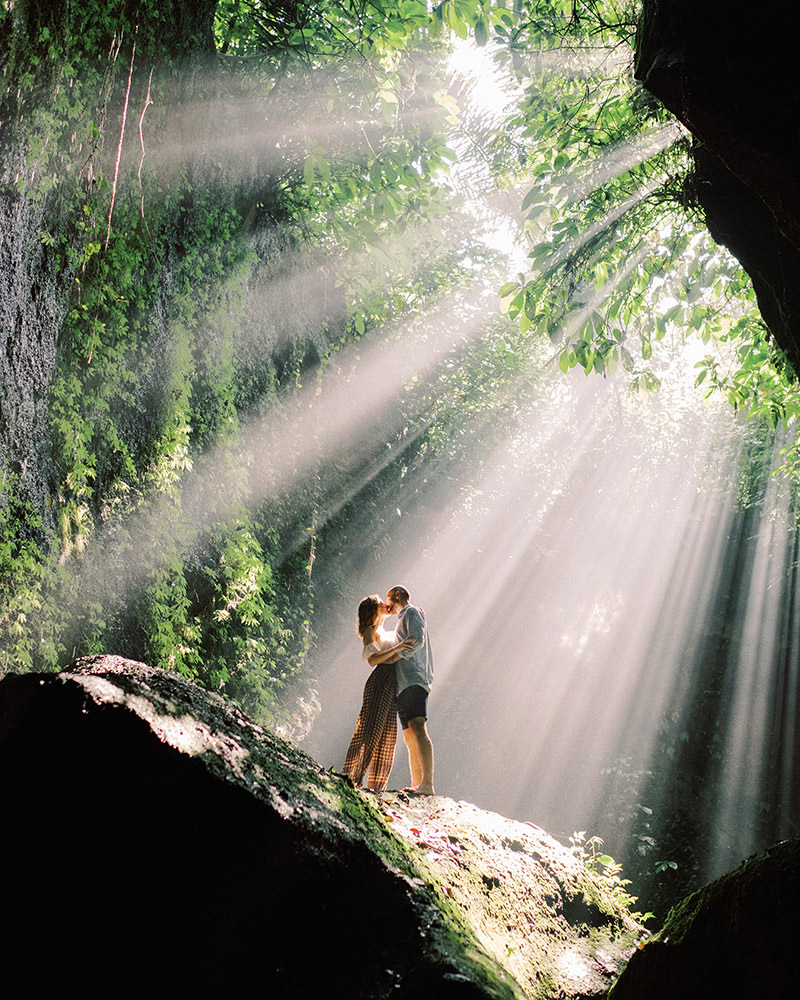
Camera Settings and Techniques
Long Exposure: For that silky water effect, use a long exposure. A shutter speed of 1/2 second to 2 seconds typically works well, depending on the water flow. You'll need a tripod for stability, or at least rest your camera on a stable surface. Use a small aperture (f/11 to f/16) for sharp focus throughout the frame and an ISO of 100 or 200 to minimize noise. If shooting in bright conditions, you may need a neutral density filter to achieve the slow shutter speed without overexposing. Fast Shutter Speed: Sometimes you want to freeze the water's motion, capturing individual droplets and the power of the cascade. A shutter speed of 1/500 second or faster will achieve this effect. This technique works well for dramatic, powerful images that emphasize the waterfall's force. HDR Photography: The high contrast between dark jungle shadows and bright waterfall highlights can challenge your camera's dynamic range. HDR (High Dynamic Range) photography, where you merge multiple exposures, can help capture detail in both the darkest and brightest areas of the scene. Many cameras have built-in HDR modes, or you can bracket exposures and merge them in post-processing. Wide Angle vs. Telephoto: Both lenses have their place at Leke Leke. A wide-angle lens (16-35mm or similar) captures the waterfall within its jungle context, showing the scale of the scene. A telephoto lens (70-200mm or similar) allows you to isolate specific sections of the waterfall, compress the perspective, and create more intimate compositions focused on texture and patterns in the water.Smartphone Photography Tips
Modern smartphones can capture impressive waterfall photos. Use your phone's "pro" or manual mode if available, allowing you to control shutter speed. Many phones have a "waterfall" or "long exposure" scene mode – experiment with these. If your phone supports it, use the "live photo" feature and then convert to a long exposure in editing – this technique mimics traditional long-exposure photography without needing a tripod.Safety Tips for Your Gear
The waterfall environment presents several risks to your photography equipment:- Moisture Protection: The constant mist from the waterfall can damage electronics. Use a rain cover for your camera, or at minimum, keep a microfiber cloth handy to regularly wipe down your equipment. When not shooting, store your camera in a waterproof bag or backpack.
- Water Hazards: Be extremely careful when shooting from or near the water. Rocks are often slippery, and a fall could damage you and your gear. Use a strap on your camera at all times. Consider waterproof photography gear if you plan to get very close to the falling water.
- Mud and Dirt: The jungle path can be muddy, especially after rain. Bring plastic bags to wrap your camera bag when setting it down on the ground. A small towel or cloth is useful for wiping mud off your hands before handling equipment.
Best Lighting Conditions
Overcast days actually provide the best lighting for waterfall photography. The cloud cover acts as a natural diffuser, eliminating harsh shadows and highlights, and allowing the water's true colors to shine. Bright sun can create tricky lighting with strong contrast – if shooting on a sunny day, aim for early morning or late afternoon when the sun's angle is lower.What to Bring & Wear: Essential Packing List
Proper preparation ensures a comfortable and safe visit to Leke Leke Waterfall. Here's a comprehensive packing list.Clothing
Footwear (Crucial): Proper footwear is the most important item for your Leke Leke visit. The jungle trek involves steep, potentially slippery paths with rocks, roots, and mud. Avoid flip-flops or sandals – they don't provide adequate grip or protection. Ideally, wear:- Water Shoes: These are perfect – they have good grip, dry quickly, and can handle both the trek and swimming. Look for models with rugged soles for the rocky path.
- Hiking Sandals: Quality sports sandals (like Teva or Keen) work well if they have good tread and secure straps.
- Old Sneakers: If you don't have water shoes, old running shoes with good grip work. They'll get wet and muddy, so don't wear your best pair.
Safety and Comfort Items
Insect Repellent: The jungle, especially near water, is mosquito territory. Apply repellent before starting the trek and reapply as needed. Natural repellents containing citronella or lemon eucalyptus work well and are better for the environment than DEET-based products. Sunscreen: Even in the shaded jungle, UV rays penetrate the canopy. Apply waterproof sunscreen before swimming, especially on your face, neck, and shoulders. The water reflects UV rays, increasing exposure. Waterproof Bag or Dry Bag: Keep your valuables dry while you swim and protect electronics from the waterfall mist. A small dry bag is inexpensive and invaluable for keeping your phone, wallet, and camera safe. Water and Snacks: Despite the cool temperature, trekking is physically demanding and you'll work up a sweat. Bring at least 1 liter of water per person. Energy bars, fruit, or light snacks provide quick energy for the trek back up. There are sometimes vendors selling drinks and snacks at the parking area, but don't count on them being open. Basic First Aid: Carry a small kit with band-aids, antiseptic wipes, and pain relievers. The jungle terrain presents minor hazards – slips, scrapes, and insect bites are the most common issues. Power Bank: If you're using your phone for photography or navigation, the constant use will drain your battery. A power bank ensures you don't run out of charge, especially important if you're relying on your phone for navigation on the return journey.Optional but Useful Items
Waterproof Phone Case: If you plan to take photos near the waterfall or while swimming, a waterproof phone case provides peace of mind. Some even float, preventing accidental loss if you drop your phone in the pool. Trekking Pole: The descent and ascent are steep, and a trekking pole provides extra stability, especially useful if you have knee issues or the path is muddy. A simple wooden walking stick works just as well if you don't have trekking poles. GoPro or Action Camera: These are perfect for waterfall adventures – waterproof and rugged, they can capture photos and videos in conditions where your regular camera or phone shouldn't go. Cash: Bring Indonesian Rupiah in small denominations for entrance fees, parking, and potential purchases from local vendors. Digital payments are not accepted at the waterfall itself.Nearby Attractions: Complete Your North Bali Adventure
Leke Leke Waterfall is situated in a region of North Bali rich with natural and cultural attractions. Combining your visit with nearby sites makes for a full and rewarding day of exploration.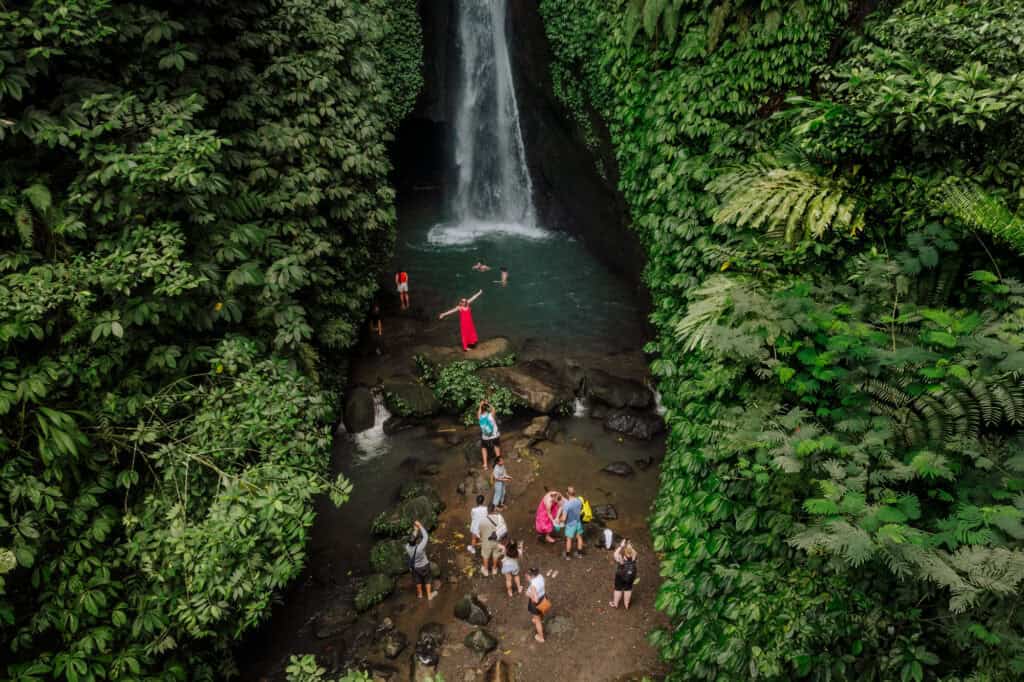
Wanagiri Hidden Hills
Just a few kilometers from Leke Leke, Wanagiri Hidden Hills has become Instagram-famous for its series of photogenic swings and bird's nests perched on the edge of Lake Tamblingan. The views over the lake and surrounding mountains are stunning, especially in the morning when mist rises off the water. The swings come in various sizes – some accommodate one person, others are designed for two. There's a small entrance fee (approximately IDR 50,000-100,000 per person depending on how many attractions you want to access), and you'll pay extra for professional photos if you want them. Wanagiri is best visited early morning to beat the crowds and catch the best light. Afternoon visits can still be lovely, especially at sunset, but expect more tourists. The area is relatively small, so 30-60 minutes is sufficient unless you're doing extensive photography.Handara Gate
This iconic golf course gate has become one of Bali's most photographed landmarks. Originally the entrance to the Handara Golf & Resort, the distinctive Balinese split gate with its brick structure and thatched roof provides a dramatically photogenic backdrop. The gate's appeal lies in its classical Balinese architecture set against a backdrop of mountains and often misty, atmospheric conditions. There's now an entrance fee (around IDR 50,000) as the gate has become a dedicated photo spot. You can take your own photos or pay extra for their professional photographer service. Morning visits, when the gate is often surrounded by mist, create especially atmospheric images. The location is approximately 15-20 minutes from Leke Leke by car.Banyumala Twin Waterfalls
If one waterfall isn't enough, Banyumala Twin Waterfalls offers another spectacular cascade experience, and many visitors consider it even more beautiful than Leke Leke. As the name suggests, two waterfalls flow side by side, creating a stunning double cascade into a large, inviting pool. The setting is gorgeous – the waterfall is surrounded by lush jungle and feels like a hidden paradise. Banyumala requires a trek similar to Leke Leke – about 20-30 minutes downhill through the jungle. The path is generally considered slightly easier than Leke Leke's, but still requires good footwear and fitness. The pool is excellent for swimming and generally larger than Leke Leke's, with more space to spread out. The two waterfalls are close enough that you could visit both in one day, but it makes for a long and physically demanding itinerary. Banyumala is approximately 20 minutes from Leke Leke by car. Many people choose one or the other based on time and energy levels.Lake Tamblingan
For a different kind of nature experience, visit Lake Tamblingan, one of Bali's three main lakes (along with Buyan and Bratan). Tamblingan is the smallest but arguably most beautiful, known for its tranquil waters and spiritual significance. The lake is surrounded by mountains and jungle, creating a serene, almost mystical atmosphere. You can rent a traditional dugout canoe and paddle on the lake – it's peaceful and offers unique perspectives of the surrounding landscape. The temple at the water's edge, Pura Ulun Danu Tamblingan, is an important religious site and worth a quick visit if temple attire is available (sarongs and sashes are usually available for rent at the entrance). Lake Tamblingan is about 10-15 minutes from Leke Leke. Combined with Wanagiri Hidden Hills (which overlooks the lake), it makes for a nice variety of experiences – waterfall, viewpoints, and lake all in one area.Munduk Waterfall
Another of North Bali's beautiful cascades, Munduk Waterfall is worth visiting if you're a true waterfall enthusiast. It's located in the village of Munduk and involves a shorter, easier trek than Leke Leke – about 15 minutes downhill through coffee and clove plantations. The waterfall itself is impressive, dropping through lush jungle, and the setting offers lovely views of the surrounding valley. What makes Munduk interesting is the surrounding area – Munduk village is a cool mountain retreat with a colonial history, and there are several waterfalls in the vicinity (including Melanting Waterfall). You could easily spend a full day exploring Munduk's waterfalls, plantations, and traditional village life. Munduk is approximately 30-40 minutes from Leke Leke. It's best visited as part of a broader North Bali road trip rather than trying to rush it on the same day as Leke Leke unless you're starting early and have high energy levels.Pura Ulun Danu Beratan
While not as close as some other attractions (about 45 minutes from Leke Leke), this iconic temple on Lake Beratan is one of Bali's most important religious sites and most photographed landmarks. The temple appears to float on the lake when water levels are high, creating a magical scene. The architecture is stunning, with multiple pagodas representing different Hindu gods. Visitors can explore the temple grounds and take boats out on Lake Beratan. The surrounding gardens are beautifully maintained and offer lovely picnic spots. This makes a nice cultural counterpoint to a day of nature-focused activities.Conclusion: Why Leke Leke Waterfall Belongs on Your Bali Itinerary
In an island blessed with natural beauty, Leke Leke Waterfall stands out as a special place that captures everything magical about Bali beyond the beaches. The trek through dense jungle, the reveal of the cascading water, the swim in the refreshing pool – this is a complete sensory experience that connects you with nature in a profound way. What makes Leke Leke particularly worthwhile is its relative seclusion and authentic feel. Unlike some waterfalls that have been commercialized with cafes, shops, and infrastructure, Leke Leke remains wild and natural. The simple ticket booth, bamboo railings, and basic path are minimal interventions that allow the waterfall to shine on its own merits. This lack of development preserves the peace and tranquility that make the place so special. The physical effort required to reach Leke Leke – the steep descent, the slippery path, the climb back up – makes the experience more rewarding. This isn't a drive-by attraction where you simply step out of your car and snap a photo. It's an adventure that demands something from you and rewards you with a deeper appreciation of the natural world. For photographers, Leke Leke offers incredible opportunities without the crowds that can ruin shots at more famous waterfalls. The interplay of water, light, jungle, and rock creates endless compositional possibilities. Whether you're capturing the long-exposure silky water effect or freezing the power of the cascade, you'll leave with memorable images. For adventurers, the trek itself is satisfying – testing your balance on steep, muddy paths, crossing the stream multiple times, finally reaching the base and seeing the waterfall emerge from the jungle. It's the kind of authentic outdoor experience that's becoming increasingly rare in a world where everything is made easy and accessible. Leke Leke Waterfall represents the Bali that exists beyond the Instagram-famous spots and tourist brochures. It's the Bali of dense jungles, rushing water, traditional villages, and genuine encounters with nature. Whether you're spending a week in Bali or a month, this waterfall deserves your time and attention. Visit early, bring your camera, wear proper footwear, and allow yourself to fully experience this beautiful corner of the Island of the Gods. As you continue exploring Bali, consider checking out our complete Bali travel guide for more hidden gems and practical tips to make your trip unforgettable.Location
Frequently Asked Questions
Q1.Where is Leke Leke Waterfall located?
Q2.How far is Leke Leke from Ubud?
Q3.What is the entrance fee for Leke Leke Waterfall?
Q4.How difficult is the trek to Leke Leke?
Q5.How long does it take to reach the waterfall?
Q6.Can we swim in Leke Leke Waterfall?
Q7.What should I wear to Leke Leke?
Q8.Is there parking available?
Recommended For You
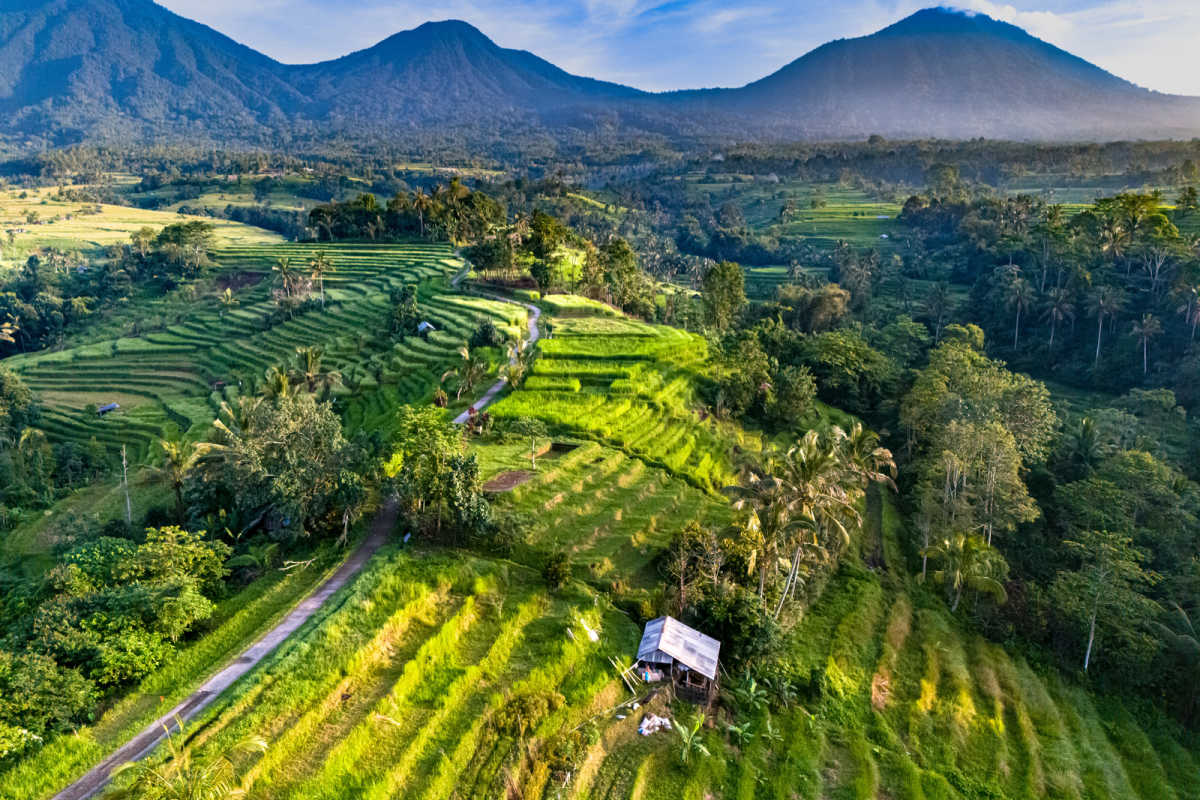
Bali: Complete Travel Plan Places And Weather
Complete Bali travel guide with 7-day itinerary, best time to visit, cost breakdown, top attractions, transport options & insider tips for first-time visitors to Indonesia's Island of Gods.
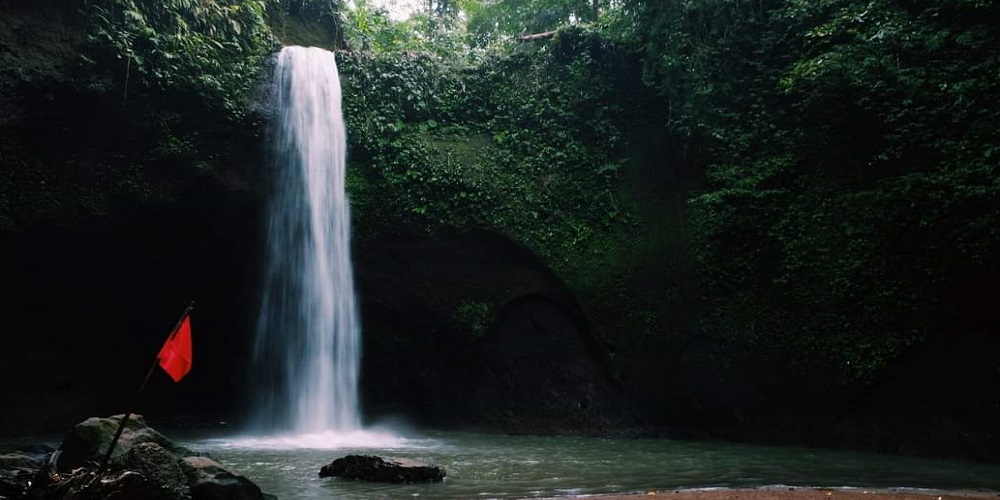
Tibumana Waterfall Bali: Route, Entry Fee & Best Hours
Discover the enchanting Tibumana Waterfall in Bali, featuring stunning twin cascades, a crystal-clear natural pool perfect for swimming, and a serene jungle setting. Complete guide with practical tips on how to reach, best time to visit, and what to expect.
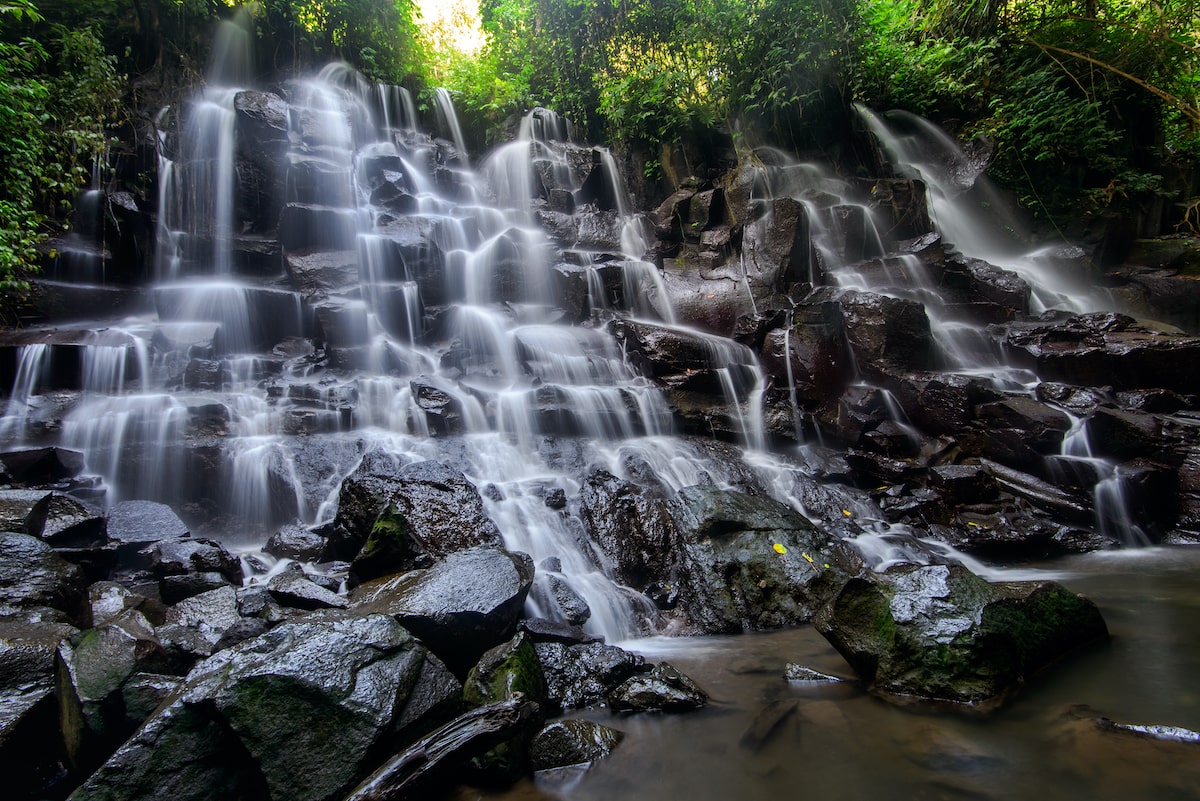
Kanto Lampo Waterfall Bali: Entry Fee, Timings & Photography Tips
Plan your Kanto Lampo Waterfall Bali visit with timing, entry, safety, and photography tips for a smoother experience.
Never Miss an Adventure
Get the latest trekking guides, travel tips, and exclusive offers delivered straight to your inbox.
