
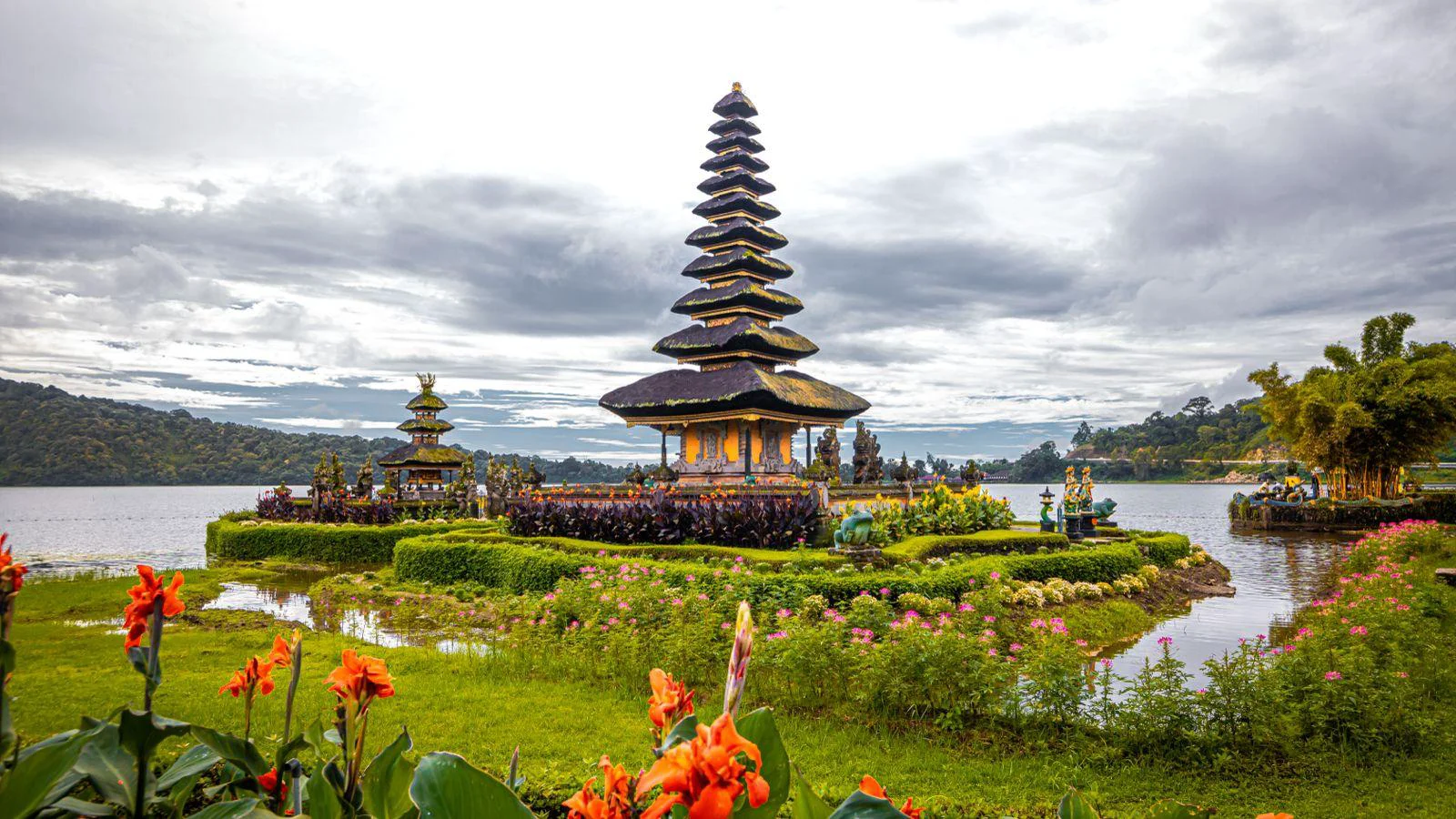
Language in Bali: Balinese, Indonesian & Essential Travel Phrases
Rohit Verma
January 24, 2026
Complete guide to languages in Bali: Balinese, Indonesian, and English usage. Essential phrases, cultural tips, and how language enhances your Bali travel experience.
Language in Bali: What Travelers Should Actually Know
Bali feels easy for international travelers, but language still shapes your experience more than most people expect. You can complete a short holiday using English in popular zones, yet the quality of your interactions changes when you understand how Balinese and Indonesian are used in real life. Language in Bali is not just vocabulary. It reflects religion, social respect, family structure, and local identity.
This guide explains the practical side of communication: which language to use in which situation, how English differs across regions, and what phrases are genuinely useful for transport, food, shopping, and temple visits. If you are planning your full trip flow, pair this with Bali travel tips and how to reach Bali from India so your language prep matches your route and arrival plan.
Bahasa Indonesia vs Balinese: The Core Difference
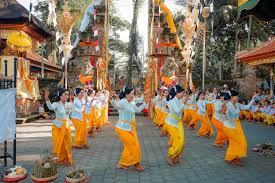
Bali uses two major languages in daily life. Bahasa Indonesia is the national language and is used in government services, schools, formal communication, and interactions across different ethnic groups. Balinese is the local cultural language, deeply tied to rituals, family life, and traditional community spaces.
For travelers, Indonesian is the most practical first language to learn because it works across the entire country, not only Bali. Balinese phrases, however, create warmth and respect in local settings. The best approach is simple: use Indonesian for functional communication and add Balinese greetings in cultural moments.
Where English Works Well in Bali
English is widely spoken in tourism-heavy areas like Seminyak, Canggu, Ubud, Kuta, and Nusa Dua. Hotel teams, drivers, restaurant staff, diving operators, and tour guides usually communicate well. In premium hospitality zones, service English is often excellent.
Outside these areas, especially in small villages and local markets, English can be limited. You may still manage, but conversations become slower and misunderstandings increase. This is where basic Indonesian helps immediately. Even short phrases reduce friction and usually improve hospitality.
Use-Case Language Map for Travelers
Airport, Immigration, Official Counters
Use English or Indonesian. Official staff are used to international visitors, but key notices may appear in Indonesian first.
Shops, Local Warungs, Small Guesthouses
Start with a polite Indonesian greeting. Service often becomes more friendly when you open in local language before shifting to English.
Temple Areas and Ceremonies
Use respectful tone, minimal words, and listen carefully to instructions. A Balinese greeting such as “Om Swastiastu” can be appropriate in cultural contexts.
Rural Transport and Directions
Use very simple Indonesian words: left, right, straight, stop, here, there, and numbers. This can solve most navigation issues quickly.
Essential Indonesian Phrases for Bali Trips
| Situation | Phrase | Meaning |
|---|---|---|
| Greeting | Apa kabar? | How are you? |
| Thanks | Terima kasih | Thank you |
| Polite request | Tolong | Please / help |
| Excuse me | Maaf | Sorry / excuse me |
| Price | Berapa? | How much? |
| Direction | Kiri / Kanan / Lurus | Left / Right / Straight |
| Food | Enak sekali | Very delicious |
| Goodbye | Sampai jumpa | See you |
These are enough for first-time visitors. Speak slowly, keep pronunciation clear, and combine with simple gestures. Perfection is not required; effort matters.
Useful Balinese Phrases for Cultural Respect
Balinese has multiple speech levels and social context can influence word choice, so travelers should keep it simple. A few safe phrases are enough to show respect without overcomplicating communication.
- Om Swastiastu: Traditional greeting used respectfully in many settings.
- Suksma: Thank you.
- Rahajeng semeng: Good morning.
- Rahajeng wengi: Good evening.
When unsure, switch back to Indonesian. Locals generally appreciate effort and will guide you kindly.
Language Etiquette That Improves Every Interaction
Start Polite, Then Ask
Open with greeting and thanks before asking for price, directions, or help. This small pattern can change the tone of the entire conversation.
Don’t Force Bargaining Language
In local markets, bargaining exists, but extremely aggressive negotiation damages trust. Ask fairly, smile, and close respectfully even if you do not buy.
Temple Communication Is Different
At temples, keep your voice low, follow dress and entry rules, and avoid casual jokes around rituals. Language and body language both signal respect.
Use Translation Apps Carefully
Translation apps help for menus and addresses, but short direct phrases often work better in real-time interactions than long machine-generated sentences.
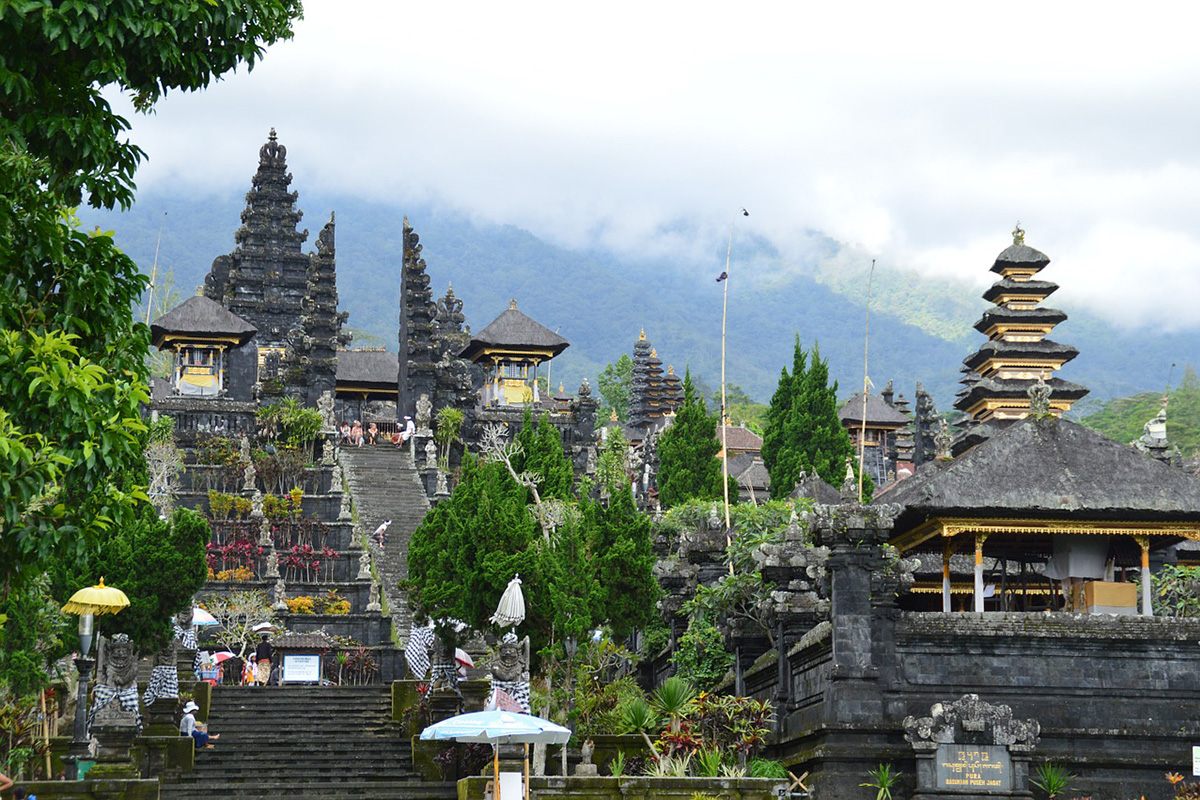
How Language Changes by Location in Bali
South Bali: Strong English support, especially in beach and resort corridors. Good for first-time travelers who want easy communication.
Ubud and nearby villages: English is common in cafes and workshops, but Indonesian helps in local transport and neighborhood shops.
East and North Bali: Slower pace, less tourist saturation, and more situations where Indonesian becomes valuable for clear coordination.
If you are still building your itinerary, this best places to visit Bali guide can help you decide where stronger language support matters most.
One-Day Language Practice Plan Before Flying
You do not need months of study. A focused one-day prep can make a visible difference:
- Learn 20 Indonesian travel phrases and 4 Balinese greetings.
- Practice number words for money and transport.
- Save two offline translation packs.
- Write your hotel address in Indonesian and English.
- Practice a 15-second self-introduction and polite request sentence.
This quick preparation reduces stress on arrival day and helps you navigate independently from the first transfer itself.
Common Mistakes Travelers Make
- Assuming English will be equally strong in every part of Bali.
- Learning only slang from social media instead of practical phrases.
- Skipping basic number words, which are crucial for prices and taxis.
- Using loud tone when misunderstood, instead of simplifying the sentence.
- Ignoring local etiquette in temple and ceremony zones.
Final Take
Language in Bali is not a barrier; it is a bridge. English covers many tourist needs, Indonesian gives you daily mobility, and a few Balinese phrases create cultural connection. If you combine these three layers, your trip becomes easier, friendlier, and far more meaningful. For better context before arrival, also review culture of Bali so your communication choices align with local customs from day one.
Communication Scenarios Most Travelers Face
At Restaurants
In popular cafes, English menus are common, but local warungs may use Indonesian names only. Learn food basics like nasi (rice), ayam (chicken), ikan (fish), pedas (spicy), and tidak pedas (not spicy). This prevents ordering mistakes and helps with dietary preferences. If you have allergies, keep a written Indonesian sentence ready on your phone.
With Drivers and Ride Apps
Always confirm destination name, landmark, and estimated fare before starting. Pronunciation differences can cause wrong drop points, especially for similar village names. Share map pin plus short Indonesian confirmation phrase. This two-step method reduces confusion significantly.
At Markets
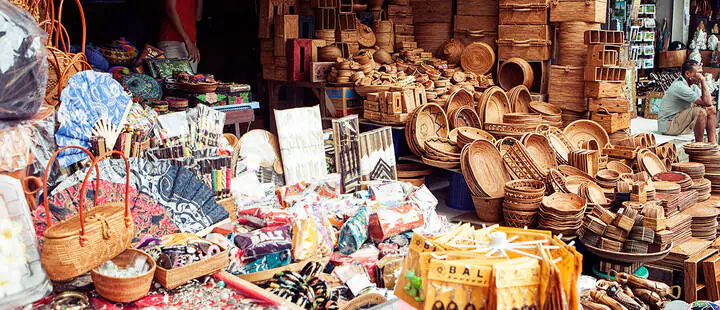
Ask price once in Indonesian, then decide calmly. If you want to negotiate, do it with humor and respect. Vendors respond better to friendly tone than hard-pressure bargaining language copied from travel reels.
Mini Phrase Bank for Emergencies
| Need | Indonesian Phrase | Meaning |
|---|---|---|
| Help | Tolong saya | Please help me |
| Hospital | Rumah sakit di mana? | Where is the hospital? |
| Lost item | Saya kehilangan... | I lost... |
| Police | Polisi di mana? | Where is the police station? |
| Call | Bisa telepon? | Can I make a call? |
Most trips go smoothly, but having these phrases prepared can save critical time in stressful moments.
Keep expectations realistic: locals do not expect perfect grammar. Clear intent, polite tone, and patience are enough. In Bali, respectful communication often matters more than vocabulary size, and even small language effort is remembered positively by hosts, drivers, and small business owners.
Location
Frequently Asked Questions
Q1.What language do they speak in Bali?
Q2.Is English widely spoken in Bali?
Q3.Should I learn Indonesian or Balinese?
Q4.What are basic Indonesian phrases for Bali?
Q5.How do you say hello in Balinese?
Q6.Is Balinese difficult to learn?
Q7.Can I get by with just English in Bali?
Q8.What does "Om Swastiastu" mean?
Recommended For You

Amed Beach Bali: Diving Spots, Shipwreck Sites & East Coast Highlights
Discover Amed Beach Bali, a diver's paradise with the famous Japanese Shipwreck, coral gardens, and authentic fishing village atmosphere on East Bali's coast.
Bali Indonesia: Best Time To Visit And Things To Do
Essential Bali travel tips covering visa, transport, SIM cards, currency, temple etiquette, bargaining, safety, best areas, beach safety, scooter rental, food safety and cultural respect.

Best Places to Visit Bali: Region Guide and Tips
Plan the best places to visit in Bali with region-wise route strategy, timing guidance, and practical travel tips for smoother itineraries.
Never Miss an Adventure
Get the latest trekking guides, travel tips, and exclusive offers delivered straight to your inbox.
