
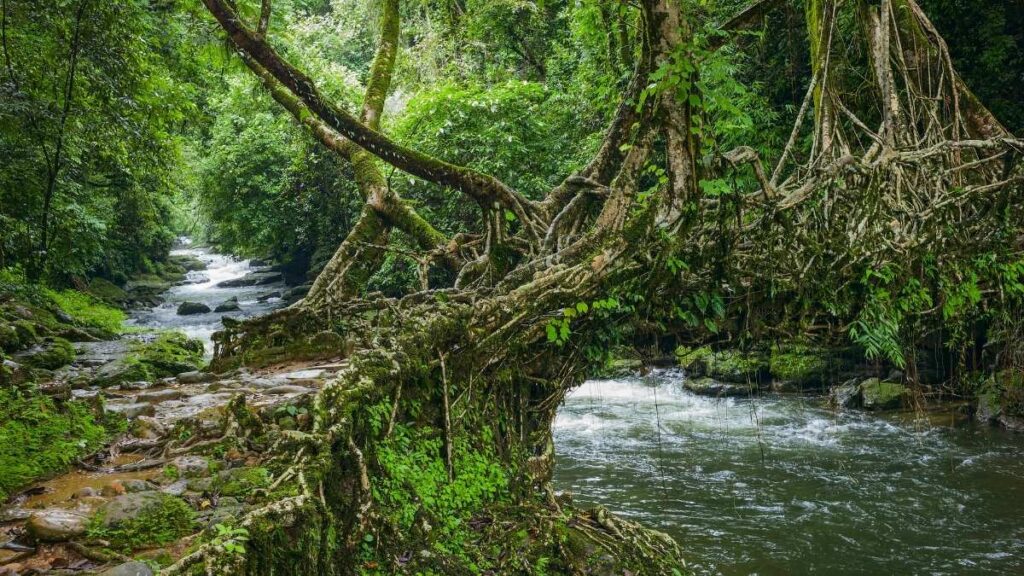
Living Root Bridges Meghalaya: Trek Routes, Villages & Local Tips
Rohit Verma
November 17, 2025
Discover Meghalaya's incredible living root bridges - nature's bioengineering marvel grown by the Khasi tribes. Complete trekking guide to the Double Decker Root Bridge in Nongriat, best time to visit, how to reach, difficulty level, and photography tips.
Introduction: Nature's Living Architecture
Deep in the misty hills of Meghalaya, where rainfall is measured in meters rather than millimeters, exists one of nature's most fascinating creations - the living root bridges. These remarkable structures, grown over centuries by the indigenous Khasi people, represent one of the most extraordinary examples of bioengineering on Earth. Unlike modern bridges that deteriorate with time, these living bridges actually grow stronger with age, continuing to thrive for hundreds of years. What makes these bridges truly special is that they're not built - they're grown. Using the aerial roots of the rubber fig tree (Ficus elastica), local communities have perfected the art of guiding and intertwining roots to create sturdy, functional bridges across raging rivers and deep gorges. Today, these incredible structures attract adventurers, nature enthusiasts, and curious travelers from around the world, all eager to witness this harmonious blend of human ingenuity and natural growth. Meghalaya, often called the "Abode of Clouds," is home to dozens of these living marvels, with some even being considered for UNESCO World Heritage status.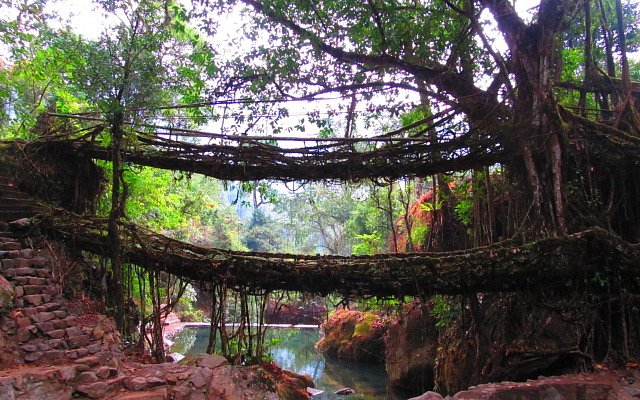
What Are Living Root Bridges
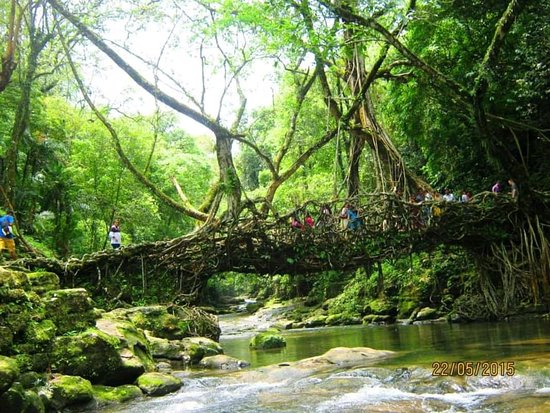
Living root bridges are an innovative example of sustainable architecture developed by the indigenous Khasi and Jaintia tribes of Meghalaya. These remarkable structures are created by training the aerial roots of the rubber fig tree (Ficus elastica) to grow across rivers and streams, eventually forming sturdy, living pathways that can support the weight of multiple people simultaneously. The process begins with planting a rubber fig tree on each bank of a river. As these trees grow, their aerial roots extend outward. Using hollow betel nut trunks or bamboo, the Khasi people guide these roots toward each other across the waterway. Once the roots from opposite banks meet, they're manually intertwined and encouraged to fuse together. This process continues for 15-30 years until a fully functional bridge forms. What's truly remarkable is that these bridges continue to grow and strengthen over time - some are believed to be over 500 years old and still perfectly functional. Unlike traditional wooden or steel bridges that require maintenance and eventual replacement, living root bridges are self-repairing and actually become stronger with age. The roots continuously grow and adapt to the environment, creating a structure that's both flexible enough to withstand strong winds and storms, yet sturdy enough to support dozens of people at once. This sustainable approach to bridge-building represents a perfect harmony between human needs and natural processes, offering valuable lessons in ecological engineering.Famous Root Bridges in Meghalaya
While Meghalaya is home to numerous living root bridges scattered across its Khasi Hills, some have gained particular fame for their size, uniqueness, or accessibility.Double Decker Root Bridge
The Double Decker Root Bridge in Nongriat village is undoubtedly the most famous and spectacular of all living root bridges. As the name suggests, this bridge consists of two levels stacked one above the other, both formed entirely from living roots. The lower bridge is believed to be around 200 years old, while the upper level was added approximately 70 years ago to accommodate increased foot traffic and provide alternative crossing options during floods. This incredible structure spans approximately 30 meters across the rushing Umshiang River. What makes it even more remarkable is that there's actually a third level beginning to form, making it potentially the world's only triple-decker root bridge in the making. The bridge is not just a tourist attraction but remains an essential pathway for local villagers who use it daily to access their homes, fields, and schools. The surrounding area of Nongriat village offers stunning natural beauty with waterfalls, natural pools, and lush greenery that make the challenging trek to reach this bridge absolutely worthwhile.
Single Decker Bridges
Throughout Meghalaya, particularly in the Cherrapunji (Sohra) region, you'll find numerous single-decker living root bridges. While less famous than their double-decker counterpart, these bridges are equally impressive and often less crowded. Examples include bridges in Mawlynnong (Asia's cleanest village), Ritymmen (believed to be one of the oldest), and several in the vicinity of Cherrapunji. Each bridge has its own character and history, shaped by the specific geography and needs of the local community that created it.
Triple Decker Root Bridge
A relatively recent discovery, the Triple Decker Root Bridge in Nongriat has generated excitement among botanists, anthropologists, and tourists alike. While the third level is not yet fully formed and functional, it represents a unique example of how these bridges continue to evolve and adapt. This bridge showcases the ongoing nature of this bioengineering tradition - it's not a relic of the past but a living, growing practice that continues to this day.
Double Decker Root Bridge Trek
The trek to the Double Decker Root Bridge is one of Meghalaya's most rewarding hiking experiences, combining physical challenge with natural beauty and cultural immersion.Trek Details
Location: The Double Decker Root Bridge is located in Nongriat village, deep in the valleys below Cherrapunji.
Starting Point: Most trekkers begin their journey from Tyrni village, which is accessible by road from Cherrapunji.
Total Steps: The trek involves descending approximately 3,500 steep, stone steps carved into the hillside. The descent is challenging on the knees, but the real challenge comes on the return journey when you must climb all these steps back up.
Trek Duration: The one-way trek from Tyrni to Nongriat takes approximately 3-4 hours, depending on your fitness level and how often you stop for photos and rest. This doesn't include time spent exploring the bridges and surrounding areas.
Difficulty Level: The trek is rated as moderate to challenging. While it doesn't require technical climbing skills, the steep descent, large number of steps, and humid climate make it physically demanding. The return trek uphill is particularly strenuous and can take 4-5 hours for those not accustomed to such exercise.
The Trek Experience
The descent to Nongriat begins from Tyrna and passes through steep stone steps, dense forest, and humid valley air. The route is demanding but rewarding, with occasional viewpoints, smaller streams, and local farmland on the way. Midway, many trekkers first encounter a single root bridge before continuing toward the Double Decker bridge near the river. At the destination, take time to cross both levels carefully and observe how the structure is still living and growing. Start early, keep hydration steady, and pace yourself on the climb back, which is the toughest segment for most visitors.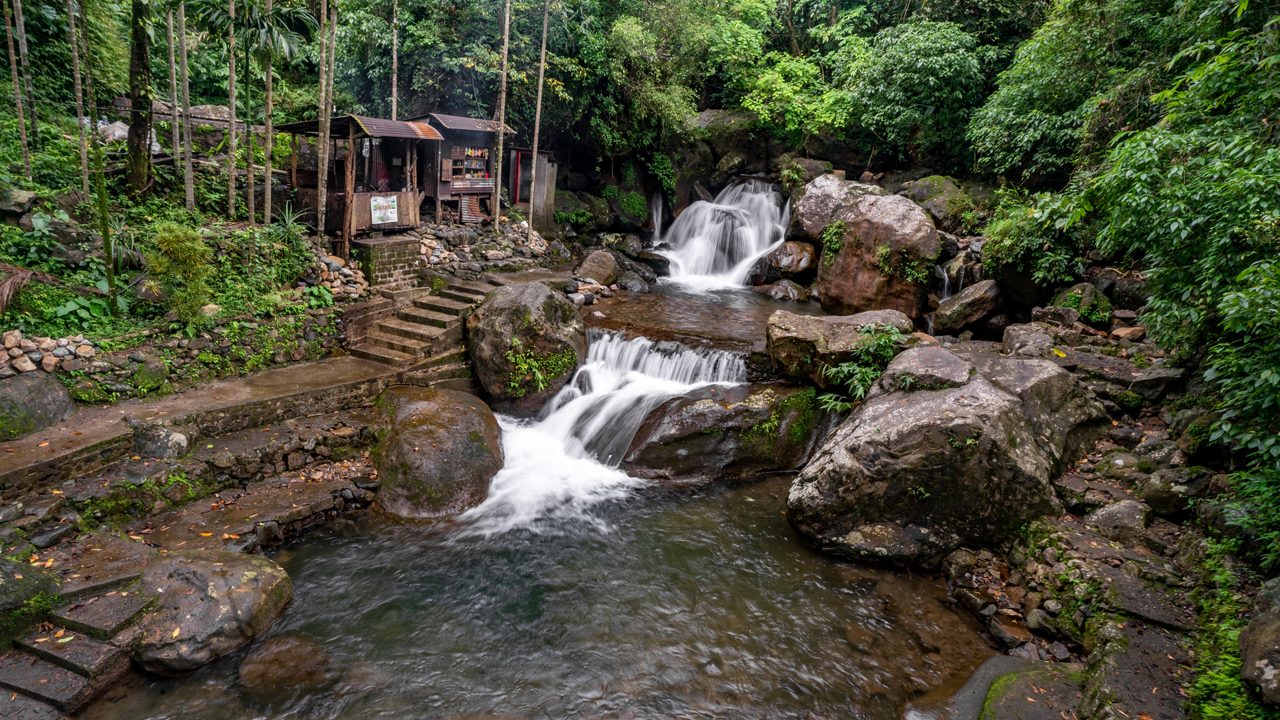
Stay Options in Nongriat
If you prefer not to rush the return climb on the same day, you can stay overnight in Nongriat village. Basic homestays and guesthouses offer simple accommodation and traditional Khasi meals. Staying overnight allows you to explore the area more thoroughly, visit nearby waterfalls and natural pools, and experience the peaceful village atmosphere. Plus, you can start your return climb the next morning when you're rested and the weather is cooler.
Other Notable Root Bridges
While the Double Decker Root Bridge garners most attention, Meghalaya is home to several other remarkable root bridges worth exploring.Umsyiem Root Bridge
Located near Cherrapunji, the Umsyiem Root Bridge is one of the more accessible living root bridges. While it involves some walking, the trek is considerably easier than the Nongriat route, making it suitable for those with limited time or fitness levels. The bridge spans a beautiful stream and is surrounded by lush greenery, making it perfect for photography.
Mawlynnong Root Bridges
Mawlynnong, famous as Asia's cleanest village, has several living root bridges in its vicinity. These bridges are well-maintained and offer insight into how this traditional knowledge coexists with modern conservation practices. The village itself is worth exploring for its cleanliness, community living, and beautiful flower gardens. Combined with a root bridge visit, it makes for a wonderful cultural experience.
Ritymmen Root Bridge
Believed to be one of the oldest living root bridges, Ritymmen is located in the vicinity of Cherrapunji. This single-decker bridge is estimated to be several centuries old and showcases remarkable durability. The bridge is particularly impressive during the monsoon when the surrounding vegetation is at its lushest and the river below flows with full force.
Mawsaw Root Bridge
The Mawsaw Root Bridge, also in the Cherrapunji region, is another excellent example of this bioengineering tradition. What sets it apart is the natural swimming pool nearby, perfect for a refreshing dip after your trek. The bridge itself is substantial and well-maintained, offering safe passage across a tributary of the Umshiang River.
Shnongpdeng Root Bridge
Located near the popular Dawki region, the Shnongpdeng Root Bridge is less visited than its Cherrapunji counterparts but equally impressive. The advantage is that you can combine it with a visit to the crystal-clear waters of the Umngot River, making for a perfect day of exploration in one of Meghalaya's most beautiful regions.
Best Time to Visit
Choosing the right time to visit Meghalaya's living root bridges can significantly impact your experience.| Season | Best For | Experience |
|---|---|---|
| October-April | Trekking, clear views | Best weather conditions |
| November-February | Comfortable temperatures | Ideal for trekking |
| June-September | Lush greenery | Monsoon challenges |
| March-May | Wildflowers, pleasant | Shoulder season |
Winter (October-February)
Winter is undoubtedly the best time to visit the living root bridges. From October to February, Meghalaya experiences dry weather with clear skies, making it ideal for trekking. The temperatures during these months range from 10°C to 20°C, which is comfortable for physical activity. The trails are less slippery, views are clear, and you're much less likely to have your trek disrupted by rain. November and December are particularly good months, offering the perfect combination of pleasant weather and post-monsoon lushness.
Summer (March-May)
Summer offers a mixed experience. While temperatures are manageable (20°C to 25°C), humidity can be high, making trekking more strenuous. The advantage is that you'll encounter fewer tourists and can enjoy the bridges in relative solitude. The landscape remains green from the winter showers, and wildlife sightings are more common. March and April are particularly good months before the real heat sets in.
Monsoon (June-September)
The monsoon season is beautiful but challenging. This is when Meghalaya lives up to its name as one of the wettest places on Earth. The root bridges and surrounding forests are at their most spectacular, with waterfalls flowing at full force and everything incredibly green. However, the trek becomes dangerous due to slippery trails, leeches, and the risk of landslides. Only experienced trekkers with proper equipment should attempt the root bridge treks during monsoon. If you do visit during this season, be flexible with your plans and prepare for delays.
How to Reach
Reaching the living root bridges requires some planning, but the journey is part of the adventure.From Shillong
The capital city of Shillong serves as the main base for exploring Meghalaya. The distance from Shillong to Cherrapunji (Sohra), the gateway to most root bridges, is approximately 54 kilometers and takes about 2-3 hours by road, depending on traffic and road conditions. Shared taxis and private taxis are readily available from Shillong's Police Bazaar area. The route itself is scenic, passing through rolling hills, waterfalls, and beautiful landscapes.
Base Camp: Cherrapunji
Cherrapunji (locally known as Sohra) serves as the main base for exploring the living root bridges. This town offers accommodation options ranging from budget guesthouses to mid-range hotels. Most organized tours to the root bridges start from here. Spend at least one night in Cherrapunji to properly explore the area without rushing.
To Tyrni Village
From Cherrapunji, you'll need to reach Tyrni village, the starting point for the Double Decker Root Bridge trek. This involves a drive of approximately 30-45 minutes. The road to Tyrni is narrow and winding but generally in good condition. Most hotels in Cherrapunji can arrange taxis or connect you with local guides who provide transportation to the starting point.
Public Transport
Public transport options to reach the root bridges are limited and unreliable. While shared taxis do operate between Cherrapunji and nearby villages, their schedules don't always align with trekking needs. For flexibility and convenience, hiring a private taxi or joining an organized tour is recommended, especially if you're planning to visit multiple bridges in a day.
Road Conditions
The main roads from Shillong to Cherrapunji and from Cherrapunji to Tyrni are generally in good condition, though they can be narrow and winding in sections. During monsoon, landslides can occasionally block routes, so check local conditions before setting out. The final stretch to Tyrni village can be particularly challenging during heavy rain, but experienced local drivers are accustomed to these conditions.
Trekking Tips & Essentials
Proper preparation is key to enjoying your root bridge trekking experience safely and comfortably.Footwear
Good trekking shoes with excellent grip are non-negotiable. The stone steps can be extremely slippery, especially when wet or covered with moss. Avoid wearing sneakers, sandals, or new shoes that haven't been broken in. Your trekking shoes should provide ankle support and have deep lugs for grip. Consider carrying an extra pair of socks to change into if your feet get wet during the trek.
Fitness Requirements
While you don't need to be an athlete, a moderate level of fitness is essential for the root bridge treks, especially the Double Decker. The descent of 3,500 steps challenges your knees and leg strength, while the climb back up tests your cardiovascular endurance and stamina. In the weeks leading up to your trek, practice climbing stairs, do some cardio exercises, and strengthen your leg muscles. If you have knee problems, consider using trekking poles to reduce the strain.
Hydration and Nutrition
Carry at least 2 liters of water per person for the Double Decker Root Bridge trek. The humid climate and physical exertion mean you'll sweat profusely and need to stay hydrated. There are no shops or water sources along the trek route once you leave Tyrni village. Pack some energy bars, chocolates, or fruits to keep your energy levels up during the trek. Local villagers in Nongriat do sell basic refreshments, but options are limited.

Clothing
Wear quick-dry, breathable clothing that allows freedom of movement. Avoid denim or cotton that stays wet when you sweat. Lightweight trekking pants and moisture-wicking t-shirts are ideal. Carry a light rain jacket or poncho as weather in Meghalaya can change rapidly. Even in dry season, mist and light rain are common in the valley. A hat or cap provides protection from the sun during exposed sections of the trek.
First Aid and Protection
Carry a basic first aid kit with band-aids, antiseptic cream, pain relief medication, and any personal medications you need. Leech socks are highly recommended during monsoon and post-monsoon months. Insect repellent helps protect against mosquitoes and other insects. Sunscreen might seem unnecessary in the humid climate, but UV exposure is still significant, especially on the return climb.
Hiring a Guide
While it's possible to do the trek independently, hiring a local guide is highly recommended, especially for first-time visitors. Guides from Tyrni or Nongriat know the terrain intimately, can point out interesting flora and fauna along the way, share stories about the bridges and local culture, and ensure you don't get lost. They can also help if you encounter any difficulties during the trek. Guide fees are reasonable, and the money directly benefits local communities.
Starting Early
Begin your trek as early as possible, ideally by 8:00 AM. The morning air is cooler, you'll have better visibility for photos, and you'll avoid the crowds that typically arrive later in the day. Starting early also ensures you have plenty of time to complete the trek before dark. The valley gets dark earlier than you might expect due to the surrounding hills, and trekking on those steep steps in the dark is dangerous.
Respecting Local Customs and Bridges
The living root bridges are not just tourist attractions - they're living heritage that local communities use daily. Be respectful by not damaging the roots, not littering, and following any guidelines provided by locals or guides. Ask for permission before taking photographs of local people. Some villages may have specific customs or restricted areas - always follow your guide's instructions. Remember that you're a guest in these communities, and your behavior should reflect respect for their culture and traditions.
Safety Considerations
While root bridges are generally safe to walk on, use common sense. Don't crowd onto bridges - wait your turn if there are already many people crossing. Hold onto the side rails (usually bamboo or root handholds) when walking, especially on wet days. Take your time and watch your footing on the steps. If you have a fear of heights, some bridges might feel intimidating, so know your limits. Never attempt the trek during heavy rain or if weather conditions seem dangerous.
Location
Frequently Asked Questions
Q1.Where are the living root bridges located?
Q2.How many root bridges are there in Meghalaya?
Q3.What is the best time to visit root bridges?
Q4.How difficult is the Double Decker root bridge trek?
Q5.How long does it take to reach the root bridges?
Q6.Can beginners do this trek?
Q7.Are there accommodations near the bridges?
Q8.What should I carry for the trek?
Q9.Are the bridges safe to walk on?
Q10.How do I reach Nongriat village?
Recommended For You
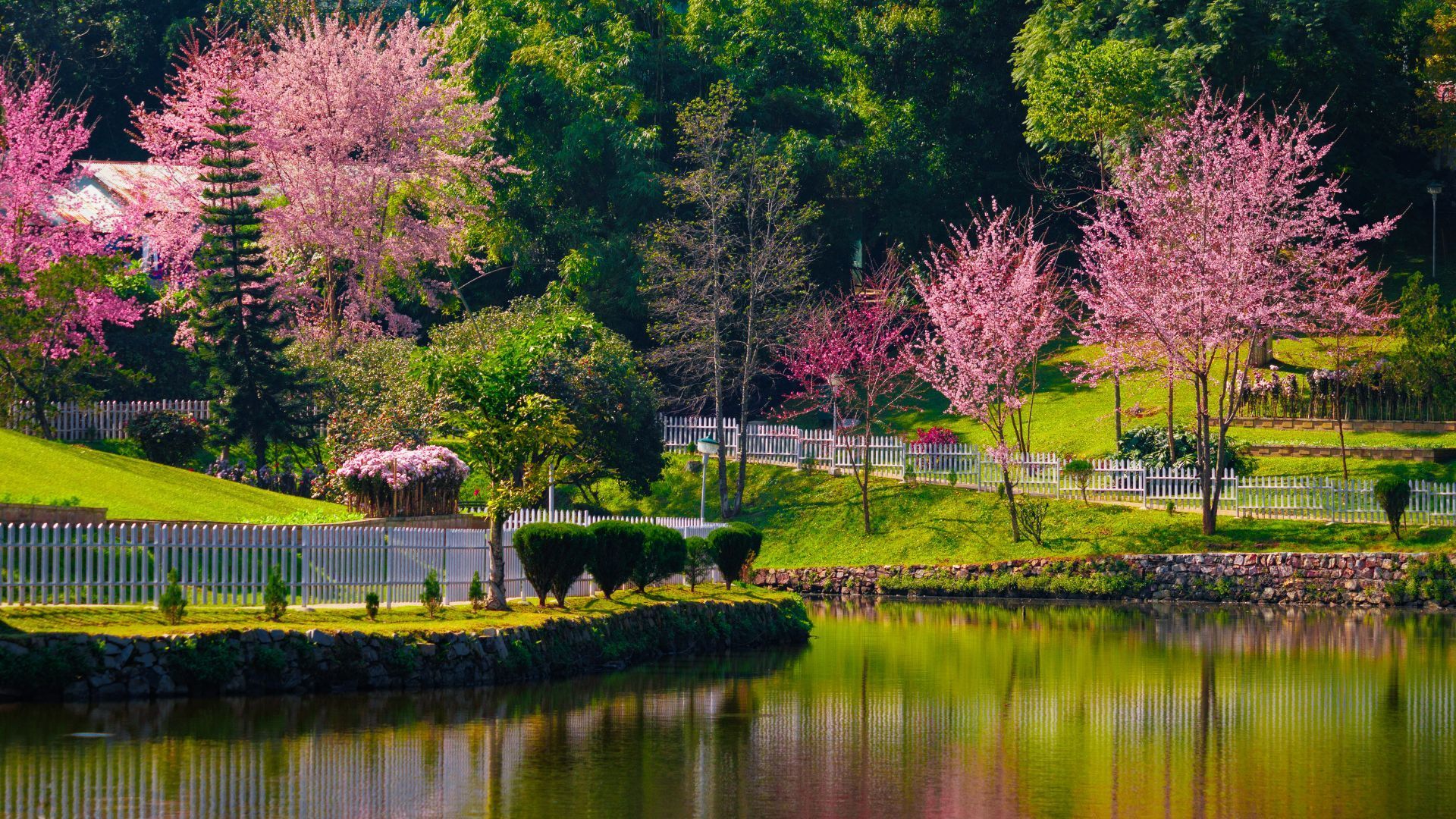
Cherry Blossom Meghalaya: Festival Dates, Venues & Best Viewing Time
Plan Cherry Blossom Meghalaya with peak-bloom timing, Shillong viewing spots, festival-date strategy, and practical travel tips for a smooth November trip.
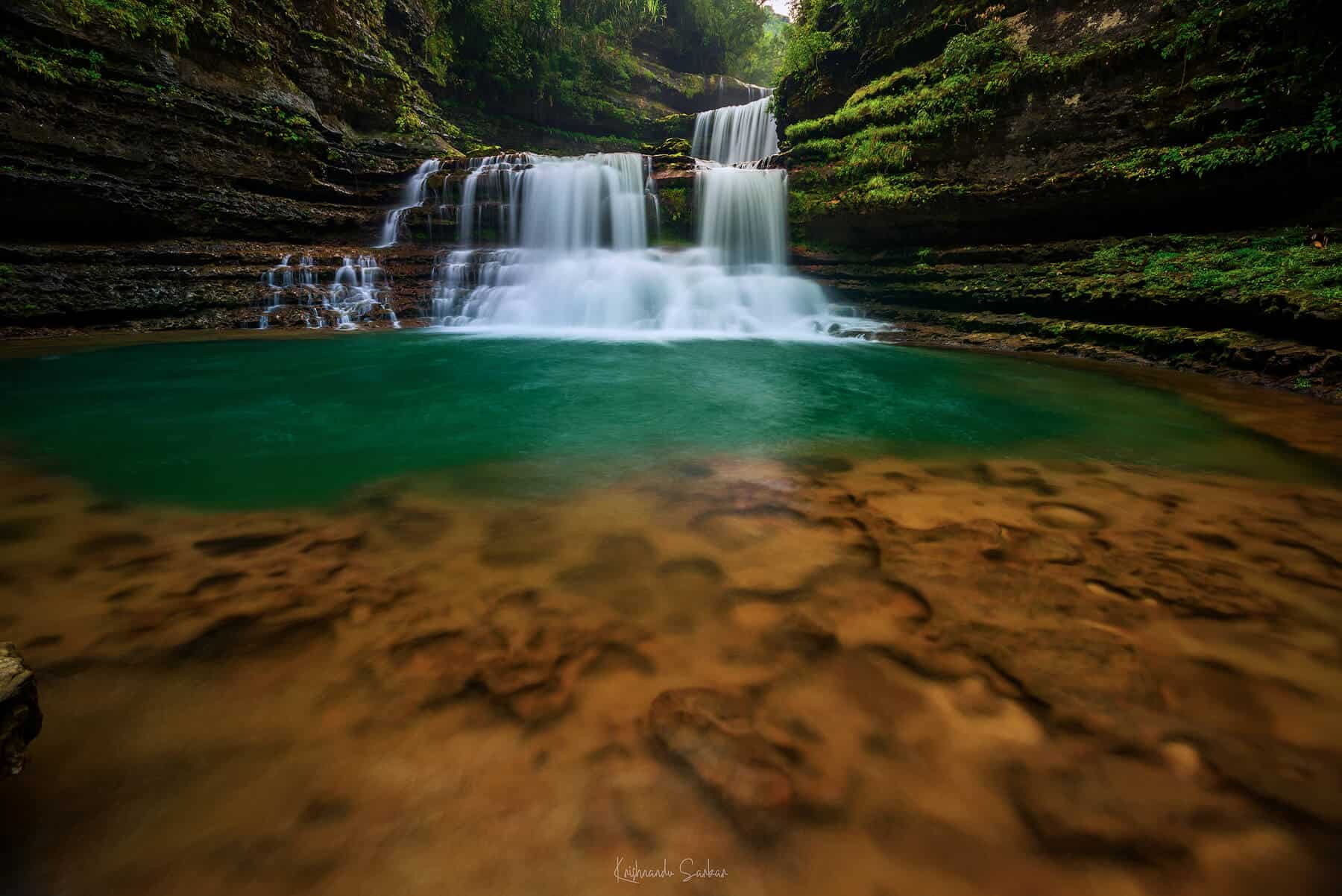
Meghalaya Hill Stations: Top 7 Places To Visit
Explore 7 spectacular hill stations in Meghalaya including Shillong, Cherrapunji, Mawsynram, Tura, Jowai, Mawlynnong, and Baghmara. Complete travel guide with attractions, best time to visit, stay options, and practical tips.
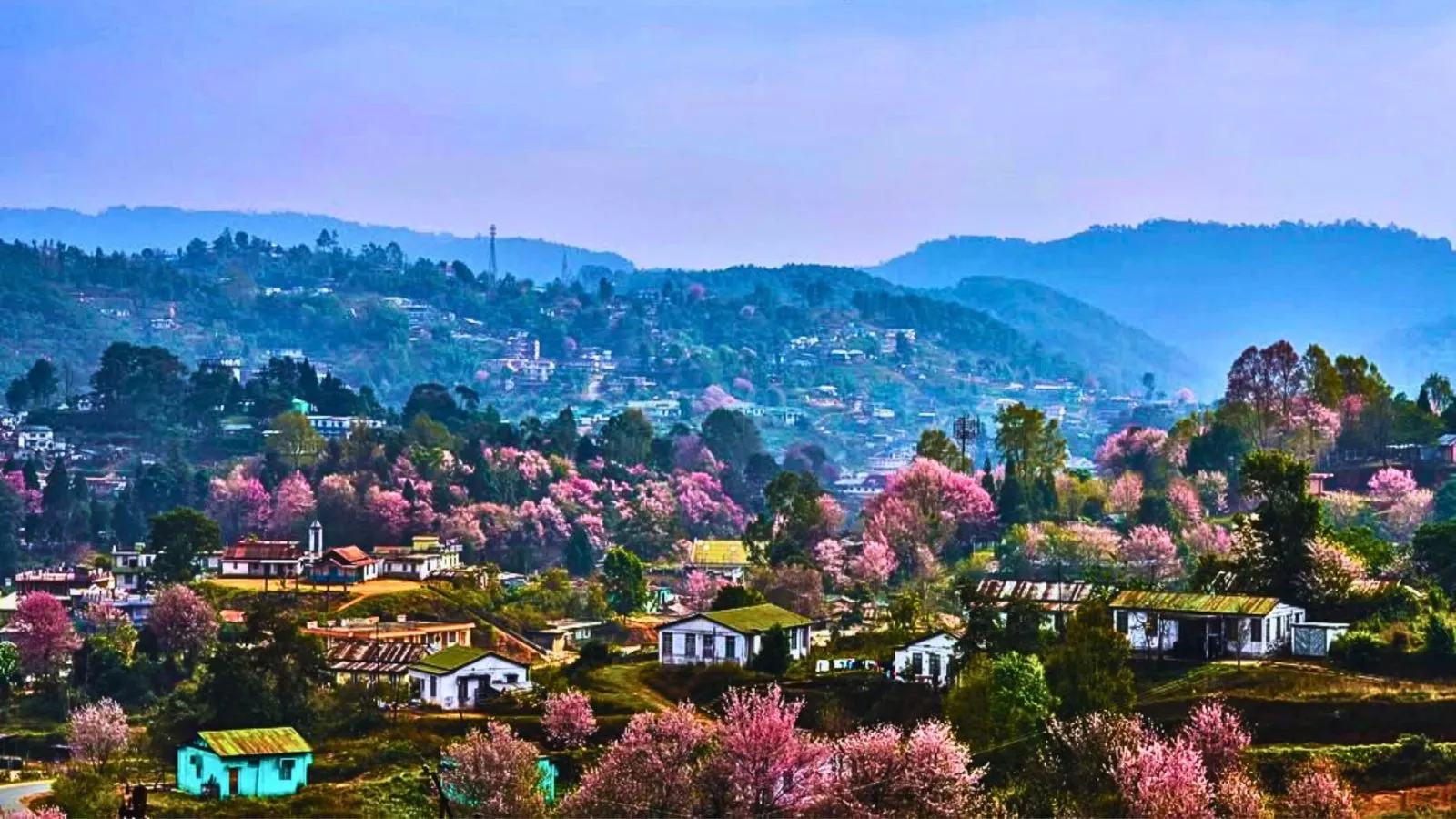
Best Time to Visit Shillong Meghalaya: Season, Rainfall & Local Events
Plan the best time to visit Shillong with season-wise weather, cherry blossom timing, monsoon travel tips, and month-by-month guidance for Meghalaya trips.
Never Miss an Adventure
Get the latest trekking guides, travel tips, and exclusive offers delivered straight to your inbox.
