
Hiking in Meghalaya: Top Trails, Difficulty & Season

Priya Mehta
February 18, 2026
Explore hiking in Meghalaya with complete trail guides, difficulty levels, best seasons, and essential tips for root bridges, David Scott Trail, and Khasi Hills adventures.
Why Hiking in Meghalaya is Special
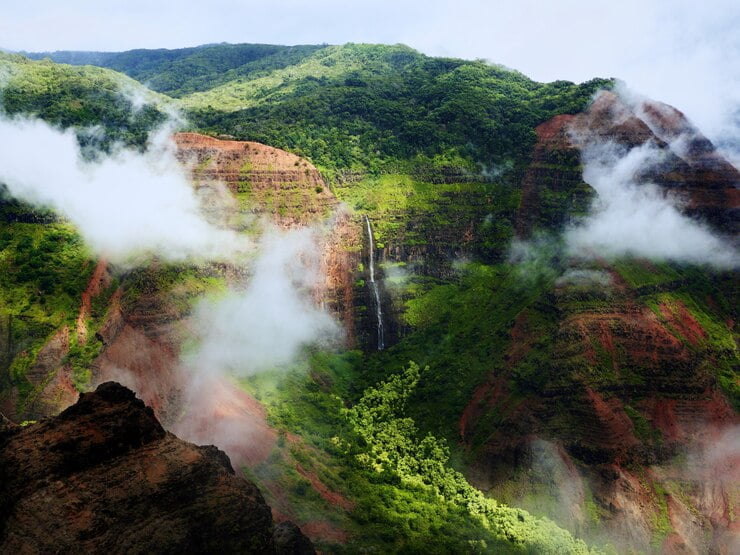
Hiking in Meghalaya offers an unmatched blend of living root bridges, sacred forests, dramatic waterfalls, and cloud-kissed peaks. The Khasi Hills present trails that wind through ancient ecosystems, where nature and culture have evolved together over centuries. Every step reveals something unique, from suspension bridges woven from aerial roots to hidden caves that have sheltered communities for generations.
The region's biodiversity makes each trek distinct. You might spot exotic orchids, hear the calls of rare birds, or walk through mist-shrouded valleys that feel worlds away from modern life. For hikers who value variety, Meghalaya delivers everything from gentle village walks to challenging ridge climbs.
Best Hiking Trails in Meghalaya by Difficulty
Meghalaya's trails cater to all experience levels, making it accessible for families, casual walkers, and seasoned trekkers alike. Choosing the right trail depends on your fitness, time available, and the kind of experience you seek. Some routes are well-marked and family-friendly, while others demand preparation and local guidance.
Easy Hikes (Beginner-Friendly)
The David Scott Trail offers a perfect introduction to Khasi hiking history. Originally a horse-cart route, this moderate path connects Shillong to Cherrapunji through rolling hills, river crossings, and remote villages. Most sections are manageable for first-timers and provide rewarding views without extreme effort.
Another excellent option is the walk to Mawphlang Sacred Grove. The trail meanders through protected forest where ancient traditions forbid any harm to trees or wildlife. It's an educational hike as much as a physical one, revealing the deep spiritual connection between Khasi culture and nature.
Moderate Trails (Intermediate Experience)
The Double Decker Living Root Bridge trek in Nongriat is Meghalaya's most iconic hiking experience. The trail descends steeply into the valley, passing several single root bridges before reaching the famous double-decker structure. For those seeking more unique adventures, consider exploring Mawryngkhang Trek or other trails in the region. The return climb involves roughly 3,000 stone steps, making it a solid workout that rewards effort with extraordinary sights.
For those seeking ridge views, the Kyllang Rock hike presents an interesting challenge. The exposed granite dome requires careful footing, especially in windy conditions. From the summit, panoramic views of the surrounding hills and valleys create perfect photography opportunities.
Challenging Routes (Experienced Trekkers)
The Mawryngkhang Bamboo Trek in Pynursla combines adventure with engineering marvel. This narrow trail follows a bamboo structure built along sheer cliffs, suspended above the Wahrew River. It requires balance, nerve, and concentration, but delivers thrills unmatched by any other Meghalaya trail.
Long-distance hikers might consider multi-day expeditions connecting multiple villages. These routes require careful planning, local guides, and camping arrangements but offer immersion into rural Khasi life that few travelers experience.
Living Root Bridge Treks: A Unique Experience
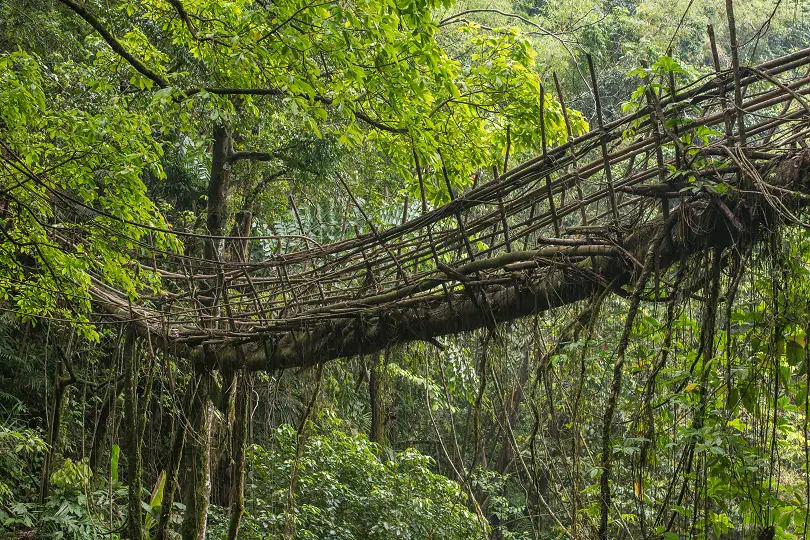
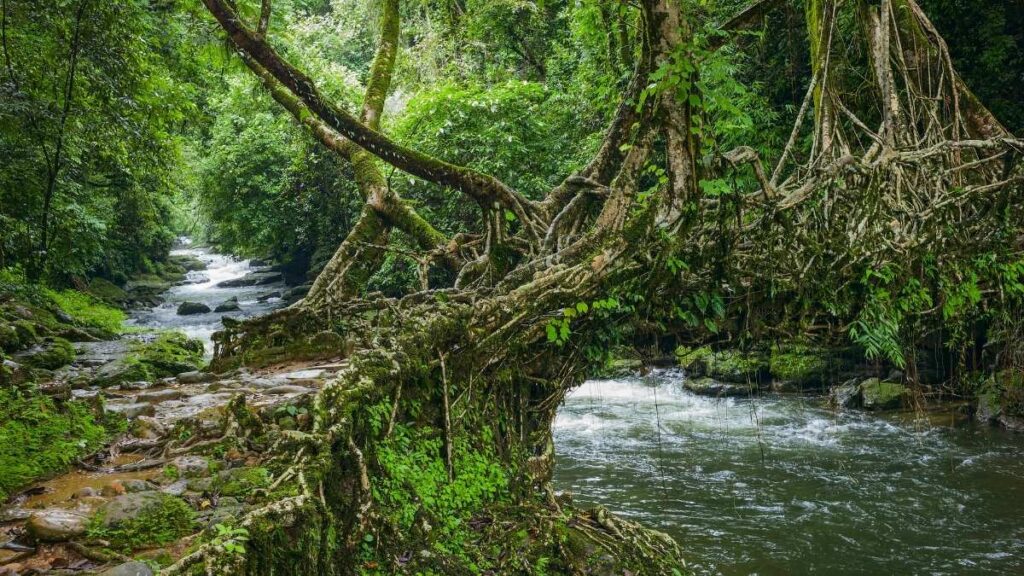
Meghalaya's living root bridges represent one of the world's most fascinating examples of bioengineering. Over centuries, Khasi villagers have guided aerial roots of rubber fig trees across rivers, weaving them into functional bridges that strengthen with time rather than decay. These structures can last for hundreds of years, growing more robust as the trees mature.
The most famous root bridge hike leads to Nongriat's Double Decker, where two bridges stack vertically, allowing passage even when river levels rise. The journey involves approximately 3,500 steps descending through lush valley, passing smaller root bridges and waterfalls along the way. Plan 4-5 hours for the round trip and allow time to rest at the village below.
Notable Root Bridge Trails
- Double Decker Root Bridge (Nongriat): Moderate difficulty, 4-5 hours round trip, best visited October to May
- Single Root Bridge (Tyrni): Easier alternative, less crowded, 2-3 hours total
- Umkar Root Bridge: Scenic approach, quieter trail, suitable for families
Best Time for Hiking in Meghalaya
Choosing the right season significantly affects trail conditions, visibility, and overall hiking comfort. Meghalaya's reputation as the wettest place on Earth means weather planning is essential for safe, enjoyable trekking.
October to April (Recommended)
These months offer the most reliable hiking conditions. Rainfall decreases significantly, paths dry out, and temperatures remain comfortable for strenuous activity. Clearer skies mean better valley views and safer footing on exposed sections. This is the peak season for root bridge treks and long-distance walks.
May to September (Challenging)
Monsoon hiking rewards with spectacular waterfalls and maximum greenery but brings serious challenges. Trails become slippery, river crossings dangerous, and leeches abundant. Only experienced hikers with proper gear should attempt major treks during this period. Always check local conditions and respect closure warnings.
Shoulder Seasons (March-April, September-October)
These transitional windows balance manageable weather with fewer crowds. You'll encounter reasonable trail conditions while avoiding peak tourist numbers. Waterfalls still flow strongly from recent rains, and temperatures moderate between summer heat and winter cool.
Essential Gear for Meghalaya Hikes
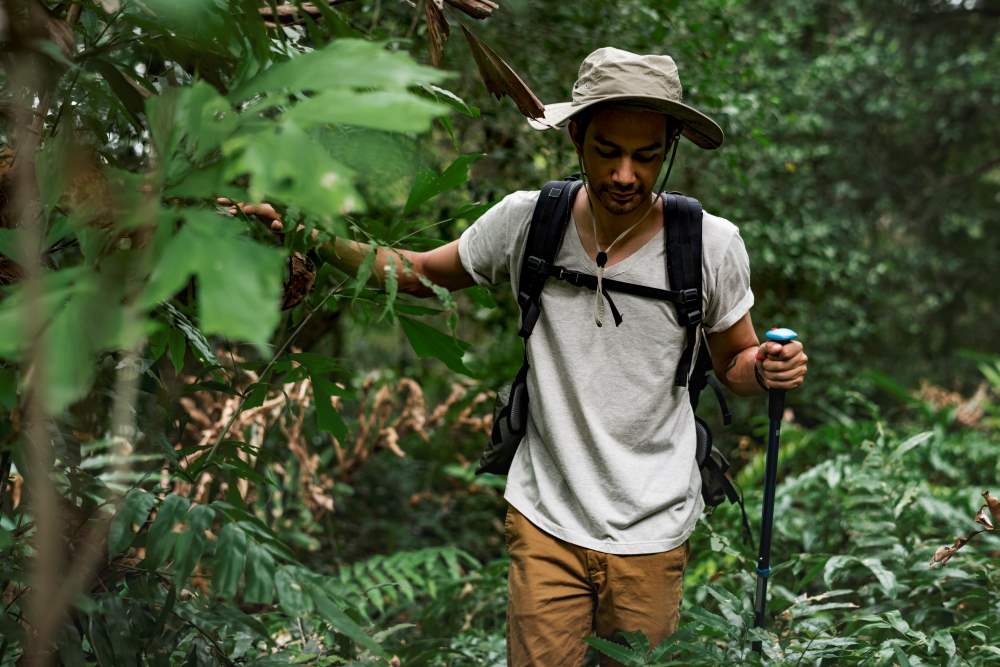
Proper equipment makes the difference between an enjoyable trek and an uncomfortable ordeal. Meghalaya's specific conditions—humidity, rain, rough terrain, and insects—require careful gear selection.
Footwear
Sturdy hiking shoes with aggressive tread are non-negotiable. Trails often consist of uneven stone steps, mud, and river rocks. Avoid smooth-soled sneakers that become dangerously slick when wet. Many hikers carry water shoes or sandals for river crossings, changing back into boots for dry sections.
Clothing
Lightweight, quick-dry synthetic fabrics work best in Meghalaya's humid environment. Avoid cotton that stays wet and chafes. Long pants protect against leeches and thorny vegetation, while breathable shirts manage sweat. Always pack a waterproof jacket regardless of season—mountain weather can change rapidly.
Security & Safety
Carry a basic first aid kit with blister treatment, antiseptic, and bandages. Leech socks are invaluable during wet months. A fully charged phone with offline maps, a power bank, and a physical backup map provide navigation security. Many hikers carry a walking stick for stability on steep descents.
Hydration & Nutrition
High humidity increases fluid loss, so carry 2-3 liters of water per person for moderate hikes. Many trails have village refreshment stops, but don't depend on them. Energy bars, dried fruit, and nuts provide quick fuel without weighing down your pack.
Popular Hiking Routes with Detailed Guides
David Scott Trail History & Route
This historic trail originally connected Bangladesh to Assam through the Khasi Hills, serving as a mule cart route for trade. Today, hikers typically cover the most scenic 16-kilometer stretch between Mawphlang and Laitkynsew. The route crosses wooden bridges, follows ridge lines with valley views, and passes through remote villages where time seems frozen.
Most hikers complete this trail in 5-6 hours with stops for photography and lunch. Arrange transport at both ends beforehand, as public options are limited. Local guides enhance the experience with stories about the trail's role in colonial history and traditional Khasi life.
Cherrapunji Waterfall Circuit
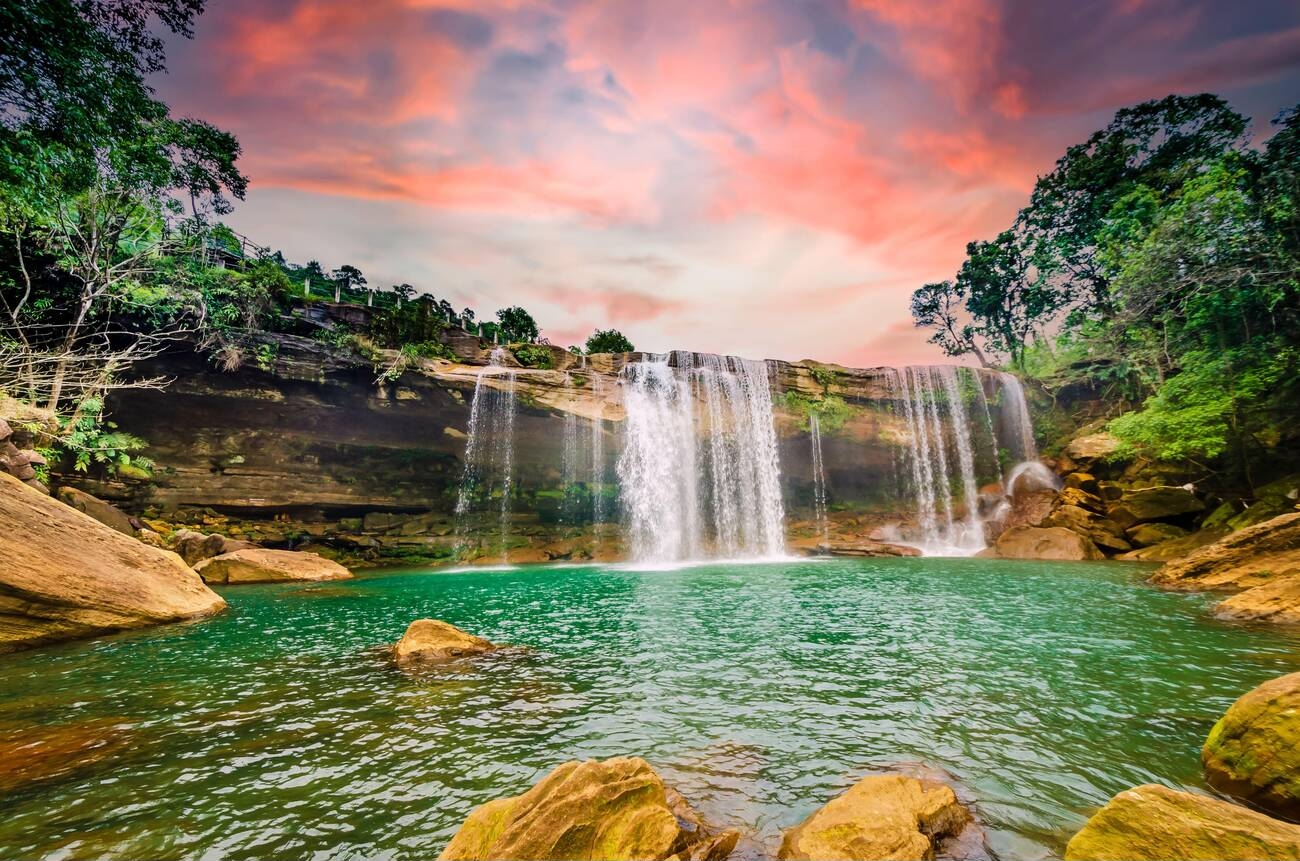
This moderately challenging route connects several of the region's most spectacular waterfalls, including Nohkalikai, Seven Sisters, and Dainthlen. The trail requires decent fitness due to continuous elevation changes and potentially slippery conditions. Plan a full day and start early to avoid afternoon crowds at the most popular falls.
Laitlum Canyons Ridge Walk
For dramatic views without extreme effort, the Laitlum Canyons offer exposed ridge walking above deep gorges. The main viewpoint is easily accessible by vehicle, but more rewarding hiking trails wind along canyon edges. Exercise caution on exposed sections, especially in windy or wet conditions. Golden hour photography here produces spectacular results.
Village Homestays & Cultural Hiking
Some of Meghalaya's most rewarding hiking experiences involve overnight stays in traditional Khasi villages. These communities welcome respectful travelers interested in learning about indigenous culture while supporting sustainable tourism.
Nongriat Village Experience
Staying overnight in Nongriat allows you to experience the double-decker root bridge without day-trip crowds. Simple homestays offer basic comfort and home-cooked Khasi meals. Wake early to watch mist clear from the valley before other hikers arrive, and enjoy conversation with villagers about life in this remote community.
Mawlynnong Clean Village Trek
Known as Asia's cleanest village, Mawlynnong offers gentle hiking through immaculate surroundings combined with cultural immersion. Walk through living root bridges, visit the sky viewpoint, and learn about community-based waste management that puts megacities to shame. The village's homestays provide comfortable bases for exploring surrounding trails.
Safety Tips for Hiking in Meghalaya
- Hire local guides for unfamiliar routes—they know current trail conditions, weather patterns, and emergency protocols
- Start early to avoid afternoon heat, potential thunderstorms, and crowded viewpoints
- Inform someone of your planned route and expected return time, especially for remote treks
- Check weather forecasts but be prepared for sudden mountain changes year-round
- Respect local customs in sacred groves and villages—ask permission before photographing people or ceremonies
- Stay on marked paths to avoid getting lost and protect fragile ecosystems from damage
- Carry emergency cash as ATMs are unavailable in hiking areas and network coverage is unreliable
Responsible Hiking Practices
Meghalaya's environment is both beautiful and fragile. As increasing numbers of visitors discover the region, responsible hiking practices become essential to preserve what makes these trails special.
Avoid single-use plastics—carry all trash back to disposal points in towns. Many villages have banned plastic entirely, and hikers must respect these rules. Use refillable water bottles and purification methods rather than buying bottled water repeatedly.
Minimize noise pollution that disturbs wildlife and village tranquility. Keep groups small, speak softly, and appreciate natural sounds. The sacred groves, in particular, deserve contemplative, respectful behavior.
Support local economies by hiring guides from nearby communities, purchasing handicrafts directly from makers, and choosing village homestays over large hotels. This ensures tourism revenue benefits those who maintain these special places.
Planning Your Meghalaya Hiking Trip
A well-planned hiking itinerary maximizes experience while minimizing stress. Meghalaya's infrastructure has improved significantly, but remote trailheads still require logistical coordination.
Transportation
Most hikers base themselves in Shillong, using private taxis or hired vehicles to reach trailheads. Public transport exists but operates on unpredictable schedules unsuitable for day-hike timing. Renting a car with driver provides flexibility for multiple trail visits and gear storage.
Itinerary Design
Group trails by geographic region to reduce transit time. The Cherrapunji area offers multiple hiking options within 30 kilometers, while the Shillong surrounds provide different experiences. Don't over-schedule—quality of experience beats quantity of stops. Include rest days between strenuous hikes.
Permits & Regulations
Most hiking areas don't require formal permits, but some sacred groves and protected forests request donations or ask visitors to register at village offices. Always carry identification and respect community rules about photography and behavior.
Combining Hiking with Other Activities
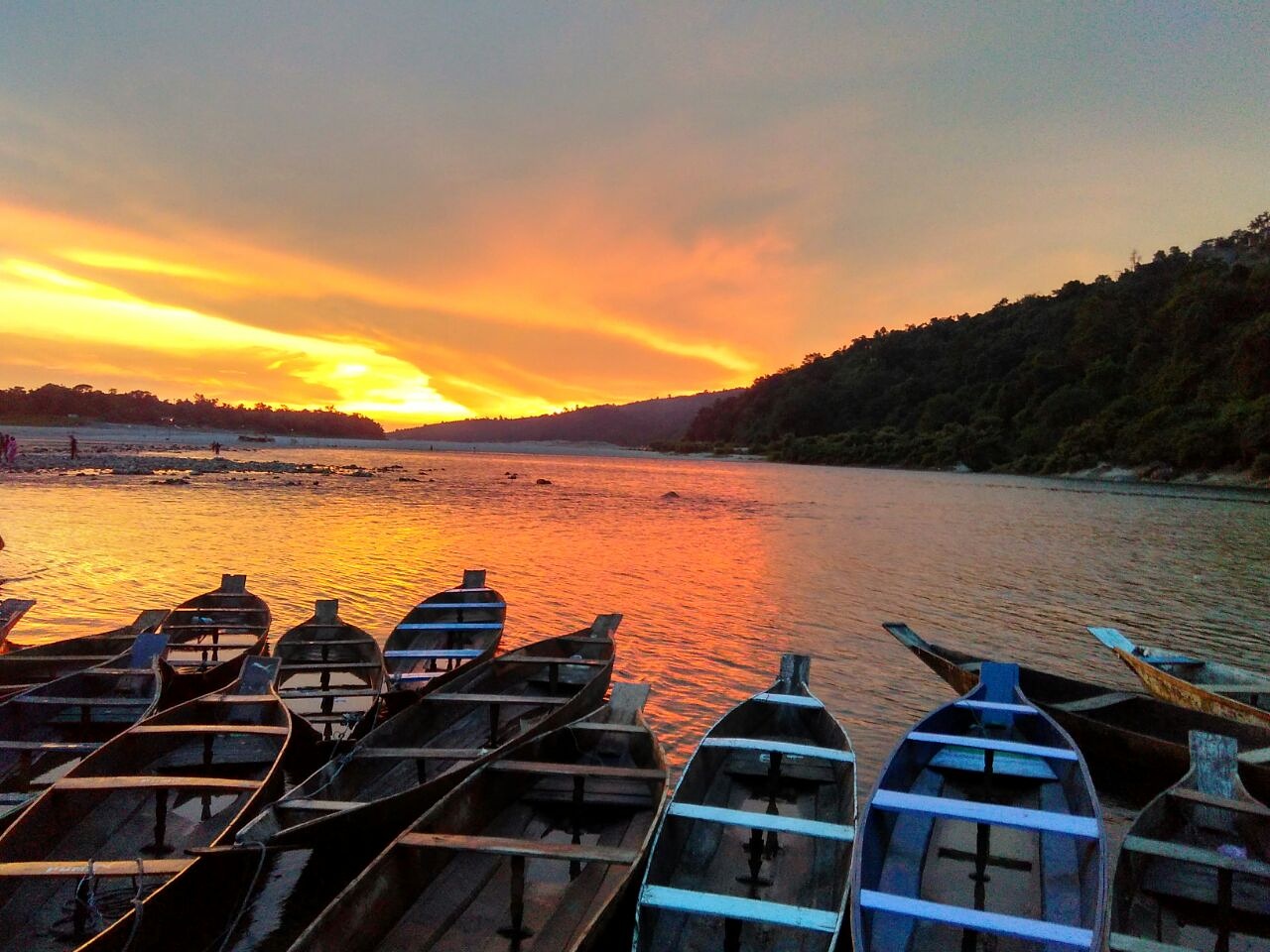
Meghalaya offers adventure beyond hiking. Many travelers combine trekking with caving expeditions in Mawsmai. If you enjoy unique outdoor stays, consider riverside camping in Dawki or village homestays in other Himalayan regions. Waterfall rappelling draws thrill-seekers, while bird watching attracts nature enthusiasts to the forest trails.
The state's unique cuisine provides excellent recovery fuel after demanding hikes. Try local specialties like jadoh (meat and rice), dohkhlieh (pork salad), and refreshing beverages like kyat (fermented rice drink). Shillong's café culture offers familiar comforts alongside traditional Khasi dishes.
Conclusion: Start Your Meghalaya Hiking Journey
Hiking in Meghalaya delivers experiences impossible to replicate elsewhere—living bridges that grow stronger with time, sacred forests preserved for millennia, and landscapes that seem to exist between earth and sky. Whether you're a first-time day hiker or an experienced trekker, the Khasi Hills offer trails that challenge, inspire, and transform.
Start with easier routes to acclimate to terrain conditions, gradually building to more challenging adventures as confidence grows. Every trail teaches something new about nature, culture, and personal capabilities. The memories made on these paths—misty mornings, canyon echoes, village hospitality—remain long after boots are unpacked and steps counted.
Location
Frequently Asked Questions
Q1.What is the best time for hiking in Meghalaya?
Q2.Is the Double Decker Root Bridge trek difficult?
Q3.Do I need a guide for hiking in Meghalaya?
Q4.What should I wear for hiking in Meghalaya?
Q5.How many days do I need for hiking in Meghalaya?
Q6.Are Meghalaya hiking trails suitable for beginners?
Q7.Is hiking in Meghalaya safe?
Q8.How do I reach trailheads in Meghalaya?
Q9.What wildlife might I encounter while hiking?
Q10.Can I hike during monsoon in Meghalaya?
Recommended For You
Living Root Bridges Meghalaya: Trek Routes, Villages & Local Tips
Discover Meghalaya's incredible living root bridges - nature's bioengineering marvel grown by the Khasi tribes. Complete trekking guide to the Double Decker Root Bridge in Nongriat, best time to visit, how to reach, difficulty level, and photography tips.

How to Reach Meghalaya: Flight, Train, Road & Entry Points
Complete guide on how to reach Meghalaya by flight, train & road. Routes from Guwahati, Kolkata, Delhi with timings, distances & travel tips.
Waterfalls in Shillong: Best Falls, Routes & Visiting Season
Discover the stunning waterfalls in Shillong. Complete guide to Elephant Falls, Sweet Falls, Spread Eagle Falls & more with trekking details, best time to visit, and practical travel tips.
Never Miss an Adventure
Get the latest trekking guides, travel tips, and exclusive offers delivered straight to your inbox.
