
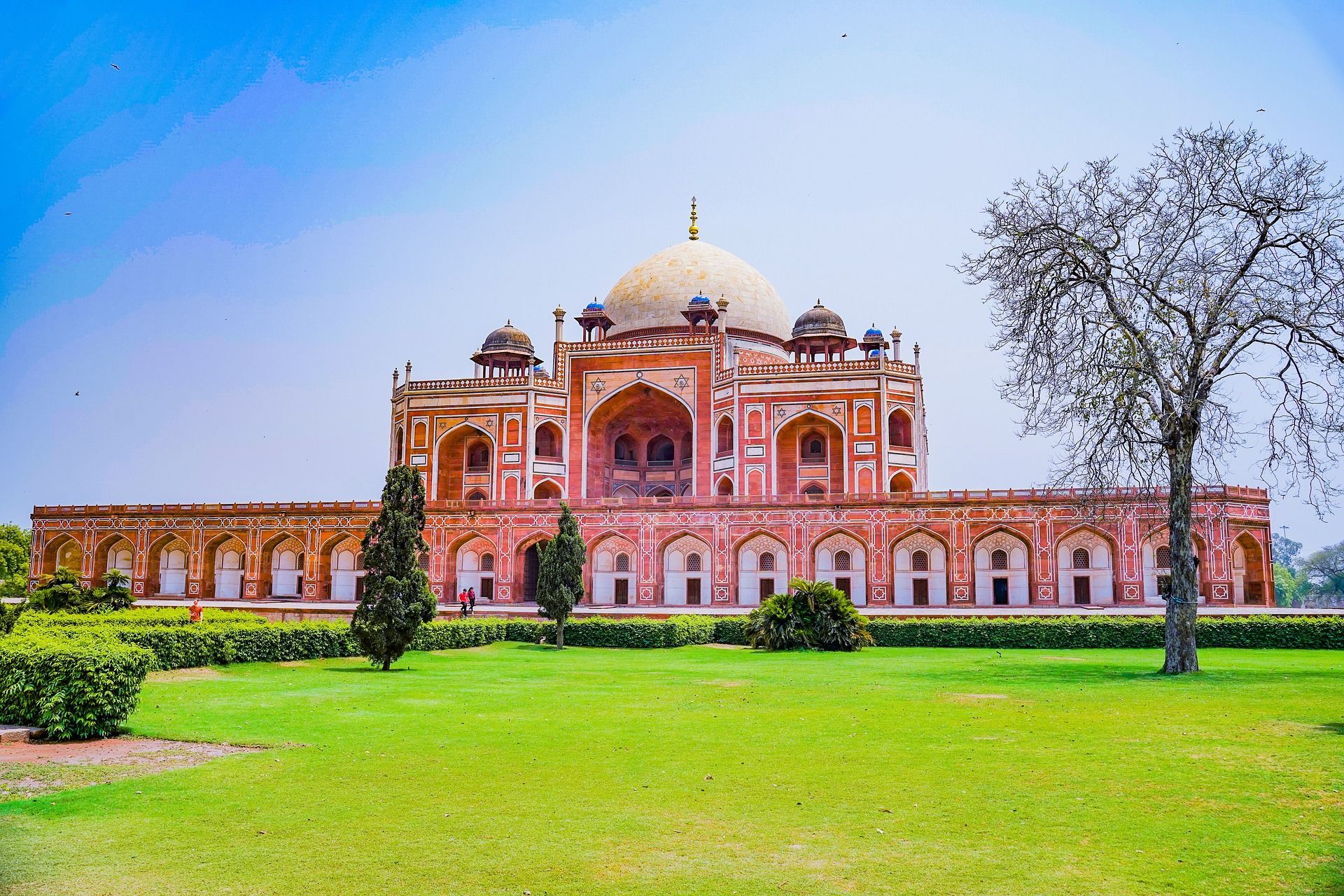
Historical Places in Delhi: Top 30 Heritage Monuments

Ananya Sharma
February 20, 2026
Discover best historical places in Delhi! Find Red Fort, Qutub Minar, Humayun's Tomb, and complete travel guide to India's capital heritage monuments.
Historical Places in Delhi: Practical Guide
Delhi is one of the few cities in the world where multiple political eras remain visible within one urban landscape. Travelers searching for historical places in Delhi usually face one problem: too many options and too little time. The best solution is to plan by timeline and zone, not by random popularity lists.
If you are new to the city, start with two high-impact anchors such as Qutub Minar and Jama Masjid, then build around them according to travel pace, season, and group type.
How to Plan Delhi Heritage by Era
A practical way to understand Delhi is to map monuments by historical phase: early Sultanate, Mughal consolidation, and colonial-era urban planning. This method reduces confusion and gives stronger narrative continuity compared with jumping between distant sites without context.
For short trips, choose one era-focused day and one mixed day. For longer stays, split by geography to reduce transit fatigue and improve on-ground time at each monument.
Must-Visit Core Monuments
Core monuments differ by traveler interest, but most first-time visitors should include one vertical landmark, one congregational site, one memorial/public space, and one lesser-crowd fort or precinct. This gives architectural variation and historical balance.
A useful core cluster includes Qutub Minar, Jama Masjid, and one additional site like Siri Fort depending on your available time and route direction.

Mughal and Late-Medieval Layer
Delhi's late-medieval phase is central to its identity. Fortified spaces, mosque architecture, and urban market patterns from this period still shape movement and cultural memory today. Visiting Mughal-era zones with slow observation helps travelers understand scale, ornament, and public-space logic.
Do not rush these sections. Keep time for structural reading, inscription viewing, and neighborhood context around major monuments.
Colonial and Modern Memory Layer
Colonial-era planning introduced broad avenues, administrative blocks, and ceremonial axes that contrast sharply with medieval cores. Seeing both in one trip explains Delhi's spatial duality: dense historical quarters and planned governmental sectors.
This contrast is one reason Delhi heritage travel is uniquely educational. It is not one old city; it is multiple cities layered into one evolving metropolis.

Best Time to Visit Historical Places in Delhi
October to March is usually most comfortable for walking and monument hopping. Summers are possible but require strict early-morning scheduling and hydration planning. Monsoon can reduce heat but may affect movement and visibility depending on rainfall intensity.
For photography, morning and late-afternoon light are best. Midday can still work for courtyards and shaded sections, but contrast often becomes harsh for facades.
How to Move Efficiently Across Heritage Zones
Delhi movement can be time-consuming if routes are not pre-planned. Combine metro, short cab transfers, and walk segments based on monument clusters. Avoid cross-city zig-zag patterns in peak traffic windows.
A smart route is one major monument block per half-day, with one meal and one rest break fixed in between. This keeps pace realistic and reduces burnout.
Suggested One-Day and Two-Day Models
| Plan | Best For | Structure |
|---|---|---|
| One-Day | Short-stay visitors | Two major monuments + one lighter stop |
| Two-Day | History-focused travelers | Era-wise split with deeper interpretation |
For remembrance and reflection segments, include Rajghat in a lower-intensity block after major climbs.

Travel Etiquette and Safety
- Dress respectfully at religious sites
- Check photography rules before shooting
- Carry water and light sun protection
- Use official ticket counters and trusted apps
- Keep digital and physical ID copies
Simple discipline improves both comfort and monument experience quality.
Common Mistakes to Avoid
The biggest mistake is trying to cover too many monuments in one day. This leads to rushed visits and poor retention. Another mistake is ignoring transit time between zones, especially during peak traffic windows.
Also avoid visiting highly exposed monuments only at noon in summer. Shift heavy walking to cooler slots and keep indoor or shaded segments for midday periods.
Useful Internal Links for Route Building
For extended city planning, review historical places in Delhi context pages and nearby route ideas. You can also add thematic comparisons with Qutub Minar and Jama Masjid to improve chronology understanding.
If you have extra time, include neighborhood walks around old cores to connect architecture with living urban culture.
Final Take
Delhi is not a city you finish in one heritage day. It is a layered historical environment best experienced through structured planning, slower observation, and realistic pacing. When planned by era and geography, the city becomes far easier to understand and enjoy.
Choose fewer monuments, go deeper at each one, and keep context in focus. That is the strongest strategy for meaningful historical travel in Delhi.
Extended Planning Notes
A common reason travelers under-enjoy this destination is over-compressed scheduling. Heritage exploration improves when you keep transit buffers, climate buffers, and one optional stop instead of forcing fixed minute-level plans. This destination works best when viewed as a contextual experience rather than a checklist item. Use realistic movement assumptions, especially if your group includes elders or children. A slower pace increases observation quality, reduces fatigue, and gives better decision-making for the second half of the day.
For stronger route continuity, pair this guide with siri fort delhi and qutub minar. These internal references help you connect architecture, local culture, and practical movement planning without repeating the same attraction type all day. In multi-stop routes, alternate high-effort and low-effort segments. This keeps energy stable and avoids the common pattern of early enthusiasm followed by rushed final stops.
Advanced Observation Checklist
- Start with macro layout before focusing on details
- Identify what is original, restored, or weathered
- Map movement paths and visitor pressure points
- Use two viewing passes: orientation pass and detail pass
- Take notes on interpretation, not just photos
This method is especially useful for travelers who want meaningful recall after the trip. Without structured observation, even major monuments can blur together. A short note-taking discipline can dramatically improve retention and storytelling quality.
Photo and Timing Strategy
For most locations, first light and late light are best for texture and depth. Midday can still work for documentation shots, but nuanced details are easier to capture in softer directional light. Keep one wide contextual frame, one medium narrative frame, and one close detail frame for each section. This simple three-frame model gives a complete visual record without overshooting.
If crowds are high, wait for flow gaps instead of forcing frames. Patience usually produces cleaner compositions and safer movement. Also avoid physically risky positions for dramatic angles. Strong storytelling images come more from composition discipline than from dangerous viewpoints.
Final Field Guidance
Before ending the visit, verify that you covered primary sections, essential context points, and one reflective pause to synthesize what you observed. If you still have time, use india gate to decide your next stop based on effort level rather than popularity alone. This approach improves total trip quality and prevents late-day burnout.
The most successful heritage days are not the busiest ones. They are the ones where you understand the place, remember key details, and finish with enough energy for the next day. Plan accordingly, and this destination will deliver much stronger value.
Additional practical note: keep digital map backups, verify local timings close to visit date, and maintain a flexible one-hour buffer in your schedule. This small margin usually absorbs traffic, queue variation, or weather disruption without compromising core site quality.
Additional practical note: keep digital map backups, verify local timings close to visit date, and maintain a flexible one-hour buffer in your schedule. This small margin usually absorbs traffic, queue variation, or weather disruption without compromising core site quality.
Location
Frequently Asked Questions
Q1.What are the most historical places in Delhi?
Q2.How many UNESCO sites are in Delhi?
Q3.Which is the oldest historical place in Delhi?
Q4.What is the historical significance of Delhi?
Q5.Red Fort vs Qutub Minar - which is better?
Q6.What is the entry fee for Humayun's Tomb?
Q7.Is photography allowed at all historical places?
Q8.How much time needed for Delhi heritage tour?
Recommended For You
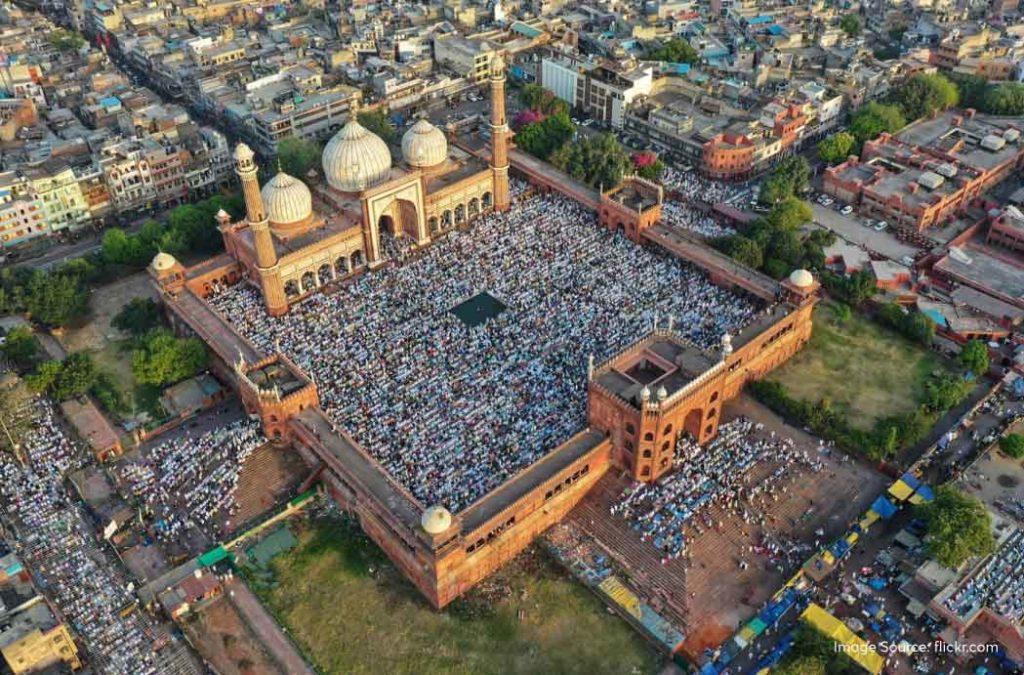
Jama Masjid Delhi: Timings, Entry Rules & Nearby Old Delhi Walk
Complete Jama Masjid Delhi guide with timings, entry details, architecture highlights, minaret climb tips, dress code, and nearby Old Delhi route planning.
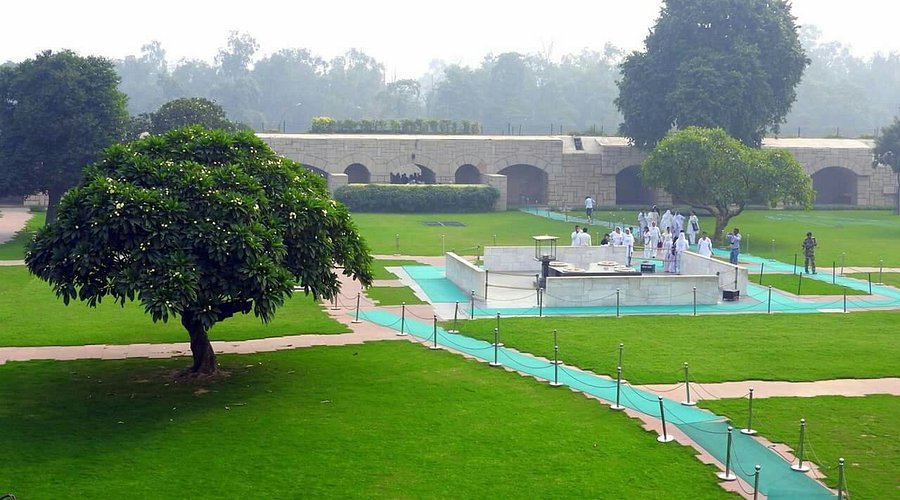
Rajghat Delhi: Timings, History & How to Reach
Visit Rajghat Delhi - Mahatma Gandhi's memorial on Yamuna River banks. Open 6:30 AM-6:00 PM, free entry. History, timings & how to reach guide.
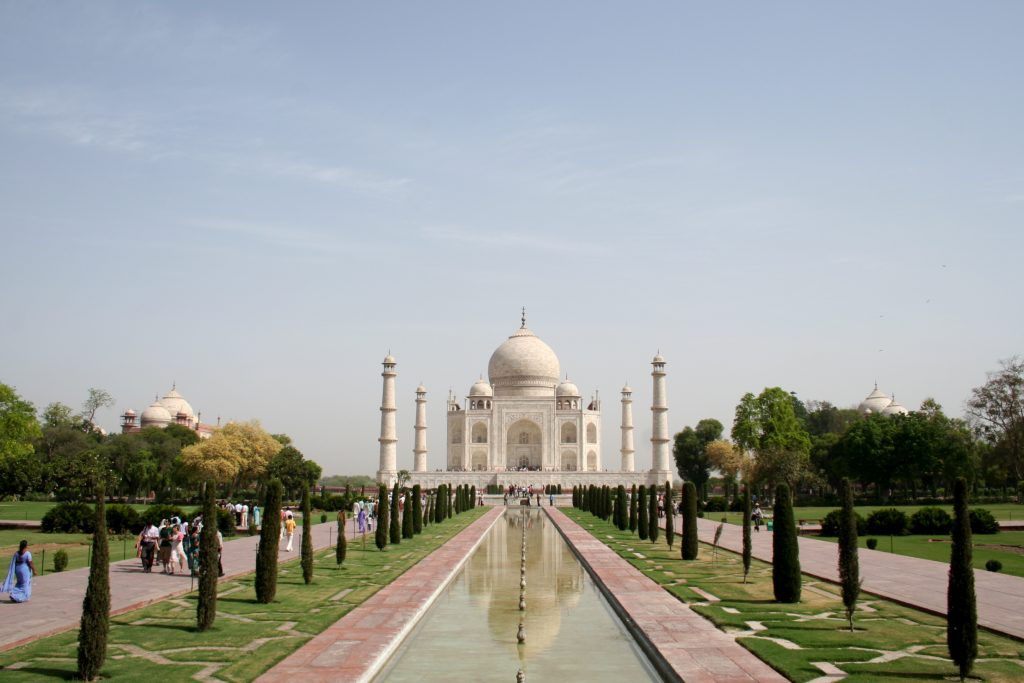
Taj Mahal Agra: Ticket Price, Timings, Entry Gates & Tips
Visit Taj Mahal in Agra - the world's most beautiful monument and one of the Seven Wonders. Complete guide with timings, tickets, history, and travel tips.
Never Miss an Adventure
Get the latest trekking guides, travel tips, and exclusive offers delivered straight to your inbox.
