
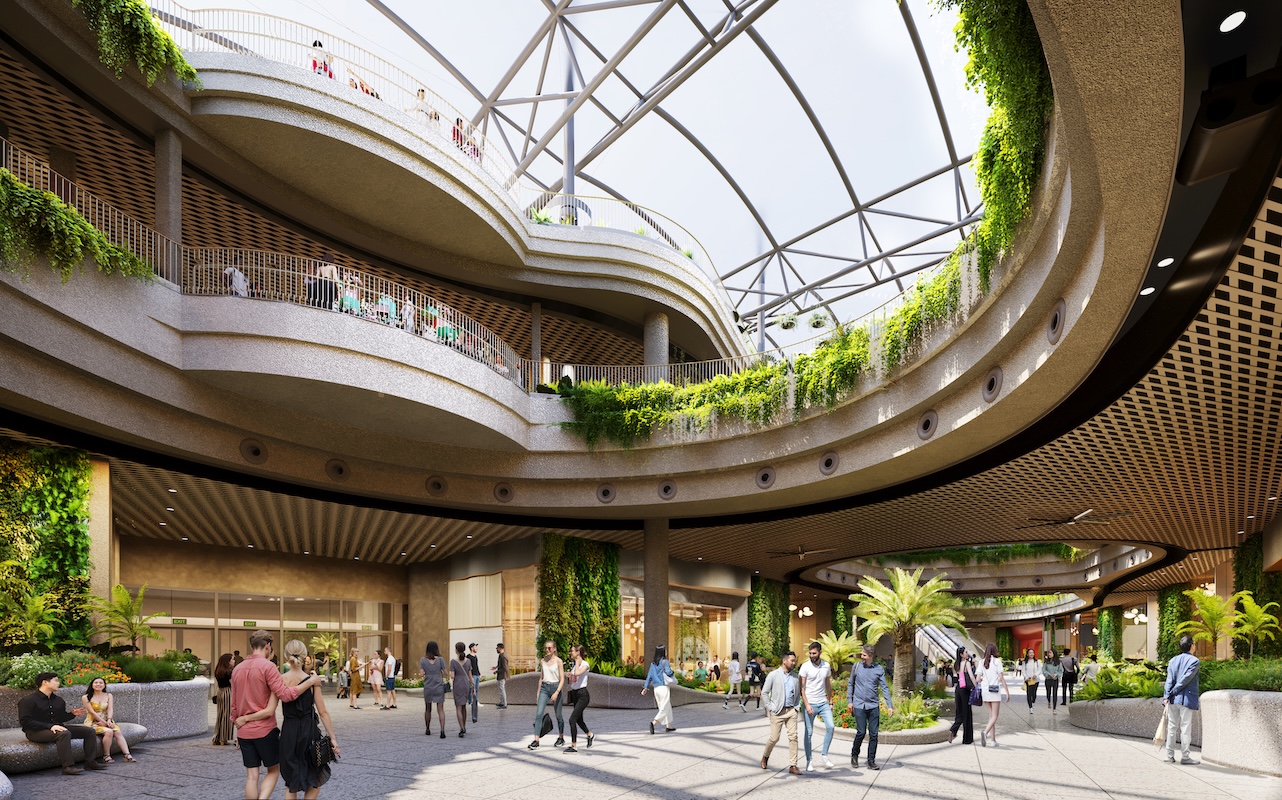
Best Malls in Singapore: 15 Top Shopping Destinations by Area

Rohit Verma
January 10, 2026
Discover the best malls in Singapore - from luxury shopping on Orchard Road to Jewel Changi's indoor waterfall. Explore 15+ top shopping destinations in this complete guide.
Malls Singapore: Complete Shopping Guide for Luxury, Lifestyle, and Budget Finds
Singapore is one of Asia’s strongest mall destinations, with retail spaces that range from global luxury hubs to family-friendly lifestyle centers and travel-convenient shopping complexes. But many visitors waste time by choosing malls randomly without matching them to their shopping goals. A better strategy is to categorize malls by purpose: luxury, fashion, family entertainment, airport shopping, and value-focused buying.
This guide helps you do that. You will learn which mall types to prioritize, when to visit, how to plan food breaks, and how to combine malls with local market routes. For full trip planning, pair this with places to visit Singapore and local markets Singapore.

Why Singapore Malls Are a Major Attraction
Singapore malls are not only shopping spaces. They are climate-controlled social zones with strong food options, events, design-heavy interiors, and easy access to transport. This makes them practical for travelers in both hot weather and rainy windows. They also work well for mixed groups where interests differ across fashion, dining, electronics, and leisure.
A mall-focused half-day can be surprisingly efficient if the right location is chosen for your itinerary.
Mall Categories You Should Know
Luxury-focused malls: Best for premium brands and high-end shopping.
Mainstream lifestyle malls: Balanced mix of shopping, dining, and entertainment.
Airport-linked retail hubs: Excellent for transit-time shopping.
Neighborhood malls: Better for practical purchases and lower crowd pressure.
Choosing by category prevents unnecessary inter-mall travel and keeps your day productive.
Top Mall Zones to Prioritize
Most travelers begin with iconic shopping corridors and then expand to destination malls with unique architecture or entertainment value. If you are a first-time visitor, prioritize one flagship mall area and one contrast mall zone in your trip. This gives broad exposure without retail fatigue.
You can combine with Orchard Road Singapore for high-profile shopping and one destination mall for variety.

Airport Shopping Advantage
Singapore’s airport-linked shopping ecosystem is one of the strongest in the world. If your itinerary includes short stopovers or late departures, using an airport mall block can save city travel time. For many travelers, this becomes a high-value last-day shopping strategy.
Use this option for final gifts, travel essentials, and branded purchases you postponed during the trip.
How to Plan a 1-Day Mall Route
Morning: Start with your priority category mall (luxury/fashion/family).
Afternoon: Shift to a contrasting mall type with food break.
Evening: Keep one flexible stop for final purchases or entertainment.
This structure avoids repetitive browsing and gives better coverage in one day.
Food Courts and Dining Strategy
One major strength of Singapore malls is food diversity. Use mall food courts for efficient meals and reserve full-service dining for one selected meal. This saves budget and time. Avoid eating at every stop; keep one structured meal and one snack break.
If food exploration is a priority, blend mall dining with shopping Singapore and nearby street-food routes separately.
Budget and Purchase Planning
Set a spending structure before entering: essentials, gifts, fashion, and optional premium buys. In multi-level malls, impulse buying happens quickly. A “scan first, buy second” approach works well. Keep receipts organized, especially for high-value items and tax-related processes where applicable.
If you are comparing prices across malls, record store names and prices in notes to avoid confusion later.

Malls vs Local Markets: Which Should You Choose?
Malls are best for convenience, global brands, and weather-proof comfort. Local markets are better for cultural texture, souvenir variety, and neighborhood character. The best Singapore shopping plan includes both. Use malls for planned purchases and markets for exploratory shopping.
A combined strategy gives stronger value than choosing one format exclusively.
Who Should Prioritize Mall Shopping?
Families, business travelers, premium shoppers, and short-stay tourists benefit most from mall-focused planning. Travelers with children also find malls easier due to facilities and controlled environments. Budget travelers can still use malls effectively by focusing on food courts and specific purchase goals.
For experience variety, keep at least one local-market block in the itinerary.
Common Mistakes to Avoid
The biggest mistake is visiting too many malls with similar store mixes. Another issue is shopping without category priorities, leading to fatigue and unplanned spending. Travelers also underestimate walking distance inside large malls and overpack their day.
Limit your plan to two major mall stops plus one optional quick stop.
How to Choose the Right Mall by Traveler Profile
Luxury buyers: prioritize flagship brand malls with dedicated premium sections and concierge support. Families: choose malls with easy dining, children-friendly facilities, and rest zones. Budget travelers: focus on practical stores and food court deals instead of impulse premium floors. Transit travelers: use airport-linked shopping centers for efficient final-day purchases.
This profile-based filtering saves time and prevents mall fatigue. Singapore malls are excellent, but visiting too many similar centers can reduce value and increase unnecessary spending.
Advanced Cost-Control Strategy
Use a three-envelope budget model: essentials, gifts, and optional purchases. Do not mix categories while browsing. Once essentials are complete, move to gifts. Optional buys should happen only in the final round. This method gives strong spending discipline without reducing shopping enjoyment.
For larger purchases, compare tax and return policies across stores and keep digital + printed receipts in one folder. Organized paperwork is crucial for smooth post-purchase support.
How to Avoid Mall Fatigue in Singapore
Mall fatigue is common in Singapore because retail options are abundant and visually similar at first glance. The fix is simple: limit your day to two major malls and one optional quick stop. Use one mall for planned purchases and another for ambience, dining, or specialty categories. Avoid third-hour random browsing unless your core list is complete.
Also split your mall sessions with short outdoor or café breaks. This reset improves decision quality and prevents impulsive spending late in the day. If shopping with family, assign category leads so everyone is not covering the same floors repeatedly.
Travelers who pace mall visits this way usually save more money and still cover more meaningful shopping ground across the trip.
Practical Last-Day Mall Strategy
Use your final day for consolidation shopping: gifts, essentials, and items postponed earlier. This avoids carrying extra bags on sightseeing days.
Reserve one hour for bill checks and packing before exit. Organized finishing prevents rushed mistakes.
Final Takeaway
Malls in Singapore are among the most efficient and diverse shopping experiences in Asia when planned strategically. They work best when chosen by category, paired with structured meal breaks, and balanced with local market visits.
Plan smartly, compare selectively, and avoid repetitive mall hopping. With this approach, Singapore mall shopping becomes productive, enjoyable, and travel-friendly.
Location
Frequently Asked Questions
Q1.What are the best malls in Singapore?
Q2.Which is the biggest mall in Singapore?
Q3.Is shopping cheaper in Singapore?
Q4.What is the best place to shop in Singapore?
Q5.Is Jewel Changi worth visiting?
Q6.When is the best time to shop in Singapore?
Q7.Can tourists get tax refunds in Singapore?
Q8.What can I buy in Singapore?
Q9.Are malls in Singapore air-conditioned?
Q10.How do I get around to different malls in Singapore?
Recommended For You
Best Shopping Places Dubai: Area Guide and Tips
Plan shopping in Dubai with mall/market zoning, timing strategy, and practical budget tips for a smoother retail experience.
CentralWorld Bangkok: Shopping Floors, Food Zones & Opening Hours
Explore Central World Bangkok with practical tips on shopping zones, floor planning, dining choices, best timings, and transit-friendly access.
Pavilion KL Kuala Lumpur: Luxury Shopping, Dining & Event Highlights
Explore Pavilion KL with shopping zones, dining options, opening-hour guidance, and practical tips for a smooth Bukit Bintang visit.
Never Miss an Adventure
Get the latest trekking guides, travel tips, and exclusive offers delivered straight to your inbox.
