
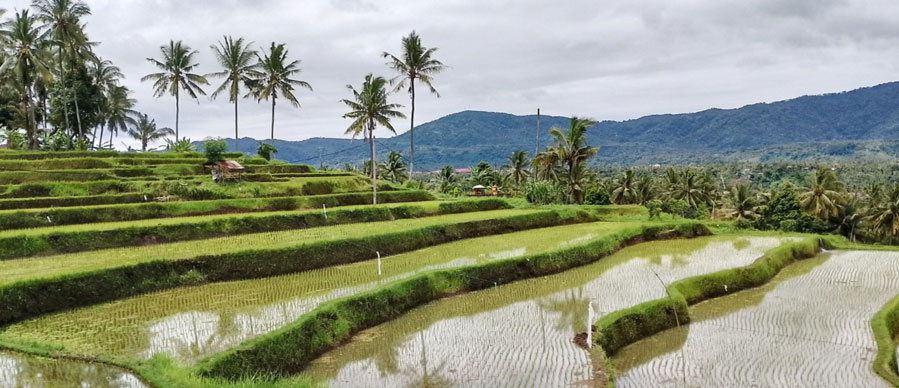
Mayong Village Assam: Black Magic & History

Ananya Sharma
January 27, 2026
Explore Mayong Village in Assam. Land of black magic, history, museum, how to reach, tourism & complete travel guide.
Introduction: Entering the Land of Black Magic
Deep in the heart of Assam, along the banks of the mighty Brahmaputra River, lies a village that has captivated imaginations for centuries – Mayong, famously known as the Land of Black Magic. This mysterious village, shrouded in legends of sorcery, witchcraft, and supernatural powers, offers visitors a fascinating glimpse into India's mystical traditions. Unlike any other place in the country, Mayong has preserved its ancient knowledge of tantra, mantra, and traditional healing practices, making it a unique destination for those interested in the esoteric and unexplained.
The name Mayong itself evokes a sense of mystery and wonder. For generations, this village has been associated with tales of people vanishing into thin air, being transformed into animals, or possessing the power to cure incurable diseases through ancient rituals. While skeptics may dismiss these stories as folklore, the villagers of Mayong take their traditions seriously, and many families still possess ancient manuscripts and artifacts related to the practice of black magic and traditional healing.
Today, Mayong is emerging as a fascinating cultural tourism destination, drawing curious travelers, researchers, and spiritual seekers from around the world. The village has embraced its reputation while working to preserve its unique heritage through the Mayong Central Museum and Documentation Centre. Whether you're a believer in the supernatural or simply interested in experiencing a truly unique aspect of Indian culture, a visit to Mayong promises to be an unforgettable journey into the mystical heart of Assam.
History of Mayong
The history of Mayong is as fascinating as it is mysterious, spanning thousands of years and intertwining mythology, recorded history, and oral tradition. The village's story begins in ancient times, with some historians believing that Mayong has been inhabited for over 5,000 years. The name Mayong is derived from the Sanskrit word 'Maya,' meaning illusion – a fitting name for a place known for its mystical traditions and seemingly impossible feats.
Ancient Origins and Mythological Connections
According to local legends and historical accounts, Mayong has deep connections to ancient Indian mythology. Some believe that the region was once a center for tantric practices, attracting practitioners from across the Indian subcontinent. The village's proximity to the Brahmaputra River made it an important trading post and cultural center, where knowledge from different regions converged and evolved. The dense forests surrounding the village added to its mystical reputation, providing seclusion for those engaged in esoteric practices.
Medieval Period and the Ahom Dynasty
During the medieval period, Mayong gained prominence under the powerful Ahom dynasty, which ruled Assam for nearly 600 years. Historical records indicate that the Ahom kings were aware of Mayong's reputation for black magic and sorcery. Some accounts suggest that the Ahom royal court employed practitioners from Mayong for various purposes, including protection against enemies and healing. The Ahom period also saw the documentation of many Mayong traditions, with royal scribes recording tales of miraculous feats performed by the village's ojhas (traditional healers and practitioners of black magic).
Colonial Documentation
When the British arrived in Assam, they too were fascinated by Mayong's reputation. Colonial administrators and ethnographers documented numerous stories about the village's mystical practices, though their accounts often reflected a mix of wonder and skepticism. British records from the 19th century contain detailed descriptions of Mayong's healers, their methods, and the various artifacts used in their rituals. These colonial documents provide valuable historical context for understanding how Mayong's traditions have evolved over time.
Oral Traditions and Family Lineages
Perhaps the most important aspect of Mayong's history is the role of oral tradition. Knowledge of black magic, tantra, and traditional healing has been passed down through generations within specific families. These practitioner families, known as oja families, carefully guard their secrets, transmitting knowledge only to chosen successors. Many of these families still reside in Mayong today, maintaining traditions that have been preserved for centuries. The oral histories maintained by these families provide invaluable insights into the village's past and the evolution of its mystical practices.
Transformation in Modern Times
In recent decades, Mayong has undergone a significant transformation from a secluded village of practitioners to a recognized cultural heritage site. The establishment of the Mayong Central Museum and Documentation Centre has helped preserve and showcase the village's unique traditions. This government initiative has been crucial in documenting artifacts, manuscripts, and oral histories that might otherwise have been lost. Today, Mayong stands as a testament to Assam's rich cultural diversity and the importance of preserving traditional knowledge systems in a rapidly modernizing world.
Black Magic and Traditions
The heart of Mayong's identity lies in its association with black magic, or more accurately, traditional tantric and healing practices. To understand Mayong is to look beyond sensationalized notions of witchcraft and explore a complex system of traditional knowledge that encompasses healing, spirituality, and community service.
The Reality of Mayong's Black Magic
Contrary to popular belief, the black magic practiced in Mayong is not inherently evil or malevolent. The term 'black magic' is a colonial label that doesn't accurately reflect the nuanced nature of Mayong's traditions. Instead, the village's practitioners, known as ojhas, practice a form of tantra that includes elements of healing, protection, and spiritual guidance. These traditions are deeply rooted in the cultural and religious fabric of Assam, drawing from both Hindu tantric texts and indigenous tribal knowledge systems.
Traditional Practitioners (Ojhas)
The ojhas of Mayong are traditional healers and spiritual practitioners who serve their communities using ancient knowledge passed down through generations. These individuals are respected figures in village society, often consulted for health problems, spiritual concerns, and personal difficulties. Becoming an ojha requires years of training under an experienced practitioner, learning complex mantras, rituals, and the preparation of herbal medicines. Most ojhas come from families with a long history of practice, with knowledge being transmitted from father to son or guru to disciple.
Mantras and Tantra
Central to Mayong's mystical tradition are the use of mantras (sacred chants) and tantra (ritual practices). Practitioners believe that specific mantras, when chanted correctly with proper ritual preparation, can influence physical reality and heal various ailments. These mantras are often written in ancient Sanskrit or local languages and are typically kept secret within practitioner families. The rituals associated with these mantras can be elaborate, involving specific timing, offerings, and sacred spaces. While outsiders may view these practices with suspicion or fascination, for the villagers of Mayong, they are an accepted part of their cultural and spiritual landscape.
Healing and Herbal Medicine
A significant aspect of Mayong's tradition that often gets overlooked in favor of more sensational stories is the practice of traditional herbal medicine. Ojhas are often expert herbalists with extensive knowledge of medicinal plants found in the forests surrounding Mayong. This knowledge, combined with mantra-based healing, forms a comprehensive traditional healthcare system that many villagers still rely on today. The preparations can include decoctions, powders, and oils made from locally available herbs, each prescribed according to specific ailments and individual constitutions.
Folklore and Legends
The folklore surrounding Mayong's black magic traditions is as fascinating as the practices themselves. Stories abound of people who were supposedly transformed into animals, made to disappear, or cured of terminal illnesses through ojha interventions. One popular legend tells of a man who was turned into a tiger and roamed the forests for years before being transformed back into human form. Another story speaks of ojhas who could cure snake bites with a single mantra, even after modern medicine had failed. While these stories should be taken with a grain of salt, they reflect the deep belief that villagers have in the power of their traditional practitioners.
Modern Perspectives
In contemporary times, there's a growing effort to present Mayong's traditions in a more nuanced light. Rather than focusing solely on the sensational aspects of black magic, there's increased emphasis on understanding Mayong's practices as part of Assam's cultural heritage. This shift has been facilitated by educational initiatives, museum exhibitions, and academic research that seek to document and preserve these traditions without reducing them to mere curiosities. Many younger practitioners from Mayong are now working to bridge the gap between traditional knowledge and modern understanding, ensuring that their heritage remains relevant in the 21st century.
Mayong Central Museum
The Mayong Central Museum and Documentation Centre stands as the gateway to understanding the mysterious traditions of this unique village. Established by the Government of Assam, this museum serves a dual purpose: preserving Mayong's cultural heritage and educating visitors about the reality behind the legends.
Establishment and Purpose
The Mayong Central Museum was established with the goal of preserving and showcasing the unique cultural heritage of Mayong village. Recognizing that the traditional knowledge associated with black magic and healing was at risk of being lost, the government stepped in to create a space where artifacts, manuscripts, and oral histories could be documented and displayed. The museum has become an important institution for both preserving local culture and providing authentic information to curious visitors.
Exhibits and Artifacts
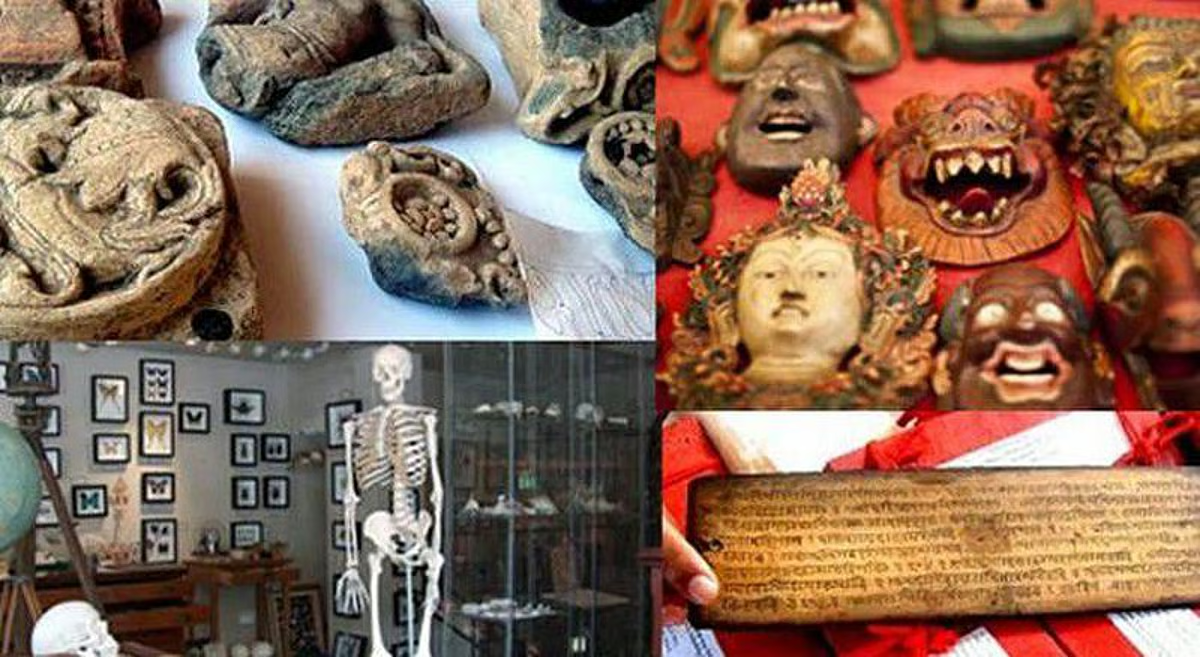
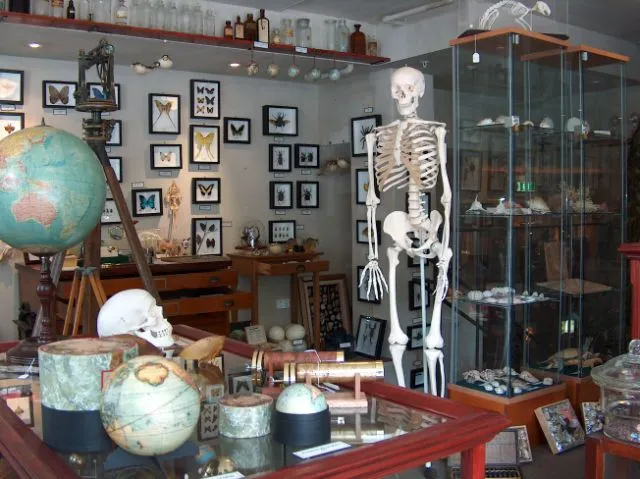
The museum houses an impressive collection of artifacts related to Mayong's mystical traditions. Visitors can see ancient tools used by ojhas in their rituals, including copper vessels, bells, and ritual implements. The collection includes various yantras (mystical diagrams), talismans, and other objects used in tantric practices. Perhaps most fascinating are the various scale models and photographs that illustrate different aspects of Mayong's traditions, helping visitors understand the context in which these objects were used.
Ancient Manuscripts
One of the museum's most valuable collections is its repository of ancient manuscripts. These hand-written texts, often on dried palm leaves or old paper, contain mantras, ritual instructions, and medicinal preparations. Many of these manuscripts are written in Sanskrit or ancient Assamese, using scripts that are no longer commonly understood. The museum has worked to preserve and, where possible, translate these texts, providing insights into the sophisticated knowledge systems that have existed in Mayong for centuries.
Skulls and Bones
The museum's collection includes several human and animal skulls, which often capture visitors' attention. These remains are associated with various rituals and healing practices, serving as a reminder of the more esoteric aspects of Mayong's traditions. While these displays might seem macabre to some visitors, they're presented in an educational context, explaining their significance in traditional practices. The museum staff are careful to provide cultural context for these exhibits, helping visitors understand their meaning beyond mere sensationalism.
Photographs and Documentaries
Beyond physical artifacts, the museum has an extensive collection of historical photographs documenting life in Mayong over the past century. These images show traditional practitioners, their families, and various rituals that have now largely disappeared. The museum also screens documentaries that feature interviews with elderly practitioners, providing valuable insights into Mayong's traditions from those who have practiced them. These visual and audio materials help bring the museum's collection to life, offering a more immersive understanding of Mayong's unique culture.
Museum Timings and Facilities
The Mayong Central Museum is typically open from 10:00 AM to 5:00 PM on weekdays, with limited hours on weekends. The museum is closed on Mondays and public holidays. There's a nominal entry fee, which helps support the museum's preservation work. The facility includes a small gift shop where visitors can purchase books about Mayong's traditions and local handicrafts. The museum staff are knowledgeable and often willing to answer questions, though they may be reluctant to share specific details about ongoing practices out of respect for traditional secrecy.
Educational Initiatives
Beyond its role as a tourist attraction, the museum serves as an educational center for researchers and students. Scholars from various fields – anthropology, folklore studies, religious studies – visit Mayong to conduct research, and the museum facilitates this work by providing access to its collections and connecting researchers with knowledgeable community members. The museum also organizes cultural programs and workshops aimed at preserving and promoting traditional knowledge systems.
Attractions and Experiences
While the museum is undoubtedly Mayong's main attraction, the village and surrounding areas offer several other interesting experiences for visitors interested in exploring Assam's cultural heritage.
Panchpara Devalaya
The Panchpara Devalaya is an ancient temple located near Mayong village, representing an important aspect of the region's spiritual heritage. This traditional temple, dedicated to various deities, showcases the architectural style characteristic of Assam's ancient religious structures. The temple remains an active place of worship, with local villagers coming here for daily prayers and special festivals. For visitors, the temple offers a peaceful atmosphere and insight into the religious practices that coexist with Mayong's mystical traditions. The temple grounds provide excellent views of the surrounding countryside, making it a pleasant spot for reflection after exploring the more intense exhibits at the museum.
Traditional Village Experience
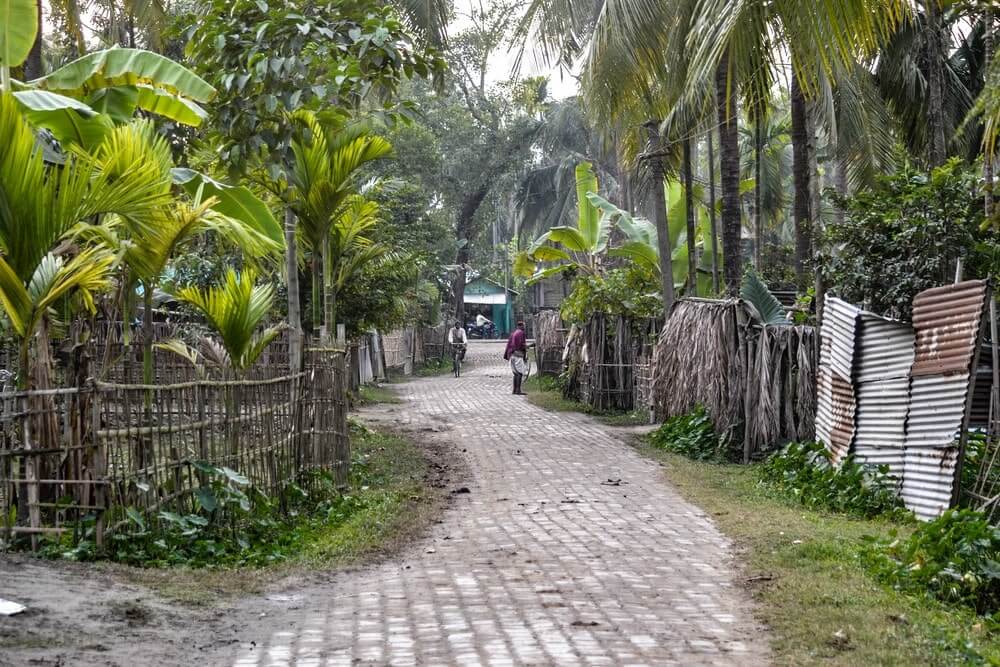
Exploring Mayong village itself provides an authentic experience of rural Assamese life. The village is home to traditional Assamese houses built in the distinctive style of the region, with thatched roofs and raised platforms to protect against flooding during the monsoon. Walking through the village lanes, you'll see women weaving on traditional looms, farmers tending to their fields, and children playing against the backdrop of lush greenery. Many villagers are friendly and willing to share stories about their community, though they may be hesitant to discuss specifics related to black magic practices out of respect for their traditions.
Brahmaputra River Views
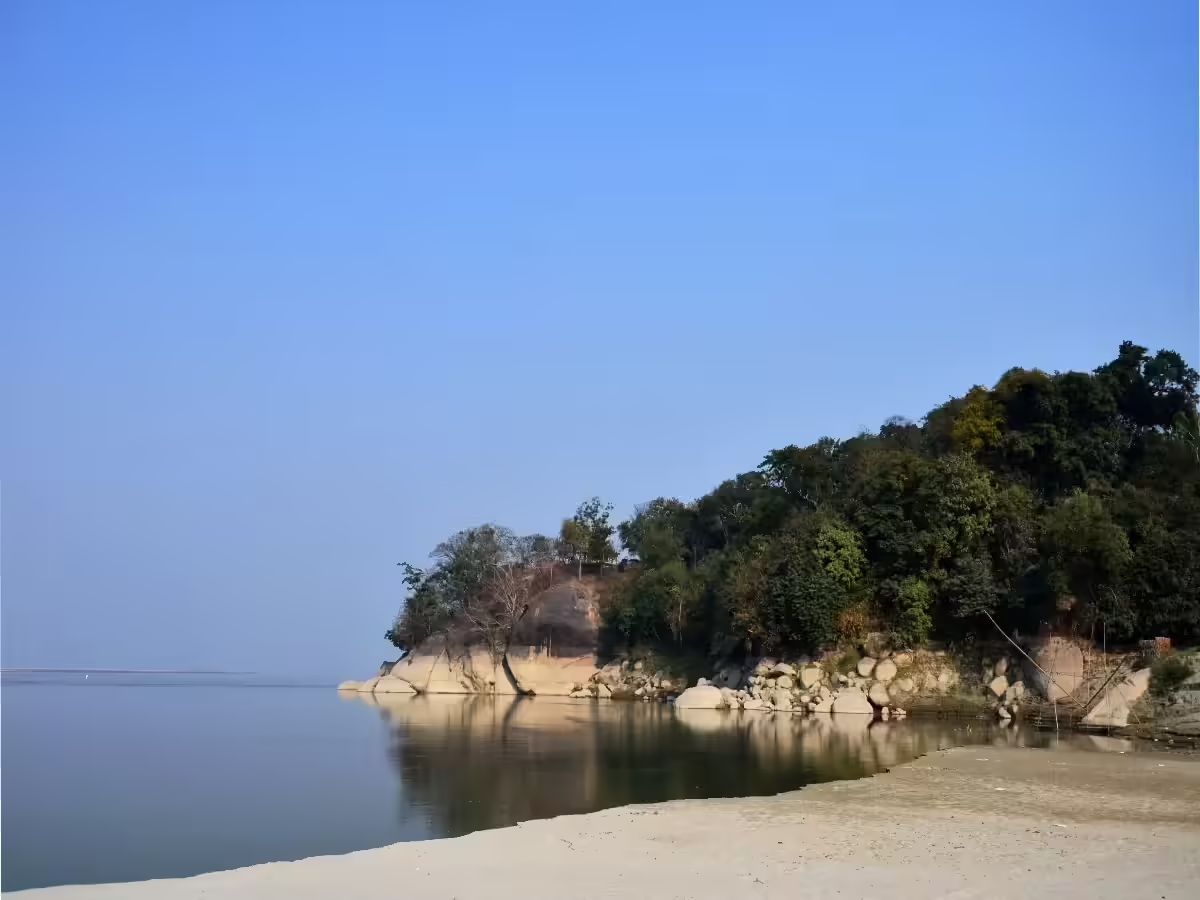
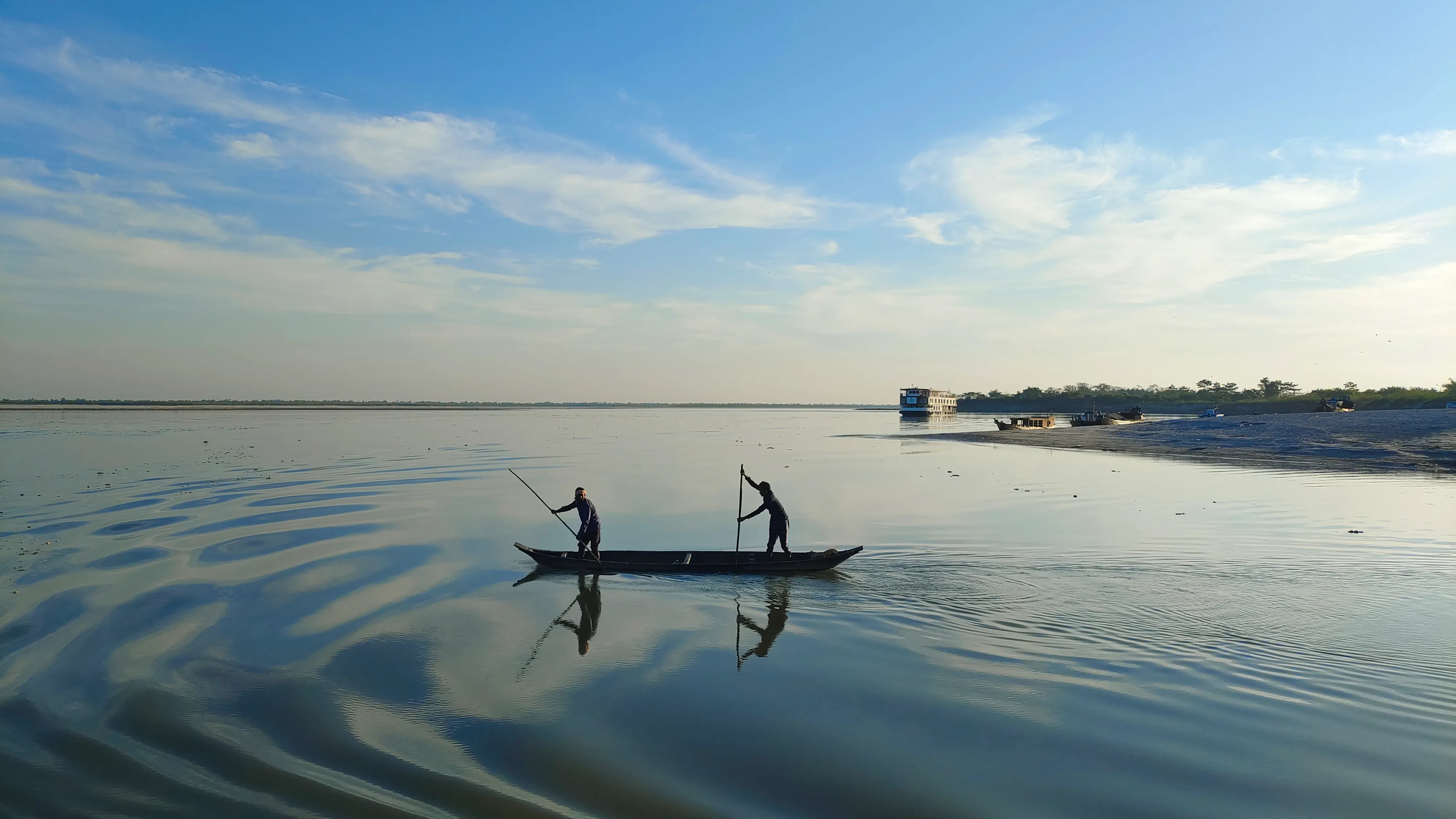
Mayong's location along the Brahmaputra River provides beautiful scenery and opportunities for relaxation. The mighty Brahmaputra, one of Asia's major rivers, flows past the village, creating a serene backdrop for your visit. There are several spots along the riverbank where you can sit and enjoy the view, watch boats passing by, or simply take in the peaceful atmosphere. During winter months, the river is particularly beautiful, with sandbars creating interesting patterns in the water and migratory birds adding life to the landscape. Some local operators offer boat rides, providing a different perspective on the village and surrounding countryside.
Local Handicrafts
The region around Mayong is known for its traditional handicrafts, particularly bamboo work and handloom textiles. Visitors can see artisans at work, weaving intricate patterns on traditional looms or creating functional and decorative items from bamboo. These handicrafts make excellent souvenirs and support the local economy. Cane and bamboo products are particularly popular, including baskets, mats, and furniture. Handwoven textiles from the region feature distinctive patterns and color combinations that reflect Assamese aesthetic traditions.
Cultural Performances
Depending on when you visit and with prior arrangements, it's sometimes possible to witness traditional cultural performances in Mayong. These might include traditional Assamese dance, music performances on indigenous instruments, or demonstrations of traditional weaving. Such performances provide a deeper understanding of the rich cultural context in which Mayong's mystical traditions developed. The best chance to see such performances is during festivals or special cultural events organized by the tourism department.
Nature and Wildlife
The area surrounding Mayong is rich in natural beauty, with lush forests, wetlands, and tea gardens in the vicinity. Nature enthusiasts will enjoy exploring the countryside, with opportunities for birdwatching, particularly during winter when migratory species visit the region. The forests around Mayong are home to various species of birds, butterflies, and small mammals. While not a major wildlife destination, the peaceful natural surroundings provide a nice contrast to the intense focus on human culture and history that dominates a Mayong visit.
How to Reach from Guwahati
Mayong Village is easily accessible from Guwahati, the largest city in Assam and a major entry point for travelers visiting the region. The journey is relatively short and straightforward, making Mayong an excellent day trip from Guwahati.
Distance and Route
Mayong is approximately 40 kilometers from Guwahati, and the journey typically takes 1-1.5 hours by road depending on traffic and road conditions. The route goes via National Highway 27 (NH 27), passing through the town of Morigaon. The roads are generally in good condition, and the drive itself is pleasant, offering views of the Assamese countryside with its rice fields, tea gardens, and traditional villages.
From Guwahati City Center
Start your journey from any central location in Guwahati, such as the Paltan Bazaar area or Fancy Bazaar. Head towards the Guwahati-Shillong Road and connect to NH 27 in the direction of Morigaon. The route is well-marked, and most taxi drivers will be familiar with Mayong's location. As you leave Guwahati behind, you'll notice the transition from urban to rural landscapes, with increasing greenery and traditional architecture.
Transportation Options
| Transport Type | Pros | Cons | Approximate Cost |
|---|---|---|---|
| Private Taxi | Most convenient, flexible timing, knowledgeable local drivers | Most expensive option | ₹2,500-3,500 for round trip |
| Rental Car | Freedom to explore, privacy | Need to navigate yourself | ₹1,500-2,500 per day plus fuel |
| Shared Cab to Morigaon | Budget-friendly option | Need to arrange local transport for final stretch | ₹100-150 per person to Morigaon |
| Public Bus | Most economical option | Crowded, fixed schedule, slower | ₹50-80 per person |
Nearest Town
Morigaon, located approximately 15 kilometers from Mayong, is the nearest major town. It serves as a transport hub for the region, with regular bus connections to Guwahati and other parts of Assam. If you're using public transport, you'll likely need to change vehicles at Morigaon. The town has basic facilities including shops, restaurants, and a fuel station, making it a good place to stop for supplies or a meal during your Mayong visit.
Road Conditions
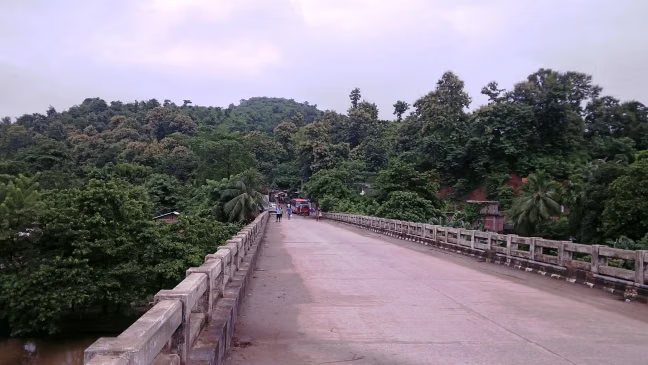
The main road from Guwahati to Morigaon (NH 27) is in excellent condition, being a national highway. The road from Morigaon to Mayong is narrower but generally well-maintained. During the monsoon season, roads in Assam can develop potholes and may become waterlogged in sections, so allow extra travel time if visiting between June and September. The drive is scenic, with plenty of photo opportunities along the way.
Best Route Tips
The most direct route from Guwahati to Mayong is via NH 27 towards Morigaon. However, there are also scenic alternative routes that pass through the countryside, if you have time and prefer a more leisurely journey. These routes may take longer but offer beautiful views of rural Assam, with rice paddies, bamboo groves, and traditional villages. If you're hiring a taxi for the day, ask the driver about taking a scenic route on the return journey.
Best Time to Visit
Choosing the right time to visit Mayong can significantly impact your experience, as Assam's weather varies dramatically throughout the year and influences both comfort and accessibility.
Winter (November - February)
Winter is widely considered the best time to visit Mayong Village. During these months, the weather is pleasant and comfortable, with daytime temperatures ranging from 20-25°C and cooler nights. The dry season means roads are in good condition, making travel easy and comfortable. Winter mornings can be misty, especially near the Brahmaputra River, creating an atmospheric backdrop for your visit that seems fitting for a place known for its mystical traditions.
The winter months also coincide with the tourist season in Assam, so you'll find better facilities and more organized tours available. However, this also means that Mayong might see more visitors during this time. If you prefer a quieter experience, try visiting on weekdays rather than weekends. The winter landscape, with its harvesting season and clear skies, provides beautiful photography opportunities.
Summer (March - May)
Summer in Assam can be hot and humid, with temperatures reaching 30-35°C during the day. While still visitable, the heat can make outdoor exploration uncomfortable, especially in the afternoon. However, summer has its advantages – fewer tourists mean you might have a more intimate experience. The vegetation is lush after the winter harvest, and the countryside is vibrant with new growth. If visiting during summer, plan your outdoor activities for the morning hours and seek shade during the hottest part of the day.
Monsoon (June - September)
Monsoon is generally not recommended for visiting Mayong. Assam receives extremely heavy rainfall during these months, and while the region is beautiful in the rain, practical considerations make travel difficult. Roads can become waterlogged or damaged, transportation may be disrupted, and outdoor activities become challenging. The humidity during monsoon is very high, making even simple activities uncomfortable.
However, if you're particularly interested in seeing Assam's countryside at its greenest and don't mind getting wet, monsoon can be a unique time to visit. The Brahmaputra is at its fullest, and the entire region is alive with flowing water. Just be prepared for potential delays and disruptions to your travel plans. Carry adequate rain gear and allow extra time for your journey.
Post-Monsoon (October)
October is a transitional period that can be excellent for visiting Mayong. The rains have usually ended by October, leaving the countryside incredibly lush and green. Temperatures are starting to cool down, making outdoor activities pleasant. The tourist rush of winter hasn't fully begun, so you might enjoy a quieter visit. October also often coincides with the festival season in Assam, so you might have the opportunity to witness local celebrations if your timing is right.
Recommended Duration
Mayong Village can be explored comfortably as a day trip from Guwahati. Plan for 4-6 hours for your visit, including travel time. The museum itself takes about 1-2 hours to explore thoroughly. Add another 1-2 hours for exploring the village, visiting the temple, and spending time by the river. If you're particularly interested in the subject matter and want to spend time talking to locals or exploring the countryside in more detail, you could extend the visit to a full day. Most visitors find that a half-day trip provides sufficient time to experience Mayong's main attractions.
Travel Tips
To make the most of your visit to Mayong and ensure a respectful, enjoyable experience, keep these practical tips and guidelines in mind.
Respect Local Traditions
Mayong's traditions are deeply meaningful to the local community, and it's important to approach them with respect. Avoid making light of black magic practices or demanding that practitioners demonstrate their powers. Remember that what might seem like folklore or superstition to an outsider is a living tradition for the villagers. Ask permission before photographing people, their homes, or ritual objects. Some families may be reluctant to discuss specific practices with outsiders – respect their privacy and don't press for information they're not willing to share.
What to Carry
- Light Clothing: Comfortable, modest clothing that respects local cultural norms
- Rain Gear: Essential if visiting during monsoon season
- Comfortable Shoes: For walking around the village and temple grounds
- Sun Protection: Hat, sunglasses, and sunscreen for summer visits
- Water and Snacks: Limited options available in the village
- Cash: For museum entry, small purchases, and donations
- Camera: For photography (ask permission before photographing people)
- Notebook: If you're interested in documenting information
Photography Guidelines
While photography is generally allowed in the museum and around the village, there are some important considerations. Always ask permission before photographing people, especially during rituals or prayer. Some families may be uncomfortable being photographed, believing that it could interfere with their spiritual practices. Don't photograph ritual objects or sacred items without explicit permission. At the museum, check with staff about photography policies – some exhibits may not be photographed out of respect for their cultural significance. Be mindful of your presence and don't let photography interfere with others' experiences or local religious practices.
Interacting with Locals
The villagers of Mayong are generally friendly and welcoming to respectful visitors. However, it's important to approach interactions with sensitivity. Don't interrogate people about black magic practices or treat them as curiosities. Many younger generations are moving away from traditional practices, and not everyone in Mayong is connected to black magic traditions. Instead, express genuine interest in their culture, history, and way of life. If someone is comfortable sharing stories about their traditions, listen respectfully and don't judge or ridicule beliefs that may differ from your own.
Facilities Available
Mayong is a rural village, so facilities are basic. There are small shops where you can purchase water and snacks. The museum has basic restroom facilities. There are no upscale restaurants or hotels in Mayong itself – for accommodation and dining, you'll need to stay in Guwahati. Mobile network connectivity is generally good, though data speeds may be slower than in cities. It's advisable to carry cash, as digital payment systems may not be accepted everywhere.
Combining with Other Attractions
Mayong can be combined with other attractions in the region for a fuller day of exploration. Kaziranga National Park, famous for its one-horned rhinoceros, is approximately 100 kilometers from Mayong and can be visited as part of a longer trip. Guwahati itself has numerous attractions including the famous Kamakhya Temple, making it a good base for exploring the region. Shillong, the capital of Meghalaya, is accessible from Guwahati and offers a completely different cultural experience.
Safety Considerations
Mayong is generally very safe for tourists. The village is peaceful, and crime is rare. However, as with any travel destination, take normal precautions. Keep your valuables secure, be aware of your surroundings, and don't venture into isolated areas alone. If you're staying until after dark, arrange your return transportation in advance. The village becomes very quiet at night, with limited lighting, so plan to return before sunset unless you've made specific arrangements.
Best Time to Arrive
Plan to arrive at Mayong in the morning (around 10-11 AM) to give yourself plenty of time to explore. This timing allows you to visit the museum when it opens, explore the village and temple during daylight hours, and enjoy lunch by the river. Arriving early also means you can complete your visit and return to Guwahati before evening traffic. If you're particularly interested in photography, the morning light is often best, and you'll avoid the harsh midday sun.
Cultural Sensitivity
Remember that Mayong is a living village, not a museum exhibit. People are going about their daily lives, practicing their beliefs, and maintaining traditions that are important to them. Approach your visit with humility and respect. Don't expect villagers to perform for you or treat their traditions as entertainment. If you're lucky enough to witness a ritual or ceremony, maintain appropriate distance and silence. Consider making a small donation at the temple if you visit – it's a way of showing respect and supporting the community.
Conclusion
Mayong Village stands as one of India's most fascinating cultural destinations – a place where ancient traditions survive in the modern world, offering a window into knowledge systems that have largely disappeared elsewhere. The village's association with black magic has made it famous, but those who take the time to visit Mayong discover something far richer and more complex than sensational stories would suggest.
What makes Mayong truly special is the living continuity of traditions that have been passed down for countless generations. In an age where traditional knowledge is rapidly being lost to modernization and globalization, Mayong has managed to preserve its unique heritage while adapting to contemporary times. The establishment of the Mayong Central Museum represents an important effort to document and preserve this heritage for future generations, ensuring that the knowledge contained in ancient manuscripts and oral traditions is not lost.
For visitors, Mayong offers a rare opportunity to engage with a culture that challenges our assumptions about the world and our place in it. Whether you're a believer in the supernatural or a skeptic, the stories, artifacts, and people of Mayong will make you question, wonder, and perhaps see the world a little differently. The village reminds us that there are still mysteries in this world that defy easy explanation, and that traditional knowledge systems, however different from modern scientific approaches, have their own value and wisdom.
The Mayong Central Museum has played a crucial role in transforming Mayong from a place of fear and superstition into a destination for cultural tourism and academic research. By providing context and education, the museum helps visitors understand Mayong's traditions as part of Assam's rich cultural heritage rather than reducing them to mere curiosities. This balanced approach to preservation and education is exactly what's needed to ensure that Mayong's unique traditions survive and evolve in the 21st century.
As you plan your visit to Mayong, approach it with an open mind and respectful curiosity. Leave your preconceptions at the door and allow yourself to experience Mayong on its own terms. Whether you come away convinced of the reality of black magic or not, you will undoubtedly have gained insight into a fascinating aspect of India's cultural diversity. The mysteries of Mayong may never be fully explained or understood, but perhaps that's exactly as it should be. Some things are meant to remain mysterious, and in preserving that mystery, Mayong preserves its magic.
The village of Mayong invites you to step into a world where the boundaries between the natural and supernatural seem to blur, where ancient mantras still hold power, and where traditions that have survived for centuries continue to shape daily life. Whether you're a spiritual seeker, a cultural enthusiast, or simply a curious traveler, Mayong has something to offer – a reminder that in our modern, rational world, there are still places where magic, in its many forms, remains very much alive.
Location
Frequently Asked Questions
Q1.Where is Mayong Village located in Assam?
Q2.How far is Mayong from Guwahati?
Q3.What is Mayong Village famous for?
Q4.Is black magic real in Mayong?
Q5.What is the history of Mayong Village?
Q6.What are the timings of Mayong Museum?
Q7.How much time should I spend in Mayong?
Q8.Is Mayong safe for tourists?
Q9.How to reach Mayong Village?
Q10.What is the best time to visit Mayong?
Recommended For You
Places to Visit in Guwahati: Temples, Riverfront & City Highlights
Explore top places to visit in Guwahati including Kamakhya Temple, Umananda, Brahmaputra cruise, and a practical 2-day itinerary.
Guwahati to Shillong Road Trip: Distance, Route & Scenic Stops
Plan your Guwahati to Shillong road trip with distance, route, travel time, stopovers, taxi fares, and practical tips for a smooth Meghalaya drive.
Things to Do in Guwahati One Day: Smart City Plan
Plan one perfect day in Guwahati with a practical 24-hour itinerary covering temples, ferry rides, food, and sunset river experiences.
Never Miss an Adventure
Get the latest trekking guides, travel tips, and exclusive offers delivered straight to your inbox.
