
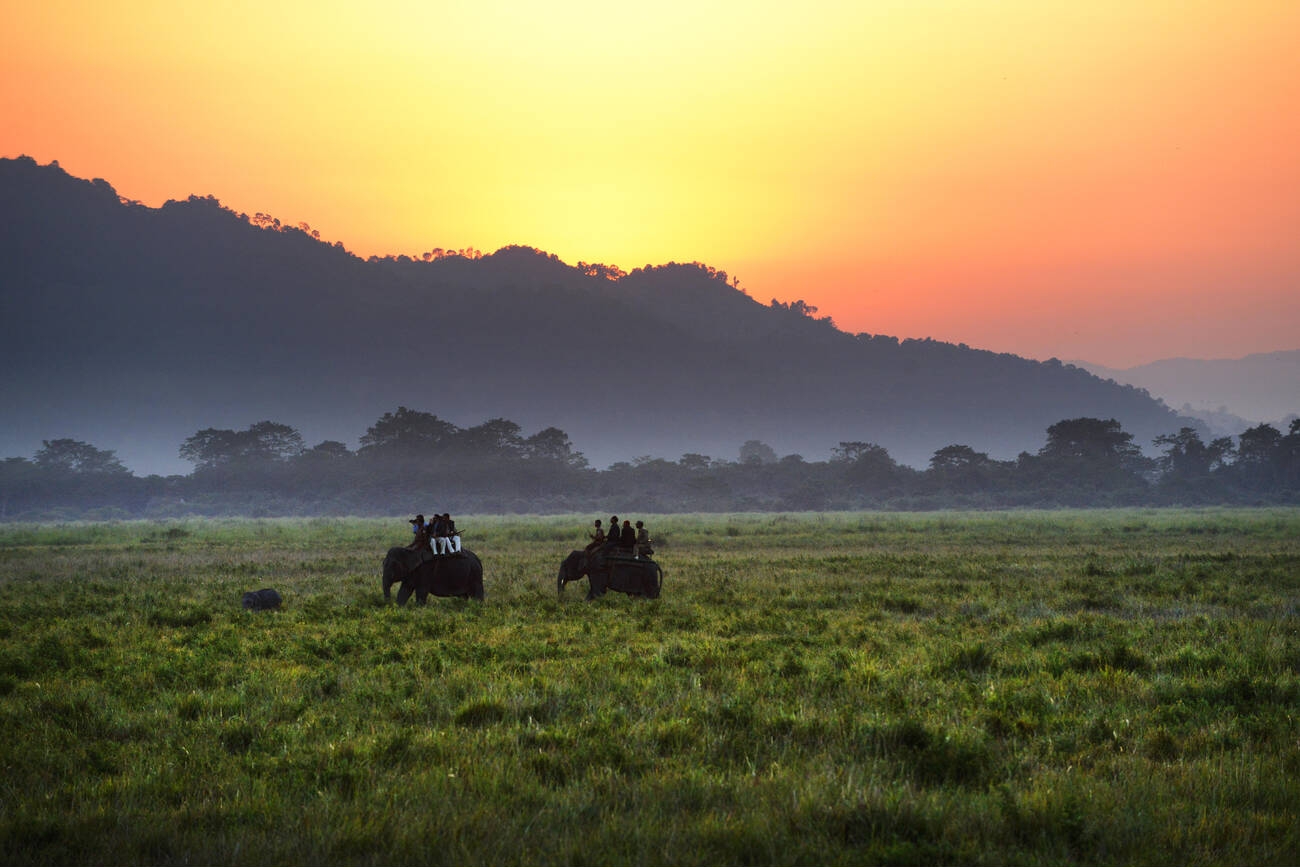
Kaziranga National Park: Complete Wildlife Safari Guide 2026

Ananya Sharma
February 19, 2026
Explore Kaziranga National Park, home to two-thirds of world's rhinos. Complete safari guide with best time to visit, zones booking, wildlife spotting tips, and accommodation.
Why Kaziranga is a Must-Visit Wildlife Destination
Kaziranga National Park in Assam is India's premier wildlife destination, famous for hosting two-thirds of the world's great one-horned rhinoceros population. This UNESCO World Heritage Site spans 430 square kilometers across floodplains of the Brahmaputra River, creating a unique ecosystem that supports diverse wildlife including tigers, elephants, water buffalo, and swamp deer.
The park's remarkable conservation success story has made it a model for wildlife protection globally. A single jeep safari here offers opportunities to spot the iconic Big Five - rhinoceros, tiger, elephant, water buffalo, and swamp deer - making it one of the most rewarding wildlife experiences in India.
Best Time to Visit Kaziranga
The park remains open from November to May, with each season offering distinct wildlife viewing experiences. The winter months from November to February provide pleasant weather and excellent visibility, while March and April bring warmer temperatures that increase animal movement around water bodies.
The park closes during monsoon season (June to October) due to heavy flooding that transforms the landscape. However, this natural cycle is essential for maintaining the park's unique ecosystem, replenishing water sources and supporting new vegetation growth.
| Season | Best For | What to Expect |
|---|---|---|
| November-February | Comfortable safaris | Cool mornings, clear skies |
| March-April | Wildlife spotting | Animals near water sources |
| May | Good visibility | Hot but great for photography |
Safari Zones and Booking Guide
Kaziranga has four designated tourism zones, each offering unique landscapes and wildlife encounters. The Central or Kaziranga Range is most popular for first-time visitors, while the Western Range offers excellent elephant grass habitat perfect for rhino sightings. The Eastern Range provides diverse terrain with more varied bird species, and the Burapahar Range is less crowded with beautiful forest sections.
Jeep safaris operate in morning and evening slots, with bookings available online through the official forest department portal. Advance booking is essential, especially during peak season from December to April. Each safari lasts 3-4 hours, covering different circuits within your chosen zone.
Wildlife You Can Spot
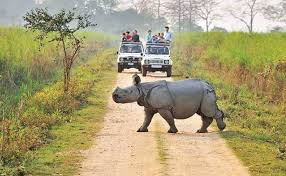
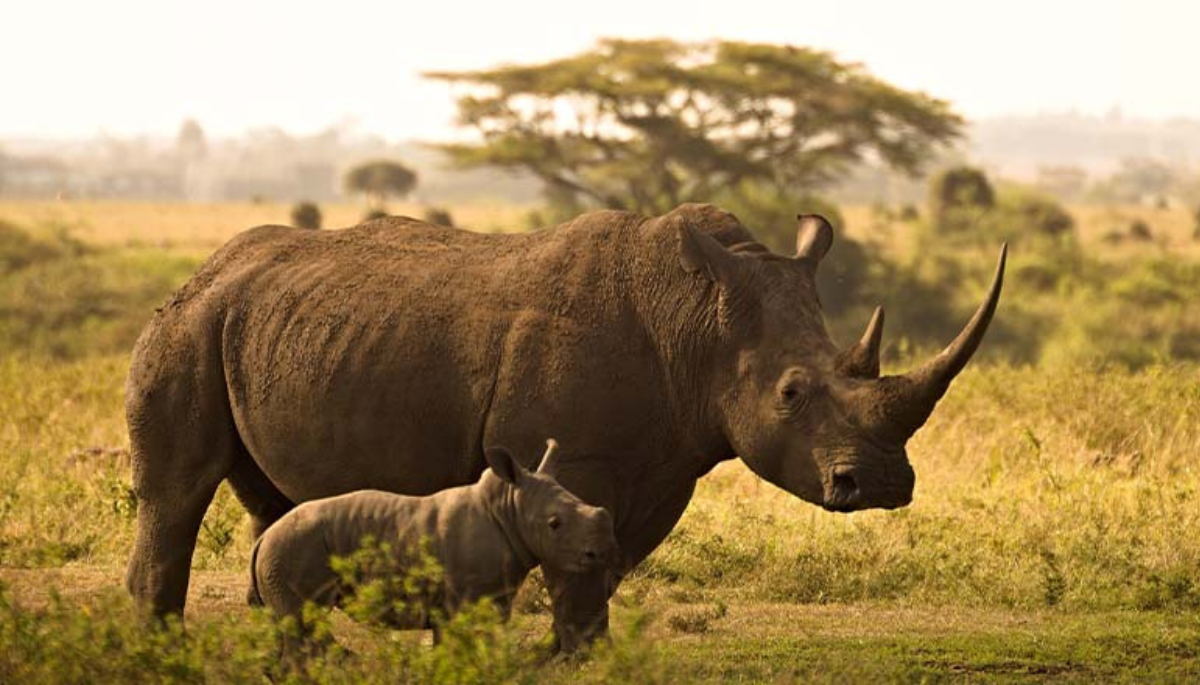
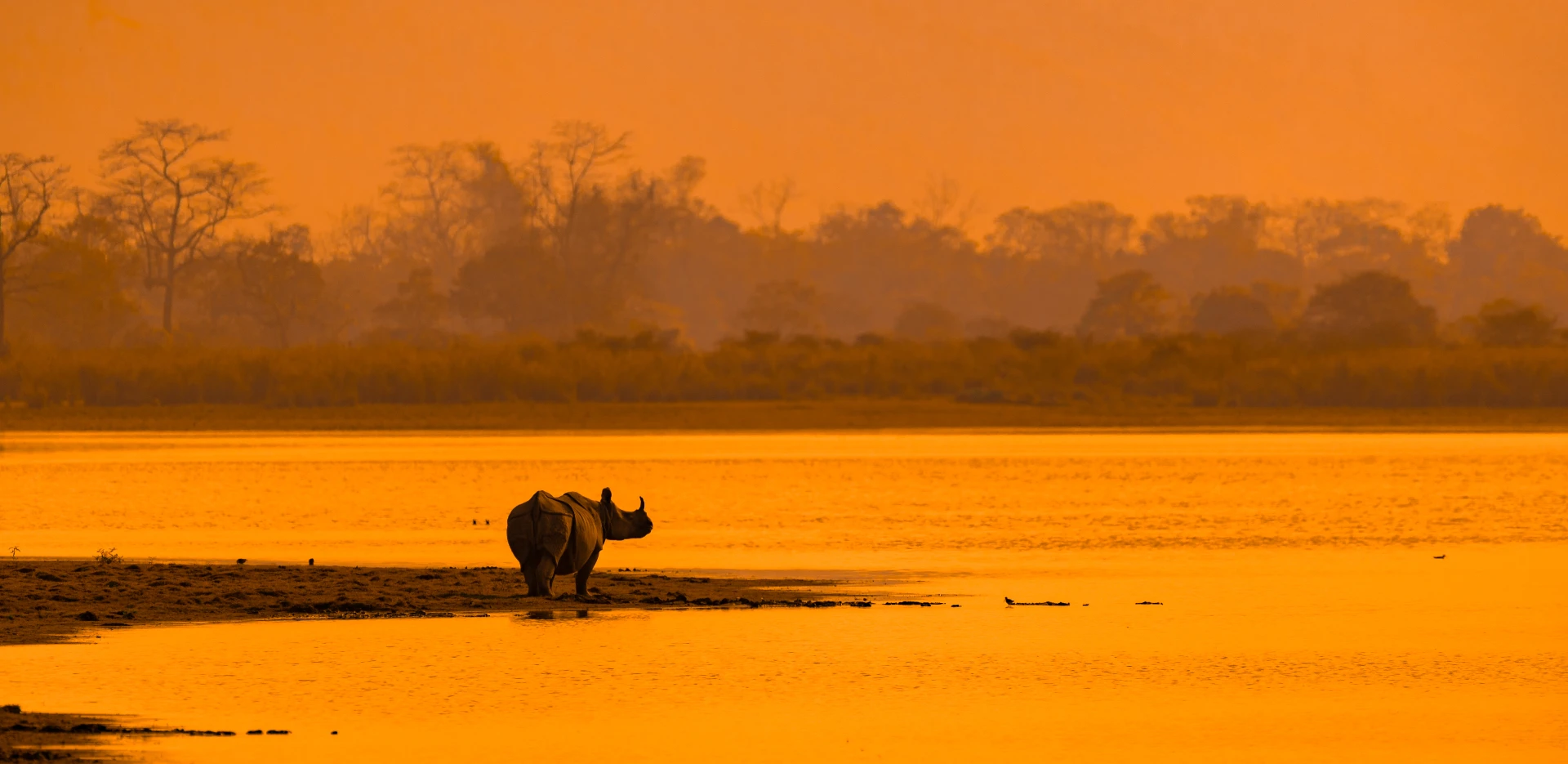
The one-horned rhinoceros is undoubtedly the star attraction, with over 2,400 individuals roaming the park. These prehistoric-looking creatures are commonly seen grazing in the grasslands or wallowing in mud holes. The park also has the highest density of tigers in the world, though sightings remain challenging due to tall grass cover.
Asian elephants are frequently spotted, especially near water sources, while massive water buffaloes with impressive horns dominate the wetlands. The eastern swamp deer, or barasingha, is another highlight, with its spectacular antlers. Birdwatchers will be delighted with over 480 species including the Bengal florican, great hornbill, and various waterfowl.
Where to Stay Near Kaziranga
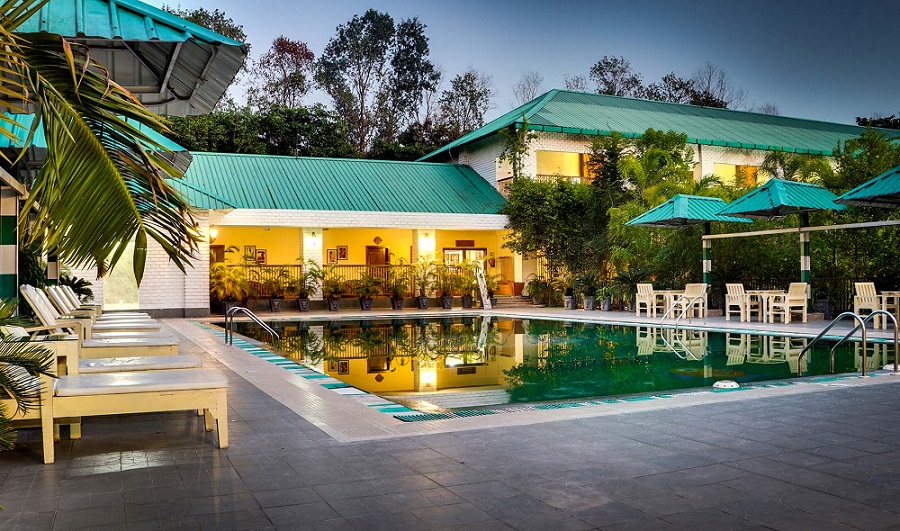
Accommodation options range from luxury resorts to budget guesthouses, primarily located near Kohora village. Properties like Diphlu River Lodge and Wild Grass Resort offer premium experiences with excellent naturalist guides. Mid-range options provide comfortable stays with safari arrangements, while budget guesthouses cater to cost-conscious travelers.
Staying inside the park at forest rest houses requires special permits and advance booking. These government properties offer authentic wildlife experiences with early morning access to safari zones. Book accommodation at least 2-3 months ahead for peak season visits.
How to Reach Kaziranga
The nearest airport is Rowriah Airport in Jorhat, 97 kilometers away, with limited flight connections. Guwahati's Lokpriya Gopinath Bordoloi International Airport, 217 kilometers from Kaziranga, offers better connectivity with major Indian cities. The nearest railway station is Furkating Junction, 75 kilometers away, with direct trains from Guwahati.
Road travel from Guwahati takes approximately 4-5 hours through scenic Assamese countryside. Private taxis and shared cabs are available from both Guwahati and Jorhat. The drive itself is enjoyable, passing through tea gardens and rural villages that offer glimpses of Assamese culture.
Essential Safari Tips
- Book safaris online in advance through official forest department website
- Carry binoculars and camera with good zoom lens
- Wear neutral-colored clothing that blends with the environment
- Layer clothing for cold morning safaris, even in summer
- Stay silent during safaris for better wildlife sightings
- Follow naturalist instructions and maintain safe distances
- Respect park rules and don't litter
Recommended reads: manas national park, great himalayan national park, and pin valley national park.
Photography Guidelines
Kaziranga offers excellent wildlife photography opportunities with proper equipment. A telephoto lens of 200-400mm is ideal for wildlife shots, while a wide-angle lens captures the stunning grassland landscapes. Early morning light provides magical golden hour photography conditions, especially when mist rises over the plains.
Always maintain respectful distance from animals and avoid using flash. The park has specific guidelines about drone photography - check current regulations before bringing equipment. Professional photographers may need special permits for commercial work.
Cultural Experiences Nearby
Extend your Kaziranga visit with cultural experiences in surrounding villages. The Mising tribal communities offer homestay experiences where you can learn about their traditional weaving, fishing techniques, and bamboo crafts. Local tea gardens near the park provide insights into Assam's famous tea industry with plantation tours and tasting sessions.
The town of Jorhat, located about two hours away, was Assam's last capital and historic sites like the Ahom palaces. Sibsagar, another former Ahom capital, features magnificent temples and tanks that reflect the region's rich history. These cultural additions create a well-rounded Assam experience beyond wildlife viewing.
Conservation and Community
Kaziranga's success story is closely tied to local community involvement in conservation. The park employs many villagers as forest guards and guides, creating stakeholdership in wildlife protection. Anti-poaching measures have been remarkably successful, with rhino numbers recovering from near-extinction in the early 20th century.
However, the park faces ongoing challenges from habitat pressure and human-wildlife conflict. Visitors can support conservation efforts by choosing responsible tour operators, respecting park boundaries, and avoiding products made from wildlife parts. The forest department runs awareness programs that travelers can support through donations or volunteer work.
Practical Travel Information
Entry permits are required for park access and can be obtained at the entrance gates or online. Indian citizens pay lower fees than foreign nationals. Additional camera charges apply for professional equipment. The park has basic medical facilities at Kohora, but serious cases require travel to Jorhat or Guwahati hospitals.
ATM availability is limited - carry sufficient cash. Mobile connectivity is reasonable but unreliable within the park. Pack essential medications, as pharmacies are not readily available nearby. Weather can change quickly, so carry rain gear even during dry season.
Planning Your Safari Schedule
Most visitors plan 3-4 safaris over 2-3 days for comprehensive wildlife coverage. Morning safaris typically start at 5:30 AM in summer and 6:00 AM in winter, offering the best chances for tiger sightings and active wildlife. Evening safaris begin around 2:00 PM and continue until sunset, excellent for rhino sightings near water holes.
Consider staying at different properties near various zones to minimize travel time to safari gates. The Central Range gate is closest to most accommodation options, making it convenient for early morning departures. Plan rest periods between safaris, as the combination of early starts and bumpy rides can be exhausting.
Location
Frequently Asked Questions
Q1.How many days are enough for Kaziranga?
Q2.What is the best time to visit Kaziranga?
Q3.How to book Kaziranga safari?
Q4.Is Kaziranga safe for tourists?
Q5.What wildlife can I see in Kaziranga?
Q6.How to reach Kaziranga National Park?
Q7.What is the safari cost in Kaziranga?
Q8.Is there internet connectivity in Kaziranga?
Recommended For You
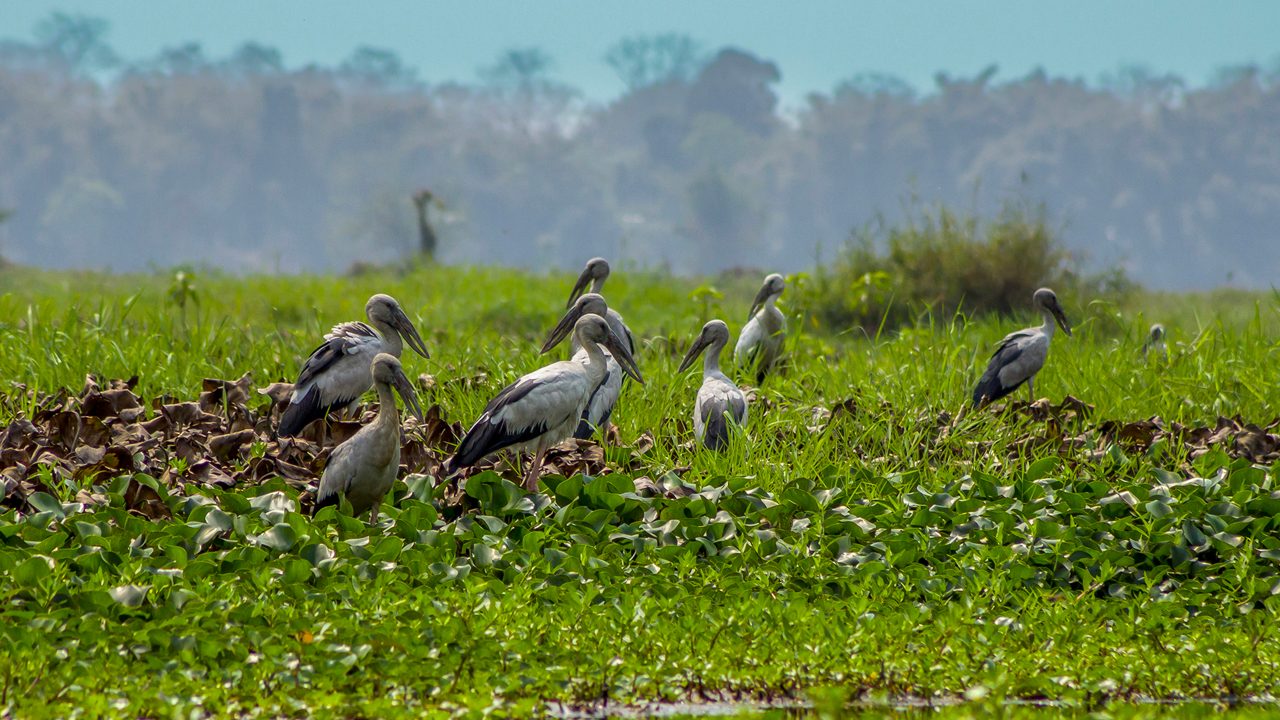
Dibru-Saikhowa National Park: Feral Horses & Wetlands Guide 2026
Explore Dibru-Saikhowa National Park Assam, home to feral horses, Bengal florican, and diverse wetlands. Complete guide with best time, wildlife, and travel tips.
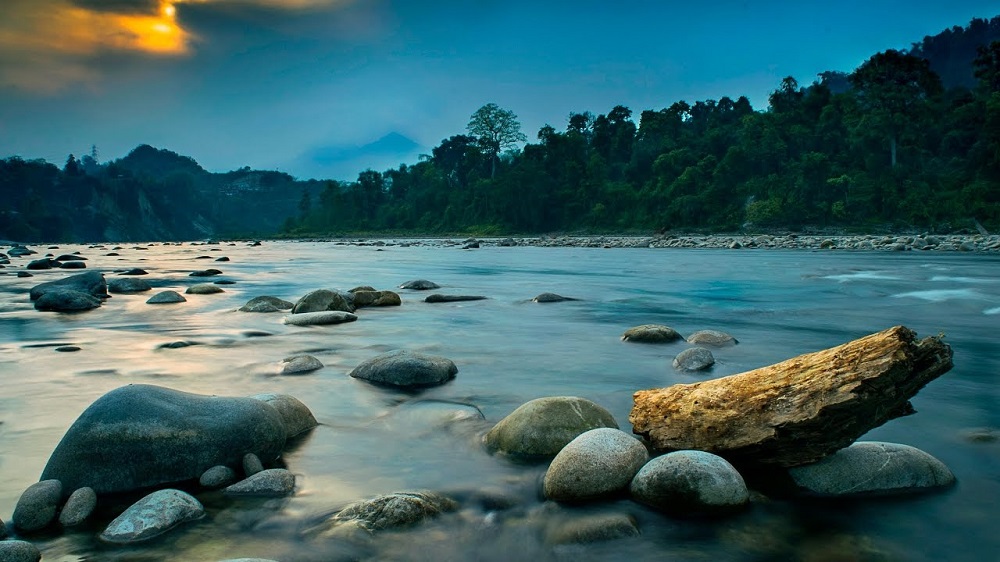
Nameri National Park Assam: River Safari, Trekking & Wildlife
Discover Nameri National Park Assam - famous for walking safaris, white-winged wood ducks, and Jia Bhoroli river rafting. Complete adventure guide with best time, activities, and stays.
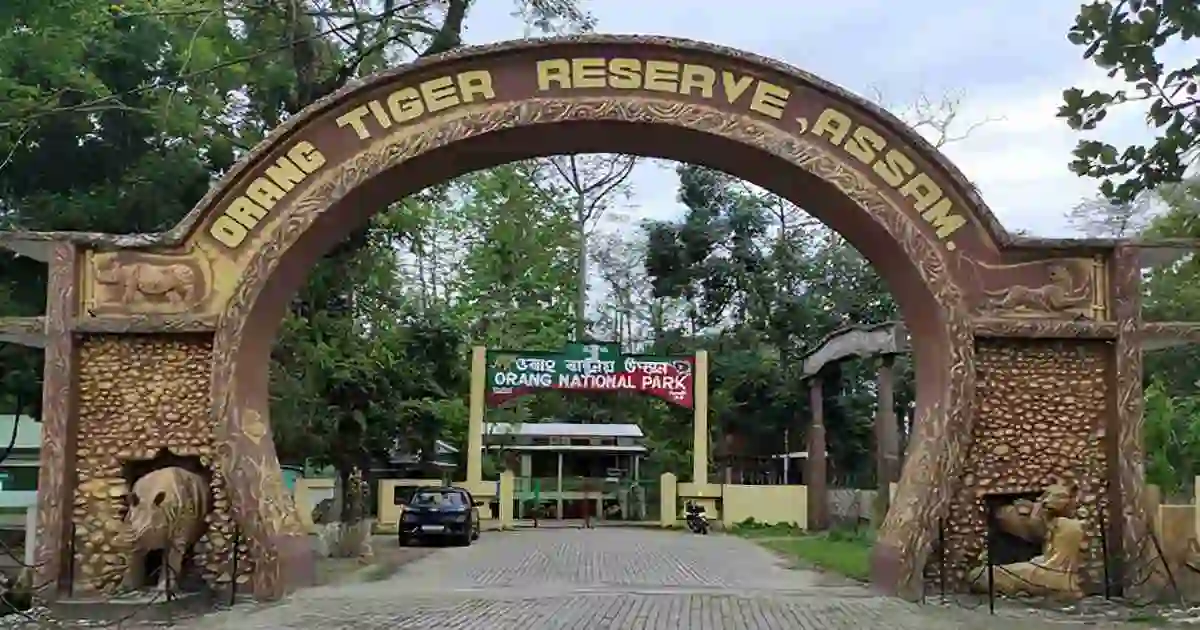
Orang National Park: Assam's Mini Kaziranga Safari Guide 2026
Explore Orang National Park, Assam's Mini Kaziranga with rhinos, tigers, and elephants. Complete safari guide with best time, wildlife highlights, and travel tips.
Never Miss an Adventure
Get the latest trekking guides, travel tips, and exclusive offers delivered straight to your inbox.
