
West Bengal in Monsoon: Best Destinations, Weather & Travel Tips

Rahul Garg
December 12, 2025
Explore West Bengal in monsoon. From Kolkata's charm to Darjeeling's mists, discover tea gardens, Durga Puja prep & hill station beauty.
The Magic of Bengal's Monsoon Season
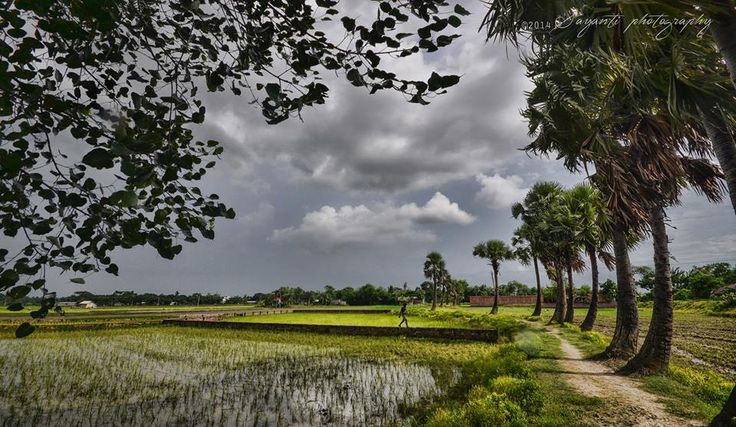
West Bengal transforms into a mystical wonderland during monsoon, where rain breathes life into every corner of this culturally rich state. From Kolkata's heritage streets reflecting in puddles to Darjeeling's tea gardens shrouded in Himalayan mist, monsoon reveals a side of Bengal that most travelers never see. The rhythmic percussion of rain on tin roofs, the earthy petrichor rising from wet soil, and the vibrant green that blankets everything creates an atmospheric experience impossible to replicate in any other season.
What makes Bengal's monsoon special is the fascinating contrast between experiences across the state's diverse landscapes. While Kolkata's urban energy combines with romantic rain-soaked streets, the hill stations offer moody mountain drama, tea gardens achieve peak lushness, and the Sunderbans mangrove forests come alive with ecological activity. This guide explores how monsoon enhances different regions of West Bengal and helps you plan a rainy season journey that captures the essence of Bengali culture and natural beauty.
Monsoon in West Bengal: An Overview
West Bengal's monsoon typically arrives by early June and lasts until September-October, bringing life-giving rain to a state that spans from the Himalayas to the Bay of Bengal. The southwest monsoon winds, laden with moisture from the Bay of Bengal, first hit the coastal regions before progressing toward the hills. This progression means rainfall varies significantly across regions - Kolkata and southern districts receive initial downpours, while northern areas like Darjeeling see slightly delayed onset.
The state receives an average of 1500-2500mm of rainfall annually, with the western plateau (plateau region of Purulia, Bankura, Medinipur) receiving comparatively less than the Himalayan foothills. July and August typically bring the heaviest rainfall, sometimes causing localized flooding in low-lying areas of Kolkata. However, most tourist destinations remain accessible throughout the season, and many actually become more beautiful when washed by rain.
Temperature during monsoon remains pleasant across most of Bengal. Kolkata sees daytime highs of 30-33°C with high humidity but lower temperatures than scorching pre-monsoon months. The hill stations enjoy comfortably cool weather between 15-20°C, making monsoon an excellent time to escape the heat while avoiding peak tourist crowds. The key to enjoying Bengal's monsoon lies in embracing the rain rather than fighting it, and choosing destinations that handle wet weather gracefully.
| Region | Monsoon Months | Rainfall | Temperature | Experience |
|---|---|---|---|---|
| Kolkata | June-September | Heavy (1500mm+) | 28-33°C | Urban romance, cultural richness |
| Darjeeling | June-September | Very Heavy (2500mm+) | 15-20°C | Misty mountains, tea garden beauty |
| Kalimpong | June-September | Heavy | 18-22°C | Quiet hills, mountain views |
| Sunderbans | June-September | Moderate-Heavy | 25-30°C | Rich wildlife, mangrove magic |
| Tea Gardens | June-September | Heavy | 18-25°C | Lush greenery, plucking seasons |
Kolkata in Monsoon: The City of Joy Rains
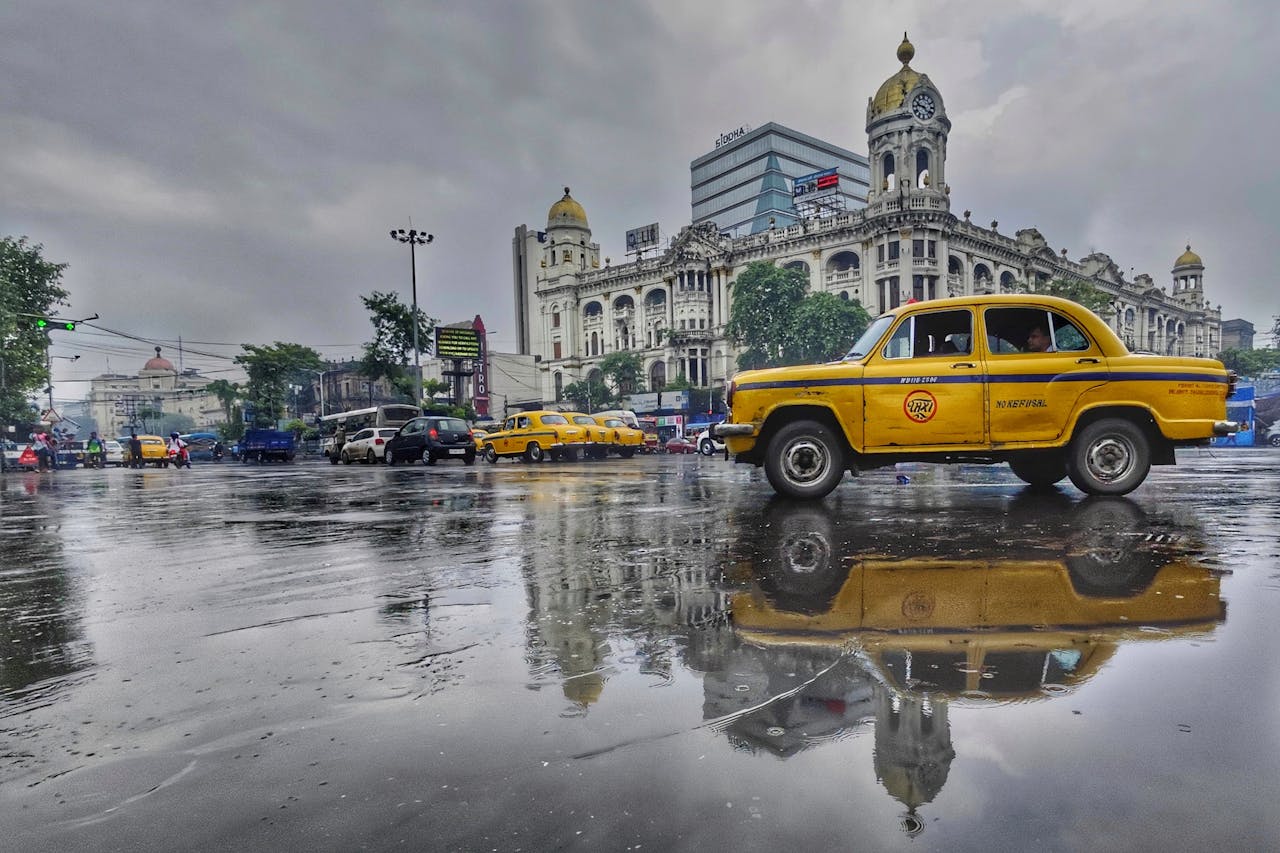
Kolkata's relationship with monsoon borders on romantic - the city transforms under rain in ways that reveal its character. Heritage buildings along North Kolkata's narrow streets glisten after showers, creating perfect reflections in puddled lanes. The Howrah Bridge spans a swollen Hooghly River, looking particularly dramatic against gray monsoon skies. Victoria Memorial's white marble gleams after being washed clean by rain, creating striking contrast with dark clouds.
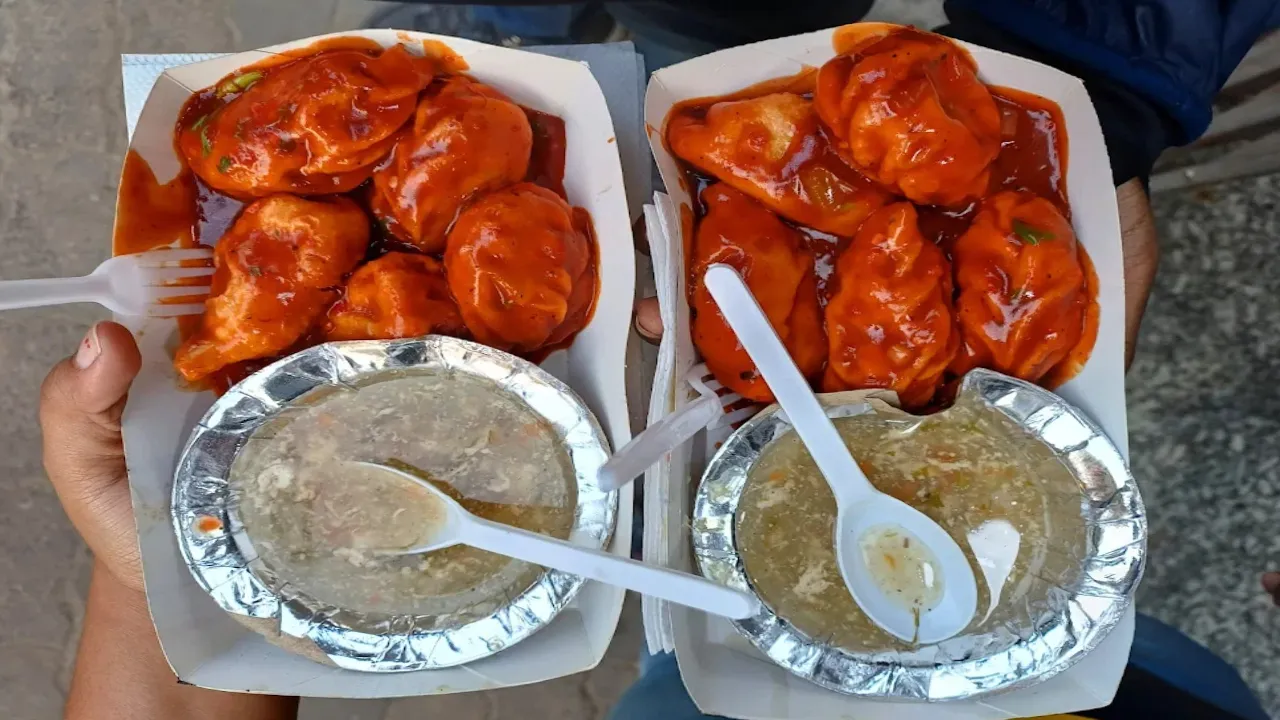
Beyond aesthetics, Kolkata's monsoon atmosphere carries unique energy. Street food vendors continue serving piping hot phuchkas and jhal muri as rain falls around them - a testament to the city's resilient spirit. College Street's book stalls set up temporary tarps, creating cozy browsing experiences. Park Street's cafes fill with people seeking shelter, turning random rain delays into social hours. There's something about Kolkata rain that slows the famously frenetic city pace, creating pockets of stillness and reflection.
Monsoon Experiences in Kolkata
Heritage Walks in Rain: North Kolkata's colonial architecture looks spectacular during monsoon. The paint on heritage buildings seems more vibrant against gray skies, and smaller crowds mean better photography opportunities. Areas around Sovabazar, Kumartuli (potter's quarter), and the old European neighborhoods take on atmospheric qualities impossible in sunny weather.
Riverside Promenades: The Hooghly Riverfront, particularly around Prinsep Ghat and Millennium Park, offers beautiful monsoon views. The river swells with rain, small boats create silhouettes against misty backdrops, and the Howrah Bridge looks moody and dramatic. Early morning walks here during light rain feel peacefully meditative.
Indoor Cultural Exploration: Kolkata's world-class museums provide perfect monsoon activities. The Indian Museum (one of Asia's oldest), Victoria Memorial Museum, and Academy of Fine Arts offer hours of cultural exploration completely weather-proof. The rainy season often coincides with interesting exhibitions and cultural programs.
Street Food Adventures: Monsoon is peak season for Kolkata's legendary street food. Hot, crispy items taste especially good when it's raining. Street food in Kolkata reaches new heights during monsoon - try phuchkas, kathi rolls, alur chop, and hot jalebis from vendors who've been serving for generations. Many have covered seating or areas where you can enjoy food while rain falls around you.
Kolkata Monsoon Tips
- Accommodation: Choose hotels in central areas (Park Street, Camac Street, Esplanade) with good restaurants nearby - minimizes exposure when rain's heavy.
- Transportation: Metro system is monsoon-proof and covers major areas. Use app-based cabs (Ola, Uber) which keep you mostly dry compared to taxis or auto-rickshaws.
- Flooding: Some low-lying areas experience waterlogging during heavy rain. Your hotel can advise which areas to avoid during intense downpours.
- Durga Puja Preparation: Late monsoon (August-September) is when artisans create Durga Puja idols. Visiting Kumartuli potter's quarter during this time reveals incredible craftsmanship behind the festival.
Darjeeling in Monsoon: The Misty Queen
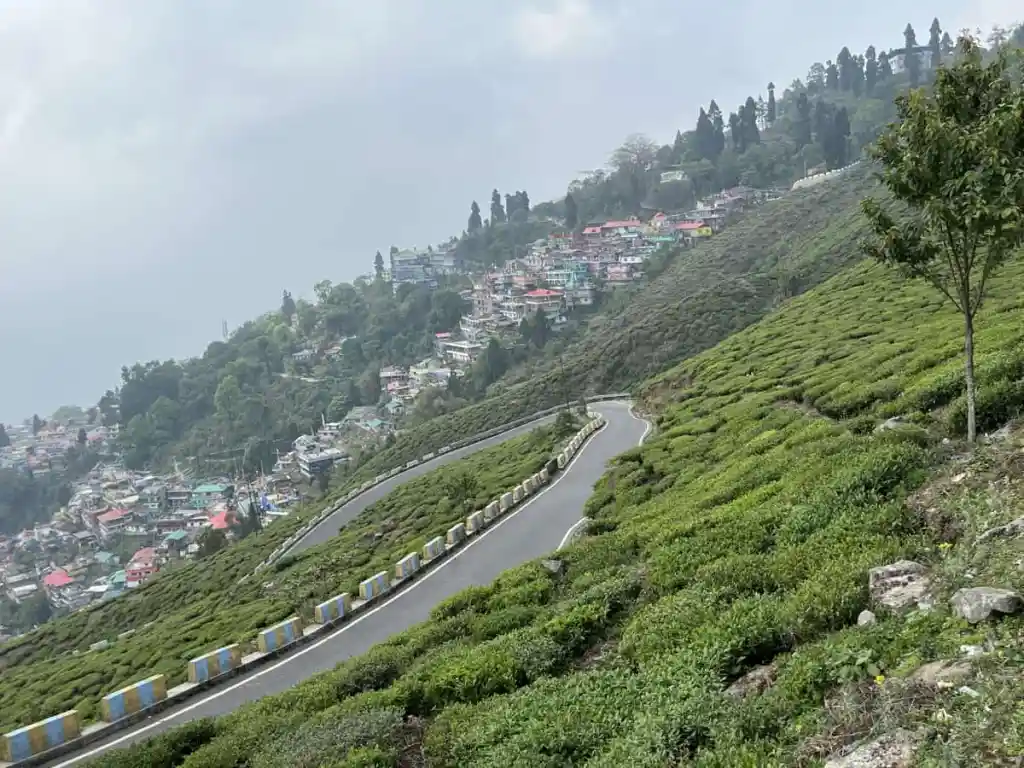
Darjeeling during monsoon reveals the Himalayan foothills at their most moody and atmospheric. Often called the "Queen of Hill Stations," Darjeeling receives spectacular rainfall - sometimes 500-600mm in a single month - creating a landscape that seems to float in perpetual mist. Clouds swirl around tea gardens at eye level, raindrops create delicate patterns on rhododendron leaves, and the famous Kangchenjunga view plays hide-and-seek with the clouds, occasionally revealing the snowy peak in dramatic fashion.
While some travelers avoid Darjeeling during monsoon due to obscured mountain views, those who embrace the misty weather discover profound beauty. Tea gardens achieve impossible vibrancy - every possible shade of green carpets the rolling hills. Water appears everywhere, from formal waterfalls to countless cascades tumbling down mountainsides. The air feels incredibly fresh, scented with wet earth and tea leaves. Fewer tourists mean you'll often have viewpoints, cafes, and monasteries largely to yourself.
Monsoon Experiences in Darjeeling
Tea Garden Tours: Darjeeling's world-famous tea estates look spectacular during monsoon. The bushes are lush and healthy, plucking continues through light rain, and processing factories operate normally. Many tea estates like Makaibari, Happy Valley, and Glenburn offer guided tours showing the journey from leaf to cup. Morning mist rolling through tea gardens creates photography opportunities that rival any clear day vista.
Monastery Visits: Darjeeling's significant Tibetan Buddhist monasteries - Ghoom Monastery, Yiga Choling Monastery, and others - provide peaceful indoor activities. The prayer halls filled with butter lamps, thangkas, and chanting monks create atmospheric experiences enhanced by rain drumming on monastery roofs. Monsoon often means fewer tourists, allowing deeper engagement with resident monks who have more time for conversation.
Toy Train Joyrides: The Darjeeling Himalayan Railway (UNESCO World Heritage) toy train continues operating during monsoon, weather permitting. There's something magical about the vintage train chugging through mist-shrouded hills and rain-washed forests. The Batasia Loop ride offers spectacular valley views, even when clouds partially obscure the scenery. Check current schedules as heavy rain occasionally causes service disruptions.
Café Culture: Darjeeling's café scene comes into its own during monsoon. Cozy establishments like Keventer's, Glenary's, and various newer cafes offer warm spaces with hot beverages, hearty food, and panoramic windows framing misty views. Reading, writing, or simply watching rain fall over mountains from these cafes captures Darjeeling's romantic essence perfectly.
Darjeeling Monsoon Considerations
- Kangchenjunga Views: The famous mountain view is frequently obscured during monsoon. However, patient visitors sometimes witness the dramatic moment when clouds suddenly part, revealing the peak in magical fashion.
- Road Access: The road from Siliguri to Darjeeling (via Hill Cart Road) generally remains open but can experience delays due to landslides during heavy rain. Build buffer time into travel plans and check current conditions.
- Leeches: Vegetation becomes quite lush and leeches appear in forested areas during monsoon. Wear leech socks if hiking, carry salt, and choose accommodation with sealed rooms.
- Packing: Bring layers (cool temperatures), waterproof gear, and sturdy shoes with good grip for slippery paths. The town is very walkable but pavement becomes treacherous when wet.
Other Hill Stations: Kalimpong and Beyond
While Darjeeling grabs the limelight, Bengal's other hill stations offer equally compelling monsoon experiences with fewer tourists and different vibes.
Kalimpong
Kalimpong, situated at a slightly lower elevation than Darjeeling, receives somewhat less rainfall and offers a quieter monsoon experience. The town's famous flower nurseries burst with blooms during rainy season - orchids, cacti, and exotic plants thrive in the humidity. Kalimpong's magnificent mountain views toward Sikkim and Bhutan, while often misty, occasionally clear dramatically. The town's laid-back atmosphere and excellent accommodation options make it perfect for relaxed monsoon getaways.
Key monsoon attractions include the Zang Dhok Palri Phodang monastery, Durpin Dara Hill viewpoint, and various Buddhist temples that provide indoor cultural exploration. Kalimpong's café scene and bakeries offer cozy rainy day retreats. The town also makes an excellent base for exploring nearby villages like Loleygaon and Rishop, which see even fewer tourists.
Mirik
Mirik, centered around a beautiful lake, looks particularly romantic during monsoon. The lake fills with rain, surrounding forests turn lush green, and morning mist creates ethereal atmospheres. Boat rides on Sumendu Lake continue during light rain, offering unique perspectives of hills reflected in mist-shrouded water. Mirik receives fewer tourists generally, making it peaceful even during peak monsoon months.
Transportation Between Hill Stations
Roads connecting Darjeeling, Kalimpong, Gangtok (Sikkim), and Siliguri generally remain open during monsoon but can experience delays. Landslides occasionally cause temporary closures, usually cleared within hours to a day. Hiring experienced local drivers who know current conditions and alternative routes is essential. Some travelers choose to fly into Bagdogra airport and then drive to their chosen hill station, while others take the scenic toy train from Siliguri to Darjeeling (weather permitting).
Tea Gardens in Monsoon
The tea gardens of Darjeeling and the Dooars region achieve peak beauty during monsoon, making this season special for tea enthusiasts and landscape photographers alike.
Darjeeling Tea Gardens
The iconic tea bushes that produce the world's most expensive tea look spectacular during monsoon rains. The second flush harvest occurs during summer monsoon (June-July), producing teas with distinctive muscatel flavors prized by connoisseurs. Visiting estates like Makaibari, Happy Valley, or Thurbo during plucking season offers fascinating insights into tea production. Workers pluck leaves through light rain, processing continues in factories regardless of weather, and estate bungalows offer atmospheric stays surrounded by misty tea gardens.
Dooars Tea Gardens
The Dooars region (foothills of the Himalayas in northern West Bengal) contains extensive tea estates that receive substantial monsoon rain. Estates in areas like Jalpaiguri, Alipurduar, and Cooch Behar look incredibly lush - the tea bushes seem to glow with health after continuous rain. Many Dooars estates offer accommodation and tours, providing off-the-beaten-path alternatives to more famous Darjeeling gardens. The region's lower elevation means slightly warmer temperatures but dramatic landscapes nonetheless.
Tea Tourism Experiences
Tea estate visits typically include factory tours showing processing, guided walks through gardens explaining cultivation, and tastings of different tea grades. Many estates have heritage bungalows offering authentic plantation stays - waking up to mist rolling through tea gardens during monsoon ranks among Bengal's most romantic experiences. Some estates also offer tea plucking experiences where visitors can try their hand at harvesting leaves under guidance.
Sunderbans in Monsoon
The Sunderbans, the world's largest mangrove forest and UNESCO World Heritage Site, presents a fascinating monsoon experience for wildlife enthusiasts willing to embrace wet conditions.
Monsoon Wildlife
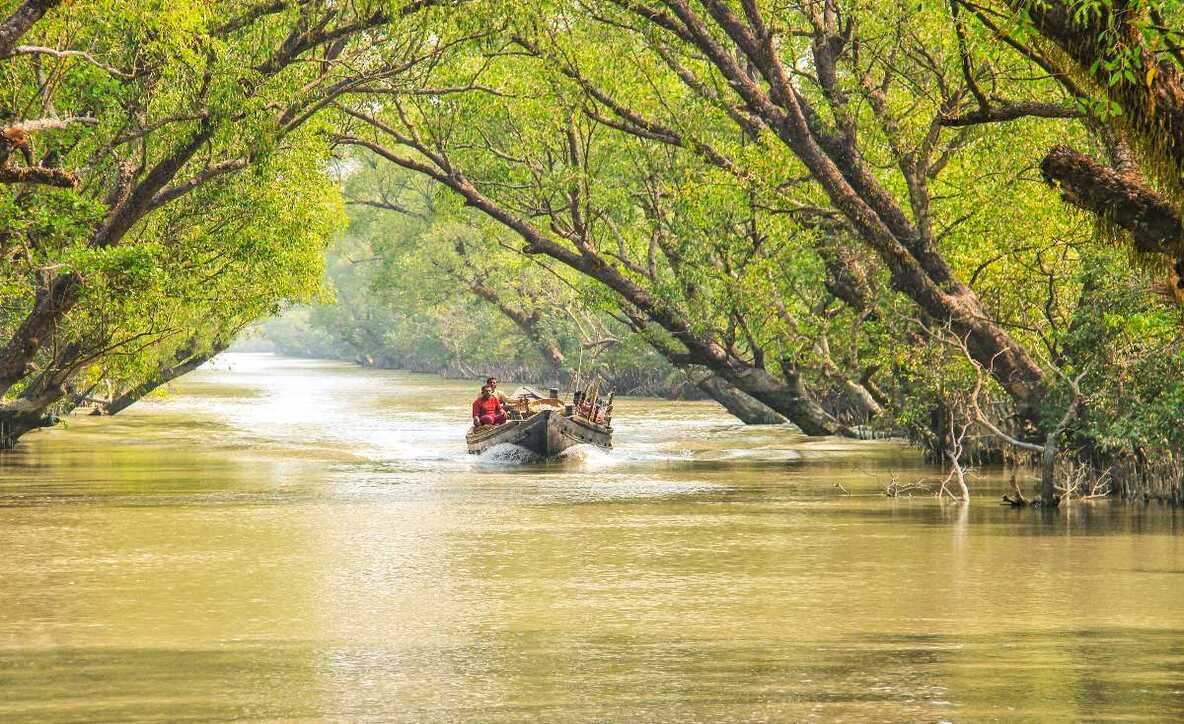
While Royal Bengal tigers become more difficult to spot during monsoon (they retreat deeper into forests), the wet season actually increases overall wildlife activity. Monsoon is breeding season for many species, meaning more animal movement and behaviors. Fishing cats, spotted deer, wild boar, and various bird species remain active. The mangrove ecosystem looks spectacular with lush vegetation and swollen waterways creating dense, mysterious landscapes perfect for exploration.
Boat safaris continue during monsoon (weather permitting), offering unique perspectives on the mangrove forests. Rain creates ripples on water channels, mist hangs low over forests, and the entire area feels incredibly atmospheric and wild. Fewer tourists mean more personal safari experiences and better opportunities for quiet wildlife observation.
Sunderbans Monsoon Considerations
- Access: Most Sunderbans tours operate from Kolkata via Gosaba or Godkhali. Boat travel through waterways continues during monsoon though heavy rain may cause cancellations.
- Accommodation: jungle lodges and resorts remain open year-round, offering covered areas where you can enjoy the forest atmosphere even during rain.
- Packing: Waterproof clothing is essential. Insect repellent becomes even more crucial as mosquitoes increase during monsoon. Binoculars help spot wildlife from boat distance.
- Expectations: Focus on the overall mangrove ecosystem experience rather than guaranteed tiger sightings. The wild, atmospheric quality of Sunderbans during rain is rewarding in itself.
Durga Puja Preparations: Monsoon's Cultural Bonus
One of West Bengal monsoon's most special aspects coincides with the beginning of Durga Puja preparations. Late monsoon (August-September) is when artisans across Kolkata and Bengal begin creating the elaborate idols and pandals for the state's biggest festival.
Kumartuli: The Potter's Quarter
Kolkata's Kumartuli neighborhood, home to generations of idol-makers, comes alive during late monsoon. Artisans work in open-air studios and workshops, sculpting massive Durga idols from straw, clay, and mud. Visiting Kumartuli during this time offers behind-the-scenes access to incredible craftsmanship - you can watch idols take shape from bamboo frames through clay application to final painting. The monsoon light filtering through workshop rooftops creates perfect atmospheres for photography and observation.
The artisans, many from families who've practiced this craft for generations, are often willing to explain their work and share stories about the tradition. The combination of artistic creation, monsoon atmosphere, and cultural significance makes Kumartuli visits genuinely magical.
Pandal Construction
Across Kolkata and other Bengal cities, neighborhood clubs begin constructing elaborate pandals (temporary temples) that will house Durga idols during the festival. Late monsoon is when framework goes up, themes are developed, and artisans create the spectacular decorations that make Kolkata's Durga Puja world-famous. Seeing these creative processes unfold offers insight into community organization and artistic collaboration that defines Bengali culture.
For travelers interested in Durga Puja in West Bengal, experiencing the pre-festival preparations during monsoon adds rich context to seeing the actual celebration later. The creativity, devotion, and community effort behind the festival becomes visible during these preparation months.
Practical Tips for Monsoon Travel in West Bengal
Packing Essentials
- Rain Gear: Compact umbrella for cities, quality rain jacket for hill stations. Waterproof bag covers protect electronics during sudden downpours.
- Clothing: Quick-dry synthetic fabrics, moisture-wicking underlayers, light fleece for hills. Avoid denim or cotton that stays wet. Multiple pairs of shoes let you rotate while one dries.
- Footwear: Waterproof shoes or boots with good grip. Slip-on sandals are useful for indoor situations. Extra shoes are essential as things don't dry well in humidity.
- Insect Protection: Mosquito repellent crucial for Kolkata and Sunderbans. Leech socks for hill station hiking.
- Electronics: Waterproof cases for phones and cameras. Silica gel packets in camera bags prevent moisture damage and fungus.
Transportation Tips
- Kolkata: Use metro for weather-proof transport. App-based cabs minimize rain exposure compared to street-hailing taxis.
- Hill Stations: Roads from Siliguri to Darjeeling/Kalimpong generally remain open but allow extra travel time for potential delays. Check current conditions before departure.
- Sunderbans: Boat tours may cancel during heavy rain or rough weather. Maintain flexible itinerary and buffer days.
- Domestic Flights: Bagdogra airport (serving Darjeeling region) and Kolkata airport generally operate normally during monsoon though flights may face delays due to weather.
Health and Safety
- Water/Food: Drink only bottled/filtered water. Be extra careful with street food during monsoon as contamination risk increases slightly.
- First Aid: Basic medications for upset stomach, cold/flu, and motion sickness (hill station roads are winding).
- Flooding: Kolkata's low-lying areas sometimes experience waterlogging during heavy rain. Ask locally which areas to avoid.
- Electrical Safety: Be cautious with electronics during storms. Power cuts can increase during monsoon weather - carry power banks.
Conclusion
West Bengal in monsoon offers travelers a multi-faceted experience combining cultural richness, natural beauty, and atmospheric charm that sunny seasons simply cannot replicate. From Kolkata's romantic rainy streets to Darjeeling's misty tea gardens, from Sunderbans' wild mangroves to the creative energy of Durga Puja preparations, monsoon reveals Bengal at its most authentic and alive.
The key to enjoying Bengal's rainy season lies in embracing the weather rather than fighting it. Pack properly, maintain flexible itineraries, and focus on experiences that work beautifully with rain - indoor cultural exploration, cozy cafés, atmospheric heritage walks, and wildlife viewing that continues regardless of weather. The green landscapes, fresh-washed air, and dramatically beautiful skies create memories that last long after you've dried off and warmed up.
Whether you're sipping Darjeeling tea while mist rolls through tea gardens, watching artisans craft Durga idols in rain-slicked Kumartuli, or eating hot street food while Kolkata's monsoon falls around you, West Bengal's rainy season rewards travelers who venture off the typical tourist calendar. Sometimes the most memorable journeys happen when it rains - and West Bengal proves this rule magnificently.
If you're extending this trip, Durga Puja in West Bengal is worth adding to your plan. Many travelers also pair this with Street Food in Kolkata for a fuller itinerary. It's worth reading up on Shopping in Kolkata before you finalize your plans. For a more complete plan, check out our guide to Famous Landmarks of Kolkata.
Location
Frequently Asked Questions
Q1.Is it good to visit West Bengal in monsoon?
Q2.What is the best time to visit Kolkata?
Q3.Does it rain heavily in Darjeeling?
Q4.Is Darjeeling accessible during monsoon?
Q5.What is special about Kolkata during rains?
Q6.Can we visit the Sunderbans during rainy season?
Q7.What should I pack for monsoon travel in West Bengal?
Q8.Are there any monsoon festivals in West Bengal?
Q9.Is Durga Puja preparation worth seeing during monsoon?
Q10.How is the weather in West Bengal hill stations during monsoon?
Recommended For You

Durga Puja in West Bengal: Major Pandals, Timings & Travel Plan
Durga Puja Kolkata planning guide with pandal cluster routes, crowd-smart timing, transport strategy, and practical one-day/two-day festival templates.
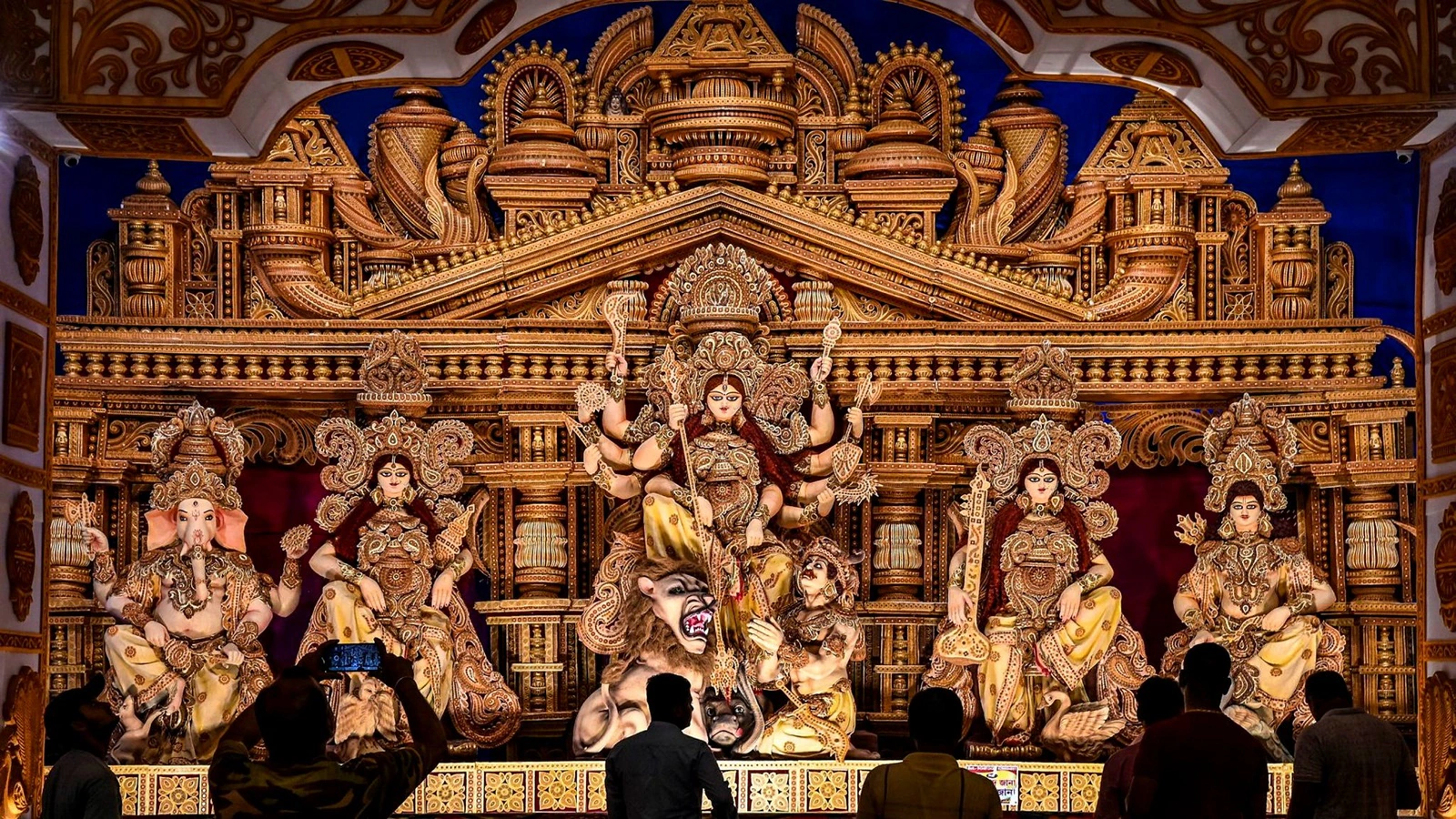
Durga Puja Pandals in Kolkata: 30+ Famous Pandals, Routes & Complete Guide 2026
Explore 30+ famous Durga Puja pandals in Kolkata with routes, timings, photography tips & complete guide. Discover Sreebhumi, College Square, Bagbazar & more for 2026.
Street Food in Hyderabad: 25 Must-Try Dishes & Locations
Complete guide to Hyderabad street food featuring biryani, haleem, kebabs, Irani chai, and best locations in Old City, Charminar, and beyond.
Never Miss an Adventure
Get the latest trekking guides, travel tips, and exclusive offers delivered straight to your inbox.
