
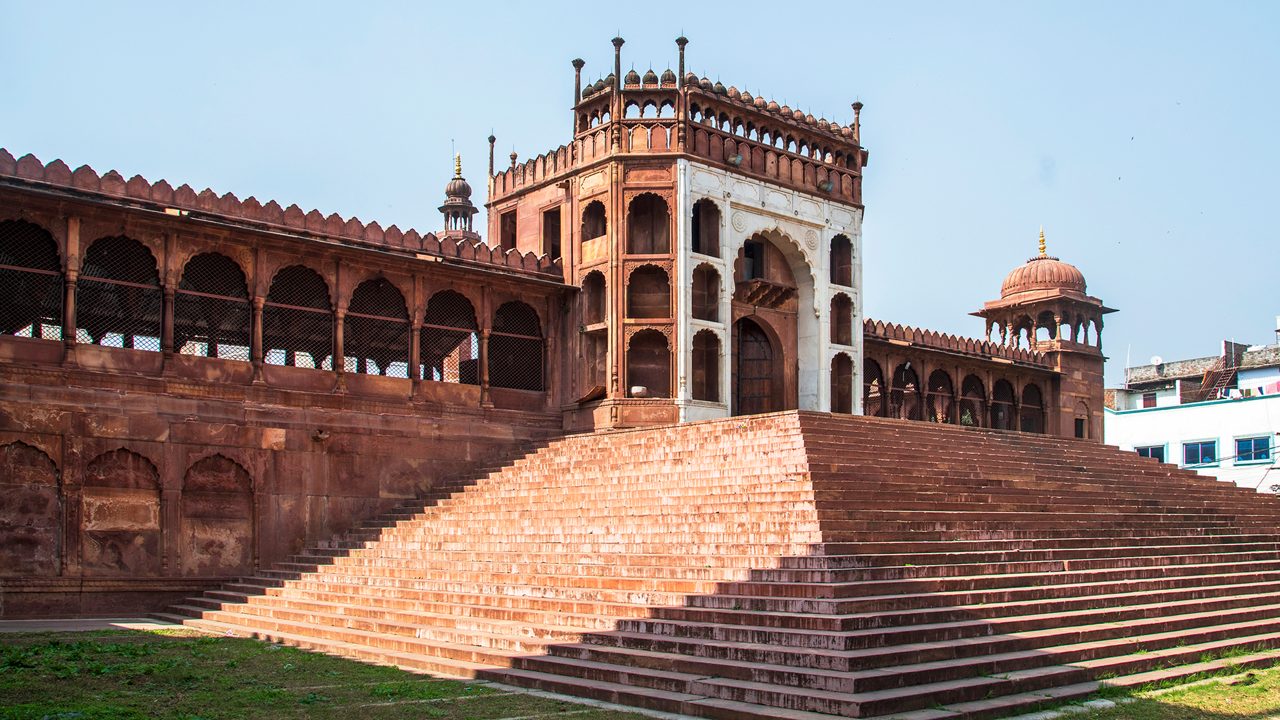
Moti Masjid Bhopal: History, Prayer Timings & Visitor Etiquette

Rohit Verma
February 18, 2026
Explore Moti Masjid Bhopal with practical history, timing, and respectful-visit guidance for heritage travelers.
Moti Masjid Bhopal: History, Design, and Practical Visitor Guide
Moti Masjid is one of Bhopal's most elegant historic religious sites and an important part of the city's old-heritage landscape. Though smaller in scale than some other monuments in the region, it has a strong architectural presence and cultural value. The mosque is often appreciated for its graceful façade, balanced proportions, and the calm tone of its prayer spaces. For visitors interested in heritage beyond headline attractions, Moti Masjid offers a rewarding stop that combines history, living faith, and visual detail.
The monument fits best in a wider old-city route. You can pair it with nearby landmarks such as Gohar Mahal and Taj-ul-Masajid to understand Bhopal's layered Islamic and royal urban history. If you prefer a mixed heritage-and-leisure route, add a waterfront break using this Upper Lake guide. This combination gives a balanced day with architecture, culture, and open-space recovery time.
Historical Background and Patronage
Moti Masjid is linked to the period when Bhopal's ruling legacy included powerful female patrons who shaped the city's religious and civic architecture. The mosque reflects this era's emphasis on refined design with practical religious function. It was developed as an active place of prayer and community gathering, not only as a symbolic monument. That dual role still matters today, and visitors should approach the site with awareness that it remains part of daily devotional life.
Understanding context improves your visit. Instead of treating the mosque as a quick photo location, spend time noticing how it sits within surrounding urban fabric. The old city around it carries layers of market movement, residential rhythm, and heritage continuity. This relationship between sacred architecture and living neighborhood is one of the strongest reasons to include Moti Masjid in a cultural itinerary.
Architecture: Why the Site Stands Out
Moti Masjid is admired for elegant domes, slender minarets, and a façade composition that feels both restrained and expressive. Unlike heavily ornamented monuments where detail can overpower structure, this mosque maintains visual clarity. The geometry of arches and elevation creates a refined profile that photographs well in both morning and evening light. The courtyard and prayer hall alignment also support a clear spatial flow for worshippers and respectful visitors.
The color and material palette contribute to its identity. Soft tones, patterned details, and balanced elevations create an appearance often described as pearl-like, which aligns with the name itself. Look closely at transitions between structural elements: arch spring points, parapet lines, and dome framing. These are small details, but together they reveal skilled design discipline.

Religious Significance and Visit Conduct
Because Moti Masjid is an active worship space, conduct matters as much as architecture. Visitors should dress modestly, keep voices low, and avoid entering restricted prayer areas during peak worship times unless explicitly allowed. Respectful behavior does not reduce your experience; it improves it. You observe the site as it is meant to function, rather than as a detached museum object.
If you are visiting with a group, brief everyone before entry so behavior stays consistent. Photography should be handled sensitively. Exterior shots are usually easier, while close interior or worship-focused images may require permission. When in doubt, ask local staff politely. Responsible behavior preserves both dignity of the space and visitor goodwill.
Timings, Entry Planning, and Best Visit Windows
Public access windows can vary by local management and prayer schedules, so confirm timing on arrival and avoid rigid assumptions from older online posts. Morning and late afternoon usually offer better comfort for walking and photography. Midday can be hot in many seasons and less pleasant for detailed exploration. If your aim is architectural observation, softer light windows also improve visual depth in arches and façade details.
Allow at least 45 to 75 minutes for a focused visit. This is enough for exterior appreciation, courtyard observation, and quiet cultural context without rushing. If you are combining multiple heritage stops in one day, keep transfer buffers. Old-city traffic and parking dynamics can alter your pace, especially on weekends and festival periods.
How to Reach Moti Masjid in Bhopal
Moti Masjid is well connected from major Bhopal zones by cab, auto, and local transit. Visitors staying in central Bhopal can usually reach the site without long travel time, but old-city roads may slow movement during busy hours. If you are driving a personal vehicle, confirm parking practicality before arrival. In many cases, drop-off and short walking access works better than searching for close parking.
A useful route sequence is to visit one nearby heritage landmark first, then Moti Masjid, and finish at a calmer location for rest. This flow reduces fatigue and gives better pacing for families and mixed-age groups. Keep drinking water, modest clothing layers, and sun protection, especially in hotter months.

Nearby Attractions to Combine
Moti Masjid becomes more meaningful when seen as part of a heritage cluster. Gohar Mahal adds royal context and architectural variation. Taj-ul-Masajid offers scale contrast and broader religious architectural perspective. Upper Lake provides open-space relief after dense old-city exploration. This mix creates a complete day where each site adds a different layer: governance history, sacred architecture, and urban landscape.
If you have extra time, include one museum or cultural center later in the day. Just avoid stacking too many high-focus monuments without breaks. Heritage quality drops when schedule pressure rises and observation time becomes shallow.
Photography and Practical Tips
- Use morning or late-afternoon light for cleaner façade textures.
- Keep camera setup compact; large gear can disrupt visitor flow.
- Ask before photographing people, especially during prayer activity.
- Wear comfortable footwear for courtyard and nearby walking sections.
- Carry water and keep your visit pace calm and respectful.
Final Takeaway
Moti Masjid Bhopal is a high-value heritage visit for travelers who appreciate architecture with living cultural context. It is not about scale alone; it is about proportion, historical continuity, and spiritual relevance. Plan your timing well, follow respectful etiquette, and combine it with nearby landmarks for a richer understanding of Bhopal's old-city identity. Done right, this stop adds depth to any Madhya Pradesh heritage itinerary alongside a broader look at places to visit in Bhopal.
Location
Frequently Asked Questions
Q1.Where is Moti Masjid located?
Q2.Is Moti Masjid open to visitors?
Q3.What should I wear?
Q4.Can I take photos inside?
Q5.How much time is enough?
Q6.Can I combine nearby attractions?
Q7.Best time to visit?
Q8.Is it family-friendly?
Recommended For You
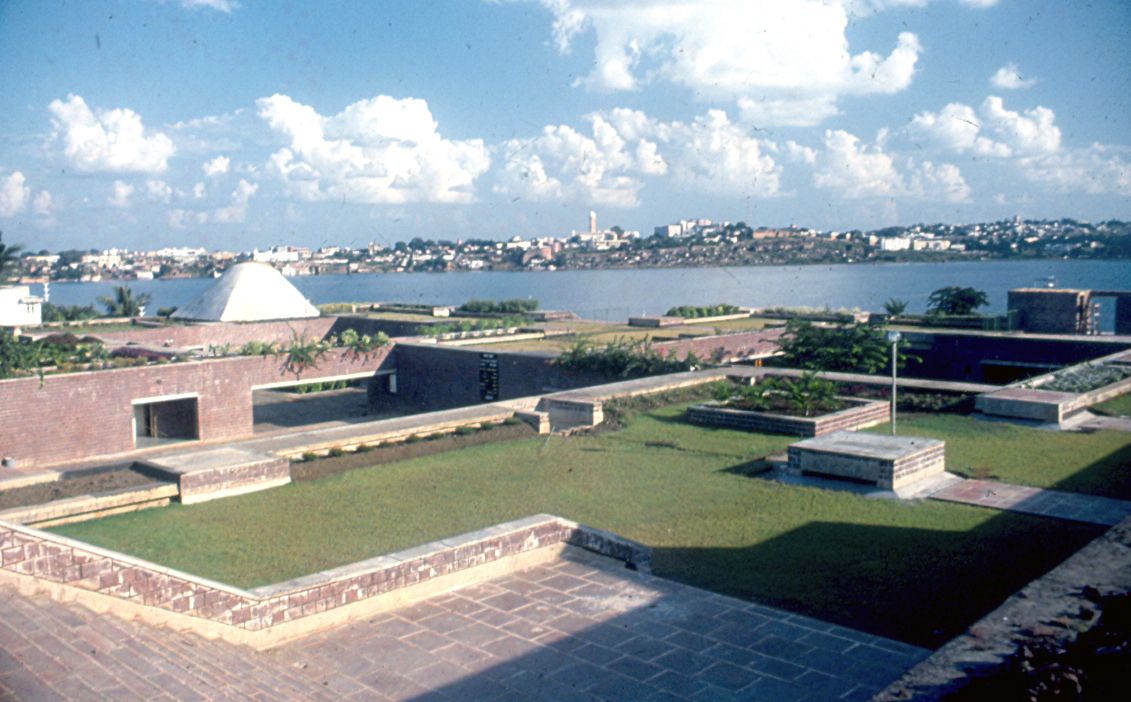
Bharat Bhavan Bhopal: Galleries, Shows & Visitor Timings
Plan a Bharat Bhavan Bhopal visit with cultural context, event-aware timing, and practical city-route tips for a richer experience.

Upper Lake Bhopal: Boating, Timings & Lakefront Activities
Plan Upper Lake Bhopal with boating options, timings, sunset points, nearby attractions, and practical route tips for a smooth city-lake visit.
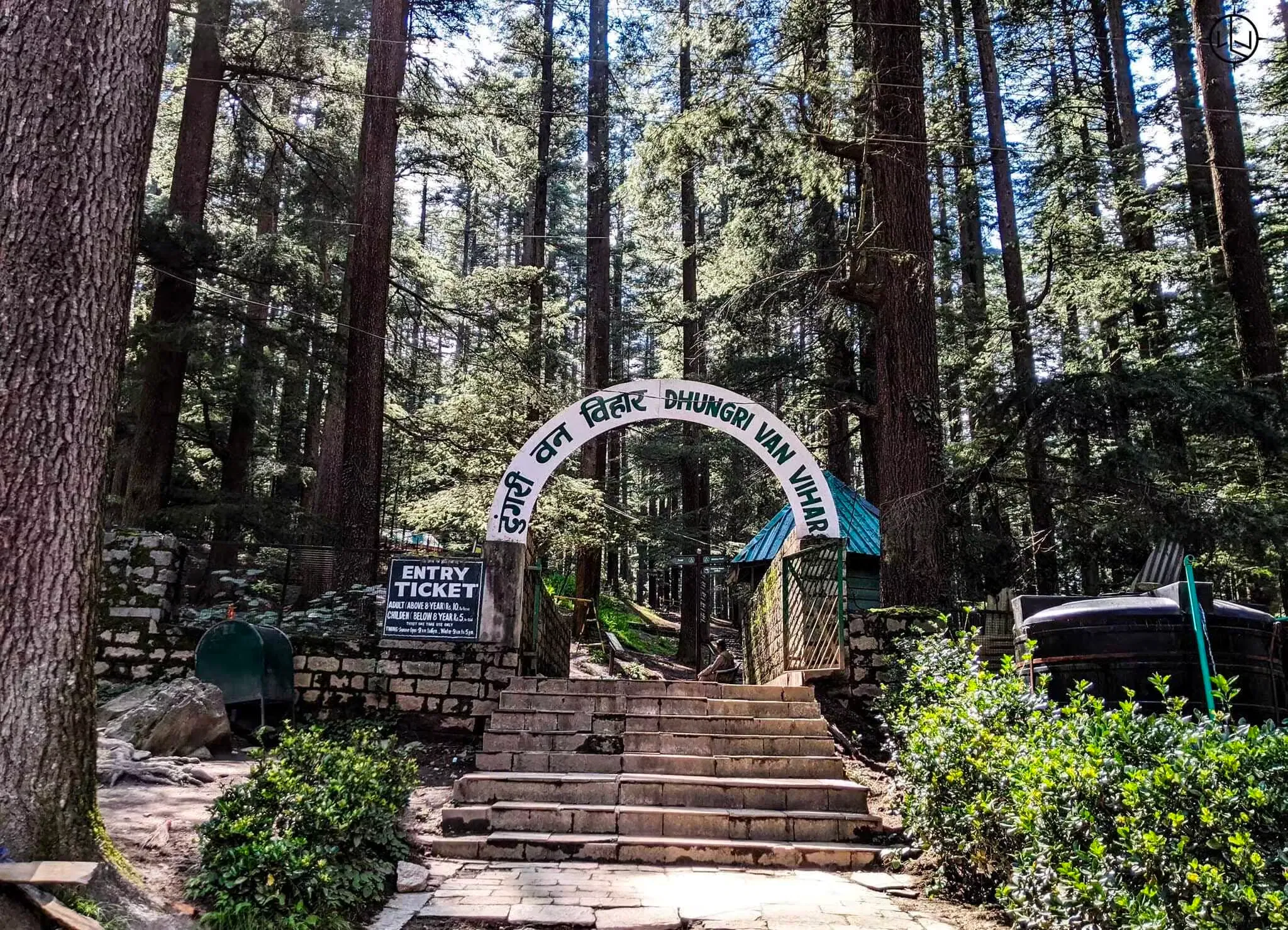
Van Vihar National Park Bhopal: Timings, Ticket Price & Lakefront Route
Plan Van Vihar National Park Bhopal with updated timing logic, ticket guidance, wildlife highlights, and practical route combinations across the city.
Never Miss an Adventure
Get the latest trekking guides, travel tips, and exclusive offers delivered straight to your inbox.
