
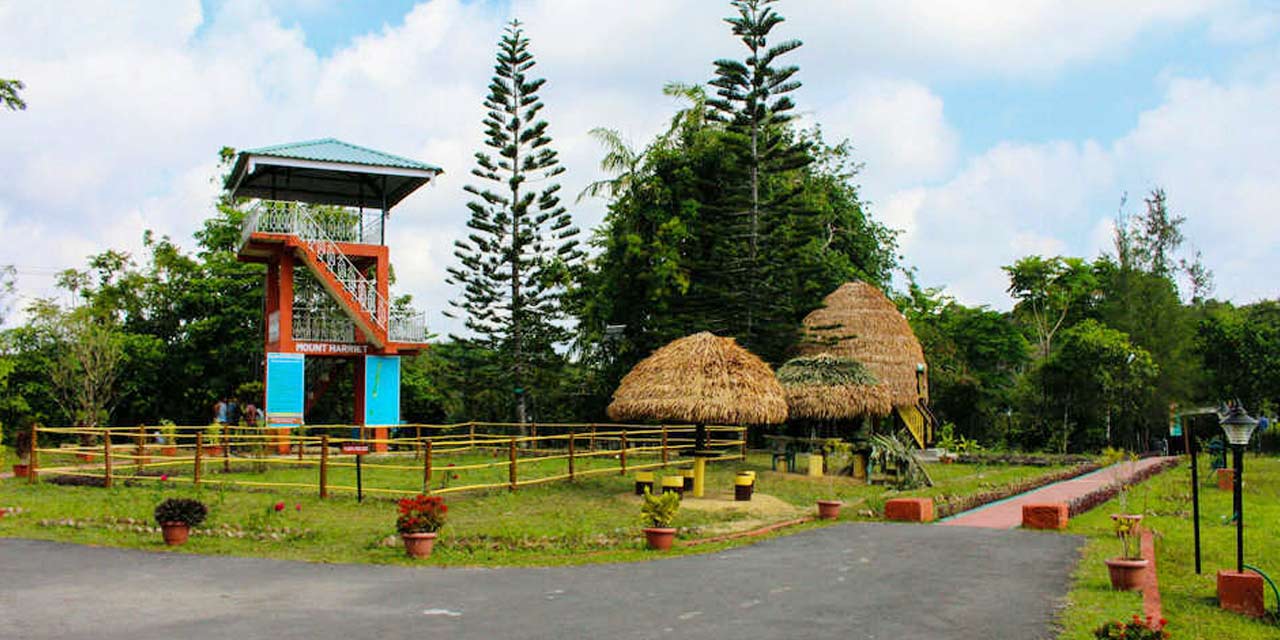
Mount Harriet National Park Andaman: Trek Routes, Entry & Viewpoints

Priya Mehta
December 5, 2025
Explore Mount Harriet National Park in Andaman. Trekking trails, wildlife, history, sunset point & complete travel guide with practical tips.
Introduction: Andaman's Hidden Gem
Nestled in the pristine Andaman Islands, Mount Harriet National Park is a treasure trove of natural beauty that remains surprisingly uncrowded. Located on the island of South Andaman, this national park offers stunning views, rich biodiversity, and fascinating history—all within easy reach of Port Blair. For travelers seeking authentic Andaman experiences beyond beaches and water sports, Mount Harriet provides the perfect blend of adventure, nature, and tranquility.
The park is named after Harriet Tytler, wife of Robert Christopher Tytler, a British officer who served as Superintendent of the Convict Settlement in the Andamans during the colonial era. At an elevation of 365 meters, Mount Harriet is the third highest peak in the Andaman and Nicobar Islands, offering breathtaking panoramic views of the surrounding islands, turquoise waters, and lush green landscapes.
What makes Mount Harriet special is its accessibility combined with untouched wilderness. Unlike many national parks in India that require extensive travel, Mount Harriet can be reached by a short ferry ride from Port Blair, followed by a scenic drive. This makes it an ideal destination for families, nature enthusiasts, and adventure seekers who want to experience Andaman's natural beauty without venturing too far from civilization.
About Mount Harriet National Park
Mount Harriet National Park spans approximately 46 square kilometers of diverse ecosystems, including tropical evergreen forests, mixed deciduous forests, and grasslands. The park was established in 1979 and later recognized as a UNESCO World Heritage site as part of the Andaman and Nicobar Islands' unique biodiversity.
The park's ecosystem supports a remarkable variety of flora and fauna. The dense forests are home to over 90 species of birds, including several endemic and rare species. The park is particularly famous for its butterfly population, with colorful species fluttering through the sun-dappled forest clearings. Mammals found here include the Andaman wild pig, spotted deer, and saltwater crocodiles in the water bodies.
The park's terrain ranges from gentle slopes to more challenging elevations, making it suitable for visitors of various fitness levels. Well-maintained trails wind through the forest, offering opportunities for nature walks, bird watching, and photography. The park also features several viewpoints that provide spectacular vistas of the surrounding islands and the Bay of Bengal.
History & Significance
Mount Harriet has significant historical importance beyond its natural beauty. During British colonial rule, the peak served as the summer headquarters of the Chief Commissioner of the Andaman and Nicobar Islands. The British officials would retreat here during the hottest months to escape the oppressive heat of Port Blair.
Perhaps the most famous historical association is with the Indian freedom fighter, Netaji Subhas Chandra Bose. In December 1943, Netaji hoisted the Indian flag at Mount Harriet, making it a site of national pride and historical significance. The exact spot where the flag was hoisted is marked, and many Indian visitors make it a point to pay their respects at this location.
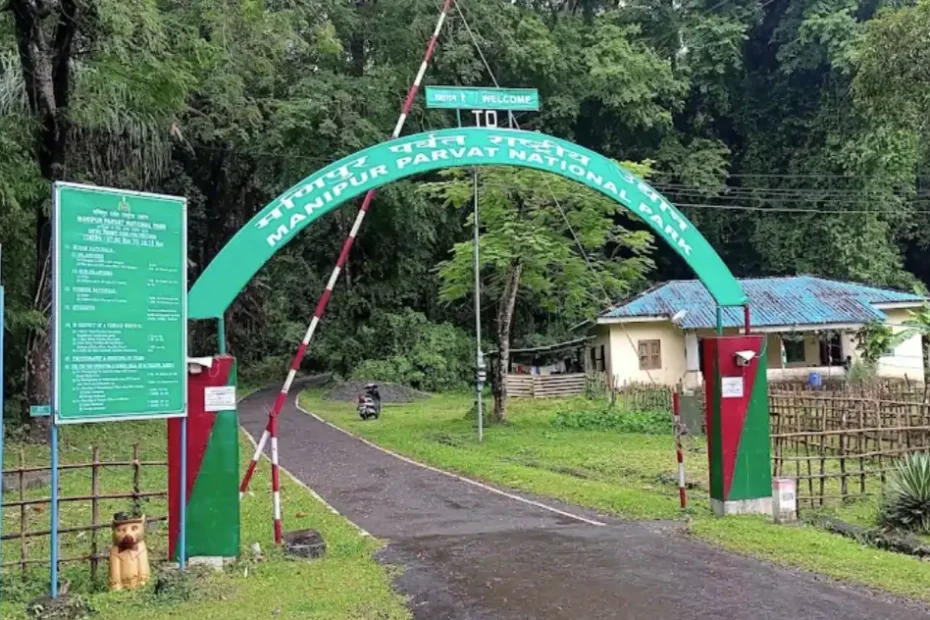
The park's colonial-era buildings, including the commissioner's bungalow, still stand as reminders of this chapter in Andaman's history. These structures, now maintained by the Forest Department, offer a glimpse into life during the British Raj and add an interesting cultural dimension to the natural experience.
The connection to India's freedom struggle, combined with the park's pristine environment, makes Mount Harriet a destination that appeals to both history buffs and nature lovers alike.
Things to Do & See
Mount Harriet National Park offers a range of activities that cater to different interests and fitness levels. Here's what you can expect during your visit:
Nature Walks and Bird Watching
The park's well-marked trails are perfect for leisurely nature walks. As you walk through the forest, keep an eye out for the park's diverse birdlife, including the Andaman hawk owl, Andaman woodpecker, and the rare Andaman green imperial pigeon. Early morning walks offer the best bird watching opportunities, as birds are most active and the forest is filled with their calls.
Butterfly Spotting
Mount Harriet is renowned for its butterfly population, with species like the Common Mormon, Blue Mormon, and the magnificent Crimson Rose frequenting the park's flowering plants. The Butterfly Garden, a dedicated area within the park, is an excellent spot to observe these beautiful creatures up close.
Photography
From sweeping panoramic views to close-up shots of wildlife, Mount Harriet is a photographer's paradise. The changing light conditions throughout the day create different moods, with sunrise and sunset offering particularly dramatic photo opportunities. The colonial-era buildings and the flag hoisting spot provide interesting historical subjects.
Forest Museum
The park has a small museum that showcases the region's flora and fauna. Educational displays about the park's ecosystem, indigenous species, and conservation efforts help visitors appreciate the importance of preserving this unique habitat.
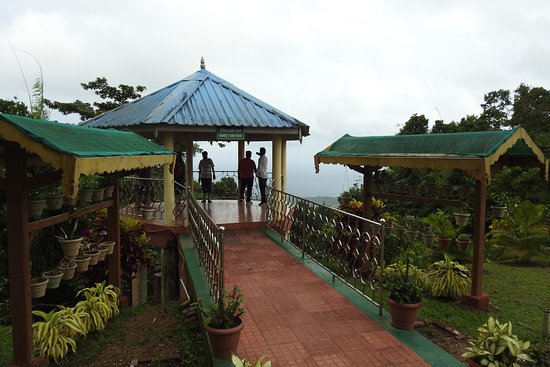
Viewpoints
Several viewpoints within the park offer stunning vistas. The main viewpoint near the peak provides a 360-degree view of the surrounding islands, Port Blair, and the vast expanse of the Bay of Bengal. On clear days, you can even see as far as Havelock Island and Ross Island.
Trekking Trails
For adventure enthusiasts, Mount Harriet offers several trekking options ranging from easy to moderate difficulty. The most popular trails include:
Mount Harriet to Madhuban Trek
This is the park's most famous trek, covering approximately 16 kilometers through pristine forest. The trail follows a path once used by British officials and offers a true wilderness experience. Along the way, you'll pass through diverse ecosystems, cross small streams, and have opportunities to spot wildlife. The trek typically takes 5-6 hours and is recommended for reasonably fit trekkers.
Short Forest Trails
For those who prefer shorter walks, several easy trails wind through the forest, ranging from 2-5 kilometers. These trails are perfect for families with children or visitors who want to experience the park without undertaking a full-day trek. The paths are well-maintained and suitable for most fitness levels.
Sunrise Trek
For early risers, the sunrise trek to the main viewpoint is a magical experience. Starting early in the morning, you'll reach the peak just as the sun begins to rise over the Bay of Bengal, painting the sky and sea in brilliant colors. The early morning hours also offer the best chances for wildlife spotting.
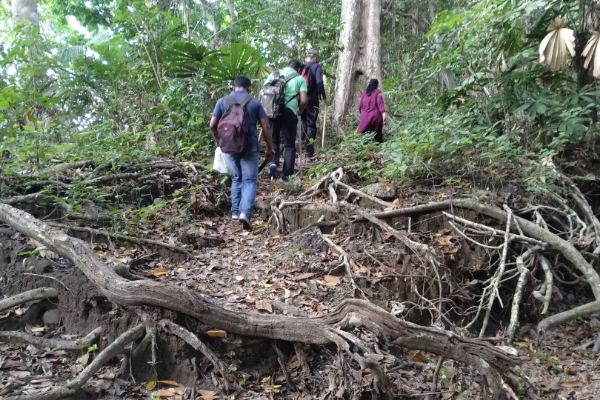
Regardless of which trail you choose, always carry adequate water, wear sturdy walking shoes, and apply insect repellent. Hiring a local guide is recommended for longer treks, as they can provide valuable insights into the park's ecology and ensure you stay on the right path.
Flora & Fauna
Mount Harriet National Park is a biodiversity hotspot, home to a remarkable variety of plant and animal species, many of which are endemic to the Andaman Islands.
Flora
The park's forests are dominated by tropical evergreen trees, including species like Pterocarpus dalbergioides, Terminalia procera, and Dipterocarpus gracilis. Giant creepers, orchids, and ferns add to the forest's lush appearance. The park also contains several medicinal plants that have been used by indigenous communities for generations.
Birds
With over 90 bird species, Mount Harriet is a bird watcher's paradise. Notable species include the Andaman crake, Andaman coucal, Andaman serpent eagle, and the impressive Nicobar pigeon. The park's varied elevation and diverse habitats support both forest floor dwellers and canopy species.
Butterflies
The butterfly population is one of the park's highlights. Colorful species like the Blue Tiger, Common Jezebel, and various Swallowtails can be seen throughout the year. The park's flowering plants and sunny clearings provide ideal conditions for butterflies.
Mammals
While not as easily spotted as birds, the park is home to several mammal species. The Andaman wild pig, spotted deer, and small Indian civet are among the mammals that inhabit the forest. The elusive Andaman horseshoe bat has also been recorded here.
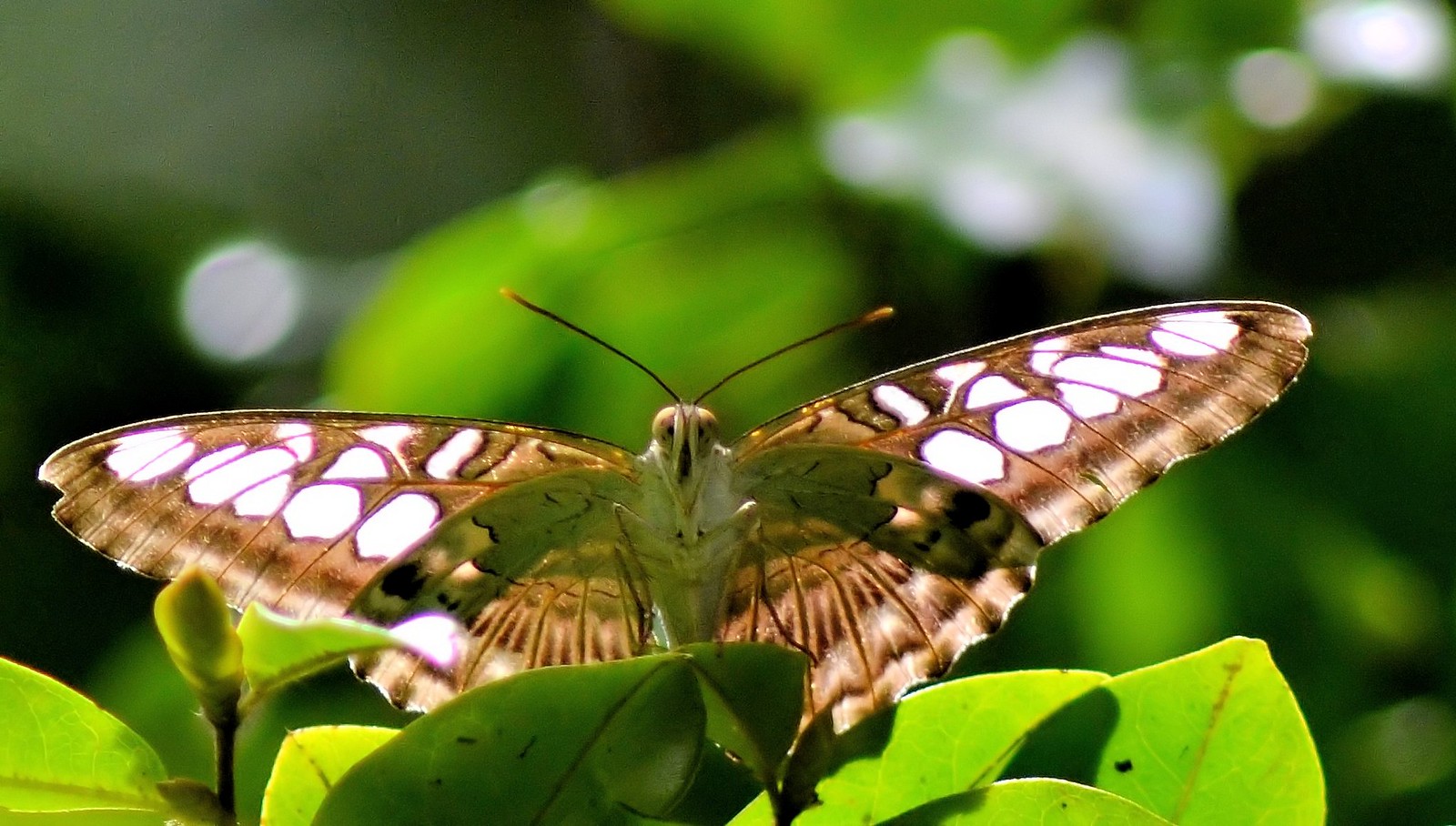
The park's conservation efforts are crucial for protecting these species, many of which are threatened by habitat loss elsewhere in their range. When visiting, remember to maintain a respectful distance from wildlife and avoid disturbing their natural habitat.
Best Time to Visit
The best time to visit Mount Harriet National Park is from October to May, when the weather is pleasant and rainfall is minimal. This period offers ideal conditions for trekking, wildlife spotting, and photography.
October to February: The winter months are particularly comfortable, with cool temperatures and clear skies. This is the peak tourist season in the Andamans, so expect more visitors to the park. The visibility is excellent during these months, making it perfect for panoramic views from the viewpoints.
March to May: The pre-monsoon months are warmer but still manageable for outdoor activities. The forests are lush green, and the bird population is active. This is a good time to visit if you prefer fewer crowds.
June to September: The monsoon season brings heavy rainfall to the Andamans. While the park remains open, trekking conditions can be challenging, and wildlife spotting becomes more difficult due to the dense foliage. However, if you enjoy the rainforest atmosphere and don't mind getting wet, the park looks exceptionally beautiful during monsoon.
For the best overall experience, plan your visit between November and February, when the weather is most favorable for outdoor activities.
How to Reach
Getting to Mount Harriet National Park is relatively straightforward and makes for a scenic journey in itself.
From Port Blair
The journey to Mount Harriet begins at Port Blair, the capital of the Andaman and Nicobar Islands. From Port Blair, take the ferry to Bambooflat, which takes approximately 15 minutes. The ferry ride itself offers lovely views of the coastline and is an enjoyable experience.
From Bambooflat, you can hire a taxi or take a shared vehicle to Mount Harriet National Park. The drive is approximately 7 kilometers and takes about 20 minutes, winding through forested areas and offering glimpses of island life.
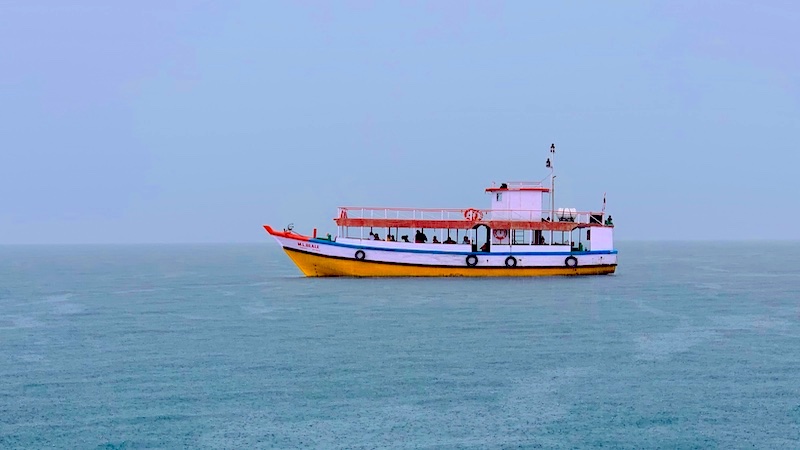
By Road
Alternatively, you can reach Mount Harriet by road from Port Blair, which takes approximately 30-40 minutes depending on traffic. The road journey offers beautiful views of the surrounding landscape and is a pleasant drive.
Park Timings
Mount Harriet National Park is open from 7:00 AM to 5:00 PM on all days of the week. The best time to visit is early morning or late afternoon, when the temperature is cooler and wildlife is more active. Avoid visiting during the hottest part of the day (11:00 AM to 2:00 PM).
Entry Fee
The entry fee to Mount Harriet National Park is nominal, typically around ₹50 for Indian citizens and higher for foreign nationals. Additional charges may apply for camera usage and guide services. Check current fees at the forest department office before planning your visit.
Accommodation
For those who want to extend their stay, the Forest Department maintains guest houses within the park. These simple accommodations offer basic amenities and the unique experience of spending the night in the forest. Advance booking is recommended, especially during peak tourist season. Alternatively, you can stay in Port Blair and make it a day trip to Mount Harriet.
Conclusion
Mount Harriet National Park offers a perfect escape into nature for travelers exploring the Andaman Islands. Its combination of stunning views, rich biodiversity, historical significance, and accessibility makes it a must-visit destination. Whether you're a nature enthusiast, history buff, photographer, or simply someone looking for a peaceful retreat from the beaches, Mount Harriet delivers on all fronts.
As more travelers discover the Andamans, places like Mount Harriet remind us of the islands' natural beauty beyond the popular beach destinations. The park's tranquility, diverse wildlife, and panoramic vistas provide a different perspective on this tropical paradise.
For those planning a comprehensive Andaman itinerary, Mount Harriet pairs beautifully with other attractions like Mahatma Gandhi Marine National Park and Chidiya Tapu. Together, these destinations showcase the incredible variety of experiences the Andaman Islands have to offer.
So, the next time you're in the Andamans, take a break from the beaches and head to Mount Harriet. The views will take your breath away, the forest will rejuvenate your spirit, and the memories will last a lifetime. This hidden gem of the Andamans is waiting to be explored.
Location
Frequently Asked Questions
Q1.Where is Mount Harriet National Park located?
Q2.How do I reach Mount Harriet from Port Blair?
Q3.What is the best time to visit?
Q4.What can we see at Mount Harriet?
Q5.Is the trek difficult?
Q6.How long does it take to explore?
Q7.What are the park timings?
Q8.Is there entry fee?
Q9.Are there accommodations nearby?
Q10.Is it family-friendly?
Recommended For You
Andaman Complete: Plan Islands Weather And Activities
Complete Andaman travel guide featuring Havelock, Neil Island, Port Blair, scuba diving, beaches, best time to visit, ferry & practical tips.
Chidiya Tapu Andaman: Sunset Point, Trek Trail & Travel Tips
Plan Chidiya Tapu Andaman with sunset timing guidance, distance from Port Blair, activity ideas, and safety tips for a smooth nature outing.
Mahatma Gandhi Marine National Park Andaman: Permits, Boat Trips & Timings
Complete guide to Mahatma Gandhi Marine National Park in Andaman: islands, snorkeling, entry fee, timings, and how to reach this marine paradise.
Never Miss an Adventure
Get the latest trekking guides, travel tips, and exclusive offers delivered straight to your inbox.
